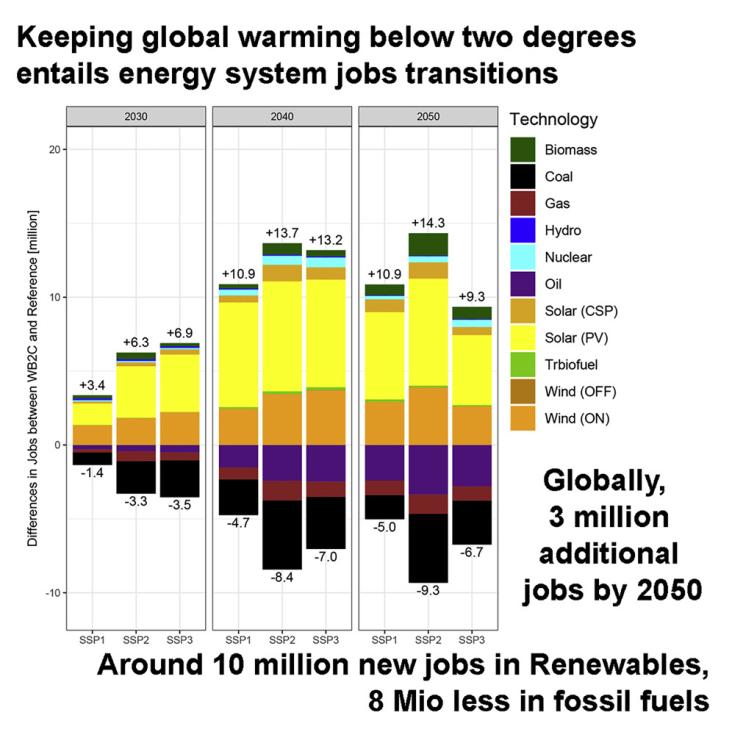
To limit global warming to well-below 2°C (WB2C), fossil fuels must be replaced by low-carbon energy sources. Support for this transition is often dampened by the impact on fossil fuel jobs.
Despite the improvement in technologies for the production of alternative fuels (AFs), and the needs for using more AFs for motor vehicles for the reductions in air pollution and greenhouse gases,
The lock down engendered by COVID-19 pandemic has impacted positively on the environment through reduction of the emissions of green house gases, CO2, CO and other pollutants into the atmosphere be
Local authorities in the United Kingdom are recognised by central government as key agents to achieving the national net zero target aimed at stabilising global temperatures at or below 1.5 degrees
To show the importance of climate action and to celebrate the more than 5-year collaboration between the Elsevier Chemistry journals department and the Elsevier Foundation, we have compiled this special issue, highlighting top chemistry content related to SDG 13 and providing information on past winners of the Green & Sustainable Chemistry Challenge.
Elsevier, Nuclear Decommissioning Case Studies, Volume Two - Policies, Strategies, Planning and Knowledge Management, 2021, Pages 3-7
This book chapter advances SDG 7 and 11 by highlighting the concepts of policy, strategy, early and detailed planning, Life Cycle Management, and poor or good practices associated with nuclear decommissioning.