Health and wellbeing

Health and well-being have a central role in the 17 Sustainable Development Goals (SDGs) endorsed by the United Nations, emphasizing the integral part they play in building a sustainable future. The third SDG explicitly calls for ensuring healthy lives and promoting well-being for all at all ages. This goal encompasses a wide range of health objectives, from reducing maternal and child mortality rates, combatting disease epidemics, to improving mental health and well-being. But beyond SDG 3, health is intrinsically linked with almost all the other goals.

When addressing SDG 1, which aims to end poverty, one cannot neglect the social determinants of health. Economic hardship often translates into poor nutrition, inadequate housing, and limited access to health care, leading to a vicious cycle of poverty and poor health. Similarly, achieving SDG 2, ending hunger, also contributes to better health through adequate nutrition, essential for physical and mental development and the prevention of various diseases.

Conversely, the repercussions of climate change, encapsulated in SDG 13, profoundly impact health. Rising global temperatures can lead to increased spread of infectious diseases, compromised food and water supplies, and increased frequency and intensity of extreme weather events, all posing severe health risks. Conversely, the promotion of good health can also mitigate climate change through the reduction of carbon-intensive lifestyles and adoption of healthier, more sustainable behaviors.

SDG 5, advocating for gender equality, also has substantial health implications. Ensuring women's access to sexual and reproductive health services not only improves their health outcomes, but also contributes to societal and economic development. Furthermore, achieving SDG 4, quality education, is also critical for health promotion. Education fosters health literacy, empowering individuals to make informed health decisions, hence improving overall community health.

Lastly, SDG 17 underlines the importance of partnerships for achieving these goals. Multi-sector collaboration is vital to integrate health considerations into all policies and practices. Stakeholders from various sectors, including health, education, agriculture, finance, and urban planning, need to align their efforts in creating sustainable environments that foster health and well-being.

Hence, the relationship between health, well-being, and the SDGs is reciprocal. Improving health and well-being helps in achieving sustainable development, and vice versa. In this context, health and well-being are not just outcomes but are also powerful enablers of sustainable development. For the world to truly thrive, it must recognize and act upon these interconnections.
Elsevier,

Nelson Pediatric Symptom-Based Diagnosis: Common Diseases and their Mimics (Second Edition)
2023, Pages 450-472.e2

This content aligns with Goal 3: Good Health and Wellbeing and Goal 10: Reduced Inequalities by reviewing the common risk and protective factors for developmental disorders, approaches to screening, and identification of developmental disabilities in primary health care settings.
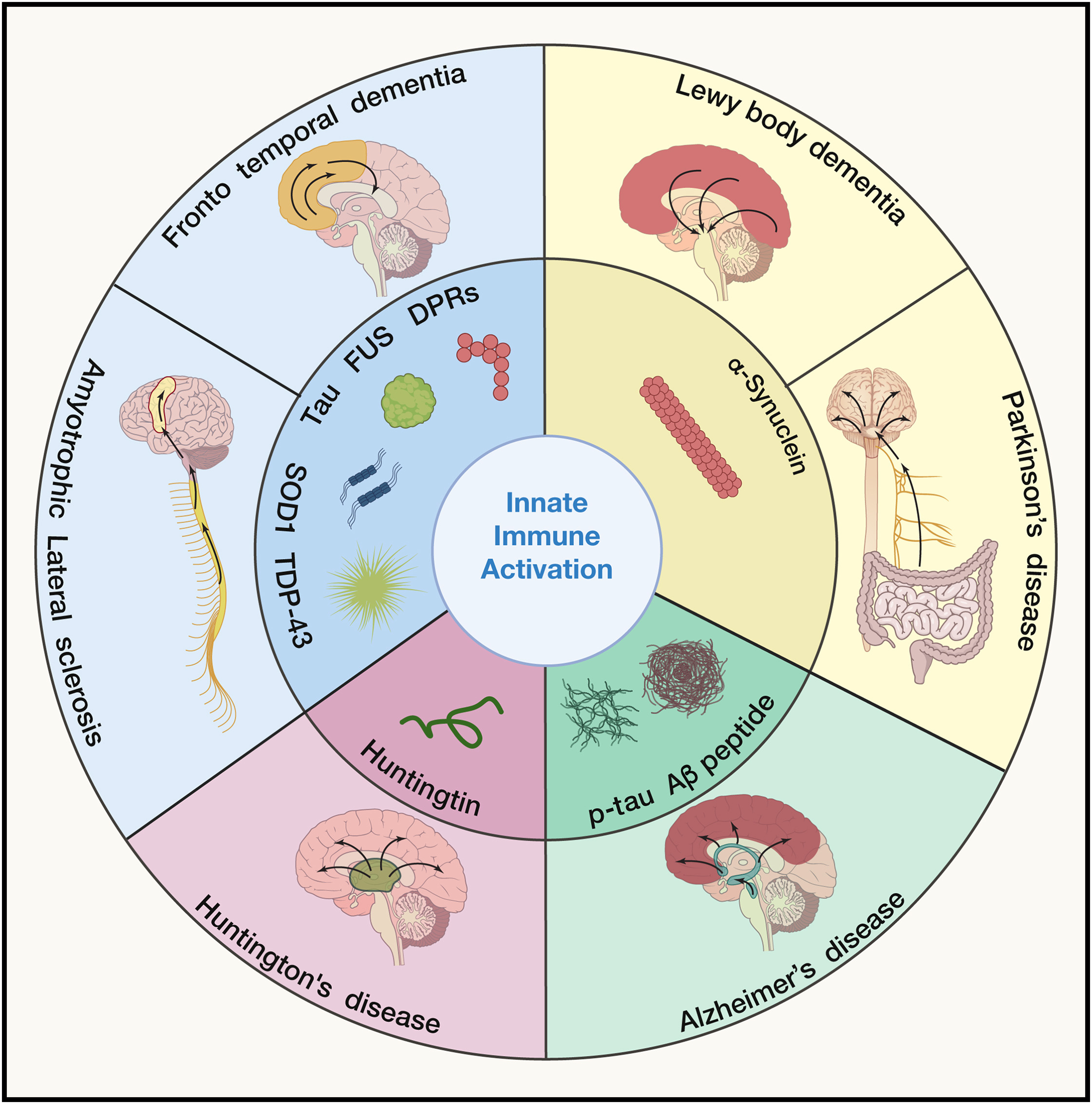
Fecal microbiota transplantation (FMT) from young donors can delay aging and improve health outcomes by restoring gut microbiota balance, with potential therapeutic benefits for neurodegenerative diseases like Alzheimer's through the gut–brain axis. However, challenges remain in donor selection and establishing effective transplantation protocols.
Elsevier,

Journal of the Society for Cardiovascular Angiography and Interventions, Volume 2, 1 November 2023

Neurocognitive dysfunction is common in heart failure (HF), and is independently associated with worse outcomes including mortality, rehospitalization, and reduced quality of life. It is paramount to raise awareness of the neurocognitive consequences in ischemic HF and devise strategies for recognition and prevention as an important target of patient management and personalized decision making that contributes to patient outcomes. This review outlines the current evidence and gaps in our understanding of neurocognitive dysfunction in HF and their implications on selection of revascularization strategies in patients with ischemic HFrEF.
Elsevier,

Societal Impacts, Volume 1, Issues 1–2, December 2023, 100019

The SOCIAL4FOOD project revitalized the endangered “fagiolina arsolana” bean in Arsoli, Italy, by engaging the community through social farming and green training, preserving traditional knowledge, and boosting rural economy. It fostered social inclusion, strengthened local identity, and offers a scalable model for sustainable agriculture and community well-being. The project supports a just transition by empowering marginalized groups and preserving cultural heritage.

Elsevier,

Neuropsychiatric Disorders and Epigenetics: Translational Epigenetics, Second Edition, 2024, Pages 103-124

This content aligns with Goal 3: Good Health by addressing Fragile X syndrome (FXS), a significant cause of intellectual disability, and exploring potential treatments that could improve health outcomes for affected individuals through the restoration of gene function. Additionally, it aligns with Goal 10: Reduced Inequalities by emphasizing the importance of understanding genetic and epigenetic factors in FXS, which can lead to more equitable healthcare options and targeted interventions for individuals with this condition, ultimately promoting inclusion and reducing disparities in health access and treatment.
Elsevier,

Genomics in the Clinic: A Practical Guide to Genetic Testing, Evaluation, and Counseling, 2024, Pages 493-494

This case study aligns with Goal 3: Good Health by highlighting the importance of accurate diagnosis and understanding of genetic conditions, which can lead to better health management and support for individuals with psychosis and learning disabilities. Additionally, it aligns with Goal 10: Reduced Inequalities by emphasizing the need for equitable access to healthcare and resources for individuals with complex health needs, ensuring that they receive appropriate care and support tailored to their specific conditions.

Menstrual Hygiene Day 2026

Menstrual health is a fundamental aspect of human rights, dignity, and public health. Menstrual Hygiene Day, observed annually on May 28th, is dedicated to breaking taboos and raising awareness about the importance of good menstrual hygiene management (MHM). This year, SDG Resources is leading the charge to educate, empower, and transform the conversation around menstrual health.

The Importance of Menstrual Hygiene

Elsevier,

Societal Impacts, Volume 1, Issues 1–2, December 2023, 100017

The article highlights that while consumer awareness of sustainable food packaging disposal is growing, confusion around packaging symbols and mixed-material disposal persists, hindering effective recycling. Using quick, engaging quizzes across all age groups at community events proved successful in identifying knowledge gaps and encouraging willingness to adopt better disposal practices. The study underscores the need for clearer labeling, improved recycling infrastructure, and coordinated efforts from schools, businesses, and government to support consumers in sustainable behavior changes. This work aligns with the UN SDG goals by promoting quality education (Goal 4), fostering innovation and infrastructure (Goal 9), and encouraging responsible consumption and production (Goal 12).

This article aligns with Sustainable Development Goal 11: Sustainable Cities and Communities. The research focuses on transitioning the construction industry towards sustainable practices by utilizing local biological materials and developing a construction method for tension-compression anticlastic shellular structures. The use of a fully biodegradable material system and an earthen construction workflow helps minimize the environmental footprint in the built environment. This article aligns with Sustainable Development Goal 3: Good Health and Well-being. The use of polymer-functionalized plant leaf scaffolds as a novel human cell culture platform for tissue engineering applications, specifically for promoting the alignment and elongation of muscle cells, contributes to advancements in healthcare and the development of functional skeletal muscle tissue.
Elsevier,

Current Developments in Nutrition, Volume 7, November 2023

This paper concludes that it is imperative to identify effective, early treatments for Alzheimer's disease. Creatine is an important bioenergetic molecule, and the Creatine system is shown to be dysfunctional in the brain of individuals with Alzheimer's disease. Therefore, Ceatine may serve as a potential target for prevention and therapy and creatine monohydrate supplementation may be beneficial in Alzheimer's disease. To date, only rodent studies have investigated the use of creatine monohydrate as a treatment for Alzheimer's disease.. Thus, clinical trials investigating the effects of creatine monohydrateon cognition and creatine monohydrate’s mechanisms in humans with Alzheimer's disease as well as its potential as a strategy to prevent cognitive decline in those with normal cognition, are needed. There is much to be learned about CrM intervention and brain health in different life and disease phases.

Pages