Increasing interest in deep-seabed mining has raised many questions surrounding its potential environmental impacts and how to assess the impacts’ significance. Under the United Nations Convention on the Law of the Sea (UNCLOS), the International Seabed Authority (ISA) is charged with ensuring effective protection of the marine environment as part of its responsibilities for managing mining in seabed areas beyond national jurisdiction (the Area) on behalf of humankind.
Your search request returned 8466 results.
Elsevier, Marine Policy, Volume 74, 1 December 2016
Changing forms of seafood consumption in China hold immense significance for the marine ecosystems that supply this market, and are a fundamentally important challenge to address for global environmental sustainability. Drawing on recent findings from extensive ethnographic and survey research with seafood traders and consumers in China, this paper analyses policies for improving sustainable seafood consumption in China.
Elsevier, Renewable Energy, Volume 93, August 01, 2016
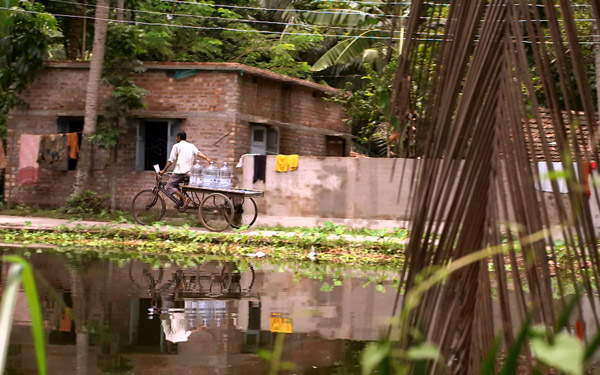
A review of electricity access projects in rural areas reveals a number of unsustainable features. Each rural area can be very different with regard to the socioeconomic conditions and the dynamics between society and technology. This research is a comparative study to assess the impact of techno socioeconomic factors on the sustainability of two microhydro power projects. The assessment of sustainability projects was based on sustainable development indicators for rural electrification, considering technical, economic, social, environmental and institutional sustainability.
Elsevier, Current Opinion in Environmental Sustainability, Volume 34, In progress.
This interdisciplinary collection of articles seeks to facilitate the design, implementation and evaluation of effective interventions that reduce poverty while protecting the environment. The SDG Perspectives Project aims to build an environment for collaboration, where experts from all over the world can engage with the SDGs in an interdisciplinary way.
Elsevier, Sustainable Materials and Technologies, February 2018
Increasing consumption and demand for special and precious metals brings about associated risks if the supply chain is disrupted or constrained. These articles considers the ecological and social impacts of raw materials supply chain contributing to SDG 12 (responsible consumption and production).
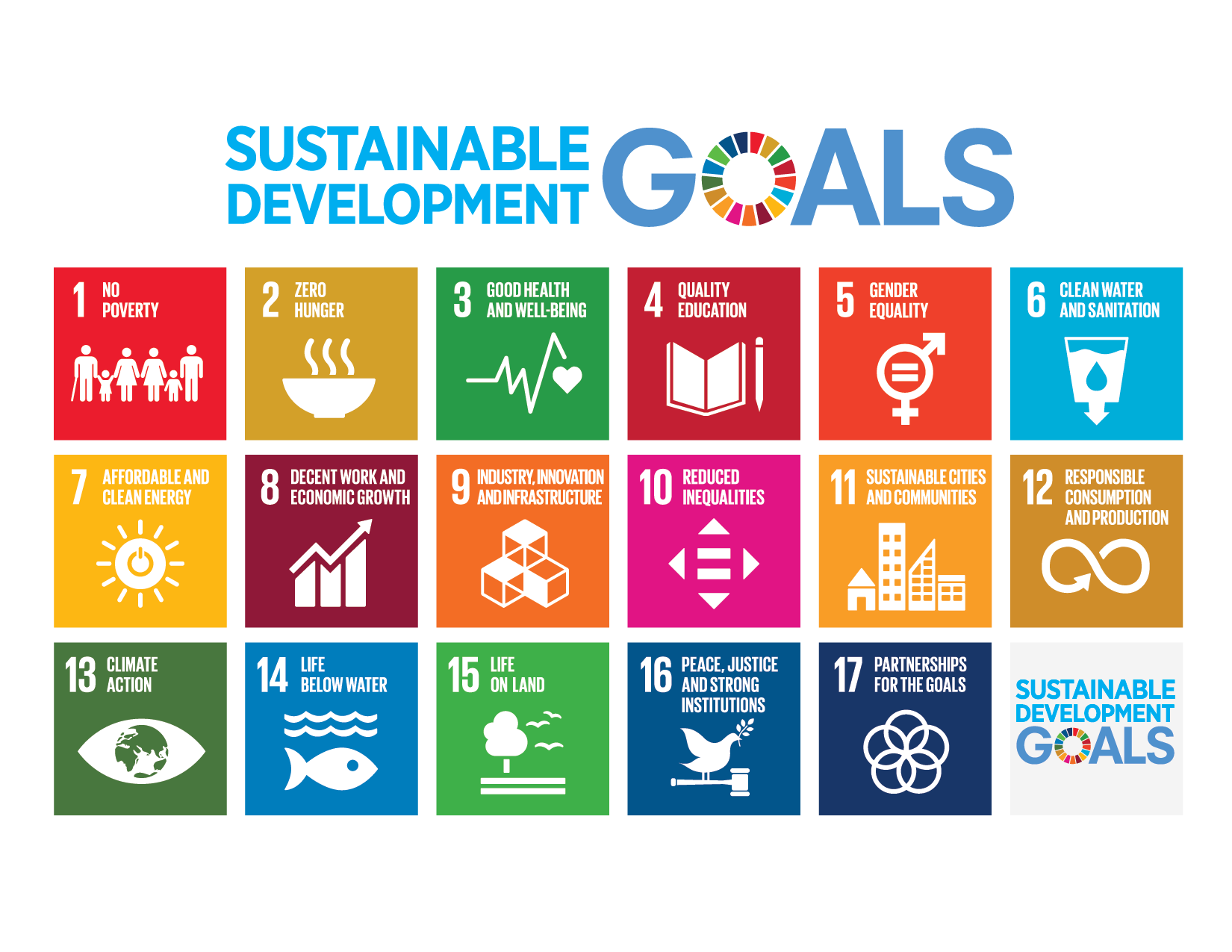
The Blueprint for Business Leadership on the SDGs aims to inspire all business to take leading action in support of the achievement of all Sustainable Development Goals (SDGs). Each chapter focusses on a separate goal and illustrates how leadership qualities can be applied to create impact at scale.