To establish an estimation procedure for reliable catch amount of illegal, unreported and unregulated (IUU) fishing, light-gathering fishing operations in the northwestern Pacific were analyzed based on the Visible Infrared Imaging Radiometer Suite (VIIRS) day/night band (DNB) data provided by the Suomi National Polar Partnership (SNPP) satellite. The estimated fishing activities were compared with the navigation tracks of vessels obtained from the automatic identification system (AIS).
Your search request returned 8466 results.
Elsevier, Marine Policy, Volume 96, October 2018
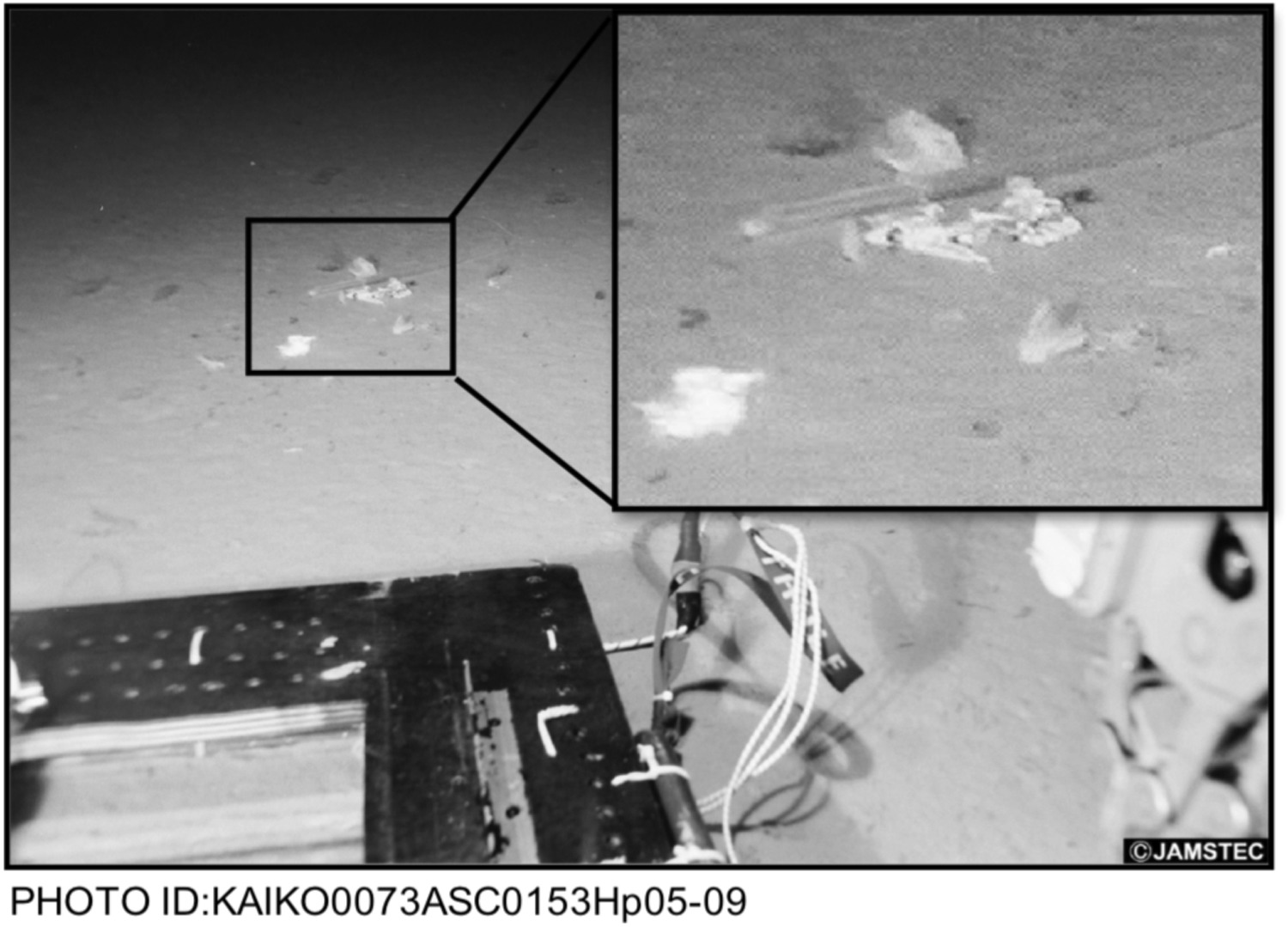
This study reports plastic debris pollution in the deep-sea based on the information from a recently developed database. The Global Oceanographic Data Center (GODAC) of the Japan Agency for Marine-Earth Science and Technology (JAMSTEC) launched the Deep-sea Debris Database for public use in March 2017. The database archives photographs and videos of debris that have been collected since 1983 by deep-sea submersibles and remotely operated vehicles. From the 5010 dives in the database, 3425 man-made debris items were counted.
Elsevier, Marine Policy, Volume 91, May 2018
In spite of the growing attention towards the overall quality of Marine Protected Areas (MPAs), most empirical studies so far have narrowly focused their assessments on specific natural or social features and governing structures. In response, this study analyzed multi-use MPAs in the eelgrass restoration site in Hinase, Okayama, Japan in their environmental, economic and social dimensions. Considering changes in time and space as well as internal and external influences, the study faced many difficulties in dealing with the dynamics of MPA environments.
Elsevier, Marine Policy, Volume 93, July 2018
Achieving the United Nations’ 17 Sustainable Development Goals (SDGs) results in many ecological, social, and economic consequences that are inter-related. Understanding relationships between sustainability goals and determining their interactions can help prioritize effective and efficient policy options. This paper presents a framework that integrates existing knowledge from literature and expert opinions to rapidly assess the relationships between one SDG goal and another.
Elsevier, Ecological Indicators, Volume 66, 1 July 2016
Among the tools used to measure sustainability in aquaculture, sets of indicators allow a holistic view of a system in its social, environmental, and economic dimensions. Approaches that align indicators with models such as the Drivers-Pressure-State-Impact-Response (DPSIR) framework can improve understanding of this sustainability. This study evaluated the sustainability of cage production systems for Nile tilapia in the Santa Cruz Reservoir, to determine whether a set of indicators used with the DPSIR conceptual model was effective to study the sustainability of the system.

LexisNexis Legal & Professional, Lexis Practice Advisor, September 2016
In the US, land owners are liable for environmental impacts in relation to contaminated land. This Lexis Practice Advisor practice note explains what due diligence should be carried out in relation to the purchase of land/buildings to assess the environmental risk. Environmental due diligence advances SDG 3.9 to substantially reduce the number of deaths and illnesses from hazardous chemicals and air, water and soil pollution and contamination, and generally supports SDG 11 Sustainable cities and SDG 15 Life on land.
Elsevier, Marine Policy, Volume 94, August 2018
This viewpoint emphasizes gendered perspectives and reflects on gender roles for sustainability-focused governance. It argues that when considering gender in this context, not only equity, or power-plays between genders are at stake; in addition, for effective ocean governance, an irreducible contribution of female voices is necessary. Some key contributions of women in the field of ocean governance-related research are described as examples. If women, for instance, are not included in fisheries management, we miss the complete picture of social-ecological linkages of marine ecosystems.
Elsevier, Marine Pollution Bulletin, Volume 136, November 2018
Increasing accessibility of coral reefs from the latter third of the 20th century led quickly to recognition of the vulnerability of coral reef communities to a combination of direct and indirect human impacts. Coral reefs are confronted by the stark threats of climate and ocean changes from the increasing number, intensity and forms of human use impacting global and marine systems. Management, particularly of accessible coral reefs, occurs in the context of multiple scale transboundary water column linkages of lifecycle processes and increasing human use of coastal and marine space.
Elsevier, Marine Policy, Volume 99, January 2019
The current regime governing Areas Beyond National Jurisdiction (ABNJ) as a global commons has resulted in overutilization of fisheries resources and patchwork attempts to regulate resource extraction. States are looking to expand resource extraction in ABNJs, including marine genetic resources, creating pressures to regulate these activities. As a result, since 2004, the United Nations has been holding preparatory meetings to lay the groundwork for a new international legally binding instrument (ILBI) to address the gaps left by UNCLOS.
Elsevier, Ocean and Coastal Management, Volume 154, 15 March 2018
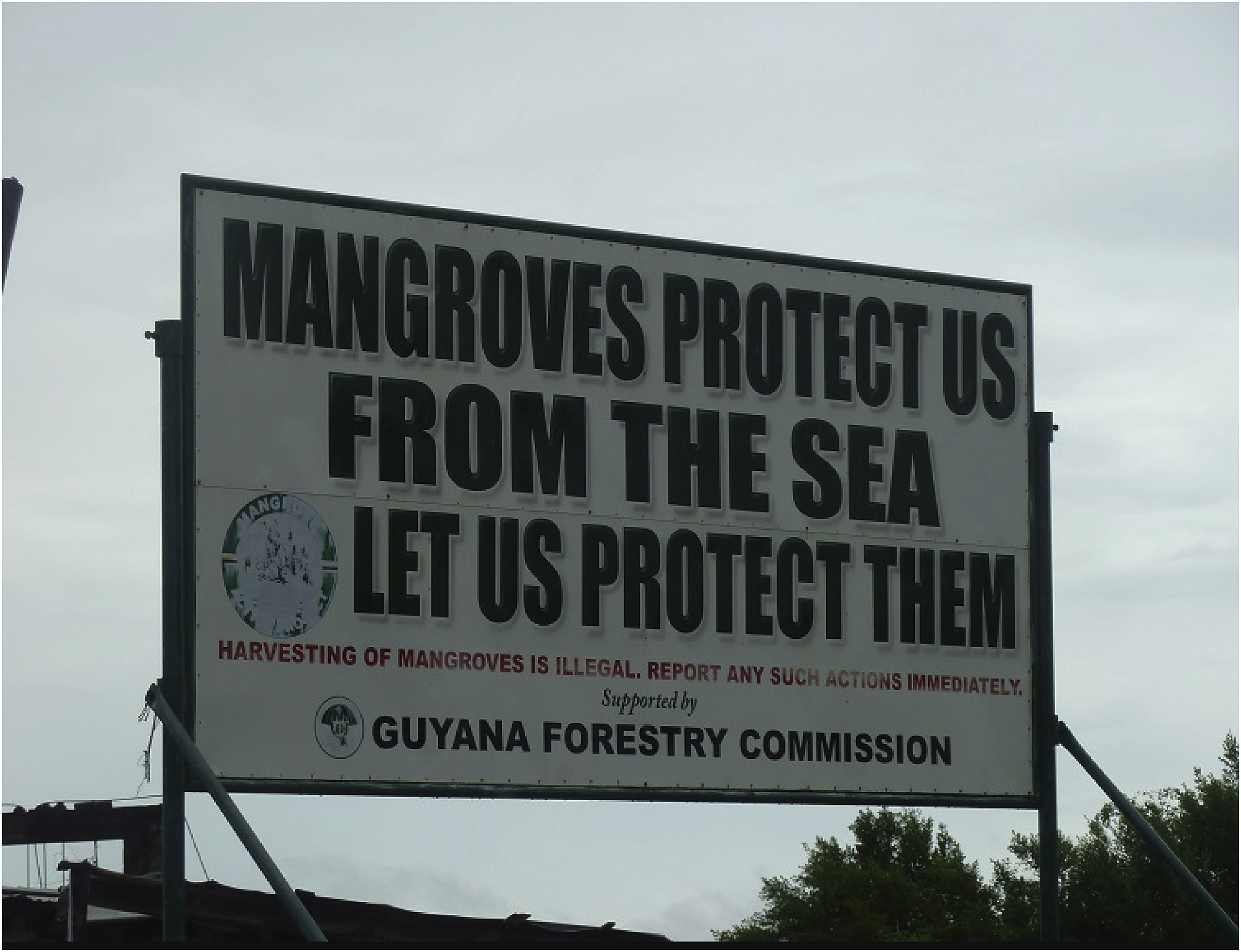
Mangrove forests provide critical services around the globe to both human populations and the ecosystems they occupy. However, losses of mangrove habitat of more than 50% have been recorded in some parts of the world, and these losses are largely attributable to human activities. The importance of mangroves and the threats to their persistence have long been recognized, leading to actions taken locally, by national governments, and through international agreements for their protection. In this review, we explore the status of mangrove forests as well as efforts to protect them.