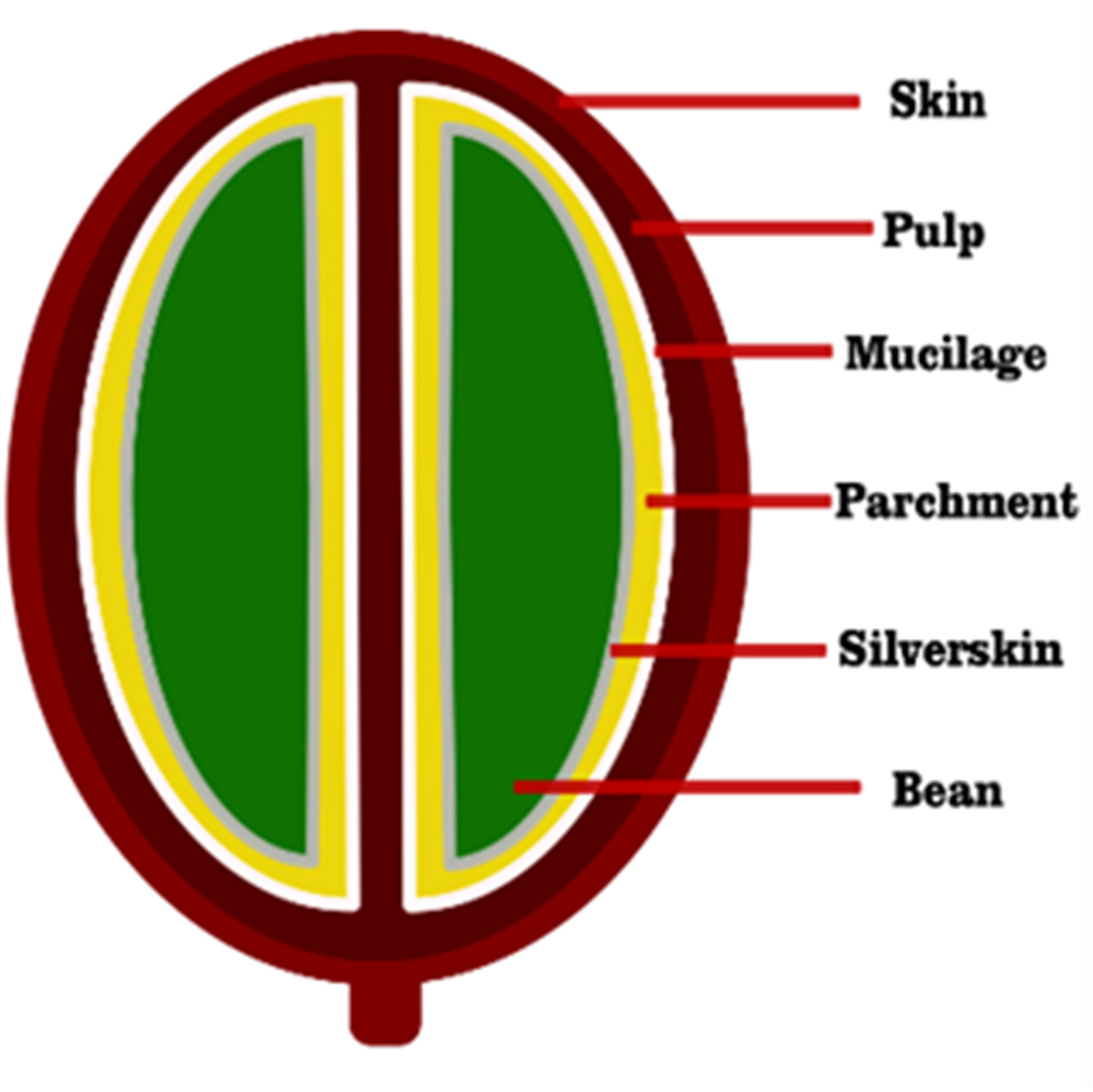
Background: Coffee is of the most traded commodities in the world and its market has grown regularly over the last 150 years. During production and processing of coffee beans many by-products are generated such as skin, pulp, mucilage, parchment, silverskin, and immature /defective coffee beans. Around 50% of coffee fruit is discard and can contaminate the environment. Scope and approach: The purpose of this review is to raise potential applications for coffee by-products in topical formulations. Besides, to present the main bioactive compounds responsible for their biological activity.
Your search request returned 8466 results.
Elsevier, Transportation Research Part D: Transport and Environment, Volume 93, April 2021
An improved understanding of public support is essential to design effective and feasible climate policies for aviation. Our motivation is the contrast between high support for air travel restrictions responding to the COVID-19 pandemic and low support for restrictions to combat climate change. Can the same factors explain individuals’ support for restrictive measures across two different problems? Using a survey, we find that largely the same factors explain support.
Elsevier, Trends in Food Science and Technology, Volume 110, April 2021
Background: In 2020, human society underwent several drastic changes due to the coronavirus disease 2019 (COVID-19) pandemic, which generated an unprecedented global impact. Since the onset of the COVID-19 pandemic, various pressing concerns underlying food security, such as transport, production, and maintenance of the supply chain, have been raised.
Elsevier, Heliyon, Volume 7, March 2021
Global warming has been affecting animal husbandry and farming production worldwide via changes in organisms and their habitats. In the tropics, these conditions are adverse for agriculture and animal production in some areas, due to high temperatures and relative humidity, affecting competitiveness related to economic activities. These environments have deteriorated livestock production, due to periods of drought, reduction in forage quality and heat stress, eliciting negative effects on reproduction, weight gain, and reduced meat and milk production.
Elsevier, Global Environmental Change, Volume 67, March 2021
Our carbon-intensive economy has led to an average temperature rise of 1 °C since pre-industrial times. As a consequence, the world has seen increasing droughts, significant shrinking of the polar ice caps, and steady sea-level rise. To stall these issues’ worsening further, we must limit global warming to 1.5 °C. In addition to the economy's decarbonization, this endeavour requires the use of negative-emissions technologies (NETs) that remove the main greenhouse gas, carbon dioxide, from the atmosphere.
Elsevier, Heliyon, Volume 7, March 2021
The National Biogas Policy of Ethiopia introduces plans for the implementation of biogas technologies in rural areas. However, rural households' decision to adopt biogas energy technology has been influenced by different socio-economic and institutional factors. This research was therefore undertaken to determine the actual energy consumption status and factors impacting the adoption of biogas technology by rural households in northwestern Ethiopia. Primary data from 182 randomly chosen households and 15 key informants were obtained.
Elsevier, Heliyon, Volume 7, March 2021
Food insecurity caused by climate change has become one of the main issues on the global agenda. Worldwide, the importance of digital tools as a means to enhance adaptive capacity and resilience of smallholder farmers (SHFs) in the face of climate variability has long been recognised. Technology-based systems in agriculture frequently neglect to consider the actual context of use and adoption by SHFs in rural and developing contexts.
Elsevier, Heliyon, Volume 7, March 2021
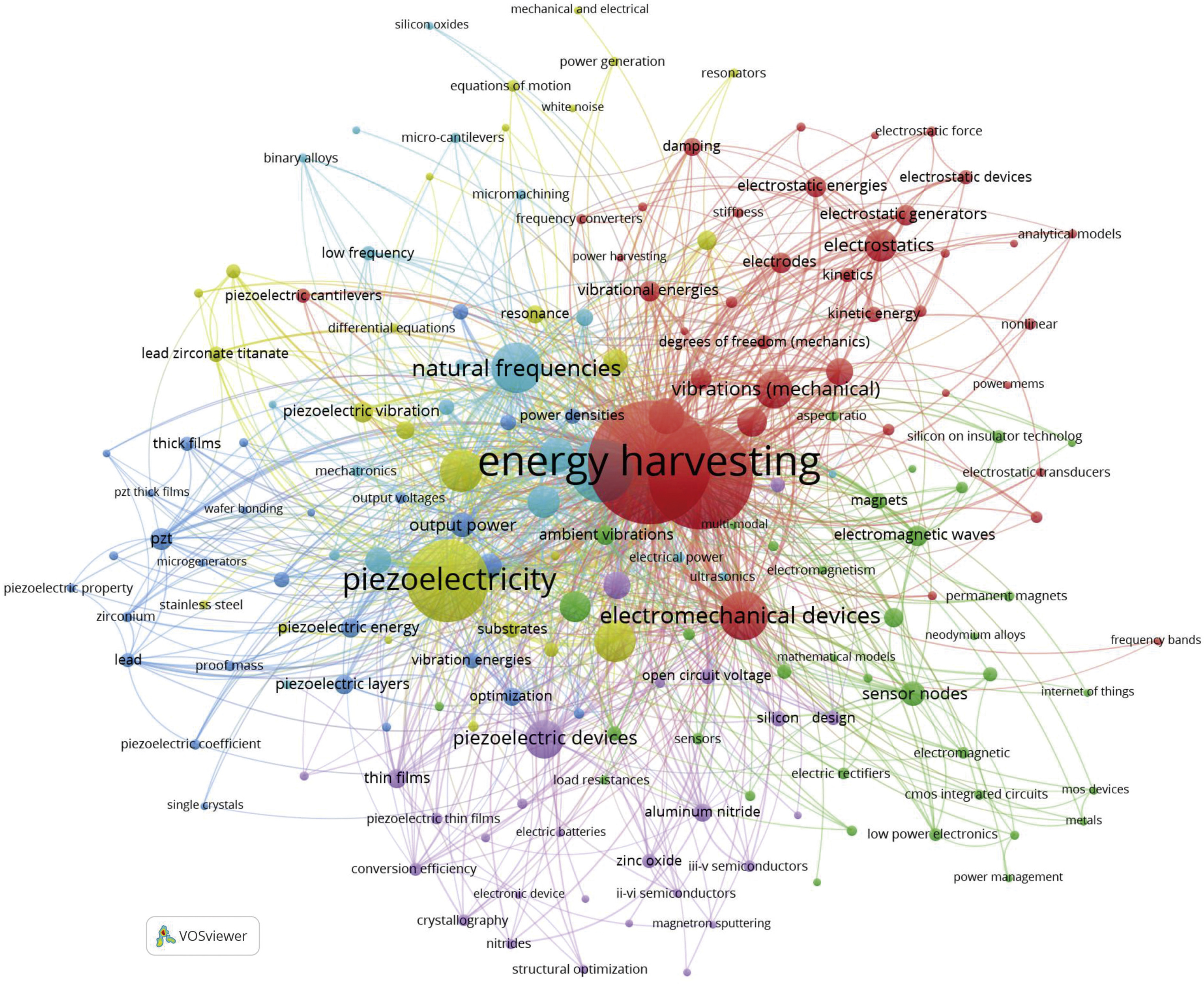
Micro Electro Mechanical System (MEMS) energy harvester's research interests have been increasing rapidly, indicating that the topic has given significant contributions to the sustainable development of energy alternatives. Although many research activities have been conducted and reported since several years ago, only limited efforts have been made to analyze the research's impact in this area. In this paper, we report a bibliometric analysis on the research progress in MEMS for energy harvester.
Elsevier, Carbohydrate Polymers, Volume 254, 15 February 2021
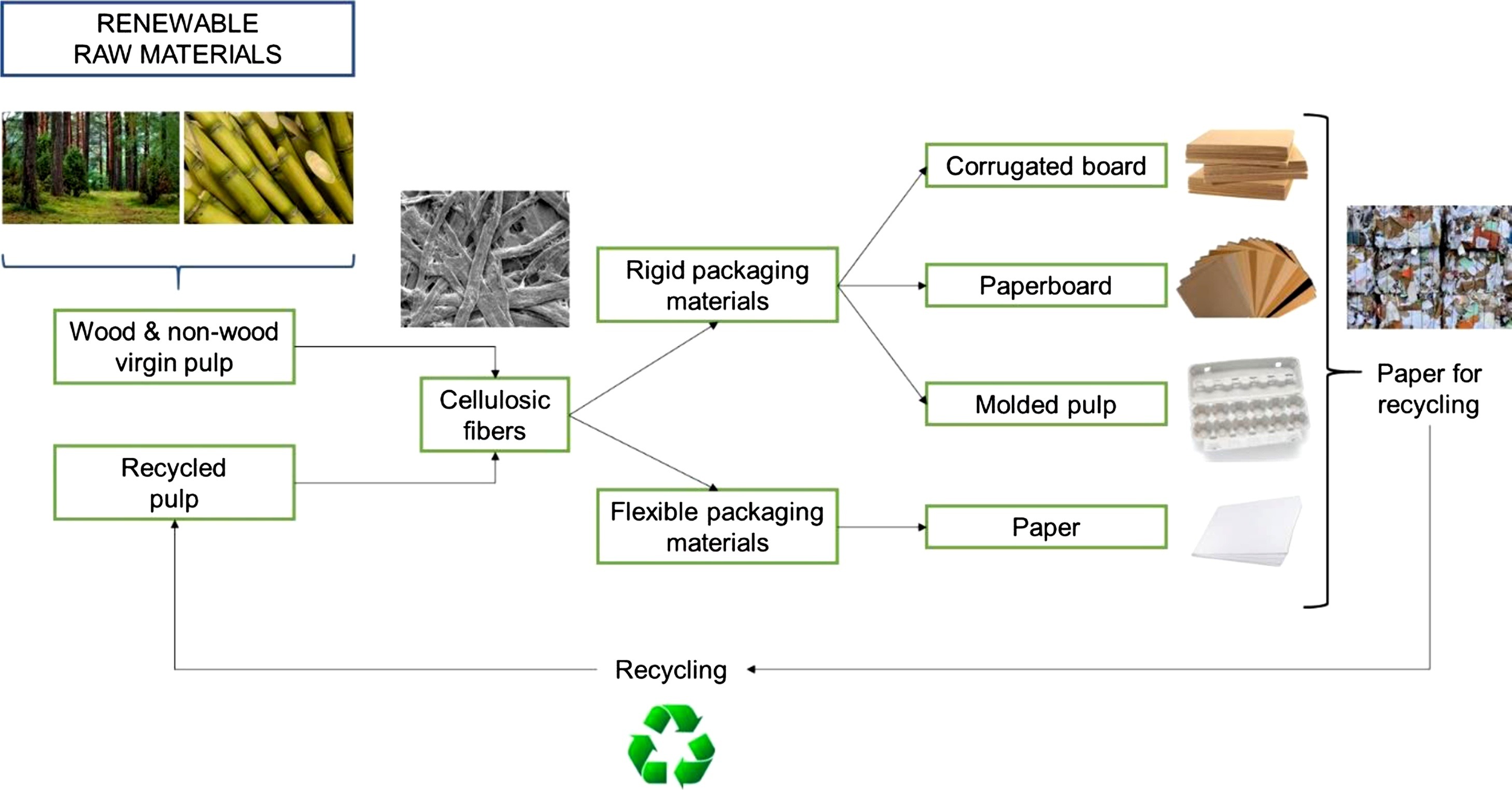
This short communication describes the climate change impacts of using cellulose, and more precisely cellulosic fiber-based materials, in food packaging, representing current and emerging industrial state of the art technology, without specific reference to current scientific advances. First, the different types of cellulosic fiber-based packaging materials, which can be used to replace fossil-based packaging materials, are presented for flexible and rigid applications.
Elsevier, One Earth, Volume 4, 22 January 2021
The upcoming Convention on Biological Diversity (CBD) meeting, and adoption of the new Global Biodiversity Framework, represent an opportunity to transform humanity's relationship with nature. Restoring nature while meeting human needs requires a bold vision, including mainstreaming biodiversity conservation in society. We present a framework that could support this: the Mitigation and Conservation Hierarchy.