Critical knowledge gaps about environmental fate and unintentional effects of currently used pesticides (CUPs) hamper the understanding and mitigation of their global impacts on ecological processes. We investigated the exposure of earthworms to 31 multiclass CUPs in an arable landscape in France. We highlighted the presence of at least one pesticide in all soils (n = 180) and 92 % of earthworms (n = 155) both in treated crops and nontreated habitats (hedgerows, grasslands, and cereals under organic farming).
Your search request returned 8466 results.
Elsevier, One Earth, Volume 3, 18 December 2020
Earth's ecosystems, upon which all life depends, are in a severe state of degradation. The upcoming UN Decade of Ecosystem Restoration aims to “prevent, halt and reverse the degradation of ecosystems on every continent and in every ocean.” These Voices articulate why and what action is urgently needed.
Elsevier, One Earth, Volume 3, 18 December 2020
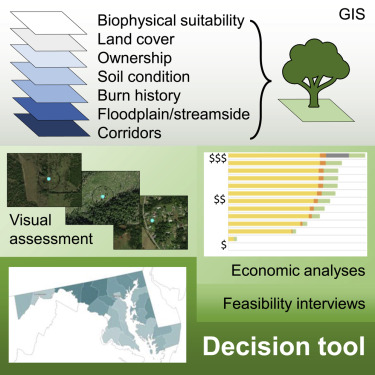
Restoring forest cover is a prominent option for climate mitigation. Effective deployment requires knowing where opportunities are and how they vary in carbon capture, costs, co-benefits, and feasibility. Here, we combined spatial, economic, and feasibility analyses to examine 10 different opportunity classes for restoration of forest cover across the contiguous United States. These include non-stocked forests, shrublands, protected areas, post-burn landscapes, pasture lands, croplands with challenging soils, urban areas, floodplains, streamsides, and biodiversity corridors.
Elsevier, One Earth, Volume 3, 18 December 2020
Restoration thinking provides a new paradigm for charting a bold future that prevents further loss of biodiversity and habitat destruction, avoids catastrophic climate change, and promotes the well-being and safety of all people. Ten paths guide actions to restore and care for Earth and all its living creatures.
Elsevier, One Earth, Volume 3, 18 December 2020
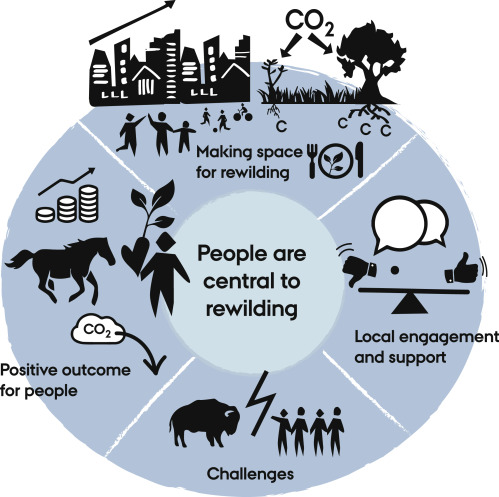
Rewilding should be central to the massive restoration efforts needed to overcome the global biodiversity crisis and enhancing the biosphere's capacity to mitigate climate change. Key elements include large areas for nature, restoration of functional megafaunas and other natural biodiversity-promoting factors, synergy with major societal dynamics, and careful socio-ecological implementation.
Elsevier, Trends in Food Science and Technology, Volume 106, December 2020
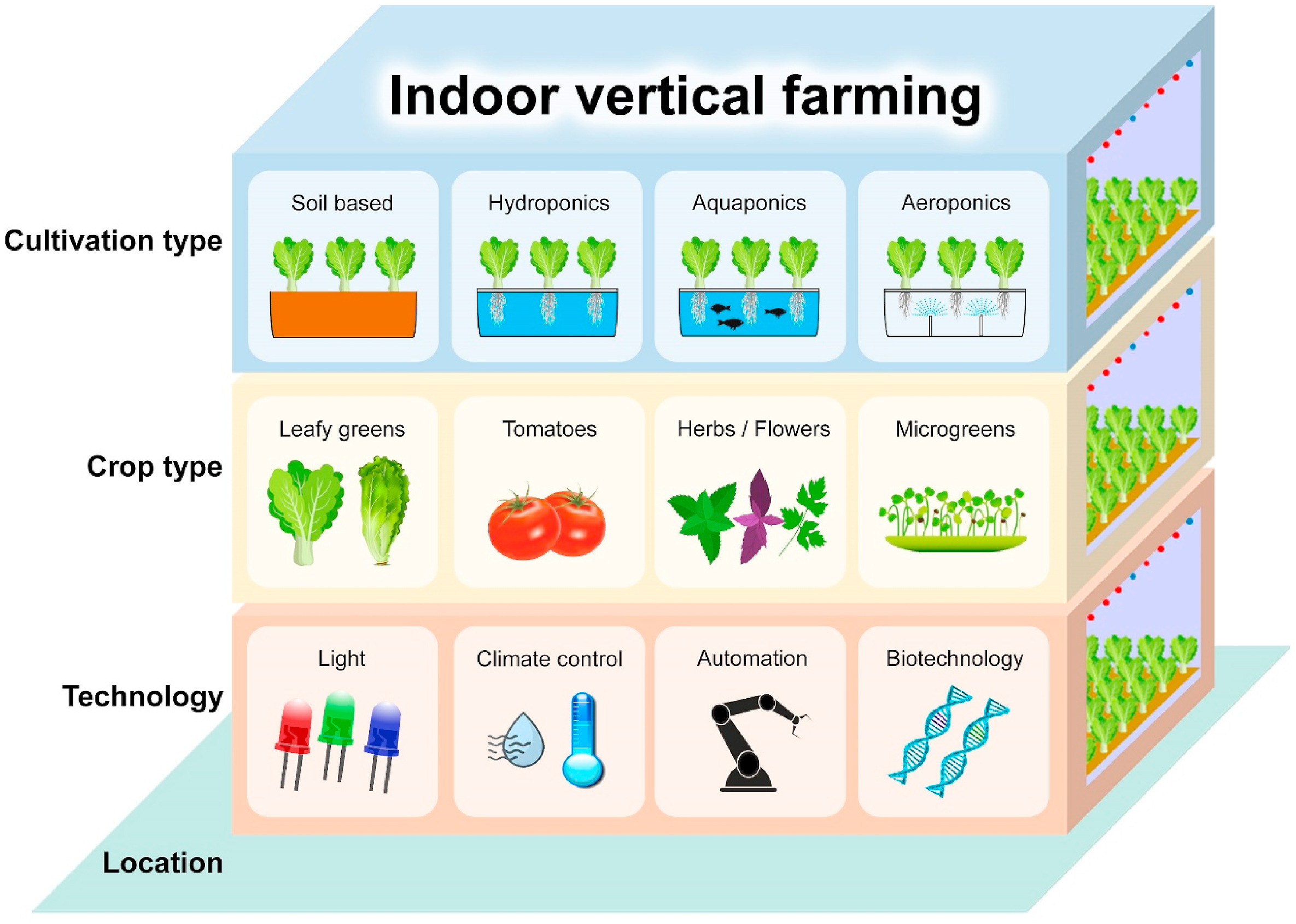
Background: Agricultural production in controlled indoor farming offers a reliable alternative to food and nutrition supply for densely populated cities and contributes to addressing the impending food insecurity. Leafy vegetables, rich in vitamins, minerals, fibres and antioxidants, account for over half of the indoor farming operations worldwide. Light is the foremost environmental factor for plant growth and development, and the success of indoor farming largely depends on lighting qualities.
Elsevier, Food Packaging and Shelf Life, Volume 26, December 2020
The recent sharp increase of sensitivity towards environmental issues arising from plastic packaging has boosted interest towards alternative sustainable packaging materials. This new trend promotes the industrial exploitation of knowledge on chitosan-based films. Chitosan has been extensively investigated and used due to its unique biological and functional properties. However, inherent drawbacks including low mechanical properties and high sensitivity to humidity represent major limitations to its industrial applications, including food packaging.
Elsevier, Agriculture, Ecosystems and Environment, Volume 302, 15 October 2020
Landscape fragmentation and farming can affect the diversity of plants and pollinators harbored by linear landscape elements (LLE) in agroecosystems. To assess the role of these habitats in sustaining plant-pollinator communities, twenty portions of LLE (road verges) were studied during two consecutive field seasons in the Argentine Pampas.
Elsevier, Trends in Food Science and Technology, Volume 104, October 2020
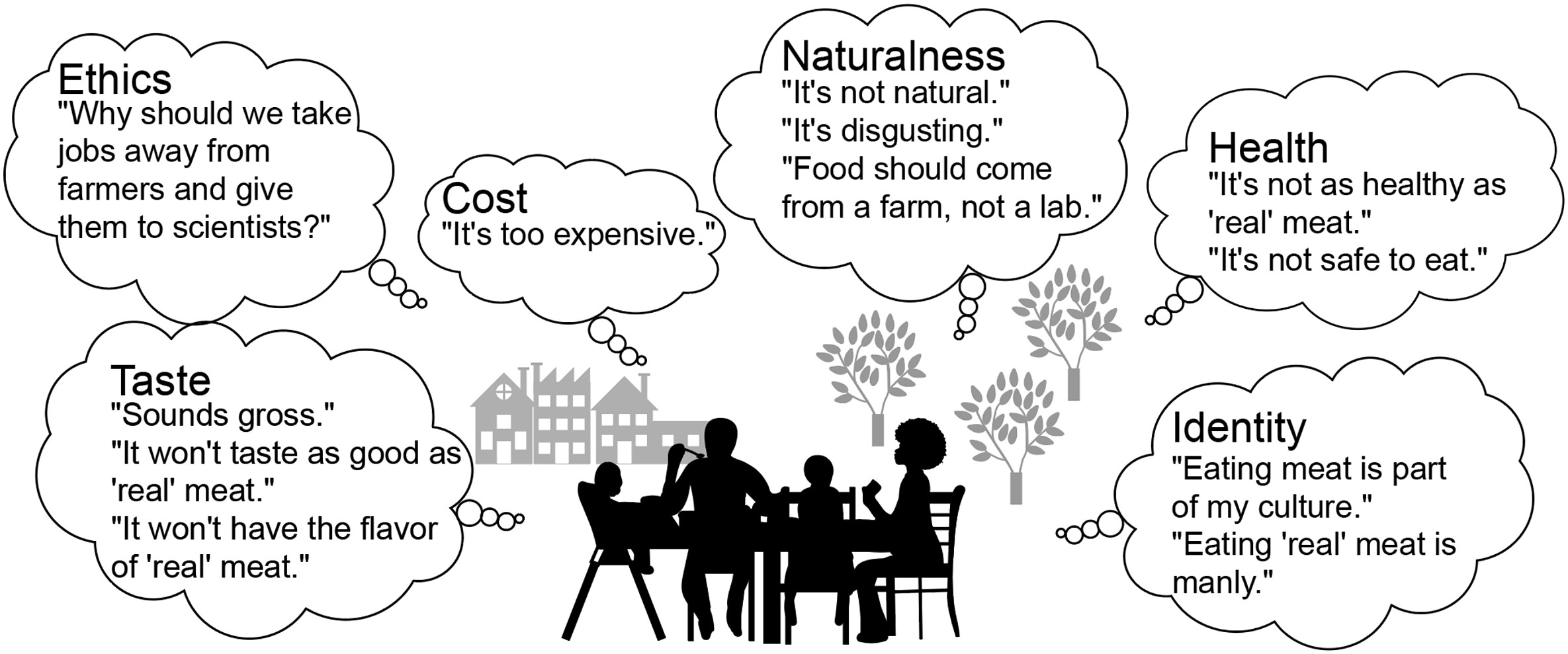
Background: The environmental impact of meat consumption requires immediate action. Cultured meat—which is emerging through technologies to grow meat ex vivo—has exciting potential to offset the burden of livestock agriculture by providing an alternative method to sustainably produce meat without requiring individuals to become vegetarian. However, consumer uptake of cultured meat may be challenged by negative public perceptions.
Elsevier, Global Environmental Change, Volume 63, July 2020
Recent research and policies recognize the importance of environmental defenders for global sustainability and emphasize their need for protection against violence and repression. However, effective support may benefit from a more systematic understanding of the underlying environmental conflicts, as well as from better knowledge on the factors that enable environmental defenders to mobilize successfully. We have created the global Environmental Justice Atlas to address this knowledge gap.