This Health Policy paper supports SDGs 2, 3, and 13, by identifying and examining the debates that arose from the publication of the EAT–Lancet Commission, systematically examining how research has been directly influenced by the Commission, and synthesising identified research gaps to build a research agenda for healthy and sustainable food systems.
Elsevier, The Lancet Regional Health - Europe, Volume 31, August 2023
This Comment supports SDGs 3 and 13 by highlighting the negative health impacts of climate change around the world and in Europe, and noting that populations most impacted by climate change tend to be the least responsible for contributing to it. The authors note that, like in the Global South, the most disadvantaged communities in Europe bear disproportionate burdens of negative health impacts of climate change, but that addressing this inequity is not currently an explicit goal of EU policies.
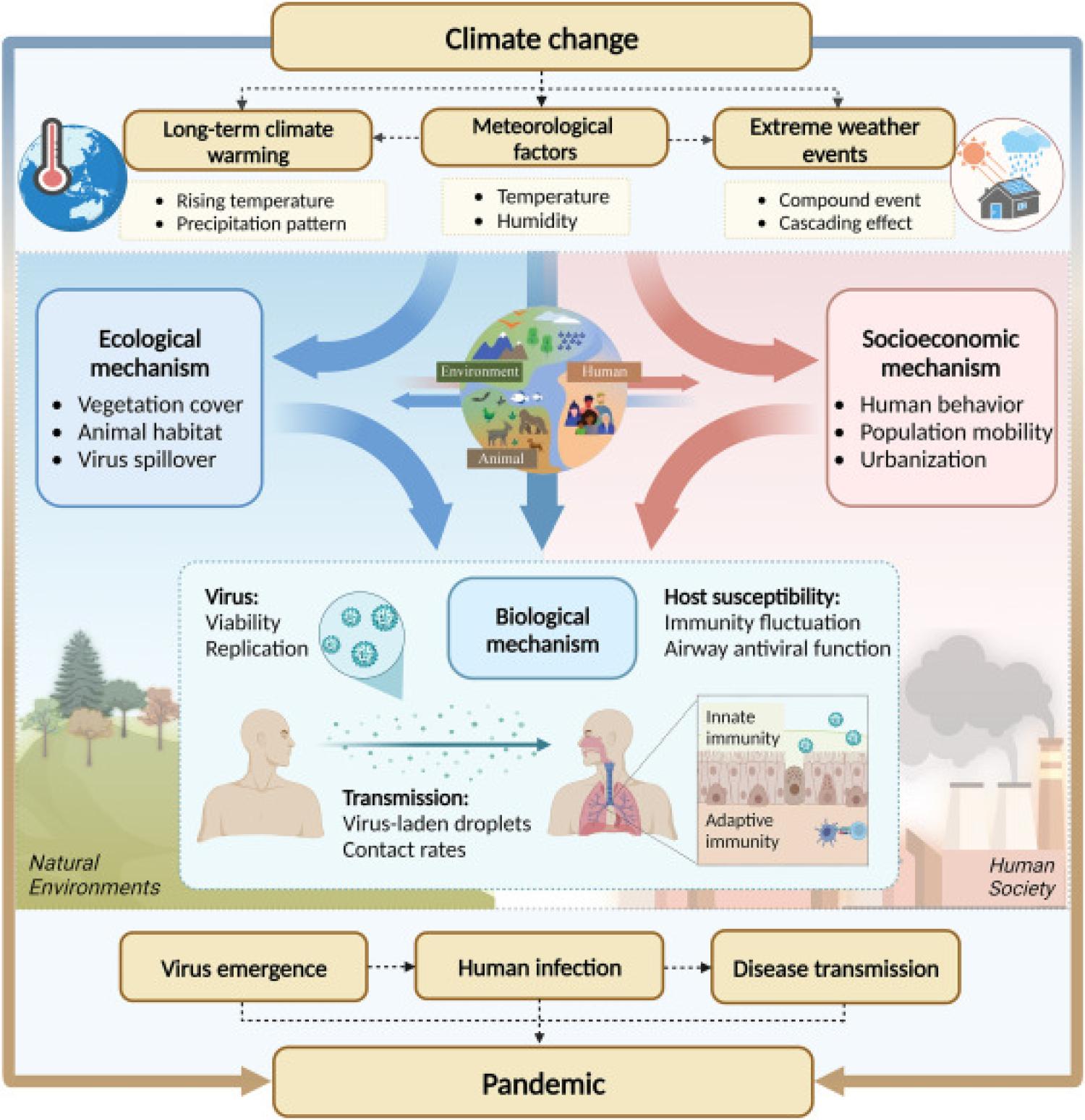
Elsevier, eBioMedicine, Volume 93, July 2023
This Review supports SDGs 3 and 13 by synthesizing the recent evidence on whether and how climate change, manifested in meteorological fluctuations, extreme weather events, and long-term global warming, influences the epidemic dynamics of viral respiratory infections, including spatiotemporal distribution of seasonal epidemic, disease outbreaks, and pandemics.
Elsevier, The Lancet Regional Health - Western Pacific, Volume 36, July 2023
This Article supports SDGs 3 and 13 by comprehensively assessing the future out-of-hospital cardiac arrest morbidity burden related to non-optimal temperatures, heatwaves, and cold spells in Northern China under different climate change scenarios.
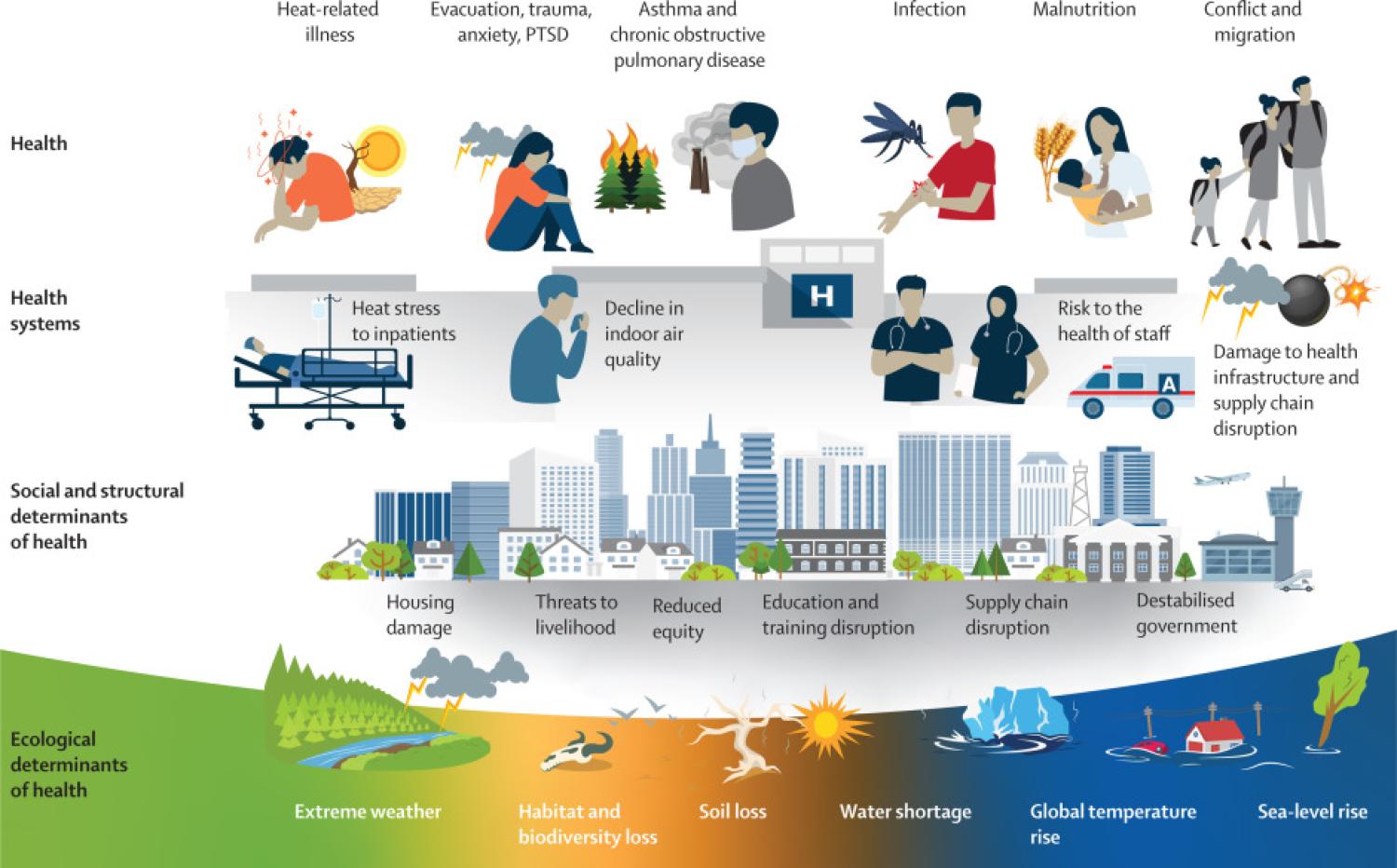
Elsevier, The Lancet Global Health, Volume 11, March 2023
This Comment article supports SDGs 3 and 13 by highlighting the need for more global-level studies across different climate zones to determine the true nature of the association between temperature and Shigella infection, particularly in the context of extreme heat and heat waves induced by climate change.
Elsevier, The Lancet Planetary Health, Volume 7, February 2023
This Article supports SDGs3 and 13 by asessing the potential impact of net zero greenhouse gas emissions on public health in England and Wales. The authors showed that there are likely to be substantial net benefits for health, with greater benefits associated with faster and more ambitious changes.
Elsevier, The Lancet Planetary Health, Volume 6, December 2022
This Article supports SDGs 3 and 13 by comparing the costs of implementing climate change mitigation policies with the economic benefits of avoiding heat-related labour productivity loss through climate change mitagation. The authors find that a substantial proportion (51.8%) of the costs of climate change mitigation would be offset by the economic benefits gained from avoiding labour productivity losses. There were geographical variation, with the benefits exceeding the costs in southeast Asia, Brazil, and Mexico.
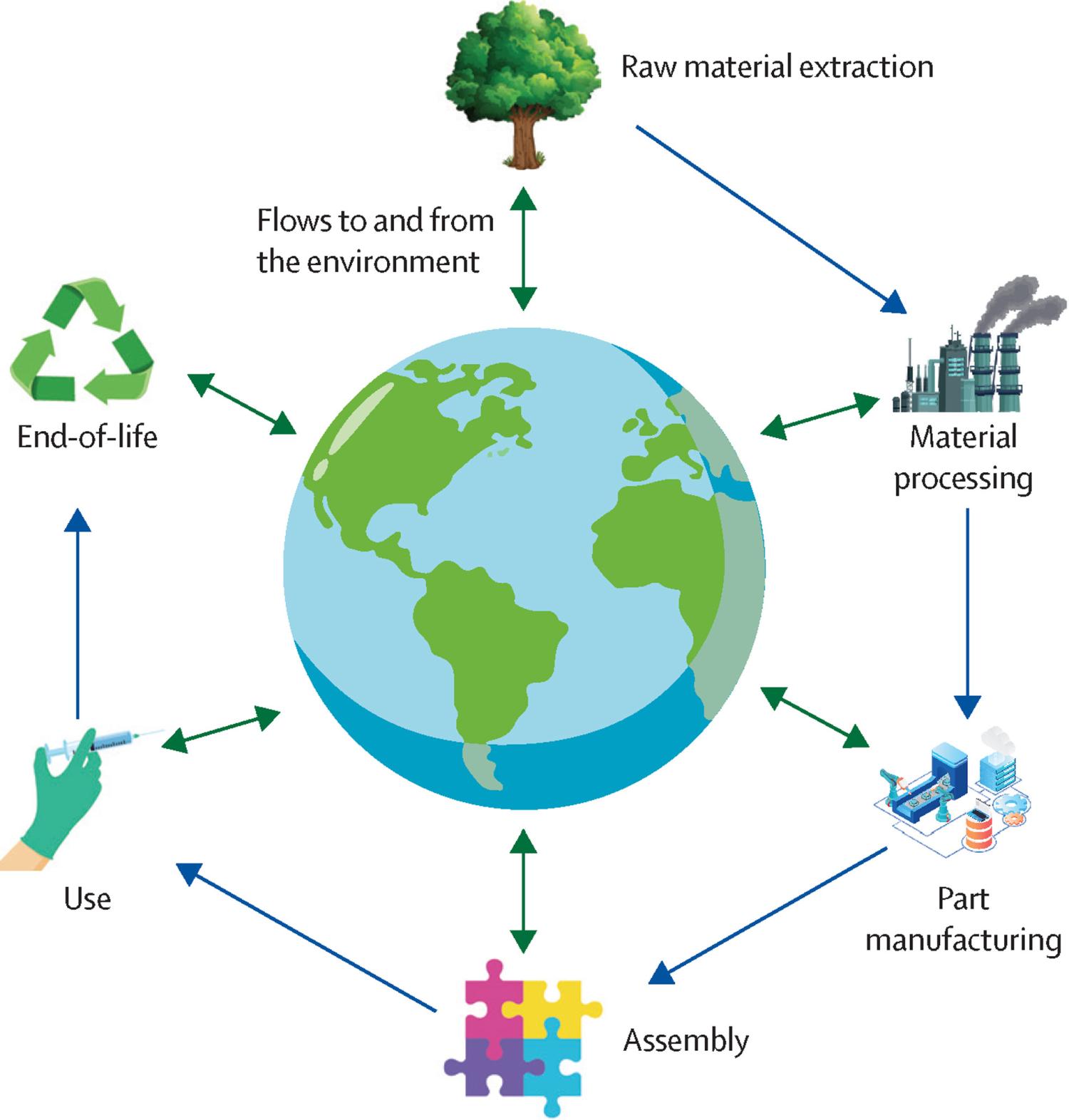
Elsevier, The Lancet Planetary Health, Volume 6, December 2022
This Personal View supports SDGs 3 and 13 by assessing how to integrate carbon emissions into health technology assessments and discusses how international effort will be required to ensure that the carbon footprints of commonly used health-care products are freely available.
Elsevier, The Lancet, Volume 400, 5 November 2022
This report supports SDGs 3 and 13 by examining the health effects of climate change globally. It notes the severe harms and health risks being caused by climate change around the world, such as increased extreme weather events, heatwaves, spread of infectious diseases, and threats to food security. It notes the critical need for long-term emissions reduction policies, with a move away from fossil fuels to clean energy sources.
Elsevier, The Lancet Public Health, Volume 7, November 2022
This report supports SDGs 3 and 13 by monitoring and evaluating the effects of climate change on health in Europe, and the benefits to health of climate action. By tracking 33 indicators in a variety of domains, the report shows that climate-related health risks in Europe are accelerating, and current adapation and mitigation strategies are insufficient. Ambitious strategies are required to prevent worsening harms to human health.
Elsevier, The Lancet Regional Health - Western Pacific, Volume 28, November 2022
This Article supports SDGs 3 and 13 by using credible climate and population projections to estimate future heatwave-attributable deaths under different emission scenarios and to explore the drivers underlying these patterns of changes in China.
Elsevier, The Lancet Planetary Health, Volume 6, October 2022
This Personal View supports SDGs 3 and 13 by reviewing the ways that climate risks affect all aspects of the COVID-19 pandemic, including transmission, perception, and response. The authors highlight the importance of considering climate risks in relation to COVID-19 response measures.
Elsevier, Maturitas, Volume 178, December 2023
The huge impact of climate change on humankind is multidimensional, and includes direct and indirect challenges to the physical, psychological and socio-cultural wellbeing. Women may be more vulnerable to climate-sensitive diseases, but little attention has been paid to specific needs and challenges associated with the menopause transition. The increase in average and extreme temperatures may modulate the manifestation of vasomotor symptoms; in particular, environmental temperature and seasonality may affect hot flushes and night sweats.
Elsevier, Cell Reports Physical Science, Volume 4, 18 October 2023
This article tackles the issue of high energy consumption created by data centers. They find an immediate way to quickly mitigate some of the massive energy sink is by simply operating data centers at higher temperatures. As such, this article supports SDGs 9 (ensuring data centers that are key to current society are sustainable) and 13 (a rapid solution to immediately reduce fossil-fuel driven energy consumption).
Elsevier, Cell Reports Physical Science, Volume 4, 20 September 2023
Climate change is driving the need for cool spaces, which currently relies largely on mechanical air conditioning that consumes power and contributes to emissions. This article examines how to create a passive cooling system with good ventilation using no mechanical equipment, achieving sub-ambient temperature cooling that could be extended to larger homes and structures. As such, it supports SDGs 3 (ensuring access to cool livable spaces), SDG 9 (more sustainable infrastructure to cool homes), and SDG 13 (reducing the need for traditional air conditioning).
Elsevier, Cell Reports Physical Science, Volume 4, 16 August 2023
The demand for solar energy as a clean way to power human lives is increasing, but solar panels are land-intensive and may compete for space with farms. In this article, the authors examine how agrivoltaics (combining farming and solar technologies) can provide synergistic benefits together rather than in isolation, showing positive benefits in climate mitigation, climate resilience, and land equivalent ratios. This contributes to SDGs 2 (ensuring the promotion of sustainable agriculture), 7 (harnessing sunlight to power society), and 13 (agrivoltaics as a way to combat climate change).
Elsevier, The Lancet Regional Health - Europe, Volume 31, August 2023
Background: Air pollution, road traffic noise, and green space are correlated factors, associated with risk of stroke. We investigated their independent relationship with stroke in multi-exposure analyses and estimated their cumulative stroke burden. Methods: For all persons, ≥50 years of age and living in Denmark from 2005 to 2017, we established complete address histories and estimated running 5-year mean exposure to fine particles (PM2.5), ultrafine particles, elemental carbon, nitrogen dioxide (NO2), and road traffic noise at the most, and least exposed façade.
Elsevier, Cell Reports Physical Science, Volume 4, 19 July 2023
Heavy duty freight transportation is a key part of global transportation, but is a large contributor to growing CO2 emissions. Here the authors design an on-board system for heavy duty vehicles to capture CO2 as it is released. This supports SDGs 7 (reducing CO2 emissions toward clean energy), 9 (modifications to existing vehicles to mitigate carbon emissions) and 13 (reducing emissions that contribute to climate change).
Elsevier, Advances in Applied Energy, Volume 9, February 2023
This Article supports SDG7 and 13 by proposing a new model to identify the most critical features of energy storage system technologies to enhance renewable energy integration and achieve New York State's climate goals from 2025 to 2040.
Elsevier, Journal of Asian Earth Sciences: X, Volume 8, 1 December 2022
This article supports SDGs 13 and 14 because it confirmed the significant correlation observed between flux and river discharge in Bhagirathi, a turbulent Himalayan river. Himalayan rivers are considered the most sensitive of all the ecosystems to the impact of climate change.
Elsevier, One Earth, Volume 6, 15 September 2023
This article advances SDG # 13 by arguing that flaws with carbon offsets, such as exaggerated climate benefits, emission avoidance rather than carbon removal, non-durable carbon storage, greenwashing, and double-counting, ultimately make the current system incompatible with the Paris Agreement.
Elsevier, One Earth, Volume 6, 15 September 2023
The purpose of the first Global Stocktake (GST), which will conclude in 2023, is to measure collective progress in climate action and enhance ambition for meeting the Paris Agreement. Realizing the transformative change necessary requires popular support, political commitment, and robust institutions. These aspects of “political economy,” which explores how interactions among actors, their interests, and underlying institutions shape political and economic outcomes, are critical. However, these dimensions are currently missing from the GST.
Elsevier, Journal of Climate Change and Health, Volume 13, 1 September 2023
This article advances SDG # 3, 4, 8, 10 and 13 by compiling evidence showing that climate change and its various consequences can adversely affect brain development in the fetal through the early childhood stages. Long-term consequences on health, education and economies are significant. T
Elsevier, Journal of Climate Change and Health, Volume 12, 1 July 2023
This article advances SDG # 3, 8, 10, 13 and 16. The study from authors in Ghana detail the effects of climate change on workers’ health and productivity, especially those in lower income jobs and without policy or regulatory protections. It demonstrates that climate change affects both health and ability to work, with potentially serious humanitarian and economic consequences.
Elsevier, One Earth, Volume 6, 16 June 2023
This article advances SDG # 13, 14, and 15 by arguing that ecosystem integrity is neglected but important for climate adaptation goals, and shows how linking ecosystem integrity to climate, biodiversity and sustainable development goals is crucial for optimal outcomes.
Elsevier, One Earth, Volume 6, 16 June 2023
Halting global warming (SDG 13) requires at minimum achieving net-zero GHG emissions; keeping warming under 2C or 1.5C requires reaching net-zero emissions before the GHG levels exceed concentrations compatible with those temperature targets. This One Earth research article models how countries working in their own self-interest might collaborate to reach those agreed upon goals.
Elsevier, One Earth, Volume 6, 21 April 2023
This article advances SDG # 13, 1 and 11 by identifying ways to meet the dual objectives of poverty eradication and staying within the biophysical safe operating space of the climate via integrated policy packages supporting strong economic development, ambitious educational attendance, sustainable dietary choices, low fossil fuel consumption and energy demand, and lower fertilizer consumption.
Elsevier, Journal of Climate Change and Health, Volume 10, 1 March 2023
This article supports SDG # 3, 11 and 13 showing how even in wealthy countries, climate change is causing an acceleration of extremely costly disasters, and the authors provide a framework for disaster risk reduction that is applicable to climate change.
Elsevier, Journal of Climate Change and Health, Volume 10, 1 March 2023
This article advances SDG # 3, 6, 10, 11 and 13 by showing the interaction between poverty, climate change, and health consequences in slum communities in Ghana. Understanding the direct perspective of people “on the ground” can provide solutions that decrease the severe consequences of climate change and extreme weather events in poor communities.
Elsevier, One Earth, Volume 6, 17 February 2023
This article advances SDG # 13 by devising a new way of accounting for responsibility, and shows that developing countries value-chain based responsibility for global CO2 emissions has surpassed that of developed countries since 2012 and is increasing quickly. Massive global value chains, through global trade, make accounting for "responsibility" of climate emissions increasingly complicated.
Elsevier, Journal of Climate Change and Health, Volume 9, 1 January 2023
This article advances SDG # 3, 5, 7, 10, 11, and 13 by measuring the strong relationship between air pollution and adverse pregnancy outcomes including low birth weight and preterm birth. It shows that fossil-fuel based pollution has serious health consequences, mitigation of which could have immediate health benefits, particularly in high-pollution environments. T
Elsevier, One Earth, Volume 5, 16 December 2022
This articles advances SDG # 13 by reconciling flux estimates from models and reports to promote accuracy in NDCs. Land use is an important source of emissions and carbon sinks for nations included in their Nationally Determined Contributions, yet counting the climate impacts accurately remains a challenge.
Elsevier, Journal of Climate Change and Health, Volume 5, February 2022
This study, relevant to Goals 3, 10, and 13, examined how often and in which countries health considerations were factored into a country’s Nationally Determined Contributions (NDC’s) for climate commitments. They found that countries with the greatest vulnerability to climate change health effects – largely countries with the fewest resources – considered health effects the most. The authors recommend that considering health, even in higher resourced countries, can increase public backing for ambitious climate goals.
Elsevier, Journal of Climate Change and Health, Volume 3, August 2021
This study ties to all of the goals affected by climate change and health, including Goals 2, 3, 6, 7, 10, 11, 12, and 13, by investigating which methods by advocates work best to garner support for effective actions on climate change.
Elsevier, The Lancet Regional Health - Europe, Volume 31, August 2023
This Comment supports SDGs 3 and 13 by highlighting the negative health impacts of climate change around the world and in Europe, and noting that populations most impacted by climate change tend to be the least responsible for contributing to it. The authors note that, like in the Global South, the most disadvantaged communities in Europe bear disproportionate burdens of negative health impacts of climate change, but that addressing this inequity is not currently an explicit goal of EU policies.
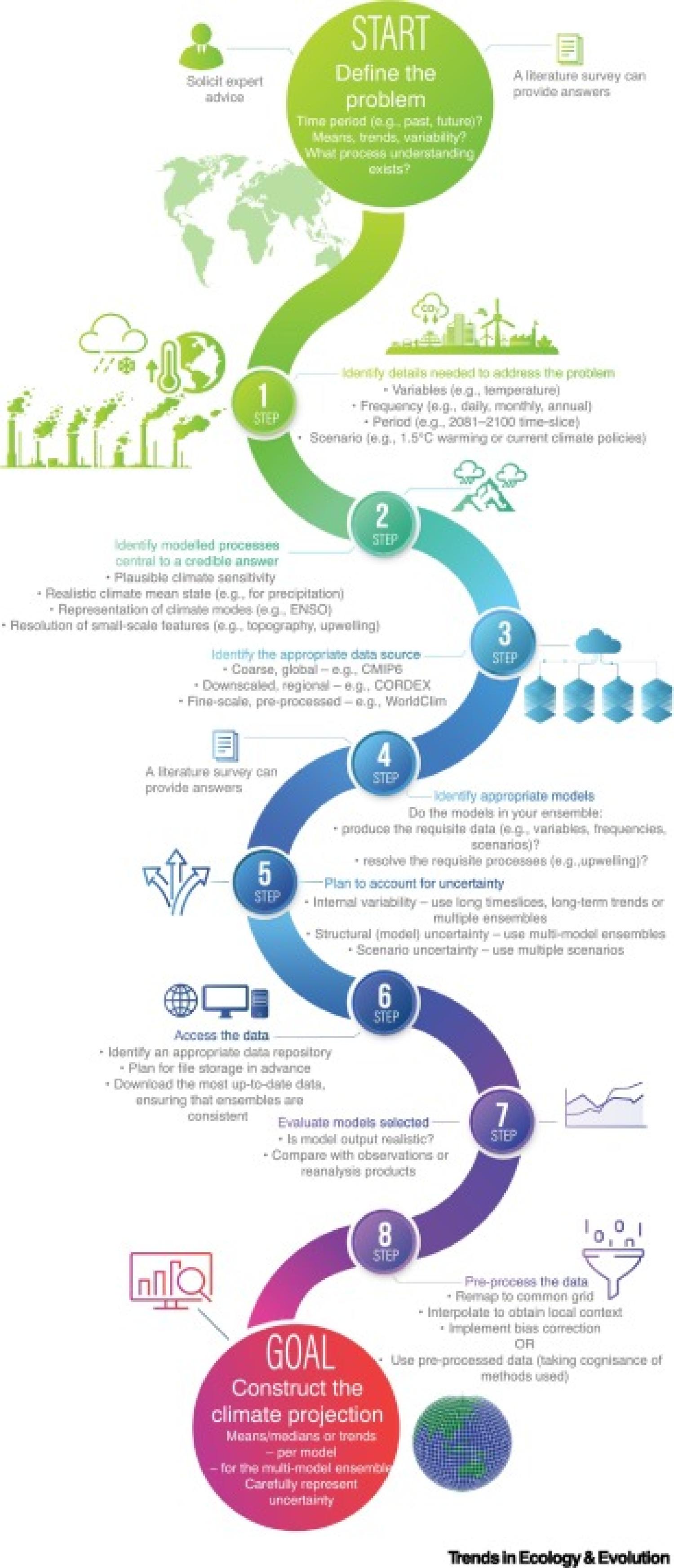
Elsevier, Trends in Ecology and Evolution, Volume 38, September 2023
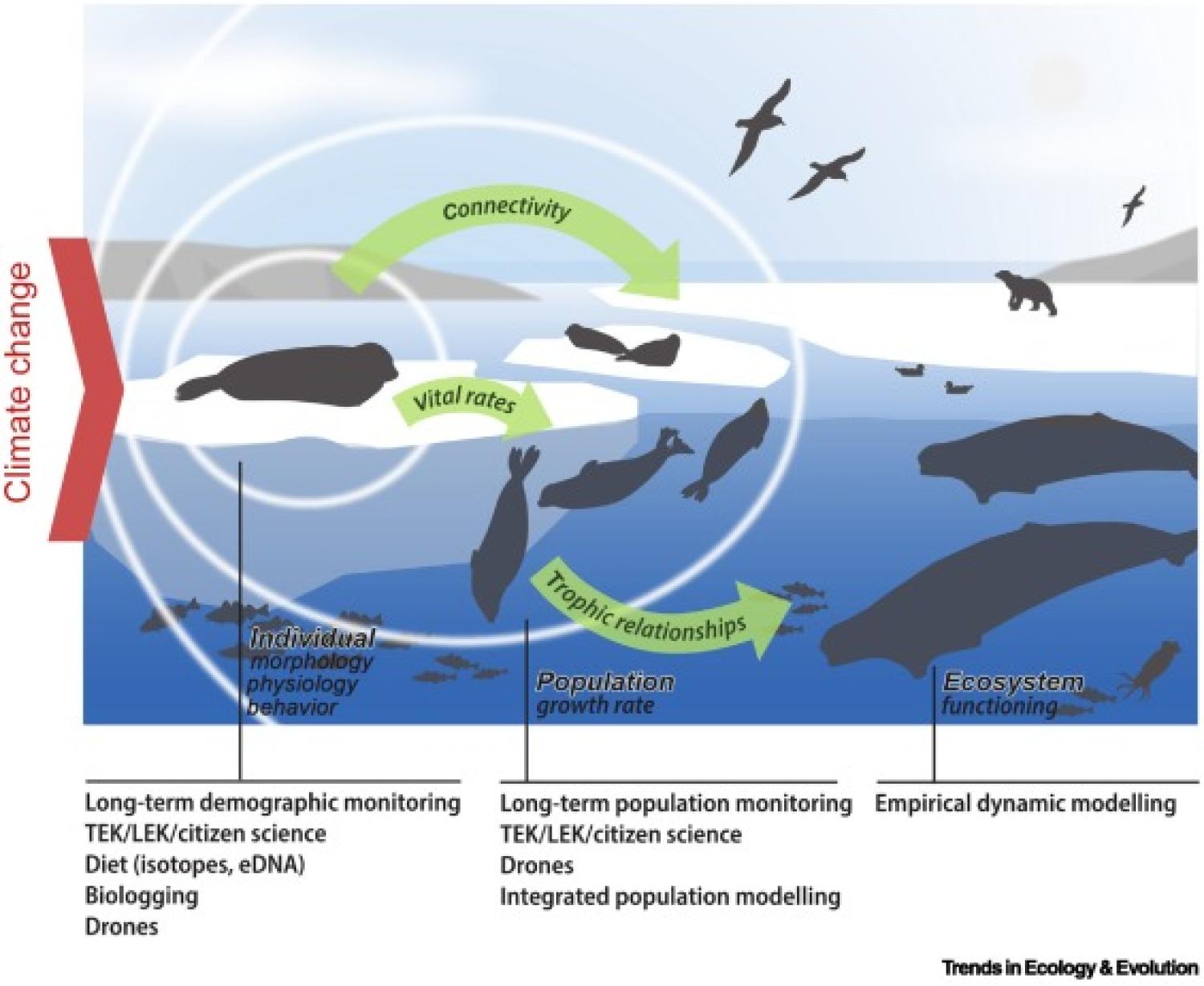
To plan for an uncertain future, life scientists are often required to use the output from climate models to develop recommendations for policy. The authors explain best practice for use of these models, this research supports SDG 2, 13, 14 and 15.

Elsevier, Journal of Responsible Technology, Volume 14, July 2023
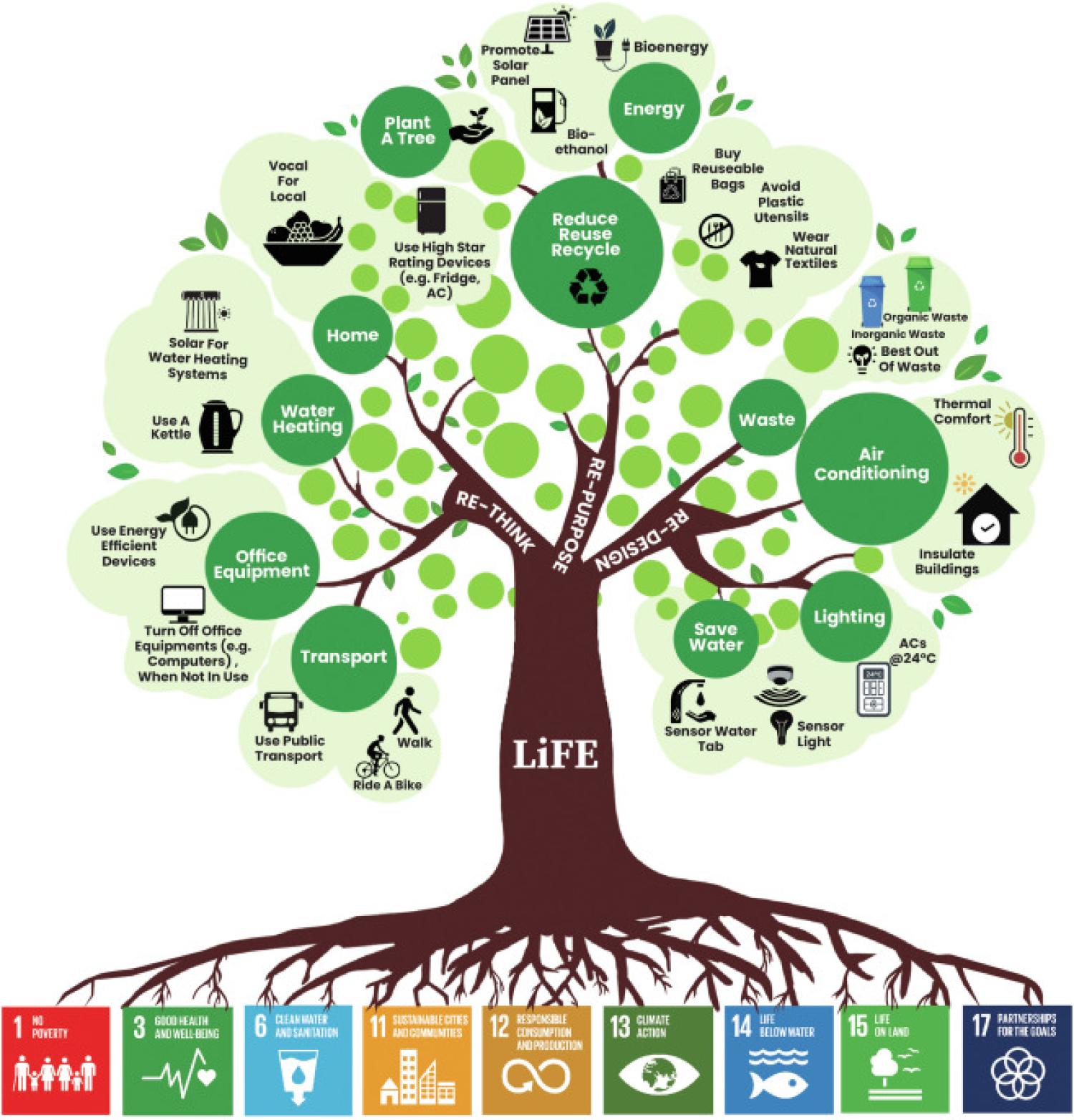
In addressing the SDGs in general, the authors pose the question, “What is the potential role of SDGs as an accountability mechanism?”. A case study approach using interviews is taken to examine how certain organisations may use the SDGs as an accountability mechanism, and whether or not meaningful accountability is actually being achieved. It is concluded that the full opportunities offered by the SDGs are not yet in full use.
Elsevier, The Lancet Regional Health - Southeast Asia, Volume 13, June 2023
Background: COVID-19 and the climate crisis have caused unprecedented disruptions across the world. Climate change has affected the mental health and wellbeing of children and adolescent. Young people with a mental illness and without social support are at an increased risk of climate change induced mental ill-health. COVID-19 resulted in a marked increase of psychological distress. Increase in depression, anxiety and insomnia have increased due to the upheavals that people were experiencing including loss of livelihood and breaking of social bonds.
Elsevier, Measurement: Journal of the International Measurement Confederation, Volume 209, 15 March 2023
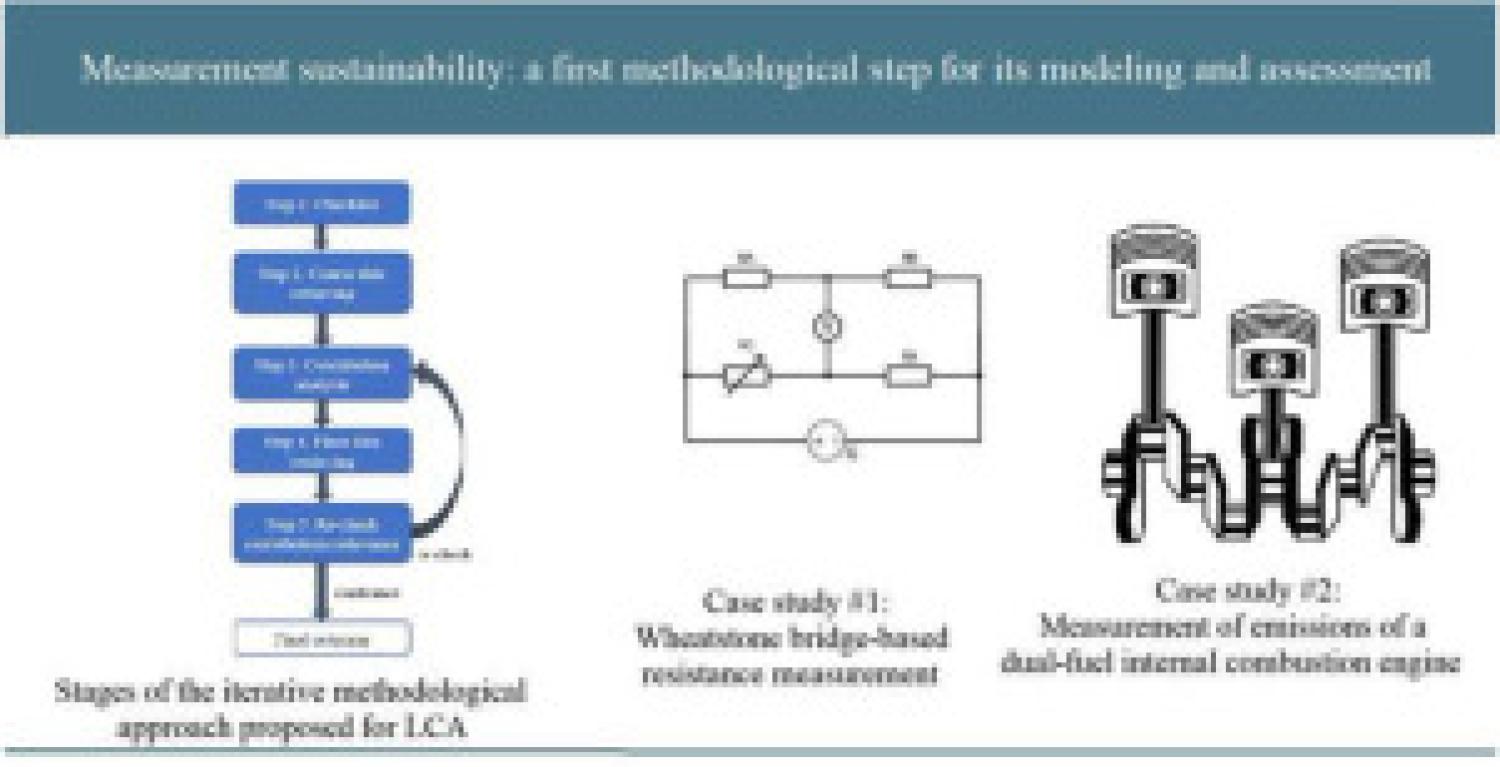
The research aims to assess the environmental sustainability of measurements, and the investigation is conducted through two case studies within the information and communication technology sector. The authors put forward recommendations for increasing a measurement's environmental sustainability.
Elsevier, Measurement: Sensors, Volume 25, February 2023
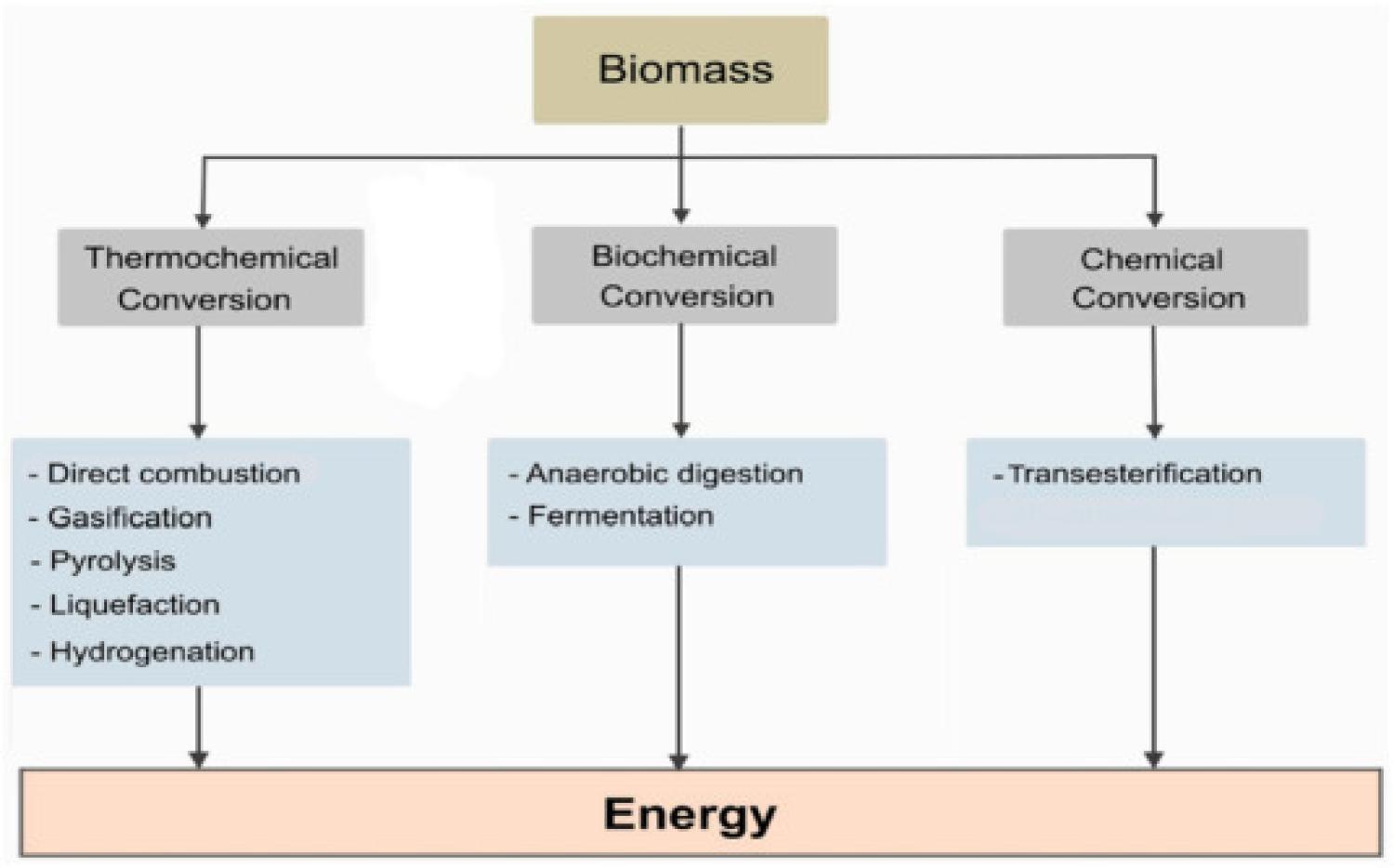
An investigation supporting SDGs 7 and 13, based in Ghana, into the possibility of using slaughterhouse wastes as a source of renewable energy through biogas technology. The researchers concluded that 'Ghana generates significant amount of slaughterhouse waste each year that can be processed using AD [anaerobic digestion] for energy and electricity production to supplement the country's electricity needs, while reducing GHG emissions'.
Elsevier, Sustainable Chemistry for Climate Action, Volume 2, January 2023
The article is related to SDG 13 and investigates the use of carbon neutral sources, such as biowaste, in the conversion to biooil. Catalytic liquefaction of various organic waste (mandarin peel, coffee grounds and cocoa shell) to synthesize an oil which can be used as a sustainable fuel is described.
Elsevier, Sustainable Chemistry for Climate Action, Volume 2, January 2023
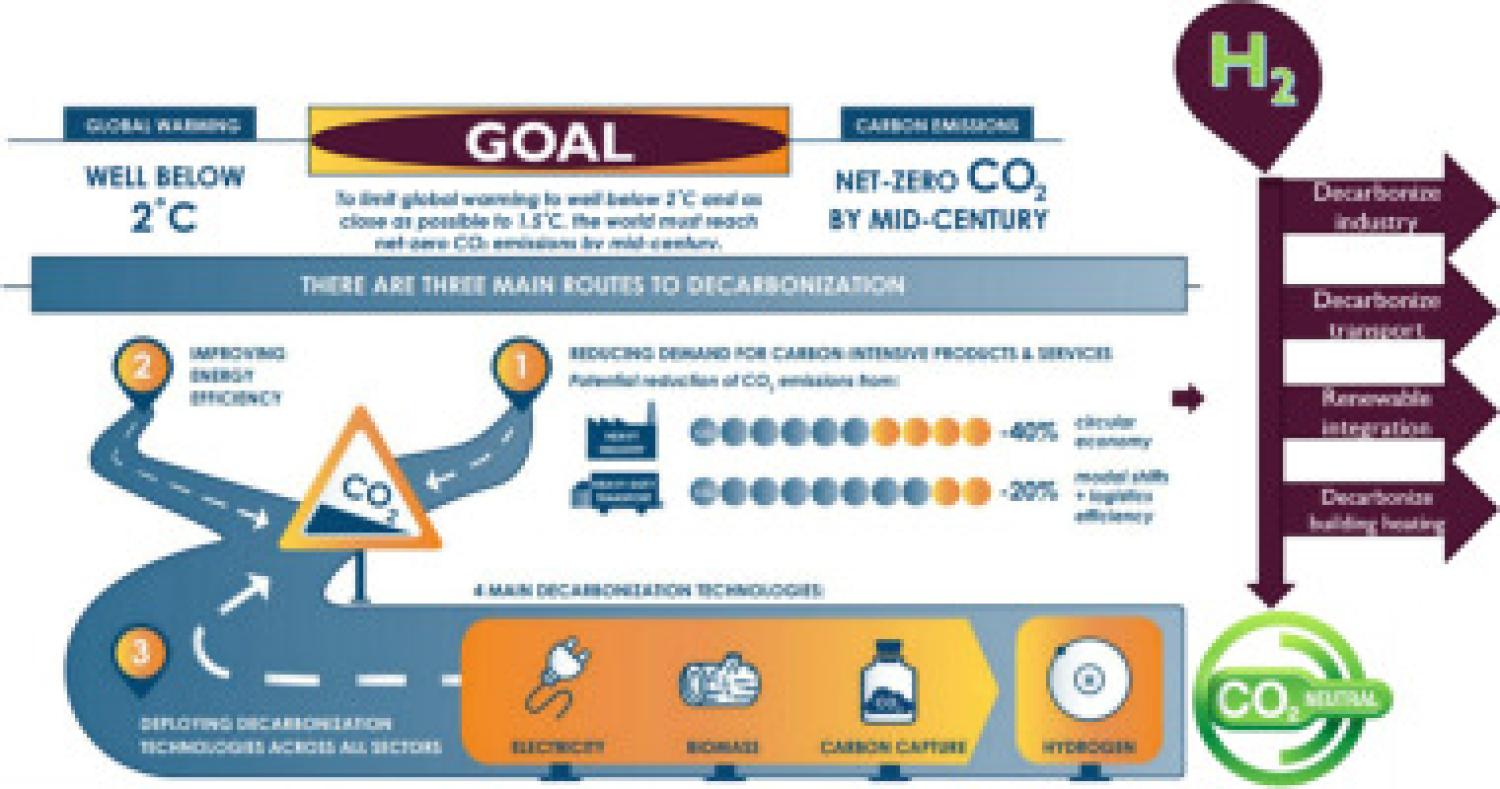
A rapid switch from non-renewable carbon-based sources of energy to clean and low-carbon sources of energy is required to accomplish ambitious carbon neutrality goals. The prospects of hydrogen in achieving net-zero emissions by 2050 are promising, but the article describes the challenges and uncertainties that need to be addressed.
Elsevier, Sustainable Chemistry for Climate Action, Volume 1, January 2022
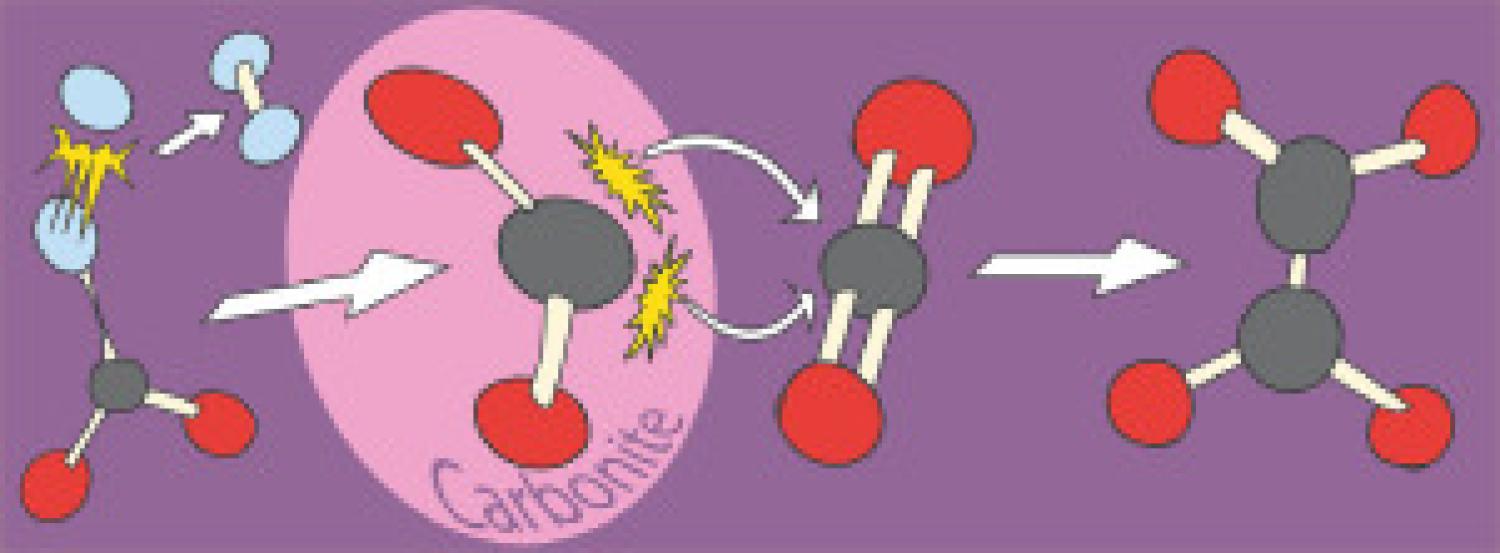
This article supports SDG 13. CO2 utilization conversion is increasingly important, but the conversion to valuable chemicals is often energy-intensive. This article is related to SDG13 and describes a new way of making oxalic acid from supercritical CO2 at lower temperatures.
Elsevier, Journal of Responsible Technology, Volume 14, July 2023
In addressing the SDGs in general, the authors pose the question, “What is the potential role of SDGs as an accountability mechanism?”. A case study approach using interviews is taken to examine how certain organisations may use the SDGs as an accountability mechanism, and whether or not meaningful accountability is actually being achieved. It is concluded that the full opportunities offered by the SDGs are not yet in full use.
Elsevier, Measurement: Journal of the International Measurement Confederation, Volume 209, 15 March 2023
The research aims to assess the environmental sustainability of measurements, and the investigation is conducted through two case studies within the information and communication technology sector. The authors put forward recommendations for increasing a measurement's environmental sustainability.
Elsevier, Measurement: Sensors, Volume 25, February 2023
An investigation supporting SDGs 7 and 13, based in Ghana, into the possibility of using slaughterhouse wastes as a source of renewable energy through biogas technology. The researchers concluded that 'Ghana generates significant amount of slaughterhouse waste each year that can be processed using AD [anaerobic digestion] for energy and electricity production to supplement the country's electricity needs, while reducing GHG emissions'.
Elsevier, The Lancet Regional Health - Europe, Volume 31, August 2023
This Comment supports SDGs 3 and 13 by highlighting the negative health impacts of climate change around the world and in Europe, and noting that populations most impacted by climate change tend to be the least responsible for contributing to it. The authors note that, like in the Global South, the most disadvantaged communities in Europe bear disproportionate burdens of negative health impacts of climate change, but that addressing this inequity is not currently an explicit goal of EU policies.
Elsevier, Sustainable Chemistry for Climate Action, Volume 1, January 2022
This article supports SDG 13. CO2 utilization conversion is increasingly important, but the conversion to valuable chemicals is often energy-intensive. This article is related to SDG13 and describes a new way of making oxalic acid from supercritical CO2 at lower temperatures.
Elsevier, Sustainable Chemistry for Climate Action, Volume 2, January 2023
A rapid switch from non-renewable carbon-based sources of energy to clean and low-carbon sources of energy is required to accomplish ambitious carbon neutrality goals. The prospects of hydrogen in achieving net-zero emissions by 2050 are promising, but the article describes the challenges and uncertainties that need to be addressed.
Elsevier, Sustainable Chemistry for Climate Action, Volume 2, January 2023
The article is related to SDG 13 and investigates the use of carbon neutral sources, such as biowaste, in the conversion to biooil. Catalytic liquefaction of various organic waste (mandarin peel, coffee grounds and cocoa shell) to synthesize an oil which can be used as a sustainable fuel is described.
Elsevier, eBioMedicine, Volume 93, July 2023
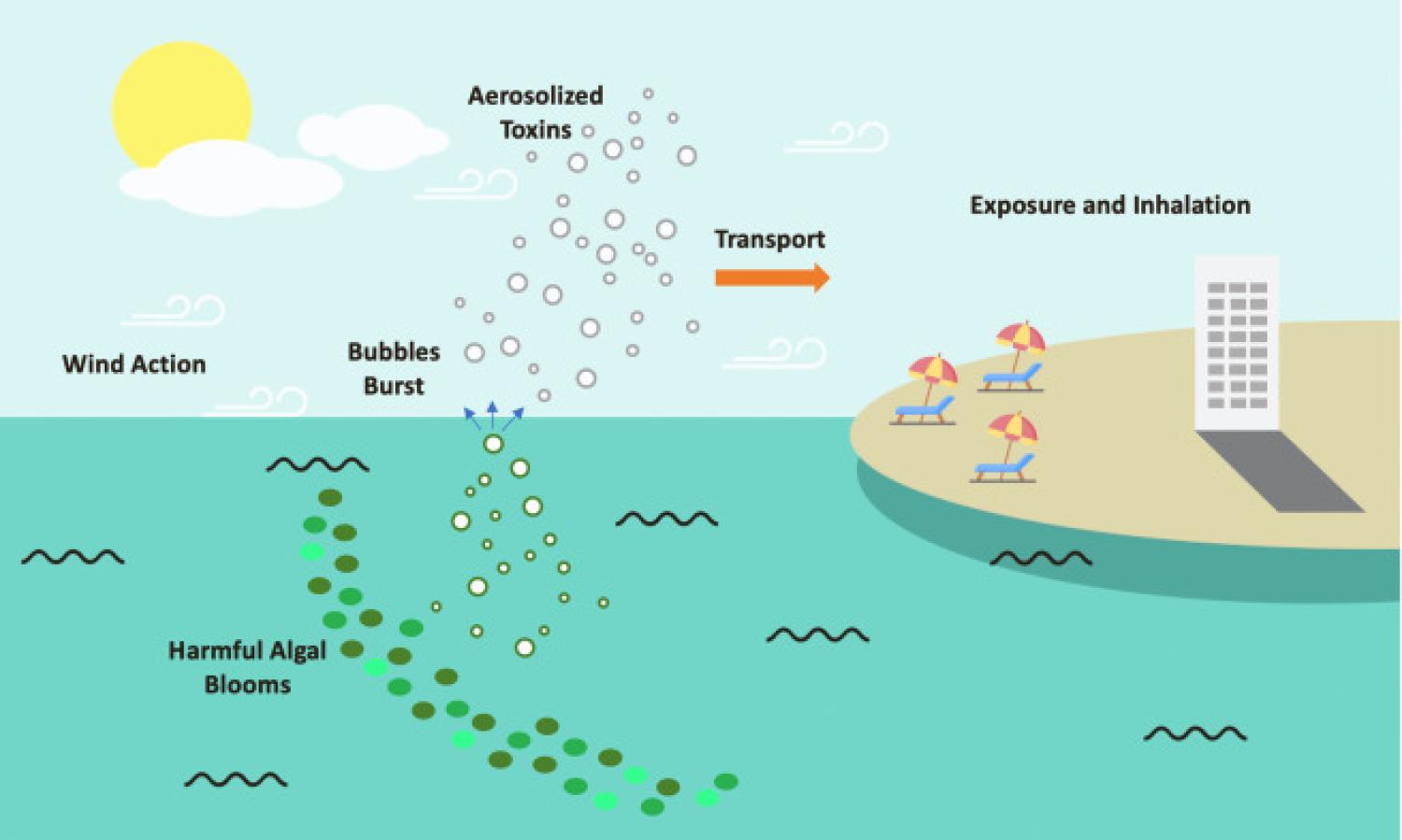
This Review supports SDGs 3 and 13 by synthesizing the recent evidence on whether and how climate change, manifested in meteorological fluctuations, extreme weather events, and long-term global warming, influences the epidemic dynamics of viral respiratory infections, including spatiotemporal distribution of seasonal epidemic, disease outbreaks, and pandemics.
Elsevier, eBioMedicine, Volume 84, October 2022
Background: Identifying how greenspace impacts the temperature-mortality relationship in urban environments is crucial, especially given climate change and rapid urbanization. However, the effect modification of greenspace on heat-related mortality has been typically focused on a localized area or single country. This study examined the heat-mortality relationship among different greenspace levels in a global setting. Methods: We collected daily ambient temperature and mortality data for 452 locations in 24 countries and used Enhanced Vegetation Index (EVI) as the greenspace measurement.
Elsevier, The Lancet Regional Health - Southeast Asia, Volume 13, June 2023
Background: COVID-19 and the climate crisis have caused unprecedented disruptions across the world. Climate change has affected the mental health and wellbeing of children and adolescent. Young people with a mental illness and without social support are at an increased risk of climate change induced mental ill-health. COVID-19 resulted in a marked increase of psychological distress. Increase in depression, anxiety and insomnia have increased due to the upheavals that people were experiencing including loss of livelihood and breaking of social bonds.
Elsevier, Trends in Ecology and Evolution, Volume 38, September 2023
To plan for an uncertain future, life scientists are often required to use the output from climate models to develop recommendations for policy. The authors explain best practice for use of these models, this research supports SDG 2, 13, 14 and 15.
Elsevier, The Lancet Regional Health - Western Pacific, Volume 36, July 2023
This Article supports SDGs 3 and 13 by comprehensively assessing the future out-of-hospital cardiac arrest morbidity burden related to non-optimal temperatures, heatwaves, and cold spells in Northern China under different climate change scenarios.
Elsevier, The Lancet Regional Health - Europe, Volume 31, August 2023
This Comment supports SDGs 3 and 13 by highlighting the negative health impacts of climate change around the world and in Europe, and noting that populations most impacted by climate change tend to be the least responsible for contributing to it. The authors note that, like in the Global South, the most disadvantaged communities in Europe bear disproportionate burdens of negative health impacts of climate change, but that addressing this inequity is not currently an explicit goal of EU policies.
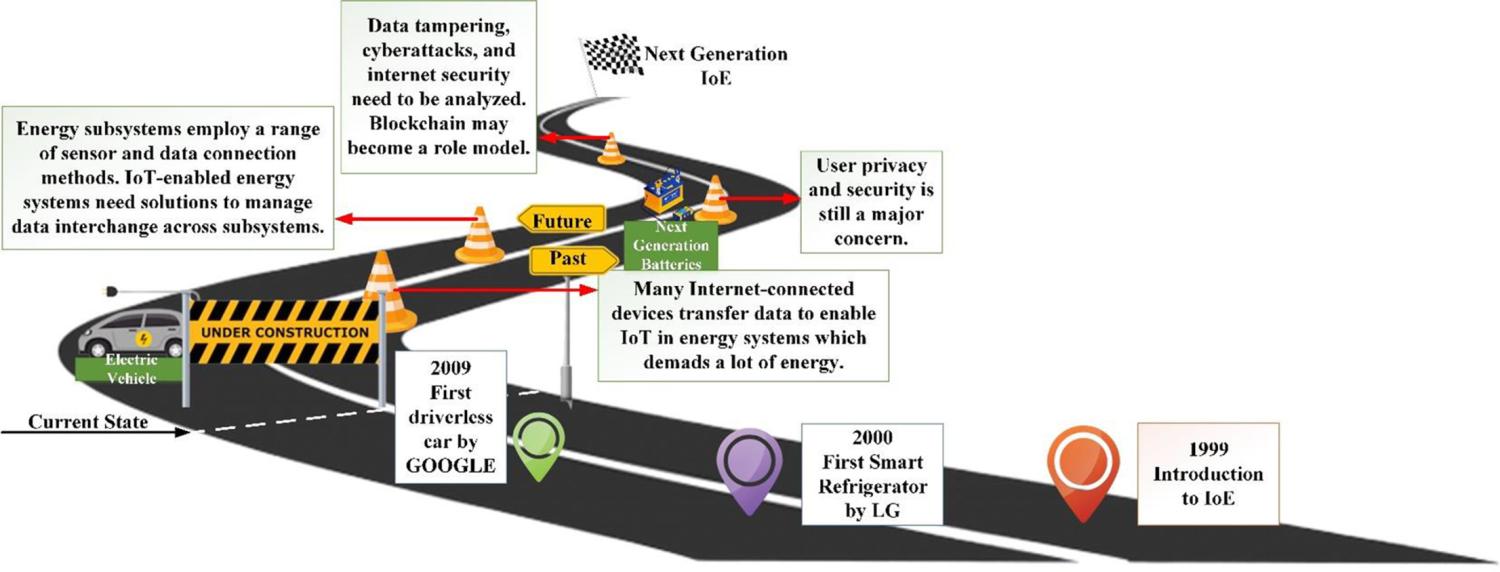
Elsevier, Energy and AI, Volume 14, October 2023
This article supports SDGs 7 and 13 by comparing the economy and carbon emissions of electrochemical energy storage (EES) and hydrogen energy storage (HES) in renewable energy storage, and it was found that lithium-ion batteries and certain HES routes perform best in LCOS and carbon emissions, supporting their use to achieve future decarbonization goals.
Elsevier, Energy and AI, Volume 12, April 2023
This article supports SDGs 7 and 13 by achieving the efficient CO2 capture via connecting a packed bubble column (S-PBC) contactor in series, combined with machine learning and multi-objective optimization based on Enhanced Weathering (EW) technology.
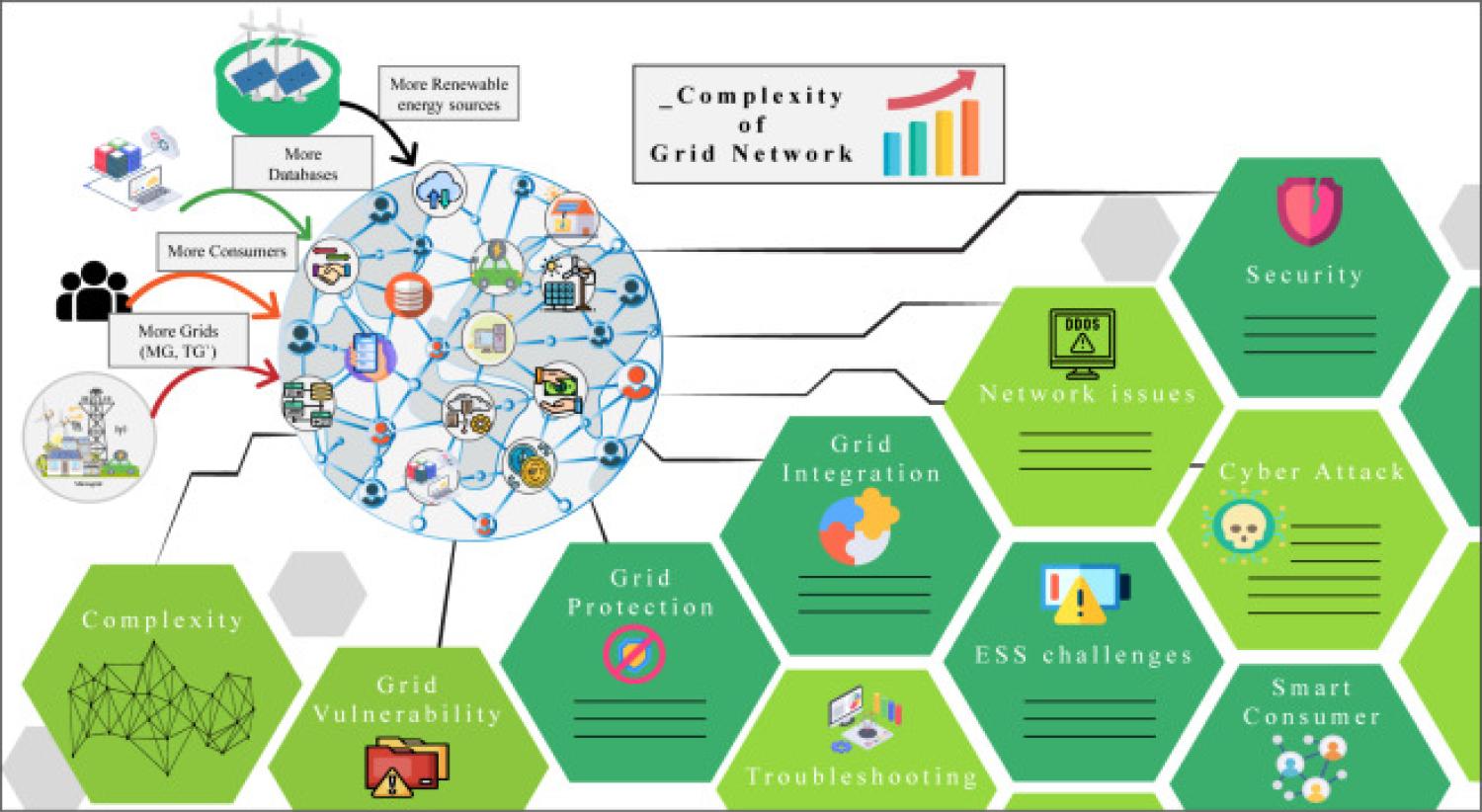
Elsevier, Energy and AI, Volume 11, January 2023
This article supports SDGs 7,9 and 11 by proposing that the real-time online analysis, data integration, and prediction of future status, monitoring, decision-making, and self-healing of the power grid can be achieved, providing high security, reducing the risk of power grid accidents, and serving multiple fields of producers, consumers, and the entire country.

Elsevier, Energy and AI, Volume 8, May 2022
This article supports SDGs 5, 7 and 10 by integrating the principles of equality, diversity, and inclusivity (EDI) into all aspects to correct historical and structural inequalities, and establishing an inclusive culture to achieve the justice urgently needed for the global transition to net zero. the progress can be made in the fields of energy and artificial intelligence.
Elsevier, Energy and AI, Volume 5, September 2021
This article supports SDGs 7 and 9 by introducing interpretable artificial intelligence (AI) tools, especially proxy models based on artificial neural networks, efficient variable analysis and optimal value prediction of membrane electrode components in proton exchange membrane fuel cells, thereby improving their performance and reducing computational costs.
Elsevier, Energy and AI, Volume 3, March 2021
This article supports SDGs 7, 9 and 11 by utilizing solar photovoltaic, wind energy, solar thermal energy, and battery energy storage, and the special emphasis is placed on the schedulable value of concentrated solar power generation to provide more economical and environmentally friendly energy supply, while integrating multiple renewable energy technologies through artificial intelligence technology to shape the future of cities.
Elsevier, Energy and AI, Volume 1, August 2020
This article supports SDGs 7 and 9 by creating a digital twin model of batteries via combining emerging machine learning technologies and battery modeling, achieving more intelligent control and longer battery life, providing key technologies for establishing an intelligent battery management framework in the future.
Elsevier, Energy and AI, Volume 1, August 2020
This article supports SDGs 7 and 9 by introducing the application of PEM fuel cells in different fields and the current status of related technologies, and it proposed that machine learning and artificial intelligence have important potential in optimizing the design, control, cost reduction, durability improvement, and monitoring operational health of fuel cells.
Elsevier, Solar Energy Harvesting, Conversion, and Storage: Materials, Technologies, and Applications, Volume , 1 January 2023
This chapter advances UN SDG goals 7 and 13 by providing an overview of solar energy harvesting technologies, energy storage technologies and the role of advanced nanomaterials in solar energy; exploring applications of the technology in the fields of agriculture, aquaculture, desalination, and transport; and discussing the current policies, strategies, and socio-economic analysis and challenges in the field.
Elsevier, Advances in Electronic Materials for Clean Energy Conversion and Storage Applications, Volume , 1 January 2023
This chapter advances UN SDG goals 7 and 13 by providing an important guide to electronic materials for energy technologies and their sustainable synthesis, fabrication, and large-scale production.
Elsevier, Power System Protection in Future Smart Grids: Achieving Reliable Operation with Renewable Energy, Electric Vehicles, and Distributed Generation, Volume , 1 January 2023
This chapter advances UN SDG goals 7 and 9 as it enables resilience and protection for renewable energy-integrated grids and infrastructure.
Elsevier, Non-Destructive Testing and Condition Monitoring Techniques in Wind Energy, Volume , 1 January 2023
This chapter supports UN SDGs 7 and 13 by reviewing condition monitoring technologies and current research challenges and opportunities, enabling improved performance and durability of wind turbines, and supporting energy transition of which wind power is a key component.
Elsevier, Wind Energy Engineering: A Handbook for Onshore and Offshore Wind Turbines, Volume , 1 January 2023
This chapter supports UN SDGs 7 and 13 by studying the impact of climate change on offshore wind operation, which is a key renewable energy source that will continue to grow as part of the energy transition and climate action.
Elsevier, Monitoring and Control of Electrical Power Systems using Machine Learning Techniques, Volume , 1 January 2023
This chapter advances UN SDG goal 7 as it enables improved energy forecasting, which is a critical technology for distributed generation and renewable energy integration.
Elsevier, Amita Nakarmi, Sushil Kanel, Mallikarjuna N. Nadagouda, Tito Viswanathan,
Chapter 7 - Applications of conventional and advanced technologies for phosphorus remediation from contaminated water,
Editor(s): Uma Shanker, Chaudhery Mustansar Hussain, Manviri Rani,
In Micro and Nano Technologies,
Green Functionalized Nanomaterials for Environmental Applications,
Elsevier,
2022,
Pages 181-213,
ISBN 9780128231371
This chapter contributes to SDG 6 by introducing technologies for phosphorus remediation from contaminated water.
Elsevier, Nanomaterials for Carbon Dioxide Capture and Conversion Technologies, 2023, pp 25-61
This chapter advances UN SDG goals 11 and 13 by examining the current state of CO2 capture and conversion technologies and their deployment at the industrial scale to achieve net-zero CO2 emissions.
Elsevier, Hydrogen Economy (Second Edition), pages 511-535
This chapter advances UN SDG goals 7 and 13 by examining large-scale infrastructure and the associated safety hazards of emerging hydrogen technologies as a replacement for fossil fuels in the global energy and transport industries.
Elsevier, Energy Management in Homes and Residential Microgrids, pages 79-140
This chapter advances UN SDG goals 7 and 13 by discussing the impacts of electric vehicles on energy management in homes and residential microgrids and identifying ways to minimize the daily energy cost by optimal scheduling of resources, electric vehicles, and loads.
Elsevier, Urban Climate Adaptation and Mitigation, 2023, Pages 1-22
This chapter advances UN SGD goals 11 and 13 by providing introductory knowledge on urbanization trends and their implications in the context of global environmental change, as well as highlighting major challenges to be addressed and the need for disruptive smart solutions.
Elsevier, Negative Emissions Technologies for Climate Change Mitigation, 2023, pages 1-18
This chapter advances UN SDG goals 12 and 13 by providing a historical perspective of the warming effect of carbon dioxide in the atmosphere, describes our growing understanding of climate change, the parallel development of Earth-system modeling capabilities, the Paris Agreement and the need to transition to nonfossil energy and the decarbonization of the global economy
Elsevier, eBioMedicine, Volume 93, July 2023
This Review supports SDGs 3 and 13 by synthesizing the recent evidence on whether and how climate change, manifested in meteorological fluctuations, extreme weather events, and long-term global warming, influences the epidemic dynamics of viral respiratory infections, including spatiotemporal distribution of seasonal epidemic, disease outbreaks, and pandemics.
Elsevier, Energy and AI, Volume 3, March 2021
This article supports SDGs 7 and 9 by addressing the challenges in traditional material research methods. This will play a crucial role in the screening and structure-activity relationship modeling of advanced energy materials, accelerate the development of energy materials, support carbon neutrality goals, and provide new scientific discovery methods.
Elsevier, International Journal of Greenhouse Gas Control, Volume 108, June 2021
Carbon capture and storage can help achieve the sustainable development goals. It is a key enabler of goal 13 relating to combating climate change. It also enables provision of affordable energy and decarbonisation of industry. The capturing process has both positive and negative interactions with most sustainability goals.
Elsevier, International Journal of Greenhouse Gas Control, Volume 108, June 2021
Carbon capture and storage can help achieve the sustainable development goals. It is a key enabler of goal 13 relating to combating climate change. It also enables provision of affordable energy and decarbonisation of industry. The capturing process has both positive and negative interactions with most sustainability goals.