
Conflict, insecurity, weak institutions and limited access to justice remain a great threat to sustainable development, particularly with current events in Ukraine. We condemn the Russian invasion of Ukraine and join the call for an immediate cease fire to protect civilians and restore peace. We stand with the people of Ukraine and are committed to supporting the research and healthcare communities we serve that are impacted by the unfolding humanitarian crisis. To further support all humanitarian efforts, we have created a publicly available special issue focused on the tremendous challenges Ukraine and other countries face to protect human rights and the rule of law as well as the knowledge and solutions that can advance peace and security.
Different lines of research have argued that specific groups, such as boys or ethnic minorities, are more prone to develop an anti-school culture than others, leading to group differences in the social acceptance of high performers. Taking an ecological view, we ask to what extent the school context promotes or prevents the emergence of group-specific oppositional cultures. Theoretically, we argue that group-based oppositional cultures become more likely in schools with low socio-economic resources and in schools where socio-economic differences align with demographic attributes.
Establishing sustainable training to strengthen human resources for health for children's nursing in Africa requires stakeholders to navigate complex pathways spanning multiple regulatory systems and sectors. Incomplete stakeholder insight threatens long-term sustainability of new training programmes.

Although changes in socio-cultural positions appear to take place shortly after arrival, there is a growing concern on socio-cultural differences in receiving societies and it is widely recognized that socio-cultural positions are important for further participation and well-being, few scholars examined socio-cultural positions among recently arrived refugees in Europe. At the same time, not much is known about how these positions relate to pre-migration, migration and post-migration characteristics, while these could be key indicators of early acculturation.
The ongoing novel coronavirus (COVID-19) pandemic has highlighted the need for individuals to have easy access to healthcare facilities for treatment as well as vaccinations. The surge in COVID-19 hospitalizations during 2020 also underscored the fact that accessibility to nearby hospitals for testing, treatment and vaccination sites is crucial for patients with fever or respiratory symptoms. Although necessary, quantifying healthcare access is challenging as it depends on a complex interaction between underlying socioeconomic and physical factors.
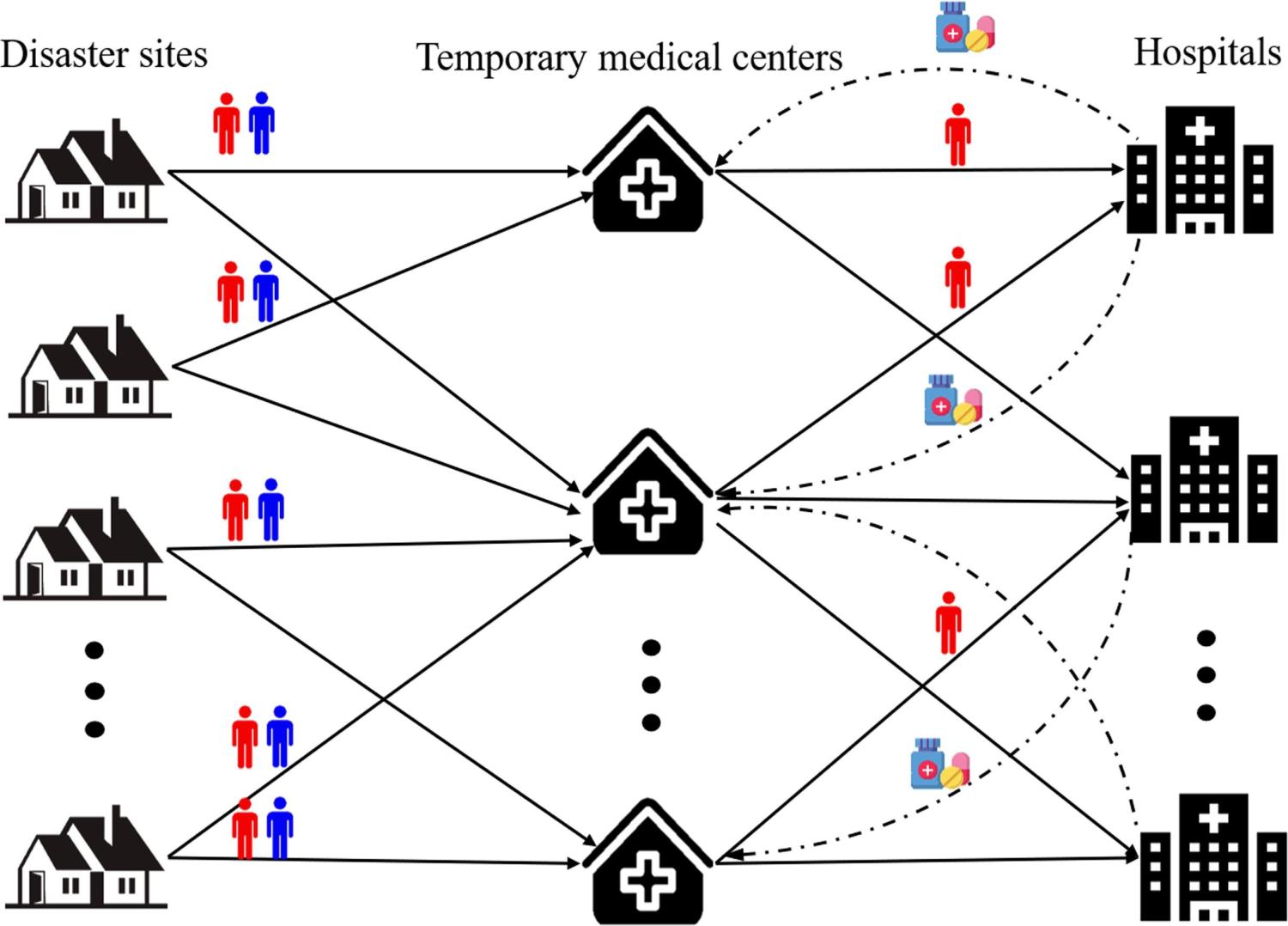
Humanitarian aid in disasters is critical to saving lives and alleviating human suffering. This paper presents a novel scenario-based robust bi-objective optimization model that integrates medical facility location, casualty transportation, and relief commodity allocation considering triage. The proposed model aims to minimize the total deprivation cost of casualties due to the delayed access to medical services and the total operation cost.
This study investigates the capabilities, performance outcomes, and barriers of drones applied to humanitarian logistics (HL). A systematic literature review was conducted to synthesize prior research on drones and cumulatively identify current knowledge gaps which require further investigation. In order to identify the relevant literature on the topic, a rigorous research protocol was applied for the retrieval and selection processes. In total, 142 publications fulfilled the selection criteria and were thoroughly analyzed.
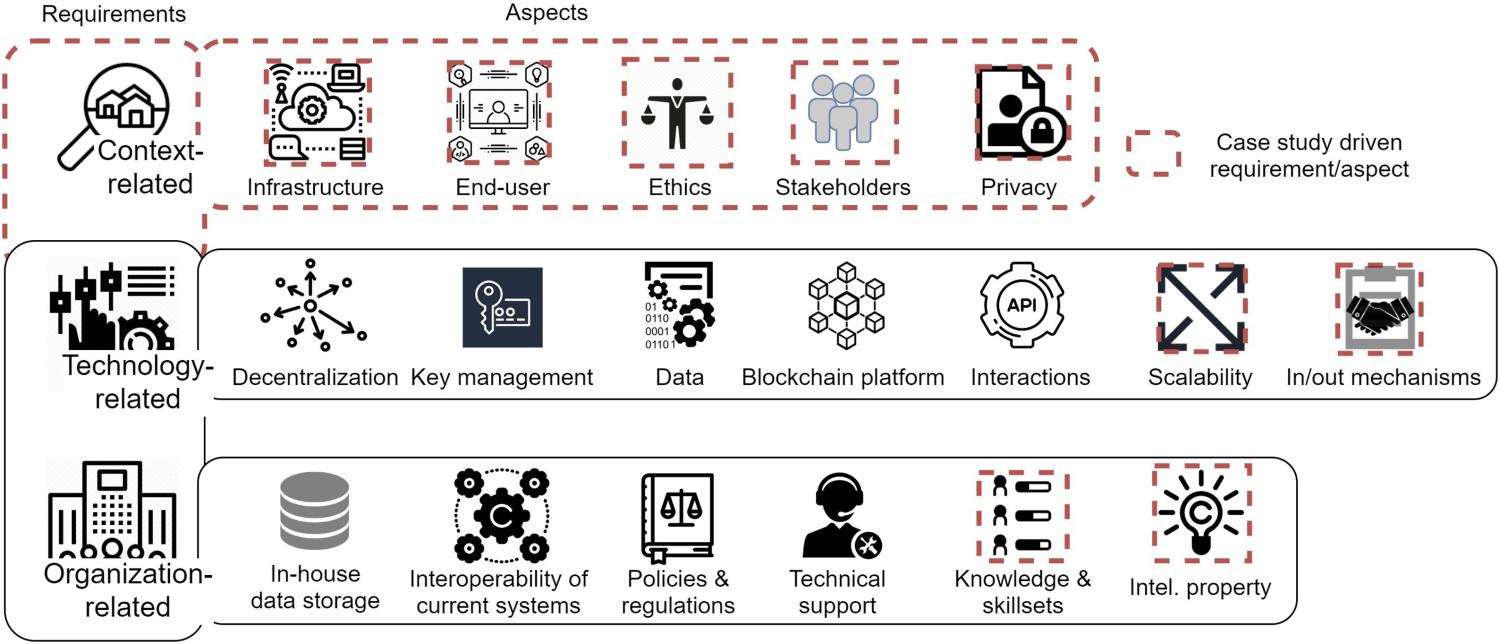
Blockchain technology promises to improve the efficiency, transparency, and accountability of humanitarian operations. Yet at the same time, especially the humanitarian context with its characteristic volatility poses unique challenges to any technology. Most prominent are the humanitarian principles that are fundamental to humanitarian operations. These ethical principles are set to protect the most vulnerable populations. Designing blockchain projects in the humanitarian context therefore requires a systematic framework that helps humanitarians make critical choices.
In this paper, we address the problem of humanitarian aids distribution across refugee camps in war-ridden areas from a network design perspective. We show that the problem can be modeled as a variant of multi-period hub location problem with a particular demand pattern resulted by the user's behavior. The problem has been motivated by a case study of Lebanese experience in Syrian war refugee accommodation. We elaborate on the complexity and real-life constraints and, propose a compact formulation of a mathematical model of the problem.
Problem: Today, one in four children in the world lives in an area of conflict or disaster, and more than 30 million have been displaced, enslaved or trafficked, abused, and exploited. However, there is little recognition of nursing interventions in this context and their impact on the quality of life. Eligibility Criteria: Studies that (1) Described nursing interventions in children under situations of armed conflict. (2) Identified the impact of the interventions in the Quality of Life. (3) identify research trends in the field by nursing professionals.
The Sendai Framework for Disaster Risk Reduction (SFDRR) has helped to reduce global disaster risk, but there has been a lack of progress in disaster risk reduction (DRR) for people living in fragile and conflict affected contexts (FCAC). Given the mounting evidence that DRR cannot be implemented through conventional approaches in FCAC, serious efforts must be made to understand how to meet SFDRR's goals.
Disasters around the world are becoming more frequent, diverse, complex and extremely challenging, causing millions of casualties and affecting both human development and available resources. Consequently, the present study addresses a multi-objective location, inventory and multi-scale routing (2E-LIRP) problem, which supports comprehensive decision making, so that the logistics network designer and manager can obtain adequate strategic planning in the face of uncertainty and the negative impact that an adverse event can generate.
The refugee crisis is one of the major challenges of modern society. The influxes of refugees are usually sudden and the refugees are in sheer need of services such as health care, education and safety. Planning public services under an imminent humanitarian crisis requires simultaneous strategic and operational decisions. Inspired by a real-world problem that Red Crescent is facing in Southeast Turkey, we study the problem of locating refugee camps and planning transportation of public service providers from their institutions to the located camps.
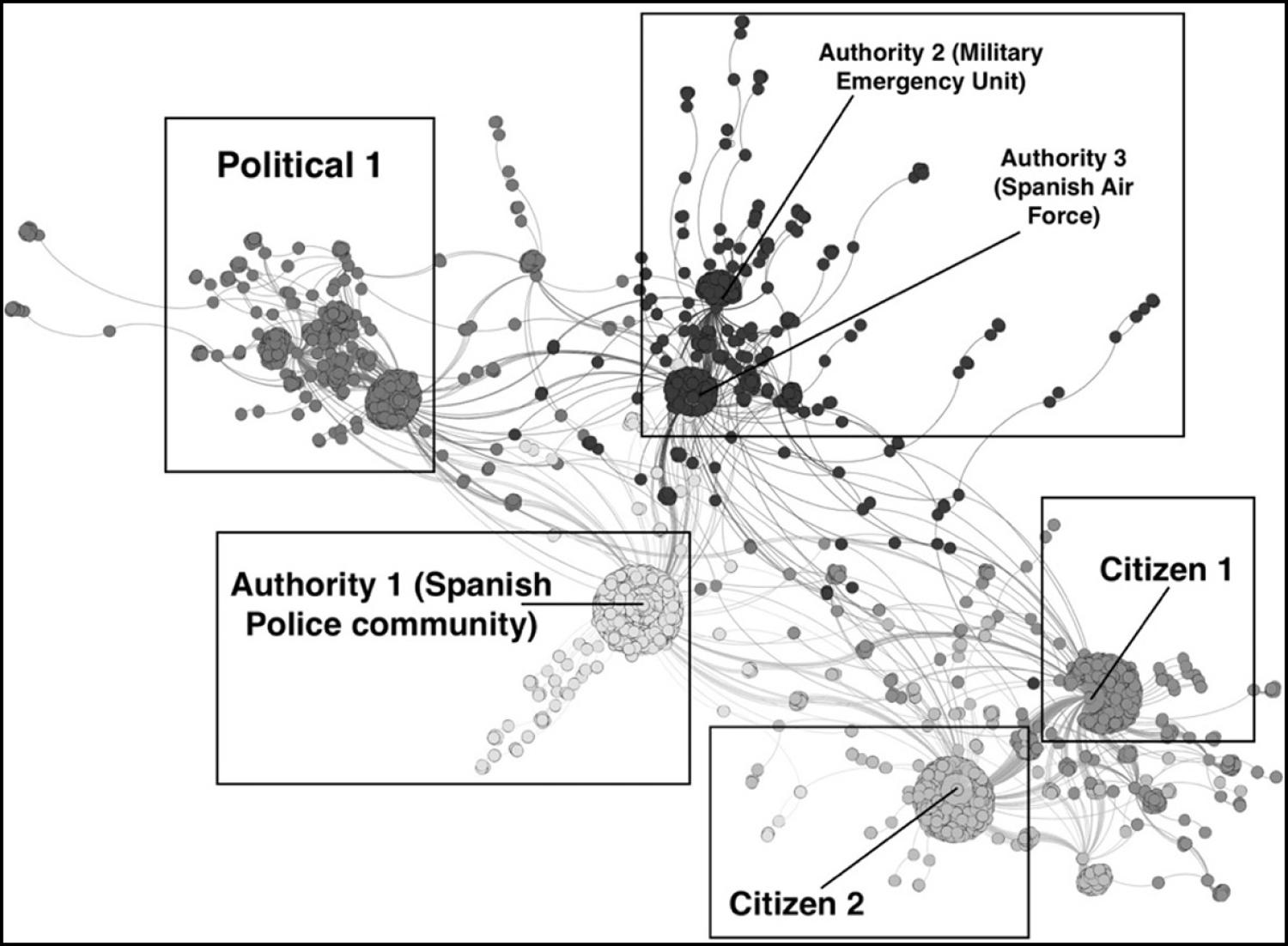
Social media assemble multiple users' interactions across singular events. Authorities need to navigate this diversity to effectively communicate and promote collaborative strategies. During emergency situations, discerning “who is there” is even more important for authorities, as this tracing process can save lives reaching the appropriate targets. This article contributes to this problem during emergency situations by proposing a user role taxonomy. We argue that focusing on functional behaviors could bypass the complexity of defining audiences during critical events.
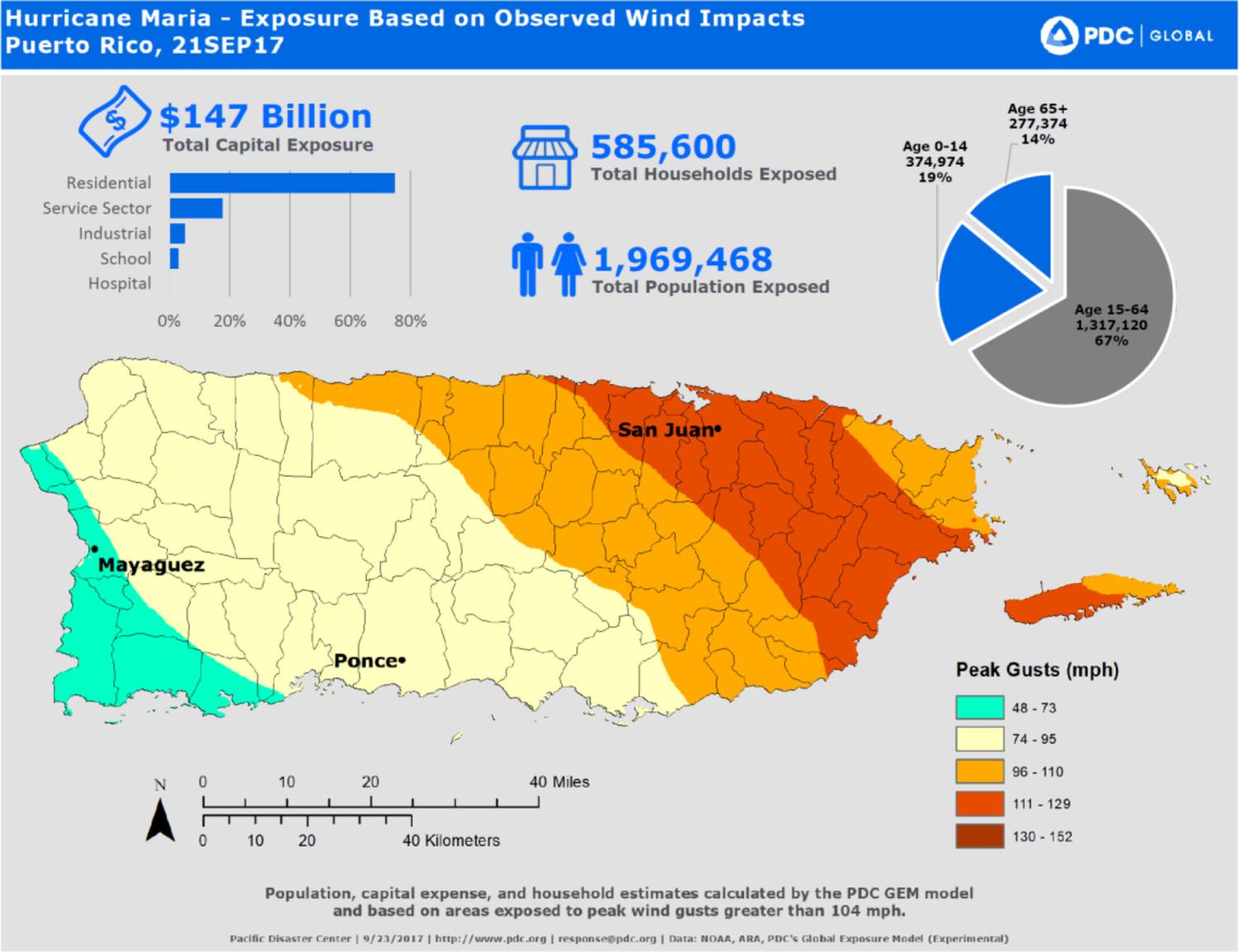
Purpose: Although the wind, rain, and flooding of Hurricane Maria in Puerto Rico abated shortly after its landfall on September 20, 2017, the disruption of the electrical, communications, transportation, and medical infrastructure of the island was unprecedented in scope and caused lasting harm for many months afterward. A compilation of recommendations from radiation oncologists who were in Puerto Rico during the disaster, and from a panel of American Society for Radiation Oncology (ASTRO) cancer experts was created.
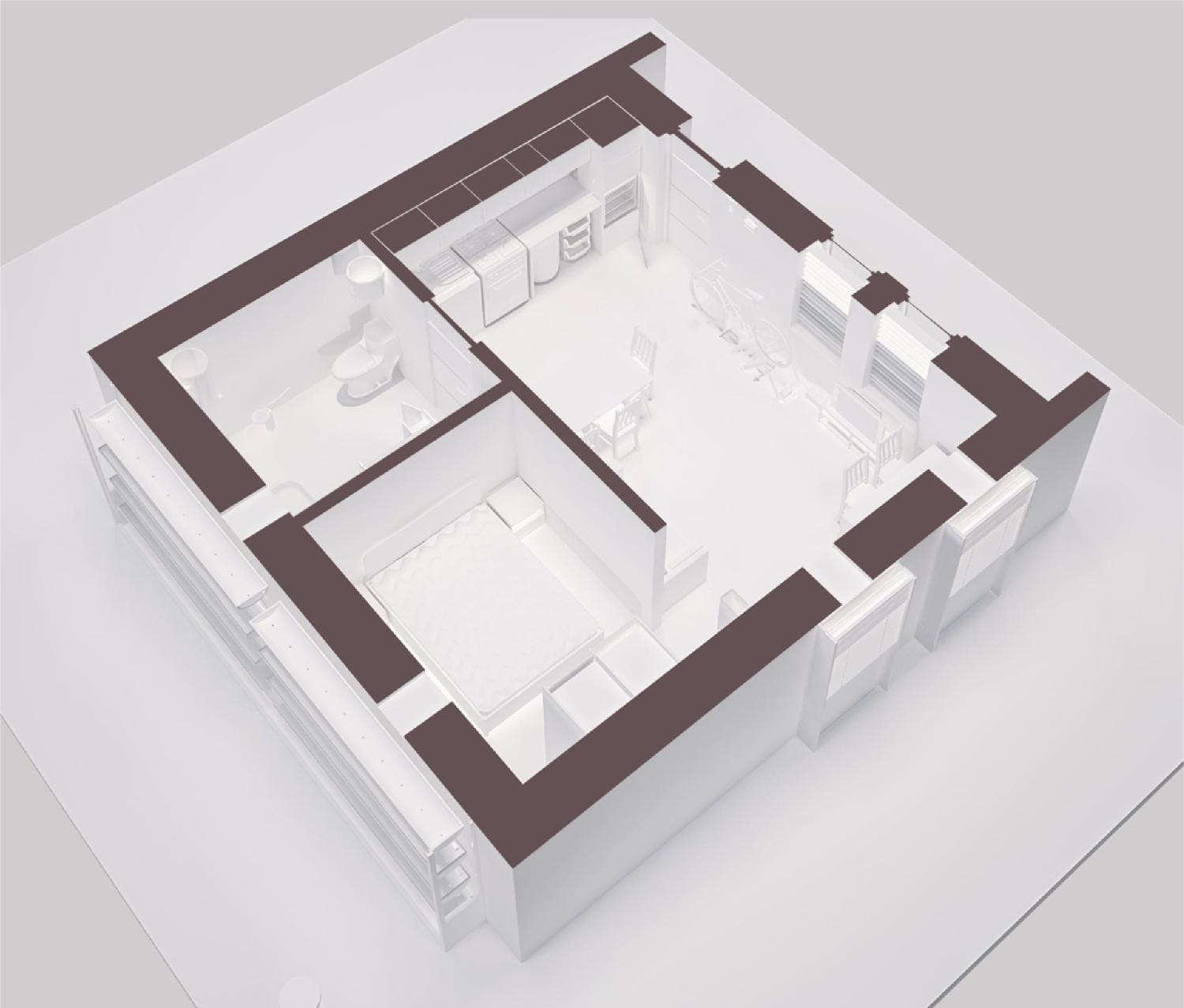
Forced migration is not a recent phenomenon, nor is the reality of the amount suffering of the displaced population fleeing from armed conflict. Finding housing for refugees has not only become an acute obligation for hosting countries but it is a situation predicted to continue, and possibly increase, in the future. This study is discussing and showing the results of the first phase of an ongoing project for designing and constructing an eco-cycle refugee shelter.
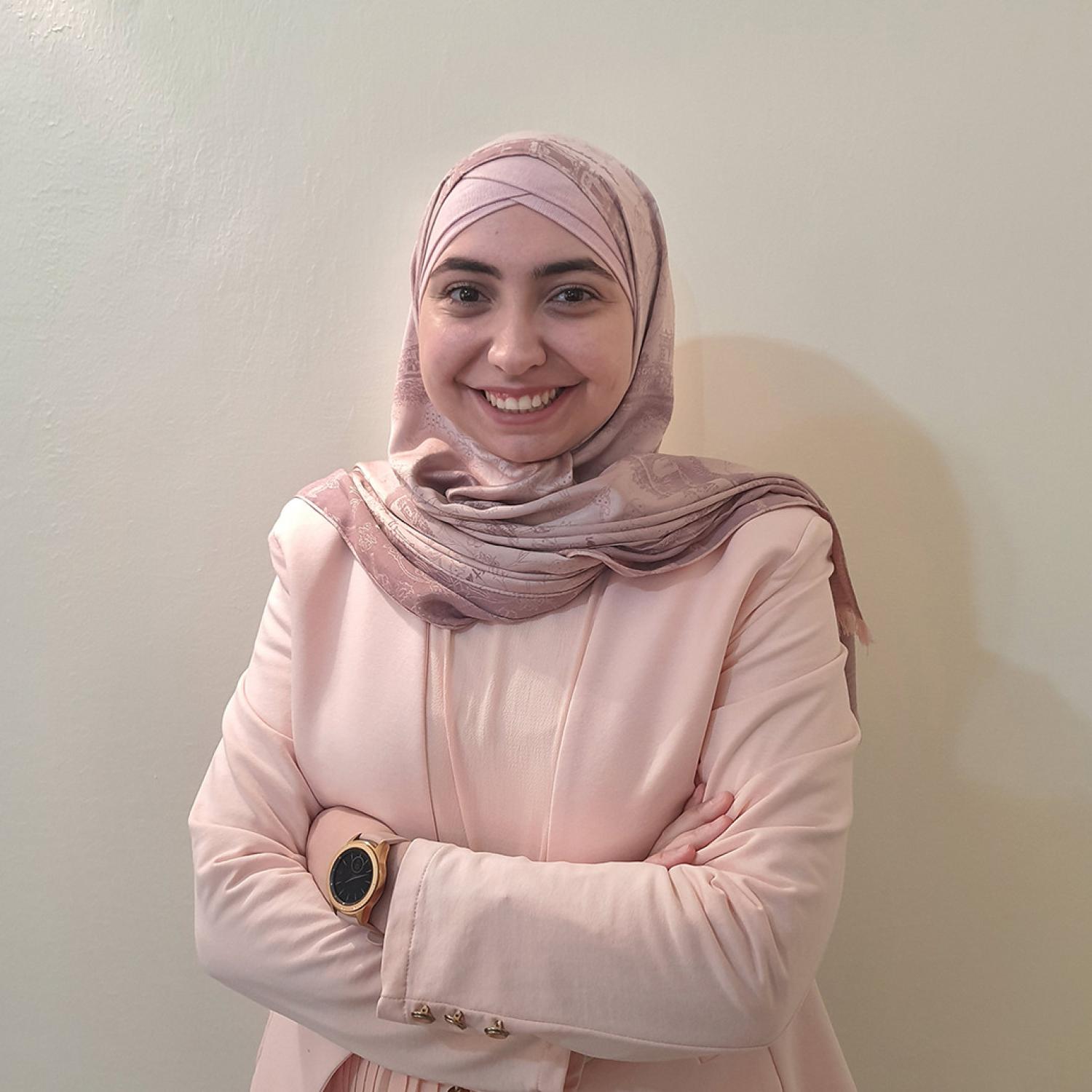
Roaa Al Feel, an early-career researcher, discusses her passion for using data science for social good. She uses data to reflect living conditions of society, and in the paper published with Patterns in November, the team explores machine learning techniques for the detection of fake news around the Syrian war, demonstrating the efficacy of meta-learning techniques when tackling datasets of a modest size.
Development COVID-19 vaccines in a record time has been an unprecedented global scientific achievement. However, the world has failed to ensure equitable access to what should have been a global public good. What options remain available to African countries to ensure immunization of their populations and ultimately overcome the pandemic?
The plights of Internally Displaced Persons (IDPs), including hunger, rape, insecurity, and death, have assumed a frightening dimension in North-eastern Nigeria with the sustained intervention of the National Emergency Management Agency (NEMA) to ameliorate their sufferings. This paper aimed to assess the response capacity of NEMA to the plights of the IDPs in North-eastern Nigeria.
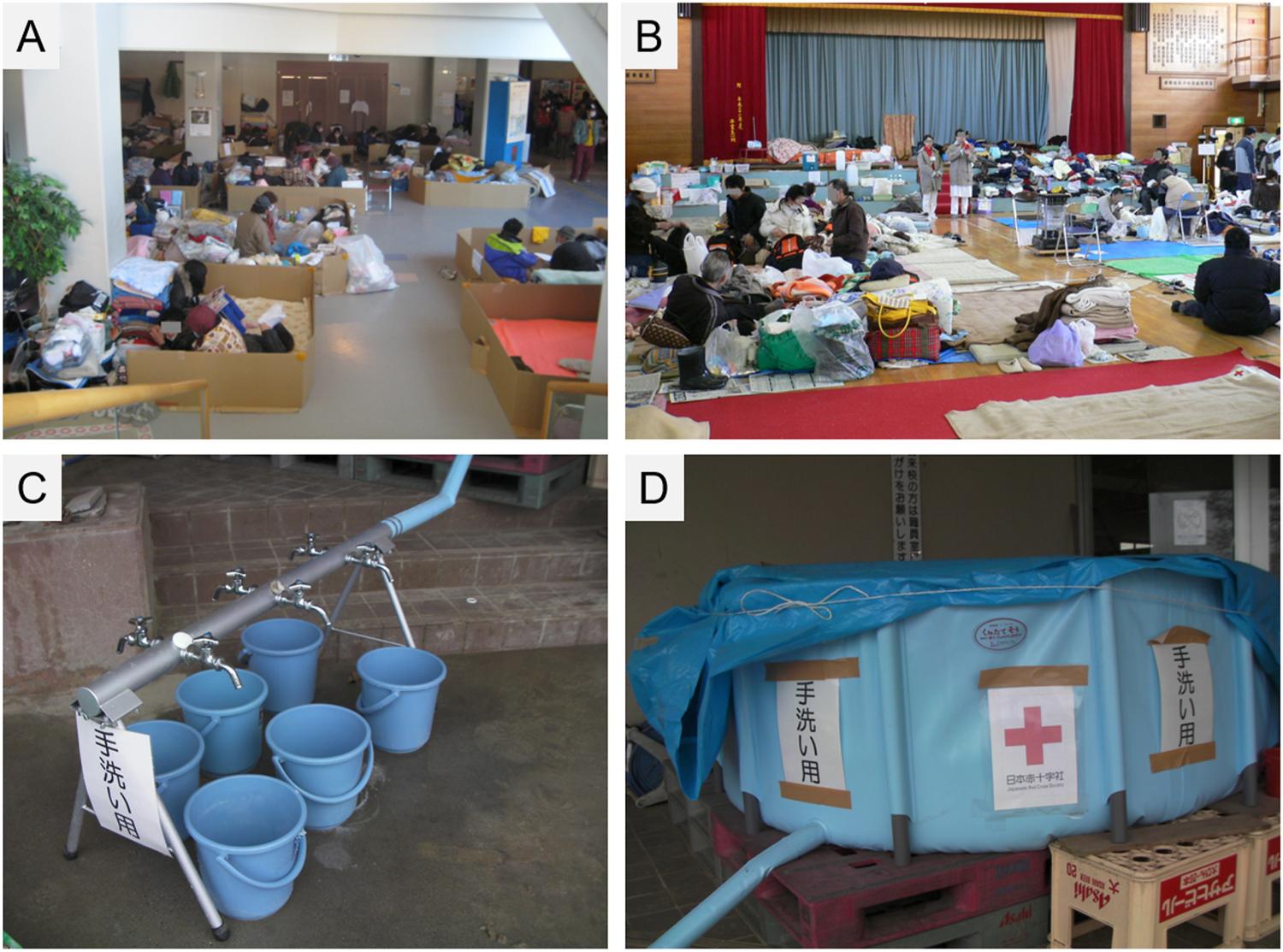
After a massive disaster, many residents in affected areas are forced to temporarily stay in evacuation shelters. The exact impact of the state of resource supply and infrastructure in evacuation shelters on the health status of evacuees has not been sufficiently studied. Two weeks after the 2011 Great East Japan Earthquake (GEJE), comprehensive surveillance related to the health status and hygiene level was performed for all evacuation shelters (328 shelters with 46,480 evacuees at the peak) in one of the most devastating medical zones after the tsunami hit the area (Ishinomaki City).
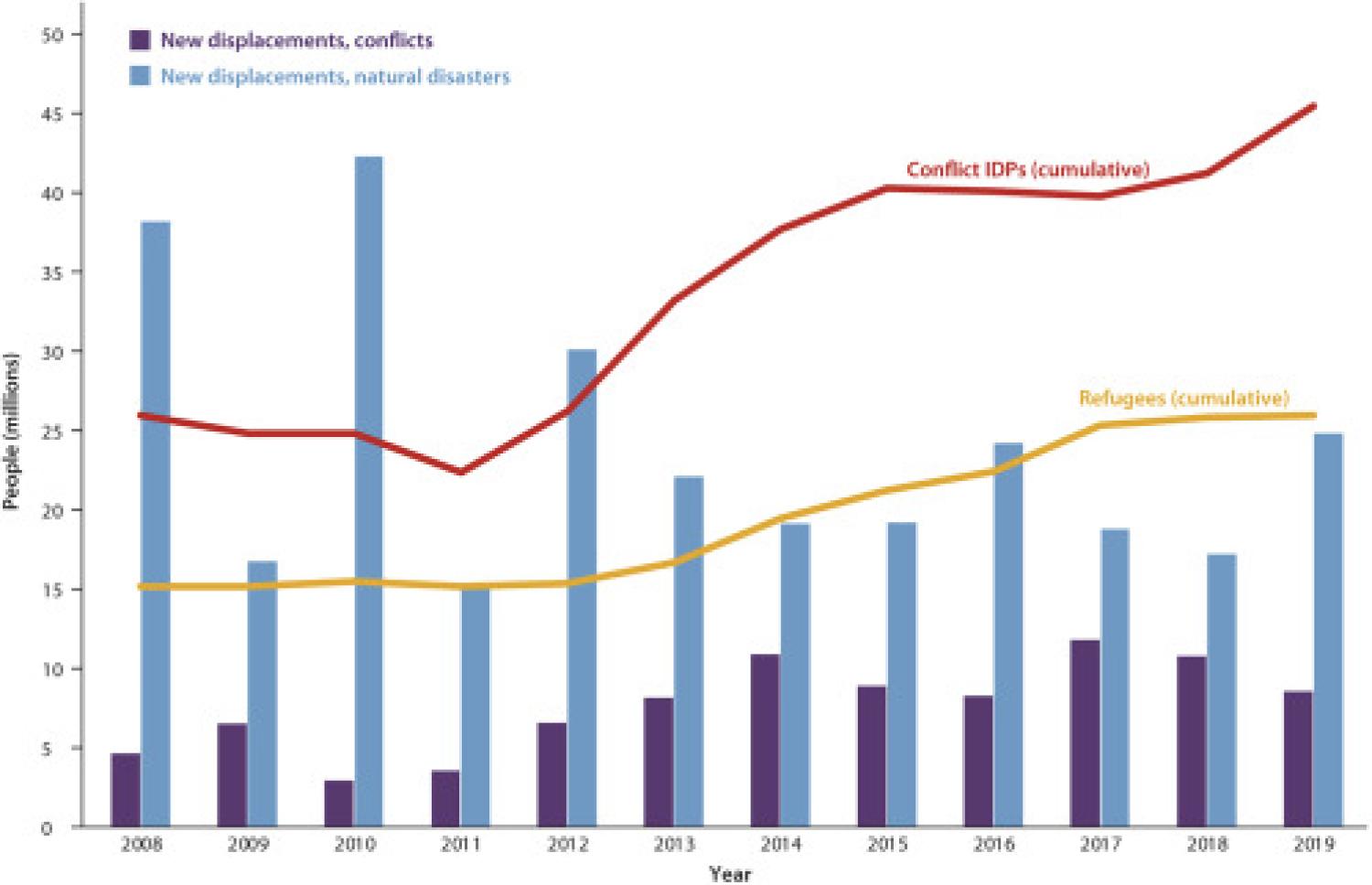
Climate change is reshaping the comparative advantage of regions and hence driving migration flows, principally toward urban areas. Migration has multiple benefits and costs in both origin and destination regions. Coordinated policies that recognize how and why people move can reduce future costs and facilitate adaptation to climate change both within borders and internationally.
Recent guidance from the US Immigration and Customs Enforcement drastically altered the lives of international students in America, especially those who are matriculating. This commentary describes how international students still face uncertainty concerning their visa statuses and their place in American society.
While modelling is an essential component for an understanding of the epidemiology of malaria, and for designing better control measures, it rarely considers the particular contexts encountered in emergency settings. By linking these situations with the transmission parameters our aim is to correct this bias and call for a better collaboration between relief actors.
Background: Future Expectation is important for motivation and wellbeing, however drastic life events such as in refugee situations may result in low expectations. This study aims to investigate the prevalence and determinants of low future expectations among Syrian refugees resettled in Sweden. Methods: A random sample of 1215 Syrian refugees resettled in Sweden responded to questionnaire. Weighted analyses and adjusted relative risks were conducted to determine the prevalences and predictors of low future expectations.
Although changes in socio-cultural positions appear to take place shortly after arrival, there is a growing concern on socio-cultural differences in receiving societies and it is widely recognized that socio-cultural positions are important for further participation and well-being, few scholars examined socio-cultural positions among recently arrived refugees in Europe. At the same time, not much is known about how these positions relate to pre-migration, migration and post-migration characteristics, while these could be key indicators of early acculturation.

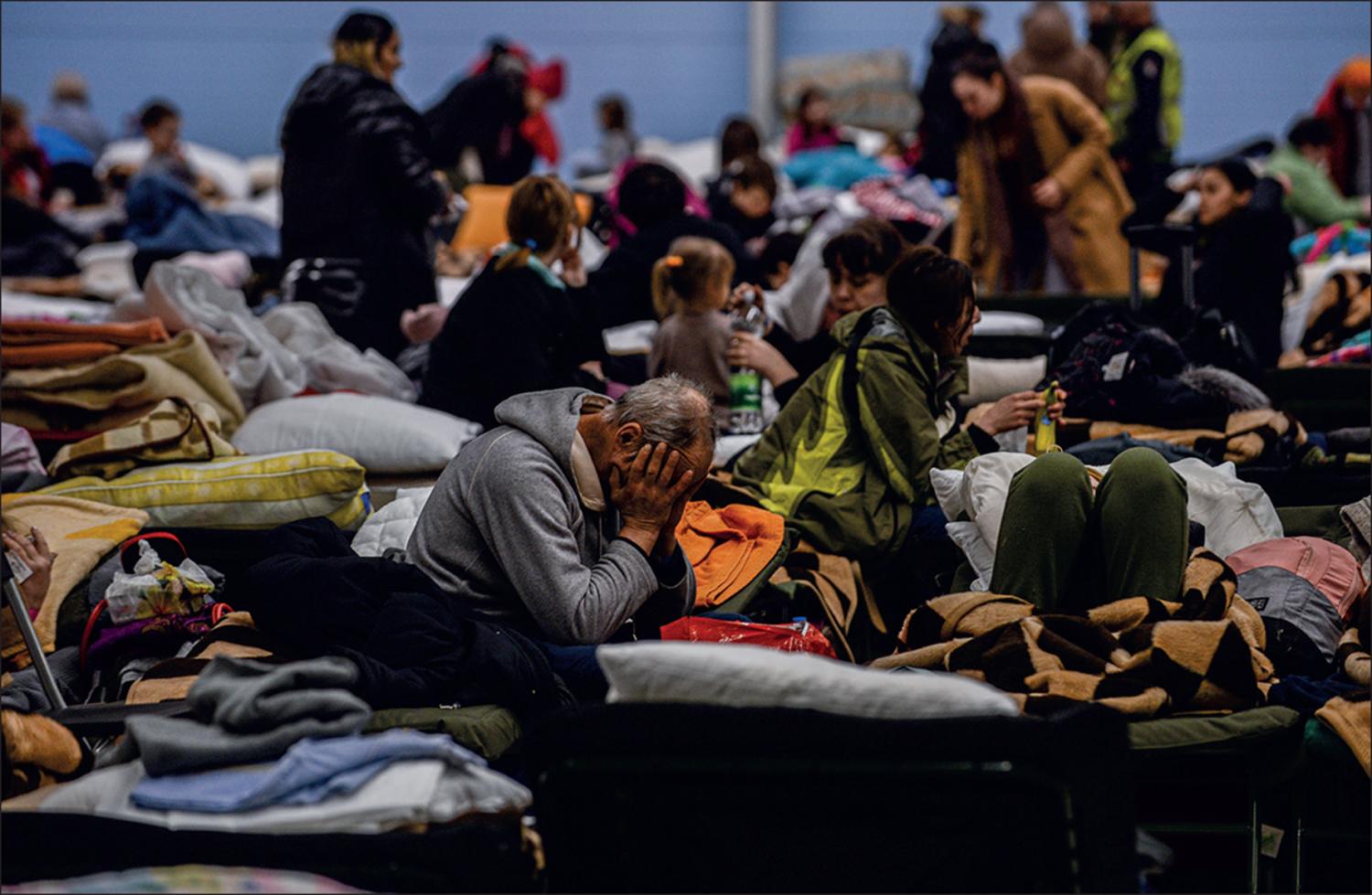
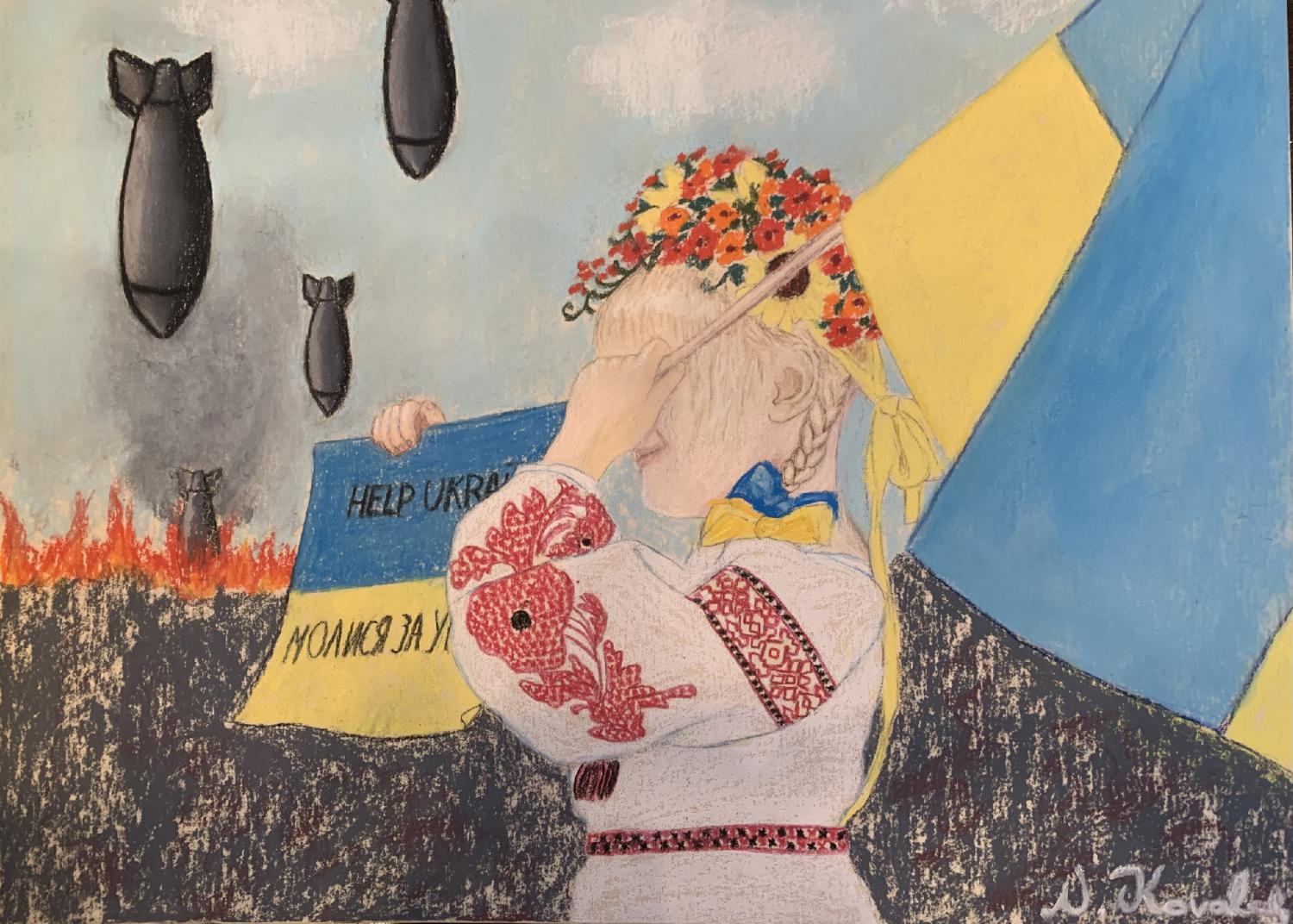
This article examines the role of empathy for outgroup helping, collective action and political activism among youth in Northern Ireland, a setting of protracted conflict. Integrating the Empathy-Attitudes-Action model with the Developmental Peacebuilding Model, a two-wave study was conducted to assess youth's behavioural intentions and actual behaviours toward refugees.
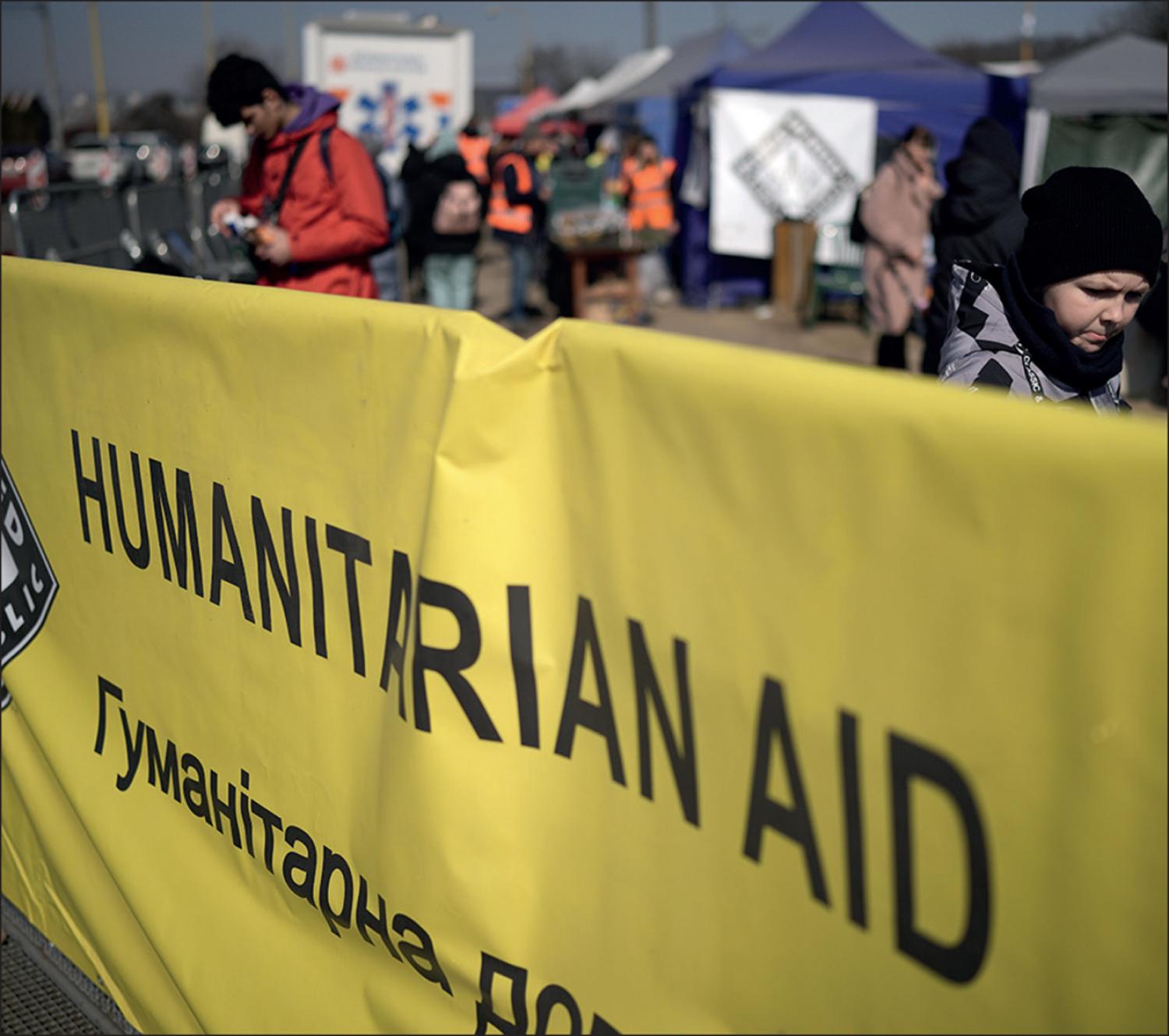
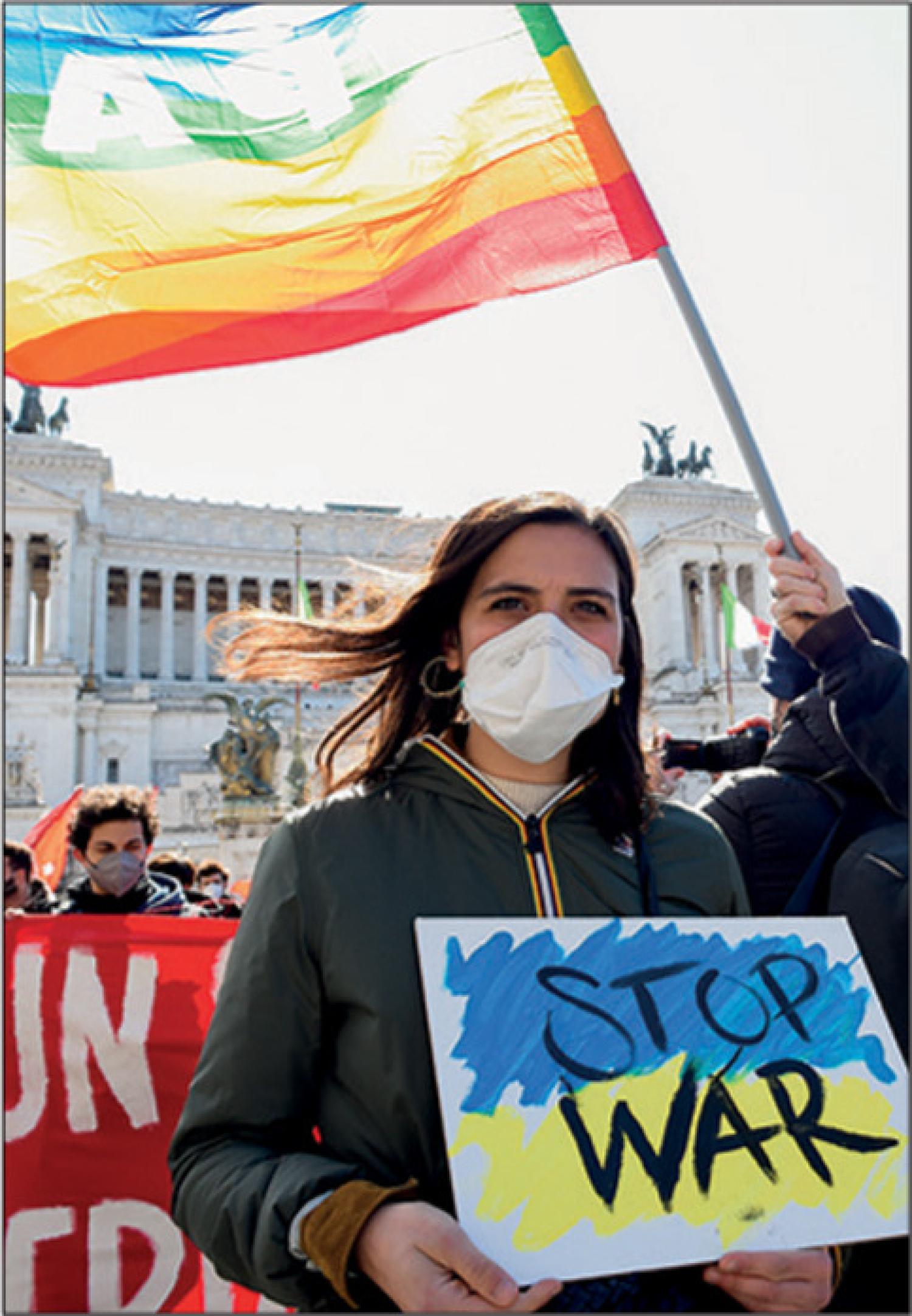
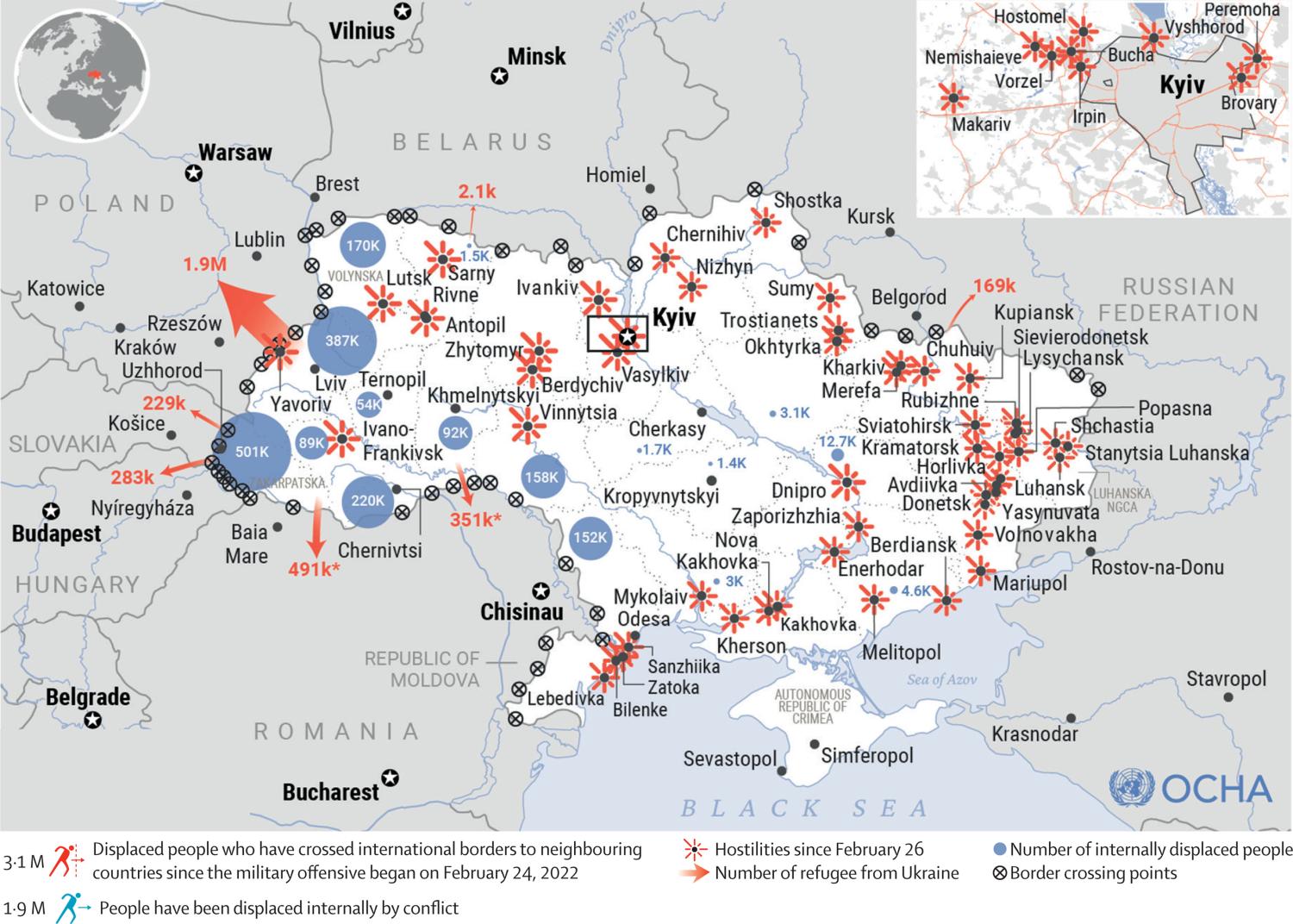
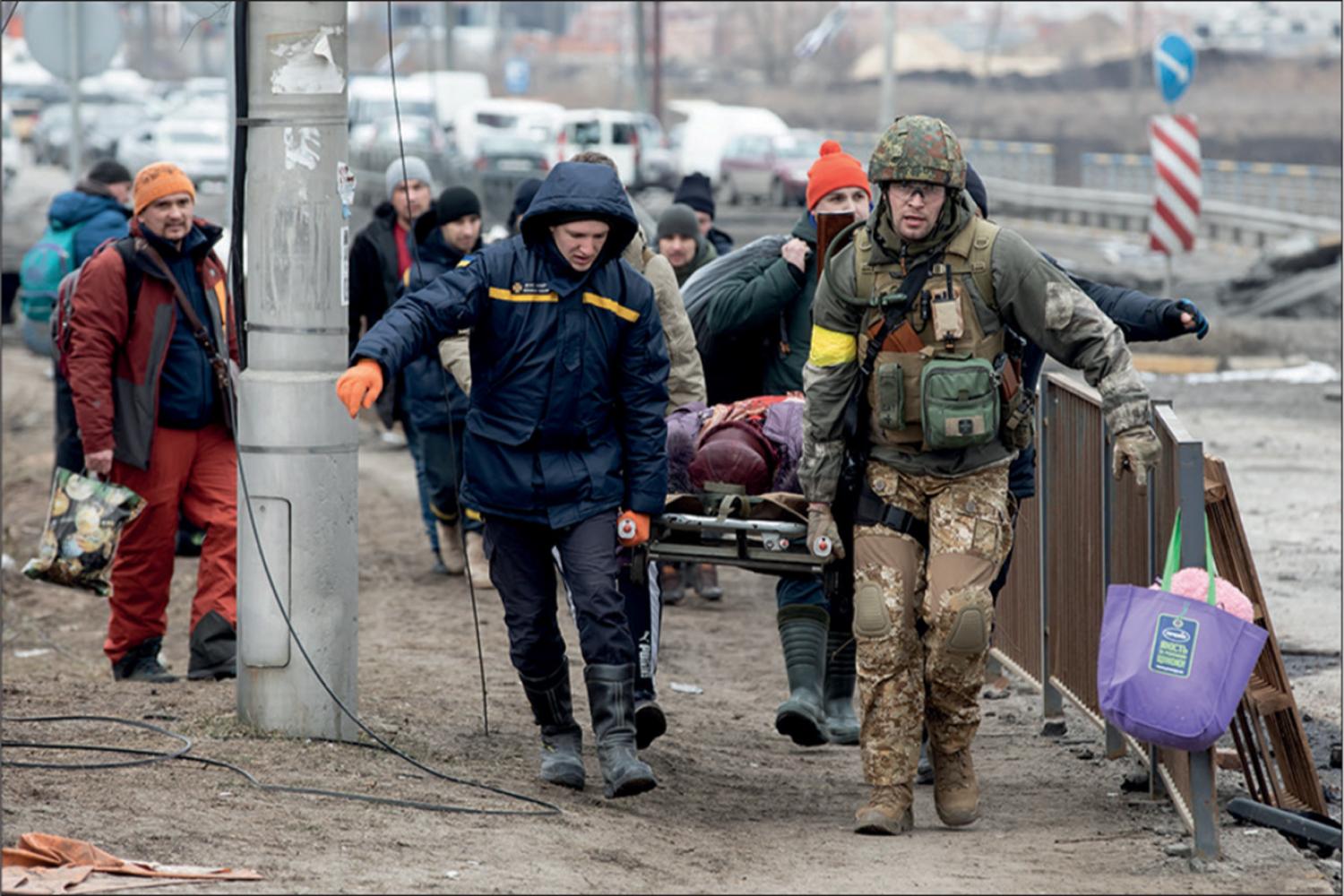
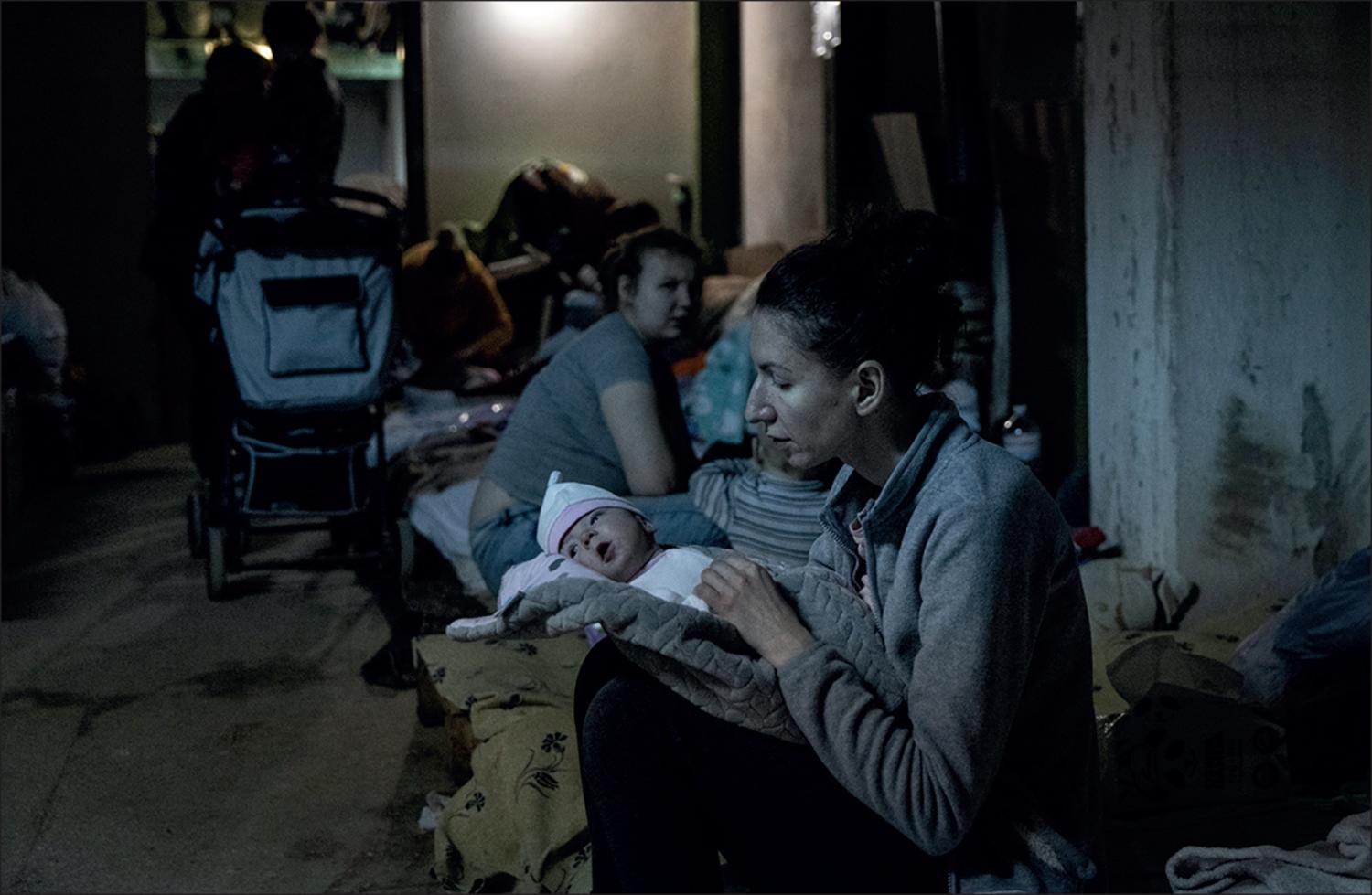
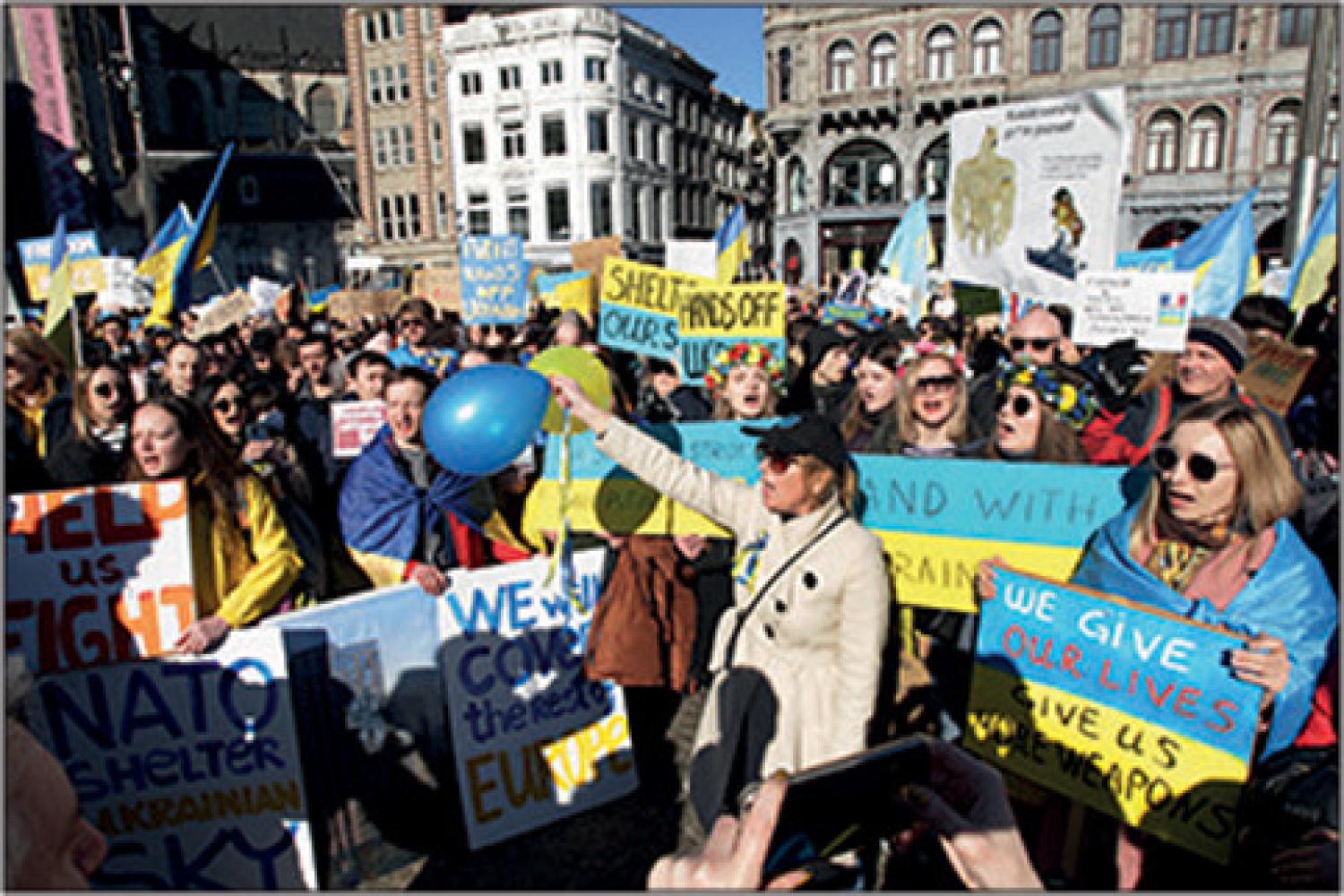
A Comment on the unfolding health and humanitarian crisis due to the conflict in Ukraine, in the context of SDGs 3 and 16, focusing specifically on providing palliative care, alleviating suffering, and dignifying death in the context of armed conflicts.
This book chapter addresses SDGs 10 and 13 by describing climate refugees. While the Paris agreement does not make direct reference to impact of climate change to refugees, it is estimated that over 200 million people will migrate to other locations because of climate change by 2050 so a task force must be established to assist and mitigate displacement.
This chapter supports SDGs 10 and 16 by looking into proposals for policy change regarding the management of legal, socioeconomic, and urban aspects of the Syrian refugee crisis.
This chapter supports SDGs 3 and 16 by exploring the field of refugee mental health and focusing on interventions for vulnerable subpopulations such as women, child soldiers, and torture survivors.
This chapter supports SDG 16 by providing an overview of borderlands, spaces where migration and secuturization efforts often meet and collide and formal and informal precarious camps often emerge where migrants and refugees are detained.
This chapter supports SDGs 2, 3 and 16 by providing an overview of food operations in wars and conflicts, which are likely to continue as the primary cause of humanitarian need worldwide.
This chapter supports SDGs 3 and 16 by exploring complex emergencies and how displaced populations are at increased risk of increased morbidity and mortality.Disasters, either natural or man-made, disrupt the baseline functioning of a community, including food, water, sanitation and health. The resiliency of a community to recover from a disaster depends on existing economic and social structures. Poverty and inadequate economic and social systems are prevalent in tropical regions, making them extremely vulnerable to disasters.
This chapter supports SDGs 3 and 16 by describing disaster management in the international context and introduces the community of international disaster management stakeholders (which includes governmental agencies, international organizations, nongovernmental organizations, and financial institutions) that support the preparedness for, mitigation of, response to, and recovery from disaster events.
This chapter supports SDGs 3, 11, and 16 by exploring ways of improving shelter provision for refugees through better coordination of humanitarian agencies, the development of minimum standards, and enhanced self-help housing strategies.
This chapter supports SDGs 3, 11, and 16 by exploring human geography approaches to issues faced by refugees and asylum seekers and analyzes processes shaping forced international migration and settlement.
This chapter supports SDGs 3, 11, and 16 by exploring the process of humanitarian mapping, the production of spatial data and cartographic products to improve situational awareness and decision-making around humanitarian issues from acute events such as natural disasters and public health emergencies to longer term events such as refugee crises and political unrest.
This chapter supports SDGs 11 and 16 by discussing the features, deployment, technical innovations, ethical considerations, and issues related to the global use and implementation of Blockchain Technology-Based System (BTBS).
This book chapter supports SDGS by presenting a psychodynamically informed treatment for trauma-related disorders that has proven efficacious in treating refugees as well as traumatized clients in postconflict settings.
Historically STI policy is connected to national security and the military. Yet, contemporary innovation policy is rarely discussed in a security context. This perspective argues that new, transformation-oriented innovation policies should more explicitly consider (a) the side-effects of policies on global security and (b) how the global security context influences the achievement of transitions. This need is further extrapolated by the current period of rapid major shifts in the global security landscape.
Providing affordable access to enough healthy and safe food for an ever-more-affluent and growing world population has become more challenging in the face of climate change, rising income inequality and a more uncertain global trade environment. Agriculture is expected to contribute more, but is under pressure in both high-income and developing countries to do so more sustainably and inclusively. This paper reviews the roles of food policy in this changing setting.
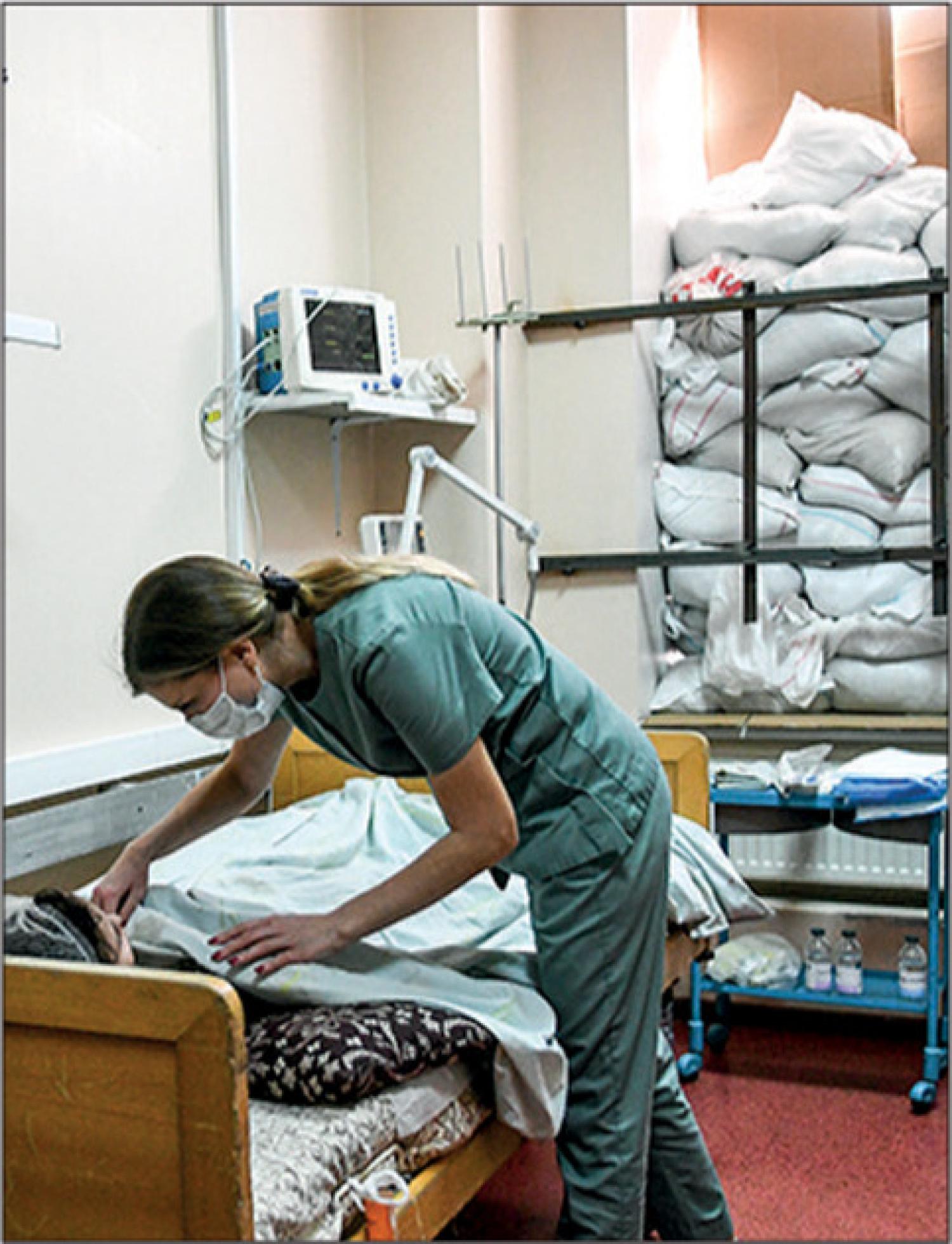
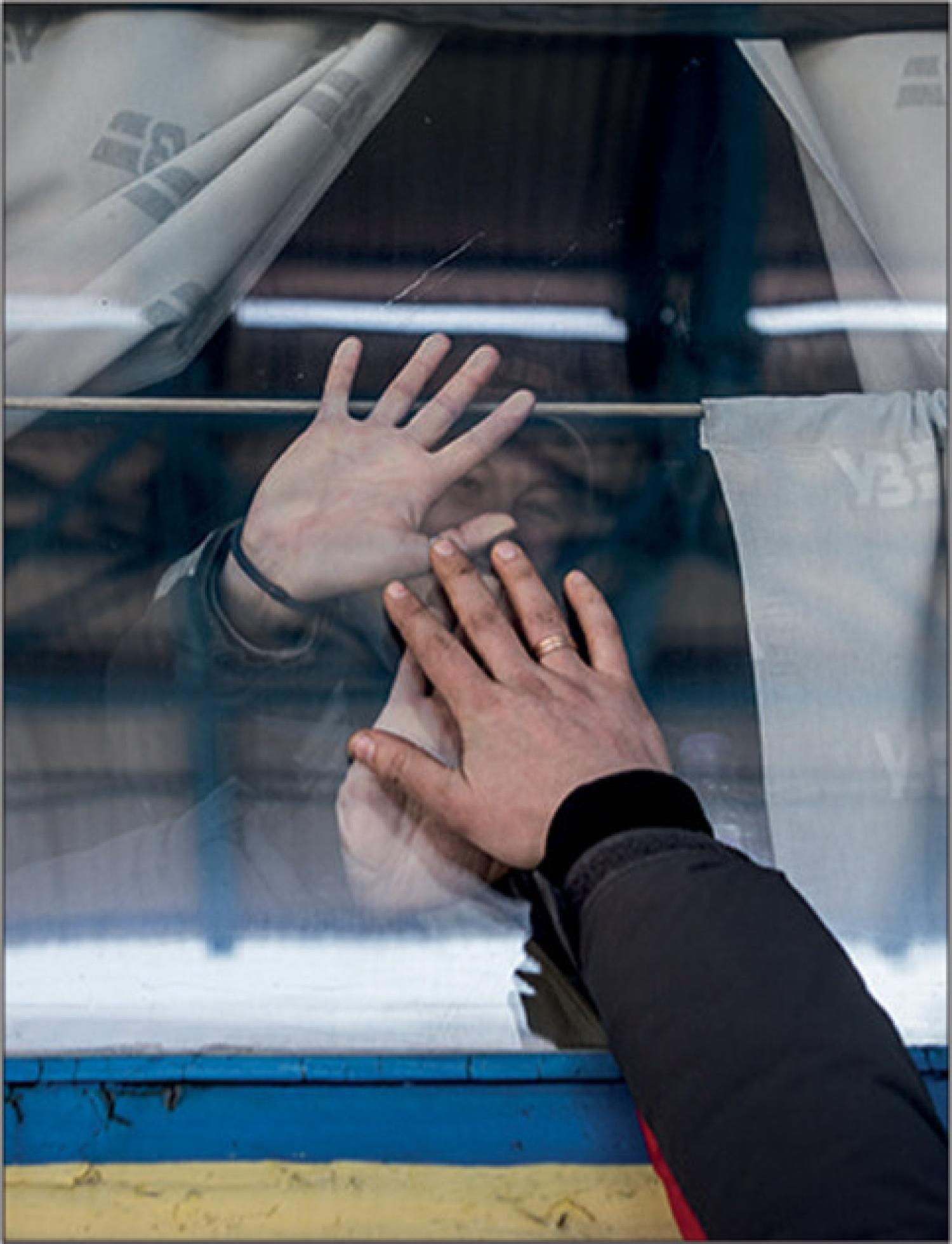
Purpose: In this study, we identify and characterise how organisations have responded, in ways ranging from restoration to radical change, to discontinuities in their product-based service (PBS) supply chains during the COVID-19 pandemic.
Volume 2,
2022,
100880
EUROSPINE, the Spine Society of Europe, and EANS, the European Association of Neurosurgical Societies and its members remain committed to the promotion of brain and spine health and education, and are ramping up efforts to find ways to address and reduce the suffering.