The United Nations General Assembly decided that International Day of the World’s Indigenous Peoples would be observed every year on 9th August. On this day, people from around the world are encouraged to help spread the UN’s message on the protection and promotion of the rights of indigenous peoples. Elsevier is pleased to share this special collection of freely available articles to help spread awareness about this important topic. Please feel free to download and share these papers.
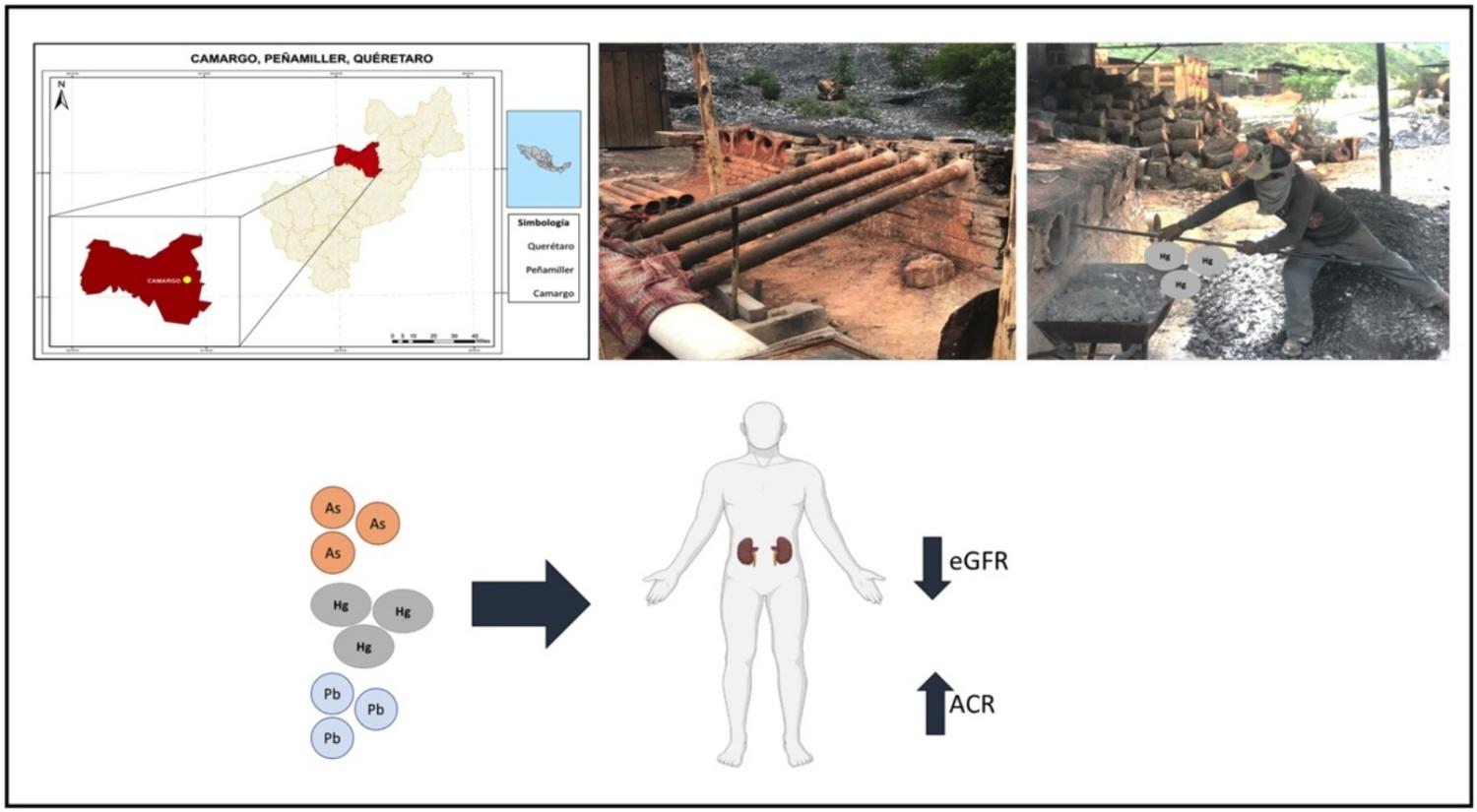
A Health Policy paper on the health impacts of banned pesticides in the Yaqui population in Mexico, in the context of SDGs 3, 10, and 12, highlighting recommendations for system-level solutions and policy change to current US, UN, and global laws.
Sustainable wood-based design solutions necessarily presuppose economically, socially, and environmentally reliable sources of wood use for any future designs. However, increasingly unsustainable effects from climate extremity are now prompting the search for alternative forms of use that avoid or forestall those effects.
A Comment on planetary health and Indigenous land rights, in the context of SDGs 3, 15, and 17, focusing specifically on safeguarding biological and cultural diversity to halt ecosystem destruction, disease emergence, and climate change.
An Article on the vulnerability of Indigenous populations to pandemics, in the context of SDGs 3 and 10, focusing specifically on the clinical characteristics and outcomes following COVID-19 in Indigenous Brazilian individuals.
This paper examines a Native Hawaiian led effort to redress the removal of Indigenous Peoples from ancestral lands. This demonstration provides an important example of how biocultural strategies can achieve landscape restoration in Hawaiʻi. We outline how the Pu‘uwa‘awa‘a Community-Based Subsistence Forest Area is approaching common dryland restoration goals.
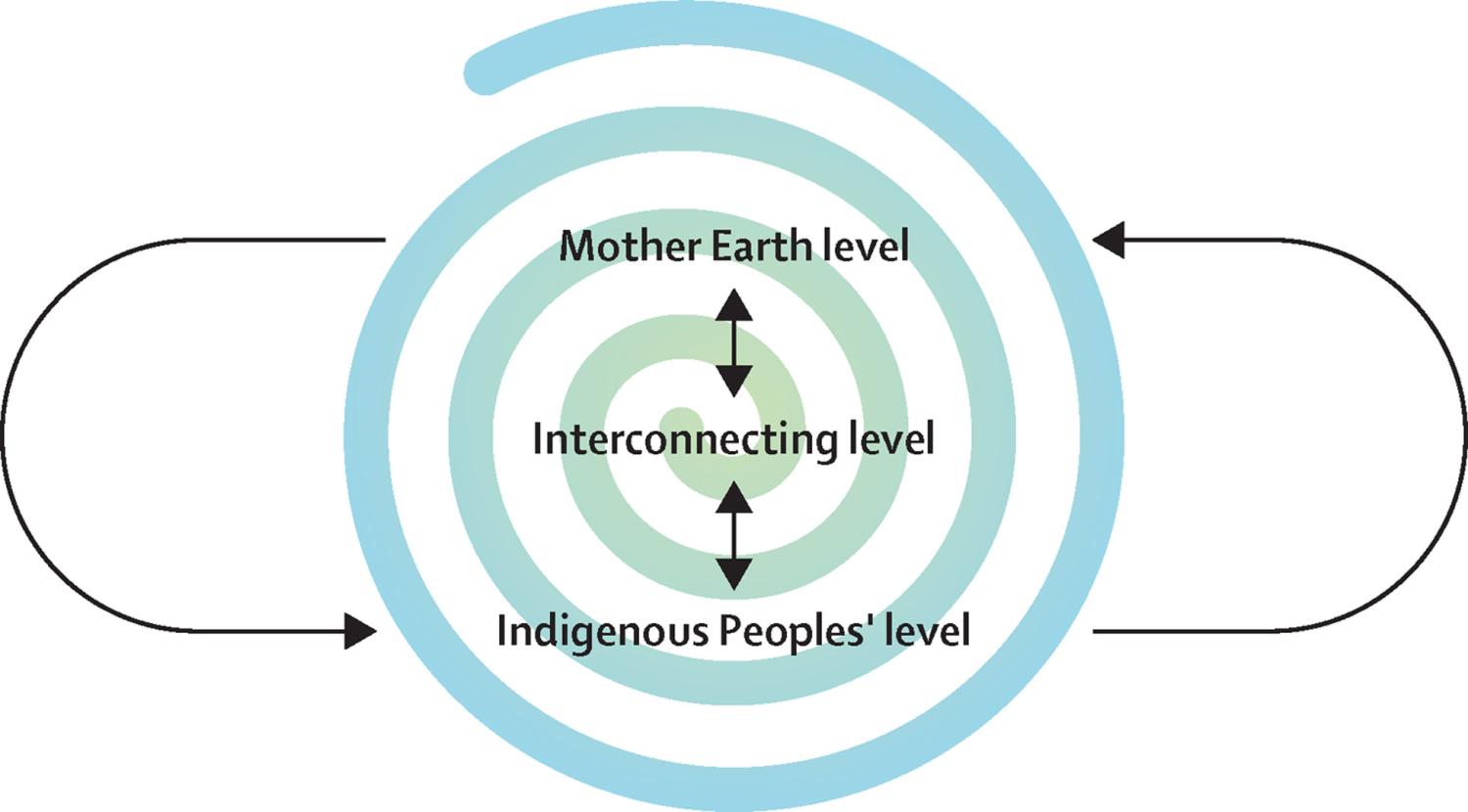
A Personal View on the determinants of planetary health from the perspective of Indigenous peoples, in the context of SDGs 15 and 17, focusing specifically on identifying determinants that are integral to the health and sustainability of the planet.
A Comment on the health and wellbeing of Indigenous adolescents, in the contexts of SDGs 3 and 10, highlighting the need to drive global advocacy and evidence-based action in Indigenous adolescent health for the development of strategies to overcome current inequities and to empower Indigenous young people.
An Editorial on the burden of HIV on marginalised communities across the Americas, in the context of SDGs 3 and 10, focusing specifically on the need to improve access to and quality of treatment and care for these populations, which include Indigenous peoples.
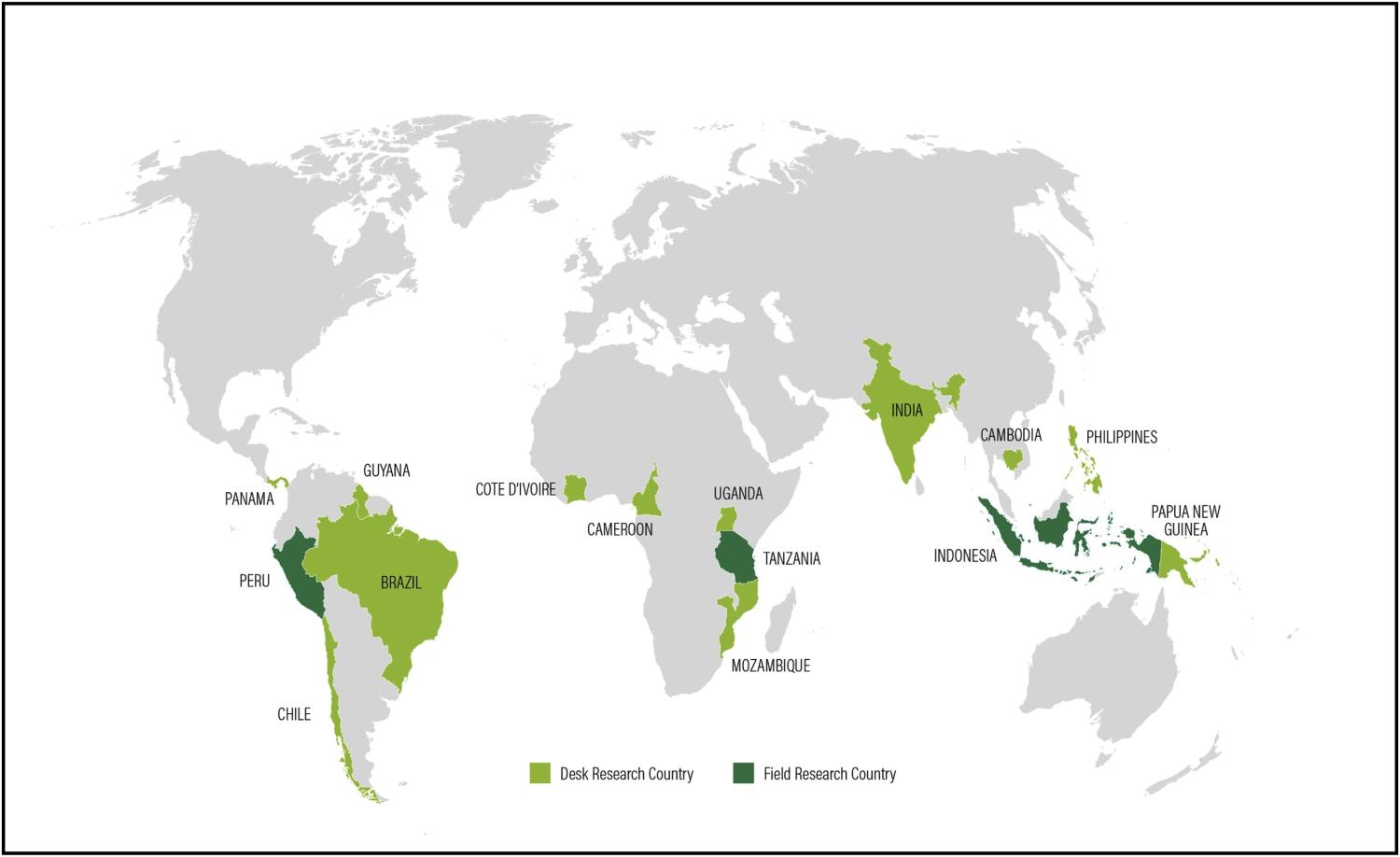
Indigenous and community lands, crucial for rural livelihoods, are typically held under informal customary tenure arrangements. This article reviews and maps 19 community land formalization and 14 company land acquisition procedures in 15 countries in Africa, Asia and Latin America. Comparing community and company procedures identifies multiple sources of inequity.
Deforestation in Ituna/Itatá Indigenous Land increased 654% between 2018 and 2019. 94% of Ituna/Itatá has been claimed in the Brazilian Rural Environmental Registry. Belo Monte dam and Belo Sun mining project cause land speculation in Ituna/Itatá. Brazilian government policies threaten forest protection and indigenous peoples. Unilateral land tenure regulation would obstruct Indigenous Lands demarcation.
A cohort study, in the context of SDG 3 and 10, showing that reduced lung function within the clinically normal range is associated with increased mortality and cardiovascular disease risk among First Nations Australians.
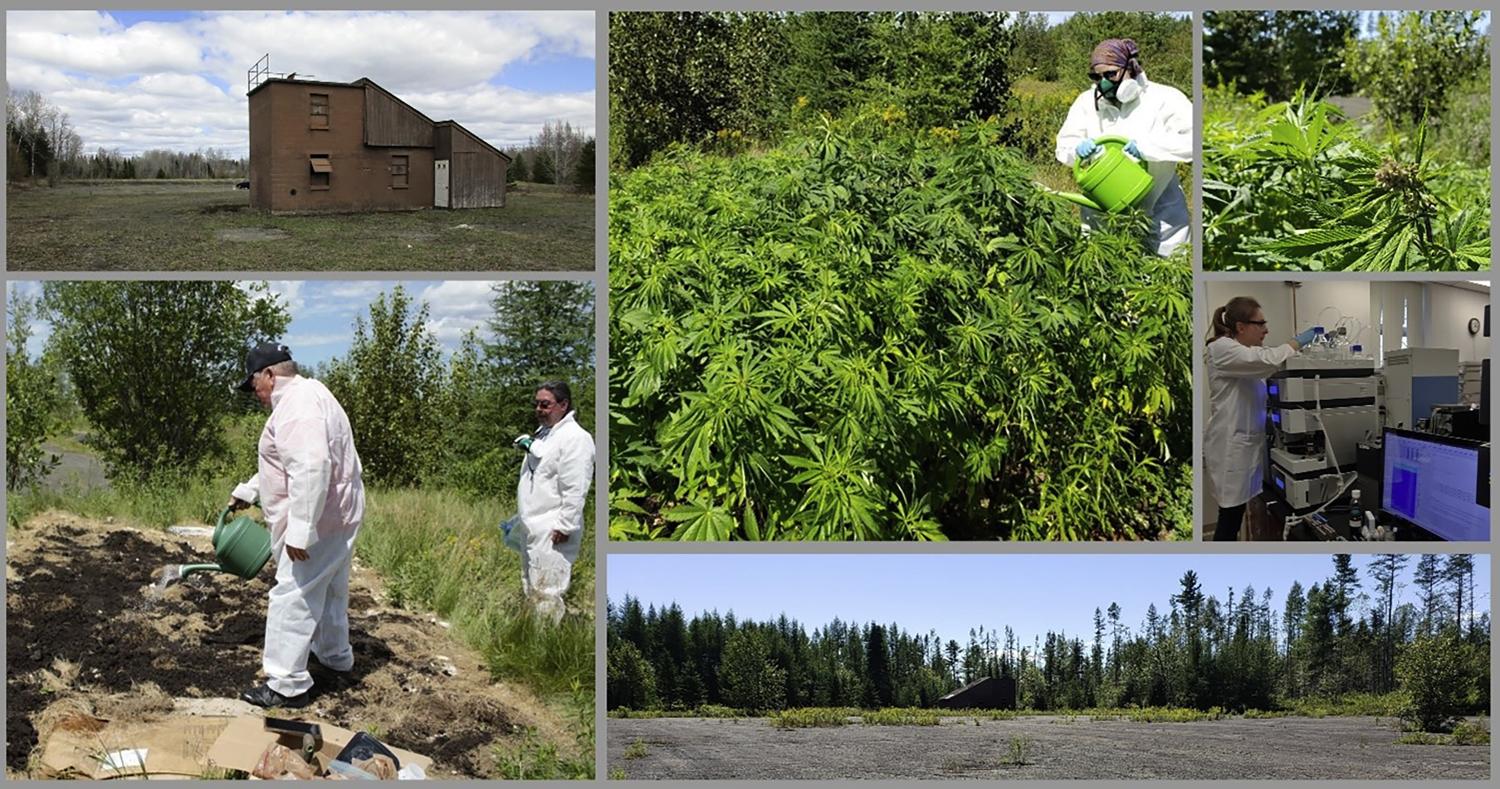
The Loring Airforce Base (AFB) in Aroostook County, Maine, USA was active from 1947 through 1994. Like many military sites, it has a substantial history of pollution from a wide variety of toxins. Currently, some of the AFB land belongs to the Micmac Nation, an Indigenous tribe, who are very concerned about the contamination on the land. Starting in 2019, a group of community activists, research scientists, and tribal members came together to test methods for cleaning the land. This backstory features perspectives from six project participants.
The results suggest that the ongoing pandemic has led to the rise of common mental health problems among indigenous people during the pandemic. The results can contribute to the formation of mental health policy for indigenous people and the development of suitable mental health intervention strategies especially during and after the COVID-19 pandemic.
Protected areas have become a vital component of the global biodiversity conservation strategy due to the increasing extinction and vulnerability of different species in the 21st century. In Ghana, besides the shared governance of protected area management, there also exists the governance by indigenous community models in which traditional structures (clans and stools) use taboos, deities, totems, and myths as tools in managing protected areas. To study the effectiveness of the various governance systems in protected area management, we compared species diversity, vegetation structure, and biomass stock of an area under shared governance (wildlife sanctuary) to communal governance (sacred grove).
The results suggest that, although the role of reindeer herding in the economy of the Sámi communities varied greatly, the transition to reindeer herding may have affected ritual practices, testifying to a shared way of reciprocating with the land and animals.
Novel approach to the politics of mathematics disability, using historical and philosophical approaches. Use of western and indigenous examples of measurement practices. Rethinking the idea of colonial ‘settler’ mathematics.
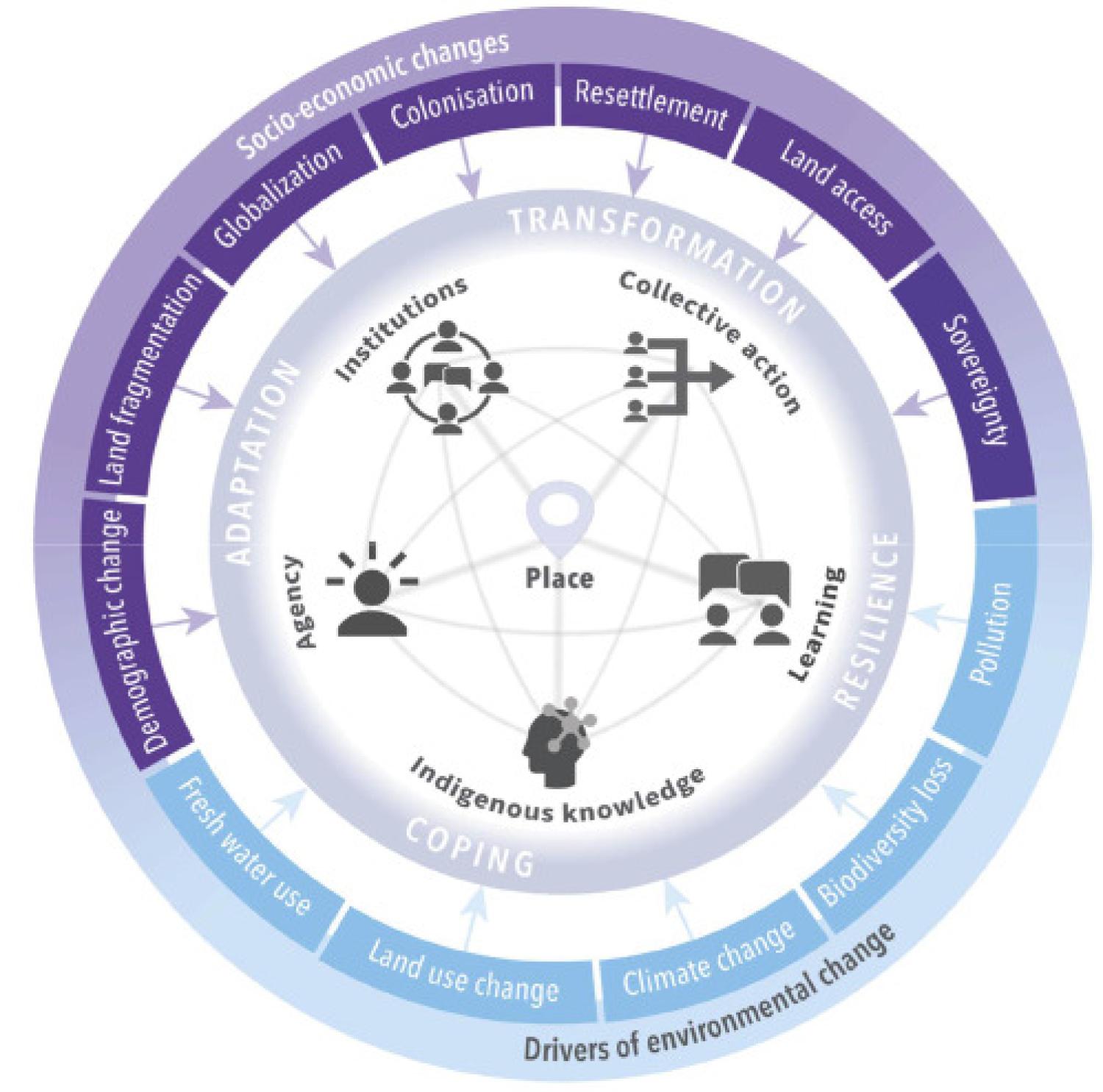
Indigenous peoples globally have high exposure to environmental change and are often considered an “at-risk” population, although there is growing evidence of their resilience. In this Perspective, we examine the common factors affecting this resilience by illustrating how the interconnected roles of place, agency, institutions, collective action, Indigenous knowledge, and learning help Indigenous peoples to cope and adapt to environmental change.
Correspondence on the burden of tuberculosis on the Māori population, in the context of SDGs 3 and 10, highlighting the need to incorporate innovative technologies and develop strategies that align with Māori values to address tuberculosis health inequalities in Indigenous peoples.
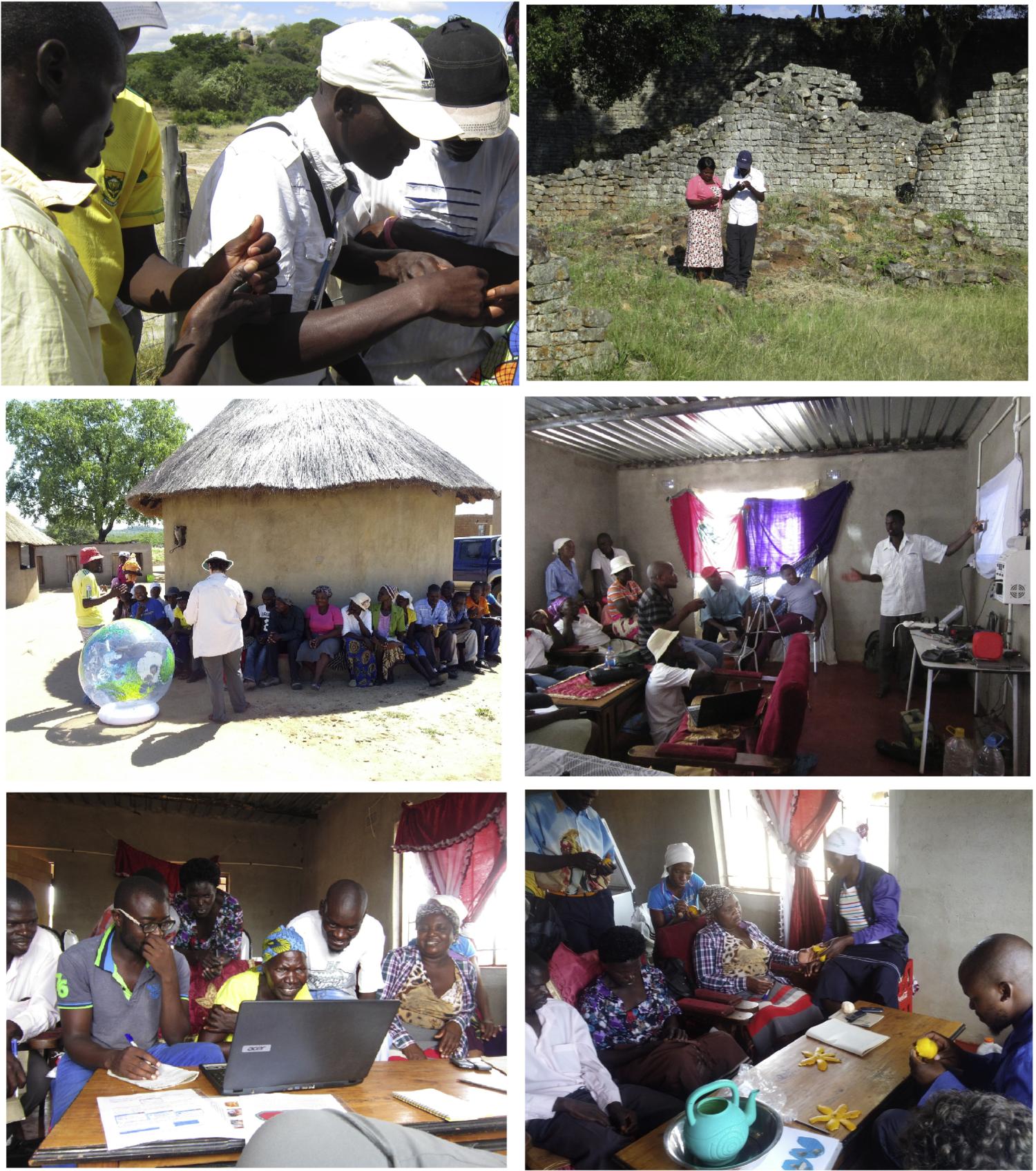
In development engineering, practitioners often strive to empower local communities through technology. Effective adult education principles worked well with medium-tech mapping solutions. Local people used these skills to identify and solve their own development problems.
A Health Policy paper on the health impacts of banned pesticides in the Yaqui population in Mexico, in the context of SDGs 3, 10, and 12, highlighting recommendations for system-level solutions and policy change to current US, UN, and global laws.

A Comment on improving the health of Artic Indigenous peoples, in the contexts of SDGs 3, 10, and 15, focusing specifically on the launch of a Lancet Commission that aims to present recommendations for addressing health disparities and key challenges in this community and to identify pathways for change.
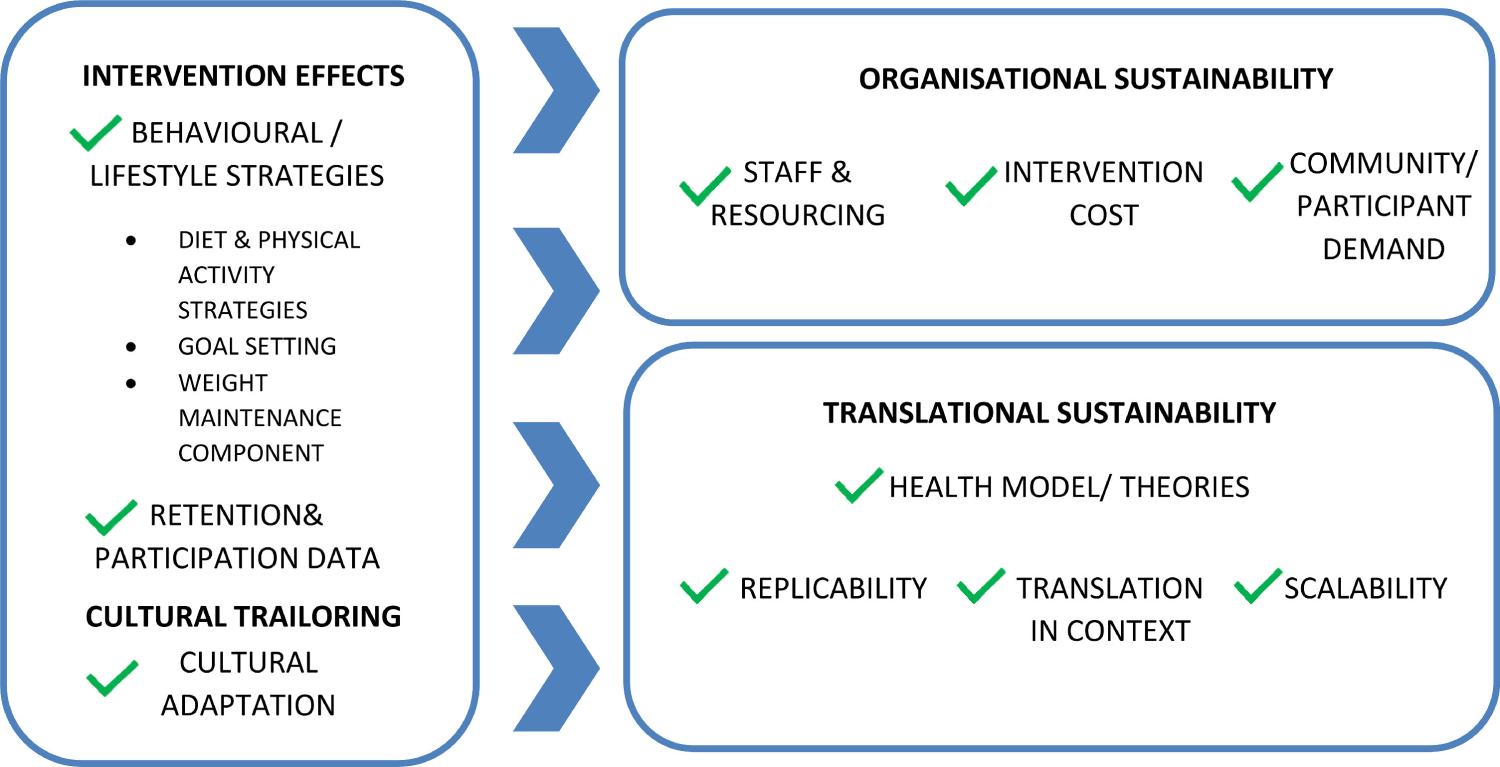
This study supports SDG 3 and 10 by highlighting the increased prevalence of diabetes and gestational diabetes in Indigenous women compared with non-Indigenous women, across Australia, Canada, New Zealand, and the USA. These findings highlight the need for system-wide and structural interventions to reduce the risk of diabetes and gestational diabetes in Indigenous women before, during, and after pregnancy.
This study supports SDG 3 and 10 by reporting that Māori and Pacific people with type 2 diabetes have consistently poorer health outcomes than European patients, indicating the need for specific policies and interventions to better manage type 2 diabetes in these subpopulations.
A Review in support of SDGs 3 and 12, focusing on the decrease in traditional food availability and the increase in food import dependence in small islands, discussing the resulting reduction in diet quality and food security and the increase in type 2 diabetes risk.
Understanding livelihood vulnerability to hydrometeorological hazards is a crucial challenge for policymakers to create a clear foundation for vulnerable coastal residents. Using microlevel livelihood vulnerability research employing LVI and Socioeconomic Vulnerability Index, this chapter measures the magnitude of indigenous peoples' vulnerability to the detrimental consequences of hydrometeorological hazards on socioeconomic conditions.
The indigenous peoples make a lasting impact on the society and people through their activities such as protection of the ecosystem, agriculture, and the maintenance of ethnic origin; these people are faced with many risks regarding health, sanitation, water, climate change, and pandemic. The chapter aims to determine the integration of the indigenous population into society and the functions of social work in this regard.
The emergence of global environmental challenges like climate change and its many regional manifestations has presented new threats to Indigenous land and water resources the world over. Despite these new challenges, which compound the impacts of colonial legacies on traditional stewardship practices and governance frameworks, Indigenous Peoples continue to demonstrate formidable resilience and an unwavering “responsibility-based” approach to water and drought management.
While COVID-19 is a global public health crisis, scholars have not adequately addressed unequal virus effects as was witnessed in marginalized Indigenous communities. This chapter is an introduction of unequal pandemic response by various governments.
Australian Aboriginal peoples led the mitigation efforts and are credited for their resilience and discipline in the relatively successful management of the pandemic. This chapter is an examination of COVID-19 mitigation process and programs focusing on Indigenous communities of Australia.
Considering the significance of the indigenous knowledge systems toward addressing key environmental concerns, in this chapter, an attempt has been undertaken to address the indigenous knowledge system for water conservation and management.