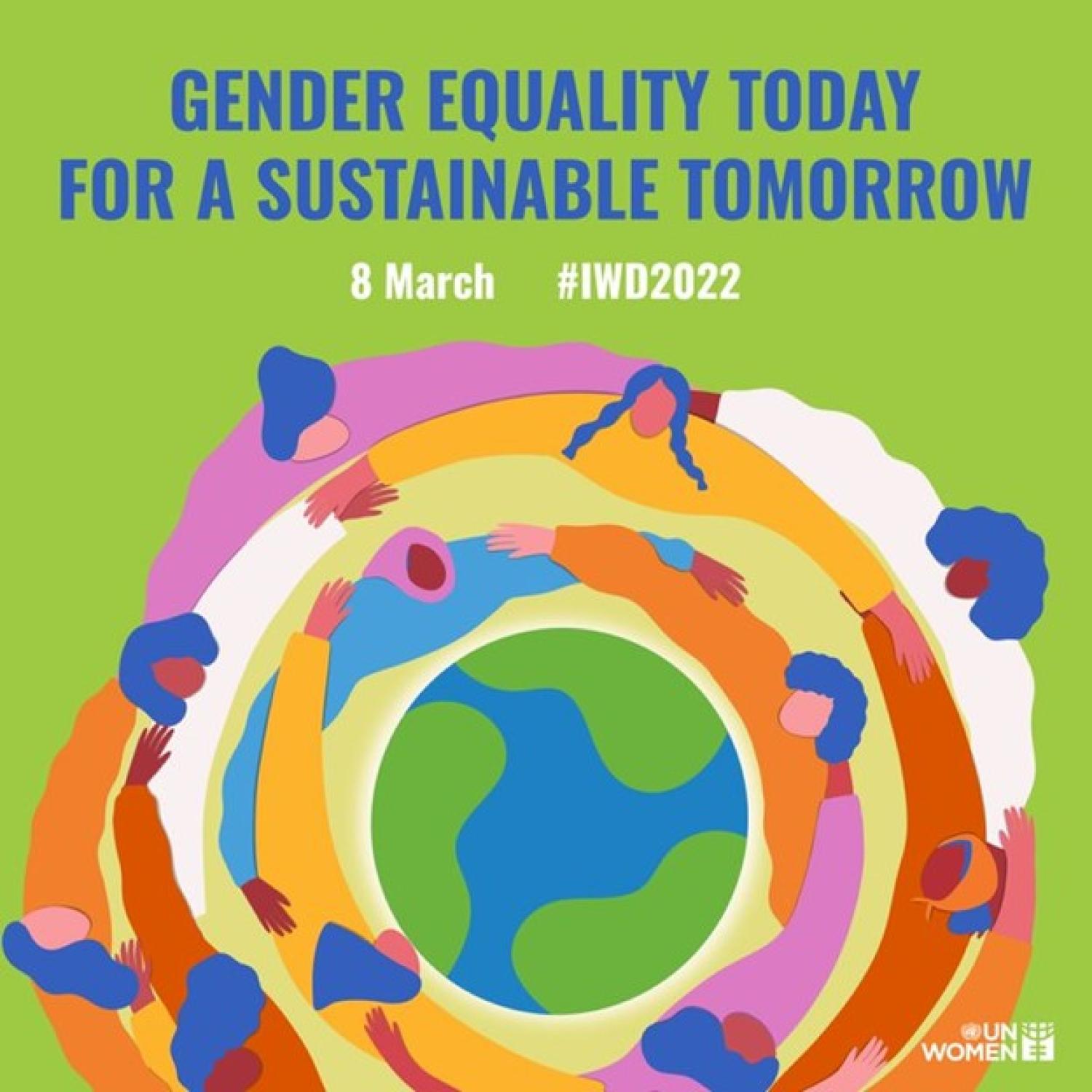
Imagine a gender equal world.
A world free of bias, stereotypes, and discrimination.
A world that is diverse, equitable, and inclusive.
A world where difference is valued and celebrated.
Together we can forge women's equality.
Collectively we can all #BreakTheBias.
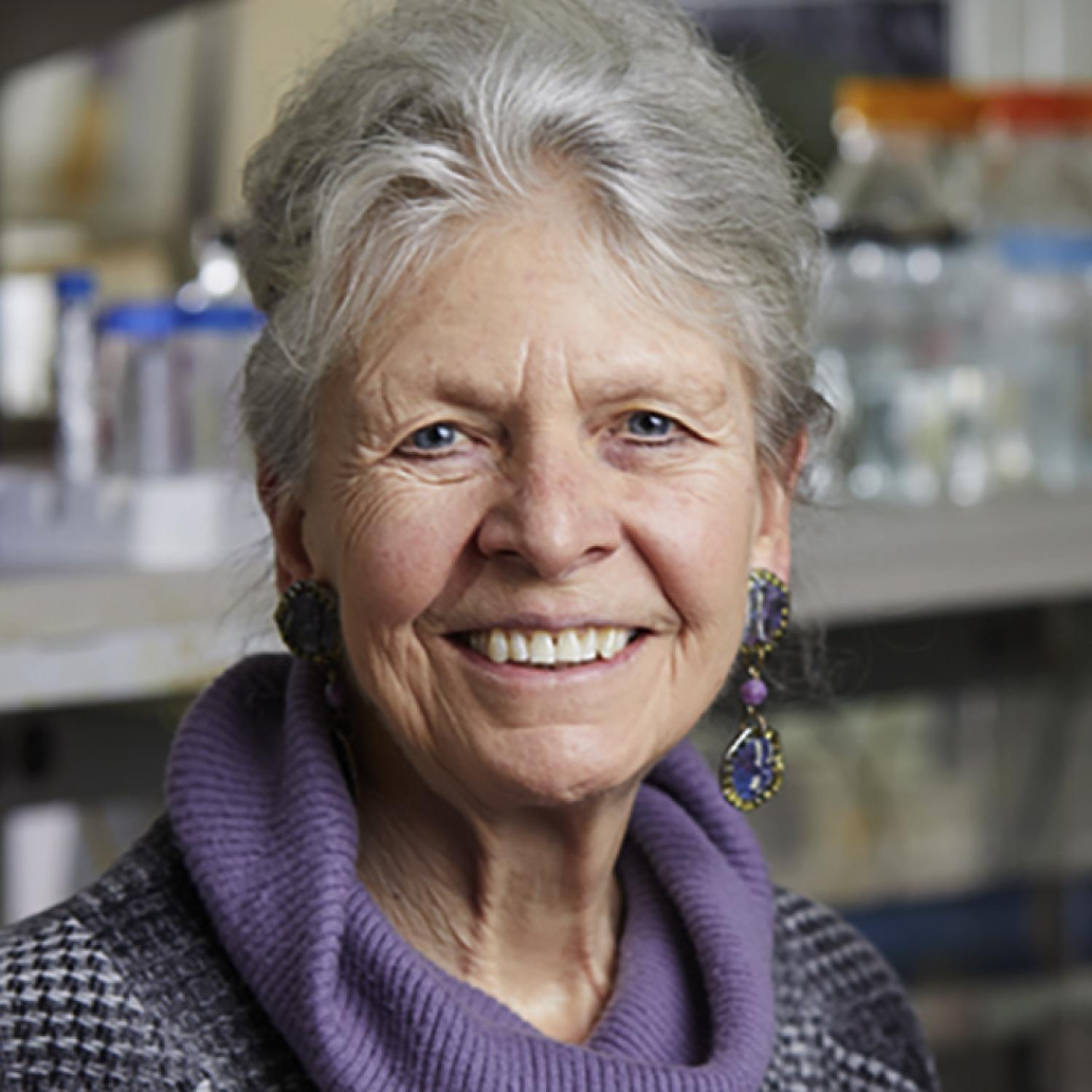
Joan Steitz radiates a passion for science. Whether she's teaching an undergraduate course, mentoring a grad student or post-doc, or speaking at a scientific conference, her enthusiasm and curiosity for all things RNA is infectious. Joan, the recipient of the 2018 Lasker-Koshland Special Achievement Award in Medical Science, spoke with Cell editor (and her former post-doc) Lara Szewczak about how she came to be an advocate for women in science and shared advice for young scientists entering the research community today.
Background: Infections are among the leading causes of maternal mortality and morbidity. The Global Maternal Sepsis and Neonatal Initiative, launched in 2016 by WHO and partners, sought to reduce the burden of maternal infections and sepsis and was the basis upon which the Global Maternal Sepsis Study (GLOSS) was implemented in 2017. In this Article, we aimed to describe the availability of facility resources and services and to analyse their association with maternal outcomes.
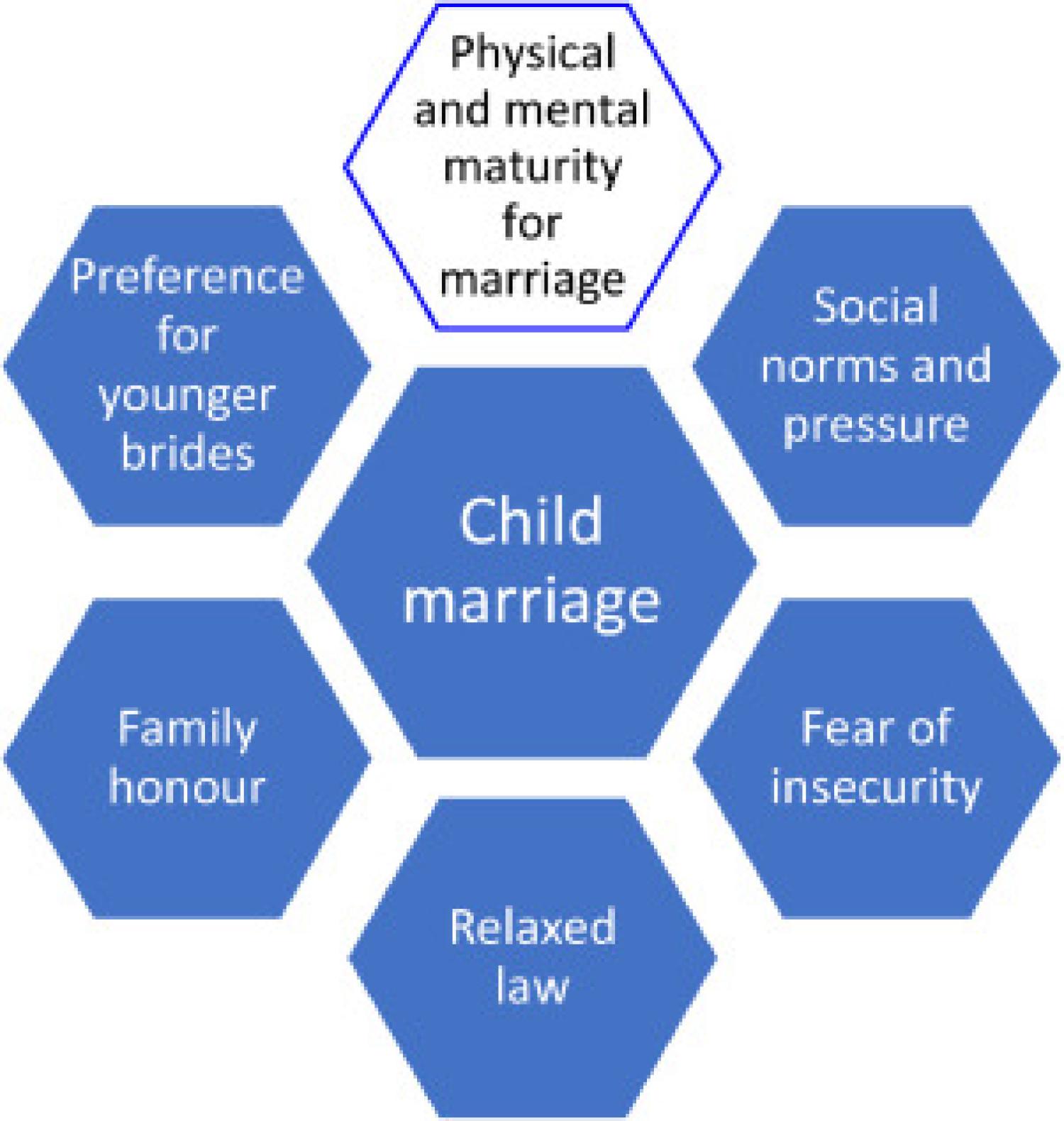
Background: Rohingya girls living in the refugee camps in Bangladesh are disproportionately vulnerable to child marriages and teenage pregnancies. This study examines the factors affecting child marriage and contraceptive use among Rohingya girls who have experienced child marriages. Methods: We collected and analysed quantitative and qualitative data from adolescent Rohingya girls (age 10-19 years) who experienced child marriages.
Background: Menstrual health is essential for gender equality and achieving the sustainable development goals. Though currently lacking, understanding and addressing menstrual health and social related inequalities requires comparison of experiences between menstruators with and without disabilities. Methods: We completed a mixed-methods population-based study of water, sanitation and hygiene, disability and menstrual health in TORBA and SANMA Provinces, Vanuatu.
Background: Although hindrances to the sexual and reproductive health of women are expected because of COVID-19, the actual effect of the pandemic on contraceptive use and unintended pregnancy risk in women, particularly in sub-Saharan Africa, remains largely unknown. We aimed to examine population-level changes in the need for and use of contraception by women during the COVID-19 pandemic, determine if these changes differed by sociodemographic characteristics, and compare observed changes during the COVID-19 pandemic with trends in the 2 preceding years.
Background: Breast cancer has distinct causes, prognoses, and outcomes and effects in patients at premenopausal and postmenopausal ages. We sought to assess the global burden and trends in breast cancer by menopausal status. Methods: We did a population-based analysis of global breast cancer incidence and mortality among premenopausal and postmenopausal women. Menopausal status was defined using age as a proxy, whereby breast cancer cases or deaths at age 50 years or older were regarded as postmenopausal.
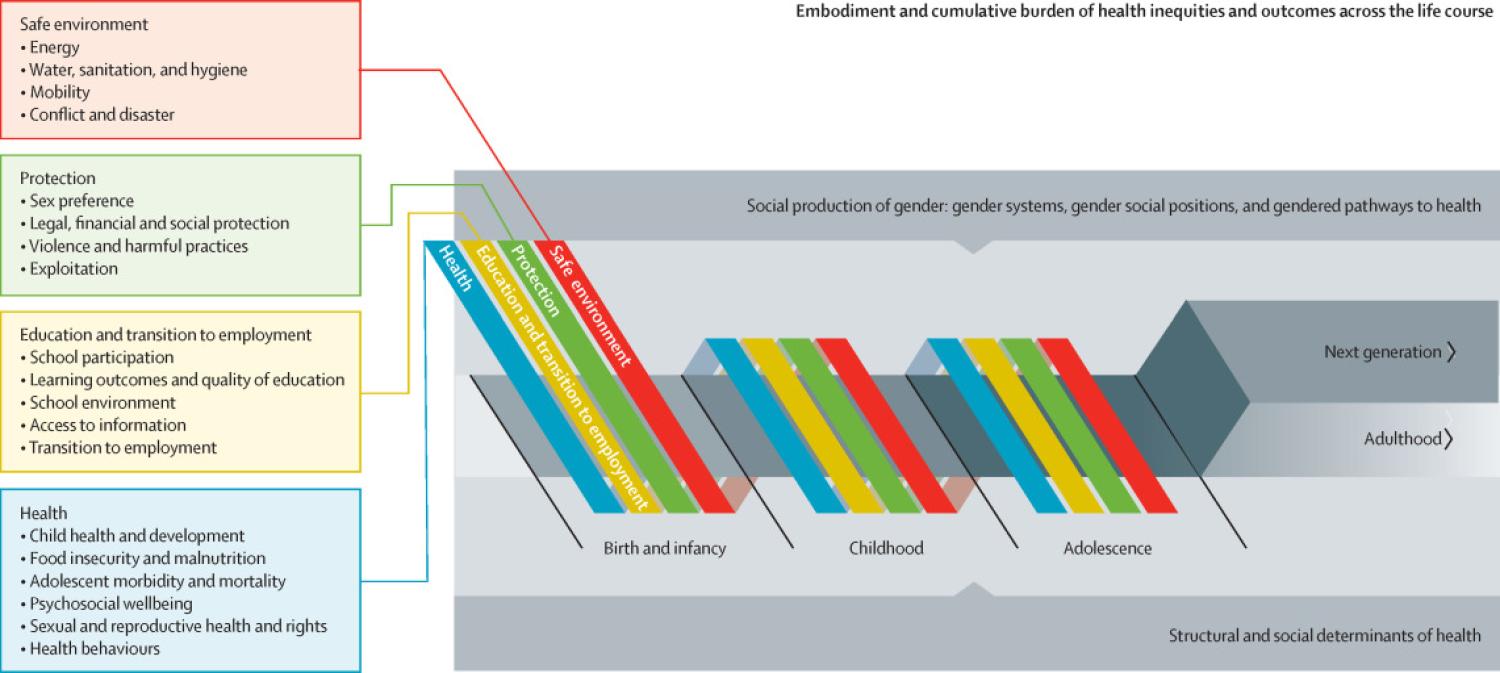
Background: By adulthood, gender inequalities in health and wellbeing are apparent. Yet, the timing and nature of gender inequalities during childhood and adolescence are less clear. We describe the emergence of gender inequalities in health and wellbeing across the first two decades of life. Methods: We focused on the 40 low-income and middle-income countries in Asia and the Pacific. A measurement framework was developed around four key domains of wellbeing across the first two decades: health, education and transition to employment, protection, and a safe environment.
Disruptions to cancer screening services have been experienced in most settings as a consequence of the COVID-19 pandemic. Ideally, programmes would resolve backlogs by temporarily expanding capacity; however, in practice, this is often not possible. We aim to inform the deliberations of decision makers in high-income settings regarding their cervical cancer screening policy response.
Background: Understanding subnational variation in age-specific fertility rates (ASFRs) and total fertility rates (TFRs), and geographical clustering of high fertility and its determinants in low-income and middle-income countries, is increasingly needed for geographical targeting and prioritising of policy. We aimed to identify variation in fertility rates, to describe patterns of key selected fertility determinants in areas of high fertility.
In 2011 ICAO published a report about projected pilot and training capacity shortage (ICAO, 2011). To solve this problem, several studies have been carried out, and forecasts of the required number of pilots for the next 10–20 years are constantly being updated. Universities have begun introducing pilot training into their aviation courses, although only US airlines require a degree from the candidates to work as a pilot.
Latin America has been particularly hard hit by the COVID-19 syndemic, including the associated economic fallout that has threatened the livelihoods of most families. Social protection platforms and policies should have a crucial role in safeguarding individual and family wellbeing; however, the response has been insufficient to address the scale of the crisis.
Background: Previous studies have shown an excess risk of Alzheimer's disease and related dementias among women. Education is thought to have a causal association with dementia onset. We aimed to investigate the role of education in influencing sex differences in cognitive ageing.
Background: Existing studies evaluating the association between maternal risk factors and specific infant outcomes such as birthweight, injury admissions, and mortality have mostly focused on single risk factors. We aimed to identify routinely recorded psychosocial characteristics of pregnant women most at risk of adverse infant outcomes to inform targeting of early intervention.
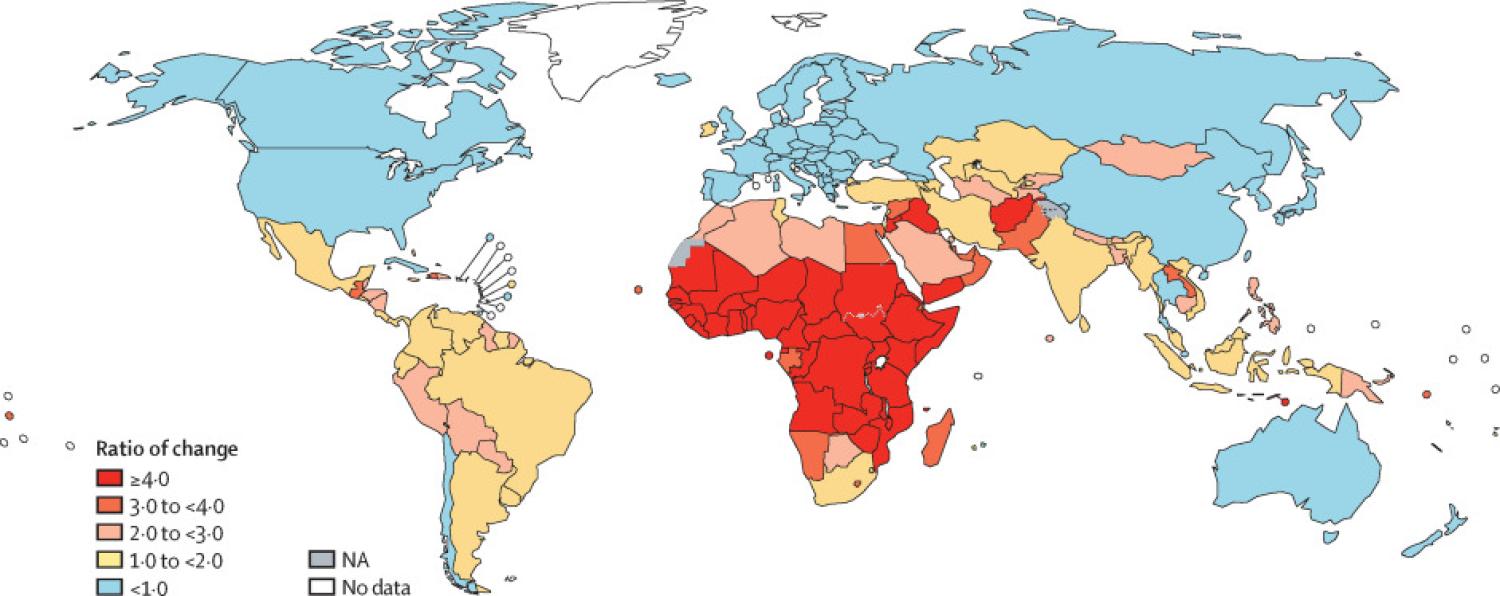
Background: WHO has launched an initiative aiming to eliminate cervical cancer as a public health problem. Elimination is a long-term target that needs long-lasting commitment. To support local authorities in implementing human papillomavirus (HPV) vaccination, we provide regional and country-specific estimates of cervical cancer burden and the projected impact of HPV vaccination among today's young girls who could develop cervical cancer if not vaccinated.
Background: Ovarian cancer continues to have a poor prognosis with the majority of women diagnosed with advanced disease. Therefore, we undertook the UK Collaborative Trial of Ovarian Cancer Screening (UKCTOCS) to determine if population screening can reduce deaths due to the disease. We report on ovarian cancer mortality after long-term follow-up in UKCTOCS. Methods: In this randomised controlled trial, postmenopausal women aged 50–74 years were recruited from 13 centres in National Health Service trusts in England, Wales, and Northern Ireland.
Digital health, including the use of mobile health apps, telemedicine, and data analytics to improve health systems, has surged during the COVID-19 pandemic. The social and economic fallout from COVID-19 has further exacerbated gender inequities, through increased domestic violence against women, soaring unemployment rates in women, and increased unpaid familial care taken up by women—all factors that can worsen women's health. Digital health can bolster gender equity through increased access to health care, empowerment of one's own health data, and reduced burden of unpaid care work.
In low-income and middle-income countries, such as those in sub-Saharan Africa and Latin America, the COVID-19 pandemic has had substantial implications for women's wellbeing. Policy responses to the COVID-19 pandemic have highlighted the gendered aspect of pandemics; however, addressing the gendered implications of the COVID-19 pandemic comprehensively and effectively requires a planetary health perspective that embraces systems thinking to inequalities.
Introduction: Estrogen receptors (ER) (ERα, ERβ) and aromatase (key enzyme for estrogen synthesis) are expressed in most human NSCLCs. High intratumoral estrogen levels and elevated aromatase expression in NSCLC predict poor outcome. This open-label, phase 1b, single-center study evaluated the safety and tolerability of escalating doses of the aromatase inhibitor, exemestane, in combination with carboplatin and pemetrexed in postmenopausal women with stage IV nonsquamous NSCLC.
Advocacy engagement has been at the forefront of National Cancer Institute (NCI) efforts to advance scientific discoveries and transform medical interventions. Nonetheless, the journey for advocates has been uneven. Case in Point: NCI publication affiliation rules of engagement pose unique equity challenges while raising questions about structural representation in biomedical research.
Introduction: Women continue to be underrepresented in oncology clinical trials, leading to poor, underpowered subgroup analyses that cannot be generalized to cancer patients in practice. In 2014, the US Food and Drug Administration (FDA) released an Action Plan, which included actions to improve the quality and reporting of demographic subgroup data. We sought to evaluate the five-year progress since the release of this report by assessing the credibility of sex-specific subgroup analyses in oncology clinical trials.
Mobility is a critical element of one's quality of life regardless of one's age. Although the challenges for women are more significant than those for men as they age, far less is known about the gender differences in mobility patterns of older adults, especially in the United States (US) context. This paper reports on a study that examined potential gender gaps in mobility patterns of older adults (aged 65 years and over) in the US by analyzing data from the 2017 National Household Travel Survey.
Objectives: We determined the representation of women in sport sciences research leadership by assessing the proportion of women in (i) leading authorship positions of randomized controlled trials (RCTs) published from January 2000 to September 2020 in sport sciences journals and (ii) editorial boards of these journals as of September 2020. Design: Review.
Background: The incidence of metastatic spine disease (MSD) is increasing among cancer patients. Given the poor outcomes and high rates of morbidity associated with MSD, it is important to determine demographic factors that could impact interventions and outcomes for this patient population. The objectives of this study were to compare in-hospital mortality and complication rates, clinical presentation, and interventions between female and male patients diagnosed with MSD.
Background: Breast cancer is the second leading cause of cancer death for women in the United States and mortality from cancer is more common among individuals in the Appalachian region compared to the rest of the country. We examined how risk factors for long-term health outcomes for Estrogen positive breast cancer patients differed by county economic status in southern Appalachia. Methods: Data was collected through retrospective data mining of patient medical files (N = 238). Using the self-reported zipcode, patients were classified into county economic status.
Introduction: Limited research has explored the influence of commuting on expectant mother's health and well-being and how expectant mothers can be supported during their commute. The present study aimed to identify the impact of commuting during pregnancy on women's physical and mental health. Further, the effectiveness of Transport for London's baby-on-board badge was explored. Method: This was a mixed-method study. An online survey of 295 participants over the age of 18 years was conducted to explore their views on commuting and the effectiveness of the baby-on-board badge.
It has now been more than thirty years since Joan Wallach Scott (1986) argued that gender is a legitimate and necessary category of historical analysis that applies to all fields, including genetics. In the intervening years, a substantial body of work has appeared that adds women to the historiography of genetics. While this is a necessary component for including gender as a category of analysis in genetics, it is not sufficient.
Introduction: Robust occupant protection is critical for the longevity and quality of life of the diverse driving population. Studies have shown that the vehicle crash testing process has greatly assisted in decreasing the severity of injuries experienced by occupants. However, female occupants are not equitably accounted for in the current testing processes while experiencing a significantly increased risk of higher severity injuries compared to male occupants in comparable crash conditions.
There is currently much interest in identifying and mitigating gender inequity within medicine, the greater workforce and society as a whole. We provide an evidence-based review of current and historical trends in gender diversity in the RO physician workforce and identify potential barriers to diversity and inclusion in training, professional development, and career advancement.
The proportion of female trainees in radiation oncology has generally declined despite increasing numbers of female medical students; as a result, radiation oncology is among the bottom 5 specialties in terms of the percentage of female applicants. Recently, social media has been harnessed as a tool to bring recognition to underrepresented groups within medicine and other fields.
Despite a global understanding that indicators and outcomes of cardiovascular disease (CVD) are known to differ between men and women, uptake of the recognition of sex and gender influences on the clinical care of women has been slow or absent. The Canadian Women's Heart Health Alliance (CWHHA) was established as a network of experts and advocates to develop and disseminate evidence-informed strategies to transform clinical practice and augment collaborative action on women's cardiovascular health in Canada.
Problem: Some continuous electronic fetal monitoring (CEFM) devices restrict women's bodily autonomy by limiting their mobility in labour and birth. Background: Little is known about how midwives perceive the impact of CEFM technologies on their practice. Aim: This paper explores the way different fetal monitoring technologies influence the work of midwives. Methods: Wireless and beltless ‘non-invasive fetal electrocardiogram’ (NIFECG) was trialled on 110 labouring women in an Australian maternity hospital.
Problem: Within maternity care policies and practice, pregnant migrant women are regarded as a vulnerable population. Background: Women's experiential knowledge is a key element of woman-centred care but is insufficiently addressed in midwifery practice and research that involves migrant women. Aim: To examine if pregnant migrant women's experiential knowledge of vulnerability corresponds with sets of criteria of vulnerability, and to explore how migrant women make sense of vulnerability during pregnancy.
Our nationwide network of BME women faculty collectively argue that racial funding disparity by the National Institutes of Health (NIH) remains the most insidious barrier to success of Black faculty in our profession. We thus refocus attention on this critical barrier and suggest solutions on how it can be dismantled.
This article explores how men living in Istanbul talk about the sociality of house and care work – vacuuming the house, cooking, doing the laundry – in their everyday lives. The authors believe that the existing trends in so-called ordinary days will enable us to understand the extent to which gender roles are either challenged or re-constructed at home.
Background: Criteria for low-dose CT scan lung cancer screening vary across guidelines. Knowledge of the eligible pool across demographic groups can enable policy and programmatic decision-making, particularly for disproportionately affected populations. Research Question: What are the eligibility rates for low-dose CT scan screening according to sex and race or ethnicity and how do these rates relate to corresponding lung cancer incidence rates?
Double standards are widespread throughout biomedicine, especially in research on reproductive health. One of the clearest cases of double standards involves the feminine gendering of reproductive responsibility for contraception and the continued lack of highly effective, reversible methods for cisgender men. While the biomedical establishment accepts diversity and inclusion as important social values for clinical trials, their continued use of inequitable standards undermines their ability to challenge unfair social hierarchies by developing male contraception.
Much research has been devoted to assessing the effect of commute duration on the subjective well-being of people, but as of yet, the respective body or research has been inconclusive as to whether there is indeed a (large) negative effect or not. To control the spread of COVID-19 governments around the world have taken unprecedented measures to control the outbreak of the Corona-virus. Forcing or strongly advising people to work from home (i.e. at least those who can) is often one of these.
Featuring original data, this article examines an elaborate network of gendered patterns in the faculty labor pool for the twenty-two English doctoral programs in Canada. Although the gendered distributions seem to approach numerical parity, the more nuanced the analyses, the less equitable these distributions appear. When juxtaposed with Statistics Canada data on English doctoral recipients, such patterns betray unsettling structural inequities for women scholars.
Cities have a significant influence on people's mental and physical health. City planning has the potential to change behaviors and incentivize a healthier lifestyle through the provision of public goods and urban infrastructure. The bulk of the evidence correlating city configuration and population health comes mostly from cities in the global north, with little evidence from cities in developing countries. This analysis seeks to contribute to bridging this evidence gap.
Underneath the façade of supposedly bubbly girls, living daily lives in many parts of Nigeria lies the problem of lack of access to proper menstrual hygiene management tools or kits. From schools to business places, religious organizations amongst others, a hive of women and girls face the harsh reality of inability to manage their periods due to poor access to water, sanitation, and hygiene facilities, common in many low- and middle-income countries of which Nigeria sits top.
Gender differences in the assessment of thermal comfort and indoor environmental quality (IEQ) in the Gulf Cooperation Countries (GCC) have not previously been investigated, despite the prevalence of the overcooling of indoor spaces. This study investigated the effect of sex, age and body mass index on subjective thermal comfort perceptions, comfort temperature and IEQ satisfaction in offices using our thermal comfort surveys in Qatar, India, and Japan. Data from the American Society of Heating, Refrigerating and Air-Conditioning Engineers (ASHRAE) databases were used for comparison.
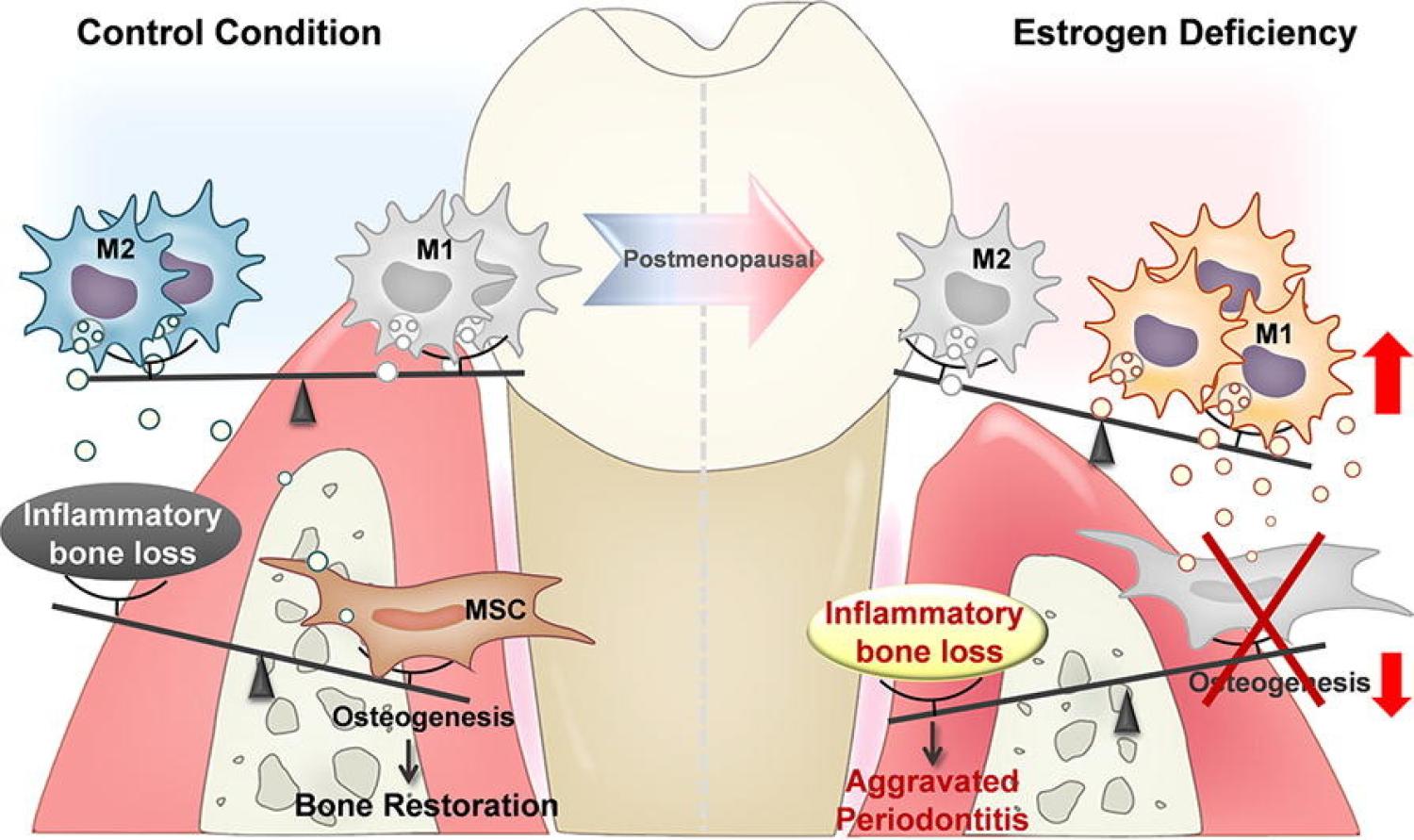
Emerging evidence indicates that postmenopausal women with periodontitis have aggravated inflammation and prolonged course, with the detailed mechanisms largely unknown. This study aimed to determine the pathogenic role of aberrant extracellular vesicles due to imbalanced-polarized macrophages and explore the therapeutic approach for periodontitis in postmenopausal individuals. Periodontitis in ovariectomized (OVX) mouse models were established to simulate the aggravated periodontitis in postmenopausal women.
In the 21st century, the incidence of preterm birth has continued to increase. According to statistics, preterm birth accounts for 5%–18% of all births worldwide, and 70%–75% of perinatal deaths are related to preterm birth. Preterm birth is not only a cardiopulmonary defect for the baby, but also has a negative impact on the mother's health.
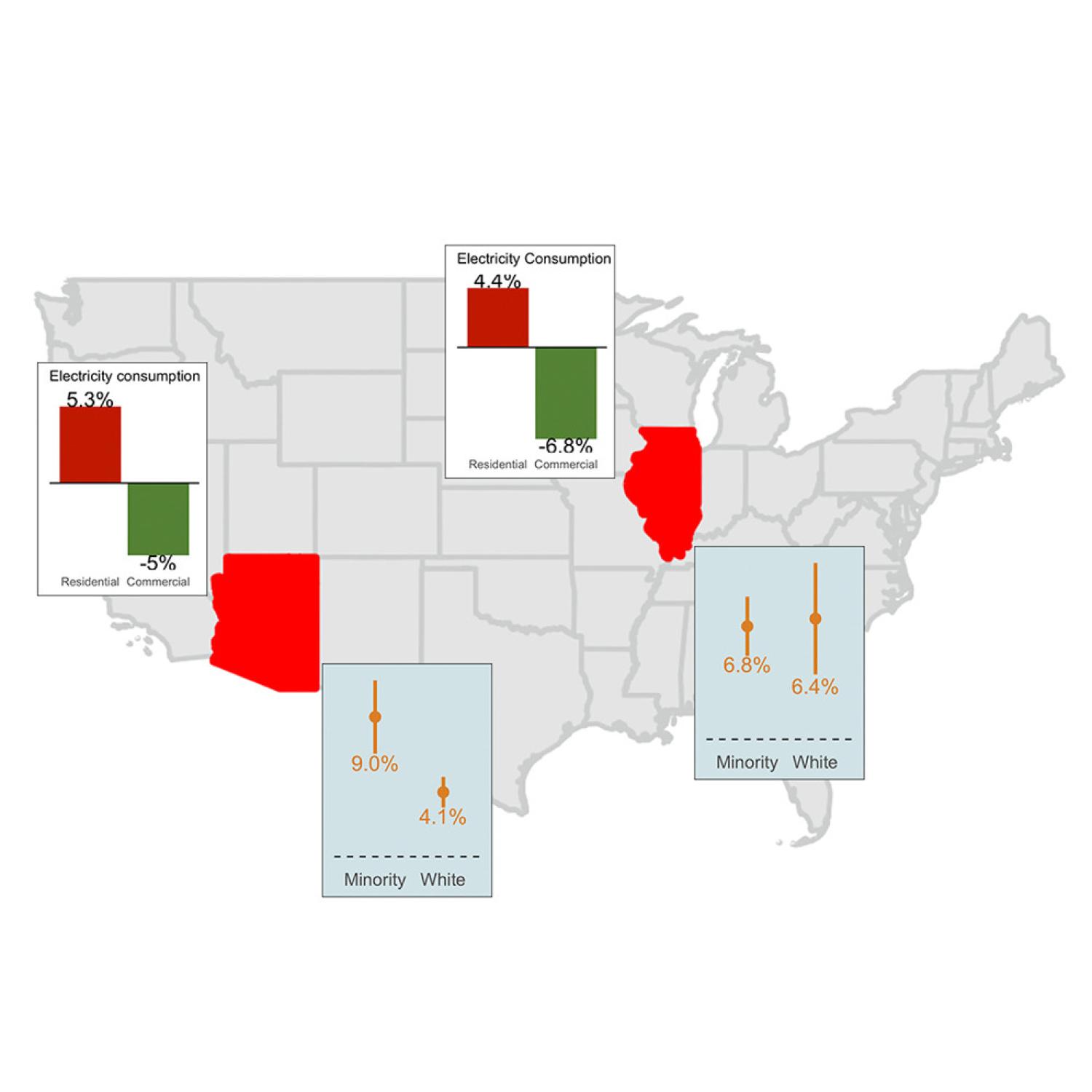
The COVID-19 pandemic has exacerbated energy insecurity and economic hardship among vulnerable populations. This paper provides robust empirical evidence of the degree to which COVID-19 mitigation measures, especially the mandates of school closure and limiting business operations, have impacted electricity consumption behavior in low-income and ethnic minority groups in the United States. We use a regression discontinuity design applied to individual-consumer-level high-frequency smart meter data in Arizona and Illinois to highlight the disparities in mitigation measure impacts.
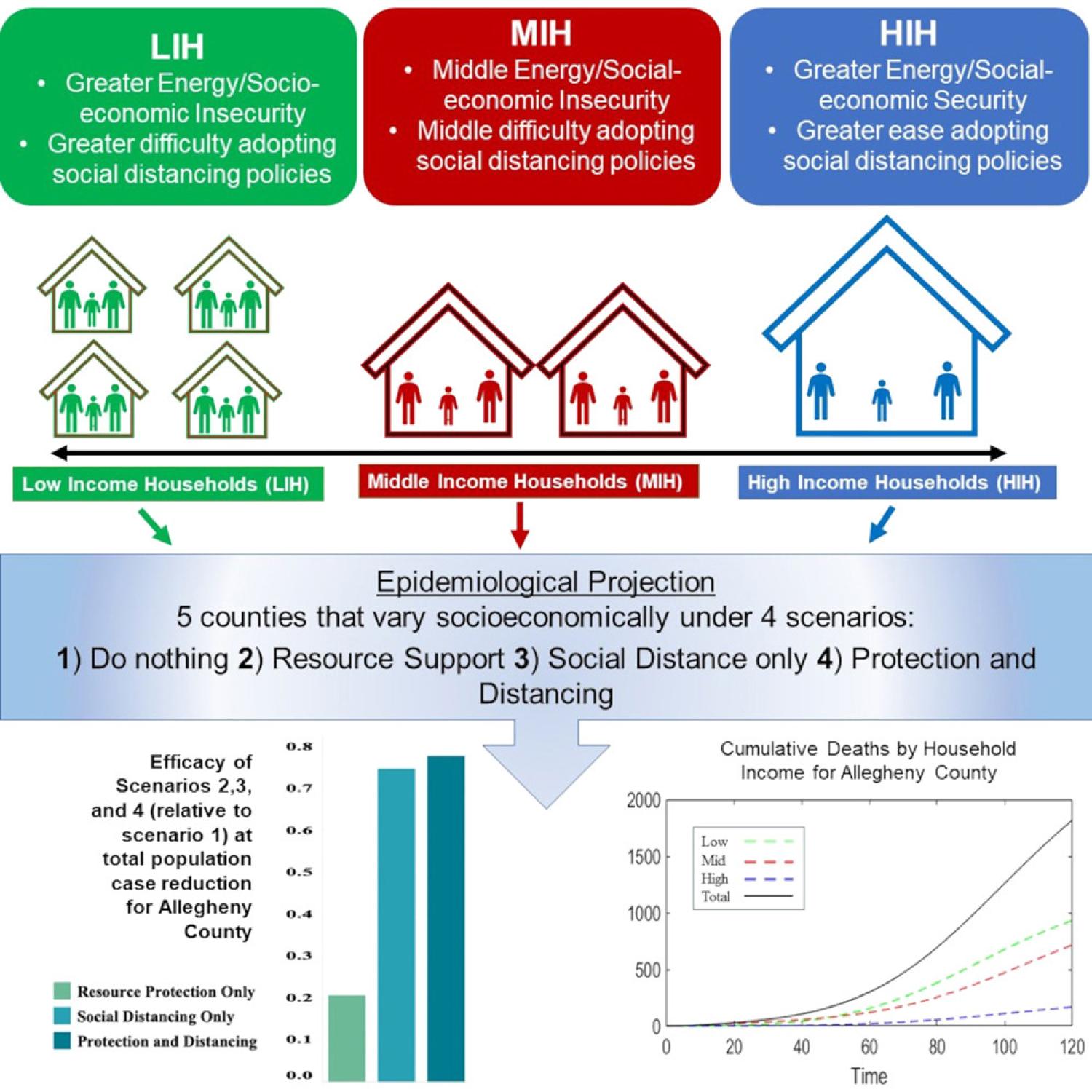
Low-income households (LIHs) have experienced increased poverty and inaccess to healthcare services during the COVID-19 pandemic, limiting their ability to adhere to health-protective behaviors. We use an epidemiological model to show how a households' inability to adopt social distancing, owing to constraints in utility and healthcare expenditure, can drastically impact the course of disease outbreaks in five urban U.S. counties.
The paper makes use of an un-orthodox Lefebvrian formulation of the ‘right to the city’ as it adds the gender dimension which was absent from Lefebvre's work. The lens of ‘gendered right to the city’ (Doderer, 2003; Fenster, 2005; Vacchelli, 2014) is used in order to understand the experiences of volunteers working in the women's community and voluntary sector in London.
Volume 9,
2022,
100020,
ISSN 2666-6596
Concern exists over gender (and other) bias embedded in widely-used AI systems and models. Authors built an open-source tool to help detect bias in classification models: helps to show whether or not AI model is unbiased. Aim to contribute towards action to mitigate the socially harmful effect of machine bias.
This chapter advances goals 3 and 5 by examining the biological and social reasons women are disporportionately affected by mental health issues. It advocates for a gender-based approach to mental health programs to help women with the unique set of challenges they face.
This chapter advances goals 3 and 5 by generating awareness for US women caregivers to receive compensation and developing the job industry to embrace women caregivers in MENA countries.
This chapter advances goals 3 and 5 by presenting main findings of a literature review on gender in urban mobility and transport planning and highlighting important gaps in the current framings. It offers a clearer understanding of women's needs, usage and preferences for urban transport systems and how they differ from men.
This chapter advances goals 3 and 5 by examining the biological and social reasons women are disproportionately affected by mental health issues. It advocates for a gender-based approach to mental health programs to help women with the unique set of challenges they face.
This chapter advances goals 3 and 5 by examining the cosmetic related ecological hazards emphasizing on the overview of microplastic ingredients and plastic packaging of PCCPs which are instigating a mounting environmental concern.
This chapter advances goals 3 and 5 by summarizing the evidence from recent multidomain lifestyle intervention trials, and the intervention response observed in men and women. While there have been insightful advancements in the field, many important questions still remain. Considerations for future research and risk reduction initiatives are also highlighted.
This chapter advances goals 3 and 5 by examining how the adult women can recapture physical and mental freedom, empowering relationships and membership in equitable communities.
This chapter advances goals 2, 3 and 5 by examining indigenous traditional food-growing techniques and their role in sustainable farming. It advocates for more study and support for these techniques and innovations which are mostly driven by local women.
This chapter advances goals 5 and 11 by examining sustainable traditional ceramic-making techniques used in construction and for other household uses. There is a focus on the importance of women potters' role in the preparation of the naturally-derived materials.
This chapter advances goals 3 and 5 by examining the range of common misconceptions and misinformation that permeates the female offender literature. Finally, we conclude with ten myths about female offenders and offer guidelines for identifying bias and how to avoid it.
This chapter advances goals 3 and 5 by examining sex differences in hippocampal neurogenesis and hippocampus-dependent cognition, in both healthy individuals and in those with AD, and how these differences are affected by age, hormones, APOE genotype, and experience.