
In this special International Women's Day episode of the “World We Want” podcast series, Kume Chibsa, inspirational thought leader and CEO & Co-Founder of Afrovalley, talks to Márcia Balisciano about the agro supply chain challenges that farmers, particularly women, face in Africa and how Afrovalley uses the latest in blockchain technology to help solve them, as well as the difference between equity and equality, the importance of mental health, and many more valuable leadership insights.

Celebrated annually on 8 March, International Women's Day is a global day to recognize the social, economic, cultural, and political achievements of women. The theme for this International Women’s Day 2023 (IWD 2023) is “DigitALL: Innovation and technology for gender equality." Elsevier is proud to support IWD 2023 through this thoughtfully curated, freely accessible collection of journal articles and book chapters highlighting the strides being made towards embracing equity and the barriers that stand in the way of achieving gender equality.
Elsevier, Lancet Regional Health - Americas, Volume 16, December 2022
This Article supports SDGs 3, 5, 10 and 16 by assessing changes in stillbirth rates overall and for Black and White women, finding that there was a substantial racial disparity and suggesting that targeted health and social policies are needed to address this issue.

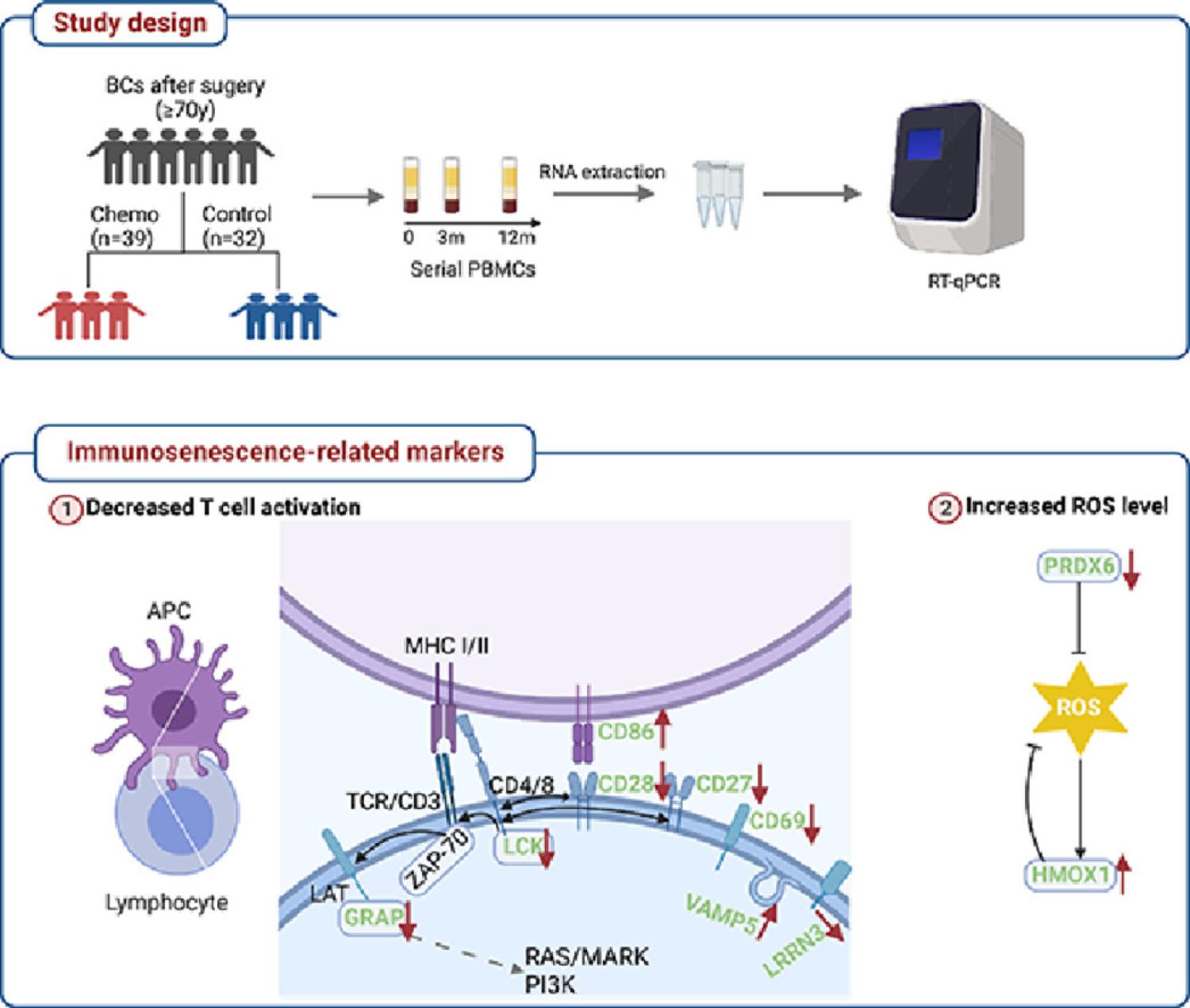
Elsevier, eClinicalMedicine, Volume 52, October 2022
This Article supports SDG 3 and 5 by highlighting a need for greater involvement of in-country authors on research examining a wider range of gendered COVID-19 impacts, as well as increased representation of diverse topics and publications related to COVID-19 and women's well-being focused on lower income countries.

Elsevier, The Lancet Public Health, Volume 7, September 2022
This Review supports SDGs 3 and 5, focusing on the gendered association between unpaid labour and mental health, particularly in relation to the fact that women do more hours of unpaid labour worldwide than men. The Review found that unpaid labour is associated with worse mental health in women than in men.

Elsevier, The Lancet, Volume 400, 23 July 2022
This Article supports SDG 3, 4, and 5 by highlighting that more than 160 million women aged 15-24 years globally have a need for contraception that is not currently met by existing family planning programs, thus hindering or eliminating their education and employment opportunities.

Elsevier, The Lancet, Volume 399, 25 June 2022
This Article supports SDG 3 and 5 by exploring the indirect effects of COVID-19 on gender disparities globally, showing intensified levels of pre-existing widespread inequalities for a range of health, social, and economic indicators during the COVID-19 pandemic.

Elsevier, The Lancet Oncology, Volume 23, March 2022
This Article support SDGs 3 and 5, focusing on assessing outcomes in premenopausal women with oestrogen receptor positive breast cancer receiving ovarian suppression, in particular comparing tamoxifen versus aromatase inhibitors in this population.
Elsevier, Clinical Imaging, Volume 83, March 2022
This Article advances SDGs 5, 9 and 10 by proposing intentional strategies for closing the gender pay gap in radiology, one of the four medical specialties with the largest gender pay gap. Closing the gender pay gap will demonstrate that radiology values diversity, inclusion, families, and patient outcomes.

Elsevier, The Lancet Healthy Longevity, Volume 3, January 2022
This Review supports SDGs 3 and 5, focusing on screening, detection, and treatment of oestrogen receptor-positive breast cancers in older women, particularly in relation to recent moves to de-escalate some interventions for this population.
Elsevier, Clinical Imaging, Volume 94, February 2023, Pages 56-61
This Article supports SDGs 3, 5 and 10, summarizing a discussion on workplace flexibility held by the AAWR at the RSNA 2021 Scientific Assembly and Annual Meeting, and highlighting the positive impact various aspects of flexible work arrangements have on women.
Elsevier, Clinical Imaging, Volume 95, March 2023, Pages 62-64
This Article supports SDGs 3, 5 and 9 by outlining how, in the current legal landscape, to reduce the collection and documentation of reproductive health information in nuclear medicine in light of the SCOTUS decision on Dobbs v Jackson Women's Health Organization that overturned a 49-year-old federal recognition of abortion rights.
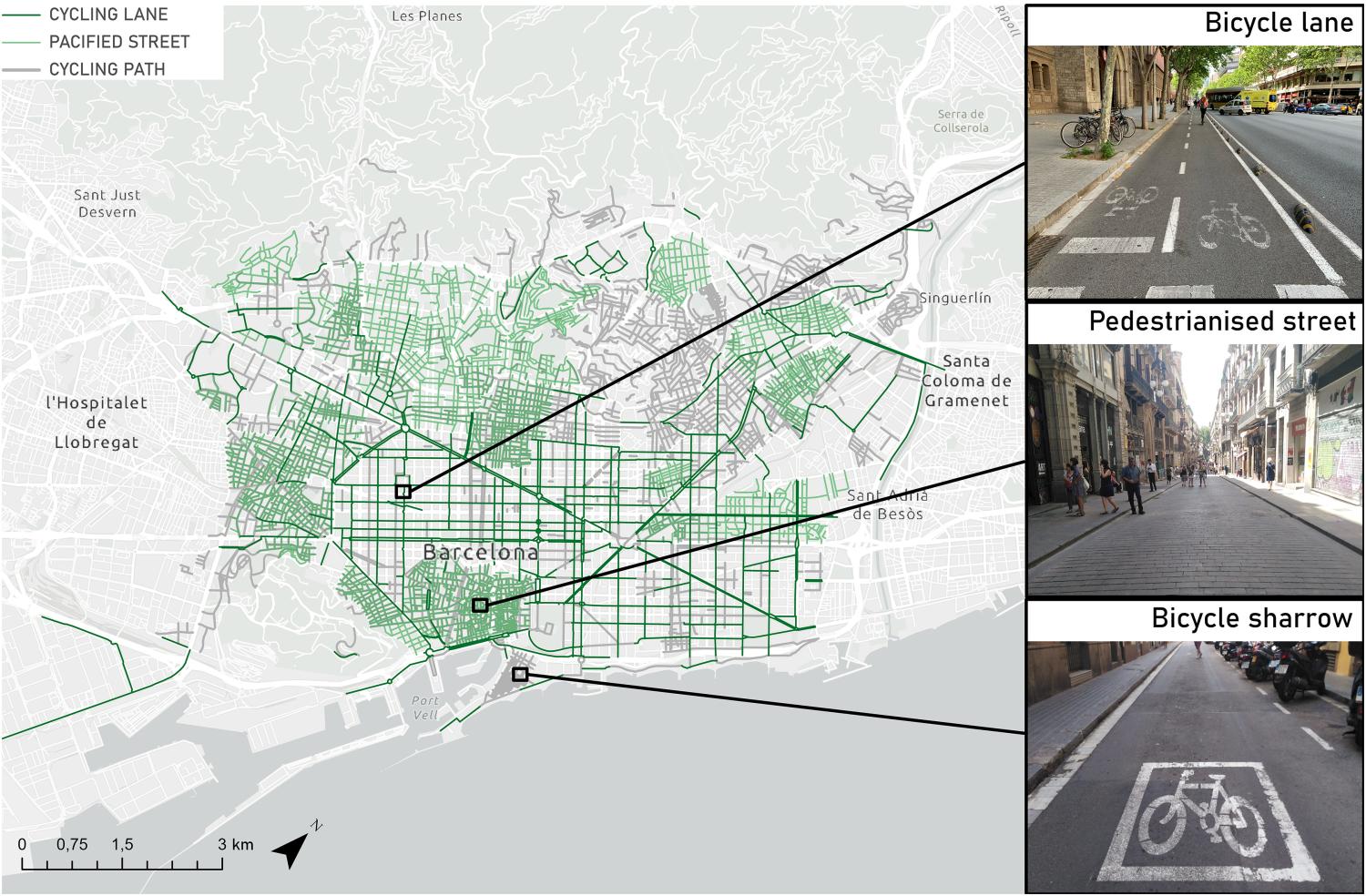
Elsevier, eClinicalMedicine, Volume 56, February 2023, 101798
This Review supports SDG 5 by describing a new framework and capacity development approach, the Public Leadership for Gender Equality (PL4GE), that promotes six key leadership practices for gender transformative change in public health.
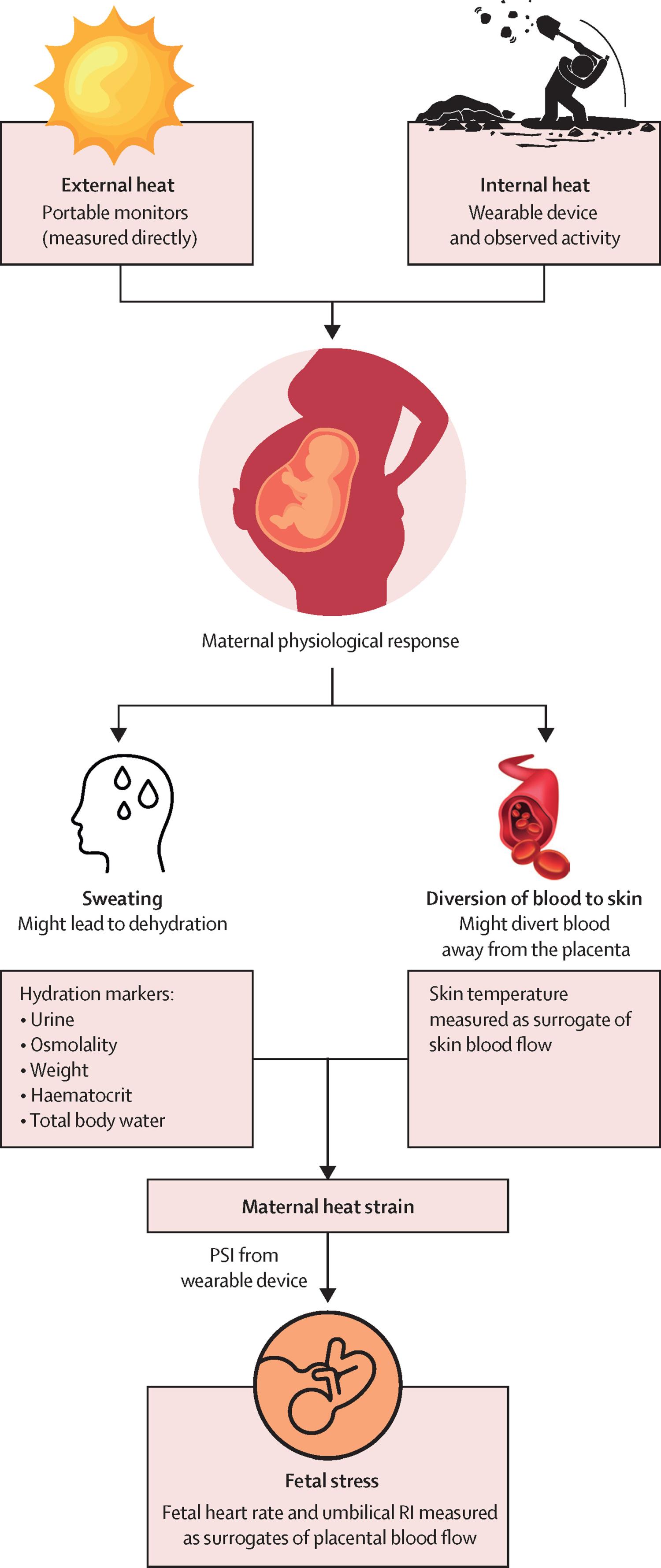
Elsevier, Clinical Breast Cancer, Volume 23, Issue 2, February 2023, Pages 181-188
This Study supports SDGs 3, 5 and 10 by exploring the national impact of limited English proficiency (LEP) in breast cancer screening. Previously unknown, the results showed that LEP women, particularly Spanish speakers, are associated with a lower probability of having a screening mammogram.
Elsevier, Clinical Breast Cancer, Volume 23, Issue 2, February 2023, Pages 211-218
This Study supports SDGs 3, 5 and 10 by highlighting the significant variability in insurance coverage of Prophylactic Mastectomy (PM) between companies which can lead to further inequalities in access to this breast cancer risk reducing procedure. Physicians and patients alike should advocate for fair and equal access to PM for certain clinical indications.
Elsevier, Journal of Responsible Technology, Volume 12, December 2022, 100048
An investigation, linking particularly well to SDGs 10 and 5 focusing on equality, which shows how researchers can actively engage with equality, diversity and inclusion (EDI) in their work, and how EDI considerations must remain an ongoing effort. The authors, working in the field of responsible research and innovation (RRI), intentionally employed EDI in their project recruitment, and reflect here on the adjustments they made as a result. The recruitment of persons with disabilities led to some particularly interesting and new insights in this study looking at trustworthiness in the design of autonomous systems with evolving functionality.
Elsevier, Sex and Gender Bias in Technology and Artificial Intelligence: Biomedicine and Healthcare Applications, 2022, pp 57-75
This content aligns with Goal 5: Gender Equality and Goal 9: Industry, Innovation, and Infrastructure by providing an overview of the challenges and opportunities associated with Big Data in healthcare, from a sex and gender perspective.
Elsevier, Thoracic surgery clinics, Volume 32, 1 February 2022
This article advances SDG goals 3, 5 and 10 by examining disparities in lung cancer treatment and survival rate by race, gender, sexual identitity, and disability status with the goal of understanding the current situation to improve future outcomes.
Elsevier, Immunology and Allergy Clinics of North America, Volume 43, February 2023
This review article advances goals 3, 5, and 10 by addressing inequity in care among pregnant women with asthma in underserved communities and examining potential interventions that may help improve health outcomes and standard of care.