
World Alzheimer's Day is an international campaign organised by Alzheimer's Disease International to raise awareness and highlight issues faced by people affected by dementia. It takes place every year on September 21st and is the focus of World Alzheimer's Month.
Dementia is one of the biggest challenges we face, with nearly 50 million people living with dementia worldwide. Yet 2 out of every 3 people globally believe there is little or no understanding of dementia in their countries.The impact of World Alzheimer's Month is growing, but the stigmatisation and misinformation that surrounds dementia remains a global problem. To tackle this challenge, we need to collaborate and share best practice with one another.
In support of this year’s theme – ‘Know dementia, know Alzheimer's’ - Elsevier presents a curated, open access collection of over 70 journal articles and book chapters focused on shining a light on the warning signs of dementia and the importance of a timely diagnosis.
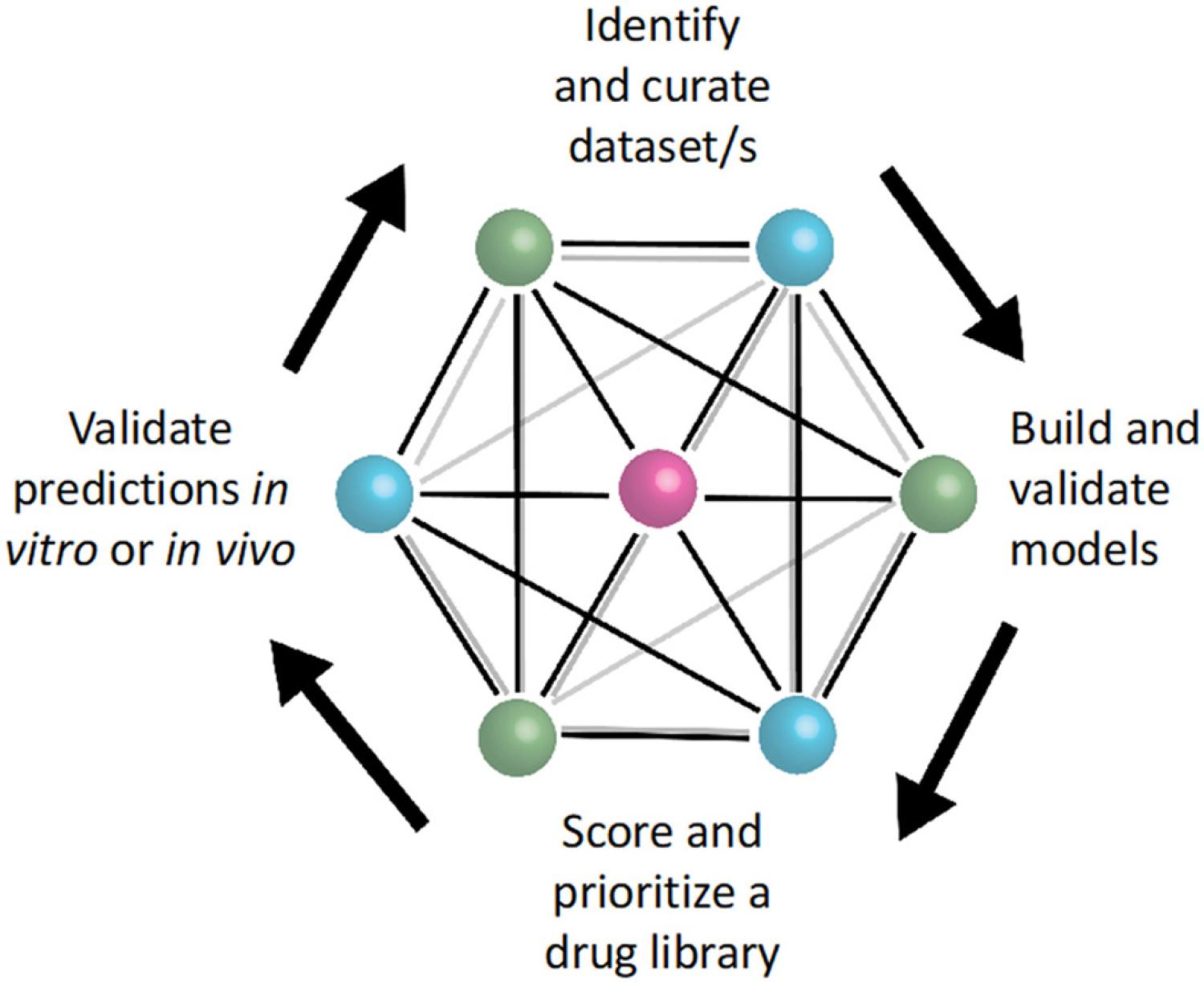
Drug repurposing aims to find new uses for already existing and approved drugs. We now provide a brief overview of recent developments in drug repurposing using machine learning alongside other computational approaches for comparison. We also highlight several applications for cancer using kinase inhibitors, Alzheimer's disease as well as COVID-19.
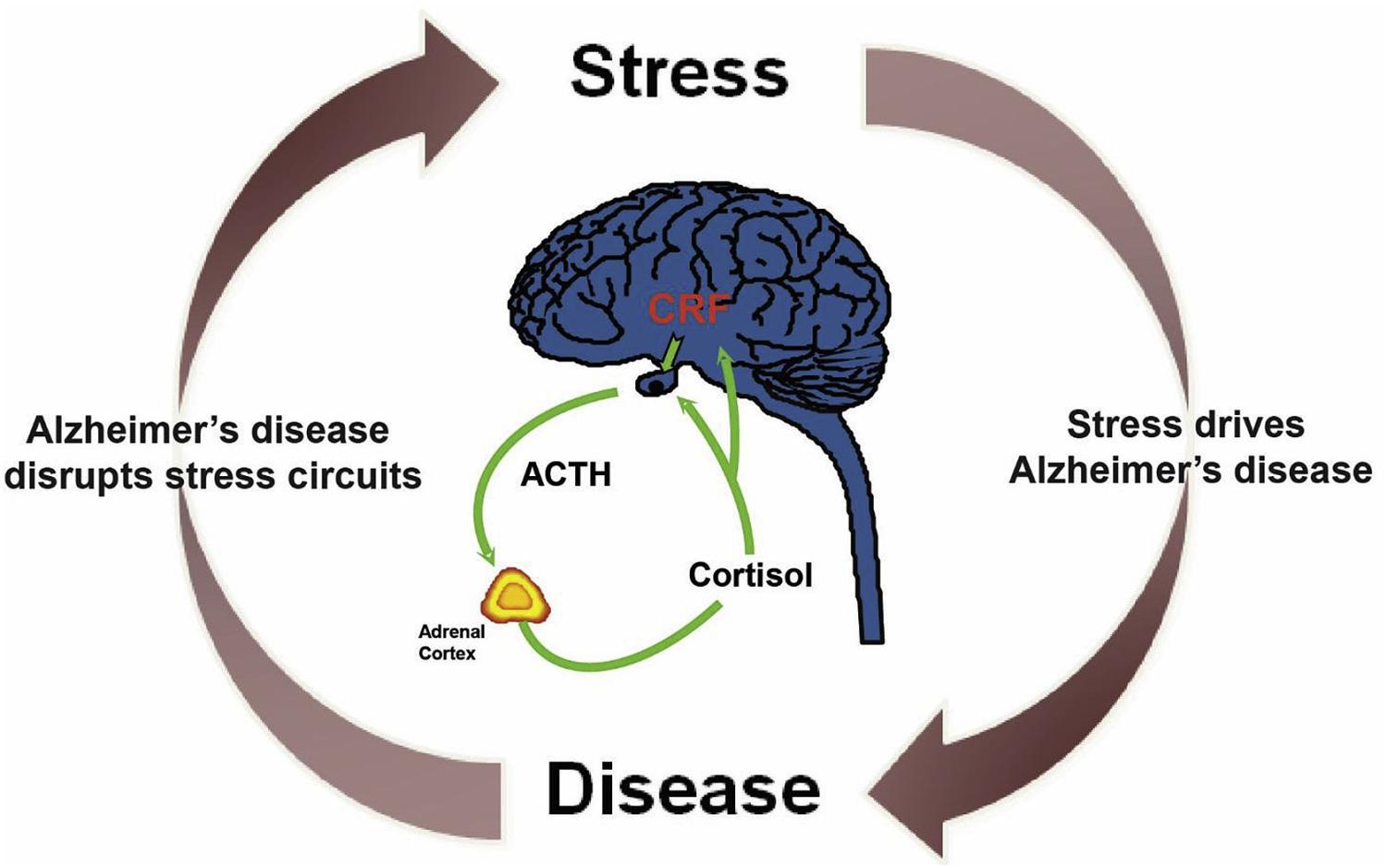
Stress is critically involved in the development and progression of disease. From the stress of undergoing treatments to facing your own mortality, the physiological processes that stress drives have a serious detrimental effect on the ability to heal, cope and maintain a positive quality of life. This is becoming increasingly clear in the case of neurodegenerative diseases. Neurodegenerative diseases involve the devastating loss of cognitive and motor function which is stressful in itself, but can also disrupt neural circuits that mediate stress responses.
Millions of people are affected by neurodegenerative diseases worldwide. They occur due to the loss of brain functions or peripheral nervous system dysfunction. If untreated, prolonged condition ultimately leads to death. Mostly they are associated with stress, altered cholesterol metabolism, inflammation and organelle dysfunction. Endogenous cholesterol and phospholipids in brain undergo auto-oxidation by enzymatic as well as non-enzymatic modes leading to the formation of by-products such as 4-hydroxynonenal and oxysterols.
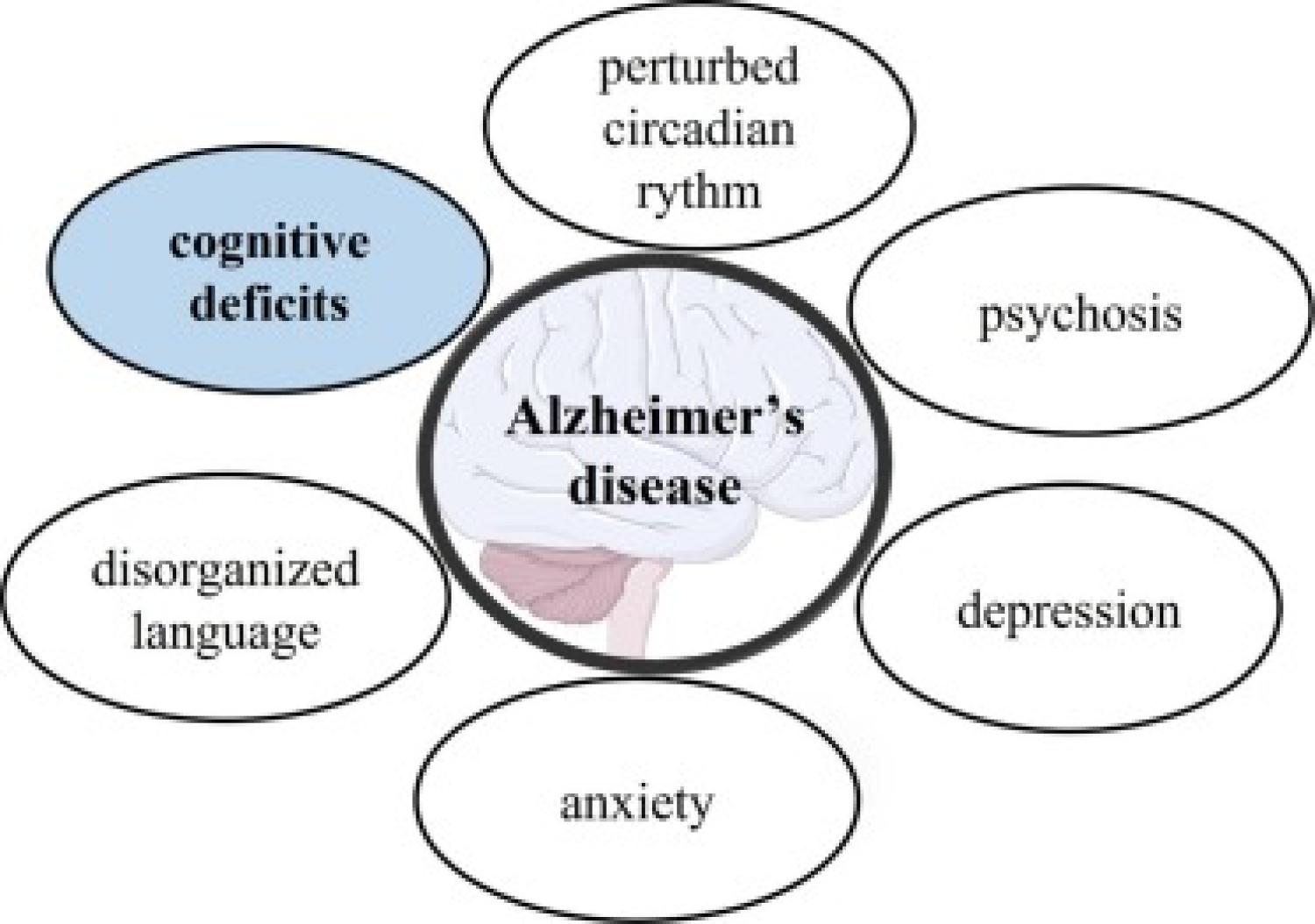
Despite the better understanding of the mechanisms underlying Alzheimer's Disease (AD) and launched clinical trials, no AD-modifying treatment based on a synthetic drug has been introduced for almost twenty years. The serotonin 5-HT6 and 5-HT7 receptors turned out to be promising biological targets for modulation of central nervous system dysfunctions including cognitive impairment. Within this paper, we evaluate the pharmacological potency of both, 5-HT6R and 5-HT7R, agents in search for novel AD treatment.
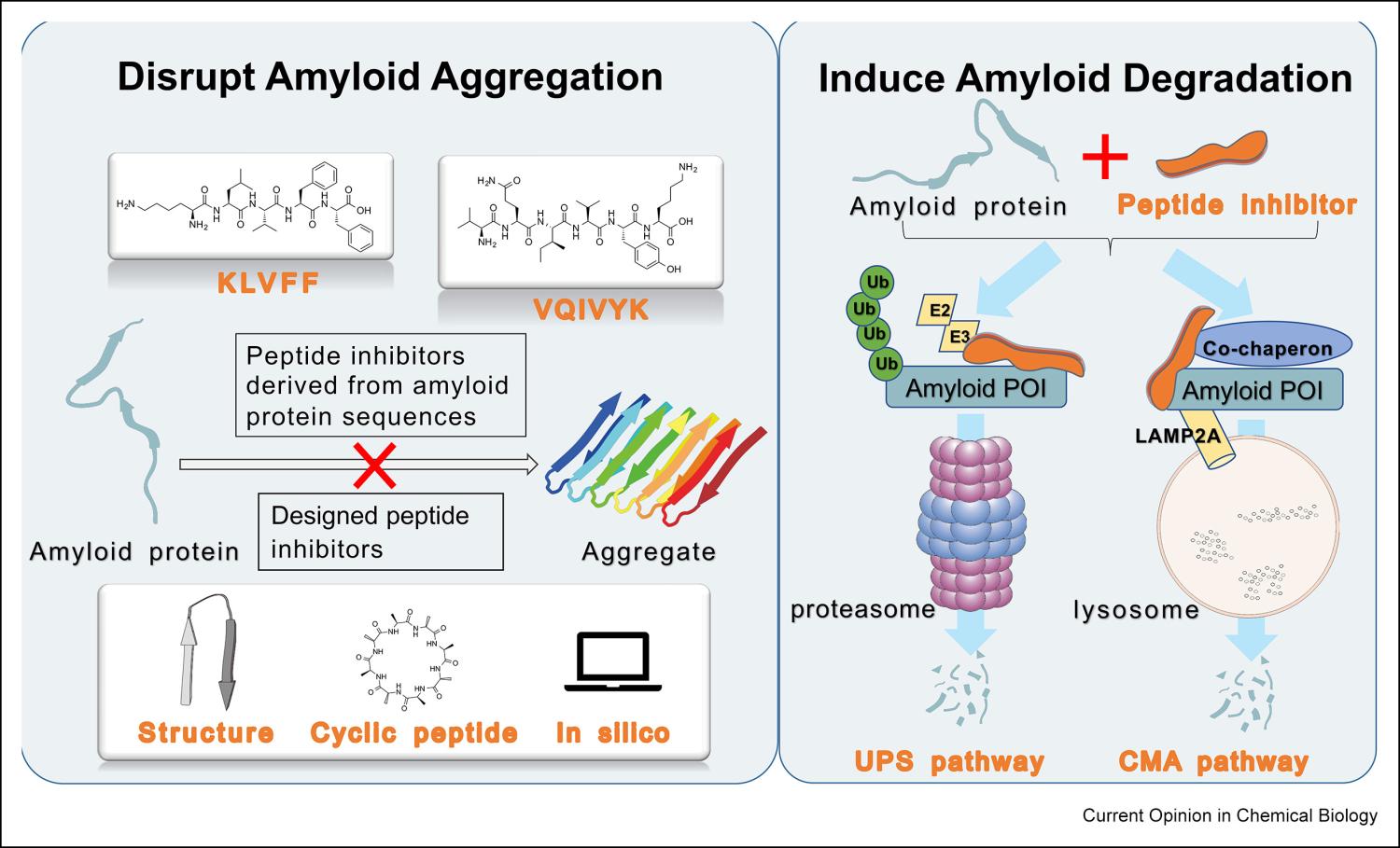
Amyloid proteins can aggregate into insoluble fibrils and form amyloid deposits in the human brain, which is the hallmark of many neurodegenerative diseases. Promising strategies toward pathological amyloid proteins and deposition include investigating inhibitors that can disrupt amyloid aggregation or induce misfolding protein degradation. In this review, recent progress of peptide-based inhibitors, including amyloid sequence–derived inhibitors, designed peptides, and peptide mimics, is highlighted.
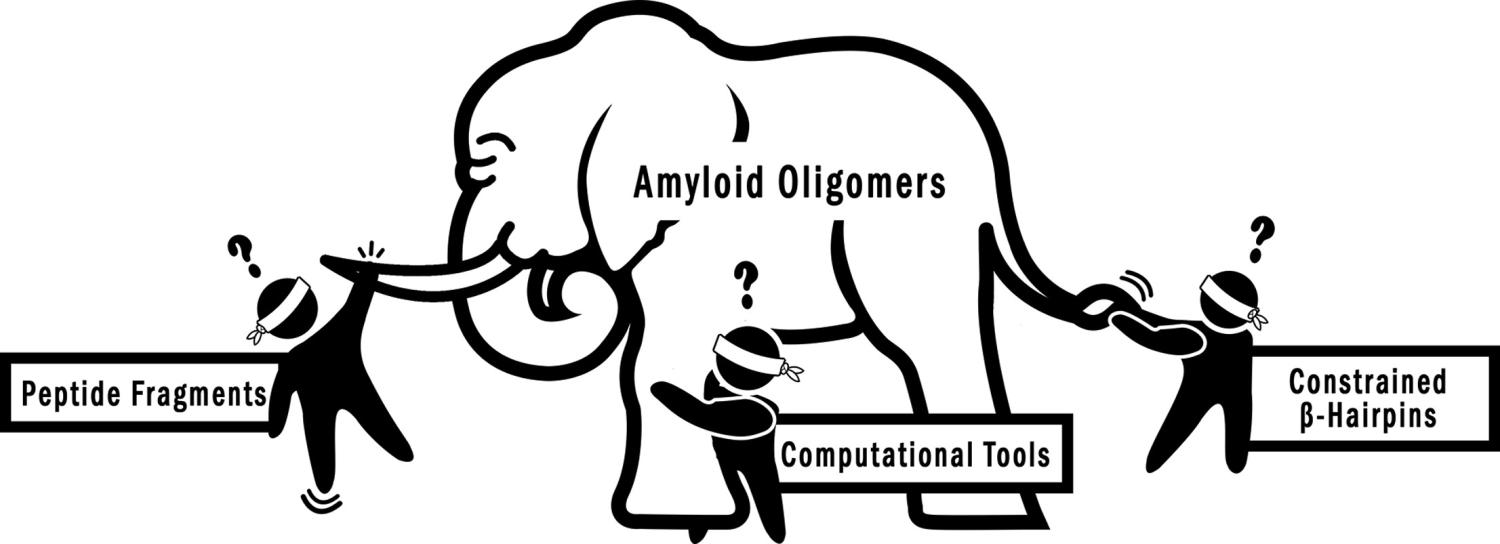
The assembly of amyloidogenic peptides and proteins, such as the β-amyloid peptide, α-synuclein, huntingtin, tau, and islet amyloid polypeptide, into amyloid fibrils and oligomers is directly linked to amyloid diseases, such as Alzheimer's, Parkinson's, and Huntington's diseases, frontotemporal dementias, and type II diabetes. Although amyloid oligomers have emerged as especially important in amyloid diseases, high-resolution structures of the oligomers formed by full-length amyloidogenic peptides and proteins have remained elusive.
More than a century has passed since pathological protein aggregates were first identified in the brains of patients with neurodegenerative diseases (NDDs). Yet, we still do not have effective therapies to treat or slow the progression of these devastating diseases or diagnostics for early detection and monitoring disease progression.
Rho-associated coiled-coil kinase (ROCK), a serine/threonine kinase regulated by the small GTPase RhoA, is involved in regulating cell migration, proliferation, and survival. Numerous studies have shown that the RhoA/ROCK signaling pathway can promote Alzheimer's disease (AD) occurrence. ROCK activation increases β-secretase activity and promotes amyloid-beta (Aβ) production; moreover, Aβ further activates ROCK. This is suggestive of a possible positive feedback role for Aβ and ROCK.

The novel coronavirus disease 2019 (COVID-19) has pushed the medical system to its breaking point. While the virus does not discriminate, the elderly and those with comorbidities, including hypertension severe obesity, diabetes mellitus, coronary disease, pneumonia and dementia, are at a greater risk for adverse outcomes due to COVID-19. While many people navigate their new normal, the question of what the long-lasting effects of the pandemic may be, lingers.
Sporadic late-onset Alzheimer's disease (AD) is the most frequent cause of dementia associated with aging. Due to the progressive aging of the population, AD is becoming a healthcare burden of unprecedented proportions. Twenty years ago, it was reported that some indole molecules produced by the gut microbiota possess essential biological activities, including neuroprotection and antioxidant properties. Since then, research has cemented additional characteristics of these substances, including anti-inflammatory, immunoregulatory, and amyloid anti-aggregation features.
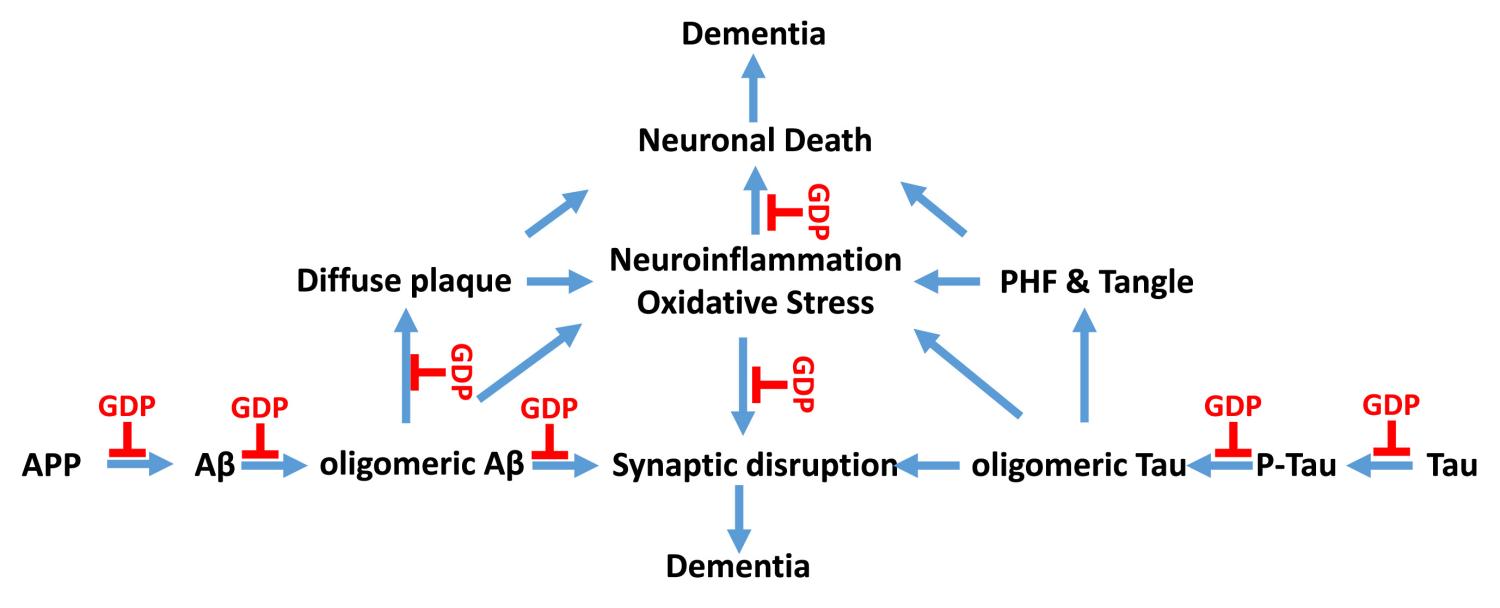
Alzheimer's disease (AD) is by far the most prevalent neurodegenerative disease of aging and is a major burden for patients, caregivers, and the overall health care system. The complexity of AD pathophysiology and the lack of deep understanding of disease mechanisms impeded the development of AD therapy. Currently approved treatments for AD only modestly improve cognitive function but do not modify disease course. The lack of pharmacological approaches has led to the consideration of alternative strategies to prevent or to slow down the progression of AD.
Background: Simulation-based experiences provide learning opportunities into the world of people living with dementia, however limited research into its effectiveness exists. Methods: A quasi-experimental design was used to examine the impact of the virtual dementia tour on empathetic thinking, understanding and person care. Study participants included carers and multi-health professionals (n = 223). Results: Empathetic understanding of symptoms, its impact on the provision of person-centred practice were all scored as neutral.
Given the growing interest in systemic design, there is a demand for designerly approaches that can aid practitioners in catalyzing social systems change. The purpose of this research is to develop an initial portfolio of designerly approaches that acknowledges social structures as a key leverage point for influencing social systems. This article presents learnings from experimentation with a host of designerly approaches for shaping social structures and identifies four design principles to guide systemic design practitioners in doing this work.
Based on the joint HCPMMP parcellation method we developed before, which divides the cortical brain into 360 regions, the concept of ordered core features (OCF) is first proposed to reveal the functional brain connectivity relationship among different cohorts of Alzheimer's disease (AD), late mild cognitive impairment (LMCI), early mild cognitive impairment (EMCI) and healthy controls (HC). A set of core network features that change significantly under the specifically progressive relationship were extracted and used as supervised machine learning classifiers.
Objectives: In the face of the SARS-CoV-2 pandemic, people with dementia and their carers are contending with serious challenges to their health and wellbeing, due to risk of severe illness, limiting of social contact and disruption to usual activities. Many forms of support for people with dementia and their carers, including singing groups, have moved online using videoconferencing. Previous research has demonstrated the benefits of group singing, which include cognitive stimulation, meaningful activity and peer support.

Alzheimer's Disease (AD) is a devastating neurodegenerative disorder of the brain, clinically characterised by cognitive deficits that gradually worsen over time. There is, at present, no established cure, or disease-modifying treatments for AD. As life expectancy increases globally, the number of individuals suffering from the disease is projected to increase substantially. Cumulative evidence indicates that AD neuropathological process is initiated several years, if not decades, before clinical signs are evident in patients, and diagnosis made.
Alzheimer's disease (AD) is the foremost cause of dementia among other neurodegenerative diseases, leading to memory loss and cognitive deficits. AD has gained extensive attention in research for exploring possible interventions. One promising field is natural substances and compounds that could provide a wide range of neuroprotection against AD. This study aimed to investigate the possible effects of melatonin (MEL) and resveratrol (RES) in improving memory deficits in a sporadic mouse model of AD. Memory deficit was induced using AlCl3 and d-galactose for generating an AD mouse model.

Background: Alzheimer's disease (AD) is a progressive neurodegenerative disorder of the brain that ultimately results in the death of neurons and dementia. The prevalence of the disease in the world is increasing rapidly. In recent years, many studies have been done to automatically detect this disease from brain signals. Method: In this paper, the Hjorth parameters are used along with other common features to improve the AD detection accuracy from EEG signals in early stages.
Alzheimer's disease (AD) is the commonest neurodegenerative disorder with a wide array of manifestations, courses, and contributing causes. Despite being clinically characterized a long time ago; no treatment has been developed that could improve the pathology or slow down the disease manifestation- so far. Indian Catechu methanolic extract (ICME) has proved to have multiple beneficial effects that support its use in several disorders- especially those with complex etiology.
In the recent past, biomedical domain has become popular due to digital image processing of accurate and efficient diagnosis of clinical patients using Computer-Aided Diagnosis (CAD). Appropriate and punctual disease identification and treatment arrangement directs to enhance superiority of life and improved life hope in Alzheimer Disease (AD) patients. The cutting-edge approaches that believe multimodal analysis have been shown to be efficient and accurate are improved compared with manual analysis.
Background and Purpose: Altered cholesterol metabolism is associated with increased risk of neurodegeneration and in particular with the development of Alzheimer's disease (AD). Here, we investigate whether non-cholesterol sterols and oxysterols in the central nervous system are associated with (i) the presence of cerebral AD pathology, (ii) distinct aspects of AD pathology, i.e. amyloid pathology, neuronal injury, and tau pathology, and (iii) cognitive decline over time.
Women represent ⅔ of the cases of Alzheimer's disease (AD). Current research has focused on differential risks to explain higher rates of AD in women. However, factors that reduce risk for AD, like cognitive/brain reserve, are less well explored. We asked: what is known about sex and gender differences in how reserve mitigates risk for AD?
The enormous social and economic cost of Alzheimer's disease (AD) has driven a number of neuroimaging investigations for early detection and diagnosis. Towards this end, various computational approaches have been applied to longitudinal imaging data in subjects with Mild Cognitive Impairment (MCI), as serial brain imaging could increase sensitivity for detecting changes from baseline, and potentially serve as a diagnostic biomarker for AD. However, current state-of-the-art brain imaging diagnostic methods have limited utility in clinical practice due to the lack of robust predictive power.

This study explored an established primary care–based dementia pathway in New Zealand (NZ) and nurse practitioner dementia diagnosis and care in 1 small United States state that has adopted a value-based delivery model. Central to the NZ model was the education of primary care providers, clear delineation of specialists’ support and referral pathways, and routine and predictable family carer respite. The US respondents reported that the essential resources necessary to support the diagnosis and management of dementia were lacking.
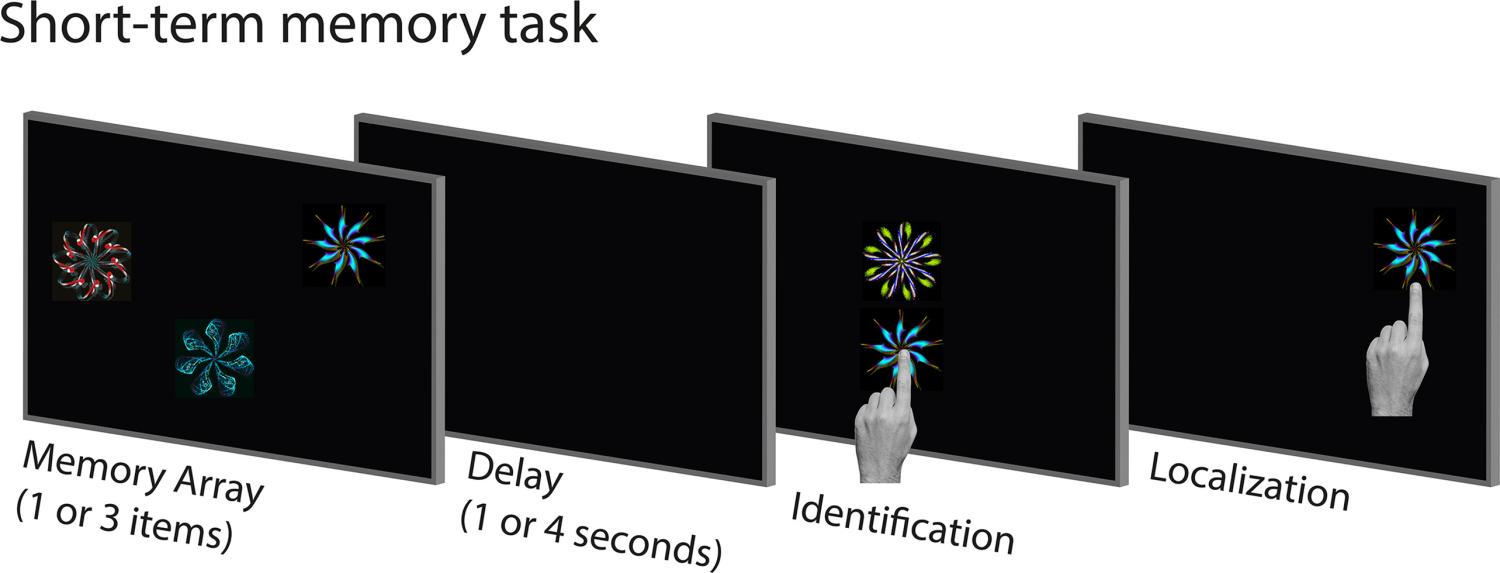
It has recently been proposed that short-term memory (STM) binding deficits might be an important feature of Alzheimer's disease (AD), providing a potential avenue for earlier detection of this disorder. By contrast, work in Parkinson's disease (PD), using different tasks, has suggested that the STM impairment in this condition is characterised by increased random guessing, possibly due to fluctuating attention.
In April, 2019, the Alzheimer's Association Dementia Care Provider Roundtable convened to discuss common challenges faced when implementing person-centered, non-pharmacological practices in long-term care and other settings that provide care and programs for persons living with dementia, and to develop relevant, specific guidance from the perspective of administrative leaders from 23 long-term and community-based care provider organizations (representing home, community-based, and residential care).
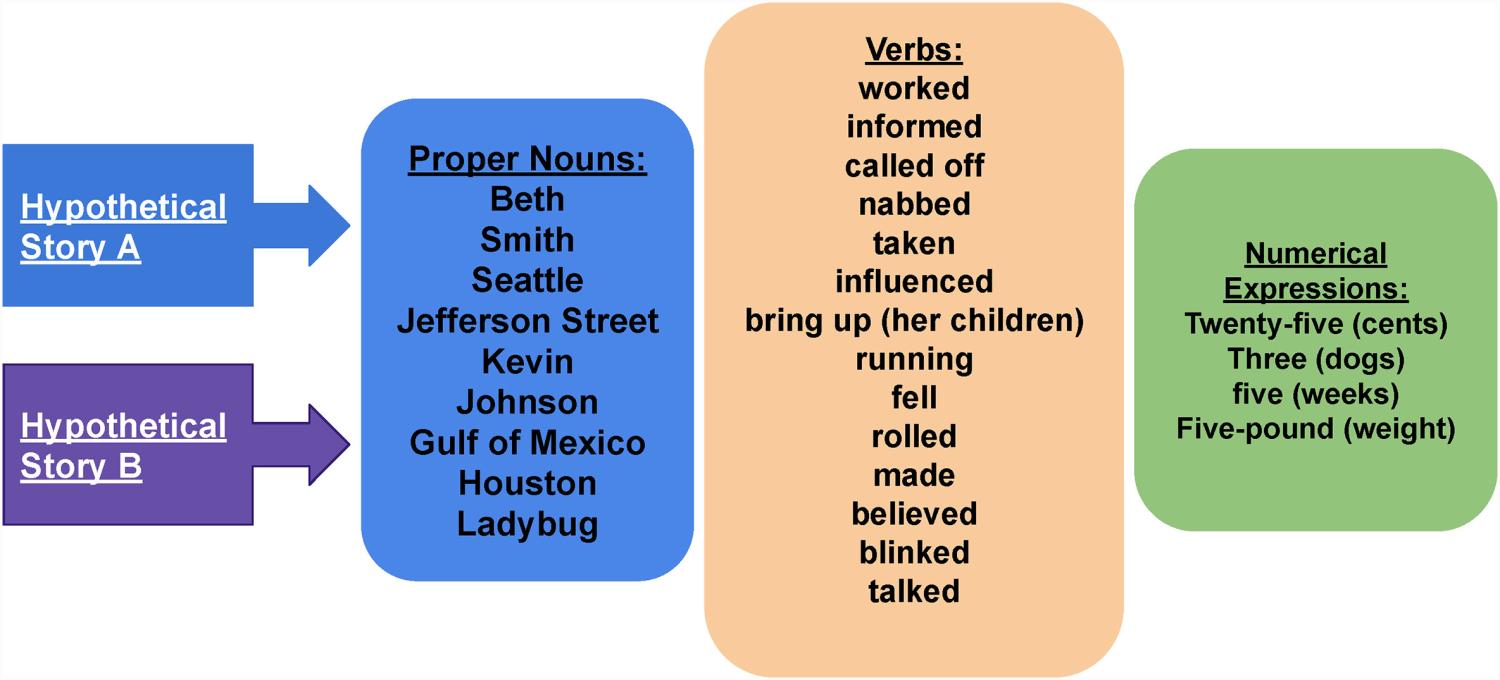
Due to advances in the early detection of Alzheimer's disease (AD) biomarkers including beta-amyloid (Aβ), neuropsychological measures that are sensitive to concurrent, subtle changes in cognition are critically needed. Story recall tasks have shown sensitivity to early memory declines in persons with mild cognitive impairment (MCI) and early stage dementia, as well as in persons with autosomal dominantly inherited AD up to 10 years prior to a dementia diagnosis. However, the evidence is inconclusive regarding relationships between evidence of Aβ and story recall measures.
Alzheimer's disease (AD) is associated with cognitive deficits and behavioral disorders such as anxiety and depression. Recent clinical and experimental studies have demonstrated that swimming exercise could be a potential therapy for cognitive and behavioral disorders. The prevalence of anxiety and depression is increasing among patients with AD; hence, further studies are needed to develop therapies for these behavioral abnormalities.
Objectives: ‘Dementia Friends’ is a programme used to raise awareness of dementia, developed by the Alzheimer's Society, which has been delivered across the UK to diverse populations, including adolescents. However, there is little evidence available with regards to adolescents' perceptions of the programme and its impact. This study aims to explore this in a group of adolescents from the south of England. Study design: Focus group discussions. Methods: Thirty adolescents aged between 11 and 16 years were recruited from two schools in East Sussex, England.
Background: Falls in older adults, notably those with Alzheimer's dementia (AD), are prevalent. Vision and balance impairments are prominent falls risk factors in older adults. However, recent literature in the cognitively impaired suggests that executive function (EF) is important for falls risk assessments. The study objectives were to: 1) to compare balance among people with AD, healthy older adults (OA), and healthy young adults (YA) and 2) to quantify the interaction of visual acuity and EF on postural stability. Methods: We recruited 165 individuals (51 YA, 48 OA, and 66 AD).
Background: The nuclear factor erythroid2-related factor2 (Nrf2), a chief transcriptional regulator of antioxidant response element (ARE), is considered a promising target for the prevention of Alzheimer's disease (AD). Vitamin D has been recognized to have a crucial role in improving AD cognitive functions. The present study was conducted to evaluate the effects of active vitamin D analogue, Maxacalcitol, on Keap1-Nrf2 signaling pathway in experimental Alzheimer's disease in rats.
Objectives: People with life-limiting diseases such as dementia are living longer. How to improve the quality of life of those living with dementia is an important challenge for society. Continuity maintenance in older adulthood is a psychosocial adaptation strategy by searching for preference and familiarity, making a sense of connection, and creating coherence. Continuity maintenance is a useful concept for effective dementia care, which could bring psychosocial benefits. This review investigates effective ways of continuity maintenance for people with dementia (PWD).
Alzheimer's disease (AD) is a progressive neurodegenerative disorder and a leading cause of dementia in the elderly. AD initially presents as mild cognitive impairment (MCI); later, as AD progresses, memory and cognition are destroyed, preventing the ability to carry out activities of daily living. The primary care provider may be the first to suspect MCI, and screening tests can help with diagnosis.
Glucose-dependent Insulinotropic polypeptide (GIP) is a peptide hormone of the incretin family. It has growth factor properties and can re-activate energy utilization. In progressive neurodegenerative disorders such as Alzheimer's and Parkinson's disease, energy utilization is much reduced, and GIP has the potential to reverse this. Furthermore, GIP can reduce the inflammation response in the brain and reduce levels of pro-inflammatory cytokines. Tests in animal models of Alzheimer's and Parkinson's disease show good neuroprotective effects.
This book chapter advances SDGs 3 and 17 by reviewing research on a range of rehabilitation programmes aiming to improve the functional independence of people with dementia, such as specialist-led or multimodal rehabilitation, cognitive rehabilitation, function-focused care, and reablement.
This book chapter advances SDGs 3 and 17 by outlining the common physical impairments found in people living with dementia, as well as evidence for treatments to maintain or improve physical function and prevent falls, in both community and residential settings.
This book chapter advances SDGs 3 and 17 by focusing primarily on the recent developments in Alzheimer's Disease diagnosis and their merits and demerits, including development of blood and cerebrospinal fluid–based biomarkers, imaging tools such as MRI, fMRI, and PET, proteomics, etc.
This book chapter advances SDGs 3 and 17 by discussing the potential impact of dementia on creativity, physical activity, and exercise participation and whether exercise and creativity may each exert individual effects on the maintenance and/or facilitation of cognitive health. This chapter explores the context of biological and theoretical mechanisms underlying dementia and provide recommendations for future research experiments unifying physical exercise and creative activities into tailored interventions designed to better comprehend this disease and perhaps counteract the devastating implications dementia prognoses present to optimal physical and mental functioning across the human life span.
This book chapter advances SDGs 3 and 17 by describing how acute hospital settings can affect the care of patients with dementia. As well as changes to the physical hospital environment, this requires an enhanced focus on key strategies such as reliable identification of cognitive impairment, access to comprehensive geriatric assessment, prevention and management of delirium, and timely discharge planning are included in the chapter.
This book chapter advances SDGs 3 and 17 by discussing available data regarding the effects of genetic variants on the clinical and pathological characteristics of “frontotemporal dementia” (FTD). The term “frontotemporal dementia” (FTD) defines a group of related diseases resulting from progressive degeneration of the temporal and frontal lobes. These areas play a significant role in decision-making, behavioral control, emotion, language, and motor functions.
This book chapter advances SDGs 3 and 17 by focusing on providing a brief overview of genes associated with sporadic (late-onset) Alzheimer's disease (AD). Despite decades of research, no current and reliable test is currently available for the diagnosis of AD. Genetic biomarkers are promising for both diagnostic tools and tailored profiling therapy.
This book chapter advances SDGs 3 and 17 by providing an overview of the characteristic features of neurodegenerative diseases, including AD and how to assess them to validate or to reject the suspected diagnosis.
This book chapter advances SDGs 3 and 17 by focusing on the need to establish equilibrium and well-being and is organized around eight themes using the acronym R-E-A-D-J-U-S-T. The chapter ties these themes with a call for more research and reinforcement for inclusion of the voices of people with dementia.
This book chapter advances SDGs 3 and 17 by describing the prevalence of dementia in hospitalized patients, reasons for hospitalizations, and risks to older people with dementia in hospitals. Strategies for optimizing outcomes and models of care that are designed to improve care of persons with dementia and their care partners are described to assist healthcare team members working with this unique population.
This book chapter advances SDGs 3 and 17 by reviewing a new promising neuroprotective approach to treating AZ, Tau-based therapies including tau-kinase inhibitors to acetylation inhibitors, microtubule stabilizers, aggregation inhibitors, monoclonal anti-tau antibodies or active tau vaccines. Special emphasis has been placed on the most promising therapeutic agents that have reached clinical trials.
This book chapter advances SDGs 3 and 17 by introducing aspects of the lived experience, management, and epidemiology of dementia and some of the significant transitions that people with the disease and their caregivers frequently encounter.
We investigated emotional regulation of autobiographical memories in Alzheimer's disease (AD). AD patients and control participants were asked to retrieve memories in response to “happy” and “sad” cues. Participants were also asked to rate the emotional valence of memories at retrieval as well as at the moment the events were encoded. Results showed that both control participants and AD patients rated memories cued by “happy” as more positive when retrieved than when encoded.
Background: Alzheimer's disease (AD) is the most common neurodegenerative disease causing dementia in the elderly population. Due to the fact that there is still no cure for Alzheimer's dementia and available treatment strategies bring only symptomatic benefits, there is a pressing demand for other effective strategies such as diet. Since the inflammation hypothesis gained considerable significance in the AD pathogenesis, elucidating the modulatory role of dietary factors on inflammation may help to prevent, delay the onset and slow the progression of AD.
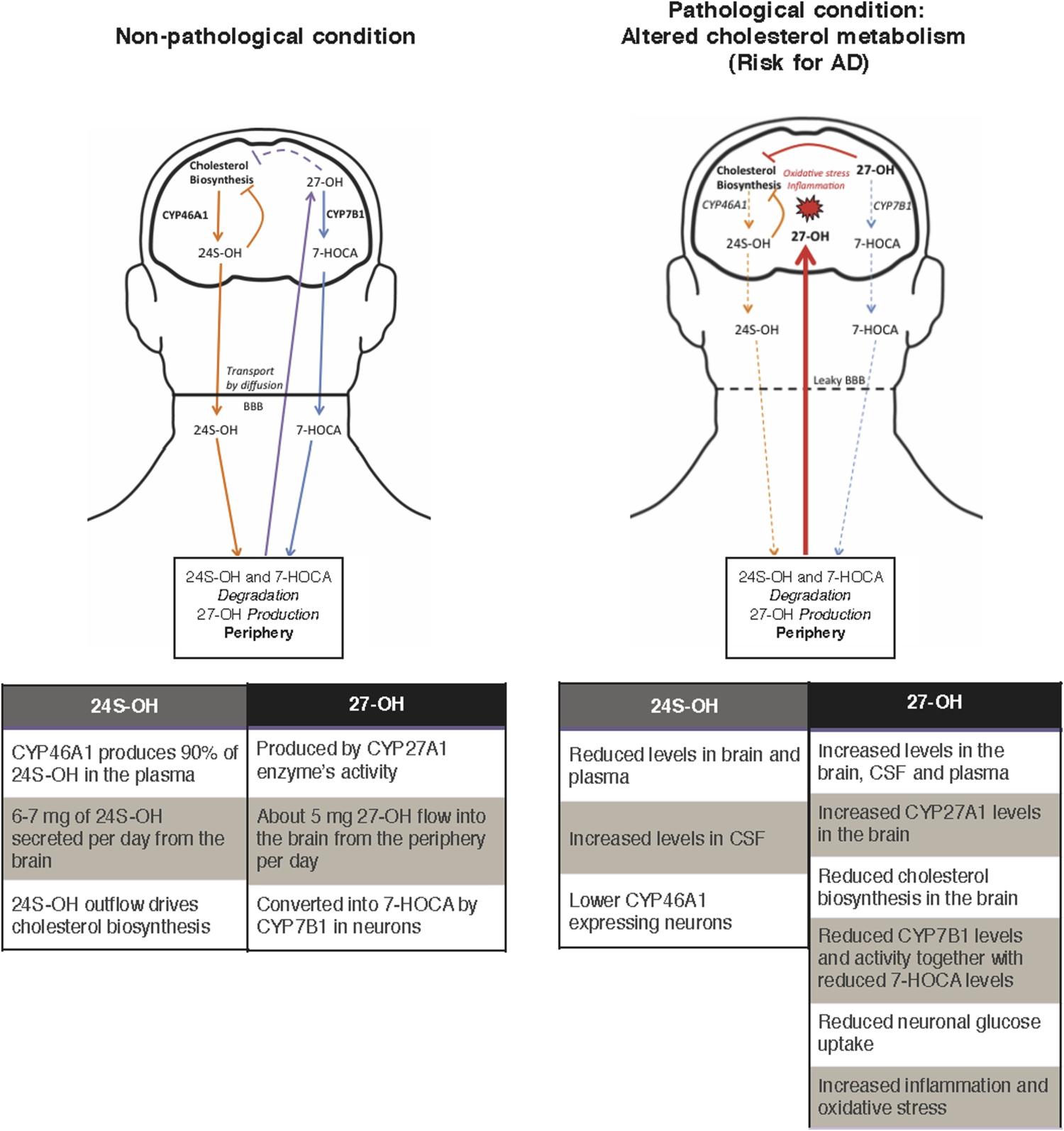
Alzheimer's disease (AD) is the most common form of dementia and it is characterized by the deposition of amyloid-β (Aβ) plaques and neurofibrillary tangles in the brain. However, the complete pathogenesis of the disease is still unknown. High level of serum cholesterol has been found to positively correlate with an increased risk of dementia and some studies have reported a decreased prevalence of AD in patients taking cholesterol-lowering drugs.
Background: Memory for music has attracted much recent interest in Alzheimer's disease but the underlying brain mechanisms have not been defined in patients directly. Here we addressed this issue in an Alzheimer's disease cohort using activation fMRI of two core musical memory systems. Methods: We studied 34 patients with younger onset Alzheimer's disease led either by episodic memory decline (typical Alzheimer's disease)or by visuospatial impairment (posterior cortical atrophy)in relation to 19 age-matched healthy individuals.
The Alzheimer's disease (AD) was discovered and the pathological hallmarks were revealed more than a century ago. Subsequently, many remarkable discoveries and breakthroughs provided us with mechanistic insights into the pathogenesis of AD. The identification of the molecular underpinning of the disease not only provided the framework of AD pathogenesis but also targets for therapeutic inventions. Despite all the initial successes, no effective treatment for AD has emerged yet as all the late stage of clinical trials have failed.
Exercise has been shown to reduce the risk of developing Mild Cognitive Impairment and Alzheimer's disease as well as to improve cognition in healthy and cognitively impaired individuals. However, the mechanisms of these benefits are not well understood. The stress hypothesis suggests that the cognitive benefits attributed to exercise may partially be mediated by changes in the cortisol secretion pattern.
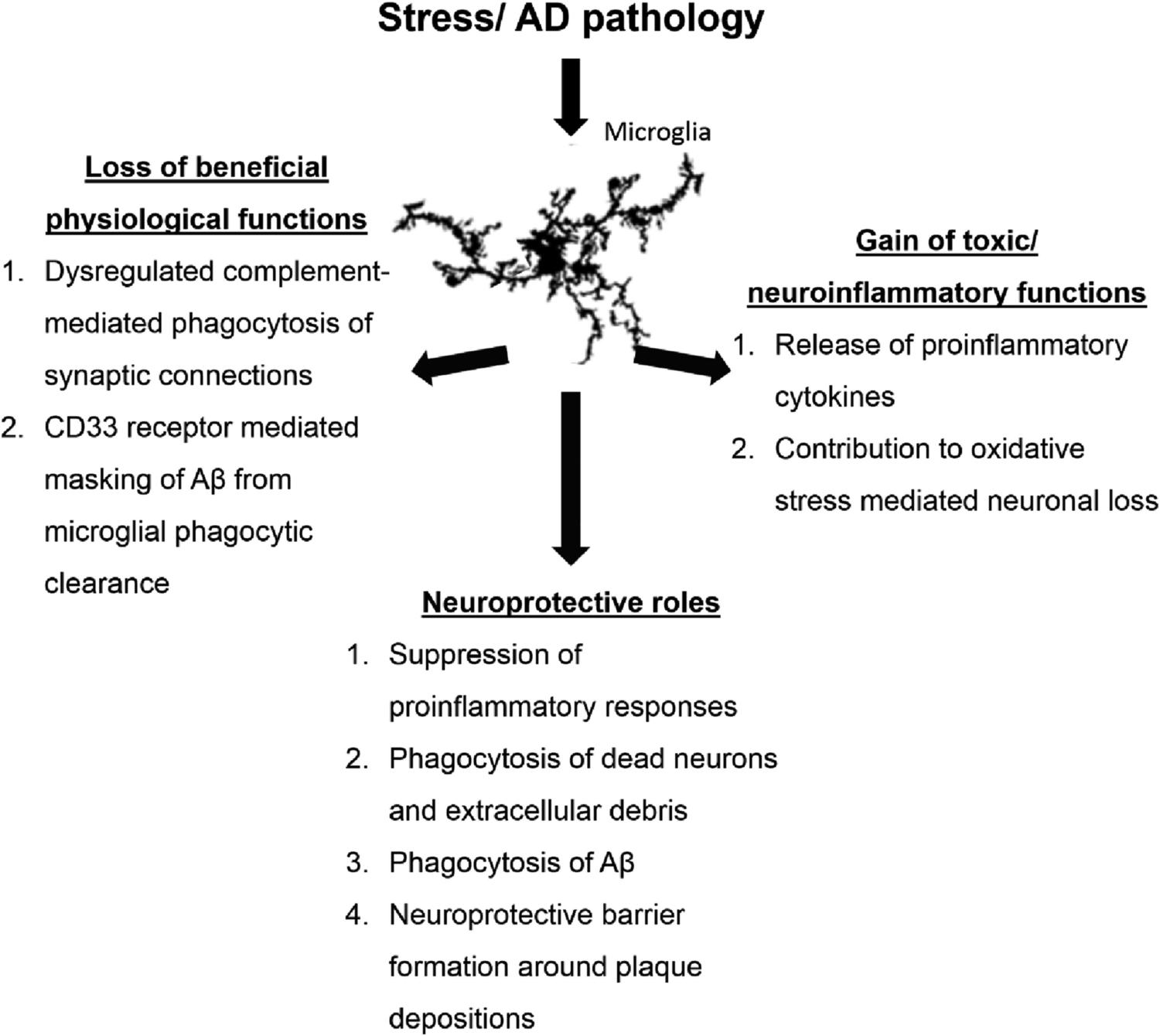
Microglia are the predominant immune cells of the central nervous system (CNS) that exert key physiological roles required for maintaining CNS homeostasis, notably in response to chronic stress, as well as mediating synaptic plasticity, learning and memory. The repeated exposure to stress confers a higher risk of developing neurodegenerative diseases including sporadic Alzheimer's disease (AD).
Clinical studies indicate that Alzheimer's disease (AD) disproportionately affects women in both disease prevalence and severity, but the mechanisms underlying this sex divergence are unknown. Though some have suggested this difference in risk is a reflection of known differences in longevity between men and women, mounting clinical and preclinical evidence supports women also having intrinsic susceptibilities towards the disease. While a number of potential risk factors have been hypothesized to affect these differences in risks, none have been definitively verified.
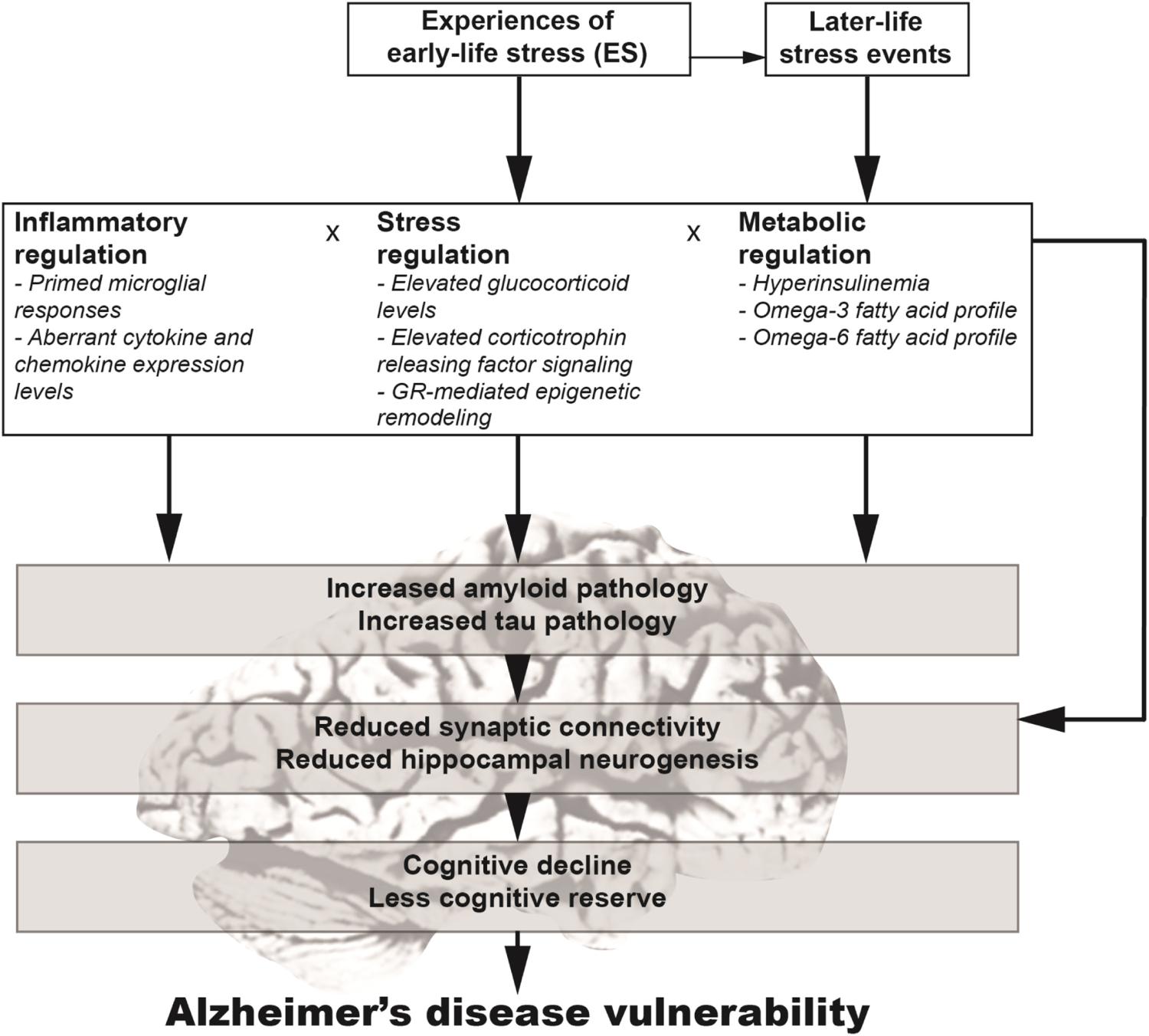
Stress experienced early in life (ES), in the form of childhood maltreatment, maternal neglect or trauma, enhances the risk for cognitive decline in later life. Several epidemiological studies have now shown that environmental and adult life style factors influence AD incidence or age-of-onset and early-life environmental conditions have attracted attention in this respect.
Physical activity and stress are both environmental modifiers of Alzheimer's disease (AD) risk. Animal studies of physical activity in AD models have largely reported positive results, however benefits are not always observed in either cognitive or pathological outcomes and inconsistencies among findings remain. Studies using forced exercise may increase stress and mitigate some of the benefit of physical activity in AD models, while voluntary exercise regimens may not achieve optimal intensity to provide robust benefit.
To test the hypothesis that sleep can reverse cognitive impairment during Alzheimer's disease, we enhanced sleep in flies either co-expressing human amyloid precursor protein and Beta-secretase (APP:BACE), or in flies expressing human tau. The ubiquitous expression of APP:BACE or human tau disrupted sleep. The sleep deficits could be reversed and sleep could be enhanced when flies were administered the GABA-A agonist 4,5,6,7-tetrahydroisoxazolo-[5,4-c]pyridine-3-ol (THIP).
Sleep disorders are prevalent in Alzheimer's disease (AD) and a major cause of institutionalization. Like AD pathology, sleep abnormalities can appear years before cognitive decline and may be predictive of dementia. A bidirectional relationship between sleep and amyloid β (Aβ) has been well established with disturbed sleep and increased wakefulness leading to increased Aβ production and decreased Aβ clearance; whereas Aβ deposition is associated with increased wakefulness and sleep disturbances.
Following the introduction of the long-term care insurance scheme and deregulation of the market for at-home care services, Japan experienced a substantial increase in expenditure on care for the elderly. Using household-level survey data, we empirically examine whether the increase in care expenditure is associated with supplier density springing from the rise in the number of care providers following deregulation. We provide weak evidence that supplier density in the at-home care market is positively correlated with probability to use care or expenditure on care.
Toxoplasma gondii (T. gondii) is one of the most pervasive neurotropic pathogens causing different lesions in a wide variety of mammals as intermediate hosts, including humans. It is estimated that one-third of the world population is infected with T. gondii; however, for a long time, there has been much interest in the examination of the possible role of this parasite in the development of mental disorders, such as Alzheimer's disease (AD). T.
Background: Hippocampus segmentation on magnetic resonance imaging is of key importance for the diagnosis, treatment decision and investigation of neuropsychiatric disorders. Automatic segmentation is an active research field, with many recent models using deep learning. Most current state-of-the art hippocampus segmentation methods train their methods on healthy or Alzheimer's disease patients from public datasets. This raises the question whether these methods are capable of recognizing the hippocampus on a different domain, that of epilepsy patients with hippocampus resection.
Alzheimer's disease is a progressive neurodegenerative disorder. In this disease neurodegeneration occurs due to deposition of aggregated amyloid-beta plaques and neurofibrillary tangles (hyperphosphorylated tau proteins). Present study focuses on interaction of different phytochemicals with presenilin stabilization factor like protein (PSFL). PSFL protein is known to stabilize Presenilin, which is mainly involved in intramembrane hydrolysis of selected type- I membrane proteins, including amyloid-beta precursor protein, and produces amyloid-beta protein.
Serotonin or 5-hydroxytryptamine (5-HT) is primarily involved in the regulation of learning and memory. Pathological changes in metabolism or functional imbalance of 5-HT has been associated with Alzheimer's disease (AD). The hypothesis tested is that in peripheral blood, markers of the serotonergic pathway can be used as a diagnostic tool for AD.
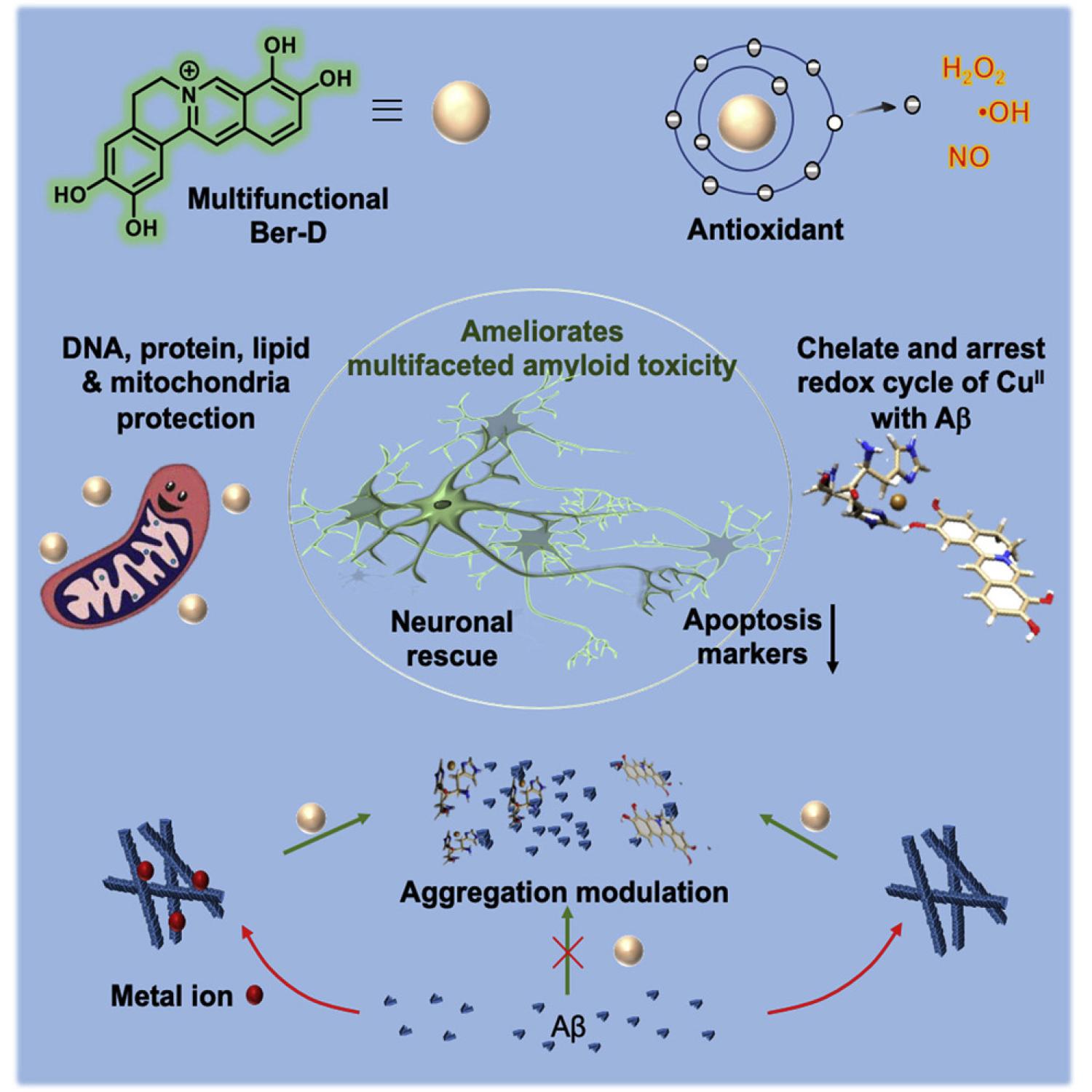
Multiple lines of evidence indicate that amyloid beta (Aβ) peptide is responsible for the pathological devastation caused in Alzheimer's disease (AD). Aβ aggregation species predominantly contribute to multifaceted toxicity observed in neuronal cells including generation of reactive oxygen species (ROS), mitochondrial dysfunction, interfering with synaptic signaling, and activation of premature apoptosis. Herein, we report a natural product berberine-derived (Ber-D) multifunctional inhibitor to ameliorate in cellulo multifaceted toxicity of AD.
Alzheimer's disease (AD) is a neurodegenerative disorder characterized by progressive decline in cognitive function. Intracerebroventricular injection of streptozotocin (icv-STZ) has been used as an experimental model of Sporadic AD (SAD) in rodents and represents a promising tool for etiopathogenic analysis and evaluation of new therapeutic proposals for AD. The icv-STZ model shows many aspects of SAD abnormalities, resulting in decreased brain glucose and energy metabolism, cognitive impairment, oxidative stress, neuronal loss, and amyloid angiopathy.
Polymorphism in the microglial receptor CD33 gene has been linked to late-onset Alzheimer disease (AD), and reduced expression of the CD33 sialic acid-binding domain confers protection. Thus, CD33 inhibition might be an effective therapy against disease progression. Progress toward discovery of selective CD33 inhibitors has been hampered by the absence of an atomic resolution structure.
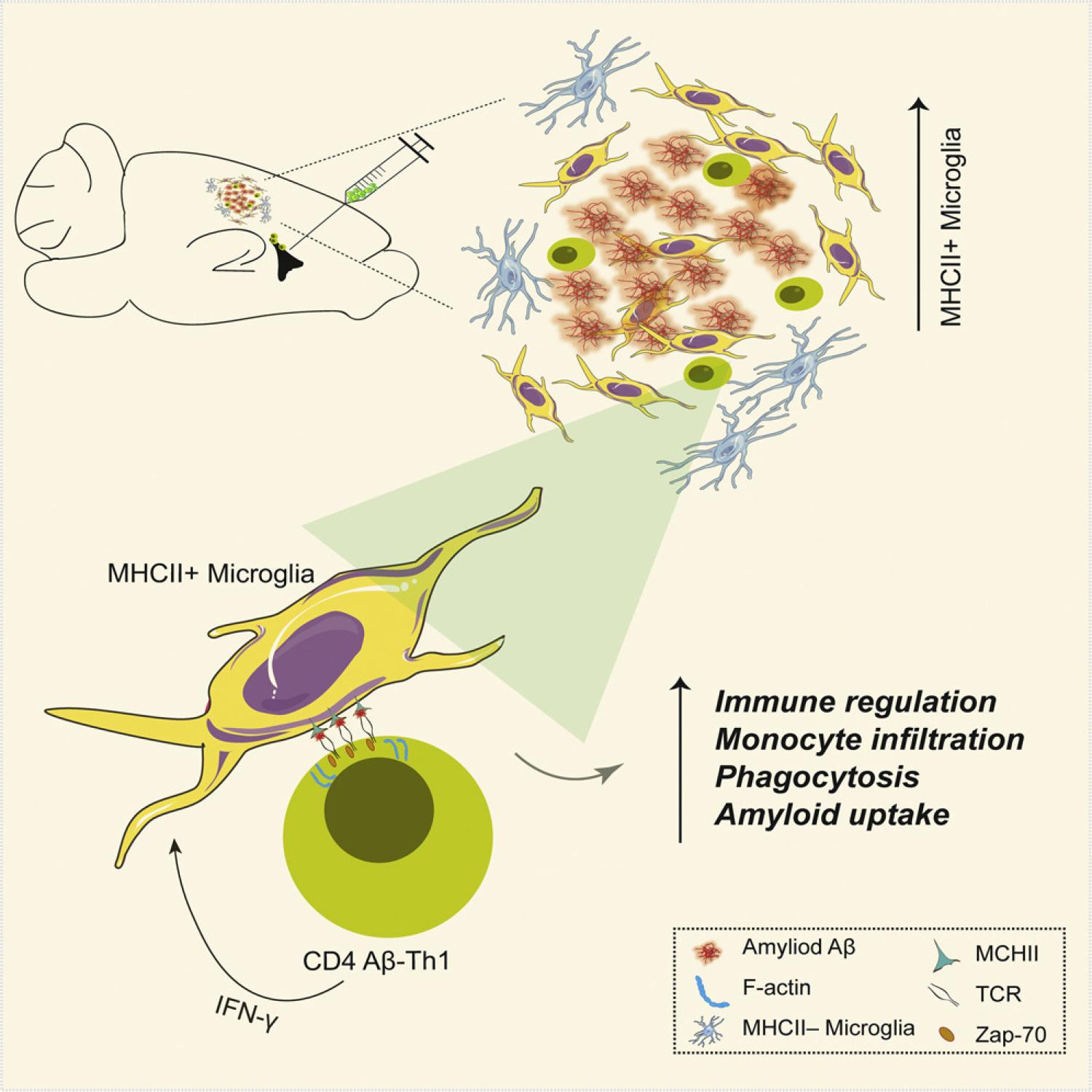
Microglia play a key role in innate immunity in Alzheimer disease (AD), but their role as antigen-presenting cells is as yet unclear. Here we found that amyloid β peptide (Aβ)-specific T helper 1 (Aβ-Th1 cells) T cells polarized to secrete interferon-γ and intracerebroventricularly (ICV) injected to the 5XFAD mouse model of AD induced the differentiation of major histocompatibility complex class II (MHCII)+ microglia with distinct morphology and enhanced plaque clearance capacity than MHCII− microglia.
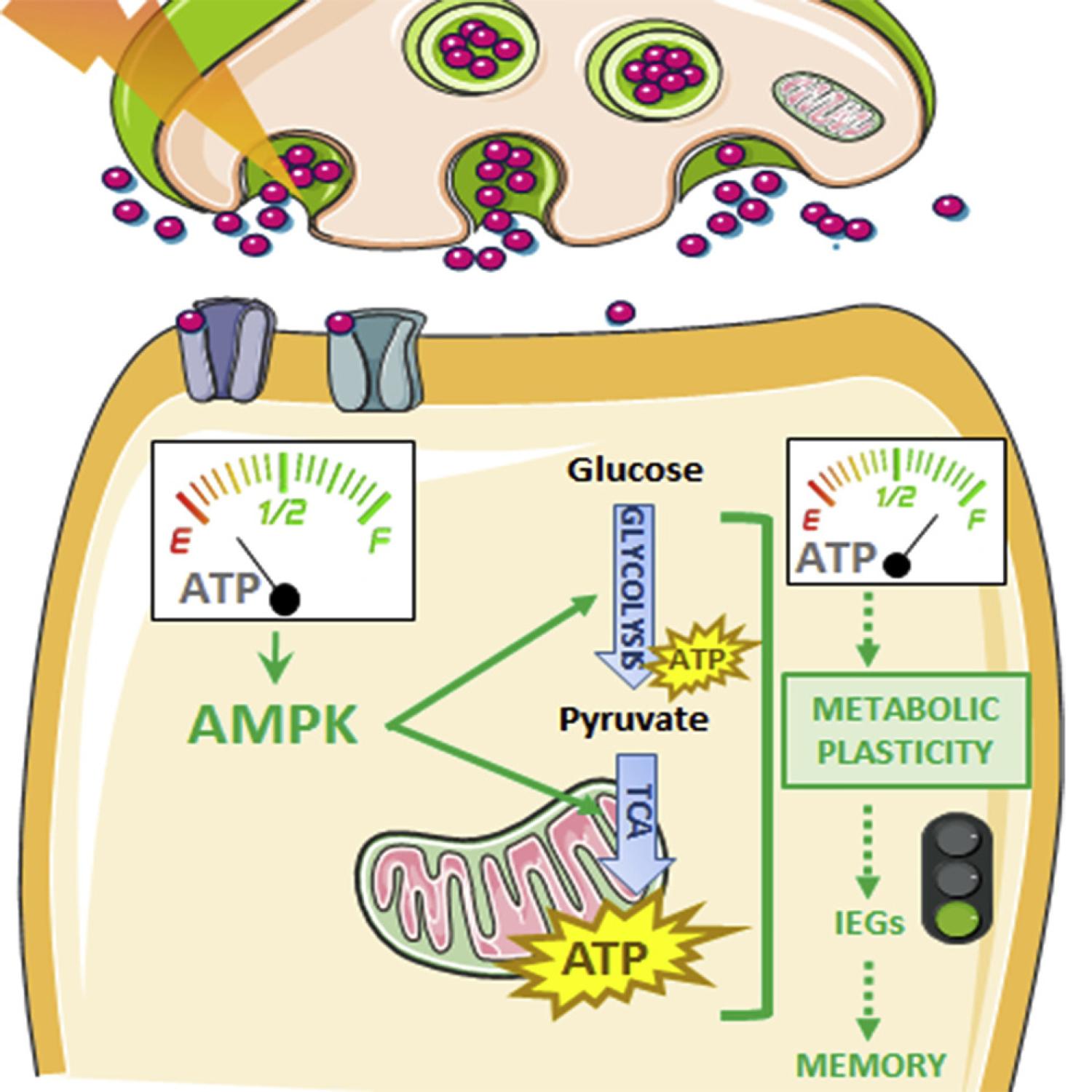
Although the brain accounts for only 2% of the total body mass, it consumes the most energy. Neuronal metabolism is tightly controlled, but it remains poorly understood how neurons meet their energy demands to sustain synaptic transmission. Here we provide evidence that AMP-activated protein kinase (AMPK)is pivotal to sustain neuronal energy levels upon synaptic activation by adapting the rate of glycolysis and mitochondrial respiration. Furthermore, this metabolic plasticity is required for the expression of immediate-early genes, synaptic plasticity, and memory formation.
Vanadium (V) toxicity depends on its oxidation state; it seems that vanadium pentoxide (V2O5) is the most toxic to the living cells. It has been reported that oral administration induces changes in motor activity and learning; in rats, I.P. administration increases lipid peroxidation levels in the cerebellum and the concentration of free radicals in the hippocampus and cerebellum.
Background: People with dementia die prematurely. Identifying differences in mortality rates between different types of dementia might aid in the development of preventive interventions for the most vulnerable populations. The aim of this study was to compare the difference in mortality rates between individuals without dementia and individuals with various types of dementia.
Background: Evidences of infectious pathogens in Alzheimer's disease (AD) brains may suggest a deteriorated innate immune system in AD pathophysiology. We previously demonstrated reduced salivary lactoferrin (Lf) levels, one of the major antimicrobial proteins, in AD patients.
Background: The pathological changes in Alzheimer's Disease (AD) and other neurodegenerative disorders begin decades prior to their clinical expression. However, the clinical diagnosis of neurodegenerative dementias is not straightforward. Lactoferrin is an iron-binding, antimicrobial glycoprotein with a plethora of functions, including acting as an important immune modulator and by having a bacteriocidic effect. Two previous studies indicated that salivary lactoferrin could differentiate between neurodegenerative dementias.
Background: Sleep disturbances may increase risks of Alzheimer's disease (AD) and other dementias. Benign prostatic hyperplasia (BPH) is usually associated with lower urinary tract symptoms, including nocturia, and thereby disturbed sleep. We examined if men with BPH are at increased risk of AD and all-cause dementia. Methods: In a Danish nationwide cohort (1996–2016), we identified 297,026 men with BPH, defined by inpatient or outpatient hospital diagnosis or by BPH-related surgical or medical treatment, and 1,107,176 men from the general population matched by birth year.
Background: Circadian disturbances are commonly seen in people with Alzheimer's disease and have been reported in individuals without symptoms of dementia but with Alzheimer's pathology. We aimed to assess the temporal relationship between circadian disturbances and Alzheimer's progression. Methods: We did a prospective cohort study of 1401 healthy older adults (aged >59 years) enrolled in the Rush Memory and Aging Project (Rush University Medical Center, Chicago, IL, USA) who had been followed up for up to 15 years.
Background: The aim of this study is to use classification methods to predict future onset of Alzheimer's disease in cognitively normal subjects through automated linguistic analysis. Methods: To study linguistic performance as an early biomarker of AD, we performed predictive modeling of future diagnosis of AD from a cognitively normal baseline of Framingham Heart Study participants. The linguistic variables were derived from written responses to the cookie-theft picture-description task.
Background: Cholinergic neuronal loss is one of the hallmarks of AD related neurodegeneration; however, preclinical promise of α7 nAChR drugs failed to translate into humans. CHRFAM7A, a uniquely human fusion gene, is a negative regulator of α7 nAChR and was unaccounted for in preclinical models. Methods: Molecular methods: Function of CHRFAM7A alleles was studied in vitro in two disease relevant phenotypic readouts: electrophysiology and Aβ uptake. Genome edited human induced pluripotent stem cells (iPSC) were used as a model system with the human context.
Background: Recently, we reported that patients with mild cognitive impairment (MCI) harbor specific signature of bacteria in their gut and that a modified Mediterranean ketogenic diet (MMKD) improves Alzheimer's disease (AD) markers in cerebrospinal fluid (CSF) and the signatures of gut bacteria. However, other microbial population such as gut fungi (mycobiome) in relation to MCI/AD pathology, gut bacteria and diet remain unknown.
Background: Microglia, the brain's principal immune cell, are increasingly implicated in Alzheimer's disease (AD), but the molecular interfaces through which these cells contribute to amyloid beta (Aβ)-related neurodegeneration are unclear. We recently identified microglial contributions to the homeostatic and disease-associated modulation of perineuronal nets (PNNs), extracellular matrix structures that enwrap and stabilize neuronal synapses, but whether PNNs are altered in AD remains controversial.