
In 1948, countries of the world came together and founded WHO to promote health, keep the world safe and serve the vulnerable – so everyone, everywhere can attain the highest level of health and well-being. This year is WHO’s 75th anniversary year is an opportunity to look back at public health successes that have improved quality of life during the last seven decades. It is also an opportunity to motivate action to tackle the health challenges of today ̶ and tomorrow. To honour this important day, Elsevier is proud to offer a publicly available special issue featuring book chapters and journal articles dedicated to advancing world health preventions and solutions.

In this insightful World Health Day episode of the “World We Want” podcast series, Samy Ahmar, the Head of Global Health in Save the Children UK speaks to Márcia Balisciano about universal challenges facing children, inclusive and accessible healthcare, and the role of government and NGOs. Samy also explores the highly complex factors influencing childhood health, including climate change, the over prescription of antibiotics and antimalarial drugs, infection disease and more.

This podcast, relating to SDG 3, Health and Wellbeing, is part of the Elsevier celebration of the World Health Organization’s World Health Day whose aim is to promote health, keep the world safe and serve the vulnerable – so everyone, everywhere can attain the highest level of health and well-being. April 7th 2023 marks the WHO’s 75th anniversary of World Health Day, with a focus of improving public health for all.
This chapter advances the UN SDG Goal 3: Good Health and Goal 10: Reduced Inequalities by examining the role of social determinants and racism in COVID's inequitable impacts, the burnout of the workforce, and the politicization of the response as major factors that will influence the future of the public health system.
This chapter advances the UN SDG Goal 3: Good Health and Goal 10: Reduced Inequalities by introducing the AI transformation of public health (PubHealth) uniting healthcare systems with the central terms, concepts, and history of PubHealth from ancient quarantines to modern vaccines including milestone developments as successful responses to chronic and infectious diseases, sanitation, workplace safety, poverty, and wars.
This chapter advances the UN SDG Goal 3: Good Health and Goal 10: Reduced Inequalities by bringing attention to the inequity in access to pharmacogenomic implementation efforts and how CDS can address this issues.
This chapter advances the UN SDG Goal 3: Good Health and Goal 10: Reduced Inequalities by discussing the importance of equity, diversity, inclusion, and accessibility (EDIA) as related to research in applied behavior analysis.
This chapter advances the UN SDG Goal 3: Good Health and Goal 10: Reduced Inequalities by examining the active engagement and empathetic governance needed in predictive data analytics to address complex socioeconomic issues and solve complex accessibility and distribution problems.
This chapter advances the UN SDG Goal 3: Good Health and Goal 10: Reduced Inequalities by discussing the components of a technical infrastructure to support PHM, including data sources (registries, electronic health records), data analytics tools, patient outreach and engagement tools, and patient tracking dashboards along with real-world examples of PHM programs focused on chronic disease management, genetic testing for hereditary cancers, colorectal cancer screening, COVID-19 testing and vaccination, and tobacco cessation.
This content aligns with Goal 3: Good Health and Well-being, Goal 5: Gender Equality, and Goal 9: Industry, Innovation, and Infrastructure by illustrating how digital health and gender empowerment can reduce inequities related to social determinants of health.
This chapter advances the UN SDG Goal 3: Good Health and Goal 10: Reduced Inequalities by elucidating nutrition as a fundamental domain of global health. It highlights the health of individuals and the stability of populations within the academic discipline of global health.
This chapter advances the UN SDG Goal 3: Good Health by providing an overview of research on the use of image data of the built environment to analyze impacts on human health and explaining the challenges that need to be addressed to realize a new data-driven era of urban analysis and planning.
This chapter advances the UN SDG Goal 3: Good Health and Goal 10: Reduced Inequalities by providing an understanding of understand the inequalities between countries and shifting modality in risk governance. The case studies of COVID-19 pandemic impacts, governance, and consequences have been analyzed from various perspectives at the local, national, and regional levels.
This chapter advances the UN SDG Goal 3: Good Health by addressing the potential for Health Impact Assessment to assess and optimize the health impacts of the 15-minute city model.
This chapter advances the UN SDG Goal 3: Good Health and Well-Being by exploring the mathematical modeling and host factor models that seek to explain the pathogenic dynamics, where there are meaningful differences in the way different populations transmit disease (β differences), recover from disease (γ differences), or in some other clinically meaningful factor.
The study shows that resource variables are relevant for understanding the situation of cancer patients. Clinicians who notice low levels of sense of coherence, resilience, or optimisms in their patients will be better prepared for identifying patients in need for interventions. Especially younger patients deserve special attention.
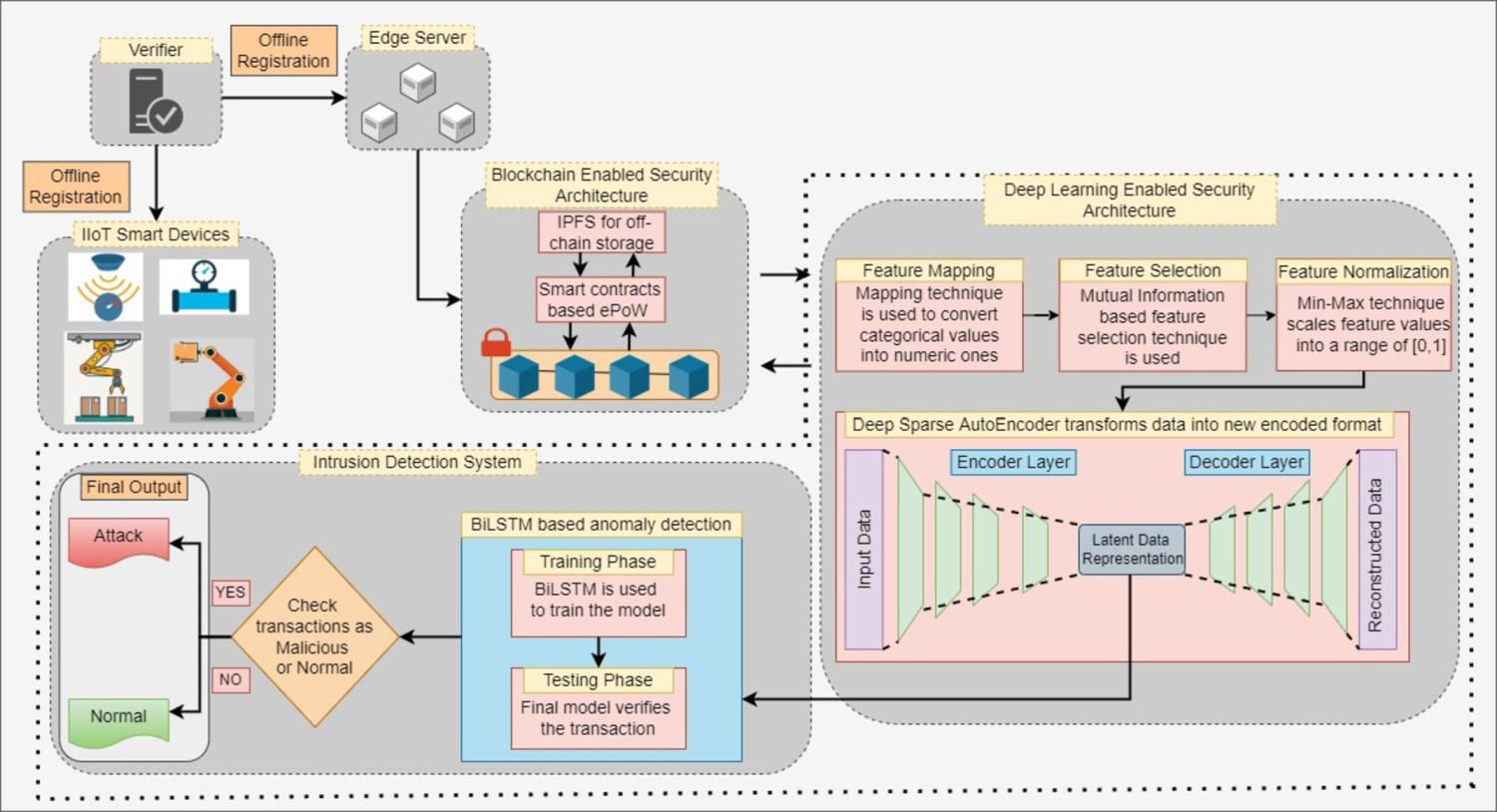
The Internet of Things (IoT) has revolutionized the traditional healthcare systems into intelligent system by allowing remote access and continuous monitoring of patient data. Specifically, first a novel scalable blockchain architecture is proposed to ensure data integrity and secure data transmission by leveraging Zero Knowledge Proof (ZKP) mechanism. Then, BDSDT integrates with the off-chain storage InterPlanetary File System (IPFS) to address difficulties with data storage costs and with an Ethereum smart contract to address data security issues.
Young adult hematopoietic cell transplantation (HCT) survivors have impaired health-related quality of life (HRQOL) compared with older adult survivors. Adolescents and YAs are at a developmental stage marked by rapid changes in cognitive, social, and emotional growth and historically have experienced a gap in services relating to their psychosocial needs. Findings confirm the hypothesis that self-efficacy would be pivotal to higher levels of mental function and lower distress.
Globally, about 18 million new cases of cancer are diagnosed each year1 and 450 million people (equally composed of both sexes) suffer from severe mental illnesses (SMI). A significant subgroup of patients with cancer and SMI are disadvantaged in terms of screening for distress and psycho-oncological care.
The largest US cancer health disparity exists in prostate cancer, with Black men having more than a two-fold increased risk of dying from prostate cancer compared to all other races. Studies on biology and access to healthcare similarly highlight the need for increased representation of men from underserved racial groups, particularly Black men, in translational and clinical research to fully comprehend and appreciate the tumour heterogeneity.
Background: Worldwide, approximately 24% of all adults smoke, but smoking is up to twice as prevalent in people with mental ill-health. There is growing evidence that smoking may be a causal risk factor in the development of mental illness, and that smoking cessation leads to improved mental health.
The results of this research suggest that social support and sleep quality are important factors mediating the relationship between sedentary behavior and negative emotions in adolescents during a COVID-19-related home confinement in Shenzhen.
This Article supports SDG 3 by estimating the impacts of the centralisation of specialist cancer services, focusing on travel time, equity of access, outcomes, and hospital workload. Using rectal cancer surgery centres as an example the authors found increases in travel times but reductions in readmission rates.
This Review supports SDG 3 by evaluating artificial intelligence algorithms for skin cancer detection in a primary care setting. The Review focuses on the accuracy of these algorithms and highlights several areas of concern in how they are assessed, proposing a checklist to help design, evaluate, and implement new algorithms.
The high rate of SARS-CoV-2 infection poses a serious threat to public health. Previous studies have suggested that SARS-CoV-2 can infect human ovary, the core organ of the female reproductive system. However, it remains unclear which type of ovarian cells are easily infected by SARS-CoV-2 and whether ovarian infectivity differs from puberty to menopause.
This chapter advances the UN SDG Goal 3: Good Health and Goal 10: Reduced Inequalities by providing an overview of current knowledge of racial/ethnic inequities in health with a focus on the United States and the potential contribution of psychosocial stressors to account for them.
This chapter advances the UN SDG Goal 3: Good Health and Goal 10: Reduced Inequalities by highlighting the disparities in access to and use of digital health which mirrors the disparities in diabetes prevalence and outcomes.
This chapter advances the UN SDG Goal 3: Good Health, Goal 5: Gender Equity, and Goal 10: Reduced Inequalities by highlighting social determinants like gender inequality, starvation, nonavailability of basic nutrients, etc. are described in detail, on the basis of social exclusion, disparity, aging issues, domestic violence, and health problem like obstetric and reproduction.
This chapter advances the UN SDG Goal 3: Good Health and Goal 10: Reduced Inequalities by hihglighting low to high technology options, telehealth platform training for support staff and providers, subsidized and improved budgets for telehealth, and improved reimbursement as vital steps to close the digital divide and improve health-care disparities.
This chapter advances the UN SDG Goal 3: Good Health and Goal 10: Reduced Inequalities by reviewing several patient, hospital, and community-based factors that promote racial and gender disparities in sepsis.
This chapter advances the UN SDG Goal 3: Good Health and Goal 10: Reduced Inequalities by examining the evidence that lower socioeconomic status is associated with both higher incidence of stroke and worse outcomes following stroke.
This chapter advances the UN SDG Goal 3: Good Health by covering the range of approaches to the control of tick and tick-borne diseases.
This chapter advances the UN SDG Goal 3: Good Health and Goal 10: Reduced Inequalities. It examines the globalization of health as there is increase focus on the international transfer of diseases and the imperative of cooperating to combat inequity under societal conditions that create the spread of diseases and their effects on individual nations and the global community.
This paper supports SDG 3 by highlighting that, in order to meet the needs of ageing populations, health systems need to improve health-care access and quality for working-age adults and older populations while continuing to realise gains among younger populations.
This paper supports SDG 3 by comprehensively analysing and providing insights on Indonesia's advance to universal health coverage and its ability to meet the UN Sustainable Development Goals by 2030, by strengthening programmes and policies aimed at reducing disparities across the country.
This Article supports SDG 3 by describing the barriers to multidisciplinary care for patients with breast cancer in Latin America, and suggesting that active involvement from all stakeholders is required to build solutions.
This paper supports SDG 3 by highlighting that considerable expansion of the world's health workforce is needed to achieve high levels of UHC effective coverage. The largest shortages are in low-income settings, highlighting the need for increased financing and coordination to train, employ, and retain human resources in the health sector.
This Viewpoint examines how excluding custodial settings in the calculation of the health service coverage index impedes progress towards SDG 3, and suggests that custodial settings should be included in order to reduce health inequalities.
This Article supports SDG 3 by assessing the association between people leaving state in the USA for an abortion and the availalble facilities and state legislation. THe findings showed that the proportion of people leaving the state varied widely by state, and that this was affected by state-level abortion policy and facility scarcity.
This Commission supports SDG 3 by calling on all countries to both invest more and invest better in primary health care by designing their health financing arrangements in ways that place people at the centre and by addressing inequities first.
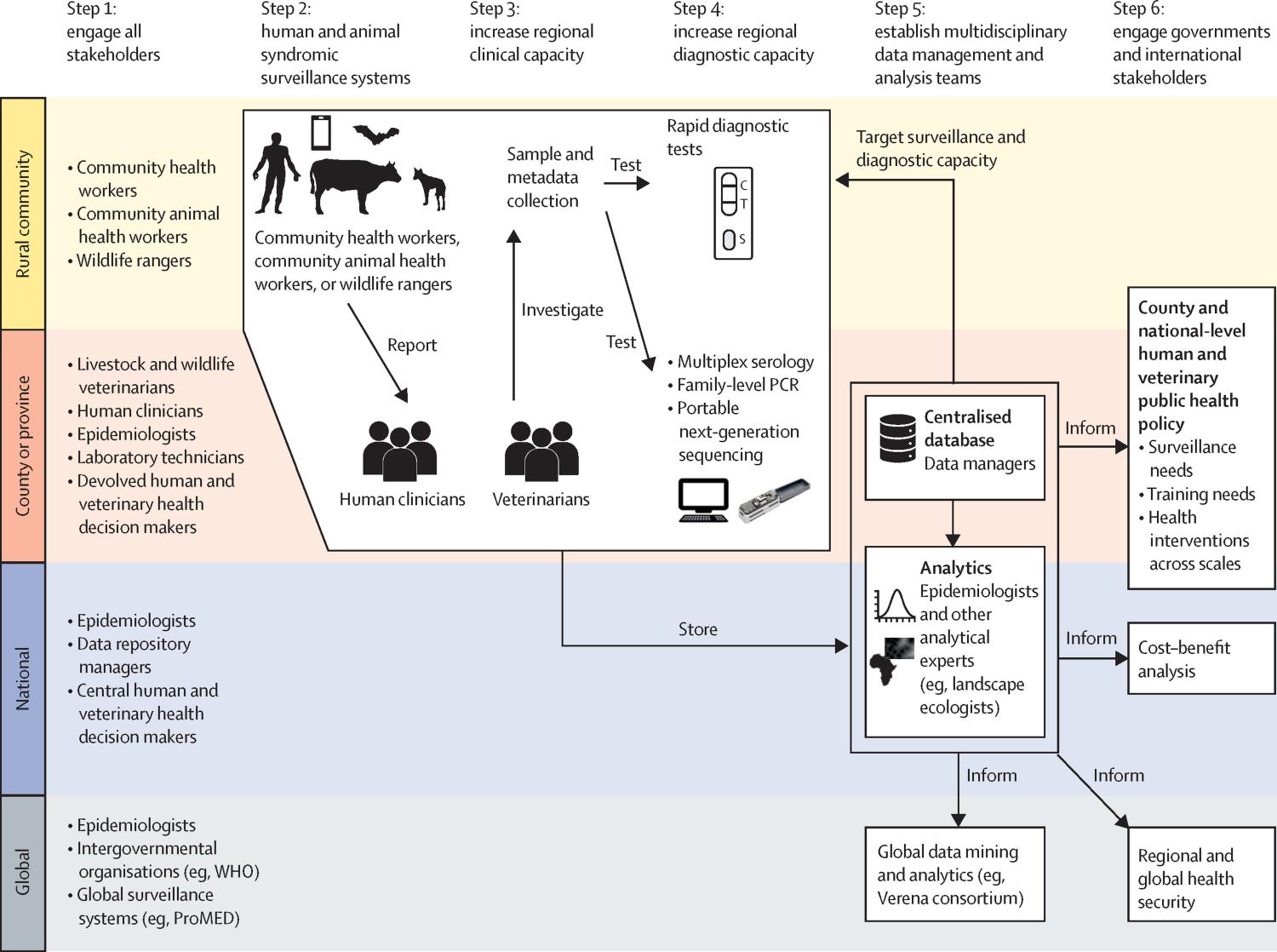
This Viewpoint supports SDG 3 by highlighting why investing in disease surveillance in remote rural areas of LMICs will benefit global communities, and using Kenya as an example, showing how such surveillance can be strengthened and integrated into existing systems while sustaining biodiversity.
This Viewpoint supports SDG 3 by describing how the Integrative Multicomponent Programme for Promoting South Asians’ Cancer Screening Uptake (IMPACT) project successfully increased cancer screening uptake for ethnic minorities in Hong Kong.
Background: Worldwide, approximately 24% of all adults smoke, but smoking is up to twice as prevalent in people with mental ill-health. There is growing evidence that smoking may be a causal risk factor in the development of mental illness, and that smoking cessation leads to improved mental health.
The results of this research suggest that social support and sleep quality are important factors mediating the relationship between sedentary behavior and negative emotions in adolescents during a COVID-19-related home confinement in Shenzhen.
This Article supports SDG 3 by estimating the impacts of the centralisation of specialist cancer services, focusing on travel time, equity of access, outcomes, and hospital workload. Using rectal cancer surgery centres as an example the authors found increases in travel times but reductions in readmission rates.
This Review supports SDG 3 by evaluating artificial intelligence algorithms for skin cancer detection in a primary care setting. The Review focuses on the accuracy of these algorithms and highlights several areas of concern in how they are assessed, proposing a checklist to help design, evaluate, and implement new algorithms.
The high rate of SARS-CoV-2 infection poses a serious threat to public health. Previous studies have suggested that SARS-CoV-2 can infect human ovary, the core organ of the female reproductive system. However, it remains unclear which type of ovarian cells are easily infected by SARS-CoV-2 and whether ovarian infectivity differs from puberty to menopause.
This article contributes to the debate around the use of participatory approaches by giving a tool (cameras) to the most marginalized to revitalize traditional foods (mostly nonmarket and even noncultivated) as a response to food insecurity and possibly malnutrition.
The authors of this paper found limited impacts of a 3 year nutrition BCC (Behavior Change Communication) intervention through agriculture-focused SHGs (Self-Help Groups) on nutrition outcomes and on intermediate pathway indicators expected to lead to those outcomes. Despite these limited impacts, much can be learned from the studied effort to improve women’s nutrition through SHGs.
This paper's findings highlight various facilitators and barriers that need to be given special attention during the design and implementation phases of PDH (Positive Deviance/Hearth) and PDH-IVC (Positive Deviance/Hearth-Interactive Voice Calling program). The mental health, time, and resource constraints of elderly caregivers should also be addressed for a context like Cambodia when implementing child-focused health and nutrition programs.
This study demonstrates that a multipronged SBCC (social and Behavior Change Communication) intervention can modify mothers’ complementary feeding practices, improve fathers’ and mothers’ knowledge of complementary feeding, and increase fathers’ support for complementary feeding, despite low levels of participant-reported exposure to some intervention components.
The findings in this paper suggest that both supply- and demand-side solutions are needed to improve HMG (health mothers’ group) performance and uptake in Nepal. These solutions need to include improving FCHV (female community health volunteer) skills and motivating them to provide high-quality HMG services, as well as encouraging family members to support women so that they have time to participate in the HMGs.
This paper concludes that effective local implementation of MSN (Multisectoral Nutrition) policy requires country-level commitment together with local leadership and capacity building, and community engagement to ensure efforts fit program contexts.
This study explores the pathways from a nutrition-sensitive agriculture intervention to improved diets of women and young children. It also tests theoretical agriculture-to-nutrition pathways by comparing the authors' documented pathways with the pathways from the widely used TANDI (Tackling the Agriculture–Nutrition Disconnect in India) framework.
The results from this study emphasize the role of targeted and integrated nutrition education approaches in improving OFSP (Orange-Fleshed Sweetpotato) consumption behavior; therefore, it is imperative to focus on increasing the rate of consumption of OFSP over time to ensure sustainable utilization of essential micronutrients.
This article contributes to the debate around the use of participatory approaches by giving a tool (cameras) to the most marginalized to revitalize traditional foods (mostly nonmarket and even noncultivated) as a response to food insecurity and possibly malnutrition.
2022,
100001,
ISSN 2475-2991
This editorial to the collection examines the construct of participation, how it is defined, measured, and integrated into all stages of nutrition research projects and programs and how it influences intervention outcomes.
The authors of this paper offer a simple framework to stimulate thought and commitment to research on participation in community-based nutrition interventions and concludes that nutrition across various sectors and contexts is key to accomplishing SDG goal 2.