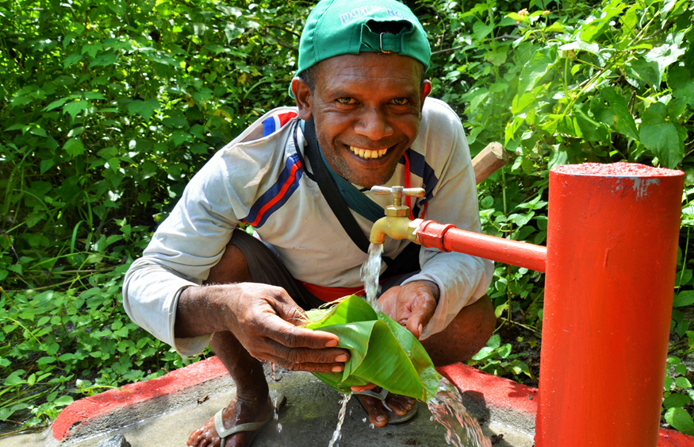
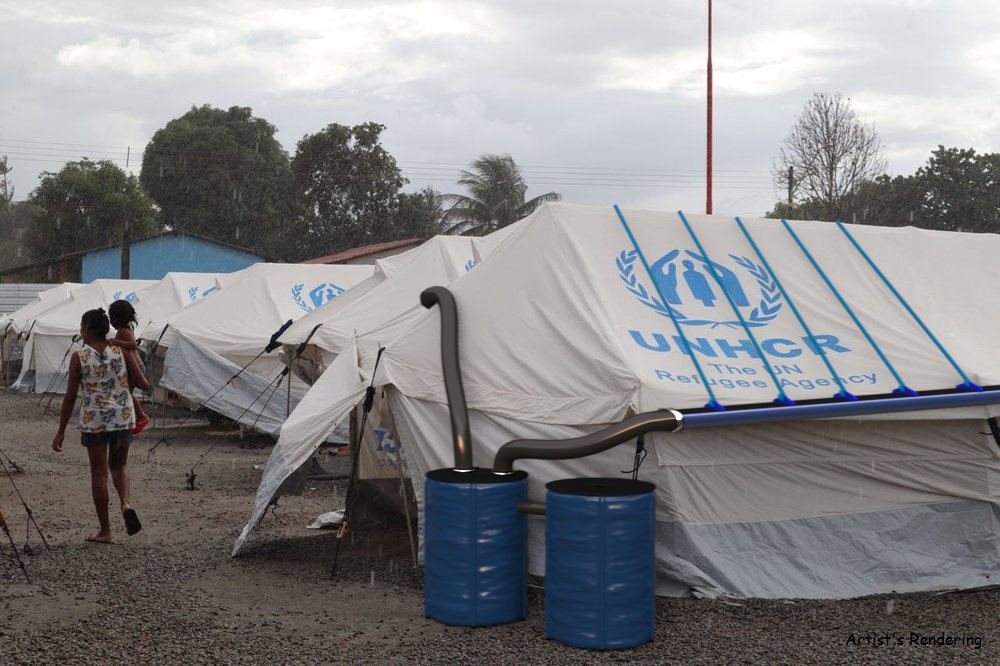
Rainwater harvesting, the practice of collecting and storing rain for later use, holds a strong correlation with several of the United Nations' Sustainable Development Goals (SDGs). Its most significant impact is on SDG 6 (Clean Water and Sanitation), where rainwater harvesting contributes to enhancing water security by providing an alternative, sustainable, and local source of freshwater. It mitigates the effects of water scarcity, particularly in regions facing water stress due to climate change or population growth. Further, it also aligns with SDG 11 (Sustainable Cities and Communities), where urban rainwater harvesting systems can alleviate pressure on municipal water supplies and reduce flood risks. In relation to SDG 13 (Climate Action), rainwater harvesting provides climate resilience by securing water resources under changing climate patterns. Additionally, with appropriate implementation, it can support SDG 15 (Life on Land) by reducing soil erosion and replenishing groundwater levels, contributing to ecosystem health. Thus, rainwater harvesting offers a cross-cutting and valuable strategy in the pursuit of sustainable development.