eBioMedicine, Volume 93, July 2023
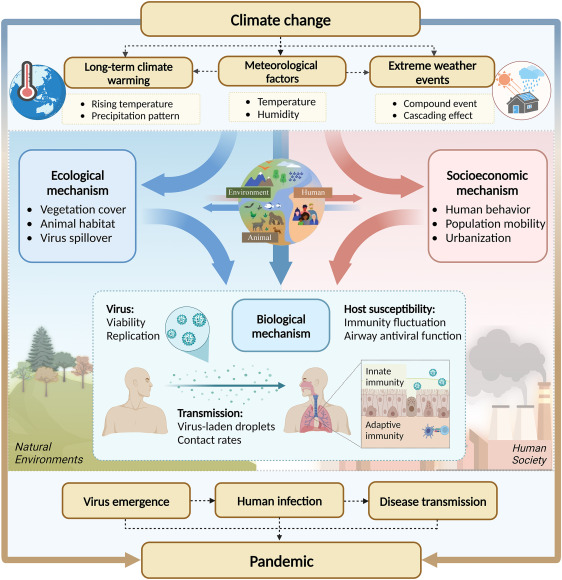
This Review supports SDGs 3 and 13 by synthesizing the recent evidence on whether and how climate change, manifested in meteorological fluctuations, extreme weather events, and long-term global warming, influences the epidemic dynamics of viral respiratory infections, including spatiotemporal distribution of seasonal epidemic, disease outbreaks, and pandemics.
Elsevier,
The Lancet Regional Health - Western Pacific, Volume 36, July 2023
This Article supports SDGs 3 and 13 by comprehensively assessing the future out-of-hospital cardiac arrest morbidity burden related to non-optimal temperatures, heatwaves, and cold spells in Northern China under different climate change scenarios.
The Lancet Global Health, Volume 11, July 2023
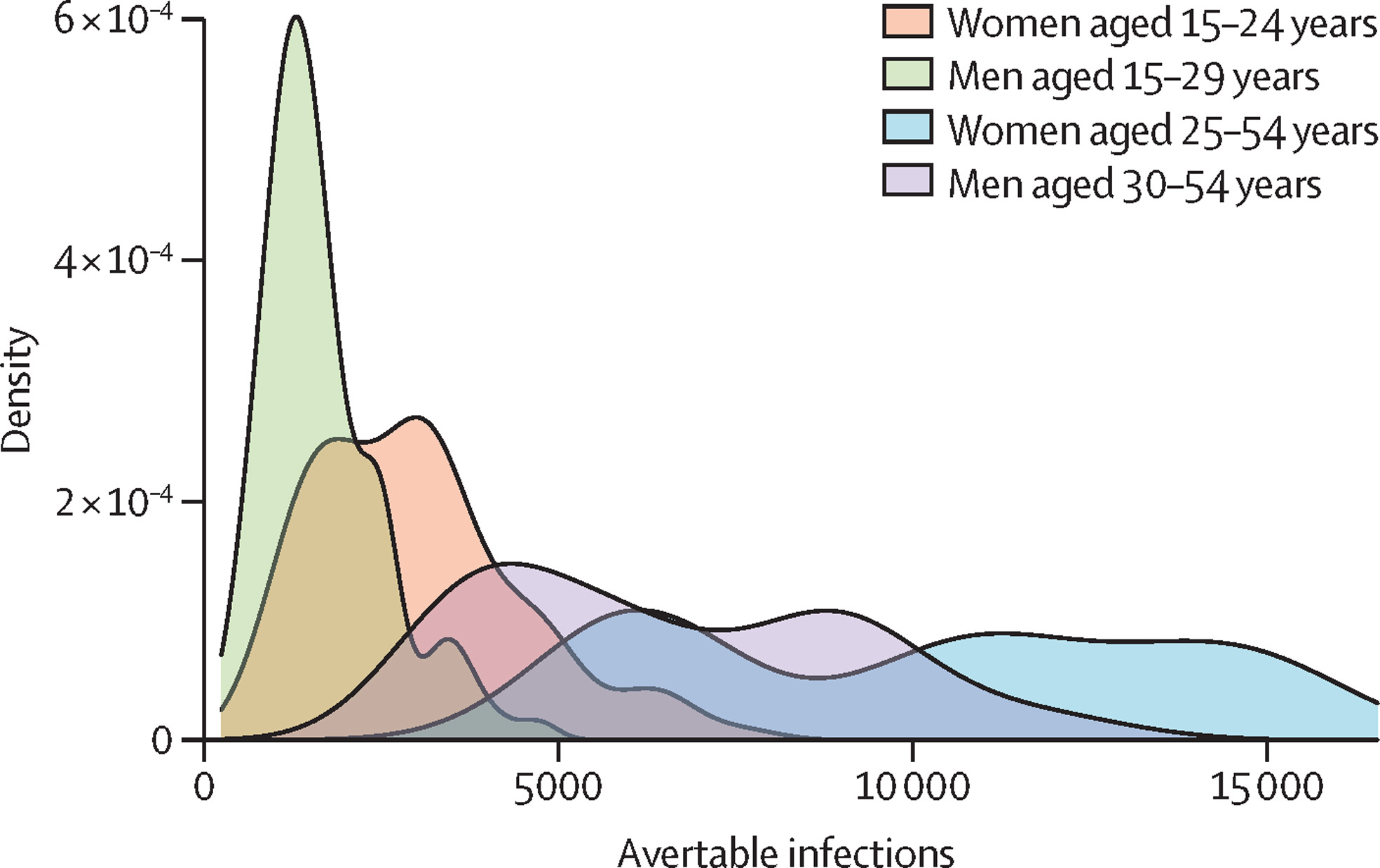
This Article supports SDG 3 by seeking to understand barriers to uptake of HIV-preventive measures, by using a mathematical model simulating the HIV prevention cascade and HIV transmission. The study provides insights into the degree to which these barriers impede effectiveness of these measures and the degree to which they could be mitigated by interventions.
Elsevier,
The Lancet Global Health, Volume 11, July 2023
This Viewpoint supports SDG 3 by discussing how HIV services and primary health care services can be integrated in order to improve HIV outcomes over standalone, siloed HIV care. The reports discusses existing models of integration and the various elements of successful integration.