Elsevier,
The Lancet Public Health, Volume 8, September 2023
This Article supports SDG 3 by showing that there is a high burden of hepatitis B and C infection and related liver diseases in Europe, suggesting the need for increased investment in prevention, detection, and treatment strategies is needed to bring Europe closer to the goal of elimination by 2030.
Elsevier,
The Lancet Global Health, Volume 11, September 2023
This study supports SDG 3 by showing that although people living with HIV in South Africa predominantly have a well controlled condition, there is a high burden of unmet health needs for people living with hypertension and diabetes.
Elsevier,
Geriatric Nursing, Volume 53, 1 September 2023
This article underscores the need to screen early for balance issues and fall risk in patients with Alzheimer's, as these patients are more prone to falls. The end goal is to promote earlier screening so as to better improve their quality of life.
Elsevier,
eClinicalMedicine, Volume 63, September 2023
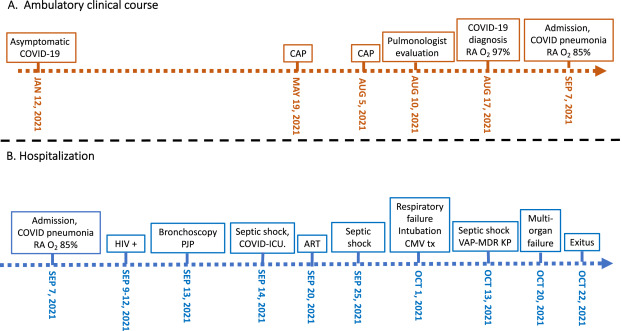
SDG 3.3 is to end the AIDs epidemic, this study shows that of 793,902 people with HIV in Kenya included in the study >25% had low level viraemia, which is associate with a higher risk of virological failure. By defining virological supression as <50 copies/mL earleir interventions could be implmented, such as the use of dolutegravir, which could lead to epidemic control
Elsevier,
Comparative Biochemistry and Physiology Part - C: Toxicology and Pharmacology, Volume 271, September 2023
OKA is a potent neurotoxin and has a profound effect on cognitive dysfunction in Zebrafish. 4D and 10D OKA treated zebrafish show significant changes in gene expressions related to neuroinflammation. OKA exposed zebrafish display a substantial number of proteins that are involved in contributing to AD pathology. OKA-induced AD in zebrafish model can be used as a screening tool to explore further underlying possible mechanisms.
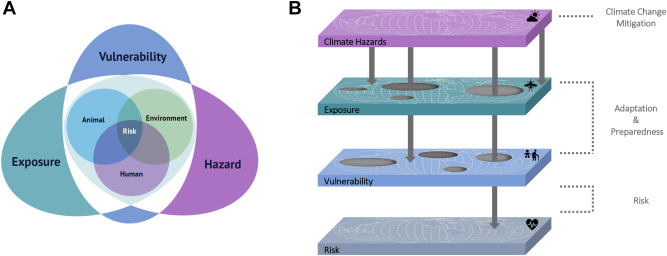
Climate change is one of several drivers of recurrent outbreaks and geographical range expansion of infectious diseases in Europe. We propose a framework for the co-production of policy-relevant indicators and decision-support tools that track past, present, and future climate-induced disease risks across hazard, exposure, and vulnerability domains at the animal, human, and environmental interface.
Elsevier,
iScience, Volume 26, 15 September 2023
This research studied different heating systems in China and Europe. The sensitivity analysis found that electrifying heating systems with heat pumps can reduce household heating costs and mitigate European cities’ dependence on natural gas, providing policy recommendations on future building cost-effective retrofits and heating electrification in Europe.