Elsevier,

Remington and Klein's Infectious Diseases of the Fetus and Newborn Infant (Ninth Edition), 2025, Pages 728-744.e4

This content aligns with Goal 3: Good Health. Public health programs at the governmental level are in need for prevention of the maternal-fetal transmission of these viruses and access to available antiviral therapies.

This chapter aligns with UN SDG goals 3 and 4 by advancing education on the relationship of the microbiota, food and health
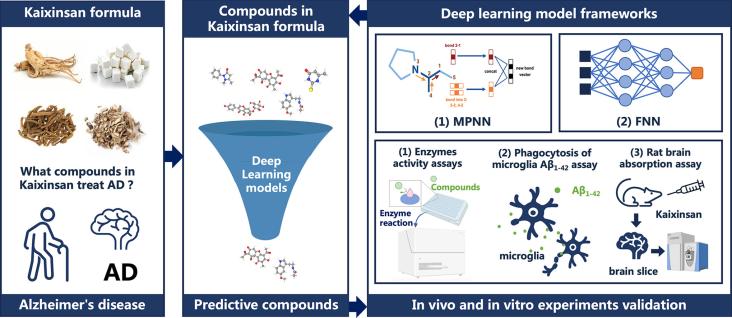
This study developed four deep learning models to identify potential Alzheimer's disease treatments from traditional Chinese medicine, specifically the Kaixinsan formula. The models successfully predicted compounds that showed significant anti-Alzheimer's activities in various experimental validations.

This article supports SDG 3 by showing that using an interactive mHealth application can reduce dementia risk factors in populations who are underserved and at increased risk.
This article looks at complications that arise from combinations of Alzheimers and osteoporosis in mouse models
This investigation aimed to understand preclinical biomarker and genetic Alzheimer’s disease research participation in underrepresented groups to facilitate greater diversity in future biomarker research and clinical trials.
This study reveals that Dl-3-n-butylphthalide (NBP) improves learning deficits and reduces Aβ plaque deposition in Alzheimer's disease (AD) transgenic mice by enhancing microglial activation and phagocytosis of Aβ plaques. The therapeutic effects of NBP are linked to the AGE-RAGE signaling pathway, demonstrating its potential in alleviating cognitive impairment and neuroinflammation in AD.
Neurological disorders affect approximately one billion people worldwide, with significant disability and mortality impacts, and this review explores how Heparan sulfate proteoglycans (HSPGs) promote Tau fibril formation and tangles in Alzheimer's disease, and the potential role of tunnelling nanotubes (TNTs) in the intercellular transport of Tau and Amyloid β proteins, suggesting that HSPGs may influence TNT formation in neurodegenerative conditions.
This study presents an optimized method for isolating specific neuronal and glial cell populations and extracellular vesicles (EVs) from postmortem Alzheimer's disease (AD) cortical samples, demonstrating the feasibility of using a single cryopreserved brain sample to obtain RNA-seq and protein-level data, thereby enhancing understanding of neuron/glial interactions and disease progression.
This study finds that impaired cellular immune dysfunction in AD patients was significantly correlated with abnormal MRS, and neuroimmune dysfunction may contribute to the pathogenesis of AD and alter the metabolism of neurotransmitters such as aspartic acid and MI in the brains of AD patients.

Pages