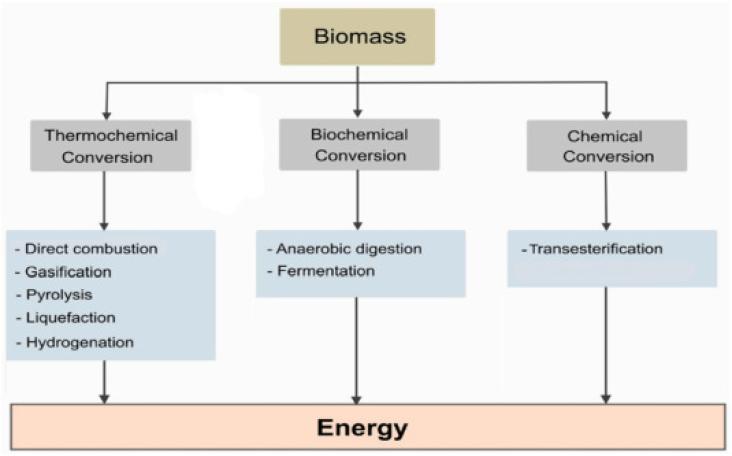
Elsevier, Energy Nexus, Volume 9, March 2023, 100180
Reducing emissions and improving environmental conditions are now a global priority for promoting sustainable growth and preventing the adverse consequences of global warming and climate change.
This article, written by ICIS, a RELX business, explores how chemicals and energy sectors, both of which are largely fossil fuel dependent, are navigating sustainability and the movement towards net zero. This article relates to SDG 7, Affordable and Clean Energy.
This chapter advances UN SDG goals 7 and 13 by examining large-scale infrastructure and the associated safety hazards of emerging hydrogen technologies as a replacement for fossil fuels in the global energy and transport industries.
This chapter advances UN SDG goals 7 and 13 by critically evaluating the current status of waste-to-energy (WtE) processes to determine how best to move forward from a few successful WtE demonstrations to commercial-scale processes.
Elsevier, Measurement: Sensors, Volume 25, February 2023
An investigation supporting SDGs 7 and 13, based in Ghana, into the possibility of using slaughterhouse wastes as a source of renewable energy through biogas technology. The researchers concluded that 'Ghana generates significant amount of slaughterhouse waste each year that can be processed using AD [anaerobic digestion] for energy and electricity production to supplement the country's electricity needs, while reducing GHG emissions'.
Elsevier, Technology in Society, Volume 72, February 2023
We observe the link between Artificial Intelligence (AI) and Sustainable Development Goals (SDGs). We use automated methodologies to find insights and overlaps between AI and the SDGs. AI-Ethics frameworks need to give more attention to Society and Environment areas. Inclusive action is needed to balance the efforts for solving SDGs by using AI.SDGs 13, 14, and 15 (all related to the Environment area) are not sufficiently addressed.
ICIS, a RELX business, argues that because of unpredictable weather and environmental conditions, industry cannot run alone on electricity. Hydrogen could answer these problems and more, as it offers all the benefits of natural gas, like flexible power generation and ease of storage, but when burned it emits zero carbon. This article relates to SDG 7, Affordable and Clean Energy.
This article, related to SDG 7, Affordable and Clean Energy, analyses the factors influencing the global energy transition, it's impact on trading markets and business, and the new energy sources that we are transitioning into.
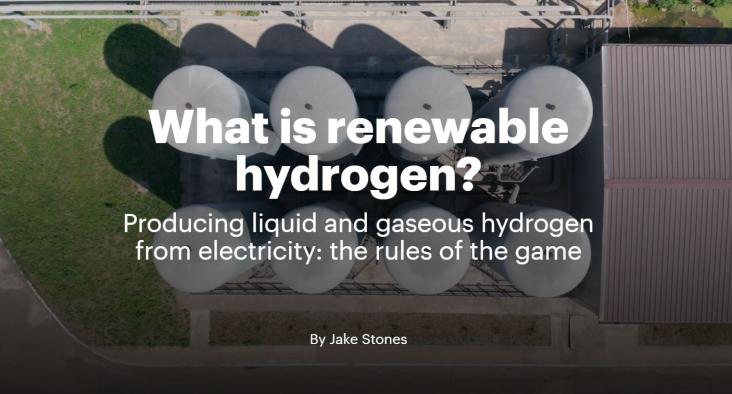
What is renewable hydrogen and could it help lead the way towards reaching SDG 7, affordable and clean energy? ICIS, a RELX business, dives into the background and implications of the Delegated Act (DA), which outlines the minimum shares of renewable energy in the transport sector and sets out the conditions a hydrogen producer would need to meet in order for their hydrogen to be consider renewable (green) hydrogen.
Elsevier, Advances in Applied Energy, Volume 9, February 2023
This Article supports SDG7 and 13 by proposing a new model to identify the most critical features of energy storage system technologies to enhance renewable energy integration and achieve New York State's climate goals from 2025 to 2040.