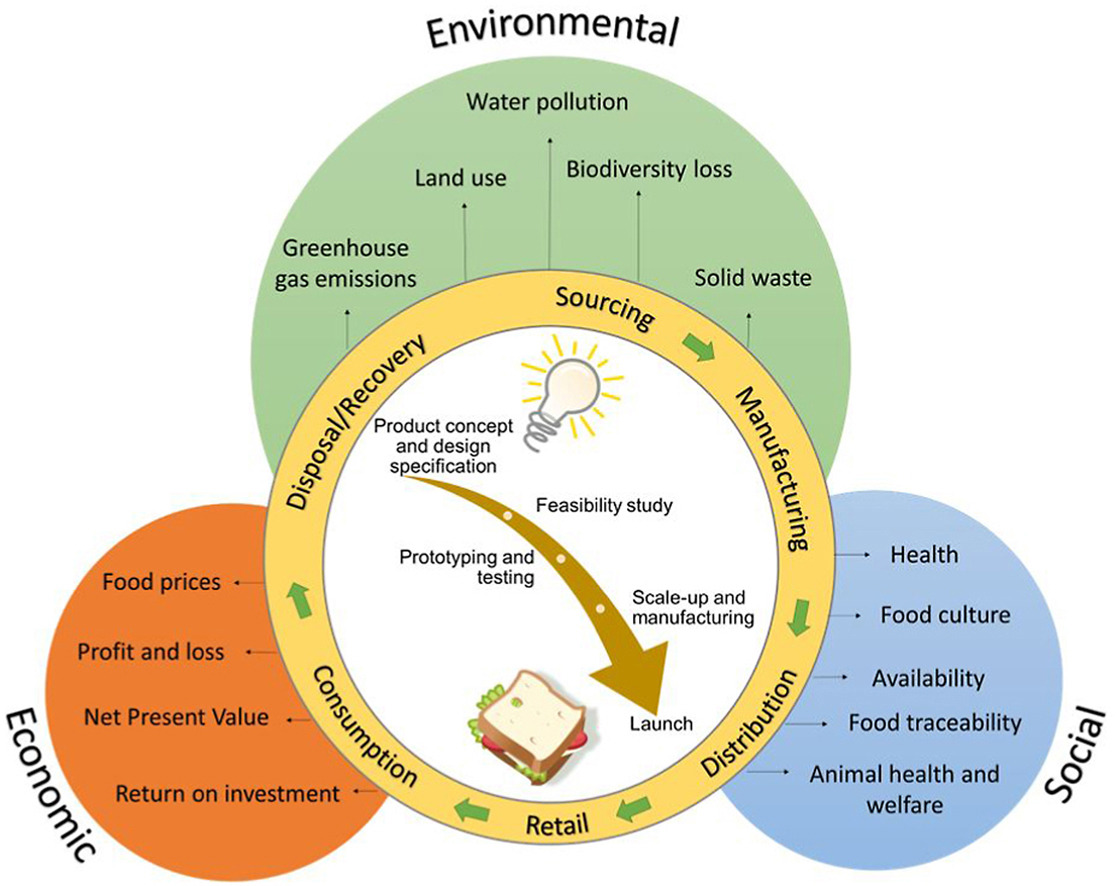
The food industry is responsible for significant impacts on the environment, such as climate change, water depletion and land use. Although these environmental impacts, along with socio-economic ramifications, are generally difficult to monitor and control, there is a significant interest from the food industry to assess the sustainability of their activities and wider supply chains. However, new food products are being continuously designed and manufactured, for instance complex foods made with a number of ingredients such as sandwiches, prepared salads and ready meals.
Your search request returned 8466 results.
Elsevier, China Economic Review, Volume 65, February 2021
Mitigating global warming is the responsibility of all countries. Moreso, the role of forests in sequestrating carbon is very crucial. Most environmental organizations are active in protecting the environment according to their objectives. This paper investigates the relationship between institutional freedom and forest carbon sinks by using a panel threshold model with 139 countries to verify the U-shaped relationship between forest carbon sinks and economic development. The U-shaped curve between forest carbon sinks and economic development is the same as the environmental Kuznets curve.
Elsevier, Trends in Food Science and Technology, Volume 107, January 2021
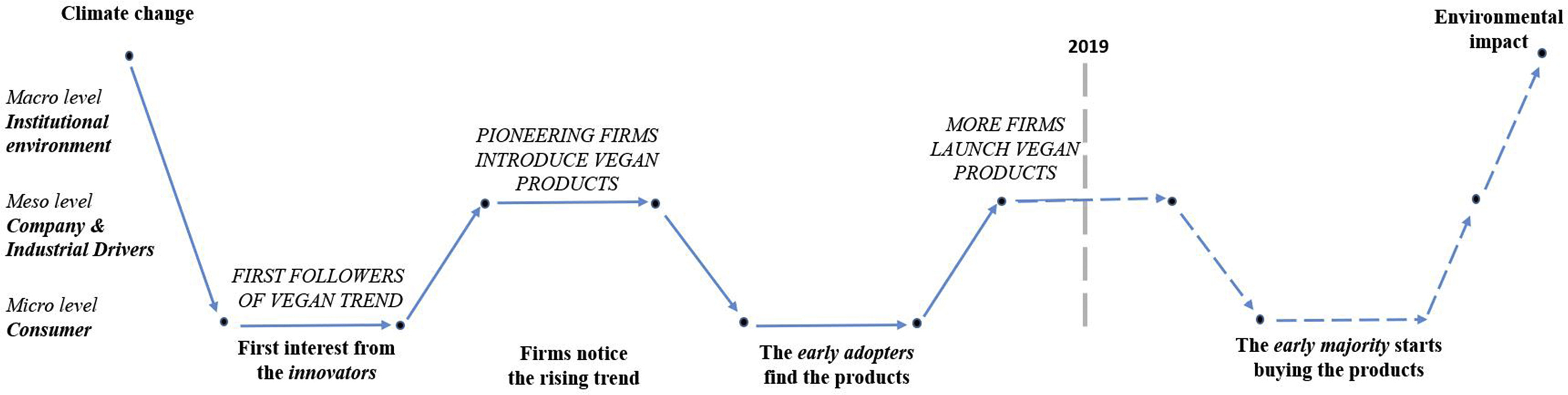
Background: Today's meat and dairy industry has a vast environmental footprint. To reach the UN sustainable development goals (SDGs) of ending hunger globally (SDG #2) and achieving sustainable consumption and production (SDG #12), this food production system needs to change. Recent years have seen the rise in popularity of the vegan or plant-based diet among consumers, which can go some way to reducing the environmental burden.
Elsevier, International Journal of Gastronomy and Food Science, Volume 22, December 2020
When studying perceptions of eating insects among new consumer groups, the focus is often on factors that make people avoid novel foods. In order to switch perspective and broaden the understanding of drivers for choosing insects as food, this pilot study aimed to explore the reasons for eating insects among Swedish adults with an interest in entomophagy. Data were collected via a questionnaire combined with workshop discussions.

Elsevier, Molecular and Cellular Endocrinology, Volume 518, 1 December 2020
Agricultural pesticides represent a significant class of endocrine-disrupting chemicals (EDCs) to which non-target organisms around the world are constantly exposed. Laboratory studies have found strong evidence showing the endocrine-disruptive potential of these pesticides at environmentally relevant exposure levels. Since the field of endocrine disruption continues to grow in richness and complexity, this review aims to provide an update on the effects of two agricultural pesticides that act as EDCs: atrazine and endosulfan.
Elsevier, Scientific African, Volume 7, March 2020
Increased demand for food to feed the ever-growing population led to development and adoption of synthetic chemicals as a quick and effective strategy of managing crop pests and diseases. However, overreliance on synthetic pesticides is discouraged due to their detrimental effects on human health, the environment, and development of resistant pest and pathogen strains. This, coupled with increasing demand for organically produced foods, stimulated search for alternative approaches and botanical pesticides are particularly gaining importance.
Elsevier, She Ji, Volume 5, Spring 2019
There is a metabolic rift running through our economy and culture, and it is distracting our attention from care for the biosphere. To heal this rift, the diverse groups of people that make up humankind need a shared purpose that everyone can relate to and support. A strong candidate for that shared purpose is care for the bioregion—bioregioning—as an activity that creates value.
Elsevier, Resources Policy, Volume 74, December 2021
With the rapid development of China's economy, it has become crucial to achieve the right balance between economic development and environmental protection. Green growth is a significant approach to addressing the relationship between economic development and the environment. Low-carbon development and ecological protection are two essential aspects of green development, and they tremendously impact enterprises' resource-based supply chain. Hence, this paper seeks to explore the revenue distribution mechanism of the resource-based supply chain in the context of green development.
Elsevier, Journal of Comparative Economics, Volume 45, 1 February 2017
This paper provides a systematic study of the location choice of new polluting firms driven by the 11th Five-Year Plan's water pollution reduction mandates in China. We explore a unique dataset of environmental statistics, which contains 31380 polluting manufacturing firms newly established in the period 2006–2010.
Elsevier, International Economics, Volume 134, August 2013
The economic crises seems blinding the governments and major economic actors toward environmental troubles. Nevertheless, the impacts of population growth and economic expansion have now the potential to disrupt important regulatory functions of global ecological systems. Green growth involves transforming the production and consumption processes in order to maintain or restore these regulatory functions of the planet's natural capital. It requires that environmental facto rs be treated as an essential factor of production and not merely an externality.