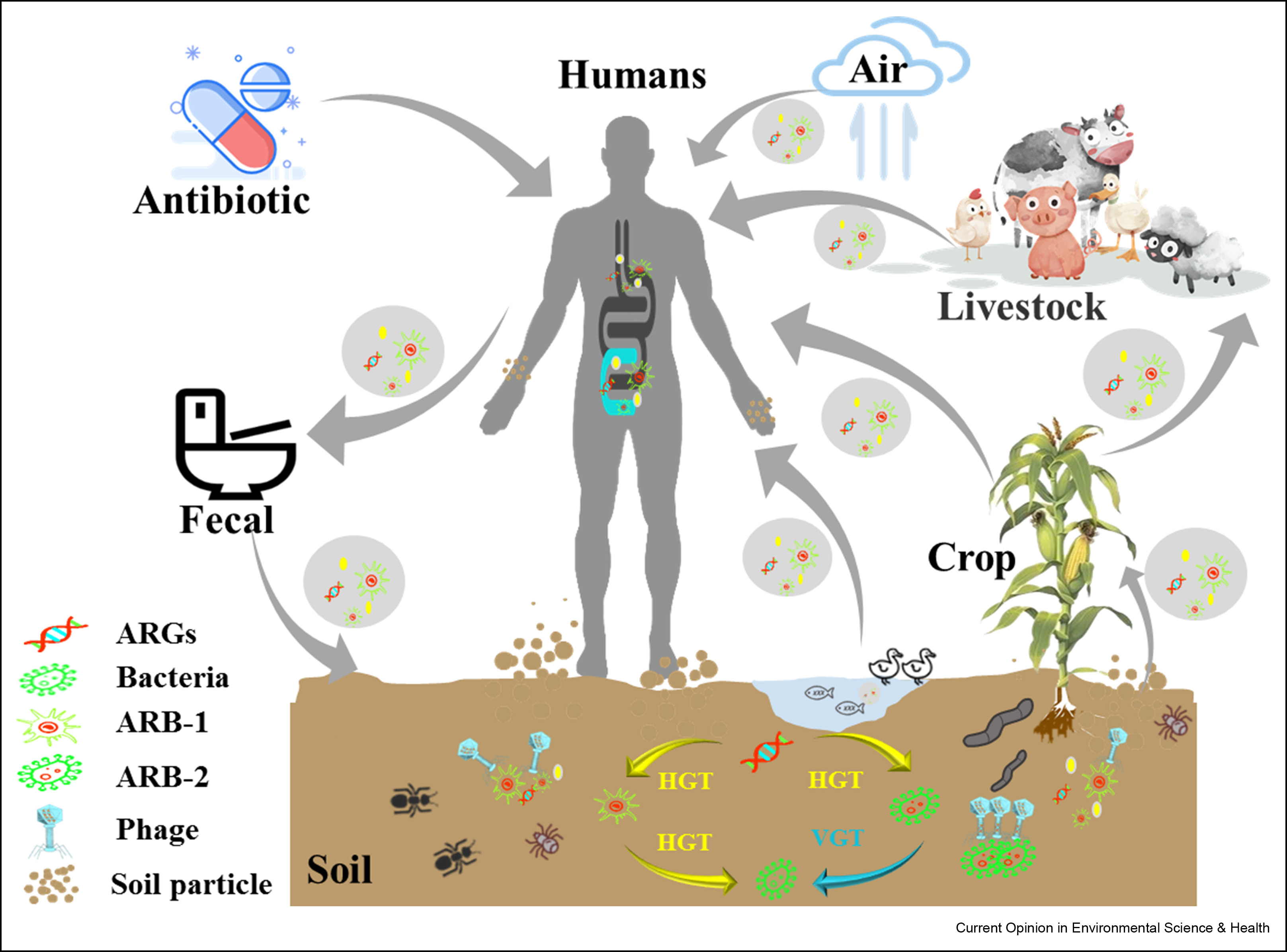
Rapid emergence of antibiotic resistance genes (ARGs) is a global problem. Soil is a major reservoir of ARGs. The extensive use and/or abuse of antibiotics has increased ARGs proliferation in the soil. The dynamics and transfer of ARGs amongst microorganisms associated with plants and fauna are being investigated. Exogenous coselective agents further exacerbate the problem.
Your search request returned 8466 results.
Elsevier, iScience, Volume 24, 19 March 2021
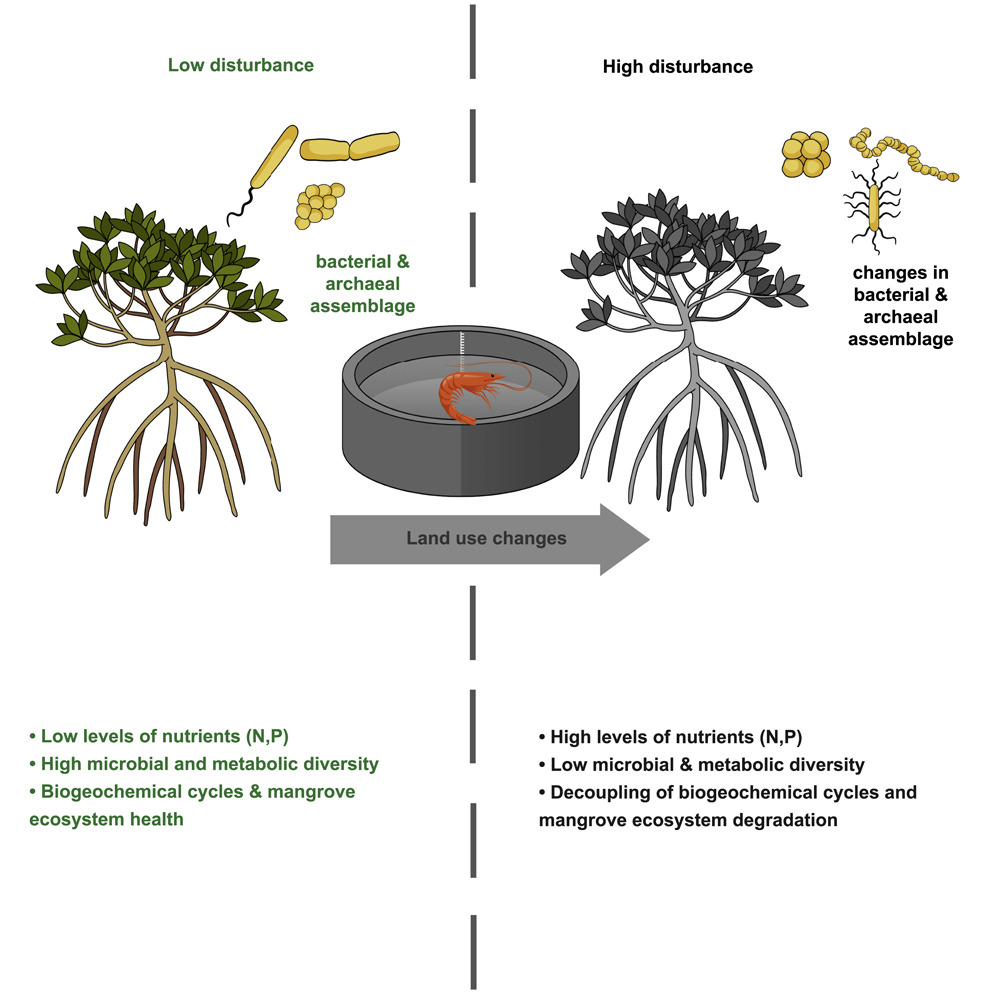
Mangrove-dominated estuaries host a diverse microbial assemblage that facilitates nutrient and carbon conversions and could play a vital role in maintaining ecosystem health. In this study, we used 16S rRNA gene analysis, metabolic inference, nutrient concentrations, and δ13C and δ15N isotopes to evaluate the impact of land use change on near-shore biogeochemical cycles and microbial community structures within mangrove-dominated estuaries.
Elsevier, iScience, Volume 24, 19 March 2021
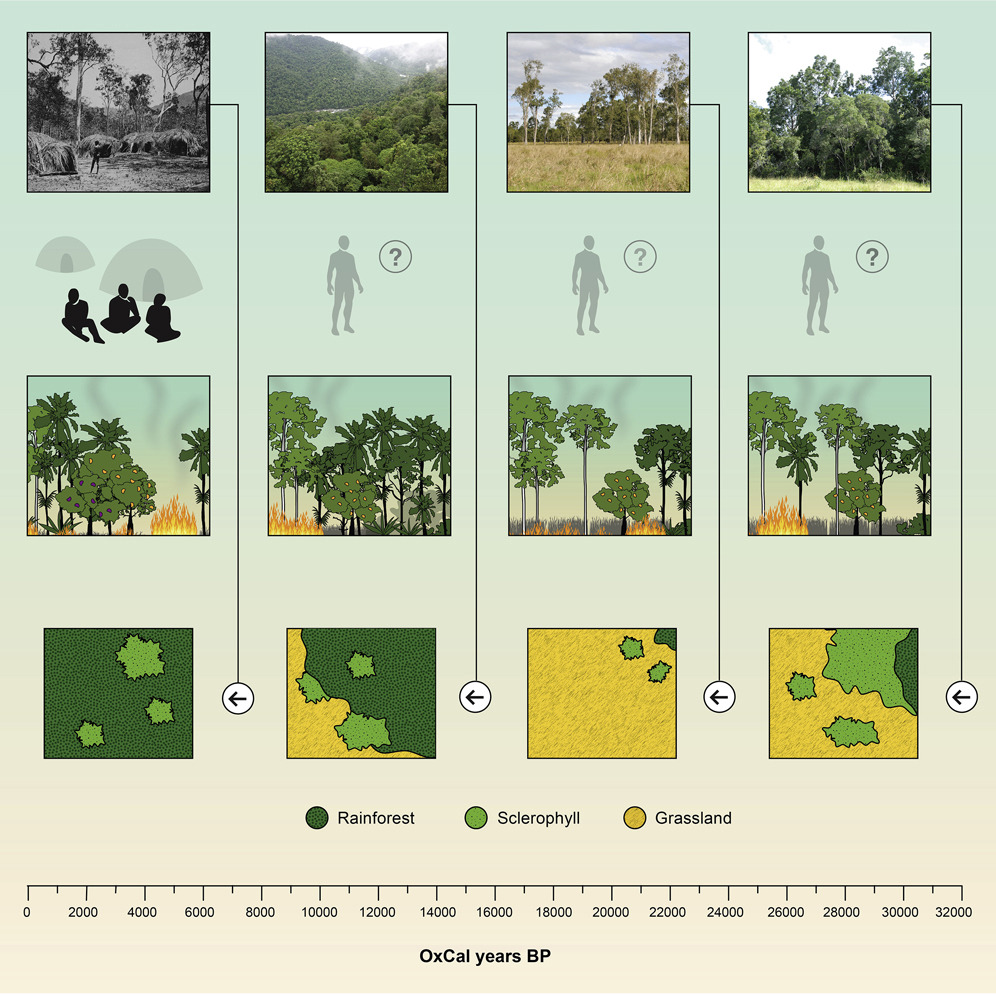
In this article, we seek to draw upon a variety of multidisciplinary datasets that are yet to be compiled in a peer-reviewed publication, to support growing movements looking to re-cast the forests of the Wet Tropics as cultural landscapes as well as purely “primitive” Gondwanan remnants.

Elsevier, iScience, Volume 24, 19 March 2021
Proximity and size of the nearest market (‘market gravity’) have been shown to have strong negative effects on coral reef fish communities that can be mitigated by the establishment of closed areas. However, moray eels are functionally unique predators that are generally not subject to targeted fishing and should therefore not directly be affected by these factors. We used baited remote underwater video systems to investigate associations between morays and anthropogenic, habitat, and ecological factors in the Caribbean region.
Elsevier, iScience, Volume 24, 19 March 2021
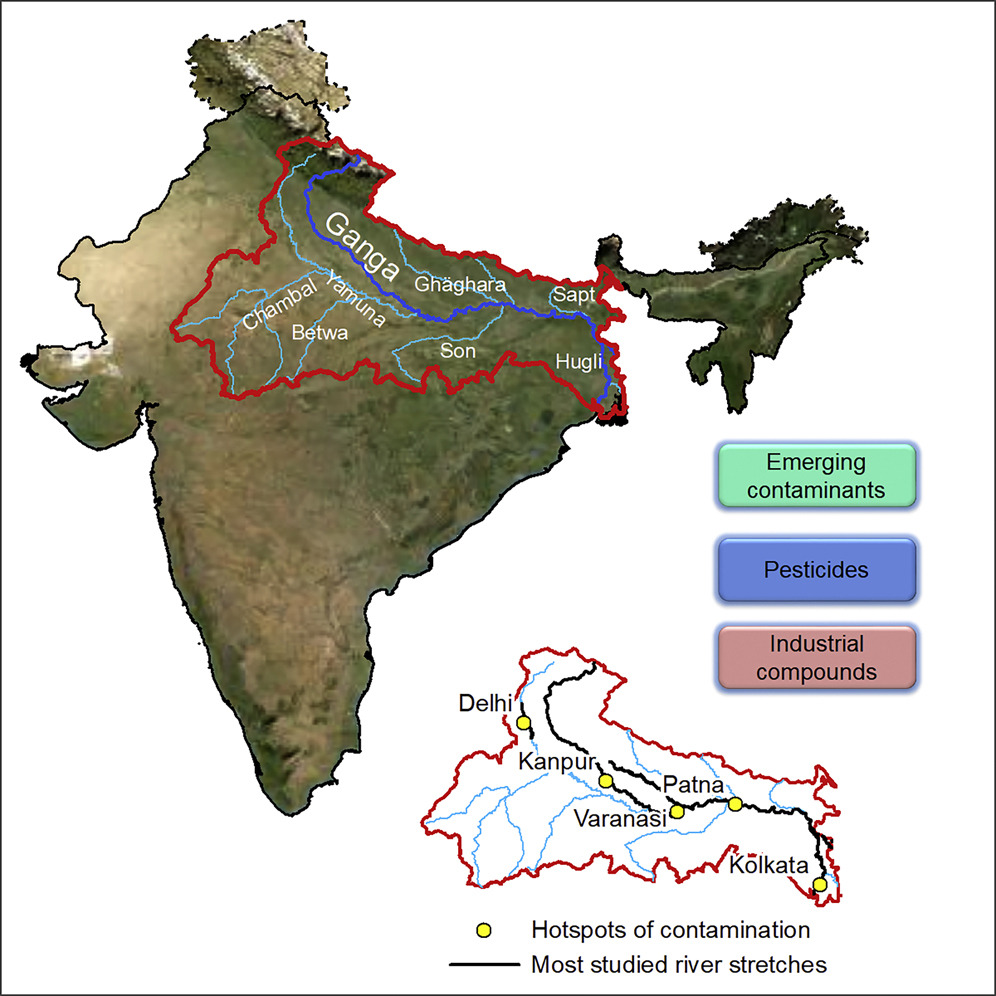
The Ganga basin includes some of the most densely populated areas in the world, in a region characterized by extremely high demographic and economic growth rates. Although anthropogenic pressure in this area is increasing, the pollution status of the Ganga is still poorly studied and understood. In the light of this, we have carried out a systematic literature review of the sources, levels and spatiotemporal distribution of organic pollutants in surface water and sediment of the Ganga basin, including for the first time emerging contaminants (ECs).

Elsevier, Geography and Sustainability, Volume 2, March 2021
The COVID-19 pandemic has stalled and rolled back progress on Sustainable Development Goals (SDGs). Ecosystem services (ESs), defined as the contributions of ecosystems to human well-being, underpin the achievement of SDGs. To promote SDG achievement in post-pandemic era, we teased out the links between ESs and SDGs while examining the impact of COVID-19. We found that ESs benefited all SDGs, yet man-made pressures led to degradation of ecosystems and their services. There is broad consensus that the virus lurks in degraded ecosystems and generates spillover due to human interference.

Elsevier, Geography and Sustainability, Volume 1, December 2020
The Baltic Sea is essential for marine ecosystem services (MES) provision and the region's socio-economic dynamics. It is considered one of the busiest and most polluted regional seas in Europe. In recent years a collective effort in enforcing European and regional environmental policies and directives (e.g. Water Framework Directive 2000/60/EC, 2000; Marine Strategy Framework Directive 2008/56/EC, 2008; Maritime Spatial Planning Directive 2014/89/EU, 2014) has been carried out. Ecosystem Services assessment and mapping is integrated into these directives.
Elsevier, Current Opinion in Environmental Science and Health, Volume 17, October 2020
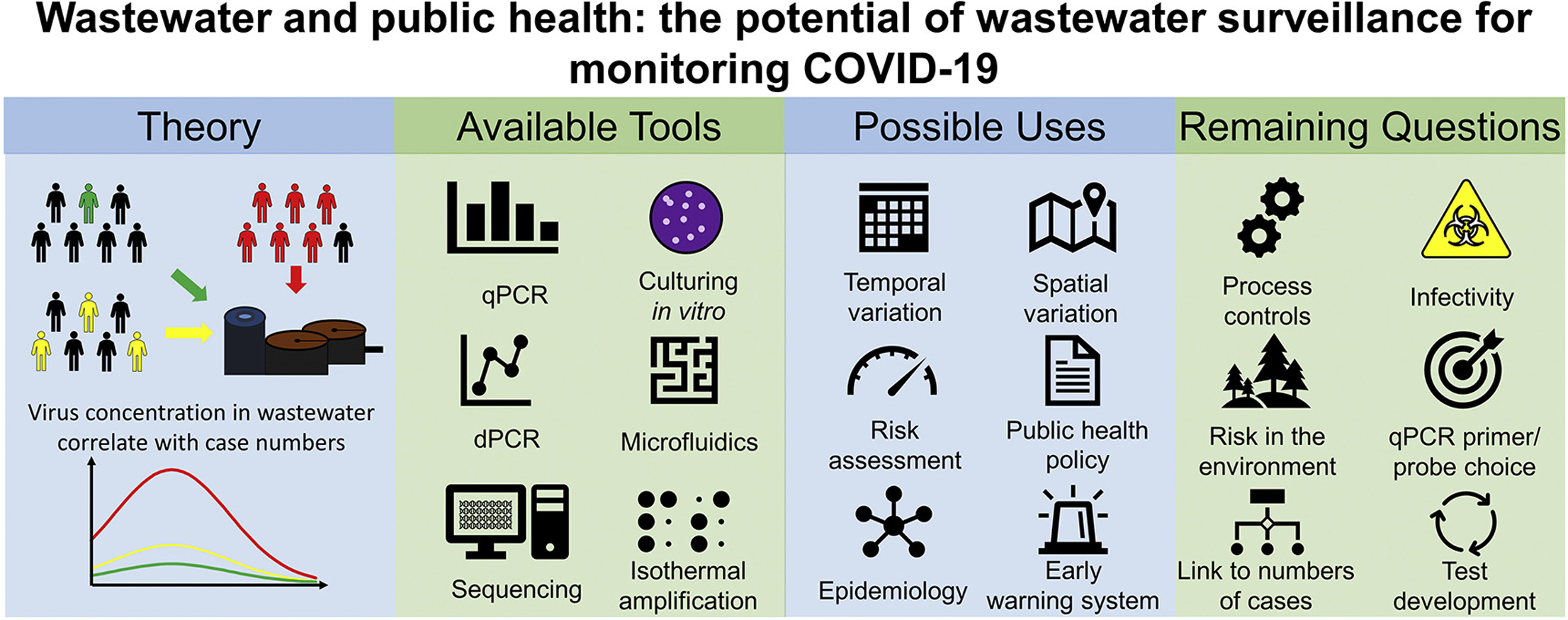
Pathogenic viruses represent one of the greatest threats to human well-being. As evidenced by the COVID-19 global pandemic, however, halting the spread of highly contagious diseases is notoriously difficult. Successful control strategies therefore have to rely on effective surveillance. Here, we describe how monitoring wastewater from urban areas can be used to detect the arrival and subsequent decline of pathogens, such as SARS-CoV-2.
Elsevier, iScience, Volume 23, 26 June 2020
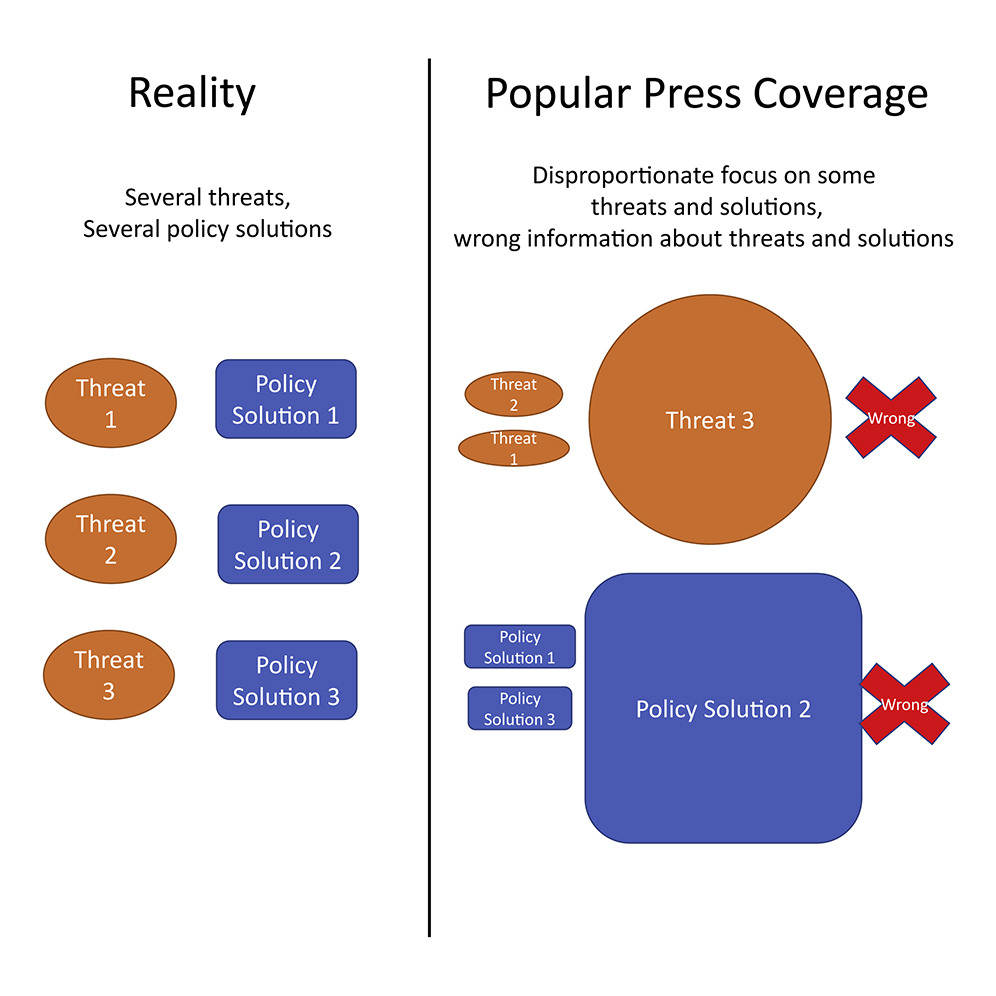
Sharks are a taxon of significant conservation concern and associated public interest. The scientific community largely supports management policies focusing on sustainable fisheries exploitation of sharks, but many concerned members of the public and some environmental advocates believe that sustainable shark fisheries cannot and do not exist and therefore support total bans on all shark fisheries and/or trade in shark products.
Elsevier, Geography and Sustainability, Volume 1, March 2020
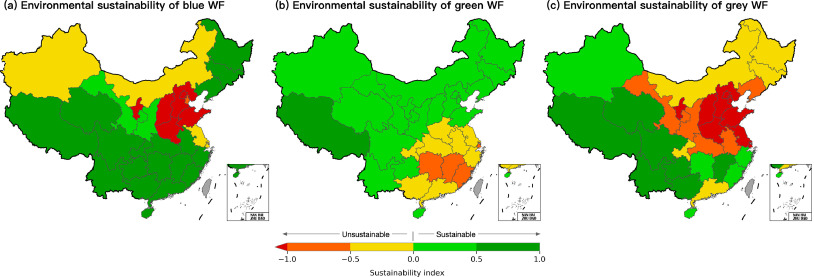
Water footprint (WF) measures human appropriation of water resources for consumptive use of surface and ground water (blue WF) and soil water (green WF) and for assimilating polluted water (grey WF). Questions have been often asked about the exact meaning behind the numbers from WF accounting. However, to date environmental sustainability of WF has never been assessed at the sub-national level over time. This study evaluated the environmental sustainability of blue, green and grey WF for China's 31 mainland provinces in 2002, 2007 and 2012, and identified the unsustainable hotspots.