
Advancing SDG 6, the RELX Environmental Challenge awards innovative projects that provide sustainable access to safe water or sanitation, with a first prize of $50,000 and a second prize of $25,000.

On April 22nd 1970, 20 million Americans took to the streets, parks and auditoriums to demonstrate for a healthy, sustainable environment in massive coast-to-coast rallies. Spearhead by Senator Nelson, after witnessing the ravages of the 1969 Santa Barbara oil spill, the first Earth Day protests forced environmental protection onto the national political agenda and led to the creation of the United States Environmental Protection Agency and the passing of key environmental legislation.
Today, Earth Day is widely recognised as the largest secular observance in the world, marked by more than a billion people every year as a day of action to change human behaviour and provoke policy changes. Now, the fight for a clean environment continues with increasing urgency, as the devastating effects of climate change become more and more apparent every day.
To mark Earth Day 2021, Elsevier presents a curated list of free access journal articles and book chapters in support of this year's theme - Restore our Earth.
Elsevier, Trends in Food Science and Technology, Volume 111, May 2021
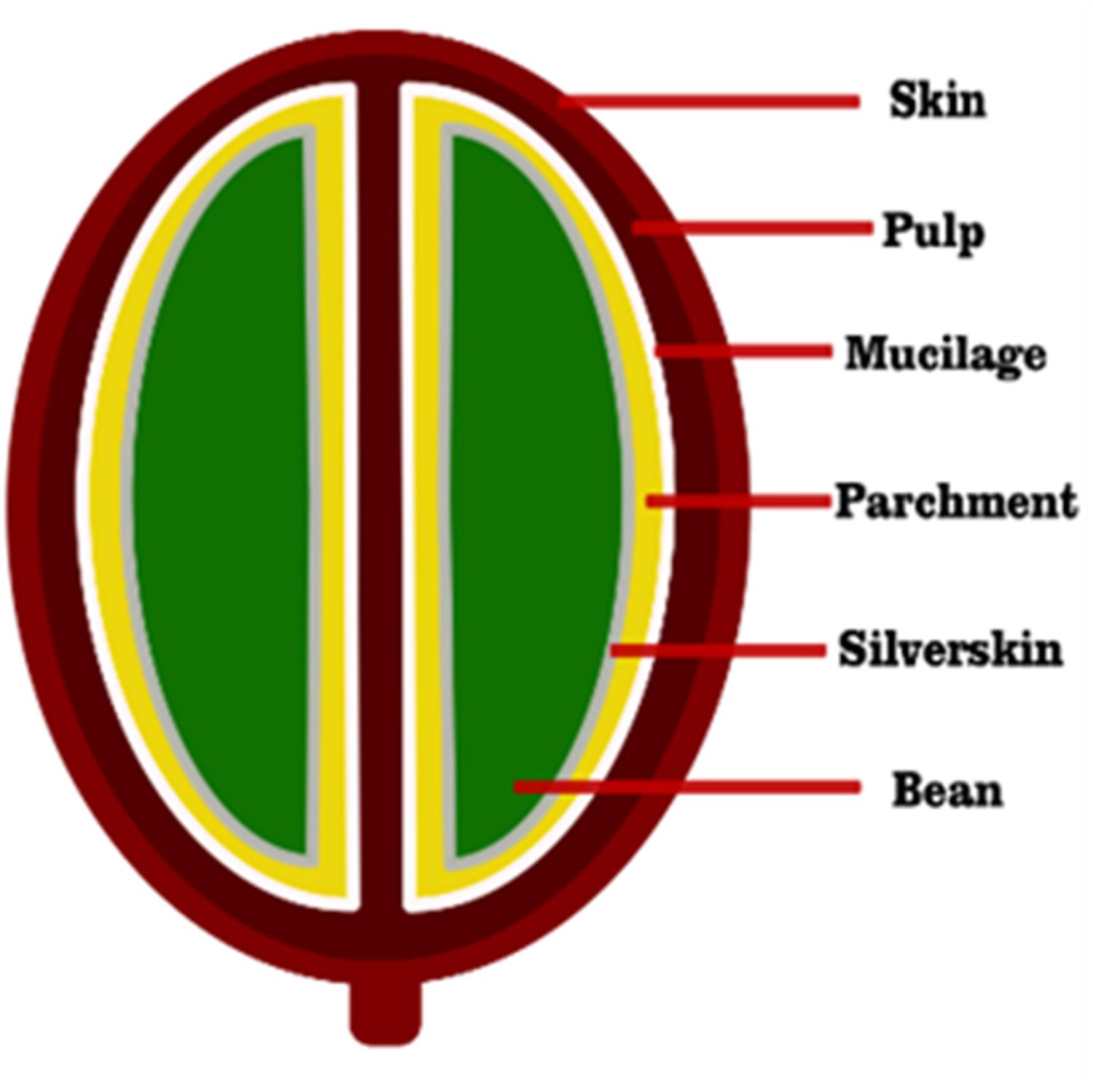
Background: Coffee is of the most traded commodities in the world and its market has grown regularly over the last 150 years. During production and processing of coffee beans many by-products are generated such as skin, pulp, mucilage, parchment, silverskin, and immature /defective coffee beans. Around 50% of coffee fruit is discard and can contaminate the environment. Scope and approach: The purpose of this review is to raise potential applications for coffee by-products in topical formulations. Besides, to present the main bioactive compounds responsible for their biological activity.
Elsevier, Transportation Research Part D: Transport and Environment, Volume 93, April 2021
An improved understanding of public support is essential to design effective and feasible climate policies for aviation. Our motivation is the contrast between high support for air travel restrictions responding to the COVID-19 pandemic and low support for restrictions to combat climate change. Can the same factors explain individuals’ support for restrictive measures across two different problems? Using a survey, we find that largely the same factors explain support.
Elsevier, Trends in Food Science and Technology, Volume 110, April 2021
Background: In 2020, human society underwent several drastic changes due to the coronavirus disease 2019 (COVID-19) pandemic, which generated an unprecedented global impact. Since the onset of the COVID-19 pandemic, various pressing concerns underlying food security, such as transport, production, and maintenance of the supply chain, have been raised.
Elsevier, Heliyon, Volume 7, March 2021
Global warming has been affecting animal husbandry and farming production worldwide via changes in organisms and their habitats. In the tropics, these conditions are adverse for agriculture and animal production in some areas, due to high temperatures and relative humidity, affecting competitiveness related to economic activities. These environments have deteriorated livestock production, due to periods of drought, reduction in forage quality and heat stress, eliciting negative effects on reproduction, weight gain, and reduced meat and milk production.
Elsevier, Global Environmental Change, Volume 67, March 2021
Our carbon-intensive economy has led to an average temperature rise of 1 °C since pre-industrial times. As a consequence, the world has seen increasing droughts, significant shrinking of the polar ice caps, and steady sea-level rise. To stall these issues’ worsening further, we must limit global warming to 1.5 °C. In addition to the economy's decarbonization, this endeavour requires the use of negative-emissions technologies (NETs) that remove the main greenhouse gas, carbon dioxide, from the atmosphere.
Elsevier, Heliyon, Volume 7, March 2021
The National Biogas Policy of Ethiopia introduces plans for the implementation of biogas technologies in rural areas. However, rural households' decision to adopt biogas energy technology has been influenced by different socio-economic and institutional factors. This research was therefore undertaken to determine the actual energy consumption status and factors impacting the adoption of biogas technology by rural households in northwestern Ethiopia. Primary data from 182 randomly chosen households and 15 key informants were obtained.
Elsevier, Heliyon, Volume 7, March 2021
Food insecurity caused by climate change has become one of the main issues on the global agenda. Worldwide, the importance of digital tools as a means to enhance adaptive capacity and resilience of smallholder farmers (SHFs) in the face of climate variability has long been recognised. Technology-based systems in agriculture frequently neglect to consider the actual context of use and adoption by SHFs in rural and developing contexts.
Elsevier, Trends in Food Science and Technology, Volume 106, December 2020
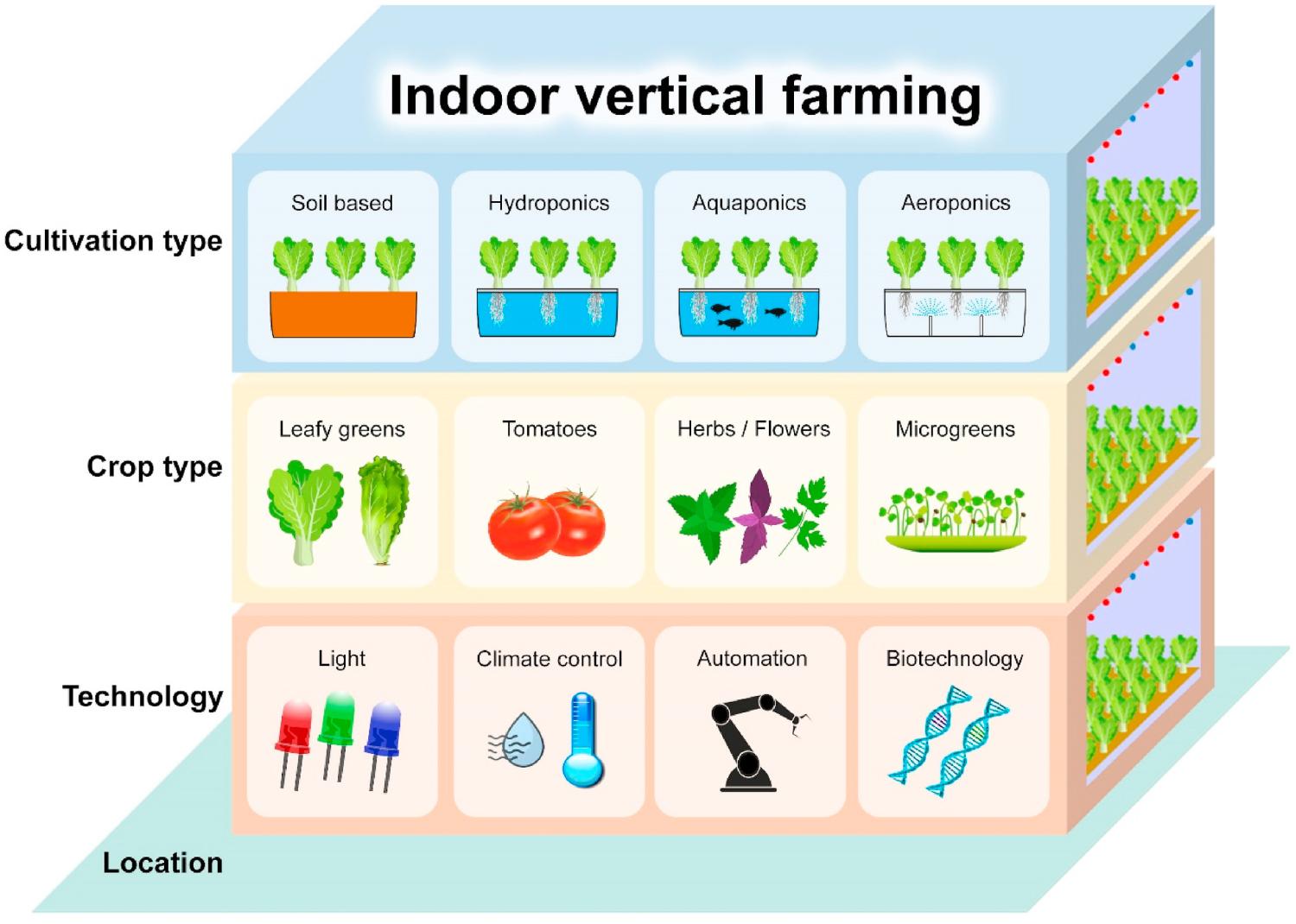
Background: Agricultural production in controlled indoor farming offers a reliable alternative to food and nutrition supply for densely populated cities and contributes to addressing the impending food insecurity. Leafy vegetables, rich in vitamins, minerals, fibres and antioxidants, account for over half of the indoor farming operations worldwide. Light is the foremost environmental factor for plant growth and development, and the success of indoor farming largely depends on lighting qualities.
Elsevier, Heliyon, Volume 7, March 2021
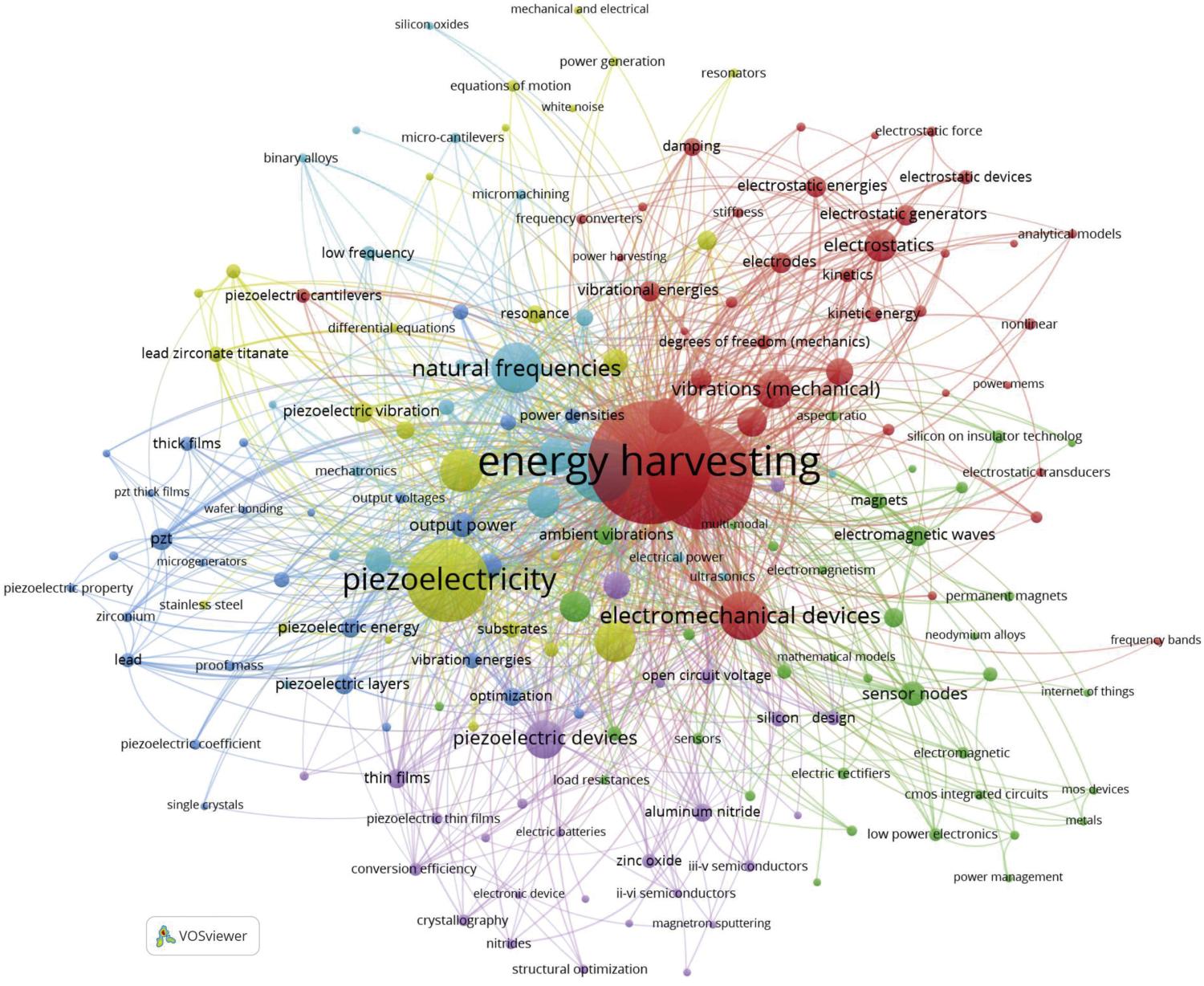
Micro Electro Mechanical System (MEMS) energy harvester's research interests have been increasing rapidly, indicating that the topic has given significant contributions to the sustainable development of energy alternatives. Although many research activities have been conducted and reported since several years ago, only limited efforts have been made to analyze the research's impact in this area. In this paper, we report a bibliometric analysis on the research progress in MEMS for energy harvester.
Elsevier, One Earth, Volume 2, 19 June 2020
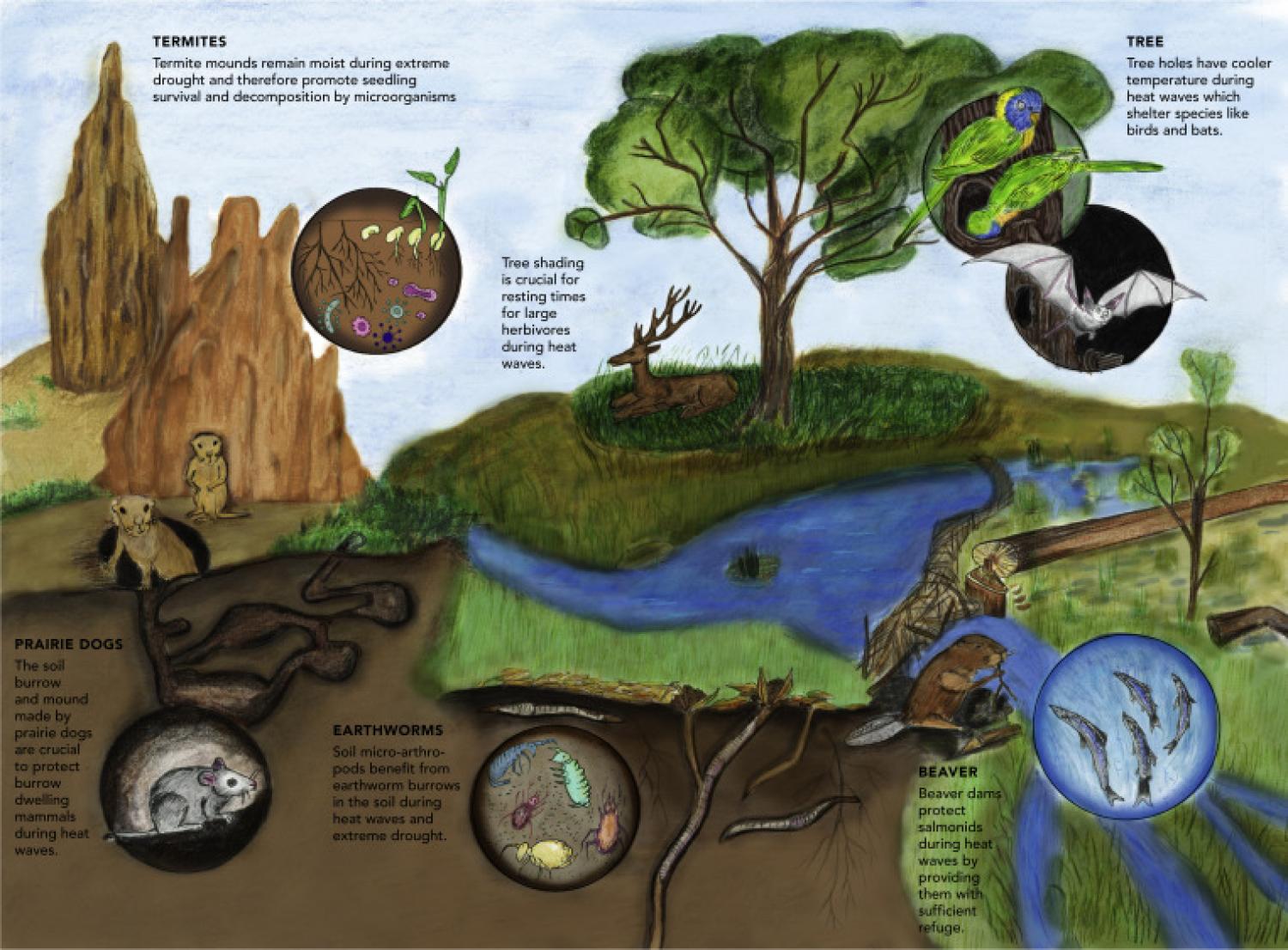
Climate extremes are expected to become more commonplace and more severe, putting species and ecosystems at unprecedented risks. We recommend that rewilding programs can create conditions for ecosystems to endure and recover rapidly from climate extremes by incorporating ecosystem engineers of various body sizes and life forms.

Elsevier, Carbohydrate Polymers, Volume 254, 15 February 2021
This short communication describes the climate change impacts of using cellulose, and more precisely cellulosic fiber-based materials, in food packaging, representing current and emerging industrial state of the art technology, without specific reference to current scientific advances. First, the different types of cellulosic fiber-based packaging materials, which can be used to replace fossil-based packaging materials, are presented for flexible and rigid applications.
Elsevier, One Earth, Volume 4, 22 January 2021
The upcoming Convention on Biological Diversity (CBD) meeting, and adoption of the new Global Biodiversity Framework, represent an opportunity to transform humanity's relationship with nature. Restoring nature while meeting human needs requires a bold vision, including mainstreaming biodiversity conservation in society. We present a framework that could support this: the Mitigation and Conservation Hierarchy.
Elsevier, Agriculture, Ecosystems and Environment, Volume 305, 1 January 2021
Critical knowledge gaps about environmental fate and unintentional effects of currently used pesticides (CUPs) hamper the understanding and mitigation of their global impacts on ecological processes. We investigated the exposure of earthworms to 31 multiclass CUPs in an arable landscape in France. We highlighted the presence of at least one pesticide in all soils (n = 180) and 92 % of earthworms (n = 155) both in treated crops and nontreated habitats (hedgerows, grasslands, and cereals under organic farming).
Elsevier, One Earth, Volume 3, 18 December 2020
Earth's ecosystems, upon which all life depends, are in a severe state of degradation. The upcoming UN Decade of Ecosystem Restoration aims to “prevent, halt and reverse the degradation of ecosystems on every continent and in every ocean.” These Voices articulate why and what action is urgently needed.
Elsevier, One Earth, Volume 3, 18 December 2020
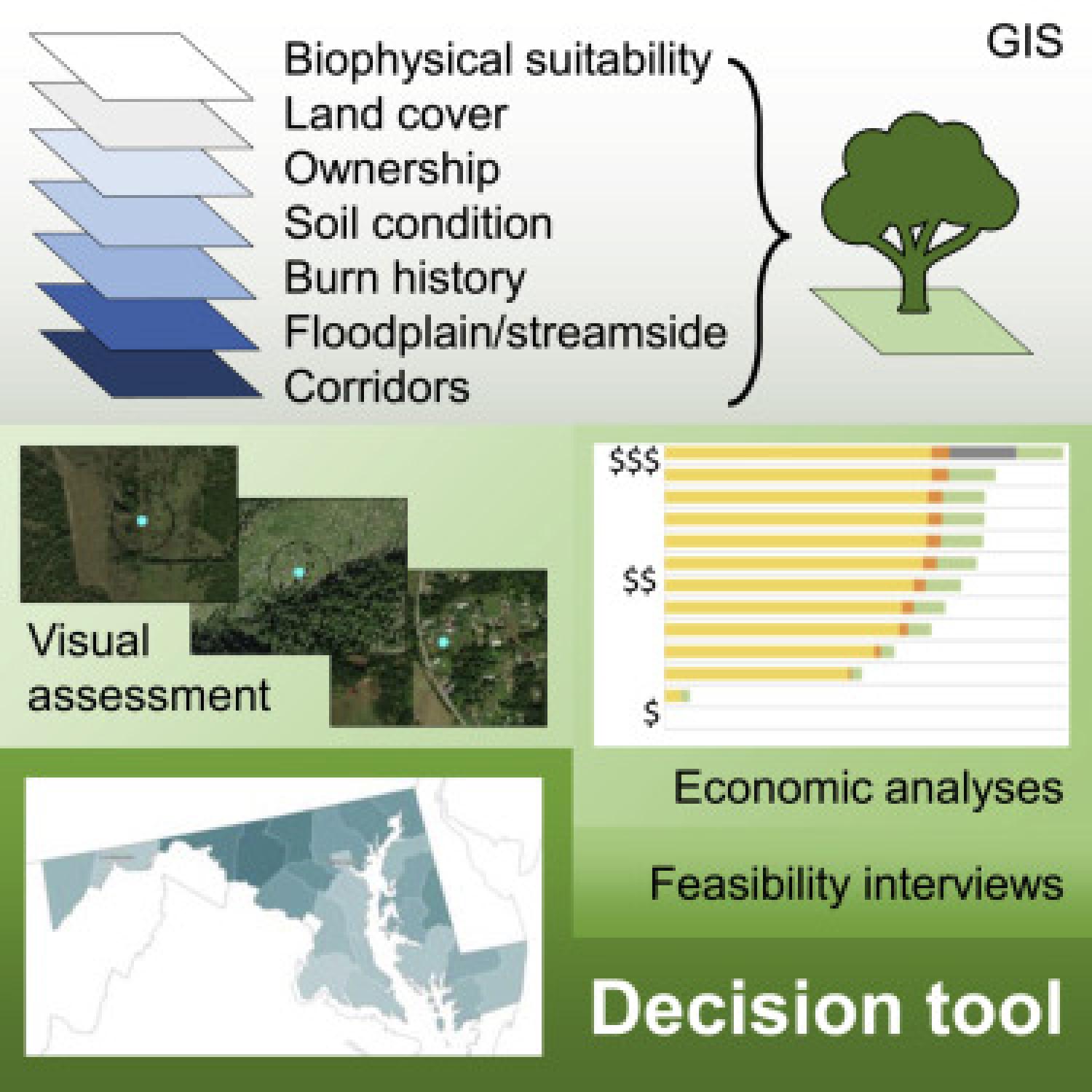
Restoring forest cover is a prominent option for climate mitigation. Effective deployment requires knowing where opportunities are and how they vary in carbon capture, costs, co-benefits, and feasibility. Here, we combined spatial, economic, and feasibility analyses to examine 10 different opportunity classes for restoration of forest cover across the contiguous United States. These include non-stocked forests, shrublands, protected areas, post-burn landscapes, pasture lands, croplands with challenging soils, urban areas, floodplains, streamsides, and biodiversity corridors.
Elsevier, One Earth, Volume 3, 18 December 2020
Restoration thinking provides a new paradigm for charting a bold future that prevents further loss of biodiversity and habitat destruction, avoids catastrophic climate change, and promotes the well-being and safety of all people. Ten paths guide actions to restore and care for Earth and all its living creatures.
Elsevier, One Earth, Volume 3, 18 December 2020
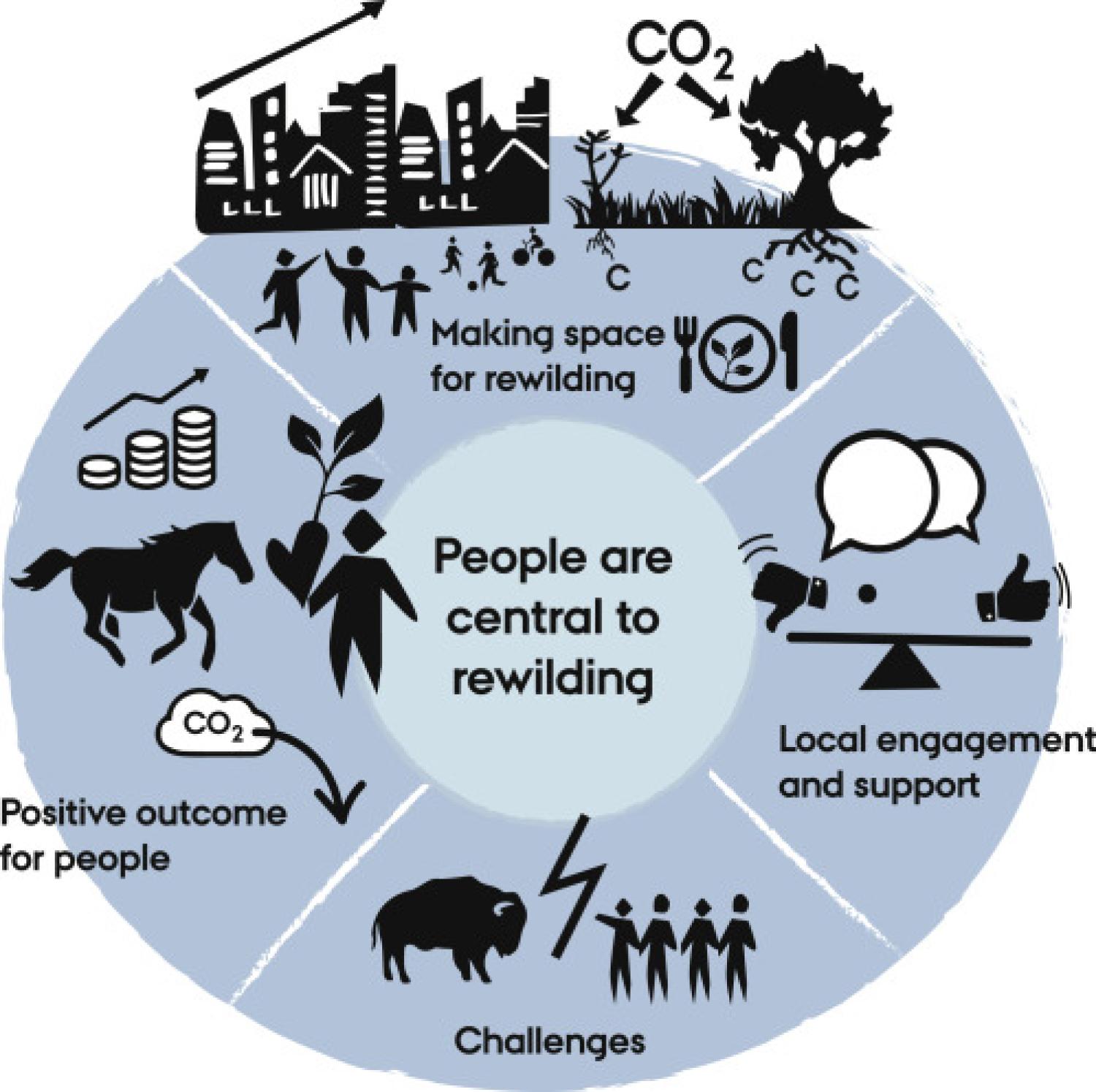
Rewilding should be central to the massive restoration efforts needed to overcome the global biodiversity crisis and enhancing the biosphere's capacity to mitigate climate change. Key elements include large areas for nature, restoration of functional megafaunas and other natural biodiversity-promoting factors, synergy with major societal dynamics, and careful socio-ecological implementation.
Elsevier, Food Packaging and Shelf Life, Volume 26, December 2020
The recent sharp increase of sensitivity towards environmental issues arising from plastic packaging has boosted interest towards alternative sustainable packaging materials. This new trend promotes the industrial exploitation of knowledge on chitosan-based films. Chitosan has been extensively investigated and used due to its unique biological and functional properties. However, inherent drawbacks including low mechanical properties and high sensitivity to humidity represent major limitations to its industrial applications, including food packaging.
Elsevier, Agriculture, Ecosystems and Environment, Volume 302, 15 October 2020
Landscape fragmentation and farming can affect the diversity of plants and pollinators harbored by linear landscape elements (LLE) in agroecosystems. To assess the role of these habitats in sustaining plant-pollinator communities, twenty portions of LLE (road verges) were studied during two consecutive field seasons in the Argentine Pampas.
Elsevier, Trends in Food Science and Technology, Volume 104, October 2020
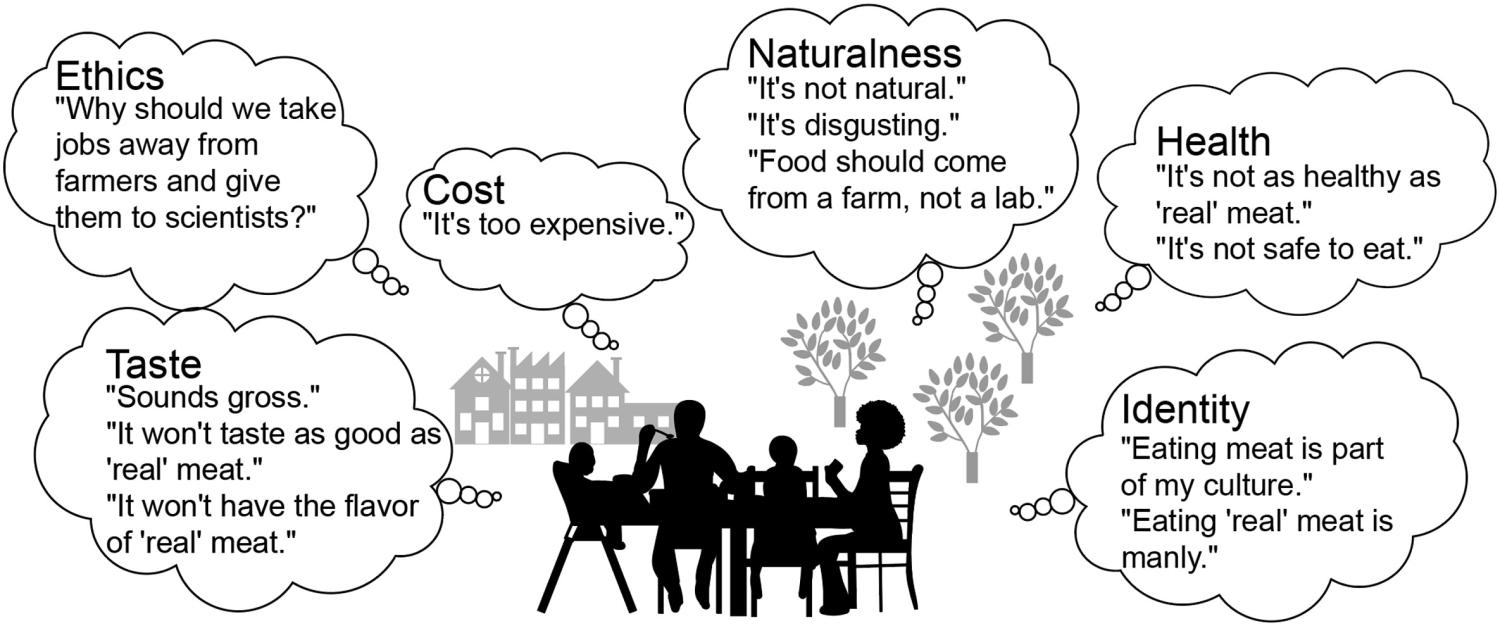
Background: The environmental impact of meat consumption requires immediate action. Cultured meat—which is emerging through technologies to grow meat ex vivo—has exciting potential to offset the burden of livestock agriculture by providing an alternative method to sustainably produce meat without requiring individuals to become vegetarian. However, consumer uptake of cultured meat may be challenged by negative public perceptions.
Elsevier, Global Environmental Change, Volume 63, July 2020
Recent research and policies recognize the importance of environmental defenders for global sustainability and emphasize their need for protection against violence and repression. However, effective support may benefit from a more systematic understanding of the underlying environmental conflicts, as well as from better knowledge on the factors that enable environmental defenders to mobilize successfully. We have created the global Environmental Justice Atlas to address this knowledge gap.
Elsevier, One Earth, Volume 2, 19 June 2020
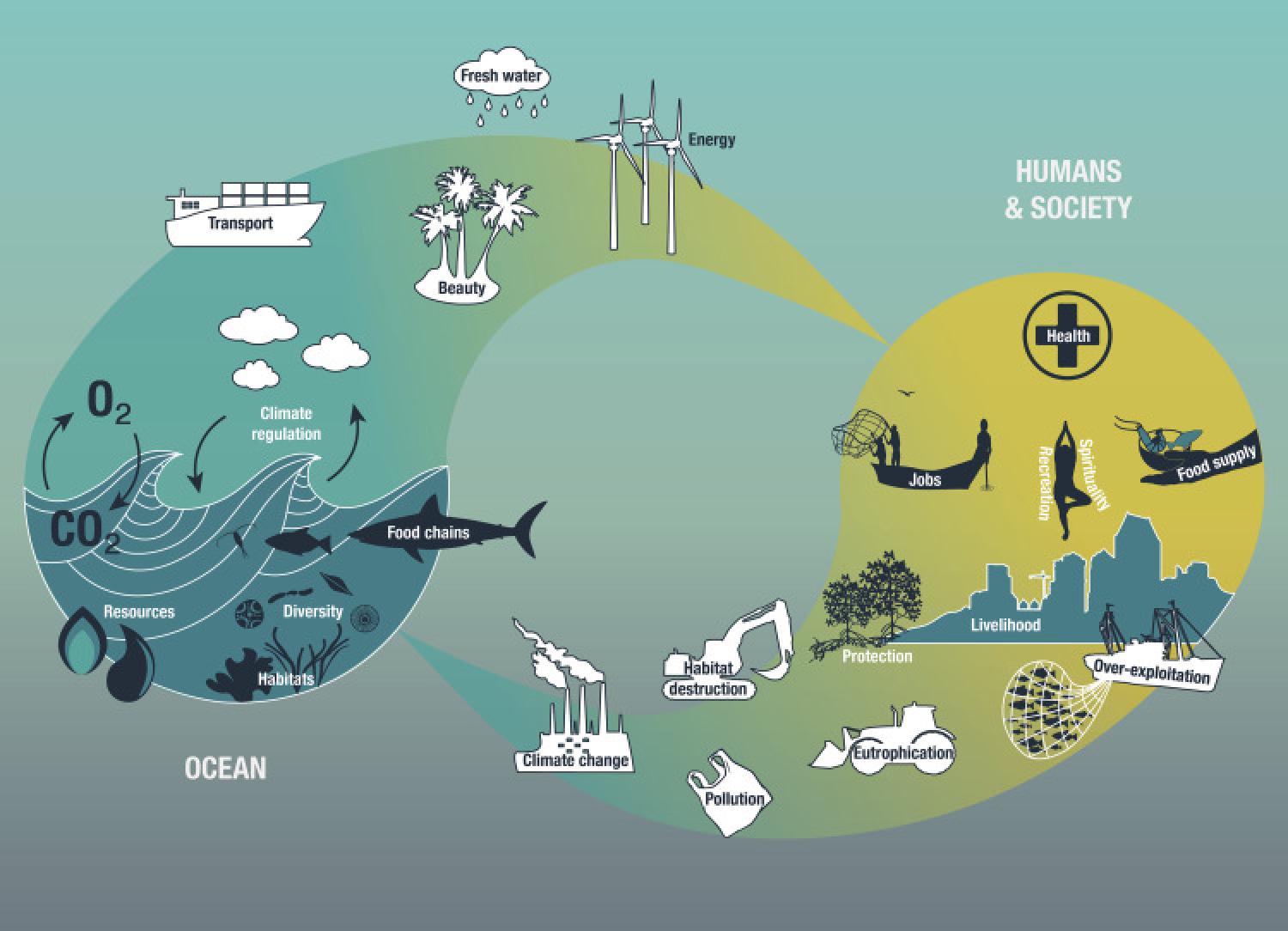
Protecting the ocean has become a major goal of international policy as human activities increasingly endanger the integrity of the ocean ecosystem, often summarized as “ocean health.” By and large, efforts to protect the ocean have failed because, among other things, (1) the underlying socio-ecological pathways have not been properly considered, and (2) the concept of ocean health has been ill defined. Collectively, this prevents an adequate societal response as to how ocean ecosystems and their vital functions for human societies can be protected and restored.
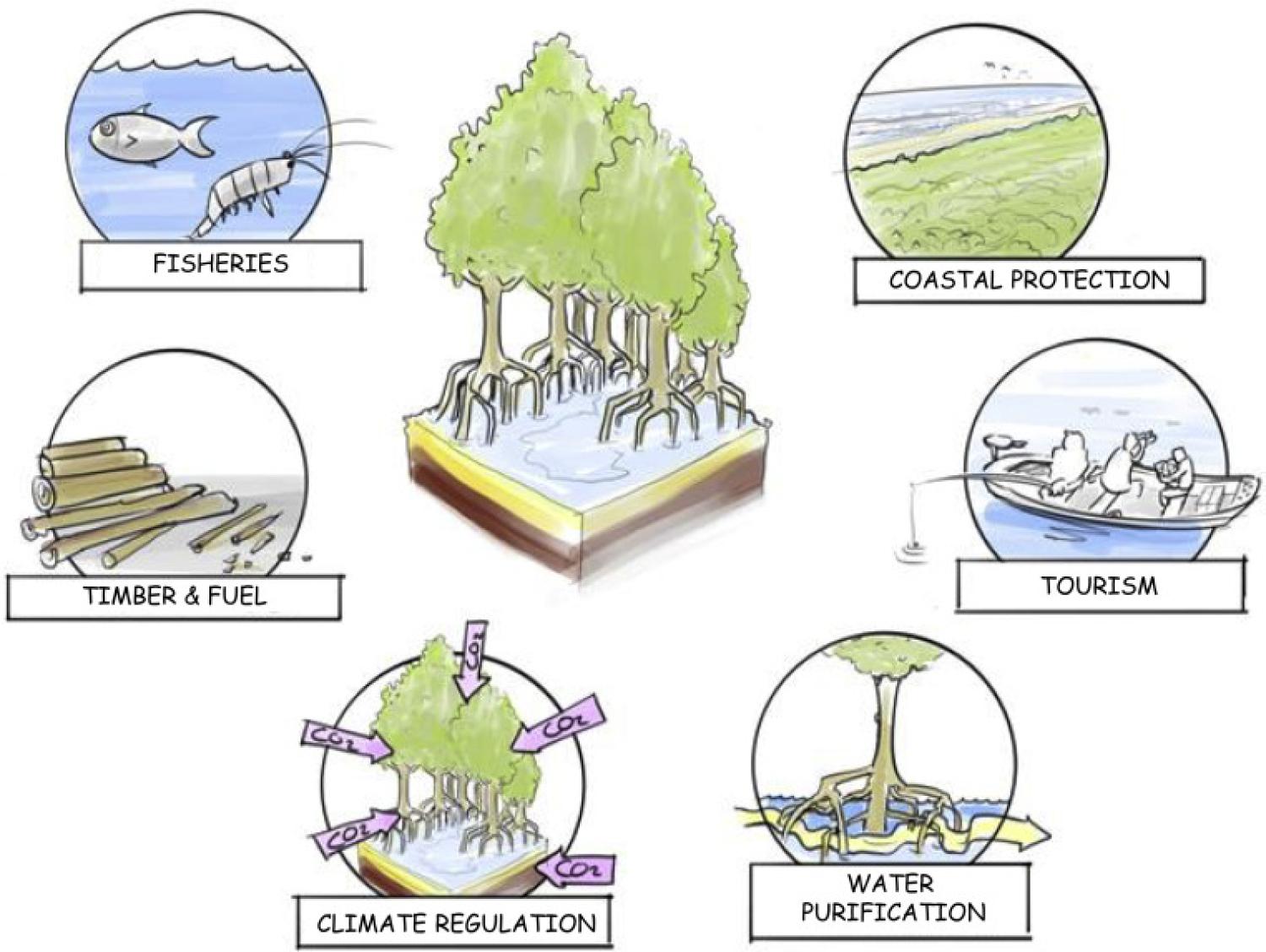
Elsevier, One Earth, Volume 2, 22 May 2020
Mangrove forests are found on sheltered coastlines in tropical, subtropical, and some warm temperate regions. These forests support unique biodiversity and provide a range of benefits to coastal communities, but as a result of large-scale conversion for aquaculture, agriculture, and urbanization, mangroves are considered increasingly threatened ecosystems.
Elsevier, Agriculture, Ecosystems and Environment, Volume 292, 15 April 2020
Nitrous oxide (N2O) is the most important greenhouse gas produced by agricultural soils and is a byproduct of microbial nitrification and denitrification processes. The N2O emission rates depend on soil, climatic and management factors. The objectives of this study were i) to evaluate N2O emissions during a barley crop period and its subsequent barley-maize interperiod, under two management systems, and ii) to relate the N2O flux rates with soil mineral N content, waterfilled pore space (WFPS) and soil temperature.
Elsevier, Remote Sensing of Environment, Volume 239, 15 March 2020
The natural world has multiple, sometimes conflicting, sometimes synergistic, values to society when viewed through the lens of the Sustainable Development Goals (SDGs), Spatial mapping of nature's contributions to the SDGs has the potential to support the implementation of SDG strategies through sustainable land management and conservation of ecosystem services. Such mapping requires a range of spatial data.
Elsevier, Remote Sensing of Environment, Volume 239, 15 March 2020
In the face of the growing challenges brought about by human activities, effective planning and decision-making in biodiversity and ecosystem conservation, restoration, and sustainable development are urgently needed. Ecological models can play a key role in supporting this need and helping to safeguard the natural assets that underpin human wellbeing and support life on land and below water (United Nations Sustainable Development Goals; SDG 15 & 14).
Elsevier, Remote Sensing of Environment, Volume 237, February 2020
Sustainable Development Goal (SDG) indicator 15.1.1 proposes to quantify “Forest area as a proportion of total land area” in order to achieve SDG target 15.1. While area under forest cover can provide useful information regarding discrete changes in forest cover, it does not provide any insight on subtle changes within the broad vegetation class, e.g. forest degradation. Continental or national-level studies, mostly utilizing coarse-scale satellite data, are likely to fail in capturing these changes due to the fine spatial and long temporal characteristics of forest degradation.
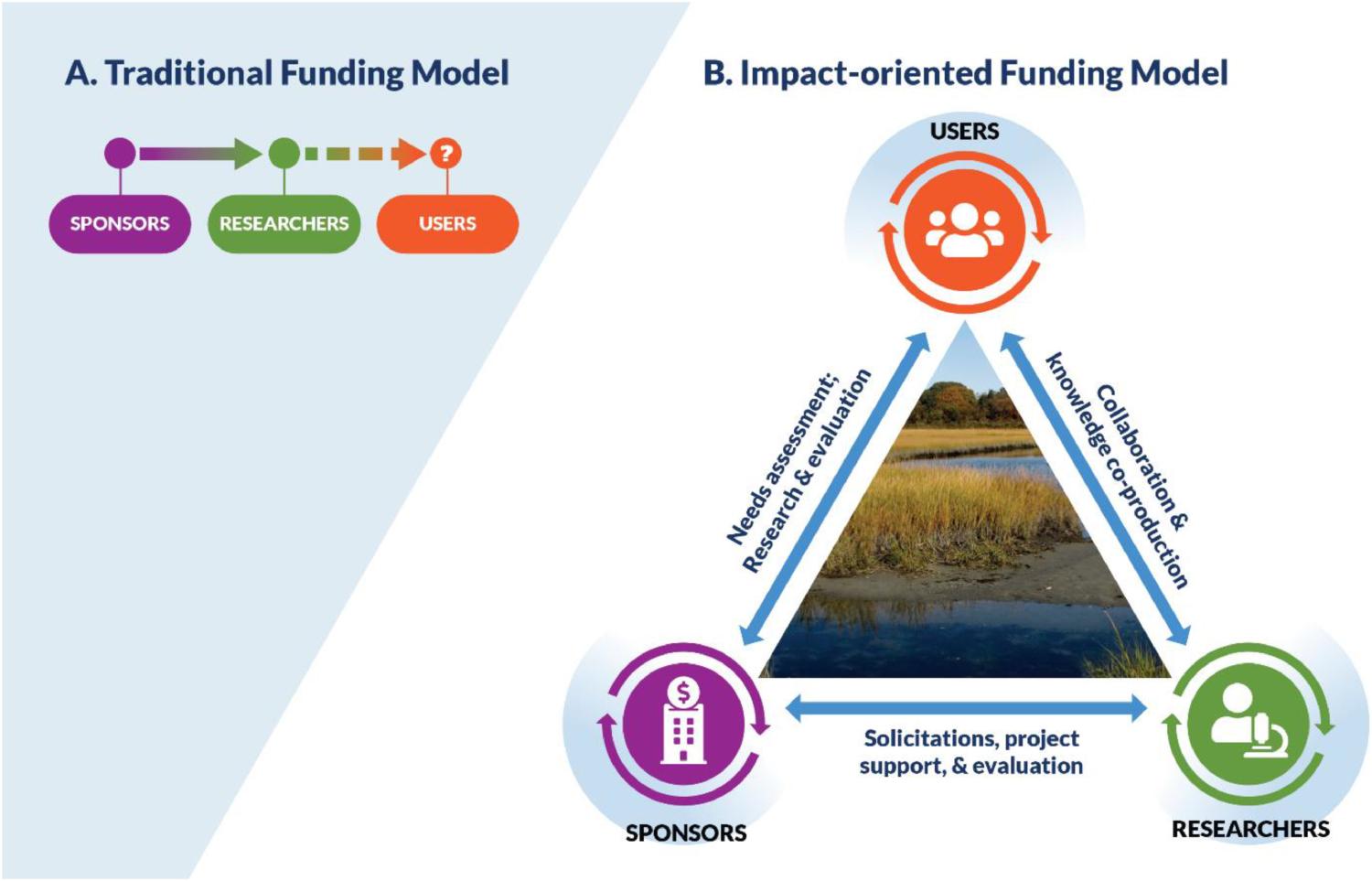
Elsevier, Global Environmental Change, Volume 60, January 2020
There is widespread belief that meaningful interaction between scientists and practitioners, or co-production, increases use of scientific knowledge about sustainability and environmental change. Although funders are increasingly encouraging co-production, there have been few empirical studies assessing the outcomes of these efforts in shaping knowledge use. In this study, we systematically analyze research project reports (n = 120) and interview project participants (n = 40) funded by the U.S. National Estuarine Research Reserve System from 1998 to 2014 to support coastal management.
Elsevier, One Earth, Volume 1, 22 November 2019
Over US$60 trillion is predicted to be spent on new infrastructure globally by 2040. Is it possible to meet UN Sustainable Development Goal (SDG) 9 (develop infrastructure networks) without sacrificing goals 14 and 15 (ending biodiversity loss)? We explore the potential role of “no net loss” (NNL) policies in reconciling these SDGs.
Elsevier, Agriculture, Ecosystems and Environment, Volume 254, 15 February 2018
Globally, agriculture has intensified during the past 50 years due to increased mechanization, changes in the timing of farming operations, grassland conversion to cropland, and increased agrochemical inputs. Birds associated with farmlands and grasslands in North America have experienced severe declines over the last several decades, prompting the need for a comprehensive review of the drivers, mechanisms and magnitude of effects on bird populations.
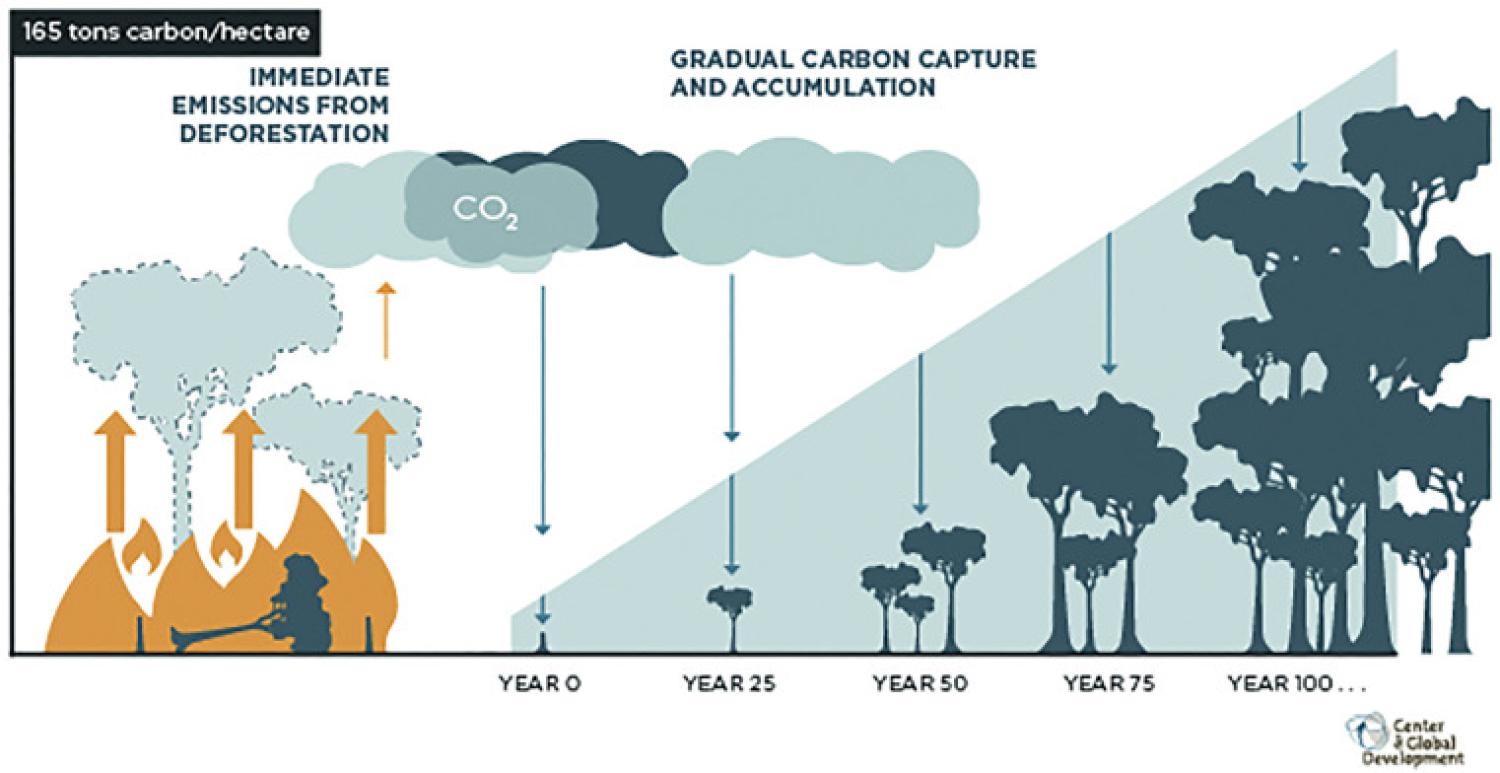
Elsevier, One Earth, Volume 2, 22 May 2020
Largely driven by the corporate sector, the recent surge of interest in trees as a solution to climate change has a distinct emphasis on planting trees. Realizing anticipated benefits will require managing the risks and trade-offs of land-use interventions and embracing the imperative of protecting existing forests.
Elsevier, One Earth, Volume 1, 20 September 2019
Conservation of biodiversity and ecosystem services in natural environments requires careful management choices. However, common methods of evaluating the impact of conservation interventions can have contextual shortcomings. Here, we make a call for counterfactual thinking—asking the question “what would have happened in the absence of an intervention?”—with the support of rigorous evaluation approaches and more thoughtful consideration of human dimensions and behavior.
Elsevier, One Earth, Volume 2, 22 May 2020
Forests are key components of the global carbon cycle and dominate mitigation strategies for climate change and biodiversity loss. In contrast, the importance of and threats facing ocean forests—kelp forests—are comparatively underappreciated. Yet, increasing the global area of kelp forests would enhance biodiversity and drawdown CO2, mitigating climate change.
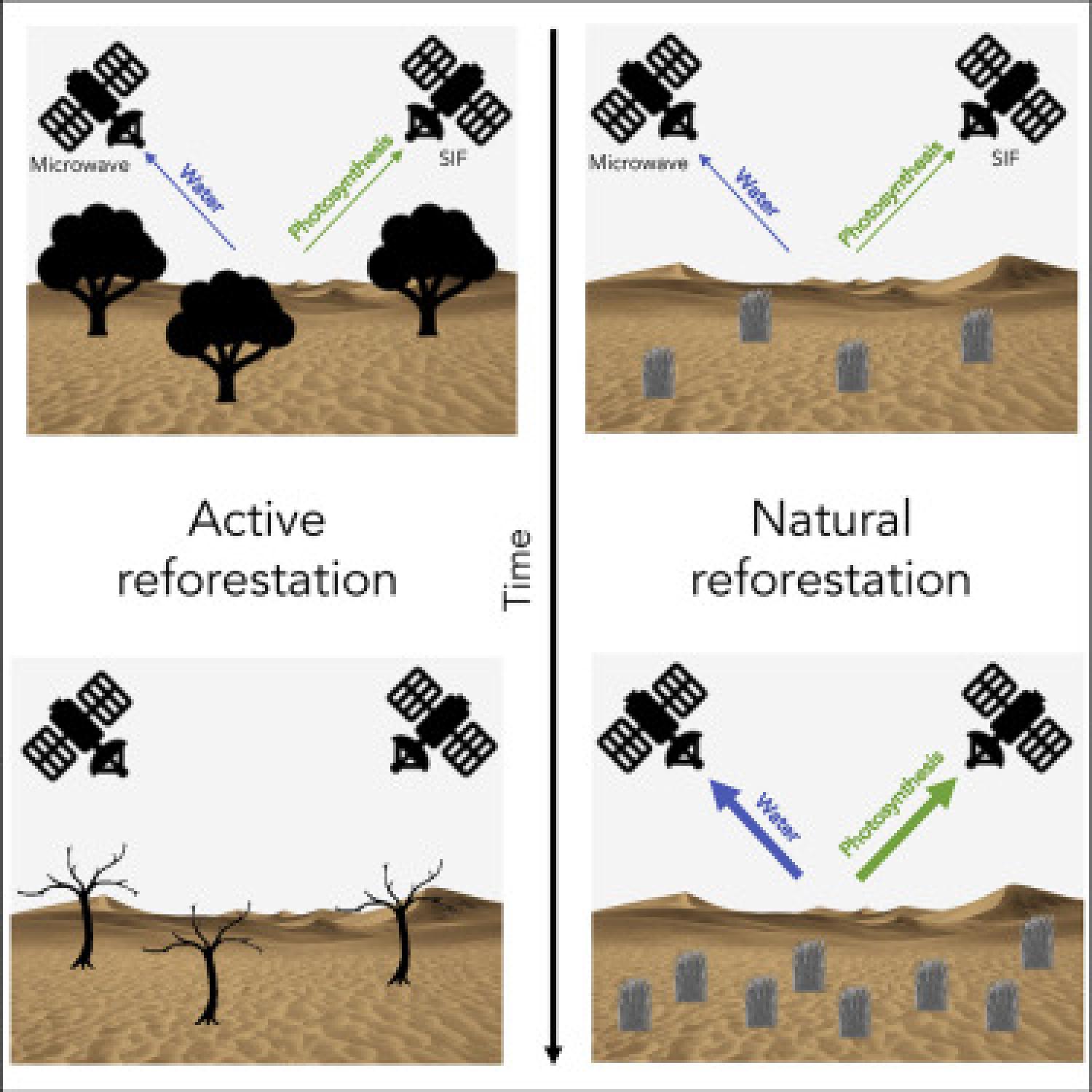
Elsevier, One Earth, Volume 2, Issue 1, 2020, Pages 98-108
We assess the success of natural reforestation in China's TNSP using satellite data. We use microwaves and SIF to measure water and photosynthesis in dryland vegetation. A strong correlation is found between reforestation and remote sensing data. Natural reforestation is successful at increasing vegetation activity in arid areas
Elsevier, One Earth, Volume 2, 24 January 2020
Is ecology, as a science, doing enough to address big environmental problems? Here, a review of the top 40 ecology journals suggests not. As ecologists, we have the opportunity to reinforce the relevancy of ecology to society through greater promotion and execution of solution-focused science.
Elsevier, One Earth, Volume 1, 25 October 2019
To conserve the bulk of Earth's ecological heritage across the Anthropocene, setting aside half of Earth's land is just a start. To conserve biodiversity over the long term across an increasingly human planet, conservation must become as integral to the human enterprise around the world as are social and economic development.
Elsevier, One Earth, Volume 1, 25 October 2019
Economic development projects are increasingly applying the mitigation hierarchy to achieve No Net Loss, or even a Net Gain, of biodiversity. Because people value biodiversity and ecosystem services, this can affect the well-being of local people; however, these types of social impacts from development receive limited consideration. We present ethical, practical, and regulatory reasons why development projects applying the mitigation hierarchy should consider related social impacts.
Elsevier, Immunology and Allergy Clinics of North America, Volume 41, February 2021
Pollens are a major cause of seasonal allergic diseases. Weather may alter the production of pollens. Increased atmospheric temperatures lead to earlier pollination of many plants and longer duration of pollination, resulting in extended pollen seasons, with early spring or late winter. Longer pollen seasons increase duration of exposure, resulting in more sensitization, and higher pollen concentrations may lead to more severe symptoms. Climate changes in contact to pollens may affect both allergic sensitization and symptom prevalence with severity.
Elsevier, Pediatric Clinics of North America, Volume 68, February 2021
The burden imposed by pollution falls more on those living in low-income and middle-income countries, affecting children more than adults. Most air pollution results from incomplete combustion and contains a mixture of particulate matter and gases. Air pollution exposure has negative impacts on respiratory health. This article concentrates on air pollution in 2 settings, the child's home and the ambient environment. There is an inextricable 2-way link between air pollution and climate change, and the effects of climate change on childhood respiratory health also are discussed.
Elsevier, Clinics in Chest Medicine, Volume 41, December 2020
Wildland firefighters work on wildfire incidents all over the United States and perform arduous work under extreme work conditions, including exposure to smoke. Wildland fire smoke is a mixture of hazardous air pollutants. For assessing wildland firefighter exposure to smoke, most studies measured carbon monoixde (CO) and particulate matter and reported changes in lung health by measured lung function, airway responsiveness, and respiratory symptoms across individual work shifts and single fire seasons.
Elsevier, Biomass, Biofuels, Biochemicals - Circular Bioeconomy, Feb 2021, Pages
Circular bioeconomy has a big role to play in goals towards cleaner energy and more sustainable industrial practices. In addition, the carbon capture opportunities it offers holds promise for supporting climate goals. This book chapter advances SDGs 7, 9 and 13.
Elsevier, Sang, Yuanrui; Karayaka, Hayrettin Bora; Yan, Yanjun; Yilmaz, Nadir; Souders, David. 1.18 "Ocean (Marine) Energy", Editor: Ibrahim Dincer, Comprehensive Energy Systems, Elsevier (2018), Pages 733-769, ISBN: 9780128149256.
Marine energies are still early in their development and their potential is largely untapped, but our oceans could supply the entire world with power and begin to eradicate our dependency on fossil fuels. As scientists and governments further research and develop marine energy, we can expect (and hope) that it will become a significant global energy source in the next decade. This book chapter advances SDGs 7, 11 and 13.
Elsevier, Gopalakrishnan, Varsha and Bakshi, Bhavik R., "Including Nature in Engineering Decisions for Sustainability", Editor(s): Martin A. Abraham, Encyclopedia of Sustainable Technologies, Elsevier (2017), Pages 107-116
Through the practice of biomimicry, engineering can both emulate and conserve the natural world. In this chapter, the author notes that our development practices have often "ignored or undervalued" nature, and describes the ways in which we can aim to build systems that are self-sustaining and resilient, much like earth's ecosystems. This chapter advances SDGs 7, 11 and 13.
Elsevier, Evaluating Water Quality to Prevent Future Disasters, 2019, Pages 1-12
Water-quality disasters occur frequently worldwide. They do not necessarily occur only in underdeveloped world. Detailed water-quality evaluations can help prevent occurrence of some of these disasters. Contributing to SDGs 10 and 11, this chapter discusses our vulnerability to water disasters to help us avoid some of them in the future.
Elsevier, Douglas E. Soltis, Pamela S. Soltis, Chapter 6 - Fate of the Tree of Life, Editor(s): Douglas E. Soltis, Pamela S. Soltis, The Great Tree of Life, Academic Press, 2019, Pages 117-150, ISBN 9780128125533, https://doi.org/10.1016/B978-0-12-812553-3.00006-0.
This book chapter advances SDGs 13 and 15 by explaining human and environmental activity and their potential role in extinction.
Elsevier, Patricia Ruiz-Ruiz, Adrián Estrada, Marcia Morales, Chapter 8 - Carbon dioxide capture and utilization using microalgae, Editor(s): Eduardo Jacob-Lopes, Mariana Manzoni Maroneze, Maria Isabel Queiroz, Leila Queiroz Zepka, Handbook of Microalgae-Based Processes and Products, Academic Press, 2020, Pages 185-206, ISBN 9780128185360, https://doi.org/10.1016/B978-0-12-818536-0.00008-7.
This book chapter advances SDGs 7 and 13 by explaining how to capture carbon dioxide from the atmosphere using microalgae.
Elsevier, Samuel M. Gorton, Chapter 41 - Integrated agroecological technology networks for food, bioenergy, and biomaterial production, Editor(s): Anju Dahiya, Bioenergy (Second Edition), Academic Press, 2020, Pages 767-788, ISBN 9780128154977, https://doi.org/10.1016/B978-0-12-815497-7.00041-5.
This book chapter advances SDGs 6, 7 and 11 by discussing how we can create integrated ecological technologies that transform natural resources into anthropocentric goods and services, while restoring the land and reducing pollution by returning beneficial materials or energy to the ecosystem.
Elsevier, Alfredo de Jesús Martínez-Roldán, Rosa Olivia Cañizares-Villanueva, Chapter 7 - Wastewater treatment based in microalgae, Editor(s): Eduardo Jacob-Lopes, Mariana Manzoni Maroneze, Maria Isabel Queiroz, Leila Queiroz Zepka, Handbook of Microalgae-Based Processes and Products, Academic Press, 2020, Pages 165-184, ISBN 9780128185360, https://doi.org/10.1016/B978-0-12-818536-0.00007-5.
This book chapter advances SDGs 6 and 7 by explaining how to remove contaminants from wastewater using microalgae so that it is safe to release into the natural environment.
Elsevier, Separation Science and Technology, Volume 11, 2019, Pages 1-12
Water-quality disasters occur frequently worldwide and do not necessarily occur only in underdeveloped world. Detailed water-quality evaluations can help prevent occurrence of some of these disasters.This book chapter addresses goals 3, 6 and 14 by discussing our vulnerability to water disasters to help us avoid some of them in the future.
Elsevier, Choy Yee Keong, Chapter 2 - The United Nations' journey to global environmental sustainability since Stockholm: An assessment, Editor(s): Choy Yee Keong, Global Environmental Sustainability, Elsevier, 2021, Pages 7-61
This book chapter advances SDGs 13, 15, and 17 by providing perspective on what's been done so far to address environmental sustainability globally and how the goals have developed as a response to climate change.
Elsevier, William D. Fletcher, Craig B. Smith, Chapter 9 - What would it take to reach net zero?, Reaching Net Zero, Elsevier, 2020, Pages 107-122
This chapter addresses SDGs 13, 15, and 12 by examining scenarios for reaching net zero production and consumption, but also the challenges in implementation.
Elsevier, Trevor M. Letcher, 1 - Global warming—a complex situation, Editor(s): Trevor M. Letcher, Climate Change (Third Edition), Elsevier, 2021, Pages 3-17
This book chapter advances SDGs 13 and 15 by examining how pollution and greenhouse gases contribute to global warming, as well as addressing the social and ethical impacts of climate change.
Elsevier, Chris D. Jones, Chapter 4 - Numerical modeling of the global climate and carbon cycle system, Editor(s): Trevor M. Letcher, Climate Change (Third Edition), Elsevier, 2021, Pages 67-91
This chapter advances SDGs 13 and 15 by applying numerical modeling techniques to better understand the global climate and utilize observations to identify impacts of climate change on Earth.
Elsevier, Daniel A. Fiscus, Brian D. Fath, Chapter 8 - Technology and applications in the context of holistic life–environment, Editor(s): Daniel A. Fiscus, Brian D. Fath, Foundations for Sustainability, Academic Press, 2019, Pages 205-230
This chapter contributes to SDGs 15, 13, and 11 by presenting technologies and applications for addressing climate change as a result of human activity on land.
Elsevier, Daniel A. Vallero, Chapter 13 - Air pollution control technologies, Editor(s): Daniel A. Vallero, Air Pollution Calculations, Elsevier, 2019, Pages 377-428, 9780128149348
This book chapter advances SDGs 3, 13 and 15 by discussing various sources of air pollution and technologies to remove and treat pollutants.
Elsevier, Bapon (SHM) Fakhruddin, Kate Boylan, Alec Wild, Rebekah Robertson, Chapter 12 - Assessing vulnerability and risk of climate change, Editor(s): Jana Sillmann, Sebastian Sippel, Simone Russo, Climate Extremes and Their Implications for Impact and Risk Assessment, Elsevier, 2020, Pages 217-241, 9780128148952
This book chapter advances SDG 13 by providing assessments of vulnerability and risk of extreme weather or climate events are essential in order to inform and implement appropriate prevention, adaptation, and mitigation strategies.
Elsevier, William H. Schlesinger, Emily S. Bernhardt, Chapter 11 - The Global Carbon and Oxygen Cycles, Editor(s): William H. Schlesinger, Emily S. Bernhardt,
Biogeochemistry (Fourth Edition), Academic Press, 2020, Pages 453-481, 9780128146088
Biogeochemistry (Fourth Edition), Academic Press, 2020, Pages 453-481, 9780128146088
Life is composed primarily of carbon, so estimates of the global production and destruction of organic carbon give us an overall index of the health of the biosphere. This book chapter advances SDGs 11 and 13.
Elsevier, D. Sugawara, Chapter 10 - Lessons from the 2011 Tohoku-oki tsunami: implications for Paleotsunami research, Editor(s): Tsunemasa Shiki, Yoshinobu Tsuji, Teiji Yamazaki, Futoshi Nanayama, Tsunamiites (Second Edition), Elsevier, 2021, Pages 155-181, ISBN 9780128239391,
In response to the extensive loss of life and property caused by the Tohoku-oki tsunami, as well as the fact that geological precursor evidence has not been effectively used in disaster management programs, the importance of tsunami deposit research has gained significant attention with the expectation that it will provide reliable information on the recurrence interval and size of devastating tsunamis. This book chapter advances SDGs 11 and 15.
Elsevier, Multidimensional Analytical Techniques in Environmental Research, 2020, Pages 1-26
Multidisciplinary analytical techniques allow us to examine the presence and behaviour of pollutants in complex atmospheric, terrestrial, aquatic, and living compartments of ecosystems. This book chapter advances SDGs 6, 13 and 15.
Elsevier, Biron, A Practical Guide to Sustainability, 2020, pages 557-593
This book chapter advances SDGs 11, 12, and 15 by discussing the key drivers, obstacles, and opportunities in plastics sustainability, offering a balanced analysis of current challenges and solutions supporting the more sustainable production, use, and re-use of plastics, which are valuable materials with critical applications across civilization.