Concerns over the impact of global meat production and consumption patterns are leading to increasing interest in alternative sources of protein. This study provides new insight into consumers’ attitudes towards different protein products and factors associated with the acceptance of lab-grown chicken and lab-grown beef.

On April 22 every year, we celebrate the anniversary of the birth of the modern environmental movement with Earth Day. Since the first Earth Day in 1970, this day has marked global collaboration and awareness of the need to fight for a cleaner and healthier Earth. It all began in 1962 when Rachel Carson’s Silent Spring hit the New York’s bestseller list selling over 500,000 copies in 24 countries. As public awareness and concerns were raised over the environment, and the links between pollution and public health were put in the spotlight, Earth Day 1970 would come to provide a voice to this emerging environmental awareness. Today, with over 190 engaged and committed countries and over 1 billion individuals involved, Earth Day has come a long way. Since the first Earth Day, important strides have been made worldwide including the signing of the historic Paris Agreement and the implementation of the UN Sustainable Development Goals, and Earth Day continues to grow every year.
This year, the theme is “Invest In Our Planet” with a focus on preserving and protecting our health, our families, and our livelihoods because a green future is a prosperous future. To help you engage with Earth Day and its values, Elsevier presents a curated list of publicly available journal articles and book chapters. At Elsevier, we support environmental awareness an the goal of achieving a sustainable and equitable future. Together, we must #InvestInOurPlanet.
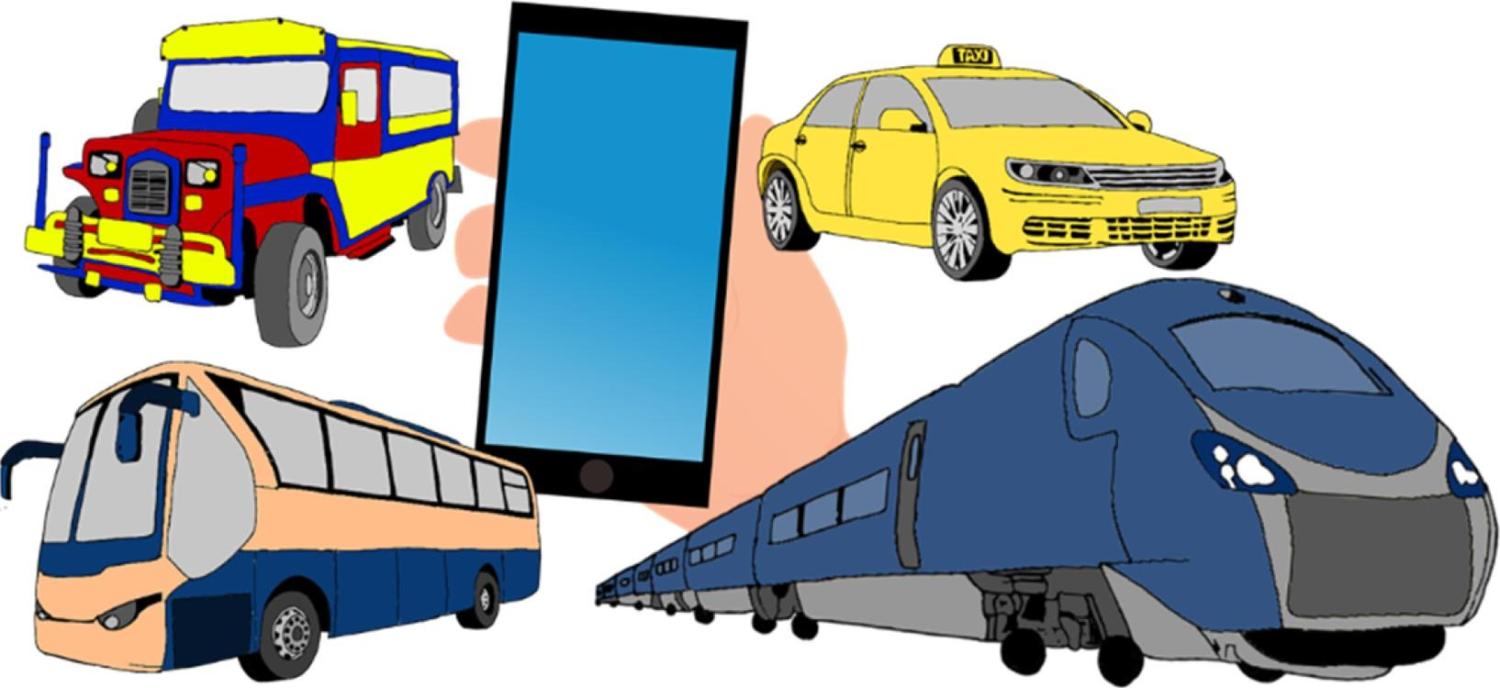
Elsevier, Transportation Research Part A: Policy and Practice, Volume 155, January 2022
Mobility as a Service (MaaS) is a recent concept that is gaining momentum in both the scientific world and the private sector. First studies and field trials – essentially conducted in developed countries – suggest that MaaS can influence people's mobility behavior and create more efficient and sustainable transport systems for the future. We intend to contribute to the existing knowledge about MaaS by extending the scope to the context of developing countries where MaaS could be a potential strategy to address existing transport problems.
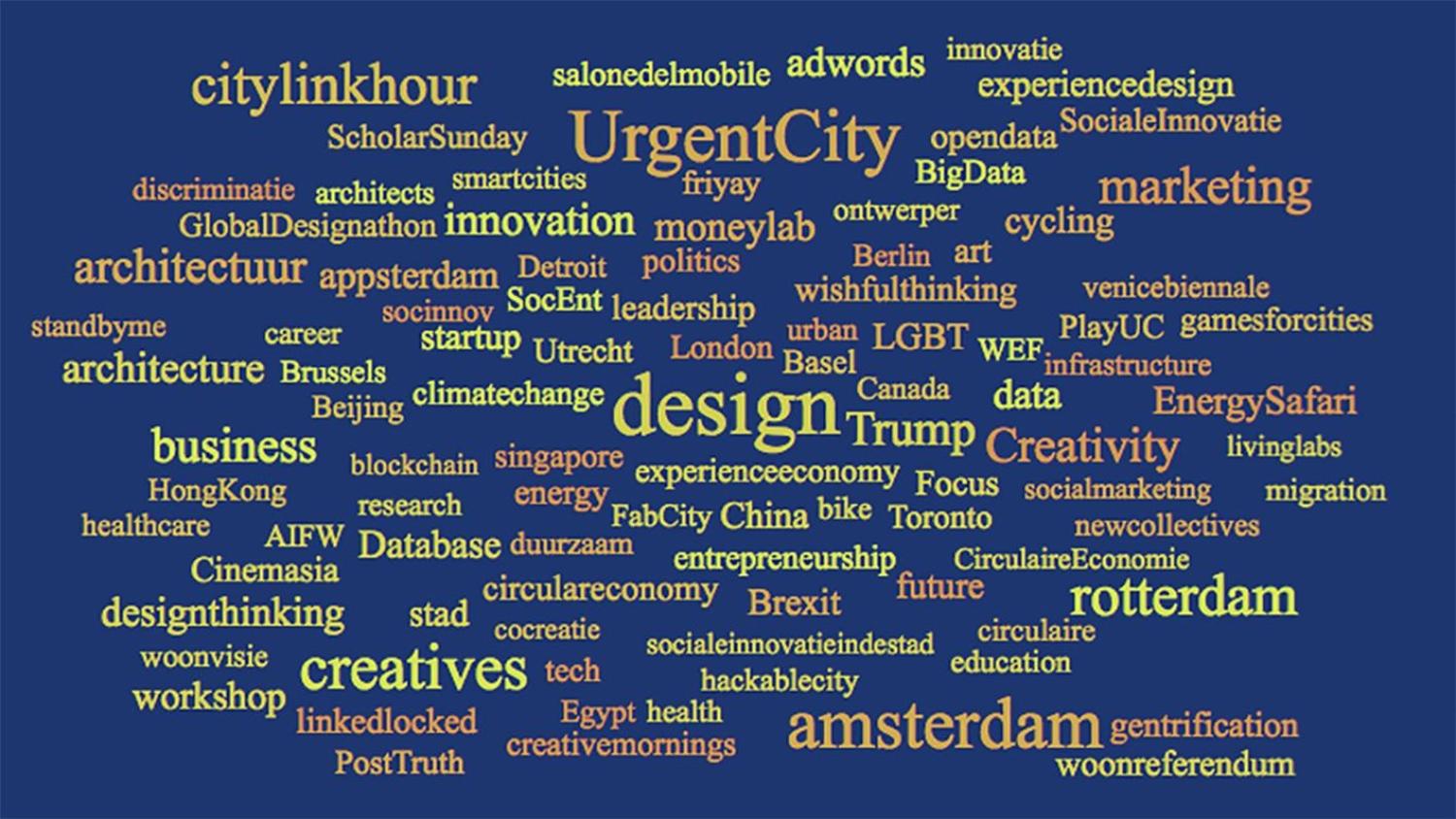
Elsevier, Telematics and Informatics, Volume 58, May 2021
We investigate the role of creative skilled migrants in broadcasting an alternative use of technology in support of a sustainable smart city. We do so by analyzing the themes they produced on Twitter. We focus on Amsterdam as a case, and urban planners and designers as examples of creative migrants. Computational methodology allowed for a selection of naturally occurring data in social media.
Elsevier, Habitat International, Volume 115, September 2021
Tracking progress toward the Sustainable Development Goals (SDGs) requires monitoring of various social-ecological indicators over space and time, including the ratio of land consumption rate to population growth rate (LCRPGR), an indicator of land-use efficiency (SDG 11.3.1). In this study, we analyzed state-of-the-art Earth observation data (1975–2015) to address three key questions. First, how has the LCRPGR varied over space and time? Second, how is built-up expansion related to population increase across regions?
Elsevier, Transportation Research Part D: Transport and Environment, Volume 103, February 2022
Transportation is a basic social need, but most trips are done by private vehicles, which is not environmentally sustainable with growing urban populations. Micromobility (e.g., shared bikes) represents a significant opportunity to replace short private vehicles trips (0–3 miles) and reduce transportation sector emissions. This paper uses Seattle as a case study and estimates that up to 18% of short car trips could be replaced by micromobility.
Elsevier, The Lancet Planetary Health, Volume 5, July 2021
Background: Europe has emerged as a major climate change hotspot, both in terms of an increase in seasonal averages and climate extremes. Projections of temperature-attributable mortality, however, have not been comprehensively reported for an extensive part of the continent. Therefore, we aim to estimate the future effect of climate change on temperature-attributable mortality across Europe. Methods: We did a time series analysis study.
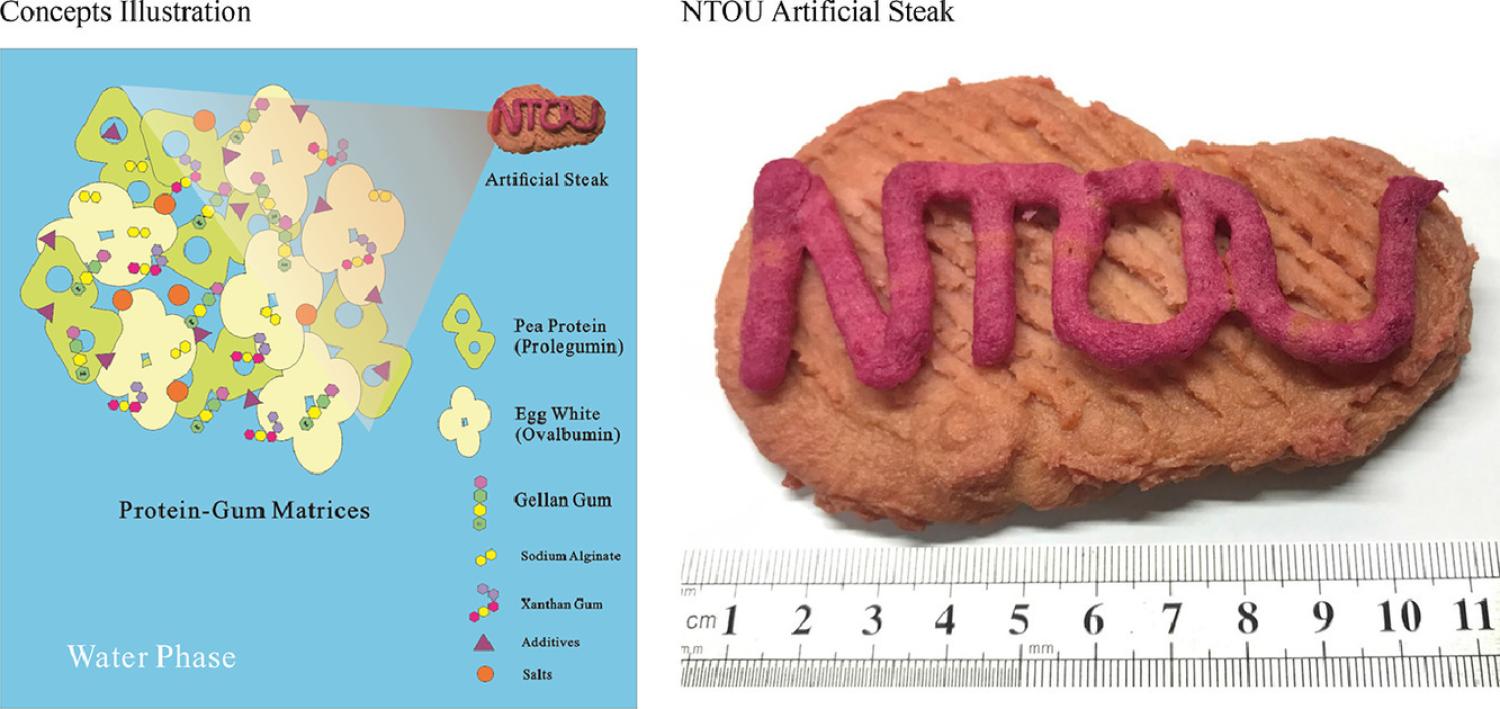
Elsevier, Future Foods, Volume 5, June 2022
Food security and sustainability are the most urgent problems in worldwide. In the present study, the combinations of egg albumen, pea protein, and gellan gum were optimized to fabricate an artificial steak for specific populations. The relationships among the different components on the texture profile analysis, sensory evaluation, viscoelastic properties, and thermal behavior were conducted. 3D printing food was an emerging issue, this study also investigated how to fabricated an artificial steak and mitigate the impacts of meat production.
Elsevier, Future Foods, Volume 5, June 2022
The availability of food is the basic entity for the survival of human. The resources that make a nation food secured is guided by multiple factors and can be evaluated using a set of indicators. We present an assessment for ranking food security of the South Asian Association for Regional Cooperation (SAARC) nations represented by Afghanistan, Bangladesh, Bhutan, India, Nepal, the Maldives, Pakistan and Sri Lanka using a set of indicators under the prevailing scenarios of climate change.
Elsevier, Future Foods, Volume 5, June 2022
Transitioning toward plant-based diets can alleviate health and sustainability challenges. However, research on interventions that influence animal-product consumption remains fragmented and inaccessible to researchers and practitioners. We conducted an overview of systematic reviews, also known as a meta-review. We searched five databases for reviews that examined interventions that influence (increase or decrease) the consumption of animal products.
Elsevier, Future Foods, Volume 5, June 2022
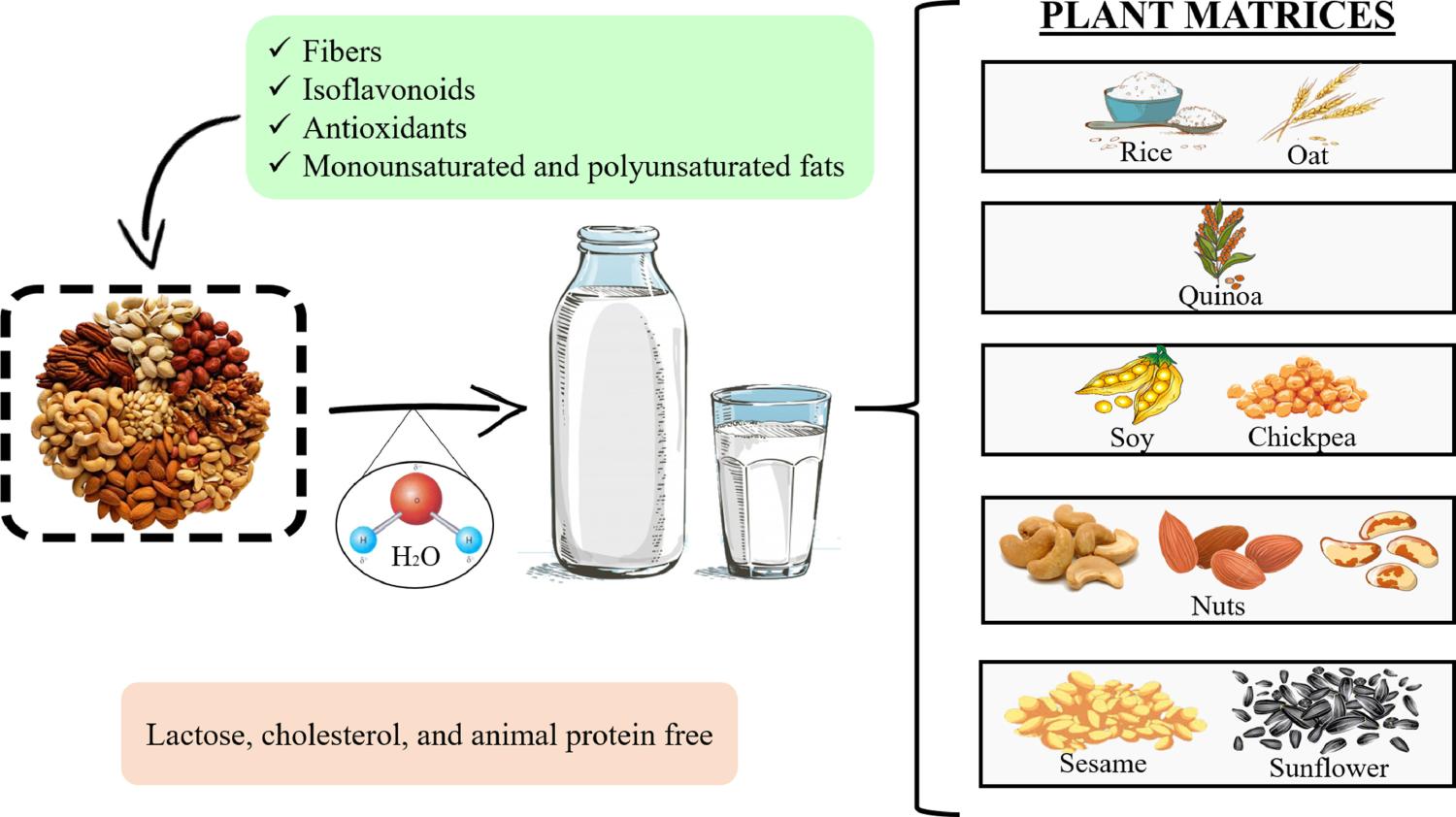
Cow's milk is considered a staple in many diets due to its high nutritional value. It contains almost every nutrient that the human body needs. Milk is consumed as a beverage, poured on several foods, and added to coffee, tea, and smoothies. Furthermore, many food products are produced from cow's milk, such as ice cream, yogurt, cheese, butter, cake, desserts, and others. However, it is not a suitable option for everyone for reasons, including lactose intolerance, milk allergy, dietary restrictions, and potential health risks.
Elsevier, Digital Signal Processing: A Review Journal, Volume 123, 30 April 2022
With the continuous development of human society, people's over-exploitation of nature leads to frequent environmental problems. A large number of floating objects appear on lakes, rivers, reservoirs and other water surfaces. Water floats have seriously damaged the ecological environment and directly threatened the survival and development of human beings. Therefore, for the sustainable development of human beings, we must solve the problem of water pollution. The detection of floating pollutants on water surface is the primary goal of water resource management.
Elsevier, Chest, Volume 161, March 2022
Background: Individuals with COPD have increased sensitivity to traffic-related air pollution (TRAP) such as diesel exhaust (DE), but little is known about the acute effects of TRAP on exercise responses in COPD. Research Question: Does exposure before exercise to TRAP (DE titrated to 300 μg/m3 particulate matter < 2.5 μm in diameter [DE300]) show greater adverse effects on exercise endurance, exertional dyspnea, and cardiorespiratory responses to exercise in participants with mild to moderate COPD compared with former smokers with normal spirometry and healthy control participants?
Elsevier, Future Foods, Volume 5, June 2022
Meat induces large environmental impact while supplying important nutrients, and meat substitutes are increasingly adopted as direct replacers of meat products. This study assessed the environmental impact of a pork schnitzel and two soy-based schnitzels in terms of three different functional units to reflect the products’ functions as meal components and suppliers of high quality proteins. For a functional unit of 1 kg of product, the pork schnitzel induces the largest environmental impact for most environmental impact indicators.
Elsevier, The Lancet Planetary Health, Volume 5, November 2021
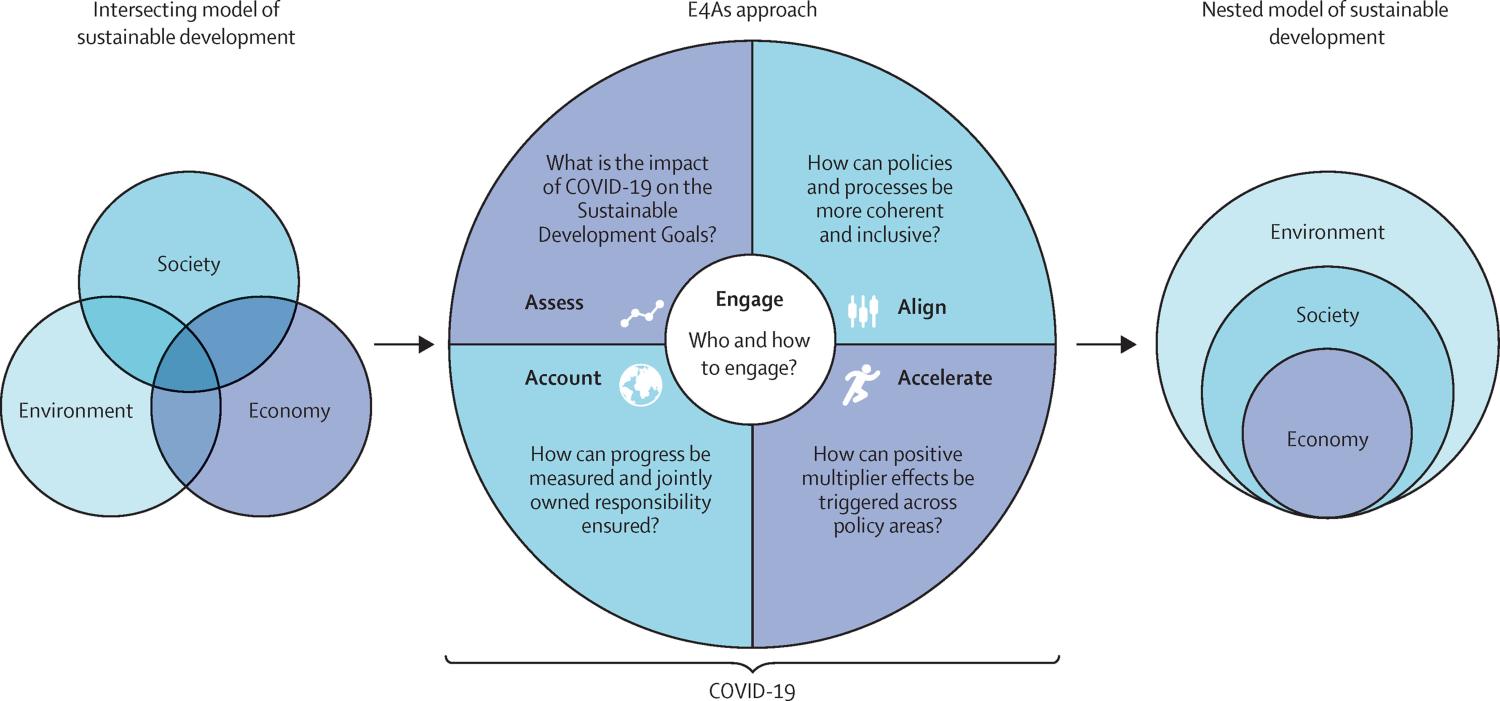
COVID-19 is disrupting and transforming the world. We argue that transformations catalysed by this pandemic should be used to improve human and planetary health and wellbeing. This paradigm shift requires decision makers and policy makers to go beyond building back better, by nesting the economic domain of sustainable development within social and environmental domains.
Elsevier, Transportation Research Interdisciplinary Perspectives, Volume 13, March 2022
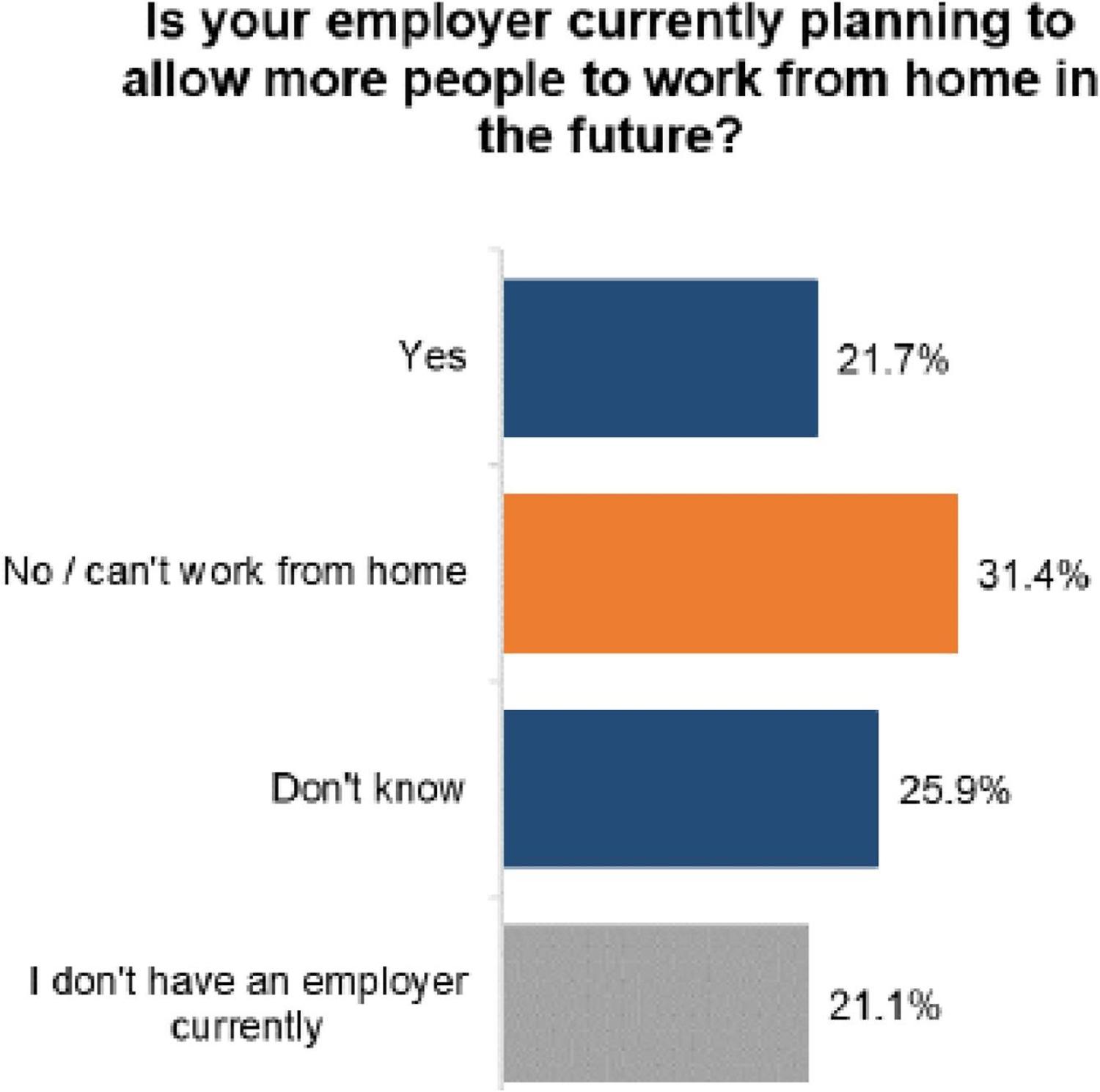
Telecommuting has become a dominant professional experience for many Canadian business and workers due to the COVID-19 pandemic. Telecommuting has several benefits that are separate from COVID-19. Two prevalent changes have been in regard to telecommuting and online food buying habits, both of which impact social wellbeing as a dimension of social sustainability. We discuss two exploratory surveys on the perception of telecommuting and food e-commerce.
Elsevier, Chest, Volume 161, January 2022
Background: Ozone effects on lung function are particularly important to understand in the context of the air pollution-health outcomes epidemiologic literature, given the complex relationships between ozone and other air pollutants with known lung function effects. Research Question: What has been learned about the association between ozone exposures and lung function from epidemiology studies published from 2013 through 2020?
Elsevier, One Earth, Volume 4, 17 December 2021
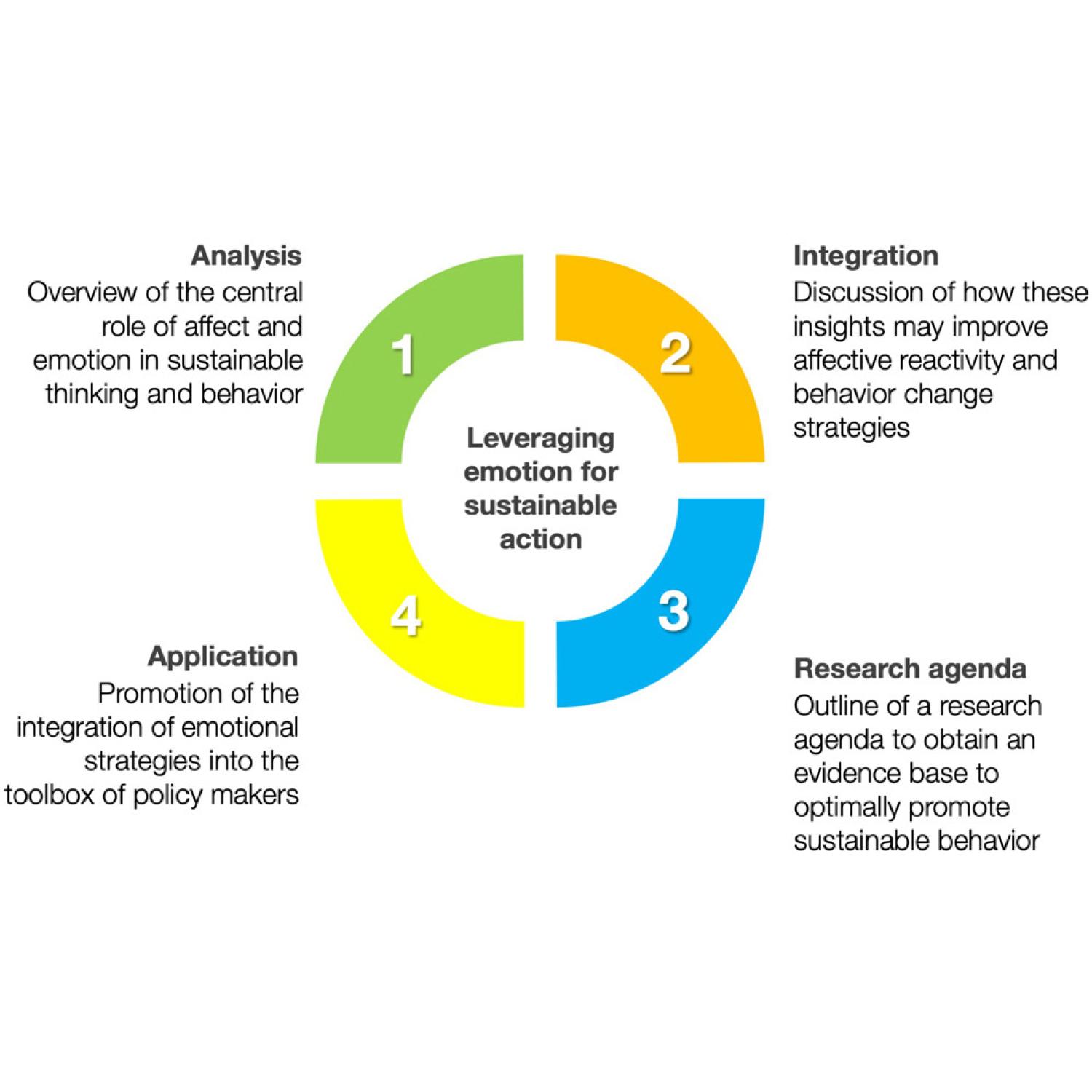
Behavioral science approaches to promoting sustainable action have mainly focused on cognitive processes, whereas the role of emotions has received comparably little attention. However, emotions have a great but currently not fully exploited potential to contribute to a sustainable behavior change. In this perspective, we summarize recent research emphasizing the central and indispensable role of emotion in human thinking and judgment.
Elsevier, Journal of Thoracic Oncology, Volume 17, January 2022
Screening with low-dose computed tomography of high-risk individuals with a smoking history reduces lung cancer mortality. Current screening guidelines and eligibility criteria can miss more than 50% of lung cancers, and in some geographic areas, such as East Asia, a large proportion of the missed lung cancers are in never-smokers. Although randomized trials revealed the benefits of screening for people who smoke, these trials generally excluded never-smokers. Thus, the feasibility and effectiveness of lung cancer screening of individuals who never smoked are uncertain.
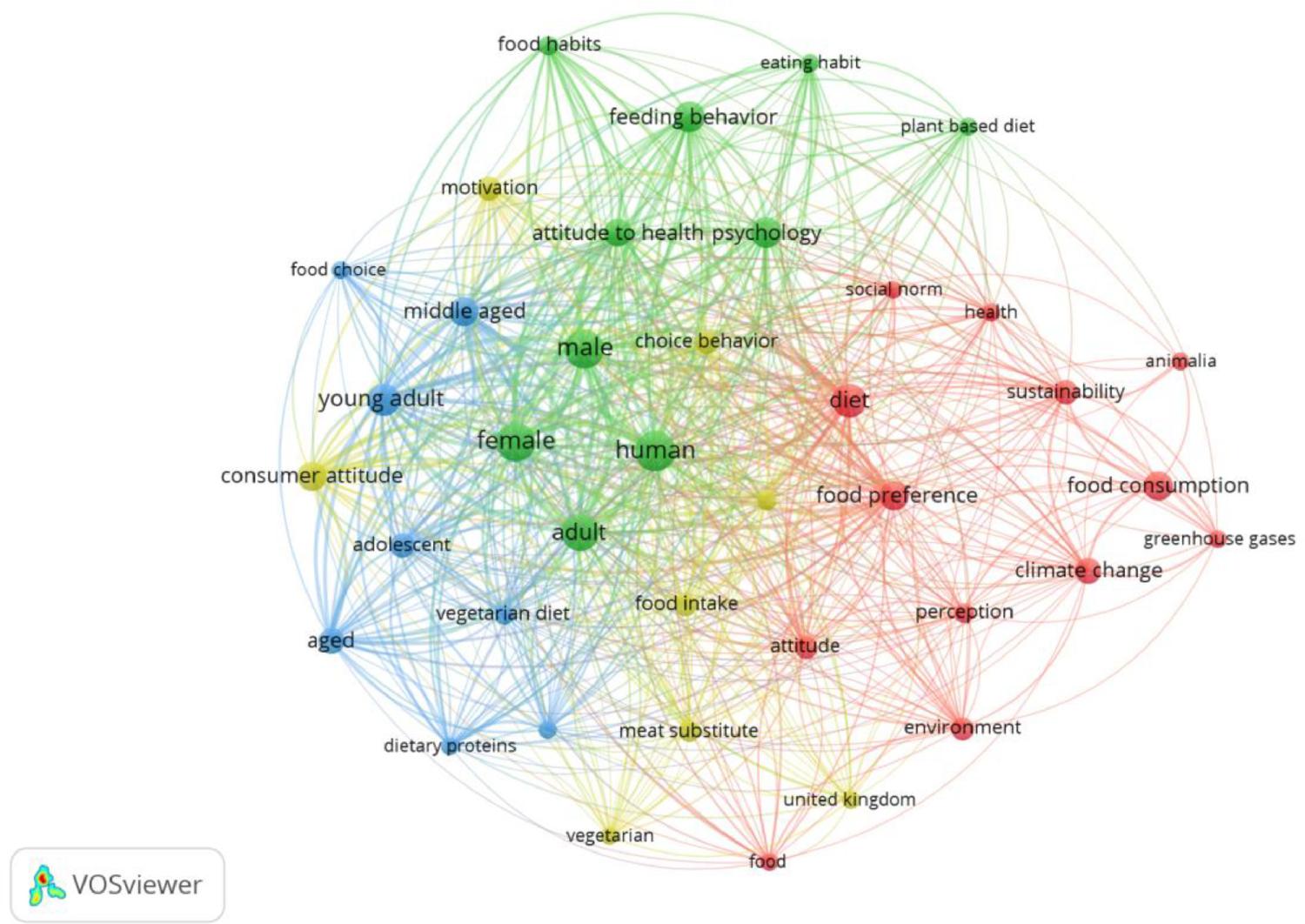
Elsevier, Future Foods, Volume 5, June 2022
Several studies have indicated that a global reduction in meat consumption is inevitable for sustainability and public health, despite the challenges inherent to changing eating habits. The purpose of this article is to pursue a stock-take of consumer behavior with regard to reducing meat consumption through a literature review using bibliometric analysis. The findings show the multidisciplinary nature of the field, which is in full development and with many knowledge gaps. Publications are concentrated in a few dominant journals and originated exclusively in developed countries.
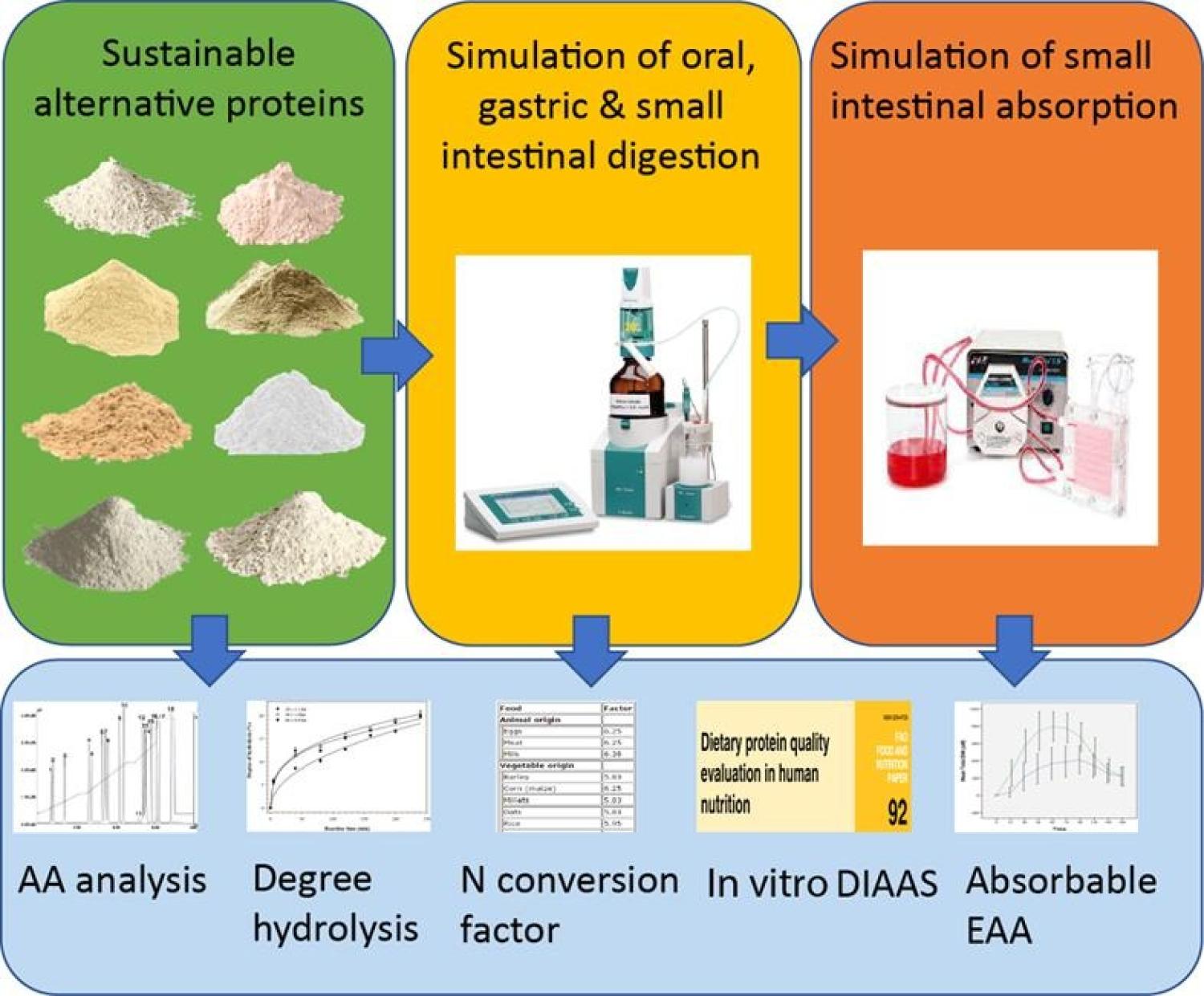
Elsevier, Journal of Functional Foods, Volume 87, December 2021
We studied several sustainable alternative protein concentrates and a whey protein concentrate as reference, to determine their protein composition, digestibility and quality using the harmonized INFOGEST static protocol. The proteins concentrates were analyzed to determine their conversion factor, degree of hydrolysis, true ileal digestibility, in vitro digestible indispensable amino acid score (IVDIAAS) and total absorbable amino acids and total essential amino acids.
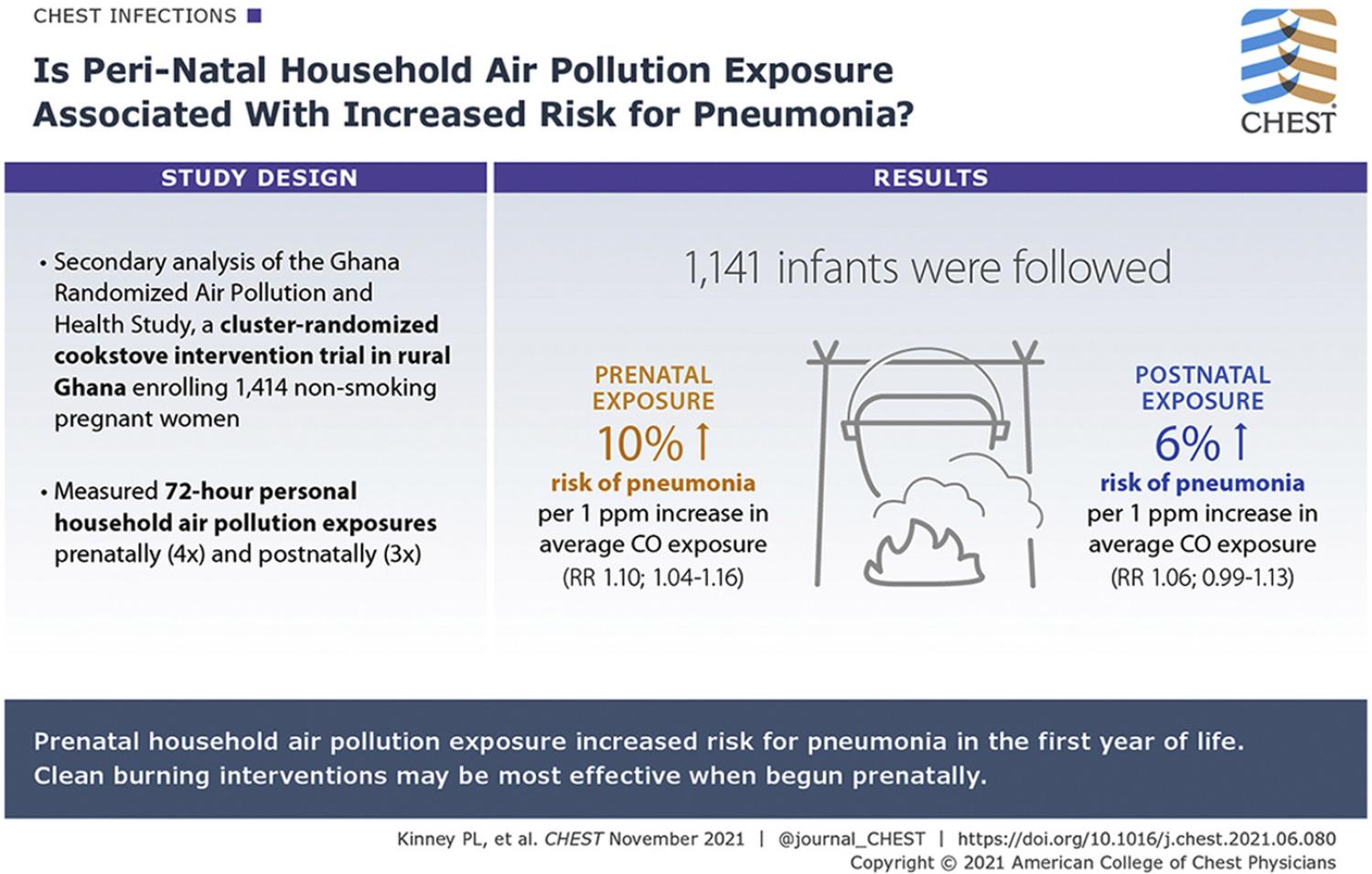
Elsevier, Chest, Volume 160, November 2021
Background: Nearly 40% of the world's population is exposed daily to household air pollution. The relative impact of prenatal and postnatal household air pollution exposure on early childhood pneumonia, a leading cause of mortality, is unknown. Research Question: Are prenatal or postnatal household air pollution, or both, associated with pneumonia risk in the first year of life? Study Design and Methods: The Ghana Randomized Air Pollution and Health Study enrolled 1,414 nonsmoking, pregnant women before 24 weeks’ gestation with prospective follow-up to the child's age of 1 year.
Elsevier, Habitat International, Volume 117, November 2021
Ethiopia has experienced rapid urbanization over the past three decades. Several cities expanded rapidly and many satellite towns sprung up around the major cities. The high rate of urbanization and urban growth resulted in high demand for urban land, mainly for industrial, commercial, and residential purposes. In order to meet the demand, an enormous amount of land has been made available for urban use, mainly through land conversion. However, we know very little about how efficiently cities use urban land.
Elsevier, Journal of Thoracic Oncology, Volume 16, November 2021
Introduction: Air pollution may play an important role in the development of lung cancer in people who have never smoked, especially among East Asian women. The aim of this study was to compare cumulative ambient air pollution exposure between ever and never smokers with lung cancer. Methods: A consecutive case series of never and ever smokers with newly diagnosed lung cancer were compared regarding their sex, race, and outdoor and household air pollution exposure.
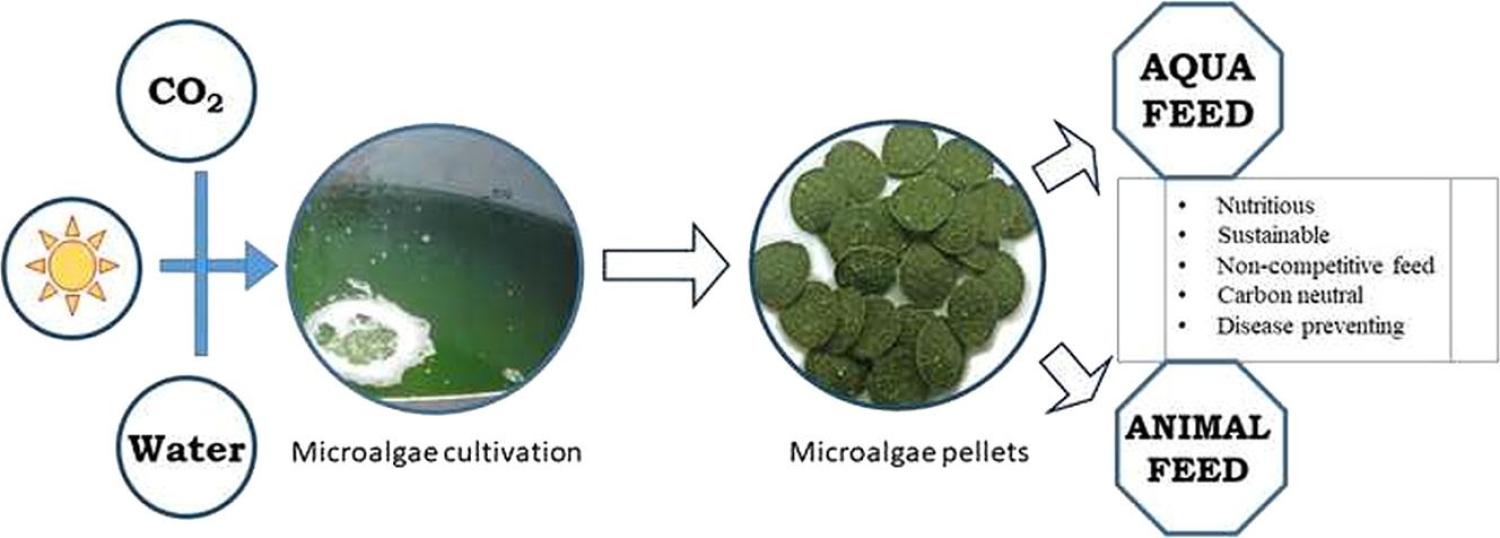
Elsevier, Journal of Functional Foods, Volume 62, November 2019
Aquaculture and animal rearing for meat has increased exceedingly to meet the demands of ever-increasing population. Utilizing small fishes and agricultural products for feed production will lead to over exploitation of the resources and competition with food respectively. Microalgae can be next alternate source for animal and aquatic feed production in an environmentally sustainable and economically advantageous manner.
Elsevier, The Lancet Planetary Health, Volume 6, February 2022
Background: With much of the world's population residing in urban areas, an understanding of air pollution exposures at the city level can inform mitigation approaches. Previous studies of global urban air pollution have not considered trends in air pollutant concentrations nor corresponding attributable mortality burdens. We aimed to estimate trends in fine particulate matter (PM2·5) concentrations and associated mortality for cities globally.
Elsevier, The Lancet Planetary Health, Volume 6, February 2022
Background: Road-traffic injuries are a key cause of death and disability in low-income and middle-income countries, but the effect of city characteristics on road-traffic mortality is unknown in these countries. The aim of this study was to determine associations between city-level built environment factors and road-traffic mortality in large Latin American cities. Methods: We selected cities from Argentina, Brazil, Chile, Colombia, Costa Rica, El Salvador, Guatemala, Mexico, Panama, and Peru; cities included in the analysis had a population of at least 100 000 people.
Elsevier, The Lancet Planetary Health, Volume 6, January 2022
Background: Climate change and air pollution are two major societal problems. Their complex interplay calls for an advanced evaluation framework that can support decision making. Previous assessments have looked at the co-benefits of climate policies for air pollution, but few have optimised air pollution benefits. In our study, we lay out a modelling framework that internalises air pollution's economic impacts on human mortality, while considering climate constraints and aerosol feedback.
Elsevier, The Lancet Planetary Health, Volume 6, January 2022
Background: Long-term exposure to ambient air pollution has been associated with premature mortality, but associations at concentrations lower than current annual limit values are uncertain. We analysed associations between low-level air pollution and mortality within the multicentre study Effects of Low-Level Air Pollution: A Study in Europe (ELAPSE).
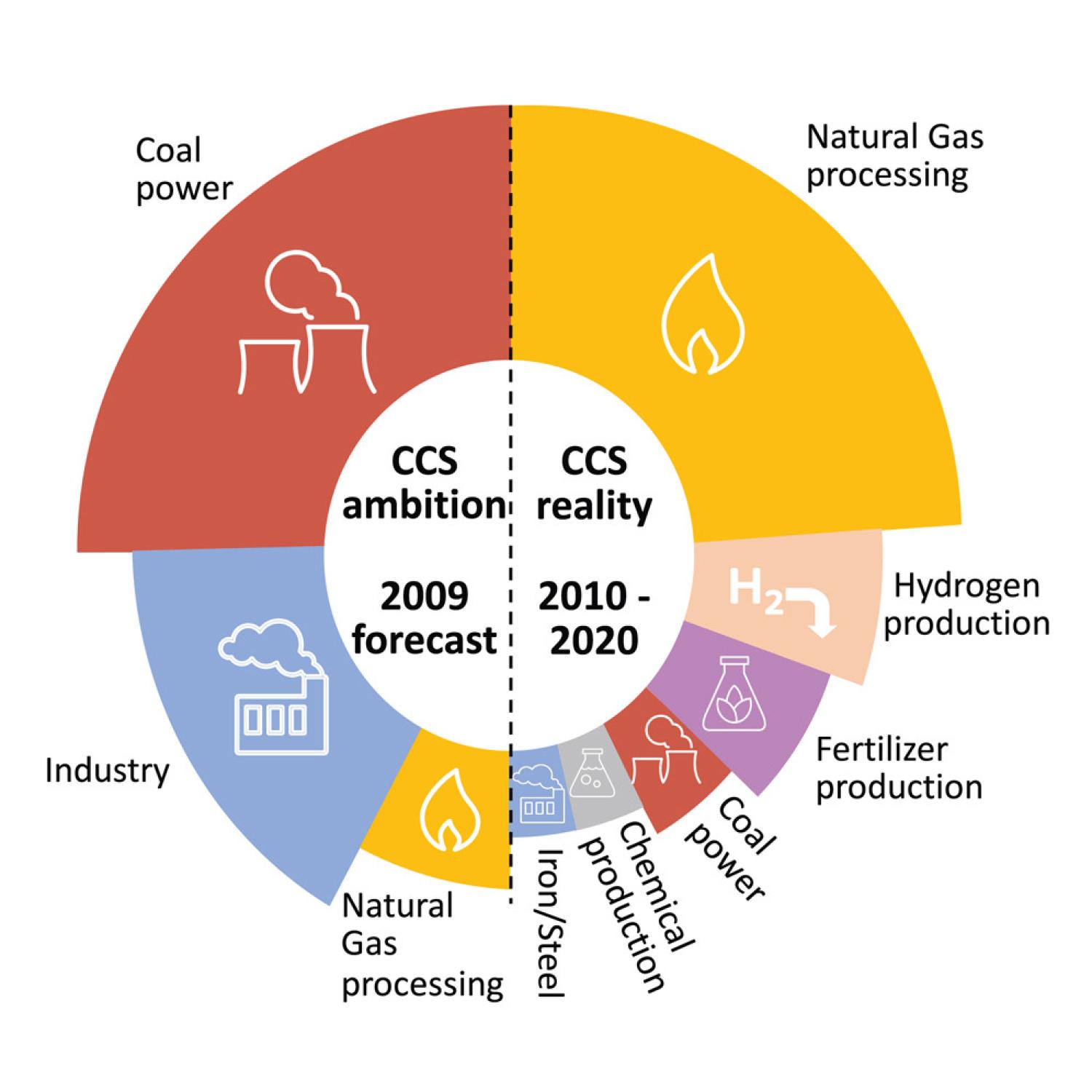
Elsevier, One Earth, Volume 4, 19 November 2021
Following the landmark 2015 United Nations Paris Agreement, a growing number of countries are committing to the transition to net-zero emissions. Carbon capture and storage (CCS) has been consistently heralded to directly address emissions from the energy and industrial sectors and forms a significant component of plans to reach net-zero. However, despite the critical importance of the technology and substantial research and development to date, CCS deployment has been slow. This review examines deployment efforts over the last decade.
Elsevier, The Lancet Planetary Health, Volume 5, November 2021
Background: The announcement of China's 2060 carbon neutrality goal has drawn the world's attention to the specific technology pathway needed to achieve this pledge. We aimed to evaluate the health co-benefits of carbon neutrality under different technology pathways, which could help China to achieve the carbon neutrality goal, air quality goal, and Healthy China goal in a synergetic manner that includes health in the decision-making process.
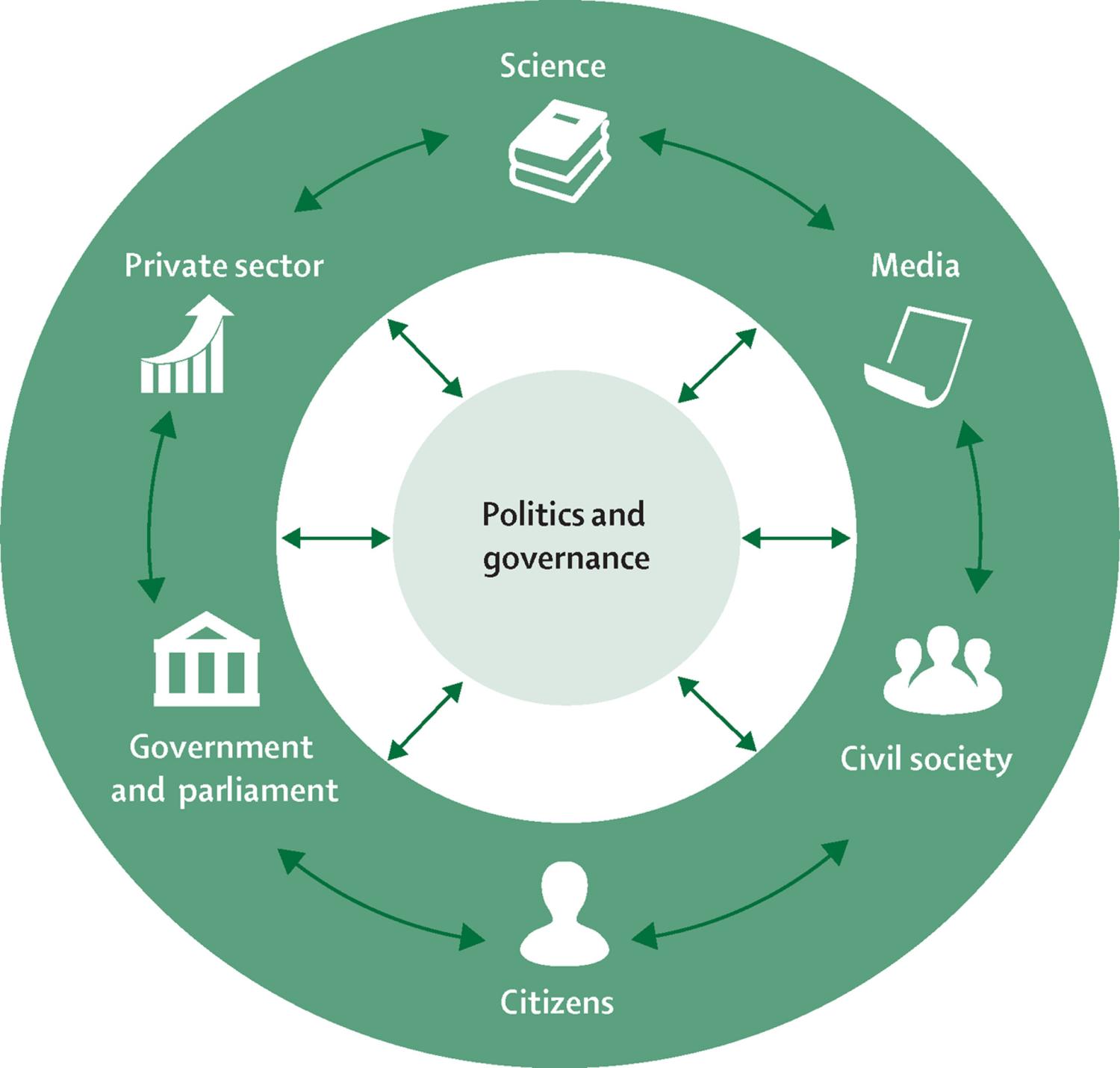
Elsevier, The Lancet Public Health, Volume 6, November 2021
A Viewpoint on Europe's response to climate change, in the context of SDGs 12, 13, and 17, focusing specifically on the use of region-specific indicators to address the main challenges and opportunities of Europe's response in the context of public and planetary health.
Elsevier, The Lancet Planetary Health, Volume 5, October 2021
Background: Africa is undergoing both an environmental and an epidemiological transition. Household air pollution is the predominant form of air pollution, but it is declining, whereas ambient air pollution is increasing. We aimed to quantify how air pollution is affecting health, human capital, and the economy across Africa, with a particular focus on Ethiopia, Ghana, and Rwanda. Methods: Data on household and ambient air pollution were from WHO Global Health Observatory, and data on morbidity and mortality were from the 2019 Global Burden of Disease Study.
Elsevier, The Lancet Planetary Health, Volume 5, October 2021
Background: Natural outdoor environments including green spaces play an important role in preserving population health and wellbeing in cities, but the number of deaths that could be prevented by increasing green space in European cities is not known. We aimed to estimate the number of natural-cause deaths among adult residents that could be prevented in cities in 31 European countries, if the WHO recommendation for universal access to green space was achieved.
Elsevier, The Lancet. Planetary health, Volume 5, 1 September 2021
BACKGROUND: Many regions of the world are now facing more frequent and unprecedentedly large wildfires. However, the association between wildfire-related PM2·5 and mortality has not been well characterised. We aimed to comprehensively assess the association between short-term exposure to wildfire-related PM2·5 and mortality across various regions of the world. METHODS: For this time series study, data on daily counts of deaths for all causes, cardiovascular causes, and respiratory causes were collected from 749 cities in 43 countries and regions during 2000-16.
Elsevier, The Lancet, Volume 398, 21 August 2021
Background: Associations between high and low temperatures and increases in mortality and morbidity have been previously reported, yet no comprehensive assessment of disease burden has been done. Therefore, we aimed to estimate the global and regional burden due to non-optimal temperature exposure. Methods: In part 1 of this study, we linked deaths to daily temperature estimates from the ERA5 reanalysis dataset.
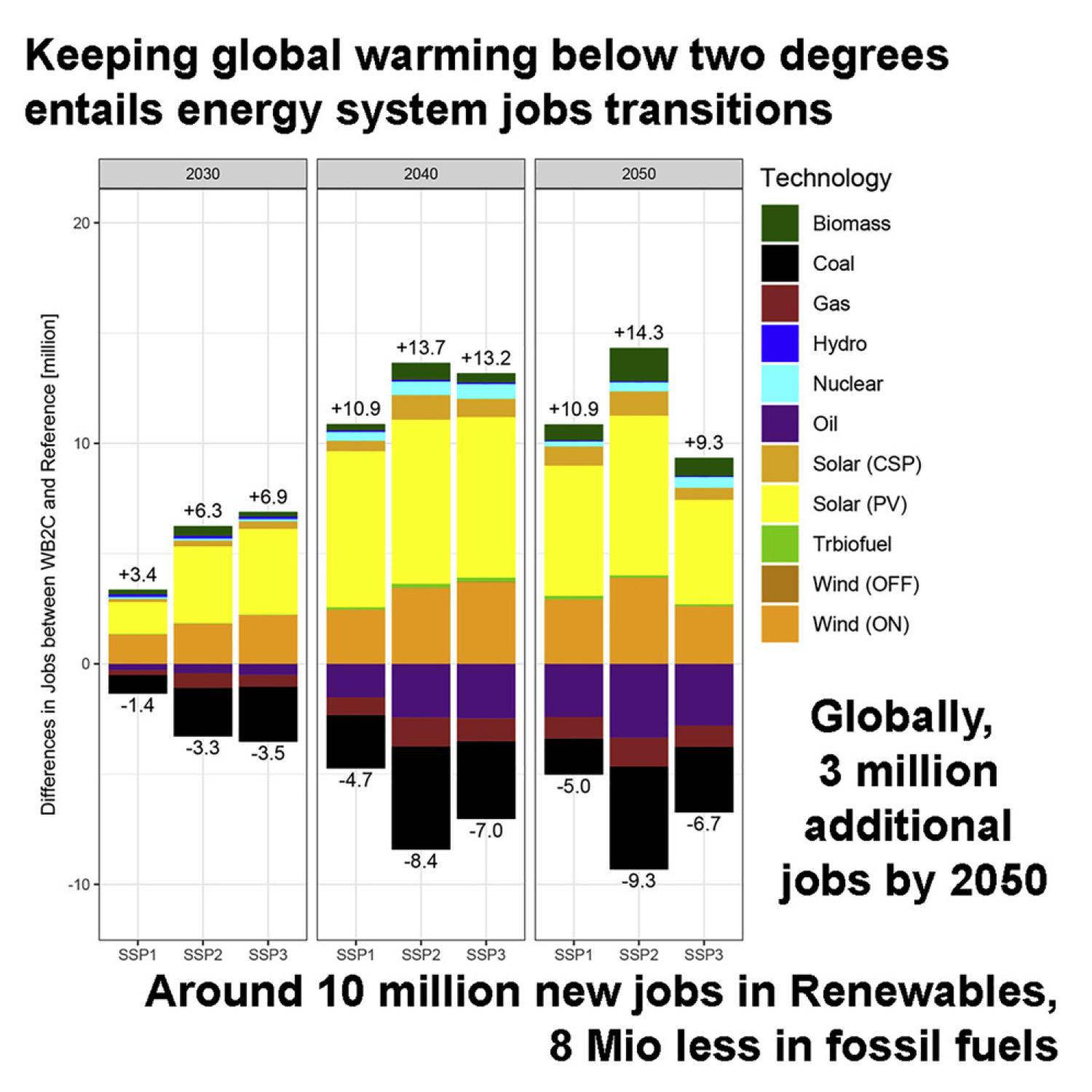
Elsevier, One Earth, Volume 4, 23 July 2021
To limit global warming to well-below 2°C (WB2C), fossil fuels must be replaced by low-carbon energy sources. Support for this transition is often dampened by the impact on fossil fuel jobs. Previous work shows that pro-climate polices could increase employment by 20 million net energy jobs, but these studies rely on Organisation for Economic Co-operation and Development (OECD) jobs data, assumptions about jobs in non-OECD countries, and a single baseline assumption.
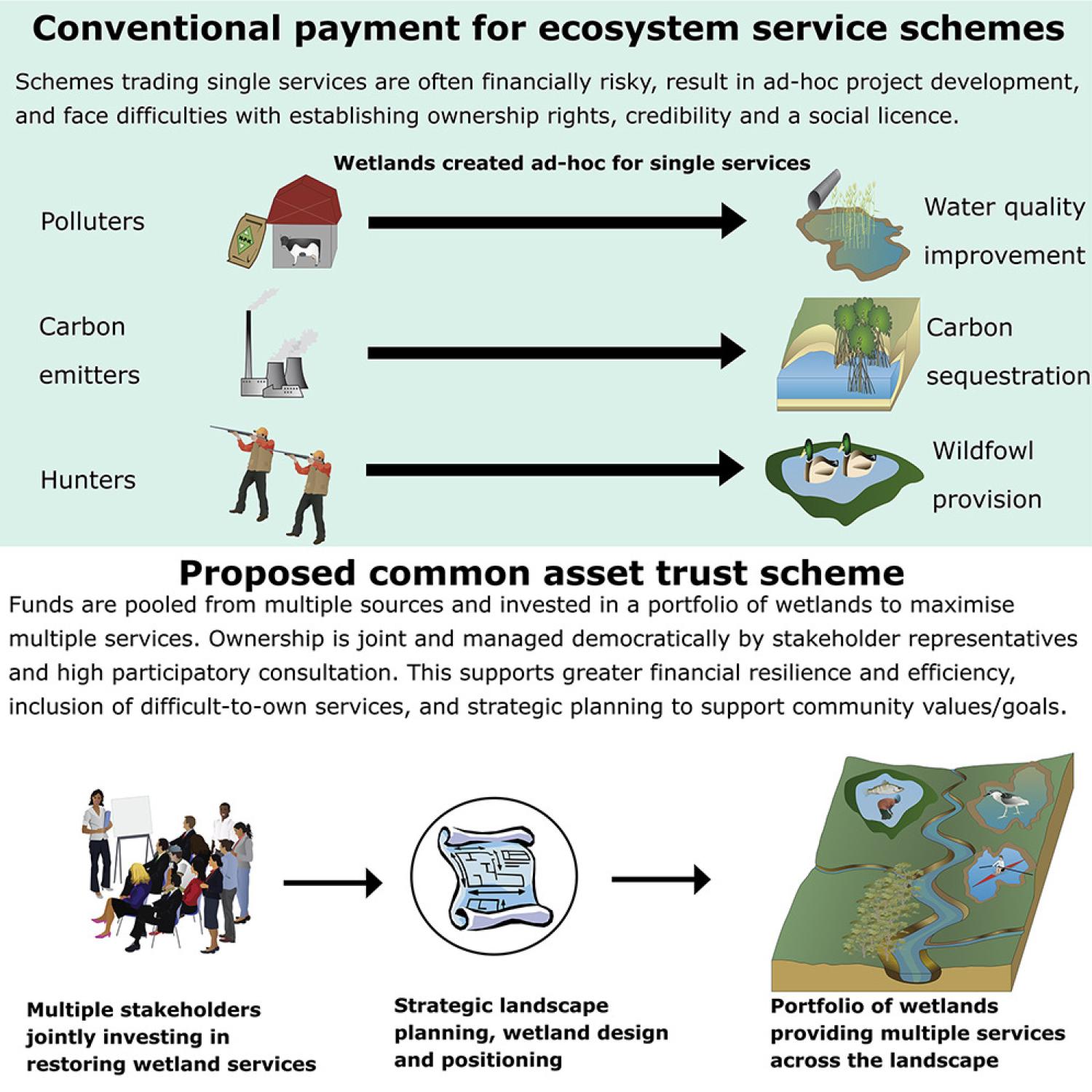
Elsevier, One Earth, Volume 4, 23 July 2021
Wetlands provide ∼$47.4 trillion/year worth of ecosystem services globally and support immense biodiversity, yet face widespread drainage and pollution, and large-scale wetlands restoration is urgently needed. Payment for ecosystem service (PES) schemes provide a viable avenue for funding large-scale wetland restoration. However, schemes around the globe differ substantially in their goals, structure, challenges, and effectiveness in supporting large-scale wetland restoration.
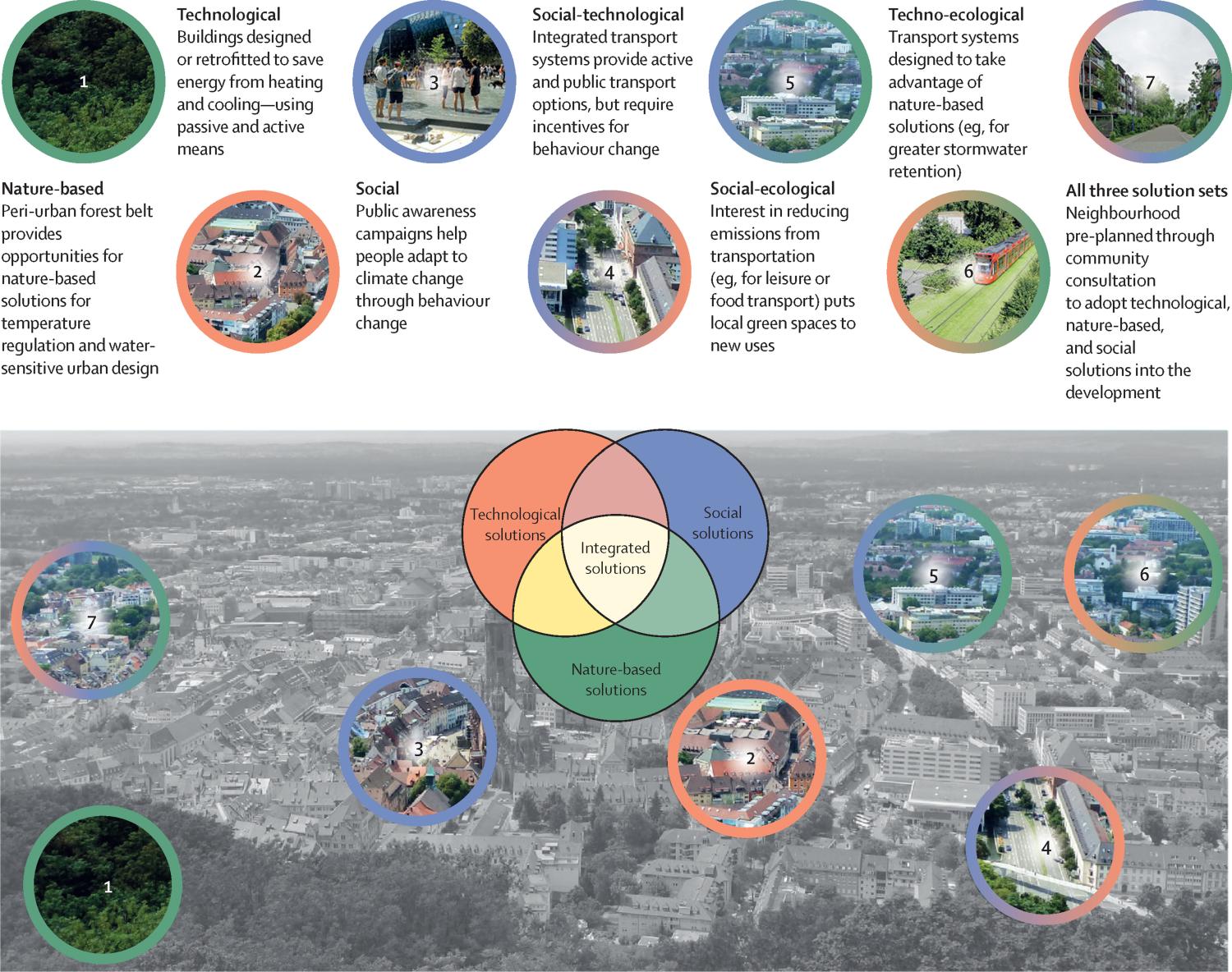
Elsevier, The Lancet Planetary Health, Volume 5, July 2021
Record climate extremes are reducing urban liveability, compounding inequality, and threatening infrastructure. Adaptation measures that integrate technological, nature-based, and social solutions can provide multiple co-benefits to address complex socioecological issues in cities while increasing resilience to potential impacts. However, there remain many challenges to developing and implementing integrated solutions.
Elsevier, The Lancet Planetary Health, Volume 5, June 2021
Background: Extreme heat exposure can lead to premature death. Climate change is expected to increase the frequency, intensity, and duration of extreme heat events, resulting in many additional heat-related deaths globally, as well as changing the nature of extreme cold events. At the same time, vulnerability to extreme heat has decreased over time, probably due to a combination of physiological, behavioural, infrastructural, and technological adaptations. We aimed to account for these changes in vulnerability and avoid overstated projections for temperature-related mortality.
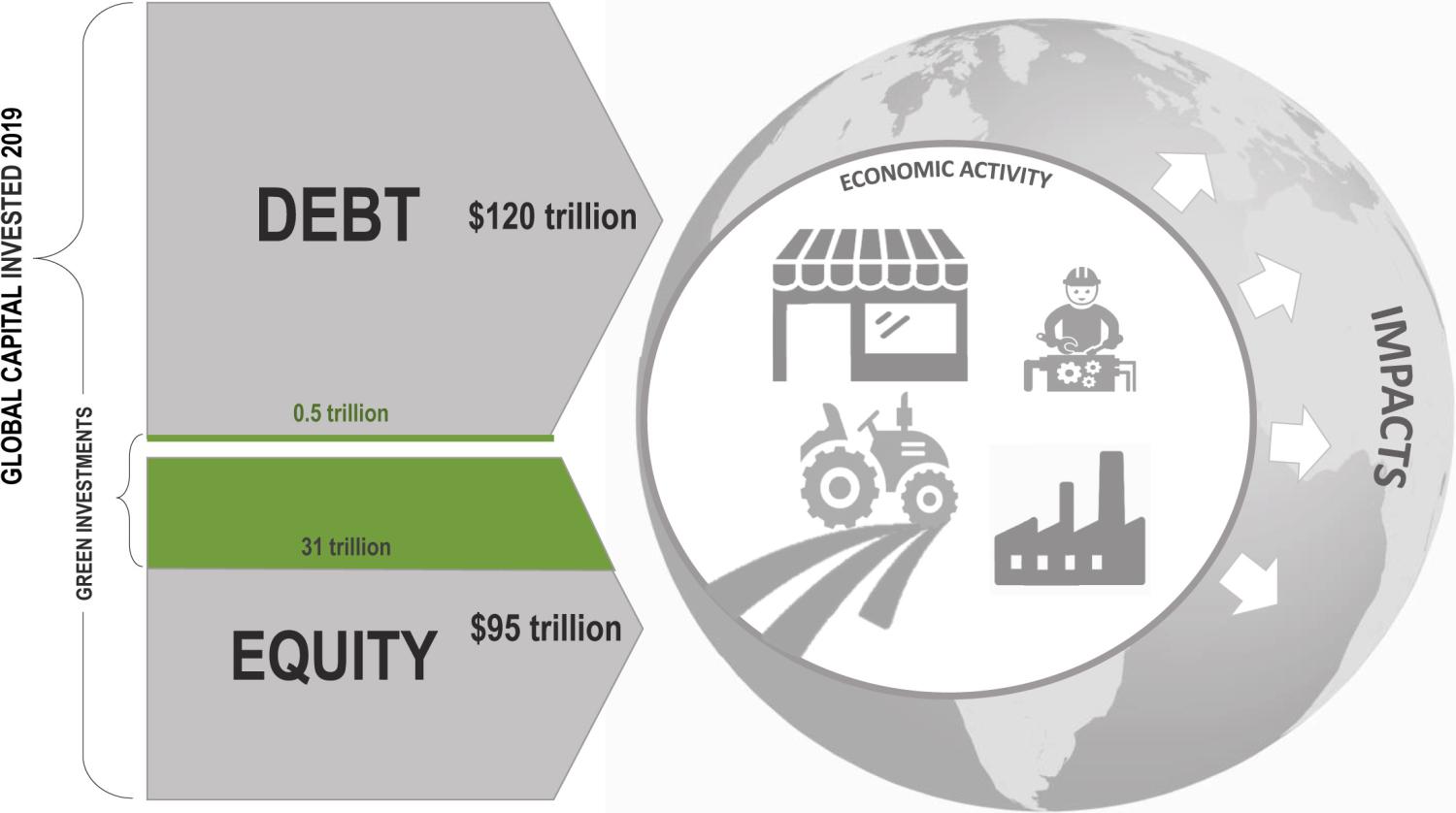
Elsevier, One Earth, Volume 4, 21 May 2021
Globally, financial services are well positioned to contribute to the transformation needed for sustainable futures and will be critical for supporting corporate activities that regenerate and promote biosphere resilience as a key strategy to confront the new risk landscape of the Anthropocene. While current financial risk frameworks focus primarily on financial materiality and risks to the financial sector, failure to account for investment externalities will aggravate climate and other environmental change and set current sustainable finance initiatives off course.
Elsevier, The Lancet Planetary Health, Volume 5, February 2021
Background: nationally determined contributions (NDCs) serve to meet the goals of the Paris Agreement of staying “well below 2°C”, which could also yield substantial health co-benefits in the process. However, existing NDC commitments are inadequate to achieve this goal. Placing health as a key focus of the NDCs could present an opportunity to increase ambition and realise health co-benefits.
Elsevier, The Lancet Planetary Health, Volume 4, November 2020
Background: Various retrospective studies have reported on the increase of mortality risk due to higher diurnal temperature range (DTR). This study projects the effect of DTR on future mortality across 445 communities in 20 countries and regions. Methods: DTR-related mortality risk was estimated on the basis of the historical daily time-series of mortality and weather factors from Jan 1, 1985, to Dec 31, 2015, with data for 445 communities across 20 countries and regions, from the Multi-Country Multi-City Collaborative Research Network.
Elsevier, The Lancet Global Health, Volume 8, August 2020
Eradicating food insecurity is necessary for achieving global health goals. Liberal trade policies might increase food supplies but how these policies influence individual-level food insecurity remains uncertain. We aimed to assess the association between liberal trade policies and food insecurity at the individual level, and whether this association varies across country-income and household-income groups.
Elsevier, Environmental Systems Science, Theory and Practical Applications, 2021, Pages 509-542
This book chapter advances SDGs 9, 13, and 15 by introducing techniques for assessing economics and feasibility to complement the technical and scientific rigor in environmental systems science. This includes attention to project planning and communicating decisions and working with stakeholders and emission reduction and prevention strategies, including fuel-related and air toxics strategies.
Elsevier, Preparing a Workforce for the New Blue Economy, People, Products and Policies, 2021, Pages 3-16
This book chapter advances SDGs 9, 13, and 15 by explaining how the blue economy of the future will be heavily dependent on national investments in ocean sciences, ocean-related technologies, and intelligent national policy creation about the national interest in the world ocean.
Elsevier, Modern Cartography Series, Volume 10, 2021, Pages 313-335
This book chapter advances SDGs 9, 13, and 15 by highlighting coastal management problems related to the reclamation process that have been addressed through geoinformatics. The findings of the study carried out offer a detailed overview of the quantity and quality of research materials reported thus far on the subject of the recycling process, remote sensing, and Geographical Information System innovations.
Elsevier, Climate Change and Crop Stress, Molecules to Ecosystems, 2022, Pages 209-229
This book chapter advances SDGs 2, 13, and 15 by summarizing the impact of high temperature on wheat production, physiological traits contributing to heat tolerance, and how to integrate new tools such as trascriptomics, proteomics, metabolomics, and ionomics with plant breeding.
Elsevier, Climate Change Science, Causes, Effects and Solutions for Global Warming, 2021, Pages 223-246
This book chapter advances SDGs 9 and 13 by discussing how designing smart building technology to satisfy the net energy and water needs of a building provides an innovative technology for mitigating global energy, environmental, and climate vulnerability.
Elsevier, Sustainable Resource Management, Modern Approaches and Contexts, 2021, Pages 289-315
This book chapter advances SDGs 9, 13, and 15 by using several economic indicators of sustainable resource management to help answer questions such as what extent is it possible to know whether the available resources are being managed in a sustainable way? Could it be said that current generations are using the resources to meet their needs without compromising the ability of future generations to meet their own?
Elsevier, Environmental Sustainability and Economy, 2021, Pages 35-60
This book chapter advances SDGs 9, 13, and 11 by exploring the relationship between environmental quality and economic development to help policymakers design and implement effective policies in order to achieve sustainability goals.
Elsevier, Methods in Sustainability Science, Assessment, Prioritization, Improvement, Design and Optimization, 2021, Pages 13-26
This book chapter advances SDGs 11 and 13 by providing useful information for multisector institutions, especially for governments on how to plan future programs for socializing and promoting SDGs as one tool for creating sustainable businesses, as well as for protecting the environment, and improving society’s welfare.
Elsevier, Ethnozoology, Animals in Our Lives, 2018, Pages 119-149
This book chapter advances SDGs 12 and 14 by focusing on the importance of fisheries and its role in human development, considering historical aspects, the main uses of targeted taxa, and their capture methods, which include the use of animals.
Elsevier, Animals and Human Society, 2018, Pages 451-482
This book chapter advances SDGs 12 and 15 by explaining how humans have a detrimental impact on natural habitat due to various activities including deforestation, urbanization, roads, the energy sector (renewable and coal), mining, and climate change. The most important form of habitat destruction is deforestation either to develop land for agriculture (70%) or to harvest lumber intensively.
Elsevier, Marine Mammal Ecotoxicology, Impacts of Multiple Stressors on Population Health, 2018, Pages 291-320
This book chapter advances SDGs 13 and 14 by explaining how in the past, marine mammal genetic and transcriptional studies have been restricted due to the lack of reference genomes. But the advance of high-throughput sequencing is revolutionizing the life sciences technologies.
Elsevier, The Atlantic Walrus, Multidisciplinary insights into human-animal interactions, 2021, Pages 251-262
This book chapter advances SDGs 13, 14, and 15 by presenting an overview of the current management requirements regarding the hunting of Atlantic walruses. It highlights how management and regulation occur across local, national, regional and international levels and the importance of effective collaboration between hunters, scientists and managers for successful conservation.
Elsevier, Animal Behavior (Third Edition), 2022, Pages 531-573
This book chapter advances SDGs 13, 15, and 17 by explaining how conservation of species in the wild by creating sanctuaries is most successful if aspects of behavior such as territoriality, dispersal, and migration are factored into sanctuary design.
Elsevier, Galapagos Giant Tortoises, Biodiversity of World: Conservation from Genes to Landscapes, 2021, Pages 503-509
This book chapter advances SDGs 13, 14, and 15 by presenting a framework for prioritizing future conservation efforts. The chapter ends with a vision of Galapagos tortoise populations 200–300 years from now—as they follow a slow, steady path to full recovery.
Elsevier, Climate Change Adaptation for Transportation Systems, 2021, Pages 1-24
This book chapter advances SDGs 9, 11, and 13 by providing a general introduction to climate change adaptation for transportation systems and a set of guiding principles for the planning and implementation of adaptation programs.
Elsevier, Disaster Resilience and Sustainability, Adaptation for Sustainable Development, 2021, Pages 1-20
This book chapter advances SDGs 9 and 11 by explaining how increasing frequency and intensity of natural disasters in Asia have become a huge challenge to achieve sustainable development. The main purpose of this chapter is to capture the multidisciplinary and multisectoral aspects of disaster resilience, adaptation strategy, and sustainability, and connect existing data, research, conceptual work, and practical cases on disaster risk management and its linkage with sustainable development under a common umbrella.
Elsevier, Improving Sustainable Viticulture and Winemaking Practices, 2022, Pages 1-24
This book chapter advances SDGs 12 and 15 by explaining how the wine sector must implement more sustainable practices to mitigate climate change impacts and to decrease its environmental impact while ensuring its important economic and social function. This chapter presents and discusses the most relevant risks and concerns of modern wine industry and major sustainability issues related to wine production and related supply chain.
Elsevier, Agriculture's Ethical Horizon (Third Edition), 2022, Pages 1-15
This book chapter advances SDGs 2, 12, and 15 by explaining how those engaged in agriculture must begin to examine and expand agriculture’s ethical horizon—the full range or widest limit of our perception, interest, appreciation, knowledge, and experience. It is necessary to explore agriculture’s intellectual horizon, because our unexamined, ethical position, may limit what agriculture’s ethical horizon defines. This book will encourage those involved in all phases of the agricultural enterprise to initiate and continue discussion of agriculture’s ethical foundation.
Elsevier, Social Ecology in the Digital Age, Solving Complex Problems in a Globalized World, 2018, Pages 223-264
This book chapter advances SDGs 13 and 15 by confronting what many scientists and policymakers regard as our gravest existential threats today—global climate change and its impacts on groundwater and food supplies, sea level rise and coastal flooding, ocean acidification extreme weather events, biodiversity loss, violent conflict over scarce resources, and disease pandemics.
Elsevier, The Lancet Planetary Health, Volume 6, February 2022
Background: With much of the world's population residing in urban areas, an understanding of air pollution exposures at the city level can inform mitigation approaches. Previous studies of global urban air pollution have not considered trends in air pollutant concentrations nor corresponding attributable mortality burdens. We aimed to estimate trends in fine particulate matter (PM2·5) concentrations and associated mortality for cities globally.
Elsevier, The Lancet Planetary Health, Volume 6, February 2022
Background: Road-traffic injuries are a key cause of death and disability in low-income and middle-income countries, but the effect of city characteristics on road-traffic mortality is unknown in these countries. The aim of this study was to determine associations between city-level built environment factors and road-traffic mortality in large Latin American cities. Methods: We selected cities from Argentina, Brazil, Chile, Colombia, Costa Rica, El Salvador, Guatemala, Mexico, Panama, and Peru; cities included in the analysis had a population of at least 100 000 people.
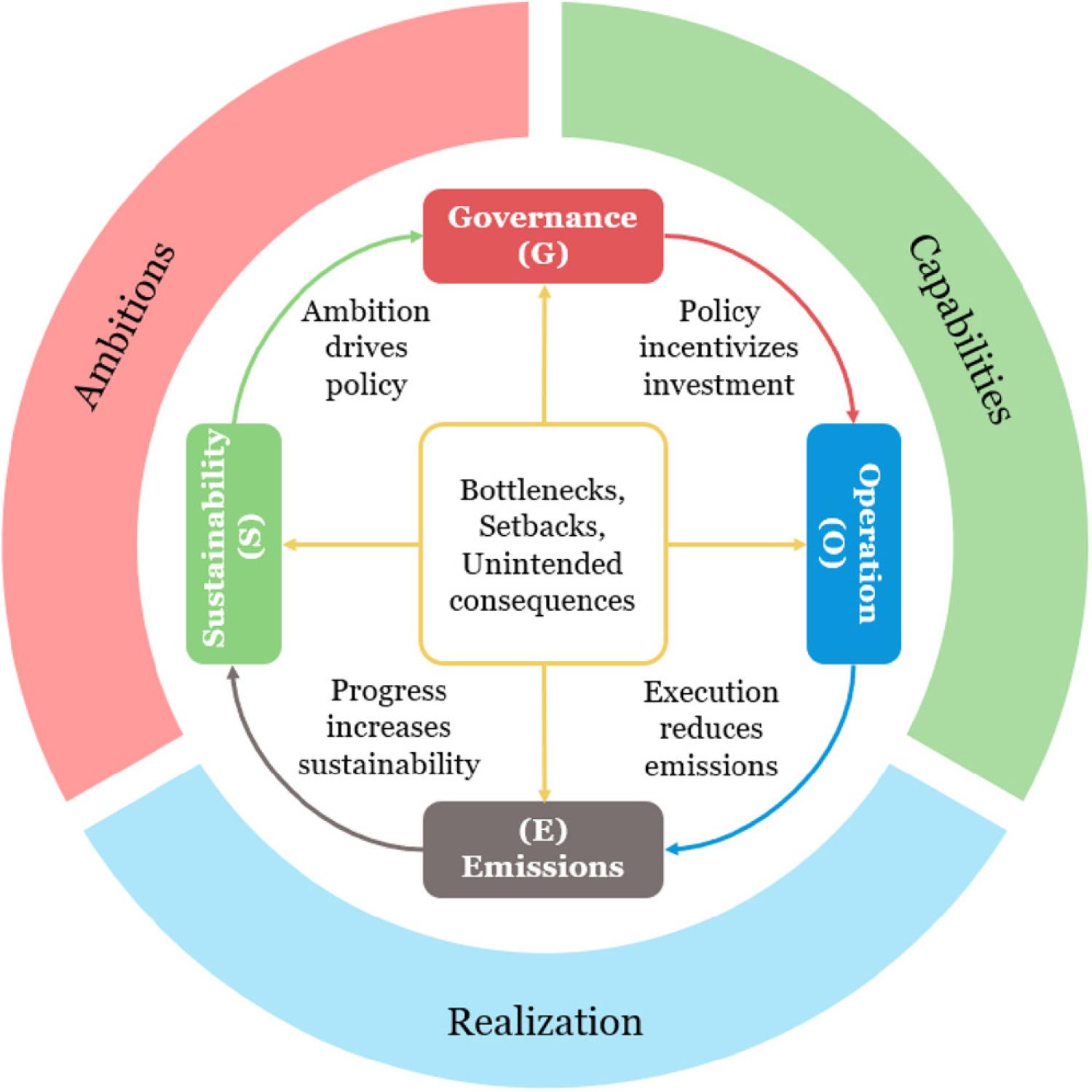
Elsevier, iScience, Volume 25, 21 January 2022
A growing number of governments are pledging to achieve net-zero greenhouse gas emissions by mid-century. Despite such ambitions, realized emissions reductions continue to fall alarmingly short of modeled energy transition pathways for achieving net-zero. This gap is largely a result of the difficulty of realistically modeling all the techno-economic and sociopolitical capabilities that are required to deliver actual emissions reductions.
Elsevier, iScience, Volume 25, 21 January 2022
Mitigating and adapting to climate change requires decarbonizing electricity while ensuring resilience of supply, since a warming planet will lead to greater extremes in weather and, plausibly, in power outages. Although it is well known that long-duration outages severely impact economies, such outages are usually not well characterized or modeled in grid infrastructure planning tools. Here, we bring together data and modeling techniques and show how they can be used to characterize and model long-duration outages.
Elsevier, The Lancet Planetary Health, Volume 6, January 2022
Background: Climate change and air pollution are two major societal problems. Their complex interplay calls for an advanced evaluation framework that can support decision making. Previous assessments have looked at the co-benefits of climate policies for air pollution, but few have optimised air pollution benefits. In our study, we lay out a modelling framework that internalises air pollution's economic impacts on human mortality, while considering climate constraints and aerosol feedback.
Elsevier, The Lancet Planetary Health, Volume 6, January 2022
Background: Long-term exposure to ambient air pollution has been associated with premature mortality, but associations at concentrations lower than current annual limit values are uncertain. We analysed associations between low-level air pollution and mortality within the multicentre study Effects of Low-Level Air Pollution: A Study in Europe (ELAPSE).
Elsevier, One Earth, Volume 4, 17 December 2021
Behavioral science approaches to promoting sustainable action have mainly focused on cognitive processes, whereas the role of emotions has received comparably little attention. However, emotions have a great but currently not fully exploited potential to contribute to a sustainable behavior change. In this perspective, we summarize recent research emphasizing the central and indispensable role of emotion in human thinking and judgment.
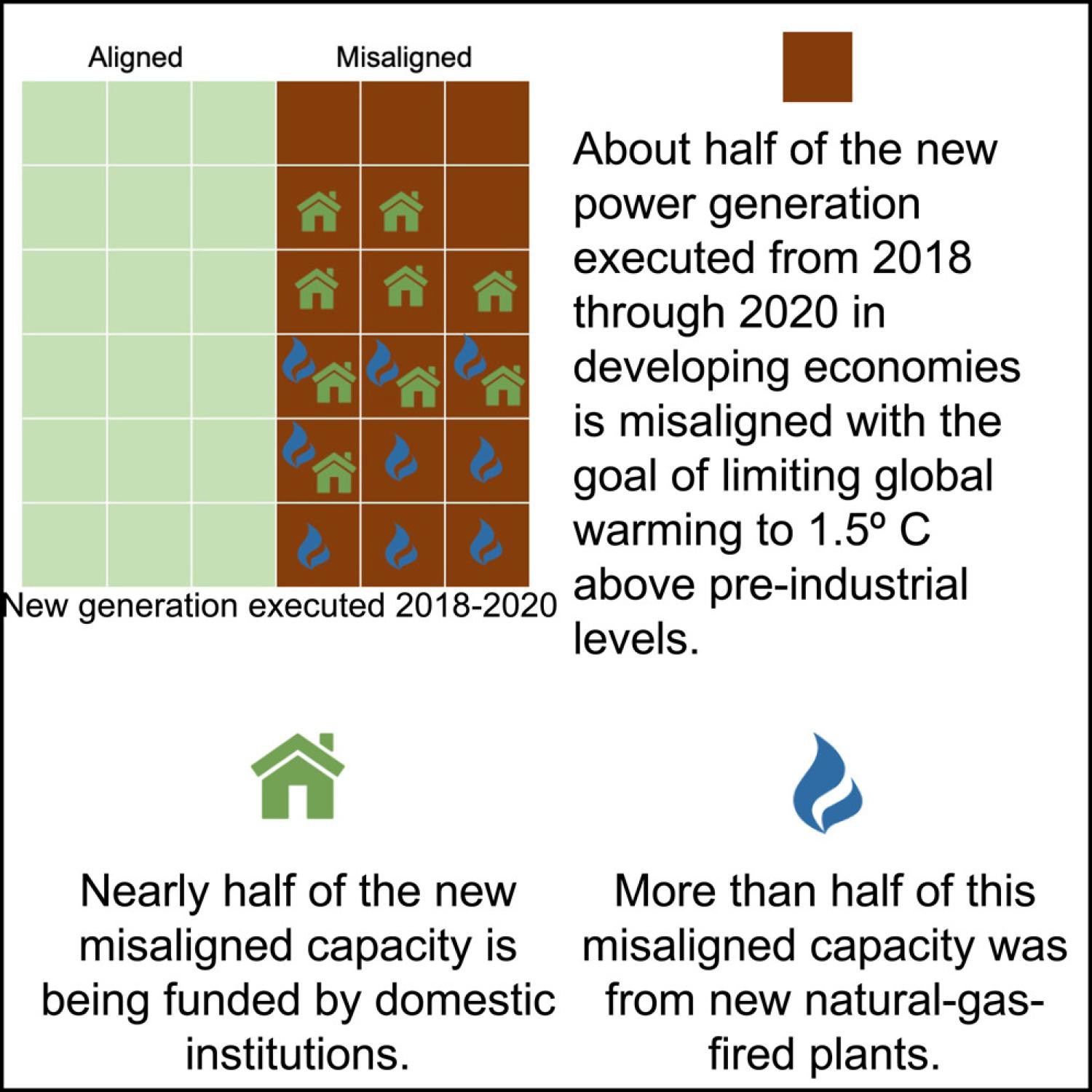
Elsevier, iScience, Volume 24, 19 November 2021
Major infrastructure financiers will have to significantly decarbonize their investments to meet mounting promises to cut carbon emissions to “net-zero” by mid-century. We provide new details about those needed shifts. Using two World Bank databases of infrastructure projects throughout the developing world, and applying a methodology for imputing the projects' likely future carbon output, we assess the emissions profile of power-plant projects executed from 2018 through 2020 — the three years immediately preceding the spate of net-zero pledges.
Elsevier, The Lancet Planetary Health, Volume 5, November 2021
COVID-19 is disrupting and transforming the world. We argue that transformations catalysed by this pandemic should be used to improve human and planetary health and wellbeing. This paradigm shift requires decision makers and policy makers to go beyond building back better, by nesting the economic domain of sustainable development within social and environmental domains.
Elsevier, The Lancet Planetary Health, Volume 5, November 2021
Background: The announcement of China's 2060 carbon neutrality goal has drawn the world's attention to the specific technology pathway needed to achieve this pledge. We aimed to evaluate the health co-benefits of carbon neutrality under different technology pathways, which could help China to achieve the carbon neutrality goal, air quality goal, and Healthy China goal in a synergetic manner that includes health in the decision-making process.
Elsevier, The Lancet Planetary Health, Volume 5, October 2021
Background: Africa is undergoing both an environmental and an epidemiological transition. Household air pollution is the predominant form of air pollution, but it is declining, whereas ambient air pollution is increasing. We aimed to quantify how air pollution is affecting health, human capital, and the economy across Africa, with a particular focus on Ethiopia, Ghana, and Rwanda. Methods: Data on household and ambient air pollution were from WHO Global Health Observatory, and data on morbidity and mortality were from the 2019 Global Burden of Disease Study.
Elsevier, The Lancet Planetary Health, Volume 5, October 2021
Background: Natural outdoor environments including green spaces play an important role in preserving population health and wellbeing in cities, but the number of deaths that could be prevented by increasing green space in European cities is not known. We aimed to estimate the number of natural-cause deaths among adult residents that could be prevented in cities in 31 European countries, if the WHO recommendation for universal access to green space was achieved.

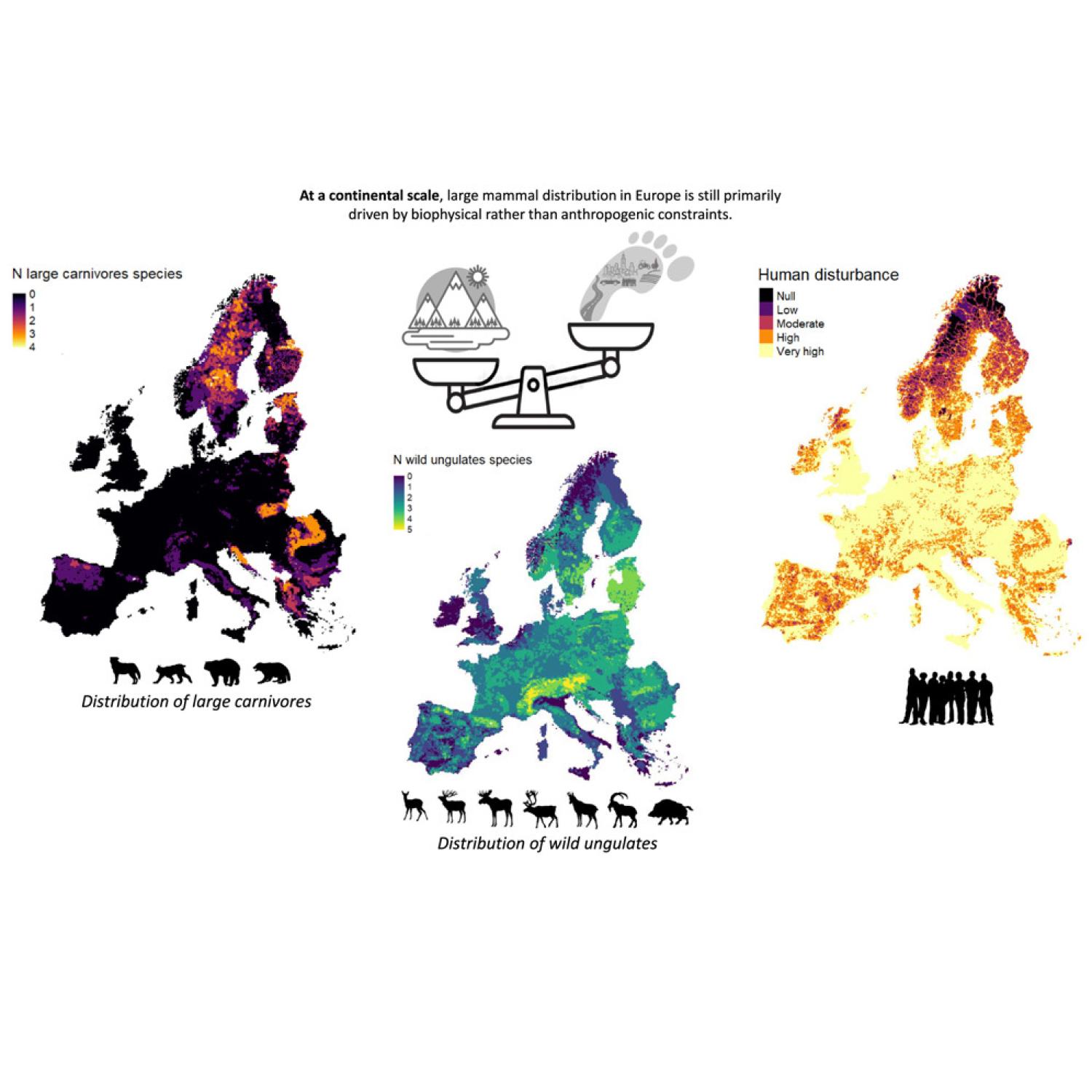
Elsevier, iScience, Volume 24, 24 September 2021
A critical question in the conservation of large mammals in the Anthropocene is to know the extent to which they can tolerate human disturbance. Surprisingly, little quantitative data is available about large-scale effects of human activity and land use on their broad scale distribution in Europe. In this study, we quantify the relative importance of human land use and protected areas as opposed to biophysical constraints on large mammal distribution.
Elsevier, The Lancet. Planetary health, Volume 5, 1 September 2021
BACKGROUND: Many regions of the world are now facing more frequent and unprecedentedly large wildfires. However, the association between wildfire-related PM2·5 and mortality has not been well characterised. We aimed to comprehensively assess the association between short-term exposure to wildfire-related PM2·5 and mortality across various regions of the world. METHODS: For this time series study, data on daily counts of deaths for all causes, cardiovascular causes, and respiratory causes were collected from 749 cities in 43 countries and regions during 2000-16.
Elsevier, The Lancet, Volume 398, 21 August 2021
Background: Associations between high and low temperatures and increases in mortality and morbidity have been previously reported, yet no comprehensive assessment of disease burden has been done. Therefore, we aimed to estimate the global and regional burden due to non-optimal temperature exposure. Methods: In part 1 of this study, we linked deaths to daily temperature estimates from the ERA5 reanalysis dataset.
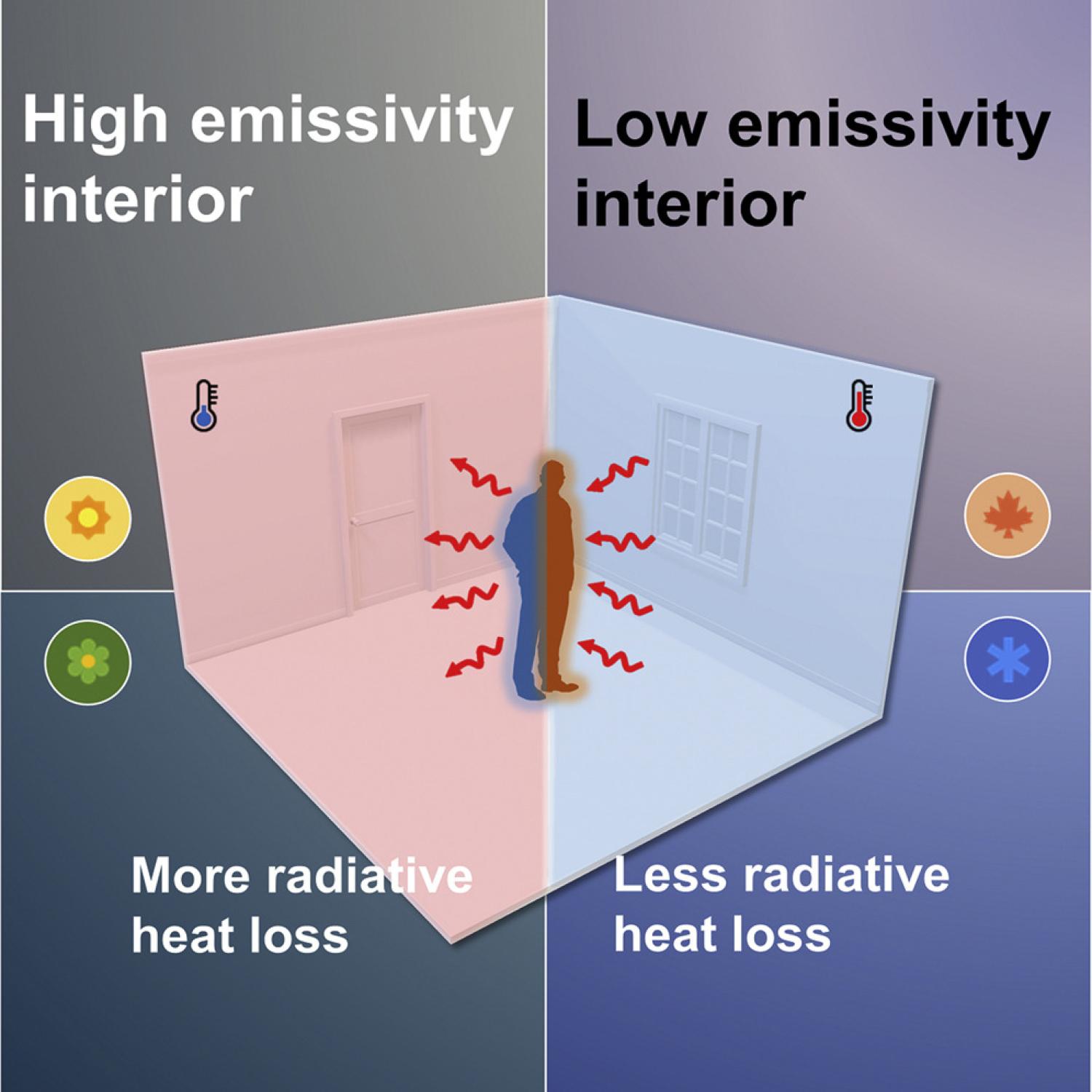
Elsevier, iScience, Volume 24, 20 August 2021
Heating and cooling in buildings account for nearly 20% of energy use globally. The goal of heating and cooling systems is to maintain the thermal comfort of a building's human occupants, typically by keeping the interior air temperature at a setpoint. However, if one could maintain the occupant's thermal comfort while changing the setpoint, large energy savings are possible.
Elsevier, One Earth, Volume 4, 23 July 2021
Wetlands provide ∼$47.4 trillion/year worth of ecosystem services globally and support immense biodiversity, yet face widespread drainage and pollution, and large-scale wetlands restoration is urgently needed. Payment for ecosystem service (PES) schemes provide a viable avenue for funding large-scale wetland restoration. However, schemes around the globe differ substantially in their goals, structure, challenges, and effectiveness in supporting large-scale wetland restoration.
Elsevier, iScience, Volume 24, 23 July 2021
Owing to its versatility, biomass can be used for a range of CO2 mitigation and removal options. The recent adoption of end-of-century temperature targets at the global scale, along with mid-century economy-wide net zero emission targets in Europe, has boosted demand forecasts for this valuable resource. Given the limited nature of sustainable biomass supply, it is important to understand most efficient uses of biomass, both in terms of avoided CO2 emissions (i.e., substituted energy and economic services) and CO2 removal.
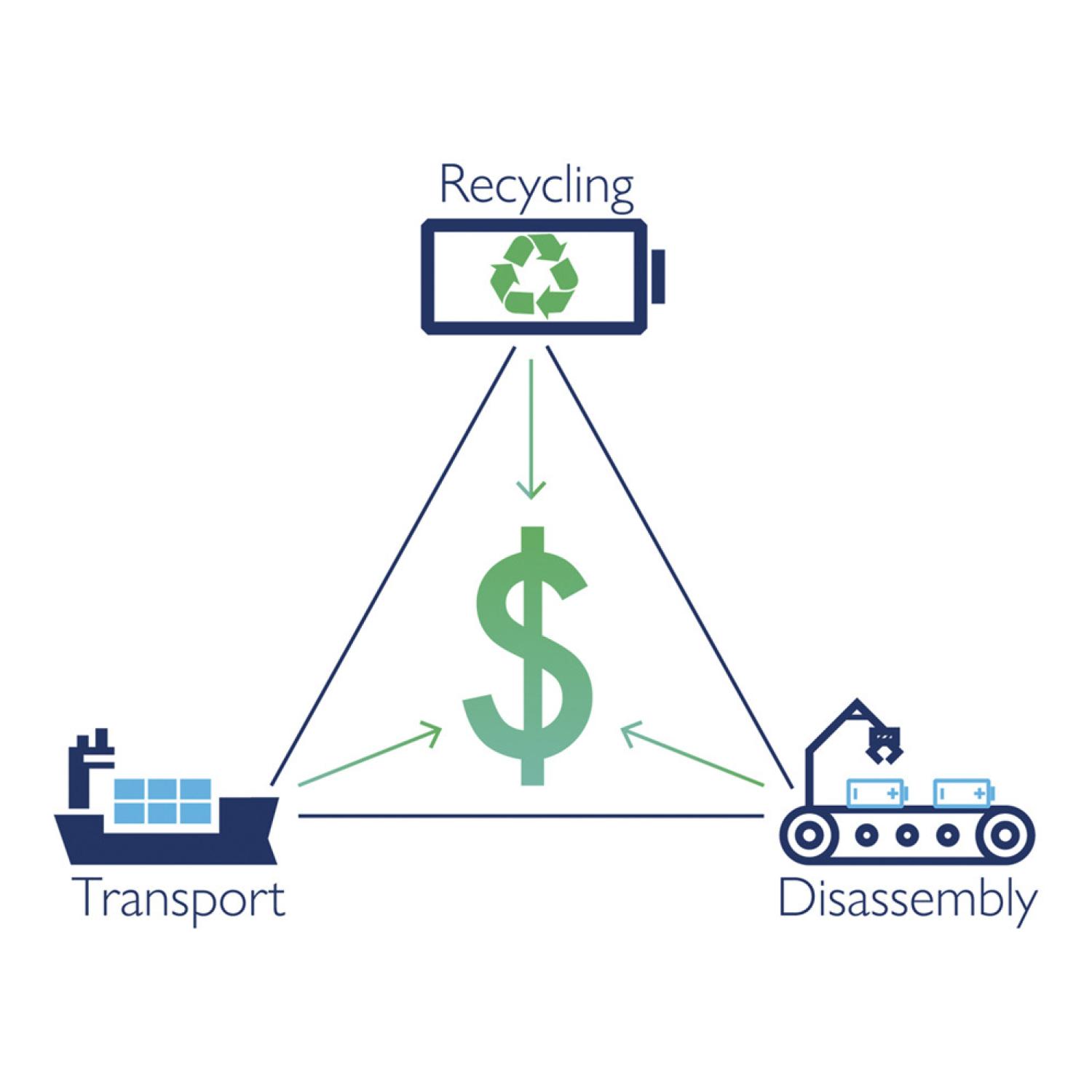
Elsevier, iScience, Volume 24, 23 July 2021
Economically viable electric vehicle lithium-ion battery recycling is increasingly needed; however routes to profitability are still unclear. We present a comprehensive, holistic techno-economic model as a framework to directly compare recycling locations and processes, providing a key tool for recycling cost optimization in an international battery recycling economy. We show that recycling can be economically viable, with cost/profit ranging from (−21.43 - +21.91) $·kWh−1 but strongly depends on transport distances, wages, pack design and recycling method.
Elsevier, The Lancet Planetary Health, Volume 5, July 2021
Background: Europe has emerged as a major climate change hotspot, both in terms of an increase in seasonal averages and climate extremes. Projections of temperature-attributable mortality, however, have not been comprehensively reported for an extensive part of the continent. Therefore, we aim to estimate the future effect of climate change on temperature-attributable mortality across Europe. Methods: We did a time series analysis study.
Elsevier, The Lancet Planetary Health, Volume 5, July 2021
Record climate extremes are reducing urban liveability, compounding inequality, and threatening infrastructure. Adaptation measures that integrate technological, nature-based, and social solutions can provide multiple co-benefits to address complex socioecological issues in cities while increasing resilience to potential impacts. However, there remain many challenges to developing and implementing integrated solutions.
Elsevier, iScience, Volume 24, 25 June 2021
As the country with the world's largest coal power capacity, China is launching a national carbon market. How the carbon pricing may contribute to phasing out China's coal power is a great concern. We collect full-sample data set of China's 4540 operating coal plant units and develop a stochastic Monte-Carlo financial model to assess the financial sustainability of the plant operation. Although China's coal plants have long residual technical lifetime, their operations are close to the break-even state.
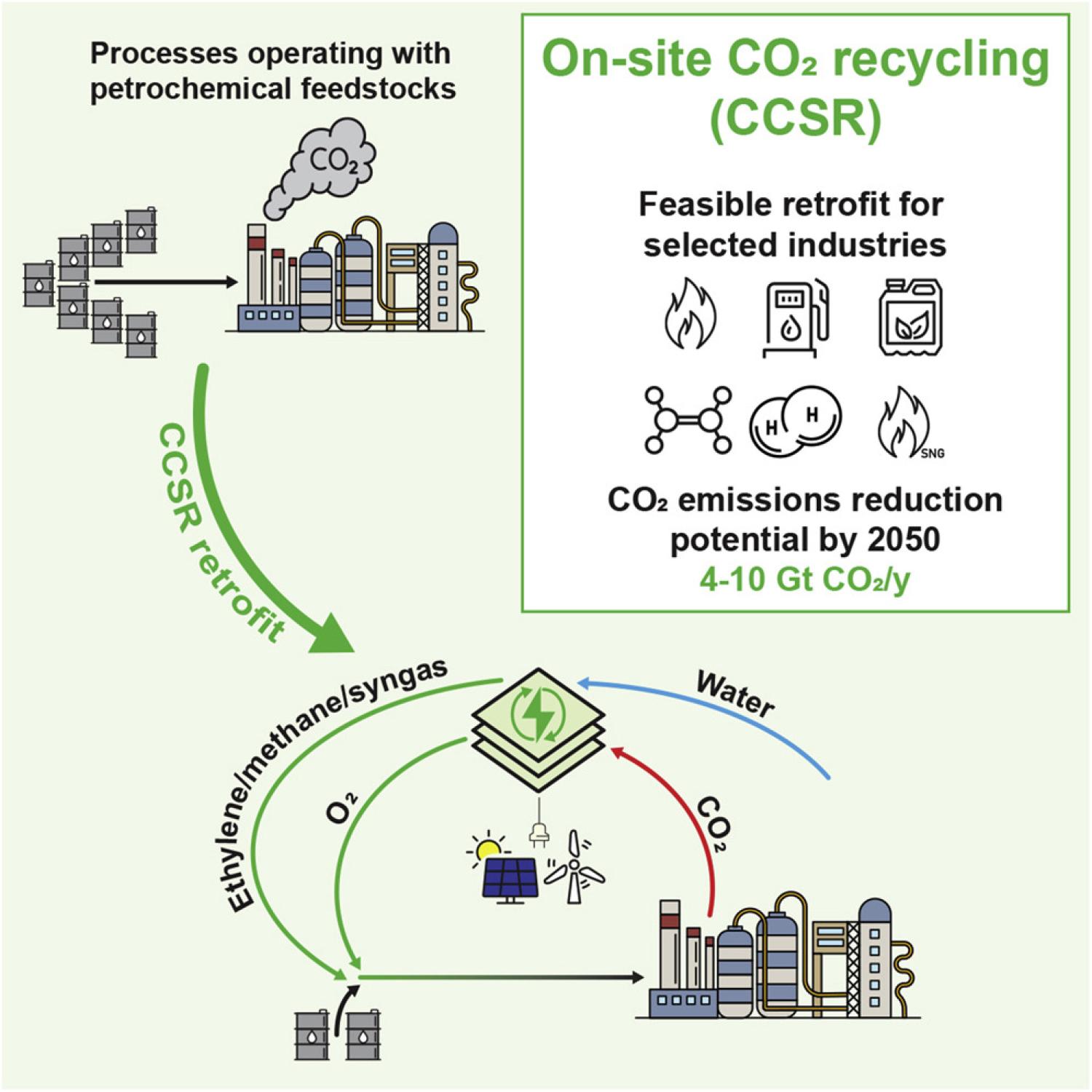
Elsevier, iScience, Volume 24, 25 June 2021
The chemical industry needs to significantly decrease carbon dioxide (CO2) emissions in order to meet the 2050 carbon neutrality goal. Utilization of CO2 as a chemical feedstock for bulk products is a promising way to mitigate industrial emissions; however, CO2-based manufacturing is currently not competitive with the established petrochemical methods and its deployment requires creation of a new value chain.
Elsevier, The Lancet Planetary Health, Volume 5, June 2021
Background: Extreme heat exposure can lead to premature death. Climate change is expected to increase the frequency, intensity, and duration of extreme heat events, resulting in many additional heat-related deaths globally, as well as changing the nature of extreme cold events. At the same time, vulnerability to extreme heat has decreased over time, probably due to a combination of physiological, behavioural, infrastructural, and technological adaptations. We aimed to account for these changes in vulnerability and avoid overstated projections for temperature-related mortality.
Elsevier, One Earth, Volume 4, 21 May 2021
Globally, financial services are well positioned to contribute to the transformation needed for sustainable futures and will be critical for supporting corporate activities that regenerate and promote biosphere resilience as a key strategy to confront the new risk landscape of the Anthropocene. While current financial risk frameworks focus primarily on financial materiality and risks to the financial sector, failure to account for investment externalities will aggravate climate and other environmental change and set current sustainable finance initiatives off course.
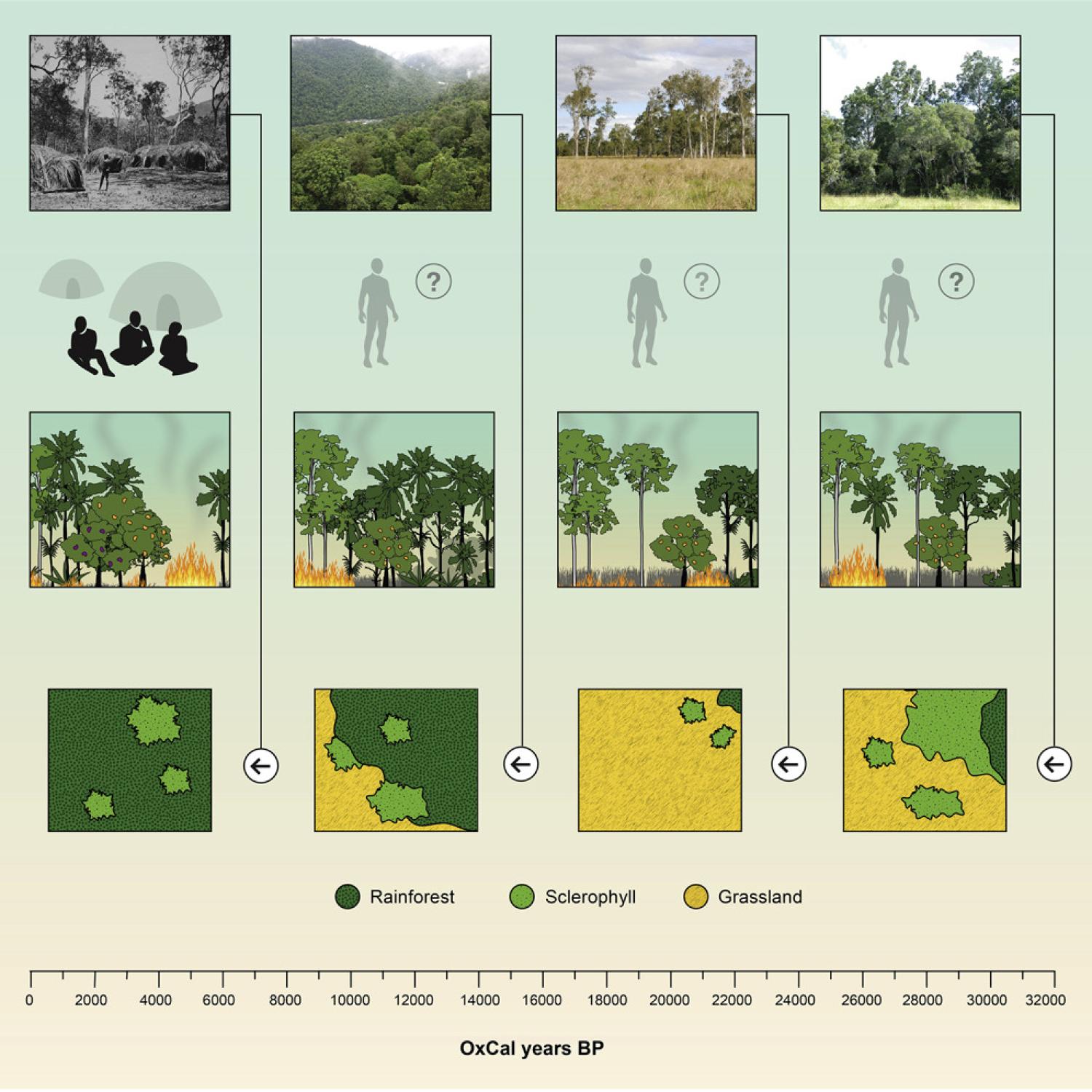
Elsevier, iScience, Volume 24, 19 March 2021
In this article, we seek to draw upon a variety of multidisciplinary datasets that are yet to be compiled in a peer-reviewed publication, to support growing movements looking to re-cast the forests of the Wet Tropics as cultural landscapes as well as purely “primitive” Gondwanan remnants.
Elsevier, The Lancet Planetary Health, Volume 5, February 2021
Background: nationally determined contributions (NDCs) serve to meet the goals of the Paris Agreement of staying “well below 2°C”, which could also yield substantial health co-benefits in the process. However, existing NDC commitments are inadequate to achieve this goal. Placing health as a key focus of the NDCs could present an opportunity to increase ambition and realise health co-benefits.
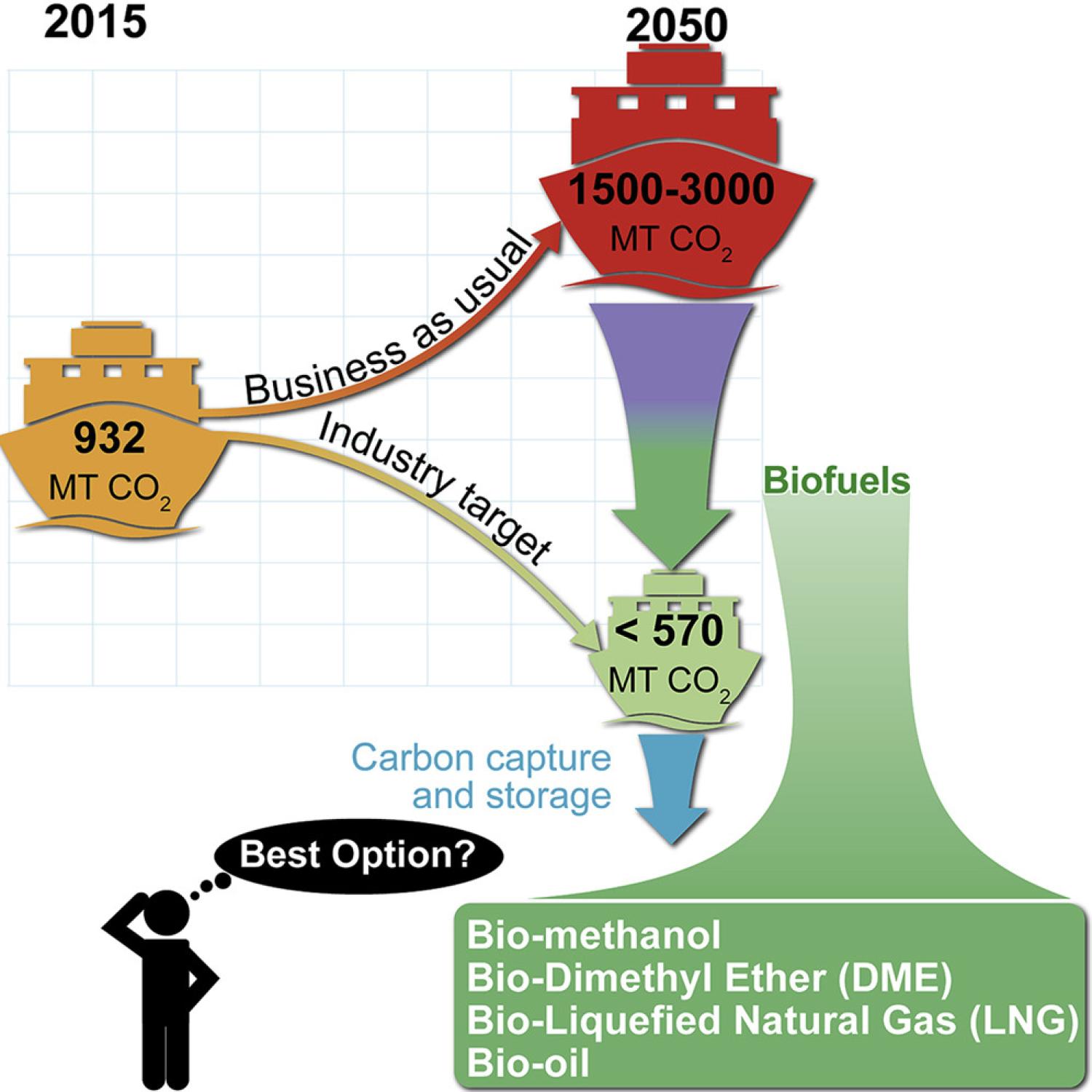
Elsevier, iScience, Volume 23, 20 November 2020
The greenhouse gas (GHG) emissions of the marine sector were around 2.6% of world GHG emissions in 2015 and are expected to increase 50%–250% to 2050 under a “business as usual” scenario, making the decarbonization of this fossil fuel-intensive sector an urgent priority. Biofuels, which come in various forms, are one of the most promising options to replace existing marine fuels for accomplishing this in the short to medium term.
Elsevier, The Lancet Planetary Health, Volume 4, November 2020
Background: Various retrospective studies have reported on the increase of mortality risk due to higher diurnal temperature range (DTR). This study projects the effect of DTR on future mortality across 445 communities in 20 countries and regions. Methods: DTR-related mortality risk was estimated on the basis of the historical daily time-series of mortality and weather factors from Jan 1, 1985, to Dec 31, 2015, with data for 445 communities across 20 countries and regions, from the Multi-Country Multi-City Collaborative Research Network.
Elsevier, The Lancet Global Health, Volume 8, August 2020
Eradicating food insecurity is necessary for achieving global health goals. Liberal trade policies might increase food supplies but how these policies influence individual-level food insecurity remains uncertain. We aimed to assess the association between liberal trade policies and food insecurity at the individual level, and whether this association varies across country-income and household-income groups.
Elsevier, Food Quality and Preference, Volume 100, September 2022
Future sustainable food systems should more efficiently use natural resources and reduce food waste. Upcycled food – foods elevated in value through ingredients otherwise wasted or previously thought inedible – constitutes a new approach contributing to this much needed transition. Successful market launches of such foods requires favourable consumer perception of these products, knowing the factors determining acceptance, and an adequate communicational framing of the new concept.

Elsevier, iScience, Volume 24, Issue 3, 2021, 102237
Material depletion over reliance of linear economies and environmental pollution may be resolved by applying the principles and practices of anthropogenic circularity science. Here we systematically review the emergence of anthropogenic circularity science in the interdisciplinary development of green chemistry, supply chain, and industrial ecology at different scales.