Approximately two thirds of Americans reported delaying or forgoing healthcare during the pandemic. Experience of racial discrimination were prevalent among Asian Americans, Blacks and Hispanics during the pandemic.

The International Day for the Elimination of Racial Discrimination is observed annually on the day the police in Sharpeville, South Africa, opened fire and killed 69 people at a peaceful demonstration against apartheid "pass laws" in 1960.
In 1979, the General Assembly adopted a programme of activities to be undertaken during the second half of the Decade for Action to Combat Racism and Racial Discrimination. On that occasion, the General Assembly decided that a week of solidarity with the peoples struggling against racism and racial discrimination, beginning on 21 March, would be organized annually in all States.

Elsevier, CJC Open, Volume 3, Issue 12, December 2021
In studies of hypertensive disorders of pregnancy, white women are overrepresented. There is limited and heterogeneous reporting of race and ethnicity information across studies and few include race and/or ethnicity variables in statistical analysis.

Elsevier, CJC Open, Volume 3, December 2021
Colonization and enforced genocidal strategies have collectively fractured and changed Indigenous people by attempting to erase and dismiss their voices and knowledge. Nearly a decade ago, we were reminded by Dr Ku Young of the cardiovascular health disparities, in evidence among Indigenous people in Canada. compared with White people. He went on to say that beyond a biomedical understanding of this health status is the ongoing impact of long-standing marginalization and oppression faced by Indigenous people.
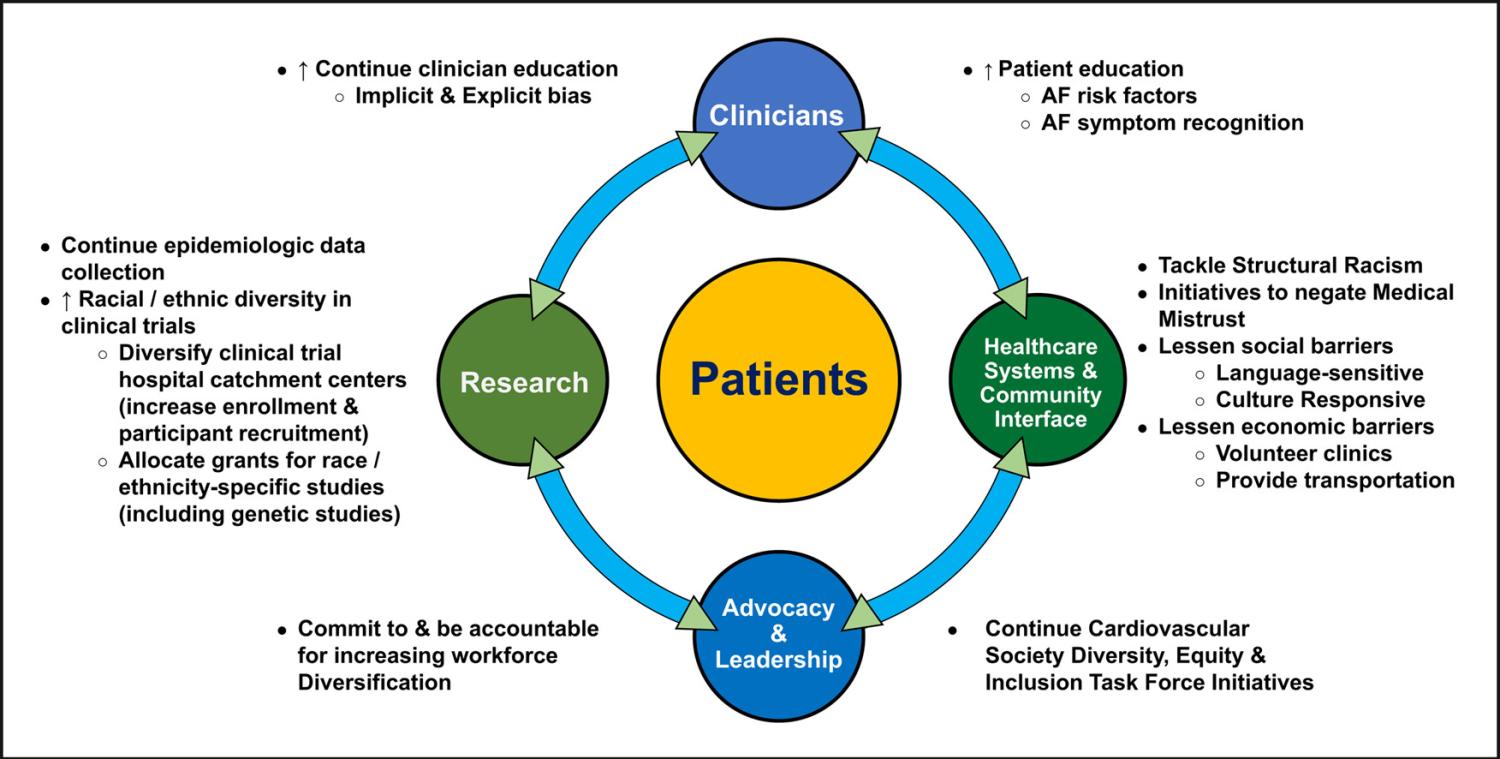
Elsevier, CJC Open, Volume 3, December 2021
This article highlights the underrepresentation of racial and ethnic populations in atrial fibrillation clinical trials, especially trials focused on stroke prevention. Specific strategies are proposed for future research and initiatives that have potential to eliminate racial and ethnic differences in the care of patients with atrial fibrillation.
Elsevier, Journal of Responsible Technology, Volume 9, April 2022, 100024
A study of the risks from emerging technologies, such as artificial intelligence, and their disproportionate impact on particularly vulnerable individuals or groups in a community. The authors identify and map types of harms or injustices experienced in the digital space to understand how they are translated into rights violations by adjudicative bodies. Racial structural injustice is one aspect of the research.
Elsevier, The American Journal of Medicine, available online 22 December 2022
Dismantling racism in health care demands that medical education promote racial justice throughout all stages of medical training. The development of any anti-racism curriculum in medicine requires the ability to identify racial bias in practices we have not previously recognized as explicitly racist or unjust.
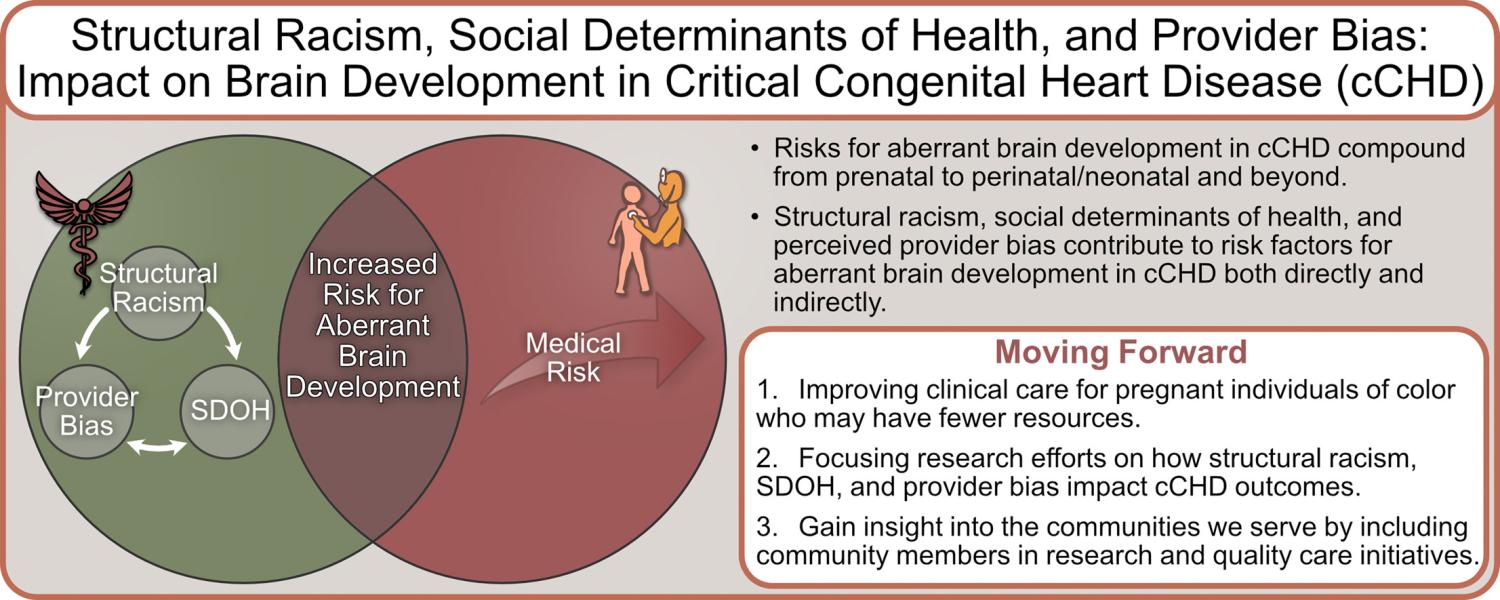
Elsevier, Canadian Journal of Cardiology, Volume 39, Issue 2, February 2023, Pages 133-143
This article explores health disparities based on the intersection of sex, geography, race, and ethnicity that have been identified for poorer pre- and postnatal outcomes in the general population, as well as those with critical congenital heart disease.
Elsevier, The Journal of Climate Change and Health, available online 21 November 2022, 100188
Climate justice and health education can address the disproportionate health impacts of climate change on minoritized communities by providing frameworks to build awareness and instigate action on climate-related health inequities.
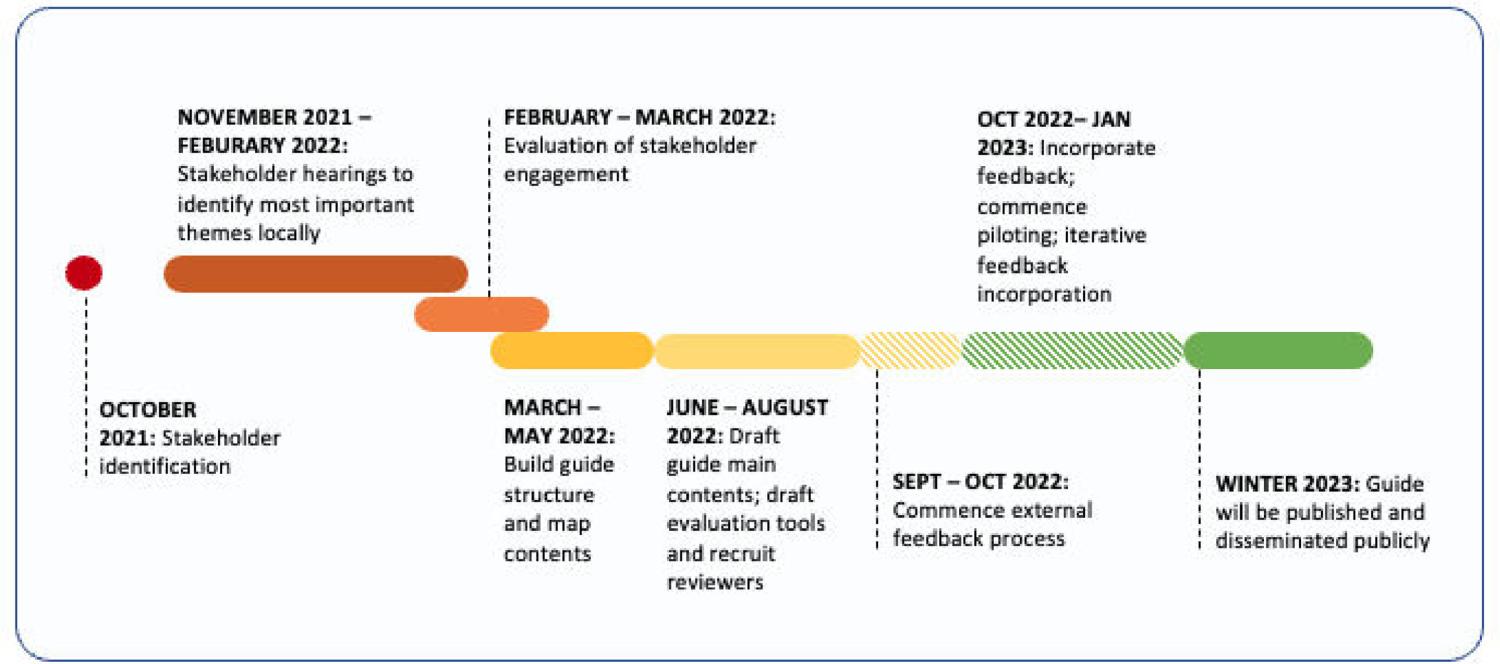
Elsevier, The Lancet Global Health, Volume 9, December 2021
This Comment article supports SDGs 3 and 10; Muneera Rasheed presents some guidelines for decolonisation in global health research, highlighting the need to challenge current systems to fight power asymmetries in the context of academic research partnerships between high-income and low-income countries and other behaviours that undermine equitable collaboration.
Elsevier, The Lancet Global Health, Volume 9, October 2021
This Viewpoint supports SDGs 3 and 10 by discussing how common practices in academic global health are peppered with epistemic wrongs that lead to or exacerbate epistemic injustice; for example, members of the global heath community often witness a cycle in which researchers assume that locals in marginalised areas and members of marginalised groups do not have the capacity to contribute to research, and thereby bypass such people's participation.
Elsevier, The Lancet Global Health, Volume 9, August 2021
This Comment article supports SDGs 3 and 10; Bolajoko Olusanya reflects on her personal experiences with discrimination in her various engagements in global health as a Black African woman with a congenital disability, particularly in the aftermath of George Floyd's death.
Elsevier, The Lancet, Volume 397, 8 May 2021
This Article supports SDGs 3 and 10 by showing that some minority ethnic populations in England have excess risks of testing positive for SARS-CoV-2 and of adverse COVID-19 outcomes compared with the White population, even after accounting for differences in sociodemographic, clinical, and household characteristics.

Elsevier, The Lancet, Volume 400, Issue 10368, 10–16 December 2022, Pages 2137-2146
This Series paper supports SDGs 3 and 10 by focusing on wider societal action to confront the health effects of racism, highlighting that broader, deeper, transformative action is needed compared with current measures to tackle the adverse effects of racism on health.
Elsevier, The Lancet, Volume 400, Issue 10368, 10–16 December 2022, Pages 2049-2062
This Article supports SDGs 3 and 10 by showing that, globally, Black women are at higher risk of adverse perinatal outcomes of neonatal death, stillbirth, preterm birth, and small-for-gestational-age babies than White women, even after adjusting for maternal characteristics. Moreover, these racial disparities in perinatal outcomes were consistently observed across all geographical regions.

Elsevier, The Lancet Global Health, Volume 11, Issue 1, January 2023, Pages e155-e164
This Health Policy paper supports SDGs 3 and 10; the authors did an empirical analysis of the use of imagery by key global health stakeholders and showed that the narrative currently depicted in imagery is one of power imbalances, depicting women and children from low-income and middle-income countries with less dignity, respect, and power than those from high-income countries.
Elsevier, The Lancet Planetary Health, Volume 7, Issue 2, February 2023, Pages e179-e183
This Viewpoint supports SDGs 3 and 16 by by exploring decolonising interventions in planetary health. The authors highlight intercultural thinking in order to promote anticolonial, antiracist approaches to climate change and health inequities.

Elsevier, The Lancet Planetary Health, Volume 7, Issue 1, January 2023, Pages e97-e102
This Personal View supports SDGs 3 and 16 by presenting a case study using Indigenist health humanities to offer a way to understand planetary health. The authors indicate that embedding Indigenous knowledge and voices into planetary health education is important as part of decolonising learning in health professional education.
Elsevier, Preventive Medicine Reports, Volume 27, June 2022
Racial discrimination and cultural racism are associated with gun purchase while anticipatory racism-related stress is associated with intent to purchase a gun. Data suggest that racism and its link to increased firearm ownership and carrying may put Asian Americans at elevated risk of firearm injury.
Elsevier, Clinical Imaging, Volume 89, September 2022
This Editorial sharing the experiences of a Radiology Department-led Racial and Socal Justice Book Club supports SDGs 10 and 8 by describing the ways they made an intentional effort to normalize discussions about racial and social (in)justice and examine everything through an anti-racist lens.
Elsevier, Clinical Imaging, Volume 96, April 2023, Pages 9-14
This Study explores the racial disparities that exist in the emergency departments of 4 hospitals, when they are most prevalent, and how patients' sociodemographic characteristics impact image acquisition time, raising awareness for SDGs 3, 9 and 10.
Elsevier, Clinical Breast Cancer, Volume , 2022
This Study explores the racial disparities that exist in the emergency departments of 4 hospitals, when they are most prevalent, and how patients' sociodemographic characterstics impact image acquisition time, raising awareness for SDGs 3, 9 and 10.
Elsevier, The Lancet Regional Health - Europe, Volume 22, November 2022
This Article supports SDGs 3 and 16 by assessing whether ethnicity influences the risk of out of hospital cardiac arrest in immigrants in Denmark. The authors emphasise that identifying ethnic disparities is important to understand and prevent out of hospital cardiac arrests and to reduce inequalities.
Elsevier, Lancet Regional Health - Americas, Volume 15, November 2022
This Article supports SDGs 3 and 16 by assessing gaps in the evidence on key health outcomes and inequalities in Latin American and Caribbean countries, focusing particularly on inequalities between people of African descent and people of non-African descent.
Elsevier, The Lancet Regional Health - Americas, Volume 13, September 2022
This Article supports SDGs 3 and 16 by measuring the rate of heart transplantation among Black and White waitlist candidates. The findings suggest that transplantation rates, as well as the rate of delisting for death or clinical deterioration, has worsened for Black candidates compared with White candidates, and that the causes for this disparity require further study.
Elsevier, Ophthalmology, Volume 129, October 2022
The purpose of this article is to outline the existing disparities in vision health and eye care, explore the possible reasons for these disparities, offer potential solutions, and ultimately stimulate the ophthalmology, eye care, and vision sciences community to move forward toward achieving equity in eye and vision health.
Elsevier, Ophthalmology, Volume 129, October 2022
This article considers the current and future state of diversity in the ophthalmology workforce, including recommendations on how to achieve this. Diversification is considered an essential step for reducing health disparities in ophthalmology.
Elsevier, The Lancet Regional Health - Europe, Volume 25, February 2023, 100557
This Article supports SDG 3 by assessing ethnic differences in hypertension management. The findings suggest that people of African American Caribbean ethnicity had poorer blood pressure control due to stopping regular treatment.
Elsevier, Lancet Regional Health - Americas, Volume 16, December 2022
This Article supports SDGs 3, 5, 10 and 16 by assessing changes in stillbirth rates overall and for Black and White women, finding that there was a substantial racial disparity and suggesting that targeted health and social policies are needed to address this issue.
Elsevier, The Lancet Regional Health - Americas, Volume 8, April 2022
This Article supports SDGs 3 and 16 by quantifying mortality risk after a dementia diagnosis, focusing specifically on differences across race and ethnicity. The authors discuss the implications for financial and health services planning, as well as quality of life.
Elsevier, Low-Cost Aviation, 2022, Pages 83-97
This content aligns with Goal 10: Reduced Inequalities by exploring the ways in which LCCs make possible a new generation of air traveler that previously did not have access to aeromobility. It discusses how the expansion of low-cost carriers in a region of marked socioeconomic inequality unsettles the privileged origins of flying as a means of transport, complicates the mundane position of flying as a form of mobility, and brings to the surface questions of identity, class, and race among the flying public.
Elsevier, Integrating Mental Health and Disability Into Public Health Disaster Preparedness and Response, 2022, Pages 147-169
This content aligns with Goal 10: Reduced Inequalities by summarizing civil rights laws applicable to populations other than people with disabilities, such as racial and ethnic minorities.