For International Day of Persons with Disabilities 2021, Stacy Masucci, publisher for bioscience and translational medicine at Elsevier speaks to Richard Mankin and Kate Nash about the challenges, barriers and opportunities for people who live with disabilities in the context of the global pandemic.
This year, #IDPWD21 celebrates the challenges, barriers, and opportunities for people who live with disabilities, in the context of a global pandemic. We call on domestic and international public health officials, political representatives, advocates, supporters, and every citizen in every community, to learn from the experiences of people living with disabilities during this pandemic, and push for more meaningful investments into the socioeconomic building blocks which will reduce the barriers faced by people with disabilities in every community on earth. With carefully curated book chapters and journal articles, our IDPWD special issue is our part to fight for the rights of people with disabilities in the post-COVID era.
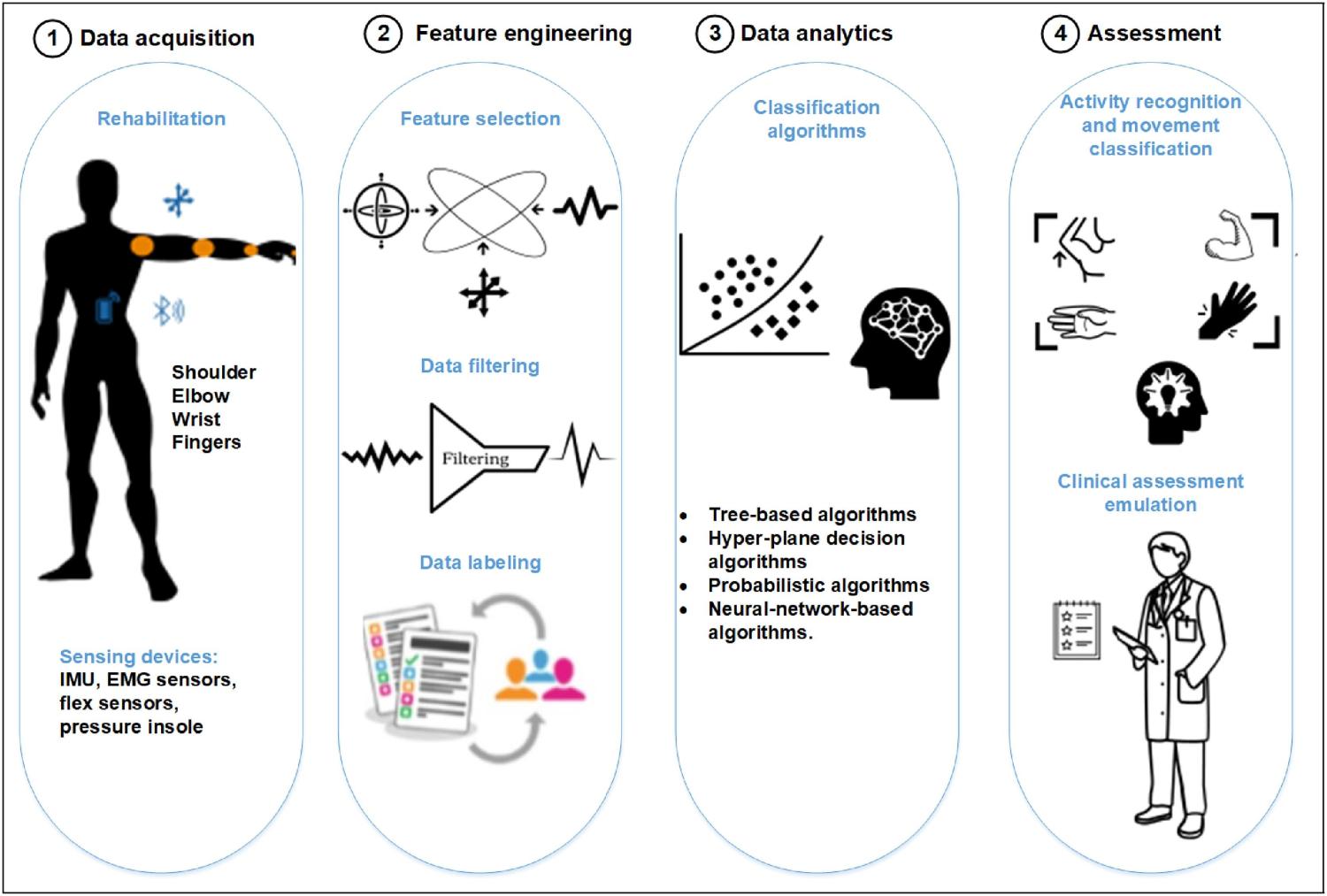
Elsevier, Biomedical Signal Processing and Control, Volume 71, January 2022
A cerebrovascular accident or stroke is the second commonest cause of death in the world. If it is not fatal, it can result in paralysis, sensory impairment and significant disability. Rehabilitation plays an important role to help survivors relearn lost skills and assist them to regain independence and thus ameliorate their quality of life. With the development of technology, researchers have come up with new solutions to assist clinicians in monitoring and assessing their patients; as well as making physiotherapy available to all.
Elsevier, Journal of Aging Studies, Volume 59, December 2021
Dance for Parkinson's can be characterised as a growing social movement which has become a worldwide phenomenon that gives rise to new questions about the meaning and importance of dance in relation to intersecting and overlapping identity categories of ageing and chronic conditions. In this article, we probe into the potentially constructive interplay between the lived experiences of Parkinson's dance as a space of revitalised sensuality and the cultural imaginations and values connected to the nexus between ageing and chronic conditions.
Elsevier, Journal of Mathematical Behavior, Volume 64, December 2021
This study aims to map the learning trajectory (LT) of a student with learning disabilities (LDs) regarding the unit concept in length measurement and the usage of rulers. The article draws on data from a teaching experiment with a 10-year-old student with LDs in Turkey. Data were analyzed in two stages, including microanalysis, where each successive teaching session was separately analyzed, and macroanalysis, where the teaching sessions regarding interrelated instructional goals were analyzed to construct the LT.
Elsevier, Sustainable Cities and Society, Volume 74, November 2021
The concept of “Smart City” has been proposed by governments, the business community, advocacy groups, and research institutions as a means to solve common urban problems and improve the quality of life for citizens. Although a Smart City has the potential to change our cities for the better, it also may unintentionally reinforce existing inequalities. In particular, without appropriate strategies that support inclusion, persons with disabilities and seniors may experience social and digital exclusion in communities.
Elsevier, Wearable Robotics: Systems and Applications, Volume , 1 January 2019
Description Wearable Robotics: Systems and Applications provides a comprehensive overview of the entire field of wearable robotics, including active orthotics (exoskeleton) and active prosthetics for the upper and lower limb and full body. In its two major sections, wearable robotics systems are described from both engineering perspectives and their application in medicine and industry.
Elsevier, Journal of Aging Studies, Volume 58, September 2021
Within many countries, the policies of disability and old age have been developing on distinct paths. Even though the prevalence of disability is higher in older populations, older persons tend to be excluded from disability discourses. Taking Finland's disability service legislation reform as an example, this article elaborates on the justifications for excluding or including older persons from disability policies.
Elsevier, Learning, Culture and Social Interaction, Volume 30, September 2021
Children and adolescents with intellectual disabilities (ID) often have language difficulties. Guided by interactional theories of language acquisition, this study expected that more social contact with peers positively affects language development for this student group. Conversely, it was also hypothesized that poor language skills predict fewer social contacts with peers, thereby reducing their social inclusion.
Elsevier, Alter, Volume 15, July 2021
The National Association of Disabled Staff Networks (NADSN) is a super-network that connects and represents disabled staff networks at organisations across the United Kingdom. NADSN has been very concerned about the development of national policy up to this time and for moving out of the COVID-19 lockdown stage as national policy has been silent in relation to disabled staff apart from in presenting a narrow, medicalised view.
Elsevier, City, Culture and Society, Volume 25, June 2021
The inclusion of people with intellectual disability in cultural and civic activities is an important point for discussion, particularly in the context of supporting the social sustainability of our local communities and cities. In line with a human rights approach to disability and inclusion, local governments and community organisations are poised to play a pivotal role in the inclusion of people with intellectual disability.
Elsevier, Transportation Research Part A: Policy and Practice, Volume 148, June 2021
Children with disabilities in Ontario, Canada have their right to equal access to education protected by the 1990 Ontario Human Rights Code and the 1990 Education Act. These legislated rights require the delivery of stigma- and barrier-free education services to children with disabilities. However, the extent to which compliance is achieved by school boards and individual schools is questionable and warrants attention as a matter of both scholarship and public policy.
Elsevier, Bio-Economy and Agri-production Concepts and Evidence 2021, Pages 247-263
This book chapter advances SDG3 Good Health and Wellbeing and SDG10 Reducing Inequalities by focusing on educationally meaningful methods to develop programs that exploit voice recognition engines, based on cloud services, so that a smartphone device can remotely trigger typical farming actions or query the values of several critical parameters of the farm specifically for the elderly and disabled.
Elsevier, Transportation Research Procedia, Volume 55, 2021
The article deals with the issue of transport of people with disabilities, specifically by rail. It analyzes the representation of these people from a demographic point of view. From the point of view of transport technology, the subject of research is the inclusion of a specialized car for the passengers with reduced mobility in train sets. With the help of a questionnaire survey, it focuses on shortcomings subjectively perceived by passengers. These data are the basis for the proposal, which is then evaluated financially.
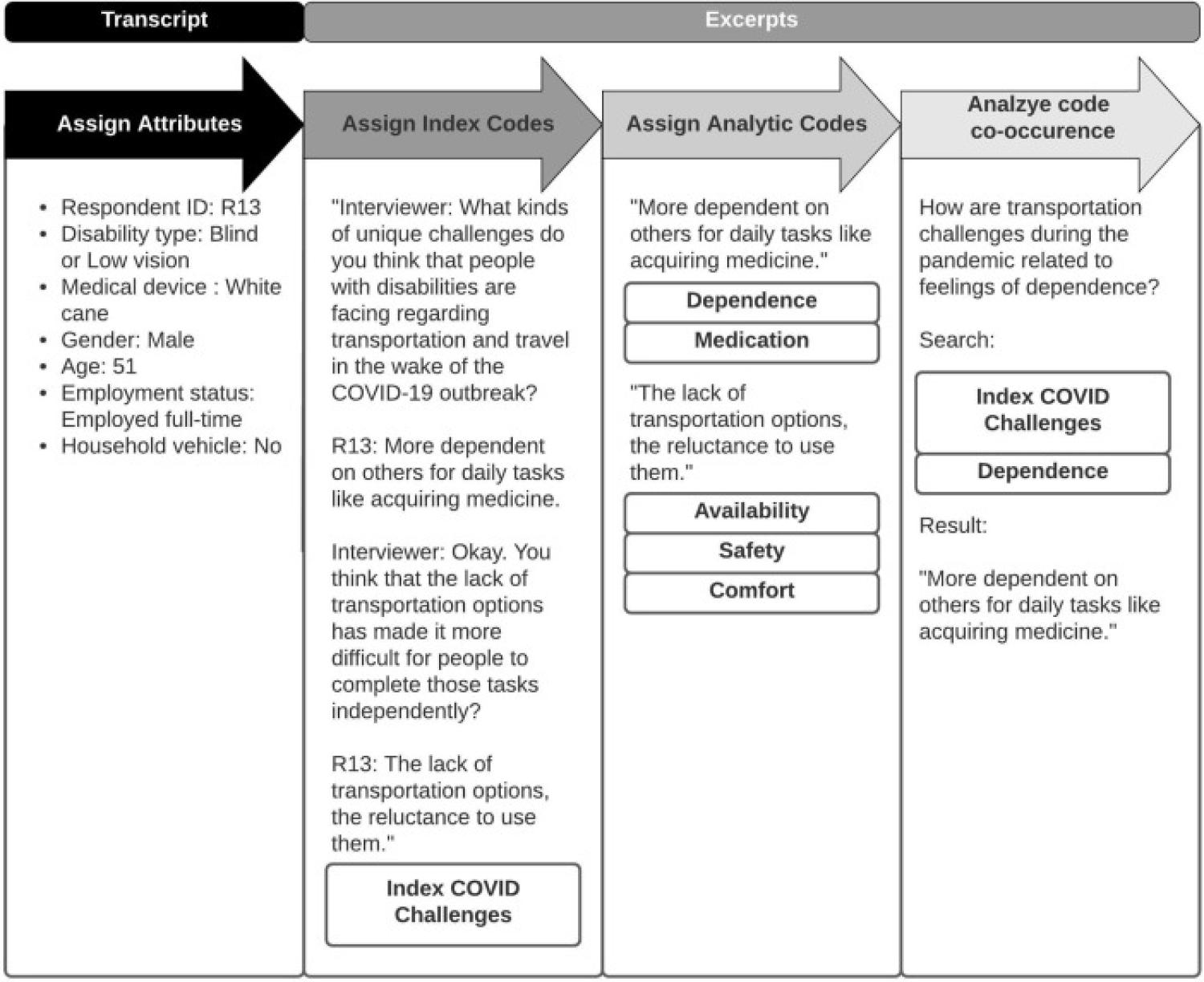
Elsevier, Transportation Research Interdisciplinary Perspectives, Volume 8, November 2020
People with disabilities may be particularly vulnerable to the direct health effects of the COVID-19 pandemic as well as the wider impacts of the pandemic response. People with disabilities experience numerous barriers to using transportation to access essential goods, like fresh food, and services, like medical care, that are necessary for maintaining health. The pandemic and the pandemic response threaten to exacerbate persistent health disparities and add to transportation barriers that disadvantage people with disabilities.
Elsevier, Cities, Volume 102, July 2020
Cities with many pedestrian barriers can inhibit community mobility, access to services, and social participation for people with disabilities. Although National Disability Rights policies have been enacted in several nations, it is unclear what progress local governments have made in developing plans and implementing accessibility improvements to the pedestrian infrastructure. The purpose of this study was to evaluate the existence and quality of city plans used to remove barriers for pedestrians with disabilities.
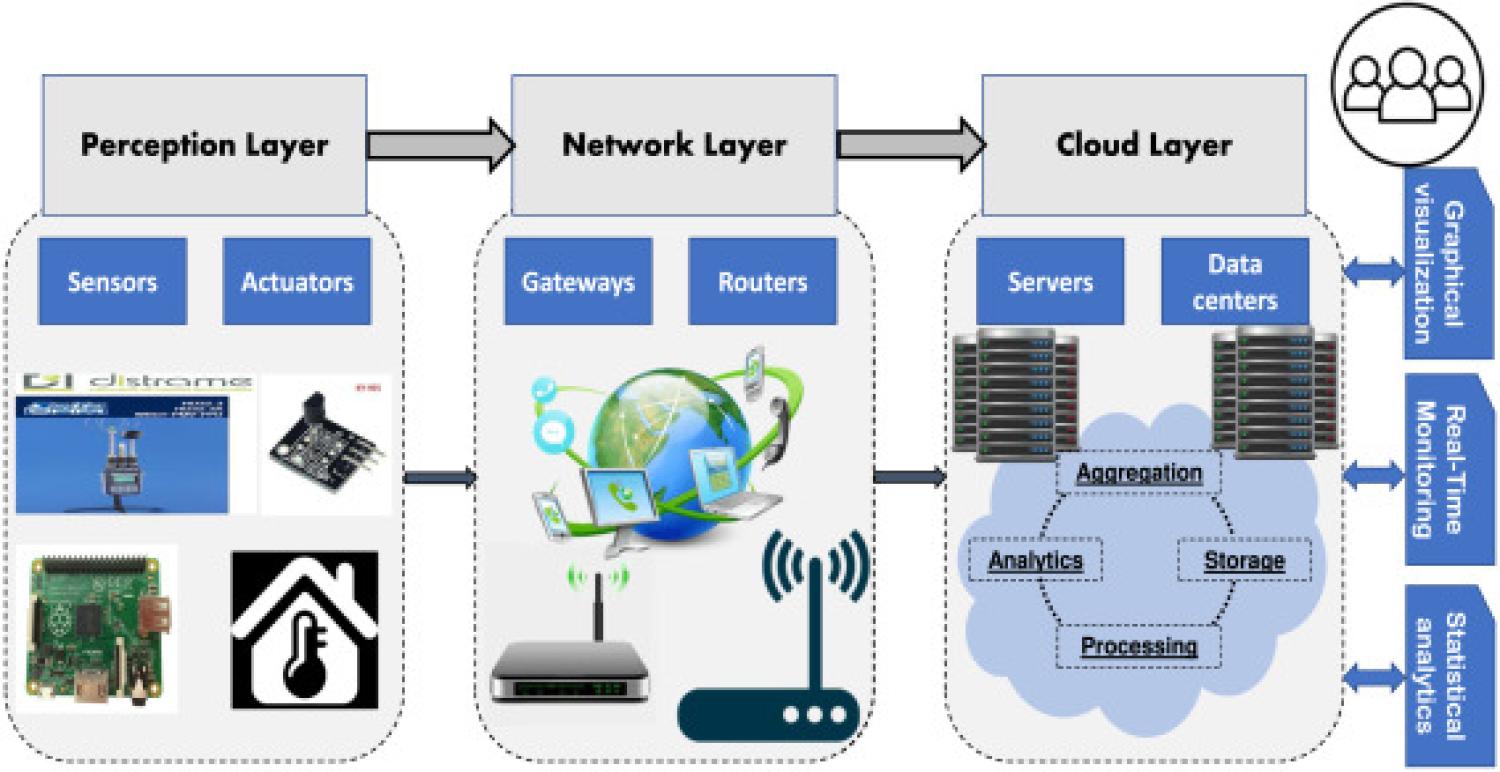
Elsevier, Building and Environment, Volume 203, October 2021
Monitoring the thermal comfort of building occupants is crucial for ensuring sustainable and efficient energy consumption in residential buildings. Existing studies have addressed the monitoring of thermal comfort through questionnaires and activities involving occupants. However, few studies have considered disabled people in the monitoring of thermal comfort, despite the potential for impairments to present thermal requirements that are significantly different from those of an occupant without a disability.
Elsevier, The Lancet Respiratory Medicine, Volume 9, November 2021
Background: The impact of COVID-19 on physical and mental health and employment after hospitalisation with acute disease is not well understood. The aim of this study was to determine the effects of COVID-19-related hospitalisation on health and employment, to identify factors associated with recovery, and to describe recovery phenotypes.
Elsevier, Emerging Programs for Autism Spectrum Disorder Improving Communication, Behavior, and Family Dynamics 2021, Pages 243-264
This book chapter advances SDG3 Good Health and Wellbeing and SDG 10 Reducing Inequalities by reviewing a pilot rehabilitation program for children with a combination of intellectual/autism spectrum disorder and motor disorders.
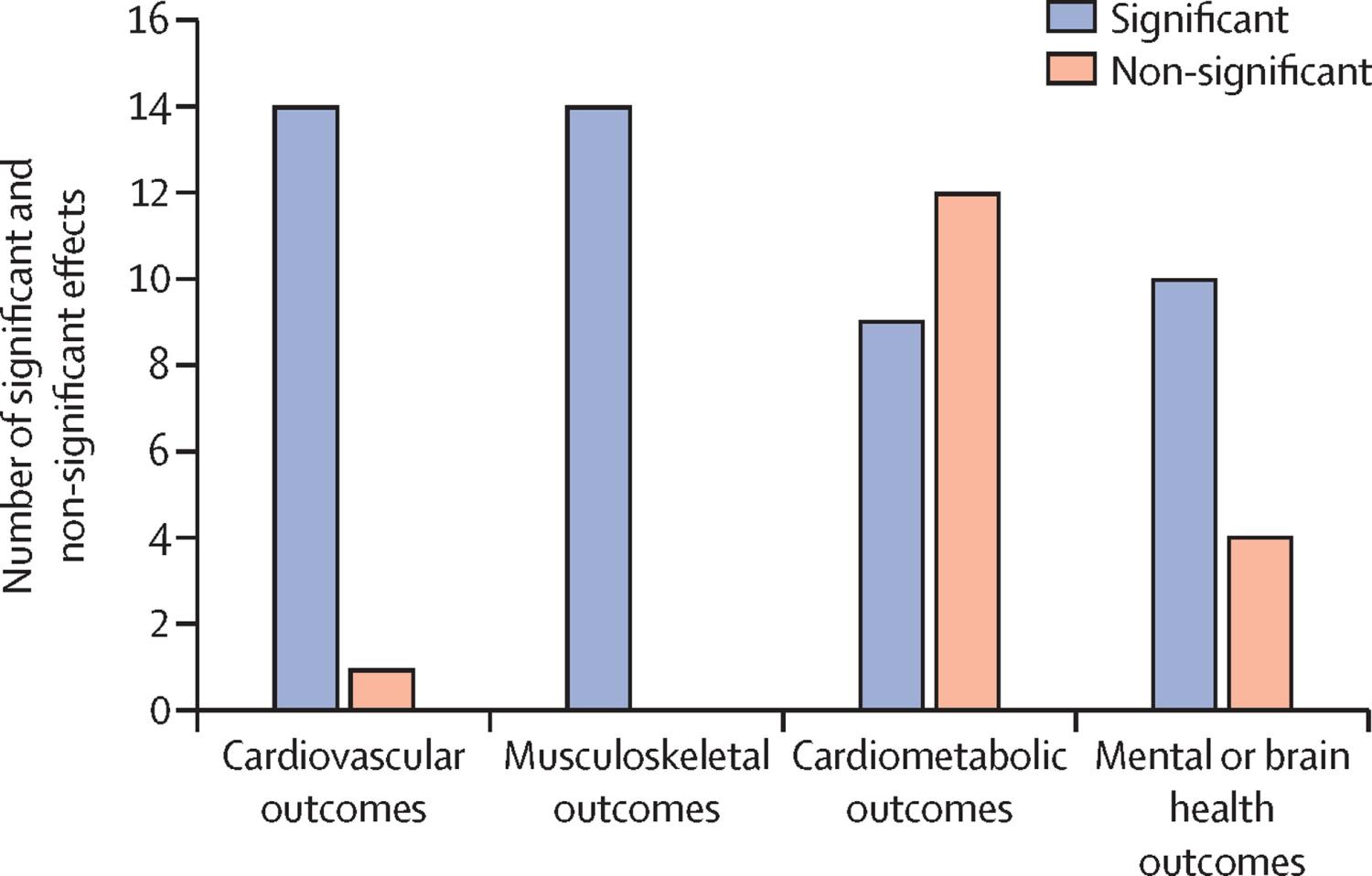
Elsevier, The Lancet, Volume 398, 31 July 2021
Approximately 1·5 billion people worldwide live with a physical, mental, sensory, or intellectual disability, about 80% of which are in low-income and middle-income countries. This Series paper provides a global overview of the prevalence, benefits, and promotion policies for physical activity for people living with disabilities (PLWD). PLWD are 16–62% less likely to meet physical activity guidelines and are at higher risk of serious health problems related to inactivity than people without disabilities.
Elsevier, Handbook of Electronic Assistive Technology, Volume , 1 January 2018
Electronic Assistive Technology (EAT) is a subset of a wider range of products and services known as Assistive Technology (AT). AT is designed to support and enable people with disabilities, either acquired or congenital, to participate in activities with greater independence and safety. With a global aging population, it has an important role to play in enabling and supporting those with disability and their carers. Handbook of Electronic Assistive Technology discusses a range of commonly available or emerging electronic assistive technologies.
Elsevier, The Lancet Global Health, Volume 9, February 2021
Background: Many causes of vision impairment can be prevented or treated. With an ageing global population, the demands for eye health services are increasing. We estimated the prevalence and relative contribution of avoidable causes of blindness and vision impairment globally from 1990 to 2020. We aimed to compare the results with the World Health Assembly Global Action Plan (WHA GAP) target of a 25% global reduction from 2010 to 2019 in avoidable vision impairment, defined as cataract and undercorrected refractive error.
Elsevier, The Lancet Global Health, Volume 9, Issue 4, April 2021, Pages e489–e551
This Lancet Global Health Commission advances addresses SDG 3 directly, and SDGs 1, 2, 4, 5, 8 and 10 indirectly, by comprehensively demonstrating how improving eye health by treating and preventing vision impairment and vision loss can not only advance SDG 3—improving health and wellbeing for all—but also contribute to poverty reduction, zero hunger, quality education, gender equality, and decent work and economic growth. The findings of this report frame eye health as a development issue and highlight that, with a growing ageing population globally, urgent and concerted action is needed to meet unmet eye health needs globally, including incorporating equitable eye care into countries’ universal health coverage plans.
Elsevier, International Review of Research in Developmental Disabilities, Volume 61, January 2021
Children and youth with intellectual and developmental disabilities (I/DD) are at increased risk for obesity, metabolic syndrome, type 2 diabetes, hypertension, hyperlipidemia, and a host of other co-morbidities. By adulthood, this population is at very high risk for multiple co-morbidities that significantly shorten life expectancy and have negative impact on quality of life. Despite these disparities, children and youth with I/DD have limited access to resources and opportunities to engage in programming that appropriately address their needs.
Elsevier, International Review of Research in Developmental Disabilities, Volume 61, January 2021
Substantial systemic barriers to care exist for Black, Latino, Asian, and other communities of color, as well as low-resourced populations. Yet, few parent-mediated or parent education interventions specifically target ethnically, racially, or socioeconomically diverse families of children with autism spectrum disorder and/or intellectual and developmental disabilities (ASD/IDD). Furthermore, the ASD/IDD literature is lacking guidance on methods to culturally adapt interventions to attend to families' unique strengths and challenges.
Elsevier, International Review of Research in Developmental Disabilities, Volume 61, January 2021
People with disabilities, including individuals with intellectual and developmental disabilities (IDD), experience unique circumstances that alter their risk for and experiences of violence and abuse. In particular, people with disabilities may be at risk for two forms of disability-related abuse: (1) denial of assistance with activities of daily living (e.g., eating, dressing, toileting) and (2) denial of assistive technology (e.g., mobility aids, medical devices, communication devices).
Elsevier, Advances in Child Development and Behavior, Volume 60, January 2021
Research conducted over the last century has suggested a role for sleep in the processes guiding healthy cognition and development, including memory consolidation. Children with intellectual and developmental disabilities (IDDs) tend to have higher rates of sleep disturbances, which could relate to behavior issues, developmental delays, and learning difficulties.
Elsevier, Cardiovascular Implications of Stress and Depression, Volume , 1 January 2019
Social support is one of the most reliable predictors of better health outcomes, including lower cardiovascular disease morbidity and mortality. Although past research has focused on links between social support and health outcomes, much less work has explored whether social support is a mediator of the association between other psychological factors and cardiovascular disease. This chapter thus reviews the literature linking stress and depression to social support.
Elsevier, Smart Wheelchairs and Brain-computer Interfaces: Mobile Assistive Technologies, Volume , 1 January 2018
Smart Wheelchairs and Brain-Computer Interfaces: Mobile Assistive Technologies combines the fields of neuroscience, rehabilitation and robotics via contributions from experts in their field to help readers develop new mobile assistive technologies. It provides information on robotics, control algorithm design for mobile robotics systems, ultrasonic and laser sensors for measurement and trajectory planning, and is ideal for researchers in BCI.
Elsevier, Obesity Hypoventilation Syndrome From Physiologic Principles to Clinical Practice 2020, Pages 29-38
This book chapter advances SDG3 Good Health and Wellbeing and SDG10 Reducing Inequalities by bringing to light research on OHS. Patients with OHS have significant morbidity and mortality if left untreated and early diagnosis and treatment can lead to significant improvement in patient outcomes.
Elsevier, International Encyclopedia of Transportation 2021, Pages 359-363
This content advances SDG3 Good Health and Wellbeing and SDG10 Reducing Inequalities by providing an overview of the issues affecting disabled travelers in order to ensure that the design and delivery of transport systems and services take these issues into account.
Elsevier, The Lancet Healthy Longevity, Volume 2, August 2021
Background: Gender differences in life expectancy and societal roles have implications for a country's capacity to support its older population. Specifically, the longevity risk associated with longer life expectancy of women, with greater risk of morbidity entails different needs between genders in older age.
Elsevier, Modern Practical Healthcare Issues in Biomedical Instrumentation 2022, Pages 105-121
This book chapter advances SDG3 Good Health and Wellbeing and SDG10 Reducing Inequalities by focusing on the physically impaired who are unable to move about or carry out their day-to-day tasks independently in light of a new system with features that ensures a smooth and easy transition to a substantially improved quality of life.
Elsevier, Handbook of Aging and the Social Sciences (Ninth Edition) Handbooks of Aging 2021, Pages 131-149
This book chapter advances SDG3 Good Health and Wellbeing and SDG 10 Reducing Inequalities by examining the research on the role of segregation, and resultant differences in childhood neighborhood quality, as fundamental causes of health disparities over the life course including illness and disability.
Elsevier, Control Theory in Biomedical Engineering Applications in Physiology and Medical Robotics 2020, Pages 205-234
This book chapter advances SDG3 Good Health and Wellbeing and SDG10 Reducing Inequalities by examining the research on wearable mechatronic devices for upper-limb amputees.
Elsevier, Pharmacy Practice Research Case Studies 2021, Pages 133-153
This book chapter advances SDG3 Good Health and Wellbeing and SDG10 Reducing Inequalities by examining people living with a learning disability (PLWLD) who are at an increased risk of health inequalities resulting in early mortality.
Elsevier, Zika Virus Biology, Transmission, and Pathology Volume 1: The Neuroscience of Zika 2021, Pages 43-54
This book chapter advances SDG3 Good Health and Wellbeing and SDG 10 Reducing Inequalities by focusing on the social inequalities in the occurrence of Zika virus (ZIKV) infection and congenital Zika syndrome (CZS).
Elsevier, Epigenetics in Psychiatry (Second Edition) 2021, Pages 489-517
This book chapter advances SDG3 Good Health and Wellbeing and SDG 10 Reducing Inequalities by reviewing the research that has led to a greater understanding of how disruption of epigenetic regulation leads to cognitive deficits that are associated with intellectual disabilites.
Elsevier, Advances in Magnetic Resonance Technology and Applications Volume 2, 2021, Pages 355-371
This book chapter advances SDG3 Good Health and Wellbeing and SDG 10 Reducing Inequalities by examining the diagnostic and investigatory applications of Magnetoencephalography (MEG) in various neurological diseases, including epilepsy and cognitive dysfunction.
Elsevier, Heterogeneous Contributions to Numerical Cognition Learning and Education in Mathematical Cognition 2021, Pages 327-357
This book chapter advances SDG4 Quality Education and SDG 10 Reducing Inequalities by examining potential predictors for arithmetic abilities of children with and without AD.
Elsevier, Neural Engineering Techniques for Autism Spectrum Disorder Volume 1: Imaging and Signal Analysis 2021, Pages 287-313
This book chapter advances SDG3 Good Health and Wellbeing and SDG10 Reducing Inequalities by real-time wearable on-chip processor for the early prediction of the emotions in patients with Autism spectrum disorder (ASD).
Elsevier, Child and Adolescent Online Risk Exposure An Ecological Perspective 2021, Pages 255-281
This book chapter advances SDG3 Good Health and Wellbeing and SDG 10 Reducing Inequalities by reviewing existing literature examining youth with disabilities involved in cyberbullying and/or cybervictimization.
Elsevier, Neural Engineering Techniques for Autism Spectrum Disorder Volume 1: Imaging and Signal Analysis 2021, Pages 1-8
This book chapter advances SDG3 Good Health and Wellbeing and SDG10 Reducing Inequalities by reviewing the outcome of children and babies with ASD in later life, focusing on new biomedical research and also state-of-the-art techniques that are multidisciplinary between engineering and clinical research.
Elsevier, Future Directions in Digital Information Predictions, Practice, Participation Chandos Digital Information Review 2021, Pages 71-92
This book chapter advances SDG3 Good Health and Wellbeing and SDG10 Reducing Inequalities by focusing on resources for a disabled user, the right format, from the right publisher, delivered through the right platform to the right tools, enables efficient independent access.
Elsevier, Libraries, Digital Information, and COVID Practical Applications and Approaches to Challenge and Change Chandos Digital Information Review 2021, Pages 111-118
This book chapter advances SDG3 Good Health and Wellbeing and SDG10 Reducing Inequalities by focusing on the emerging themes in higher education during the pandemic including disabled student needs.