To mark International Day for Biological Diversity 2023, Elsevier, launched a free to download report that takes an in-depth look into Dutch biodiversity research in comparison to other nations.

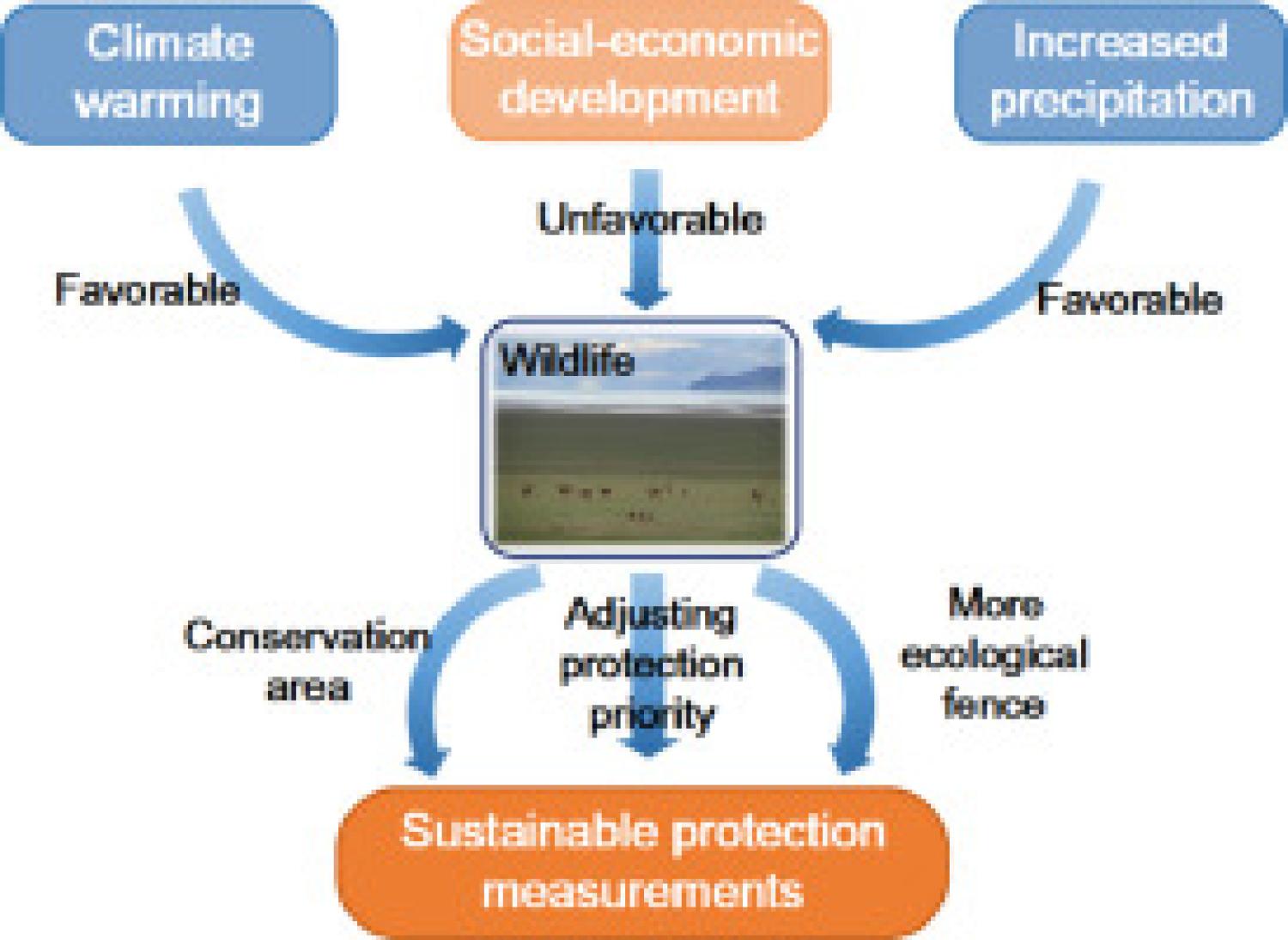
Elsevier, Geography and Sustainability, Volume 2, March 2021
This article supports SDG 15 by demonstrating both climate change and social-economic developments play important roles to wildlife recovery in Qingzang Plateau. How to effectively promote the wildlife restoration and conservation in Qingzang Plateau is challenging.

Elsevier, iScience, Volume 25, 16 September 2022
This work is the first comprehensive eDNA biodiversity survey conducted on Earth’s highest mountain, Mount Everest. Species composition in high-alpine ecosystems is a useful indicator for monitoring climatic and environmental changes at the upper limits of habitable environments, which highlights the potential importance of this study to future works in this area.
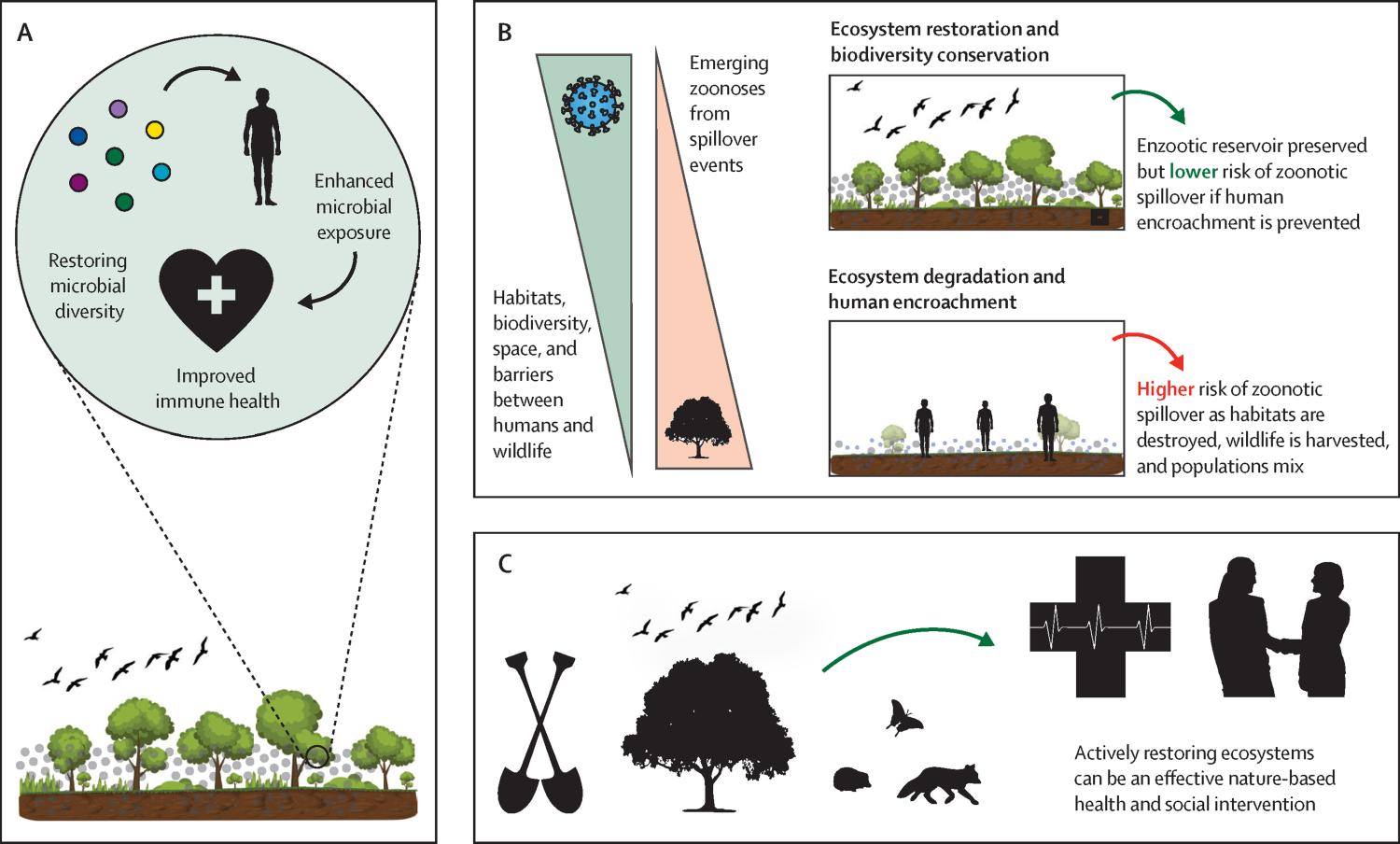
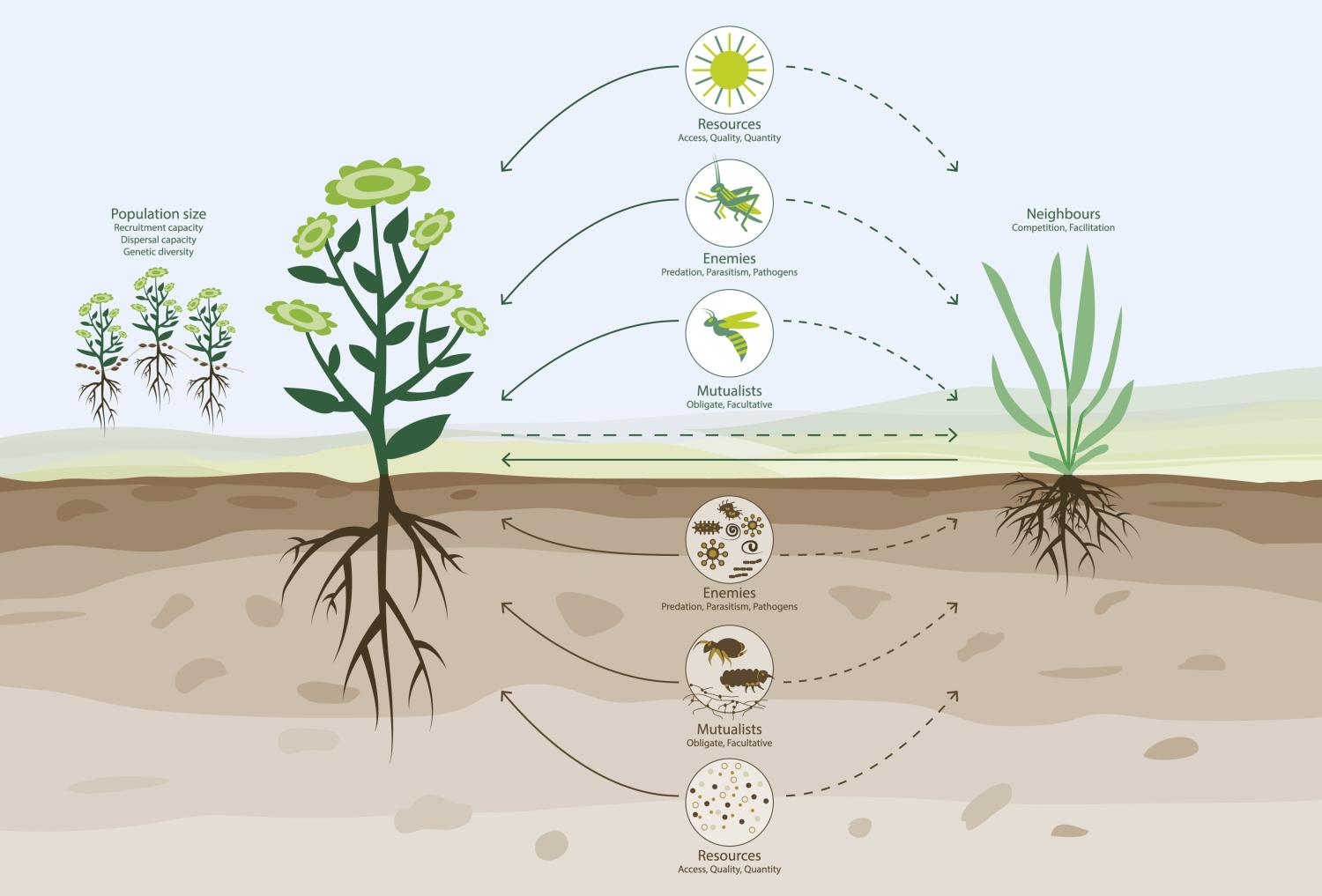
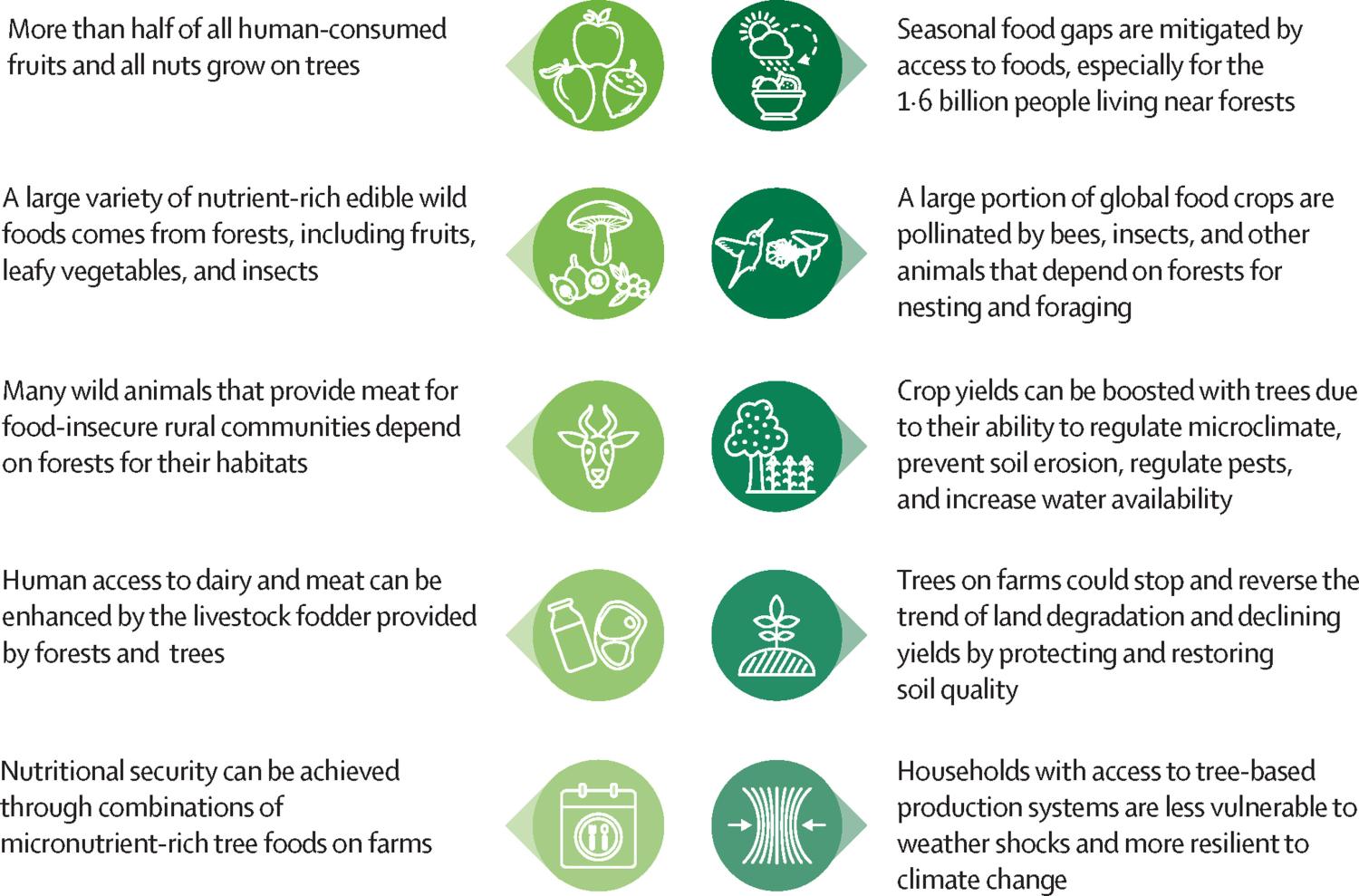
Elsevier, The Lancet Planetary Health, Volume 6, July 2022
This Viewpoint supports SDGs 2 and 15 by highlighting the importance of trees and forests to food systems, and exploring how the value of trees and forests in this regard can be enhanced to improve nutritional and environmental sustainability.
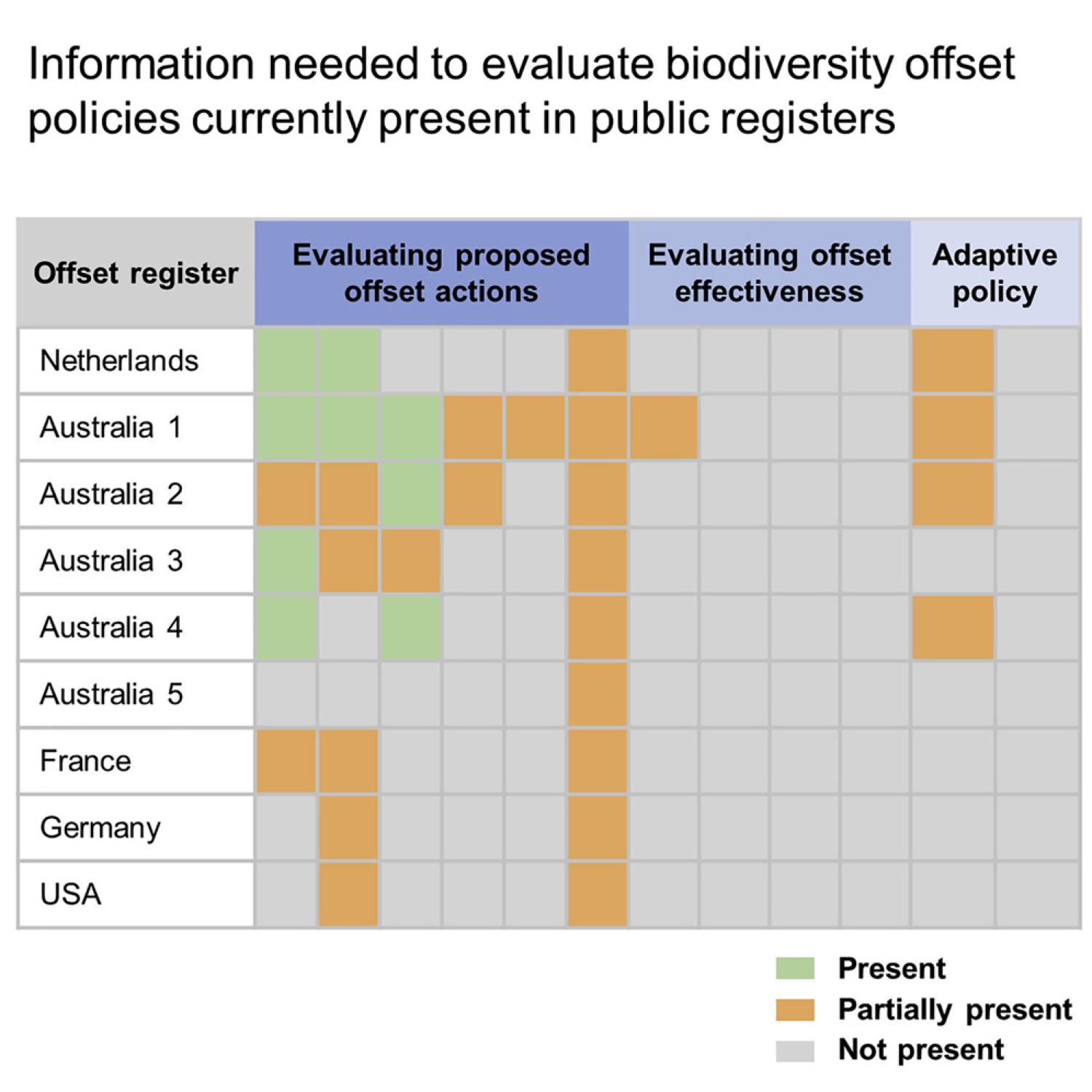
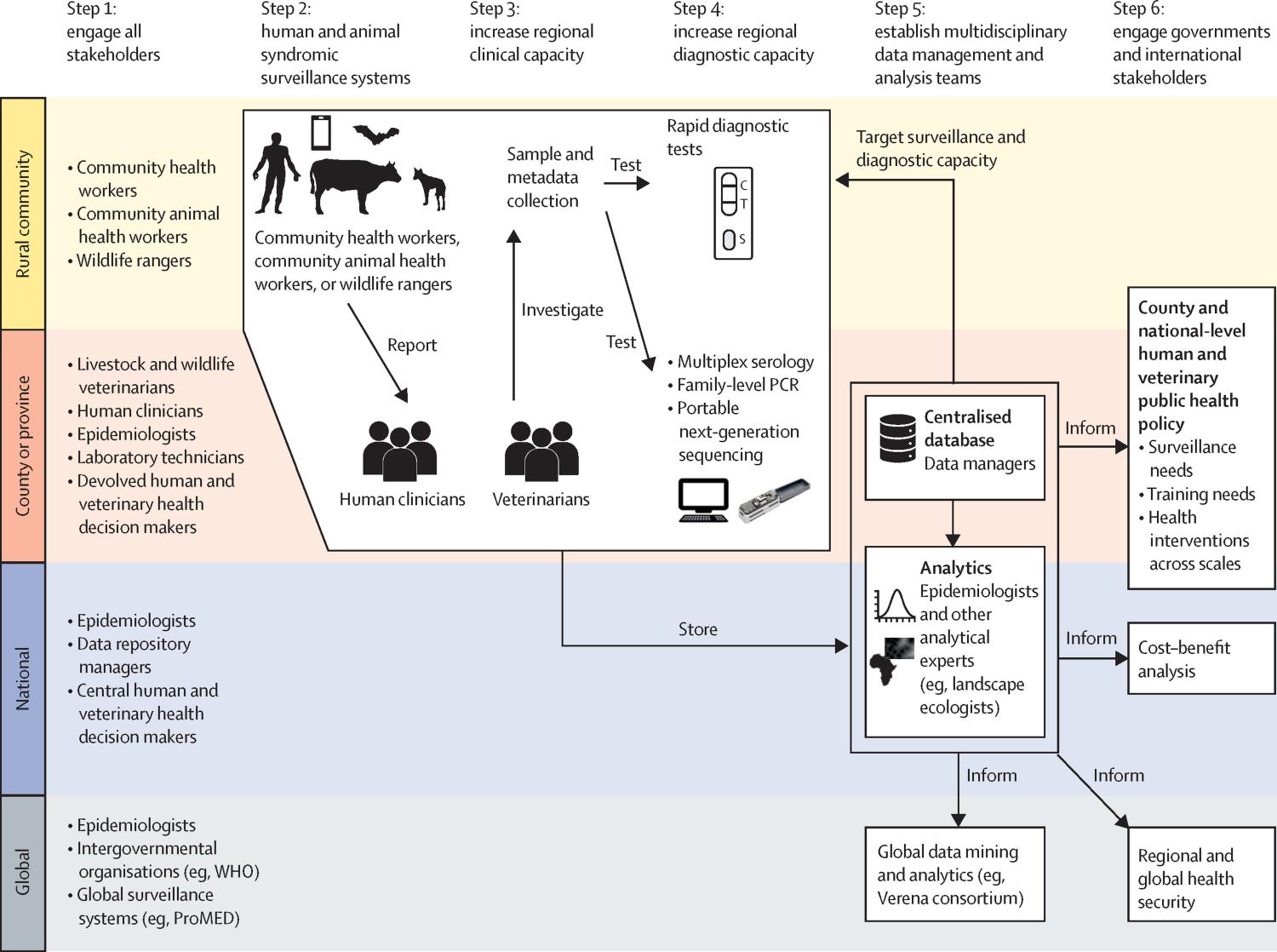
Elsevier, The Lancet Global Health, Volume 10, April 2022
This Viewpoint supports SDG 3 by highlighting why investing in disease surveillance in remote rural areas of LMICs will benefit global communities, and using Kenya as an example, showing how such surveillance can be strengthened and integrated into existing systems while sustaining biodiversity.
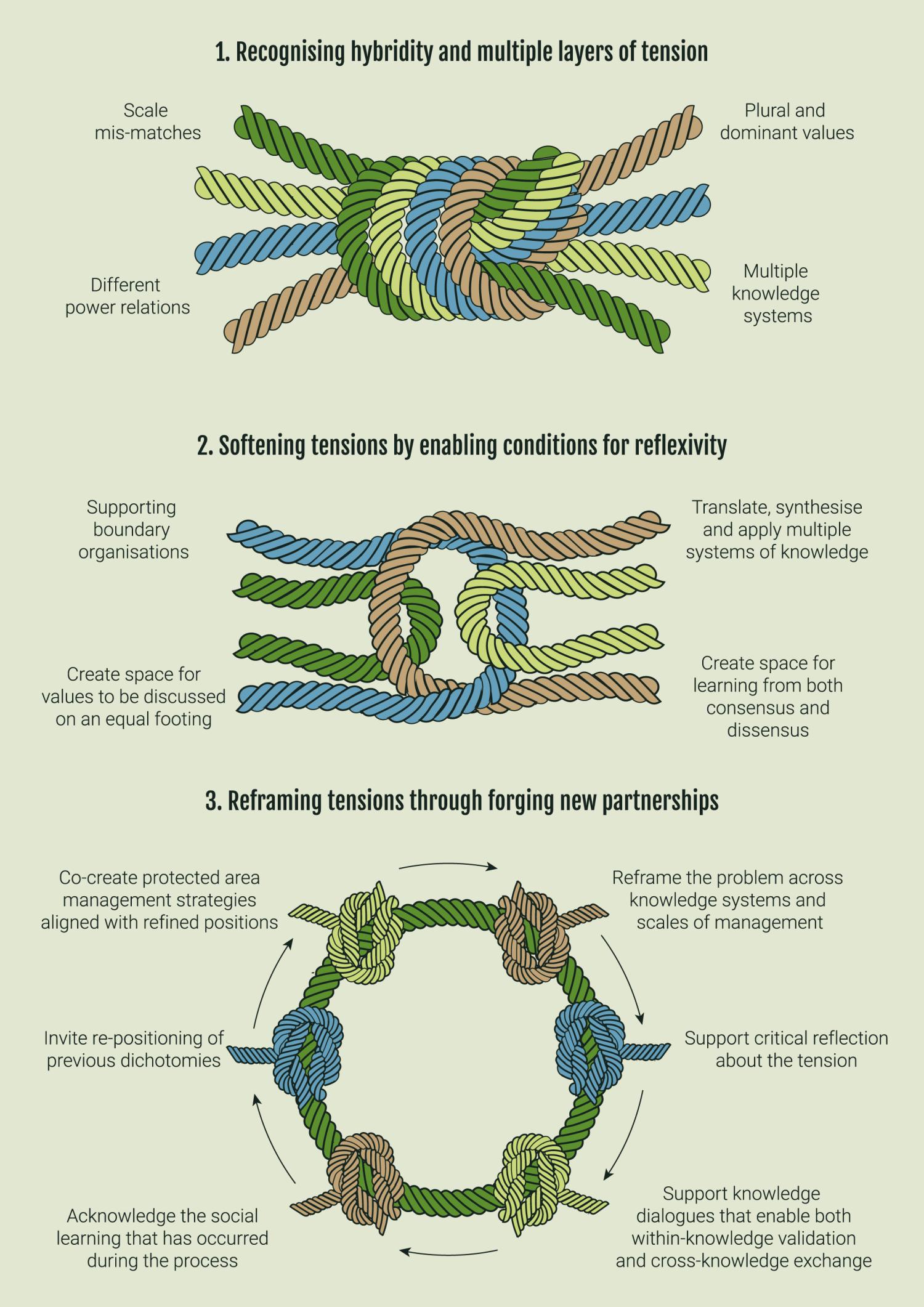
Elsevier, One Earth, Volume 5, 18 March 2022
This article demonstrates that, by actively engaging in the interdependent phases of recognizing hybridity, enabling conditions for reflexivity and partnership building, 'inclusivity' tensions can not only be acknowledged but softened and, in some cases, reframed when managing for biodiversity, equity, and justice goals.
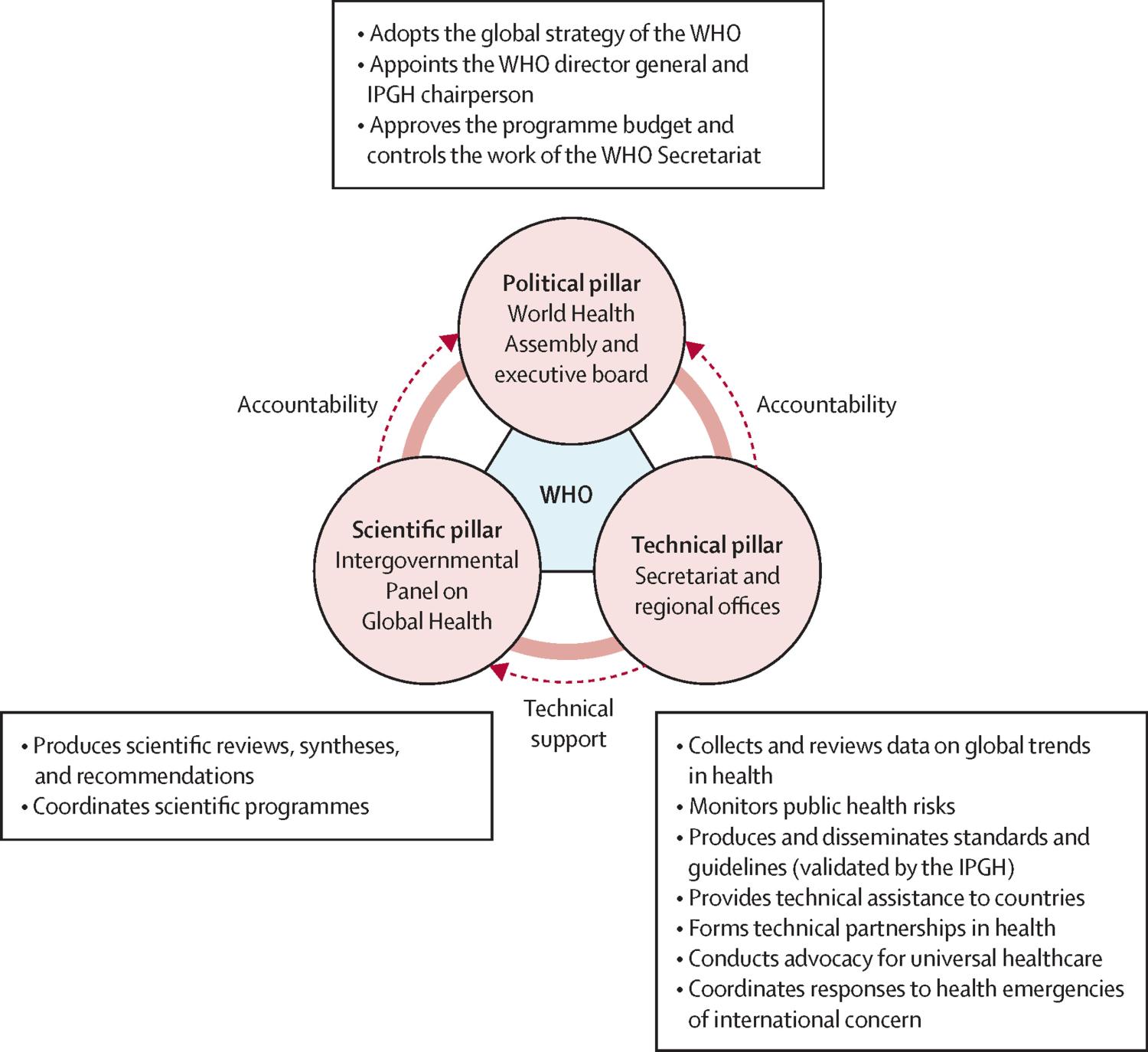
Elsevier, The Lancet Global Health, Volume 10, March 2022
This Comment article supports SDG 3, 13, and 17 by advocating the creation of a new model of multilateral governance on the basis of the experience gained in two other areas of global public goods governance—climate change and biodiversity.
Elsevier, The Lancet Regional Health - Western Pacific, Volume 18, January 2022
This Comment article supports SDG 3 by highlighting the role and vision of the Pacific School Food Network in fostering healthier school food environments, with the involvement of members from the government, UN agencies, academia, and NGO's representing the areas/sectors of agriculture, biodiversity, education, health, natural resource management, school nutrition and sustainable development.
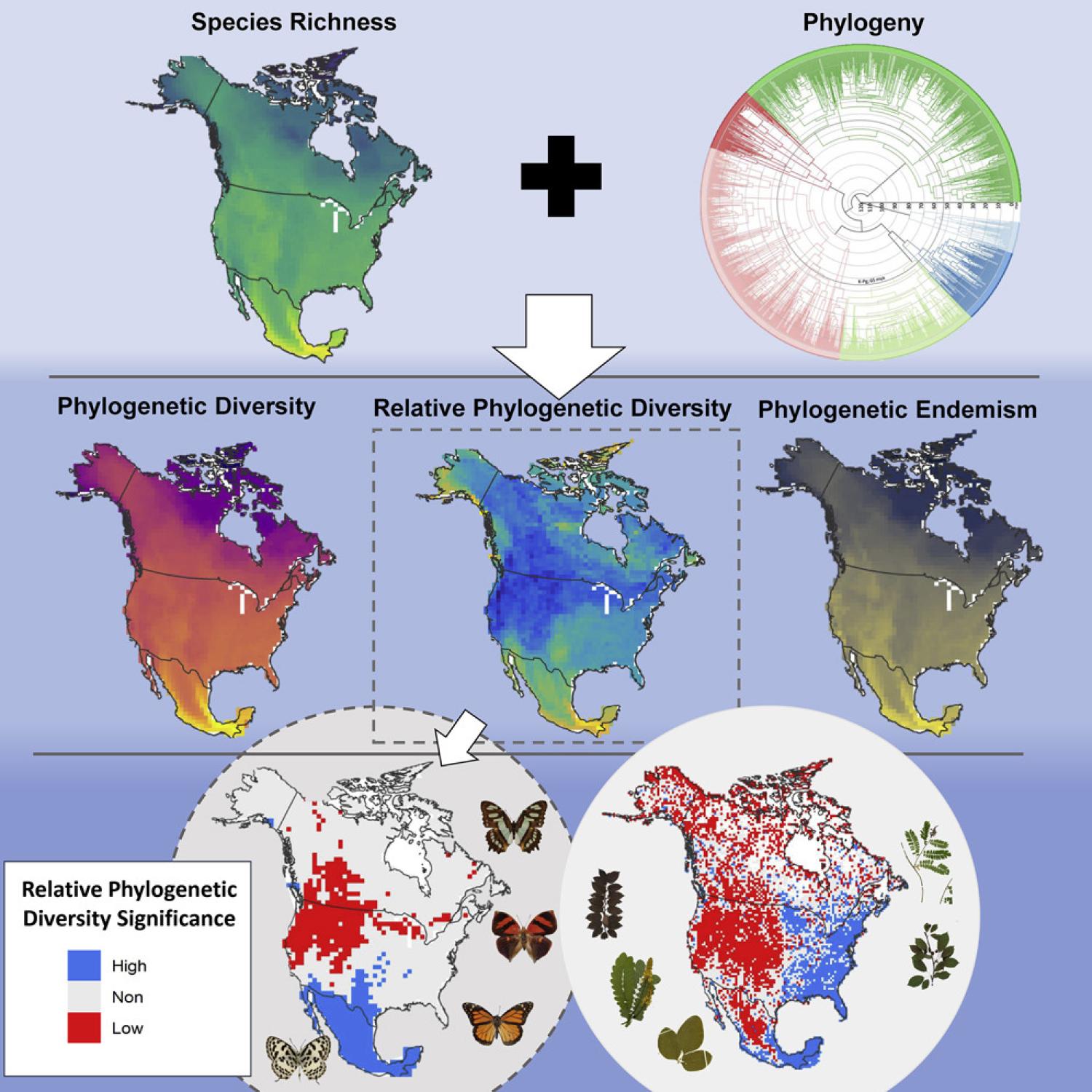
Elsevier, iScience, Volume 24, 23 April 2021
In this work, the authors take on a broad-scale quantitative assessment of butterfly biodiversity. They find with some examples of North American butterflies that shared biogeographic histories and trophic associations do not necessarily assure similar diversity outcomes.
Elsevier, The Lancet Regional Health - Western Pacific, Volume 31, February 2023
Emerging evidence from the western literature suggests an increasing focus on applying nature-based interventions for mental health improvements. However, in Indigenous communities, caring for country has always been central to the Indigenous way of life. Knowing that nature-based interventions effectively improve mental health outcomes, this review collated evidence on the application of caring for country in improving social and emotional well-being (SEWB) of Indigenous peoples in Australia and New Zealand.
Elsevier, The Lancet Regional Health - Western Pacific, Volume 7, February 2021
This paper supports SDG 3 by analysing the current national action plans of ten ASEAN countries and their alignment with the Global Action Plan on antimicrobial resistance, highlighting five key themes: policy design, implementation tools, monitoring and evaluation, sustainability, and One Health engagement.
Elsevier, Emma Suali, Latifah Suali, Chapter 8 - Impact assessment of global biofuel regulations and policies on biodiversity, Editor(s): Khalid Rehman Hakeem, Suhaib A. Bandh, Fayaz A. Malla, Mohammad Aneesul Mehmood, Environmental Sustainability of Biofuels, Elsevier, 2023, Pages 137-161, ISBN 9780323911597
This content aligns with Goal 7, Clean and Affordable Energy, and Goal 15, Life on Land, by assessing the impact of biofuel feedstocks on the environment, ecosystem, and biodiversity of the regions where energy crops will be grown and harvested.
Elsevier, Christian John Wenker, Chapter 33 - Exhibit Biodiversity and Animal Health, Editor(s): Eric Miller, Nadine Lamberski, Paul Calle,
Fowler' s Zoo and Wild Animal Medicine Current Therapy, Volume 10, W.B. Saunders, 2023, Pages 217-222, ISBN 9780323828529
Fowler' s Zoo and Wild Animal Medicine Current Therapy, Volume 10, W.B. Saunders, 2023, Pages 217-222, ISBN 9780323828529
This content aligns with Goal 15: Life on Land by highlighting how biodiversity might be increased between zoo enclosures through the introduction of native flora and fauna.
Elsevier, Hafsa Yaiche Achour, Sid Ahmed Saadi, Chapter 18 - African salt lakes: distribution, microbial biodiversity, and biotechnological potential, Editor(s): Mostafa El-Sheekh, Hosam Easa Elsaied, Lakes of Africa, Elsevier, 2023, Pages 501-525, ISBN 9780323955270
This content aligns with Goal 14: Life under Water by thoroughly exploring African salt lake distribution and microbial diversity
Elsevier, Andrew J. Boulton, Maria Elina Bichuette, Kathryn Korbel, Fabio Stoch, Matthew L. Niemiller, Grant C. Hose, Simon Linke, Chapter 23 - Recent concepts and approaches for conserving groundwater biodiversity, Editor(s): Florian Malard, Christian Griebler, Sylvie Rétaux, Groundwater Ecology and Evolution (Second Edition), Academic Press, 2023, Pages 525-550, ISBN 9780128191194
This content aligns with Goal 14: Life under Water by exploring different approaches for conserving groundwater biodiversity.
Elsevier, Pierre Marmonier, Diana Maria Paola Galassi, Kathryn Korbel, Murray Close, Thibault Datry, Clemens Karwautz, Chapter 5 - Groundwater biodiversity and constraints to biological distribution, Editor(s): Florian Malard, Christian Griebler, Sylvie Rétaux, Groundwater Ecology and Evolution (Second Edition), Academic Press, 2023, Pages 113-140, ISBN 9780128191194
This content aligns with Goal 14: Life Under Water by covering groundwater biodiversity and constraints to biological distribution
Elsevier, Pratima Bajpai, Chapter 3 - Biodiversity of thermotolerant microorganisms, Editor(s): Pratima Bajpai, In Progress in Biochemistry and Biotechnology,
Developments and Applications of Enzymes from Thermophilic Microorganisms, Academic Press, 2023, Pages 29-45, ISBN 9780443191978
Developments and Applications of Enzymes from Thermophilic Microorganisms, Academic Press, 2023, Pages 29-45, ISBN 9780443191978
This content aligns with Goal 15: Life on land in its discussion of hyperthermophilic microorganisms sourced from heated environments such as hot springs, and the biodiversity of these microorganisms.
Elsevier, Pierre Boissery, Philippe Lenfant, Gilles Lecaillon, Anaïs Gudefin, Sebastien Fonbonne, Mohamed Selfati, Najib El Ouamari, Robert Brunet, Free Espinosa, Hocein Bazairi, Chapter 7 - The ecological restoration: A way forward the conservation of marine biodiversity, Editor(s): Free Espinosa,
Coastal Habitat Conservation, Academic Press, 2023, Pages 171-191, ISBN 9780323856133
Coastal Habitat Conservation, Academic Press, 2023, Pages 171-191, ISBN 9780323856133
This content aligns with Goal 14: Life under Water by stressing the import of ecological restoration to preserve marine biodiversity.
Elsevier, Chapter 13 - Applications of LiDAR in Biodiversity Conservation, Ecohydrology, and Ecological Process Modeling of Forest Ecosystems, Editor(s): Qinghua Guo, Yanjun Su, Tianyu Hu, LiDAR Principles, Processing and Applications in Forest Ecology, Academic Press, 2023, Pages 407-442, ISBN 9780128238943
This content aligns with Goal 15: Life on Land by exploring the role and advantages of LiDAR in biodiversity monitoring in forest ecosystems.
Elsevier, Stanislaw Sieniutycz, Chapter 6 - Biodiversity maintenance in food webs, Editor(s): Stanislaw Sieniutycz, Complexity and Complex Ecological Systems, Elsevier, 2023, Pages 75-97, ISBN 9780443192371
This content aligns with Goal 15: Life on Land by introducing the subject of trophic relationships in coastal and estuarine ecosystems.
Elsevier, Shalini Rai, Ram Prasad, Chapter 1 - Biology, biodiversity, and biotechnology of Trichoderma, Editor(s): Shalini Rai, Ram Prasad,
New and Future Developments in Microbial Biotechnology and Bioengineering, Elsevier, 2023, Pages 1-28, ISBN 9780323998901
New and Future Developments in Microbial Biotechnology and Bioengineering, Elsevier, 2023, Pages 1-28, ISBN 9780323998901
This content aligns with Goal 15: Life on Land by giving an overview of of trichoderma biology, biodiversity, and biotechnological approaches in the extreme conditions of climate.
Elsevier, Alexis C.R. Hoste, Sigrid Görgen, Philippe Jacques, Chapter 10 - Increasing the natural biodiversity of microbial lipopeptides using a synthetic biology approach, Editor(s): Gloria Soberón-Chávez, In Foundations and Frontiers in Enzymology, Biosurfactants, Academic Press, 2023, Pages 203-247, ISBN 9780323916974
This content aligns with Goal 15: Life on land by investigating how synthetic biology can affect the synthesis of lipopeptides and increase their biodiversity.
Elsevier, Josiah O. Kuja, Anne W.T. Muigai, Jun Uetake, Chapter 8 - Metagenomics: A resilience approach to climate change and conservation of the African Glacier biodiversity, Editor(s): Catalina Lopez-Correa, Adriana Suarez-Gonzalez, In Translational and Applied Genomics, Genomics and the Global Bioeconomy, Academic Press, 2023, Pages 153-173, ISBN 9780323916011
This content aligns with Goal 15: Life on Land and Goal 2: Zero Hunger by investigating how new genomic applications can leverage agricultural production and how the utilization of bioresources like cold-active enzymes and freeze-resistant proteins from glaciers may help develop more drought-resilient plants.
Elsevier, Loke Ming Chou, Chapter 10 - Sustaining marine biodiversity in Singapore's heavily urbanized coast, Editor(s): David Ting, Paul O'Brien, Progress in Sustainable Development, Elsevier, 2023, Pages 265-282, ISBN 9780323992077
This content aligns with Goal 14: Life below water by investigating how Singapore developed initiatives to protect and enhance marine biodiversity despite intense coastal development.
Elsevier, Rohit Kamboj, Sweta Kamboj, Shikha Kamboj, Priyanka Kriplani, Rohit Dutt, Kumar Guarve, Ajmer Singh Grewal, Arun Lal Srivastav, Surya Prakash Gautam, Chapter 1 - Climate uncertainties and biodiversity: An overview, Editor(s): Arun Srivastav, Ashutosh Dubey, Abhishek Kumar, Sushil Kumar Narang, Moonis Ali Khan, Visualization Techniques for Climate Change with Machine Learning and Artificial Intelligence, Elsevier, 2023, Pages 1-14, ISBN 9780323997140
This content aligns with Goal 15: Life on Land by focusing on how biological systems are being affected by anthropogenic climate change at many dimensions, from ecosystems to genes, according to data from around the world.
Elsevier, Sylvester Chibueze Izah, Adams Ovie Iyiola, Baturh Yarkwan, Glory Richard, Chapter 7 - Impact of air quality as a component of climate change on biodiversity-based ecosystem services, Editor(s): Arun Srivastav, Ashutosh Dubey, Abhishek Kumar, Sushil Kumar Narang, Moonis Ali Khan, Visualization Techniques for Climate Change with Machine Learning and Artificial Intelligence, Elsevier, 2023, Pages 123-148, ISBN 9780323997140
This content aligns with Goal 15: Life on Land and Goal 3: Good health and well-being by examining the impacts of air pollution on human health and the environment, and exploring strategies to move toward cleaner ambient air.
Elsevier, Jessyca Adelle Silva Santos, Queila Souza Garcia, Chapter 5 - Ethylene in the regulation of seed dormancy and germination: Biodiversity matters, Editor(s): Nafees A. Khan, Antonio Ferrante, Sergi Munné-Bosch, The Plant Hormone Ethylene, Academic Press, 2023, Pages 61-71, ISBN 9780323858465
This content aligns with Goal 15: Life on Land and Goal 2: Zero Hunger by focusing on seed biodiversity.
Elsevier, Nikolay Manchev Petrov, Mariya Ivanova Stoyanova, Rajarshi Kumar Gaur, Chapter 12 - Biodiversity and characterization of economically important viruses on potato cultivars, Editor(s): Rajarshi Kumar Gaur, Basavaprabhu L. Patil, Ramasamy Selvarajan, Plant RNA Viruses, Academic Press, 2023, Pages 245-270, ISBN 9780323953399
This content aligns with Goal 15: Life on Earth as it discusses the different viruses that can infect potatoes which are a problem for the quality and the quantity of global potato production which can exacerbate any food security issues.