Previous studies have shown that people with HIV are at an increased risk of non-communicable diseases, this systematic review and meta-analysis collates data from 188 studies done in 21 sub-Saharan Africa countries and shows that people with HIV have an increased incidence of multiple NCDs, including hypertension, diabetes, and cervical cancer. Although more research is needed, this results highlight the need for improved treatment and prentative approaches to minimise the risk of people with HIV also developing non-comminicable diseases. Good health and wellbeing should not solely be focused on HIV managment; this study shows the growing risk of other diseases that have to be mitigated.
Elsevier, eClinicalMedicine, Volume 63, September 2023
SDG 3.3 is to end the AIDs epidemic, this study shows that of 793,902 people with HIV in Kenya included in the study >25% had low level viraemia, which is associate with a higher risk of virological failure. By defining virological supression as 50 copies/mL earleir interventions could be implmented, such as the use of dolutegravir, which could lead to epidemic control
Elsevier, eClinicalMedicine, Volume 62, August 2023
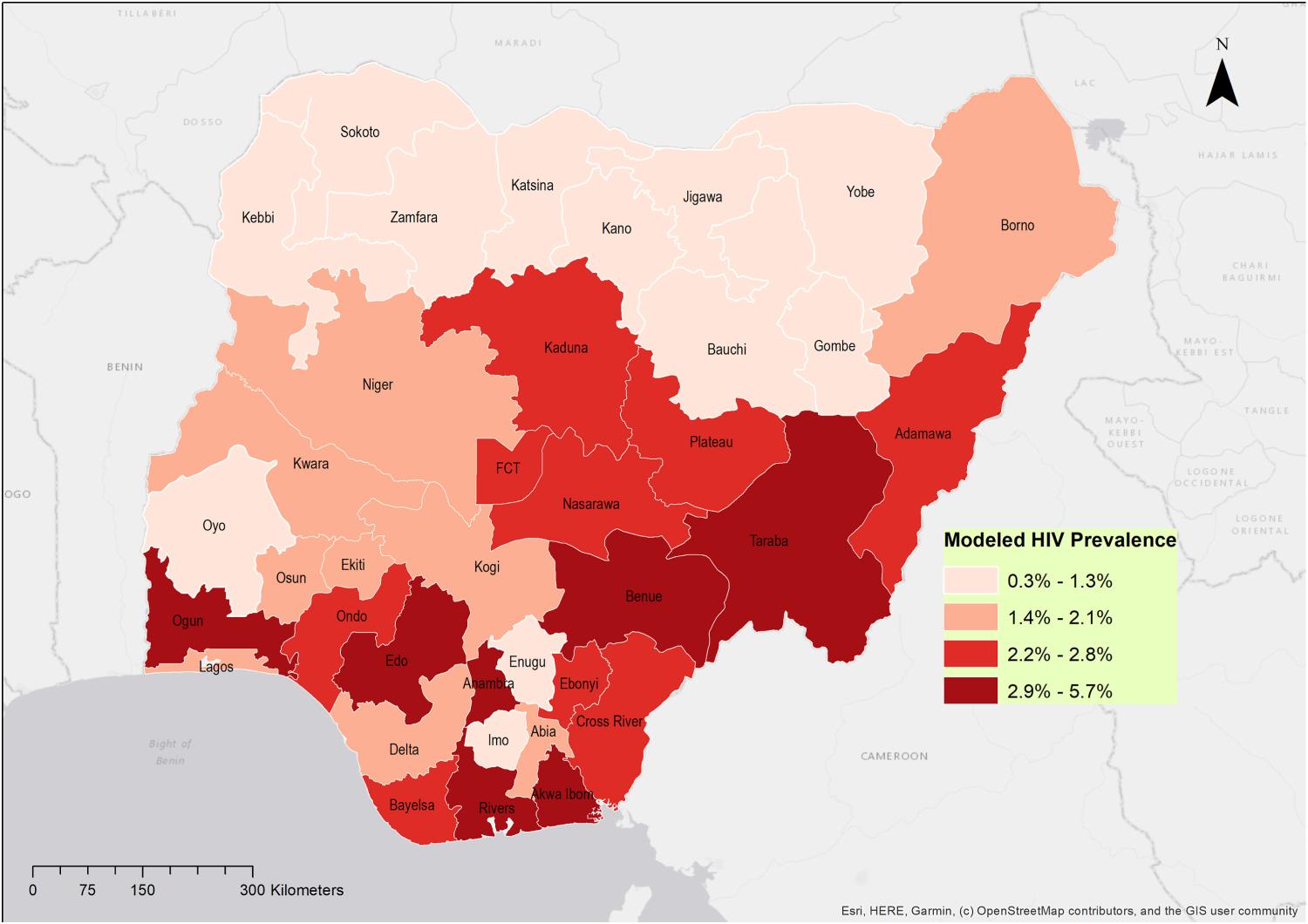
Population-based surveys are expensive and time consuming. By determining state-level seropositivity using national testing service data and a Bayesian linear model, a map of HIV prevalence was generated across the whole of Nigeria. By identifying the areas in which HIV is most prevalent interventions can be targeted. This less resource intense Bayseian method allows for national monitoring of HIV prevalence.
Elsevier, The Lancet Global Health, Volume 11, July 2023
This Viewpoint supports SDG 3 by discussing how HIV services and primary health care services can be integrated in order to improve HIV outcomes over standalone, siloed HIV care. The reports discusses existing models of integration and the various elements of successful integration.
Elsevier, The Lancet Global Health, Volume 11, July 2023
This Article supports SDG 3 by seeking to understand barriers to uptake of HIV-preventive measures, by using a mathematical model simulating the HIV prevention cascade and HIV transmission. The study provides insights into the degree to which these barriers impede effectiveness of these measures and the degree to which they could be mitigated by interventions.
Elsevier, eClinicalMedicine, Volume 60, June 2023
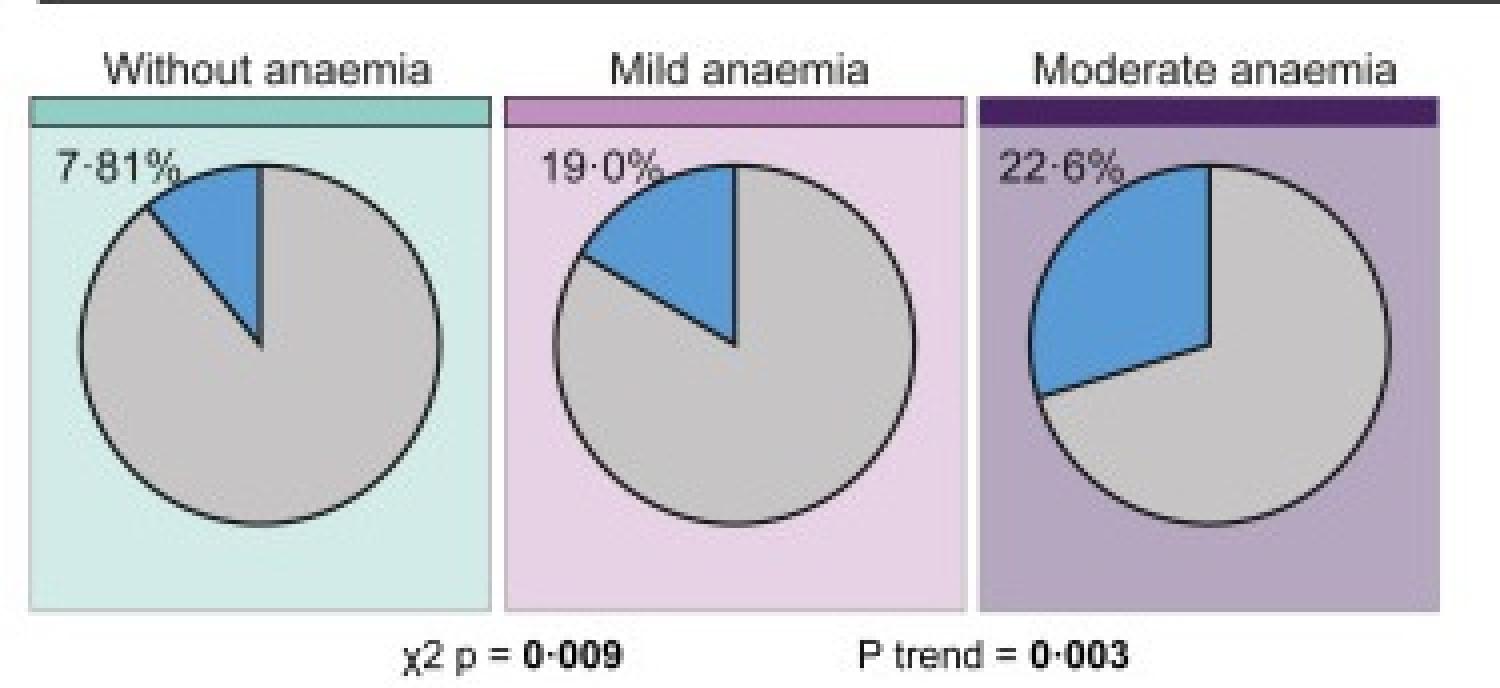
Tuberculosis is often reported in people with HIV. In this secondary post-hoc analysis of the A5274 REMEMBER clinical trial, the authors identified that people with HIV and moderate-to-severe anaemia had a higher incidence of TB than those with HIV who did not have anaemia. Addressing two key diseeases listed in SDG 3.3 (HIV and TB), the authors call for close monitoring of people with HIV and anaemia.
Elsevier, eClinicalMedicine, Volume 59, May 2023
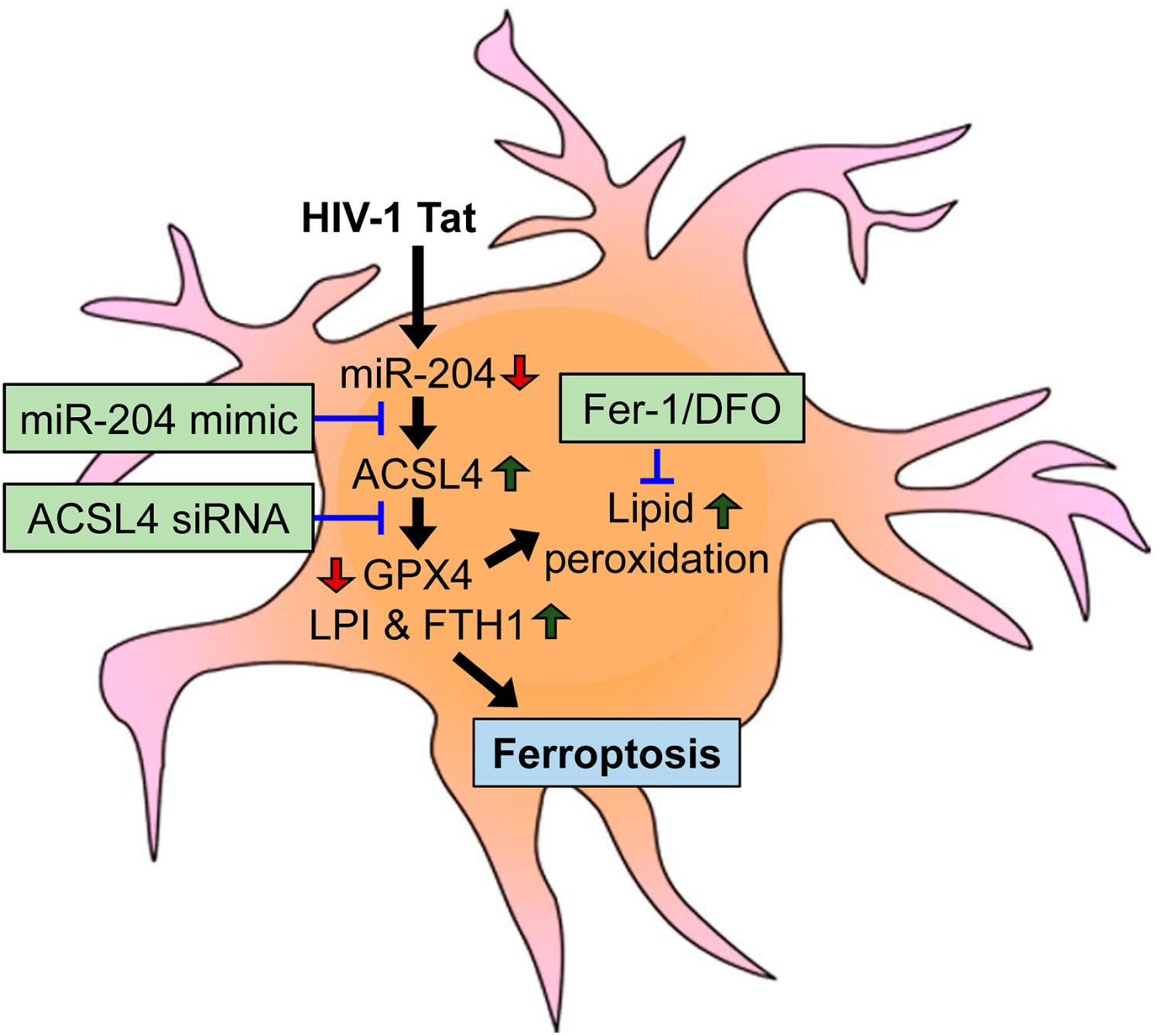
In this follow-up study, virological response to and adverse event profile of bictegravir/emtricitabine/tenofovir alafenamide (B/F/TAF) was assessed at 240 weeks. >98% of people with HIV who received B/F/TAF maintained an HIV-1 RNA of 50 copies/mL, with no treatment-emergent resitance reported. The longevity of B/F/TAF action and participant responses is shown after 5 years of follow-up.
Elsevier, Vaccine, Volume 41, 6 April 2023
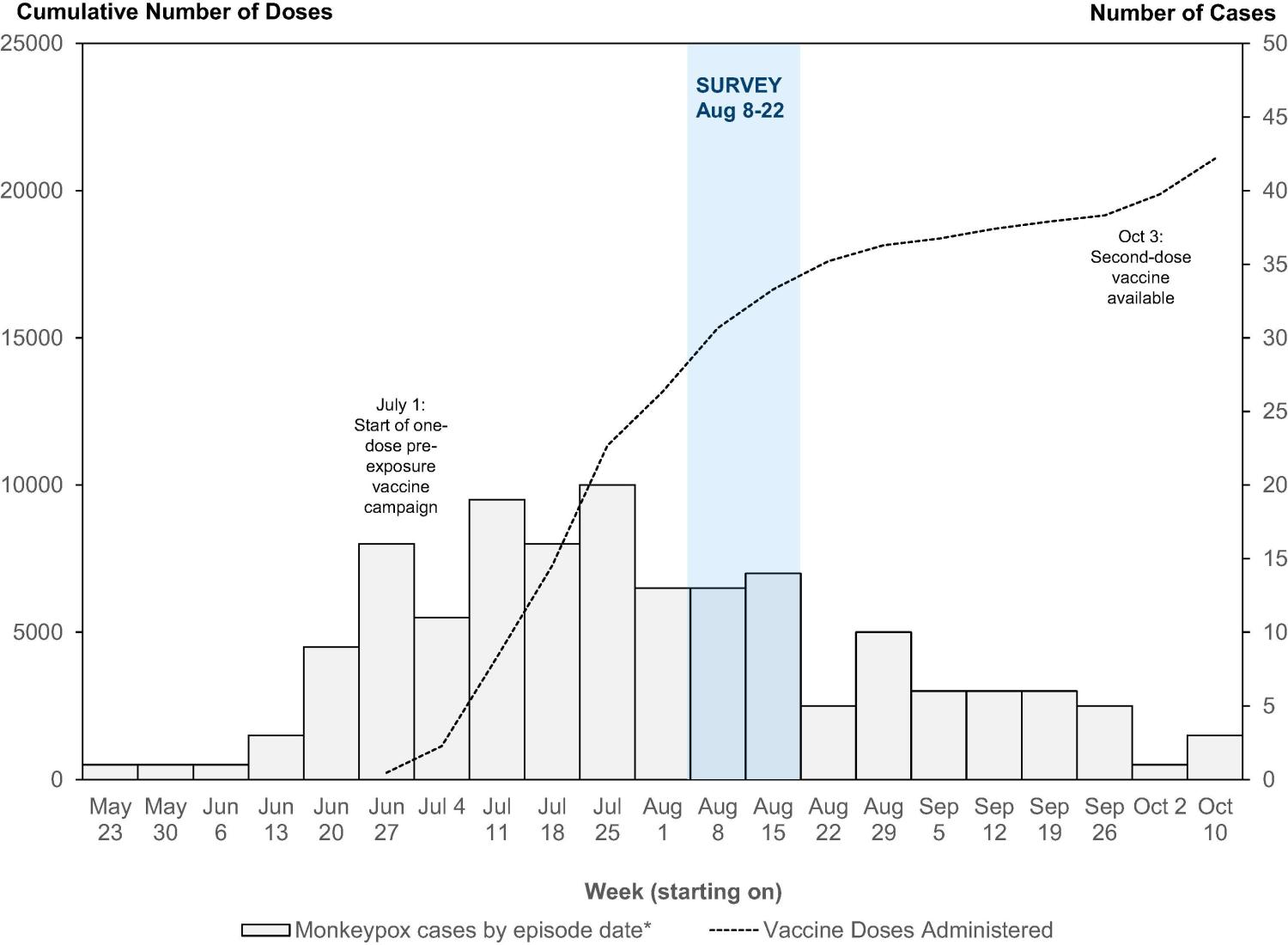
As the primary public health strategy for controlling the 2022 Mpox outbreak, it is critical to evaluate the impact of Mpox vaccination campaigns for transgender people and gay, bisexual and other men who have sex with men (T/GBM). We measured vaccine uptake and associated factors among T/GBM clients of an urban STI clinic in British Columbia (BC)
Elsevier, eClinicalMedicine, Volume 58, April 2023
TB is often reported in people with HIV, in whom isoniazid preventive therapy (IPT) is a treamtent regimen used to prevent TB infection. However, when mothers with HIV recieived IPT during their pregnancy, their babies were associated with an increased risk low birth weight, preterm birth, and becoming under weight. Males seemed to be particularly effected. This brings into question the use of IPT in pregnant women with HIV as the health-care communitry seeks to reach SDGs 3.1, 3.2, and 3.3.
Elsevier, eClinicalMedicine, Volume 57, March 2023
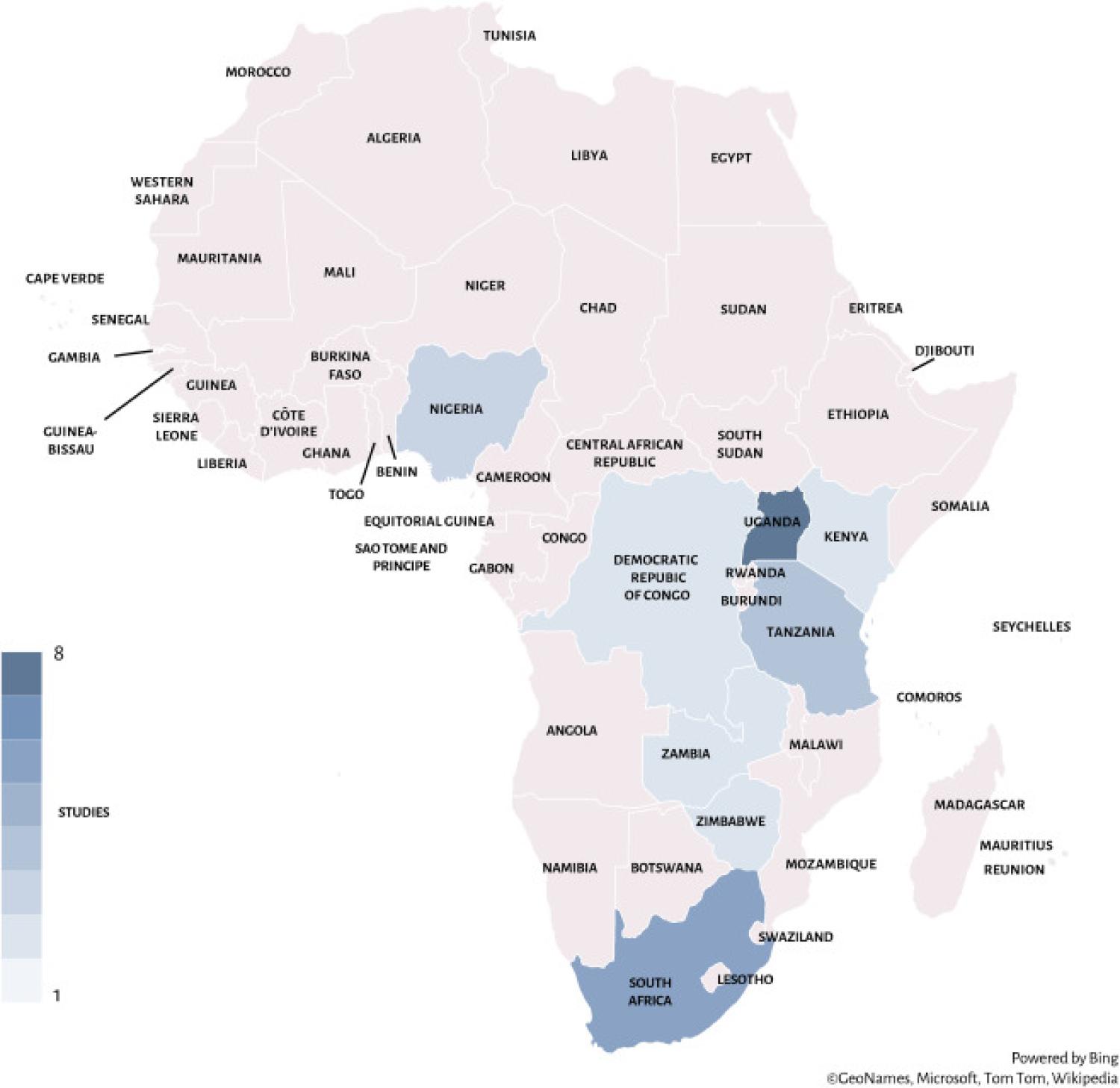
In this systematic review the meausres to monitor and improve mental health outcomes in particpants taking part in SRHR/HIV interventions were assessed in sub-Saharan Africa. The authors show that interventions to improve adolescent SRHR, HIV, and mental health are relatively understudied, with mental health outcomes often the least commonly assessed outcomes. this study highlights the need to look beyond HIV care and keep in mind other equally important aspects of health and wellbeing.
Elsevier, eClinicalMedicine, Volume 57, March 2023
In this 12 month long prospective cohort study, weight change in Black people in Johannesburg, South Africa, with HIV who switched from efavirenz to dolutegravir was compared with propensity score matched people who remained on efavirenz. Those who switched ART regimen where reported to have an increase in weight and 14.2 percentage point increase in the risk of hypertension. The study seeks to optimise the treatment regimens for people with HIV and hightlights the potnetially adverse effects of regimen switching.
Elsevier, eClinicalMedicine, Volume 56, February 2023
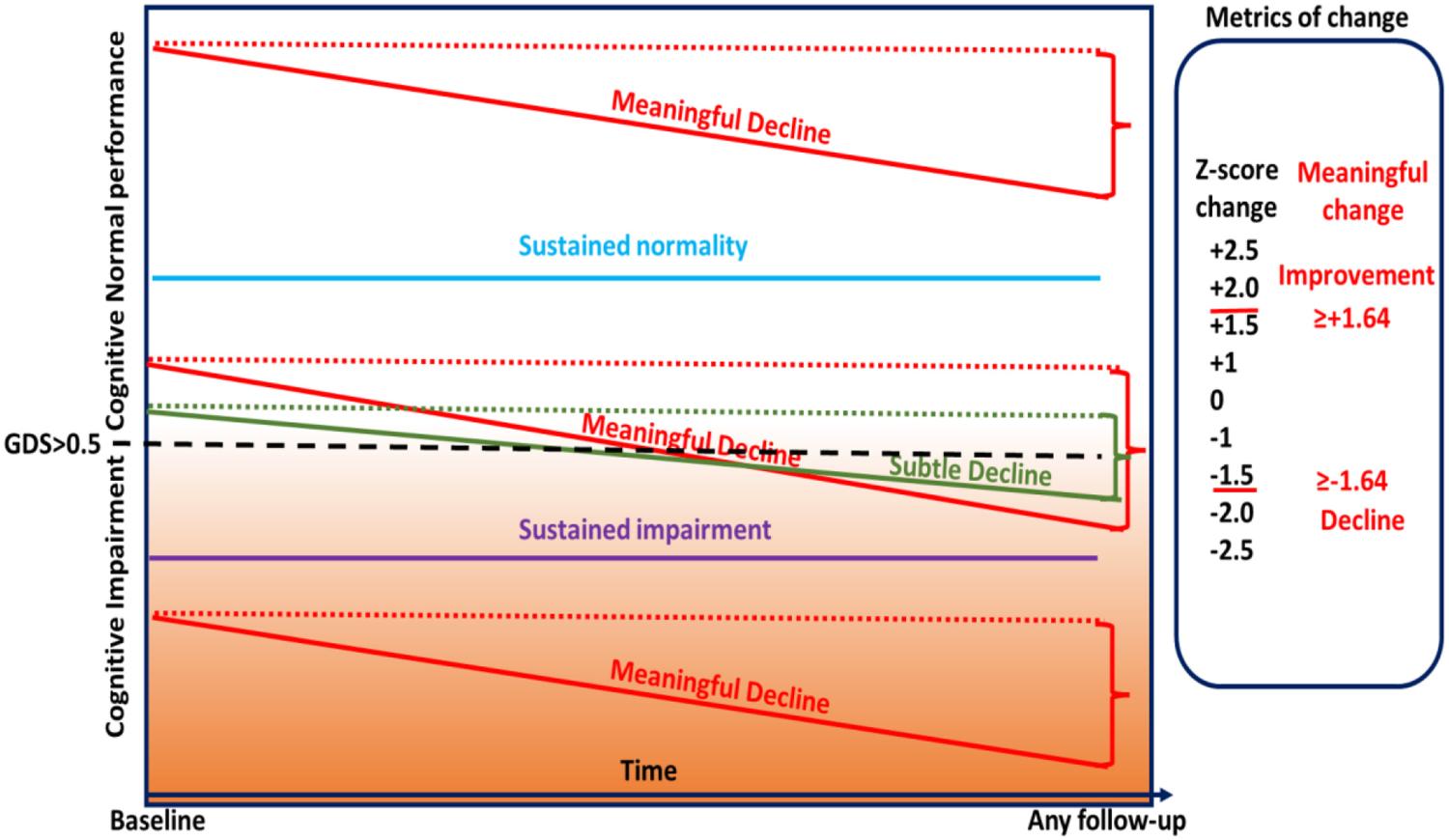
According to the CDC 11% of adults have subjective cognative decline. Given the high coverage of ART in Australia, researchers assessed if there was a link between ART and cognative decline. With 1% of the study population reported to have sustained decline, the authors concluded that meaningful cognative decline was not significantly different compared with what would be expected. Although not a game changing new drug regimen, with the average life expectantcy of people with HIV now 83 year the lack of link between ART and cognative decline means that good health and wellbeing can be promoted into old age.
Elsevier, Journal of Virological Methods, Volume 312, February 2023
For monitoring viral load (VL) or Early Infant Diagnosis (EID) of HIV-1, real-time Polymerase Chain Reaction (qPCR) is used to perform on plasma or Dried Blood Spot (DBS) sample. The qPCR method is expensive and requires sophisticated equipment. Therefore, there is a requirement for newer and cheaper technology for VL measurement or EID.
Elsevier, Vaccine: X, Volume 12, December 2022
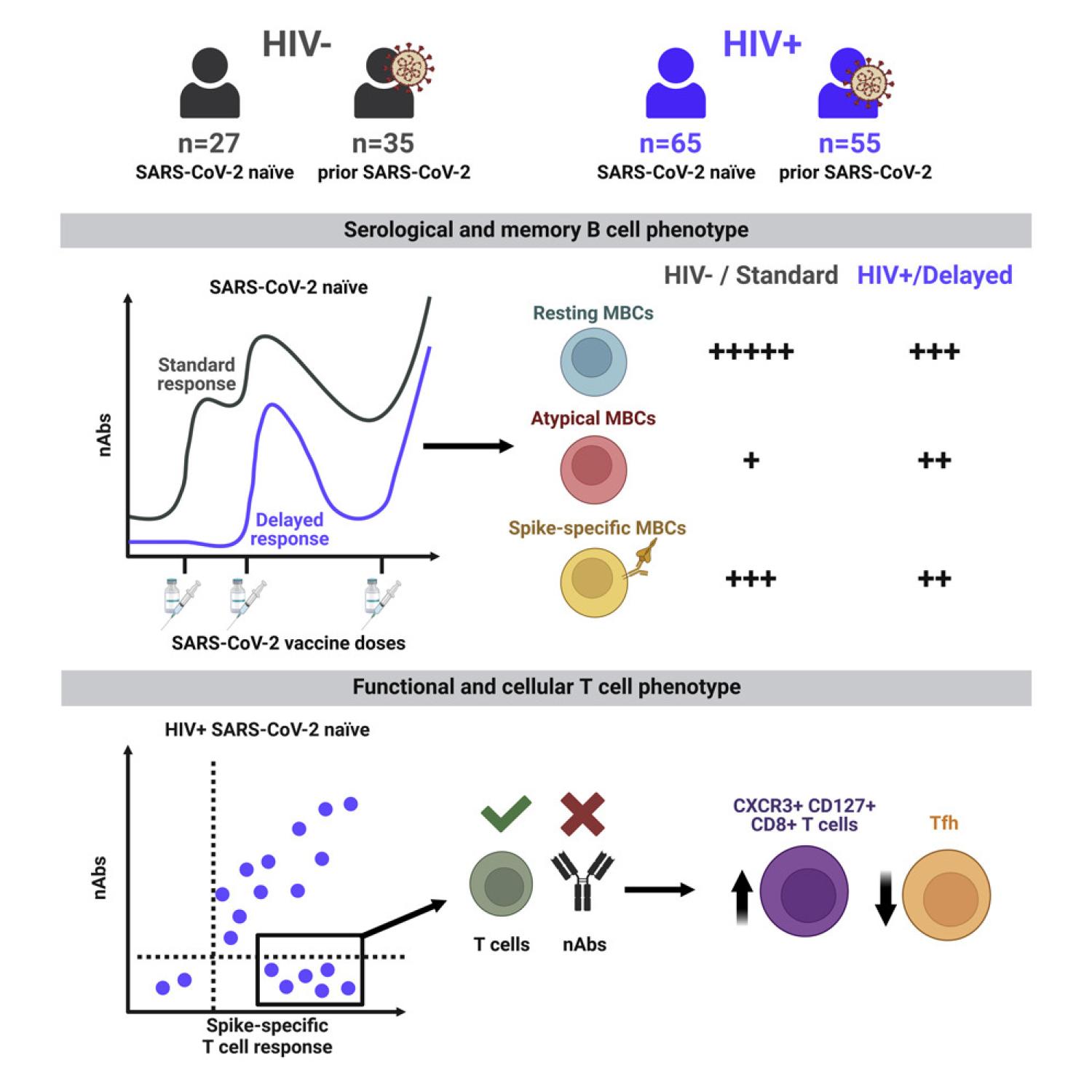
An ongoing challenge in HIV-1 vaccine research is finding a novel HIV-1 envelope glycoprotein (Env)-based immunogen that elicits broadly cross-neutralizing antibodies (bnAbs) without requiring complex sequential immunization regimens to drive the required antibody affinity maturation.
Elsevier, Antiviral Research, Volume 208, December 2022
Cabotegravir (CAB) is an integrase strand transfer inhibitor (INSTI) formulated as a long-acting injectable drug approved for pre-exposure prophylaxis and use with a long acting rilpivirine formulation for therapy in patients with virological suppression. However, there has been no comprehensive review of the genetic mechanisms of CAB resistance. Studies reporting the selection of drug resistance mutations (DRMs) by CAB and the results of in vitro CAB susceptibility testing were reviewed.
Elsevier, Virus Research, Volume 319, 2 October 2022
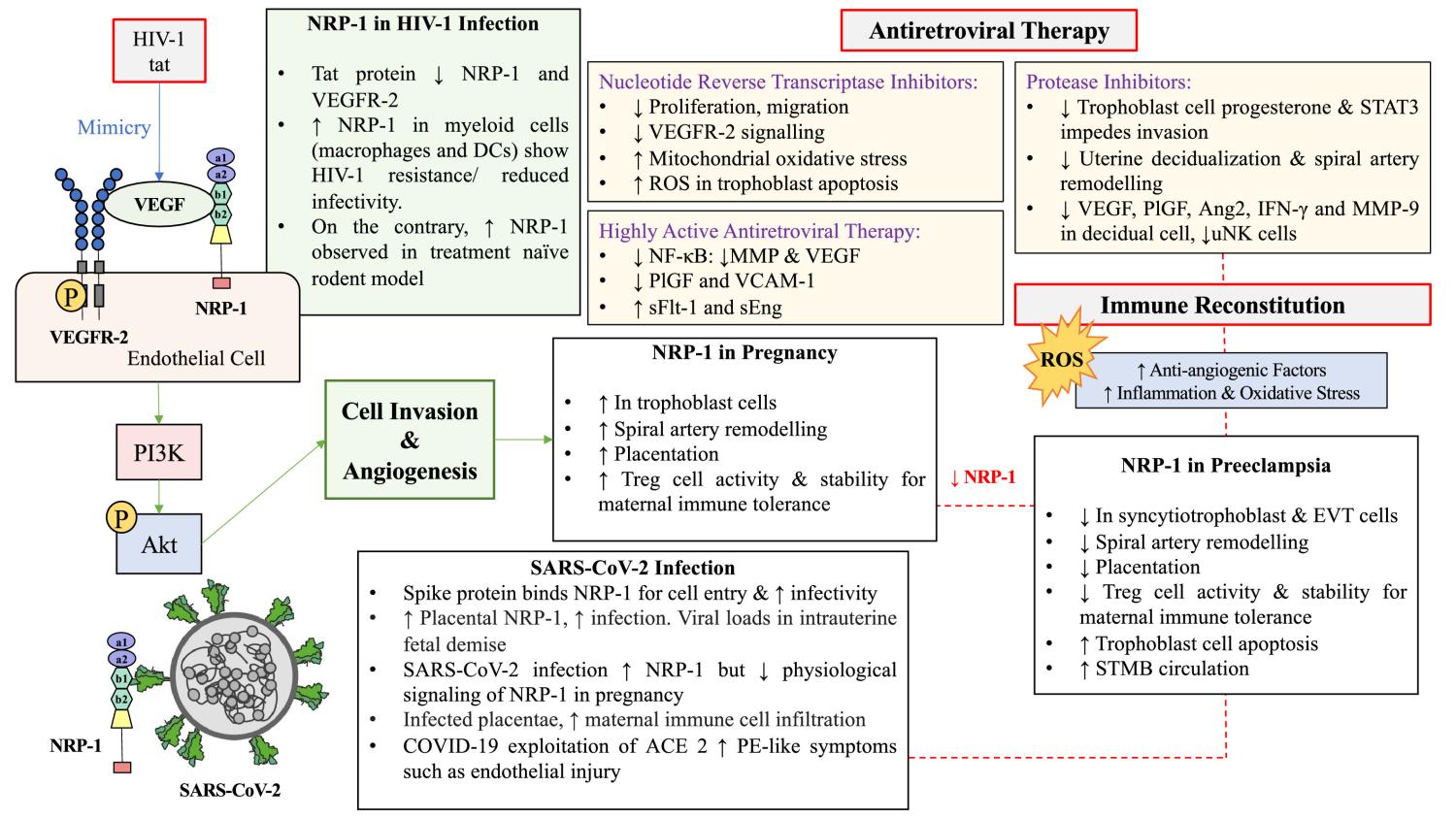
This review explores the role of transmembrane neuropilin-1 (NRP-1) in pregnancy, preeclampsia (PE), human immunodeficiency virus type 1 (HIV-1) and severe acute respiratory syndrome coronavirus 2 (SARS-CoV-2) infections. Since these conditions are assessed independently, this review attempts to predict their comorbid clinical manifestations.
Elsevier, SLAS Discovery, Volume 27, June 2022
Understanding the pathogenesis that leads to carcinogenesis of HIV-related gastrointestinal KS is essential for the treatment of diseases related to KSHV infection. This study strived to evaluate the effect of miR-K12–1 on the progression of HIV-related gastrointestinal KS.
Elsevier, Antiviral Research, Volume 202, June 2022
Nelfinavir is an HIV protease inhibitor that has been widely prescribed as a component of highly active antiretroviral therapy, and has been reported to exert in vitro antiviral activity against SARS-CoV-2. We here assessed the effect of Nelfinavir in a SARS-CoV-2 infection model in hamsters.
Elsevier, Tumour Virus Research, Volume 13, June 2022
This study explores provider preferences regarding anal cancer screening indications, initiation age, tools, and referral threshold to high resolution anoscopy (HRA). Although consensus was lacking with regard to specific screening initiation age, more respondents recommended younger initiation ages for men who have sex with men (MSM) living with HIV (LWH) compared with MSM not LWH (p 0.01).
Elsevier, Virus Research, Volume 311, 2 April 2022
Viral metagenomics is widely applied to characterize emerging viral pathogens but it can also reveal the virome composition in health and disease. The evaluation of the virome in healthy blood donors can provide important knowledge on possible transfusion threats.
Elsevier, Virology, Volume 568, March 2022
The sequence diversity of HIV-1 is the biggest hurdle for the design of a prophylactic vaccine. Mosaic (Mos) antigens consisting of synthetically shuffled epitopes from various HIV-1 strains are currently tested in the clinical vaccine trial Mosaico (NCT03964415).
Elsevier, Journal of Virus Eradication, Volume 8, March 2022
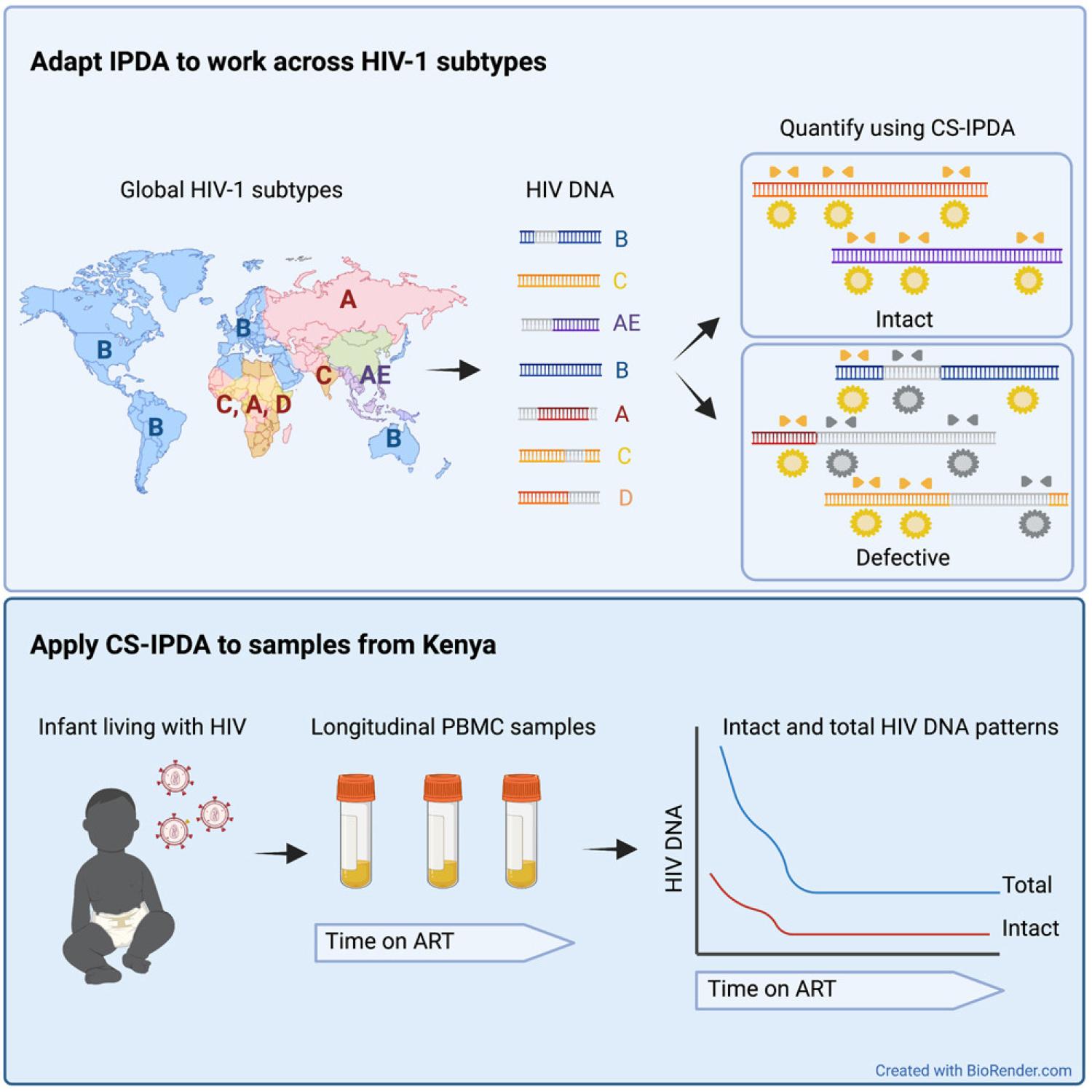
Advances in science have ushered in a wave of new potential curative and control strategies for HIV that could eliminate the current requirement for life-long antiretroviral therapy (ART) for people living with HIV (PLWH). In this article, we argue that it is critical to consider social contexts in the development of HIV cure trial protocols.
Elsevier, Virology, Volume 566, January 2022
Acquired immunodeficiency syndrome (AIDS) is a disease arising from human immunodeficiency virus (HIV). Antiretroviral therapy (ART) is a main therapeutic regimen for inhibiting HIV proliferation and viability. Identification of differentially expressed genes (DEGs) in HIV-infected patients with and without ART could provide theoretical evidence for deep research into the efficacy of ART and corresponding mechanism.
Elsevier, Heliyon, Volume 7, August 2021
In sub-Saharan Africa, HIV/AIDS remains a big challenge and a leading cause of death among young adults, its main productive human resource. Hence, increasing the demand for care and support services by the epidemic infected and affected people. As a result, elderly persons, especially women are burdened to provide care and support; a midst disintegrated family support system and the inability of public and private sectors to adequately address their needs.
Elsevier, SLAS Discovery, Volume 26, June 2021
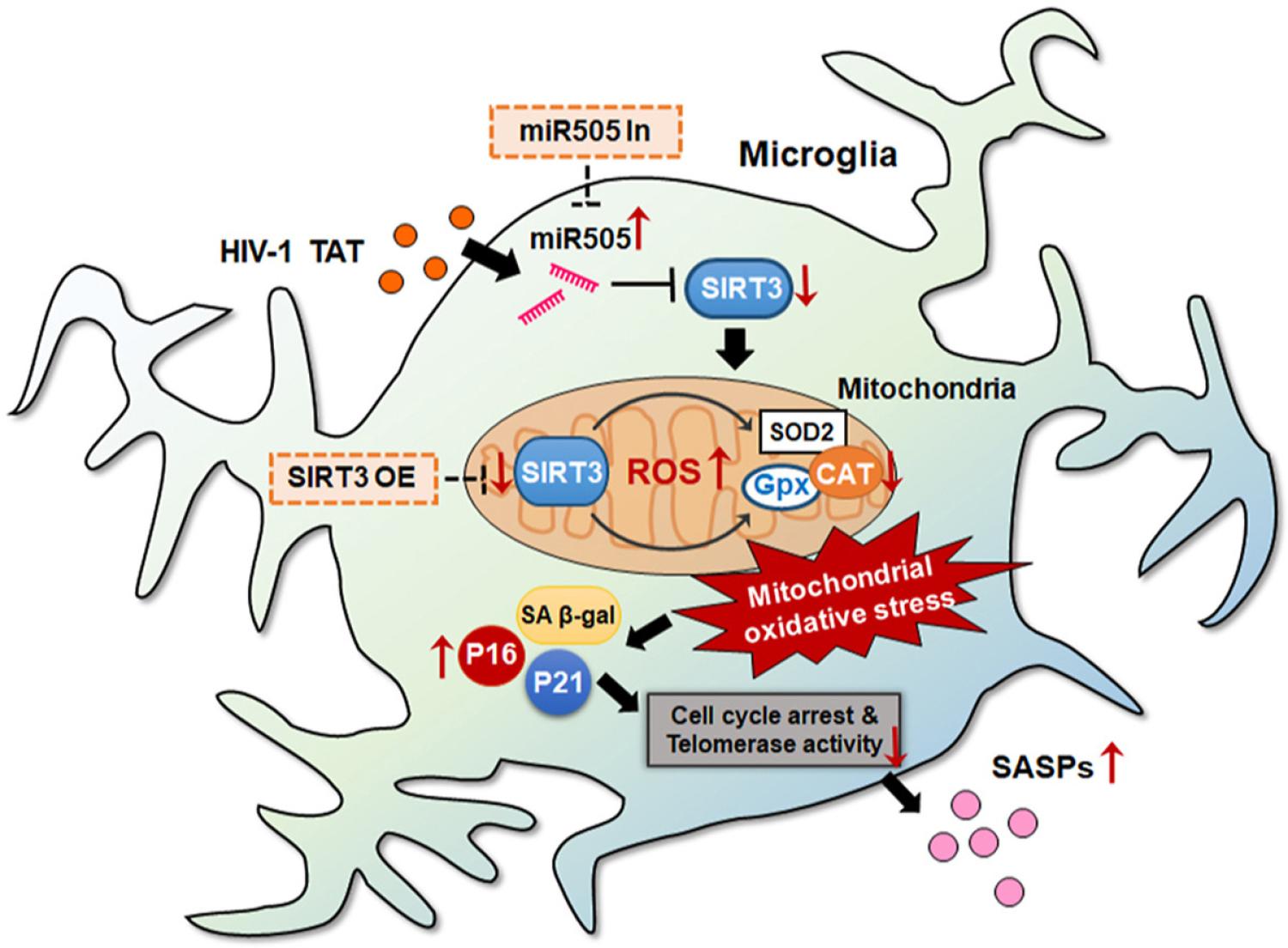
The pharmacologic parameters that drive optimal HIV latency reversal in vivo are unknown and could be influenced by such factors as the HDACi binding kinetics, concentration of compound, and duration of exposure. This study evaluates how these parameters affect HIV latency reversal for a series of novel HDACis that differ in their enzymatic on and off rates. The comprehensive data set generated by automating the assays described here was used to establish a PK/PD model for HDACi-induced HIV latency reversal.
Elsevier, Redox Biology, Volume 40, April 2021
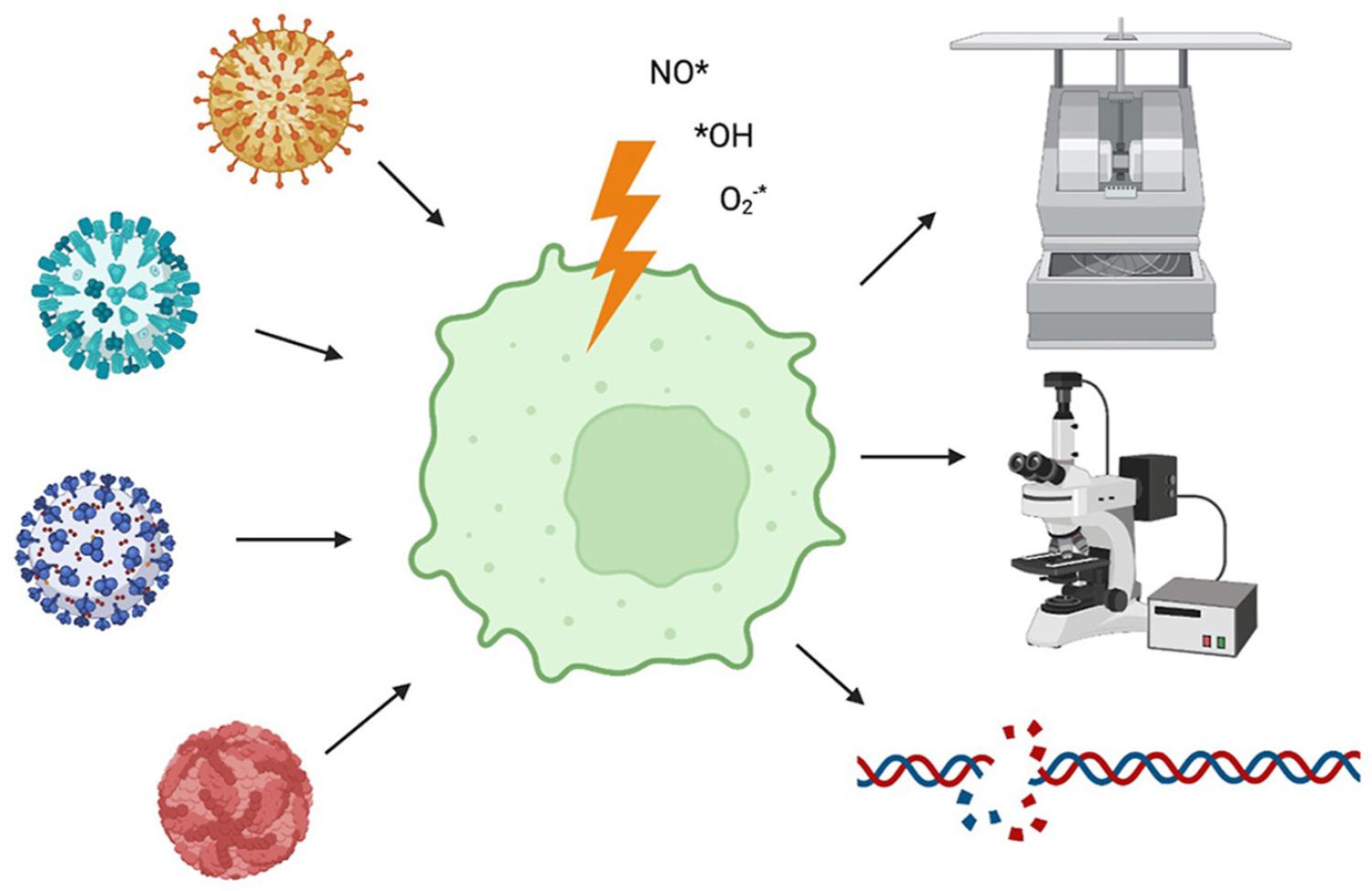
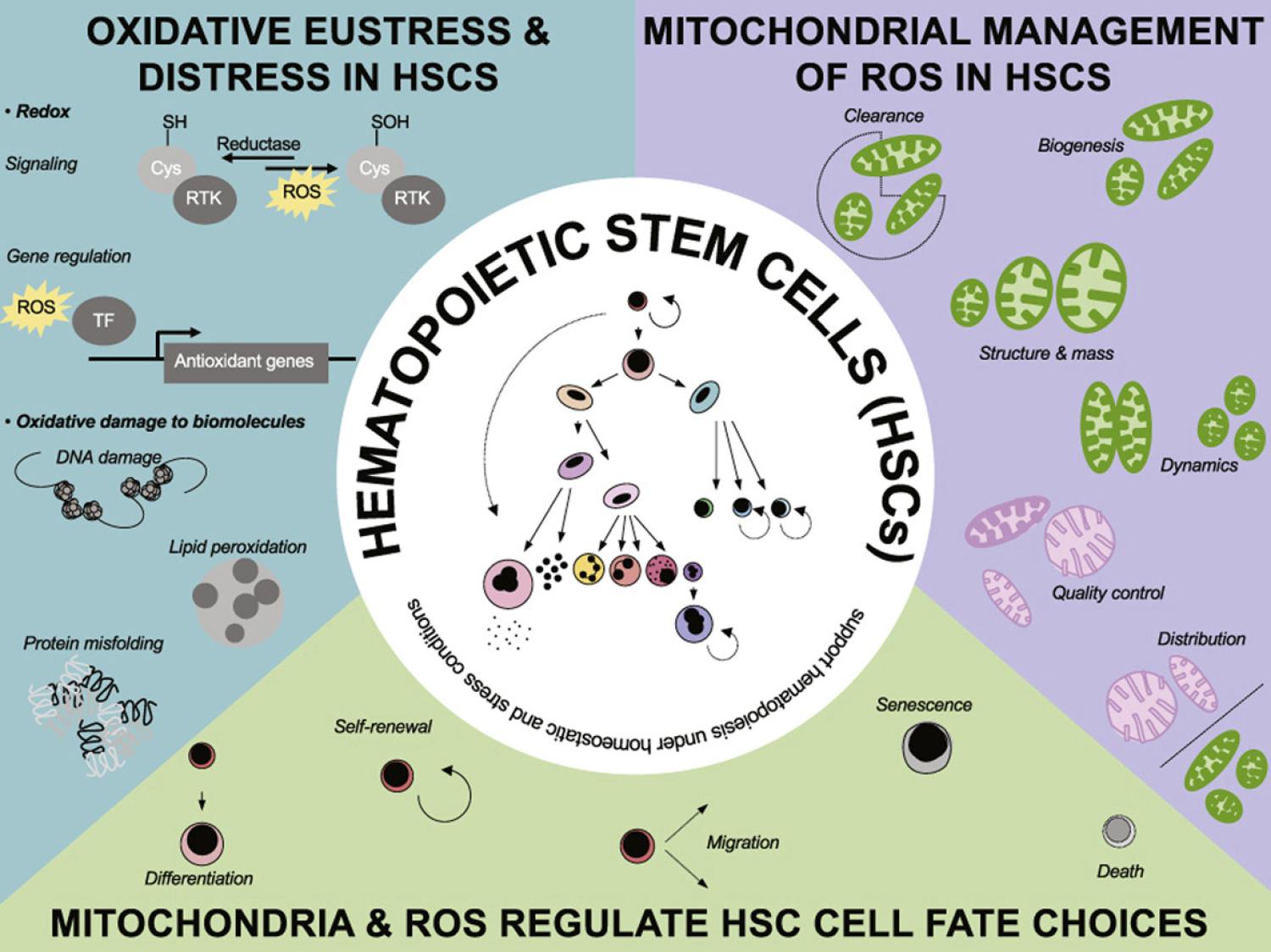
The introduction of combined antiretroviral treatment (cART) for HIV-1 has significantly reduced peripherary viral levels and extended the lives of patients. However, longer lifespans have led to more age-related health issues, like HIV-associated neurocognitive disorders (HAND). This study investigates how the HIV TAT protein mediates microglial mitochondrial oxidative stress, leading to neuroinflammation and microglial aging.
Elsevier, Free Radical Biology and Medicine, Volume 165, March 2021
Hematopoietic stem cells (HSCs) are responsible for life-long production of blood and immune cells. HSC transplantation (HSCT) is the original cell therapy which can cure hematological disorders but also has the potential to treat other diseases if technical and safety barriers are overcome. It is hoped that HSCT can become safe enough to treat non-life-threatening disorders like allergy, psychiatric disorders, HIV, and aging.
Elsevier, The Lancet HIV, Volume 10, October 2023
This Article supports SDG 3 by showing that interventions and strategies to reduce mortality from HIV-related CNS infection in public hospitals within routine care services can substantially reduce all-cause 2-week mortality among people living with HIV presenting to public hospitals with suspected HIV-related CNS infection.
Elsevier, The Lancet Global Health, Volume 11, October 2023
This Article supports SDG 3 by showing, through a modelling analysis, that community tenofovir, lamivudine, and dolutegravir (TLD) is likely to reduce HIV incidence and be cost-effective, thus leading to population health benefits.
Elsevier, The Lancet Global Health, Volume 11, September 2023
This study supports SDG 3 by showing that although people living with HIV in South Africa predominantly have a well controlled condition, there is a high burden of unmet health needs for people living with hypertension and diabetes.
Elsevier, The Lancet HIV, Volume 10, August 2023
This Article supports SDG 3 by showing that men who have sex with men (MSM) in Africa remain highly vulnerable to HIV acquisition and HIV-related mortality and morbidity, undermining the Global AIDS Strategy to end AIDS; realising the UNAIDS 95-95-95 targets and reducing disparities in HIV incidence requires urgent efforts to strengthen community-led prevention efforts.
Elsevier, The Lancet HIV, Volume 10, August 2023
This Article supports SDG 3 by highlighting the effectiveness of a new, multilevel service delivery model, including interventions at patient, provider, and clinic levels, that improves the virological outcomes of adolescents and young adults living with HIV, generalisable to the current treatment context in rural sub-Saharan Africa.
Elsevier, The Lancet Global Health, Volume 11, August 2023
This Article supports SDG 3 by showing that short-course tuberculosis preventive treatment is likely to be cost-effective (compared with no tuberculosis preventive treatment) for adult contacts in 15 countries and people living with HIV/AIDS in seven countries, even under conservative cost-effectiveness thresholds.
Elsevier, The Lancet Global Health, Volume 11, August 2023
This Article supports SDG 3 by examining cost-effectiveness of implementing the HITSystem, a web-based intervention designed to improve outcomes of infants exposed to HIV, in Kenya. The study finds that HITSystem is among the most cost-effective early infant diagnosis interventions reported to date; the the cost per infant exposed to HIV was US$31·38 and the incremental cost-effectiveness ratio for life-years saved was $82·72.
Elsevier, The Lancet Regional Health - Europe, Volume 31, August 2023
This Article supports SDG 3 by focusing on pregnant and postpartum women with HIV and assessing the risk factors for adverse postpartum outcomes and examining which factors can be addressed to support breastfeeding in resource-rich settings.
Elsevier, Cell Chemical Biology, Volume 30, 18 May 2023
Richard et al. provide extensive evidence suggesting that treatment with the HIV-1 attachment inhibitor temsavir can have beneficial effects that extend beyond viral neutralization, notably by preventing elimination of uninfected cells and induction of a cytokine burst caused by its soluble viral glycoprotein.
Elsevier, The Lancet Healthy Longevity, Volume 4, May 2023
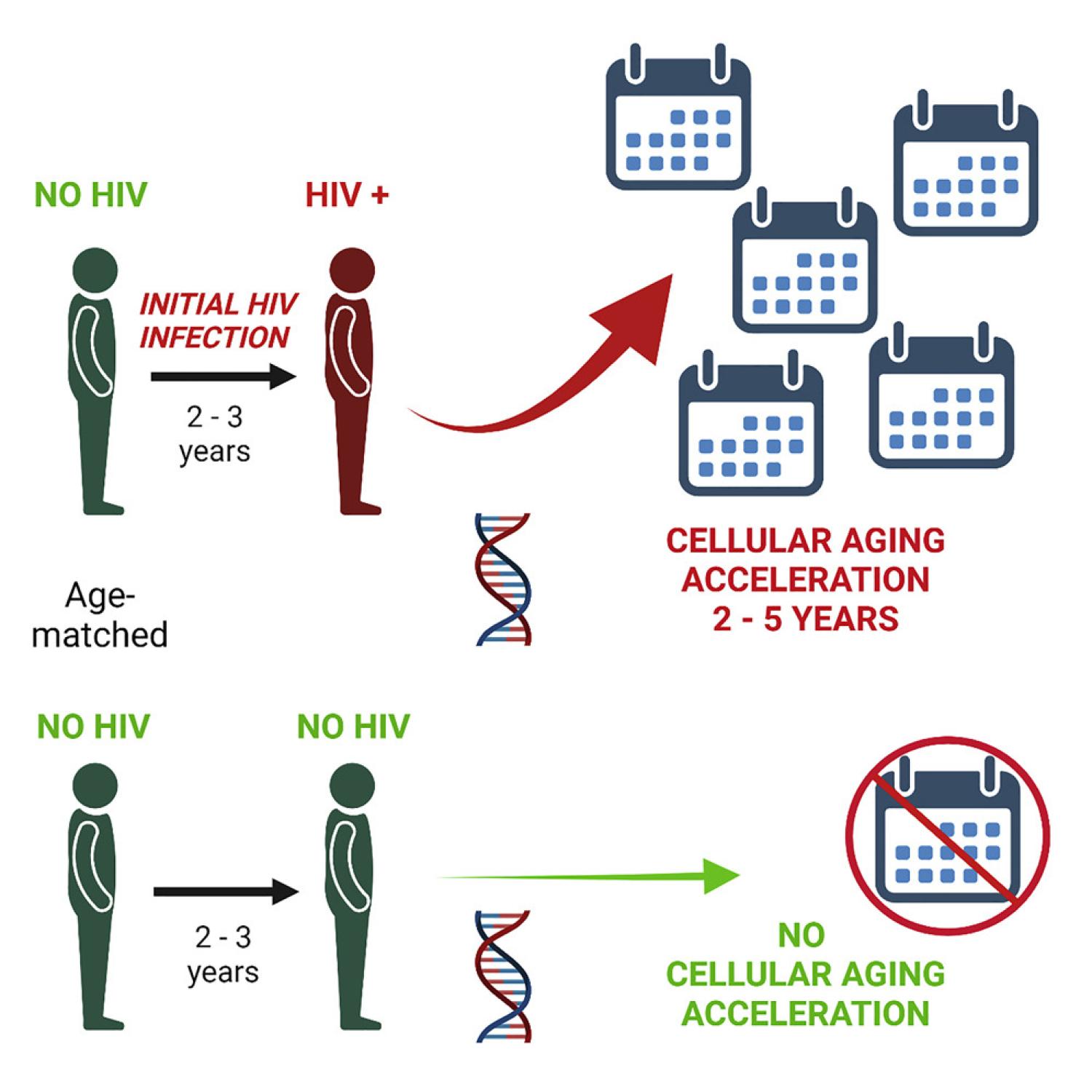
This Article supports SDG 3 by comparing epigenetic ageing during untreated HIV infection and during HIV being treated with antiretroviral therapy. They found that epigenetic ageing was accelarated during the former and decelerated during the latter.
Elsevier, The Lancet Regional Health - Europe, Volume 28, May 2023
This Article supports SDG 3 by evaluating the effects of a behavioural intersectional stigma coping intervention on stigma and care use. They found that the brief intervention did not change stigma manifestations or drug use behaviours but did reduce the impact of stigma as a barrier to care use.
Elsevier, The Lancet Global Health, Volume 11, May 2023
This study supports SDG 3 by highlighting that coverage of opioid agonist treatment and syringe exchange programmes (which are associated with reducing HIV transmission) are low in most countries and for the majority of people who inject drugs; although coverage is improving, this is insufficient when compared with the indicator targets set out by WHO, UNAIDS, and the UN Office on Drugs and Crime.
Elsevier, The Lancet HIV, Volume 10, May 2023
This Article supports SDG 3 by analysing follow-up data from over 200 000 people with HIV from 20 cohorts in North America and Europe who had started ART up to 20 years previously, and showing that estimated life expectancy for people with HIV on long-term ART with high CD4 cell counts is only a few years lower than that in the general population, irrespective of when ART was started.
Elsevier, Trends in Immunology, Volume 44, April 2023
Human immunodeficiency virus and Simian immunodeficiency (SIV) are highly immune evasive viruses with few vulnerabilities. Cytomegalovirus vector-programmed MHC-E-restricted CD8+ T cells can mediate complete replication arrest of primary SIV infection with subsequent viral clearance; this approach may be promising for putative vaccines or immuno-therapeutics against HIV.
Elsevier, The Lancet Microbe, Volume 4, February 2023
This Article supports SDG 3 by examining the probability of multiple founder variants of HIV-1 infection stratified by route of exposure and study methodology. They found significant differences in the probability of multiple founding variants depending on route of transmission (eg, people who infect drugs, femlae-to-male infection)
Elsevier, Trends in Immunology, Volume 44, January 2023
Due to multiple cellular blocks in transcription, HIV-1 latency can only be reversed in a minor fraction of infected but potentially virus-producing CD4+ T cells from infected patients. New insights into the regulation of transcription elongation factor P-TEFb as a crucial rate-limiting step in the emergence of HIV-1 from latency may help design more effective latency reversal agents during HIV-1 infection.
Elsevier, eClinicalMedicine, Volume 54, December 2022
This Article supports SDG 3 by examining the potential impact of WHO's triple-intervention elimination strategy on cervical cancer incidence among women with HIV in South Africa. The authors note that cervical cancer elimination among women with HIV would necessitate more frequent screening (every 3 years).
Elsevier, The Lancet HIV, Volume 9, December 2022
This Article supports SDG 3 by examining the potential impact of WHO's triple-intervention elimination strategy on cervical cancer incidence among women with HIV in South Africa. The authors note that cervical cancer elimination among women with HIV would necessitate more frequent screening (every 3 years).
Elsevier, The Lancet Global Health, Volume 10, December 2022
This Article supports SDG 3 by highlighting findings from a population-level study of STI burden in Uganda, showing the need for global investment in innovative approaches that simultaneously test and treat HIV and STIs within existing health infrastructure, such as integrated HIV and STI service programmes within the President's Emergency Plan for AIDS Relief programme.
Elsevier, eClinicalMedicine, Volume 53, November 2022
This Article supports SDG 3 by analysing the available data regarding HIV prevalence among international migrants compared with native-born people, finding that prevalence was higher among the former group (overall pooled prevalence ratio 1.70). Factors associated with higher prevalence were arriving from African countries, being an undocumented migrant, asylum seeker, or refugee, and being a pregnant woman. Targeted approaches to facilitate testing among these groups may be beneficial.
Elsevier, eClinicalMedicine, Volume 53, November 2022
Background: Inequalities undermine efforts to end AIDS by 2030. We examined socioeconomic inequalities in the 90–90–90 target among people living with HIV (PLHIV) —men (MLHIV), women (WLHIV) and adolescents (ALHIV). Methods: We analysed the available Population HIV Impact Assessment (PHIA) survey data for each of the 12 sub-Saharan African countries, collected between 2015 and 2018 to estimate the attainment of each step of the 90–90–90 target by wealth quintiles.
Elsevier, The Lancet Child and Adolescent Health, Volume 6, October 2022
This Article supports SDG 3 by assessing the safety and efficacy profile of abacavir used in first, second, or subsequent lines of treatment for infants, children, and adolescents living with HIV to inform 2021 WHO paediatric ART recommendations.
Elsevier, The Lancet HIV, Volume 9, July 2022
This Article supports SDG 3 by using a novel individual-based mathematical model to describe HIV transmission dynamics in heterosexual sex work networks in the Middle East and north Africa to estimate HIV incidence and the potential impact of interventions among female sex workers, clients, and client spouses.
Elsevier, The Lancet Child and Adolescent Health, Volume 6, June 2022
Background: There are 15·4 million children who are HIV-exposed and uninfected worldwide. Early child development crucially influences later academic and socioeconomic factors. However, the neurodevelopmental outcomes of HIV-exposed uninfected (HEU) children in the era of maternal antiretroviral therapy (ART) remain unclear. We aimed to examine the effects of in-utero exposure to HIV and ART on child neurodevelopment.
Elsevier, Cell Chemical Biology, Volume 29, 19 May 2022
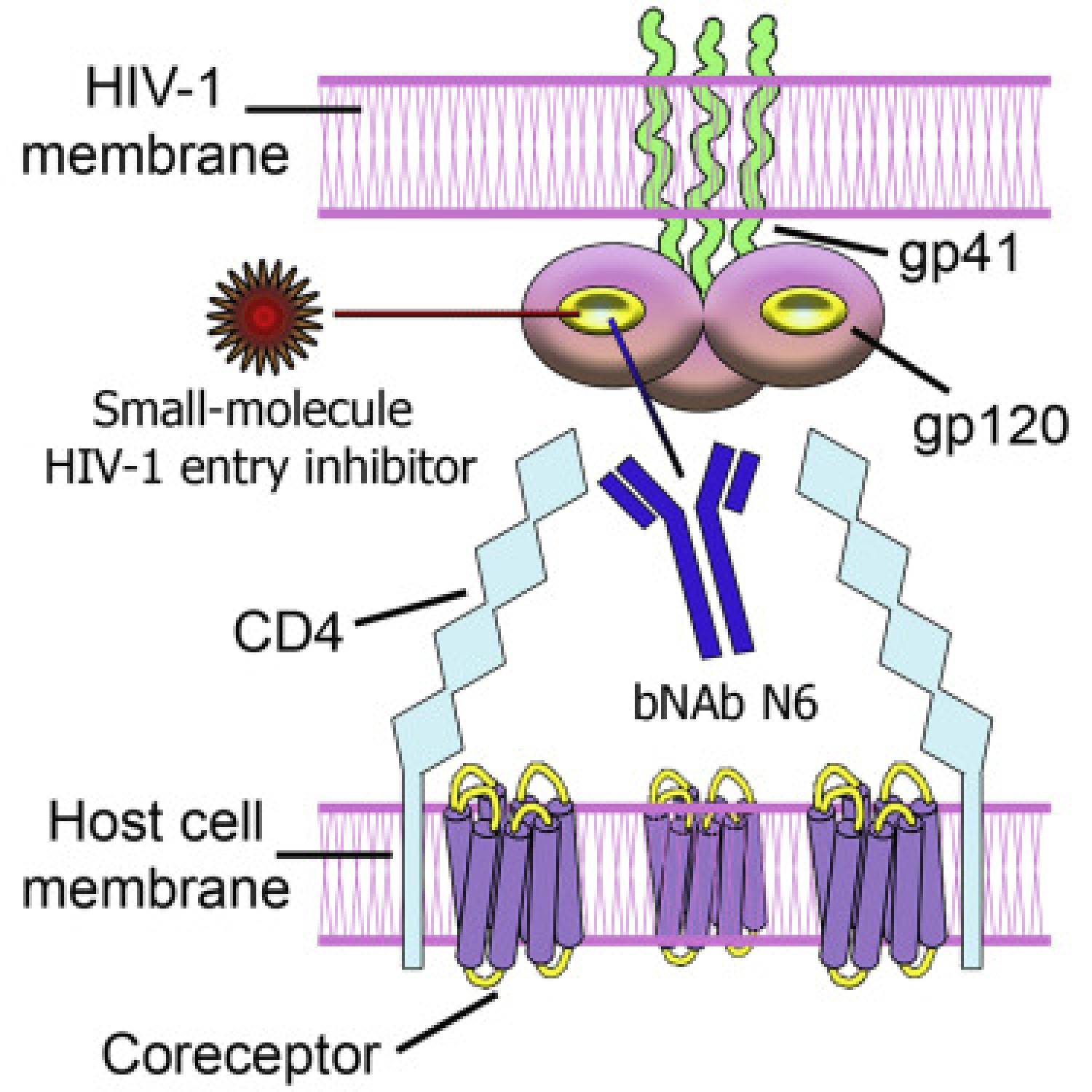
Jiang et al. review the advancement in development of small-molecule anti-HIV drugs targeting the sites in the HIV surface protein that HIV neutralizing antibody drugs also target. Small-molecule drugs can be taken orally, stored and transport at regular temperature, and produced much more easily and economically than antibody drugs, making the treatment more accessible for all.
Elsevier, Health Information Exchange (Second Edition)
Navigating and Managing a Network of Health Information Systems
2023, Pages 603-619
Navigating and Managing a Network of Health Information Systems
2023, Pages 603-619
This content aligns with Goal 3: Good Health and Wellbeing by providing examples of how low- and middle-income countries (LMIC) can adopt HIE principles in one health program to gain essential implementation experience that can inform scale-up, and adoption of similar systematic approaches in the wider national health system.
Elsevier, Principles and Practice of Pediatric Infectious Diseases (Sixth Edition)
2023, Pages 686-693.e3
2023, Pages 686-693.e3
This content aligns with Goal 3: Good Health and Wellbeing by outlining approaches for diagnosing HIV in infants, children, adolescents, and young adults and providing an overview of the pathologic effects of HIV on various organ systems in these age groups.
Elsevier, Overcoming Obstacles in Drug Discovery and Development
Surmounting the Insurmountable—Case Studies for Critical Thinking
2023, Pages 215-222
Surmounting the Insurmountable—Case Studies for Critical Thinking
2023, Pages 215-222
This content aligns with Goal 3: Good Health and Wellbeing by identifying the reactive metabolite responsible for the species-specific nephrotoxicity observed in rats dosed with efavirenz provide a framework for addressing nonclinical toxicities and clinical risk and providing a solid scientific basis for regulatory review.
Elsevier, The Lancet Regional Health - Southeast Asia, Volume 15, August 2023
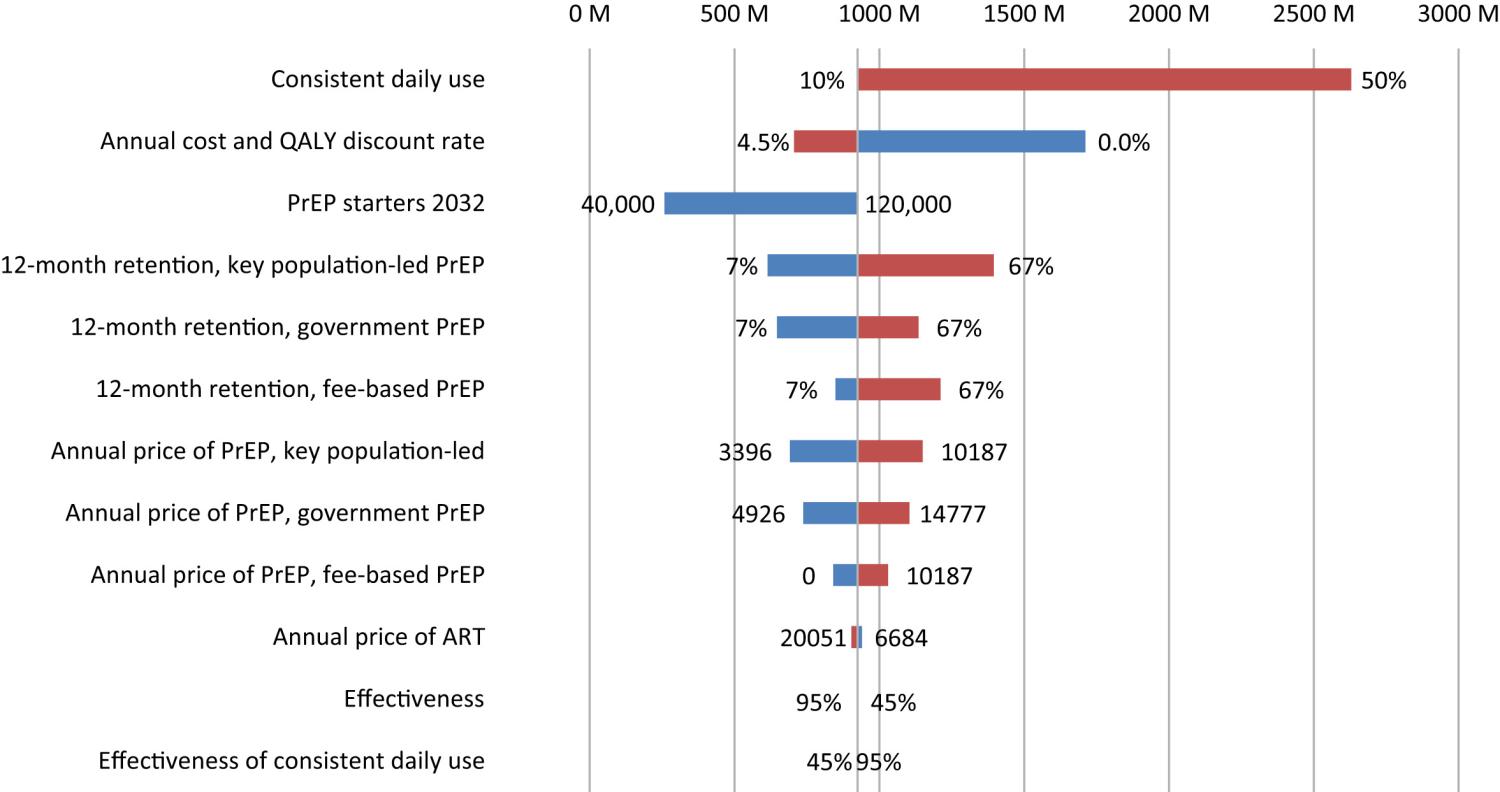
Daily oral pre-exposure prophylaxis (PrEP) is effective in preventing HIV infection, MSM and TGW who exchange sex can have high PrEP uptake, persistence and adherence, and low HIV incidence when offered in supportive community-based settings.
Elsevier, The Lancet Child and Adolescent Health, Volume 7, October 2023
WHO recommends dolutegravir as the preferred anchor drug for first-line and second-line HIV treatment, and is being rolled out globally. This study shows that dolutegravir is safe but clinicians should nonetheless be aware of the risk of psychiatric manifestations in children and adolescents taking the drug.
Elsevier, Clinical Immunology (Sixth Edition)
Principles and Practice
2023, Pages 361-374
Principles and Practice
2023, Pages 361-374
This content aligns with Goal 3: Good Health and Wellbeing by providing a current understanding of the cellular and molecular basis of mammalian antifungal immunity, which shows promise for guiding immunotherapy and vaccination strategies for at-risk patients, including those with HIV/AIDS.
Elsevier, Features and Assessments of Pain, Anaesthesia, and Analgesia
2022, Pages 285-290
2022, Pages 285-290
This content aligns with Goal 3: Good Health and Wellbeing by providing an overview of current pain trends among PWH, treatment guidelines, and suggestions for how to best fulfill the needs to decrease pain, prevent opioid misuse, and improve quality of life for this unique patient population.
Elsevier, Allergic and Immunologic Diseases
A Practical Guide to the Evaluation, Diagnosis and Management of Allergic and Immunologic Diseases
2022, Pages 845-862
A Practical Guide to the Evaluation, Diagnosis and Management of Allergic and Immunologic Diseases
2022, Pages 845-862
This content aligns with Goal 3: Good Health and Wellbeing by discussing treatment as prevention and postexposure prophylaxis for human immunodeficiency virus and acquired immunodeficiency syndrome.
Elsevier, Allergic and Immunologic Diseases
A Practical Guide to the Evaluation, Diagnosis and Management of Allergic and Immunologic Diseases
2022, Pages 1585-1610
A Practical Guide to the Evaluation, Diagnosis and Management of Allergic and Immunologic Diseases
2022, Pages 1585-1610
This content aligns with Goal 3: Good Health and Wellbeing by providing coverage of regimens for infants exposed to HIV in the perinatal period, treatment for children with HIV, and current HIV treatment and prevention regimens for all ages.
Elsevier, Long-Acting Drug Delivery Systems
Pharmaceutical, Clinical, and Regulatory Aspects
Woodhead Publishing Series in Biomaterials
2022, Pages 163-202
Pharmaceutical, Clinical, and Regulatory Aspects
Woodhead Publishing Series in Biomaterials
2022, Pages 163-202
This content aligns with Goal 3: Good Health and Wellbeing by highlighting the significant role of long-acting drug delivery systems in improving the management of gynecological cancers, AIDS, and other pathological conditions, along with updates for the systems that are already present on the market such as contraceptive methods and AIDS prophylaxis.
Elsevier, Manson's Tropical Diseases (Twentyfourth Edition)
2024, Pages 101-109
2024, Pages 101-109
This content aligns with Goal 3: Good Health and Wellbeing as well as Goal 10: Reduced Inequalities by providing information about access to evidence-based treatment and prevention interventions as well as addressing the underlying social, political and economic issues, such as poverty, lack of access to healthcare, and stigma and discrimination that contribute to the high burden of HIV in the region
Elsevier, Privileged Scaffolds in Drug Discovery
2023, Pages 377-390
2023, Pages 377-390
This content aligns with Goal 3: Good Health and Wellbeing by discussing the medical applications and limitations of five US Food and Drug Administration–approved INSTIs for the treatment of HIV/AIDS and preexposure prophylaxis for HIV-1.
Elsevier, Advances in Immunology
Volume 157, 2023, Pages 59-100
Volume 157, 2023, Pages 59-100
This content aligns with Goal 3: Good Health and Wellbeing by summarize the current understanding of inflammasome biology and the role of different inflammasomes in HIV pathogenesis with a focus on the recently described CARD8 inflammasome.
Elsevier, Viral Infections and Antiviral Therapies
2023, Pages 339-376
2023, Pages 339-376
This content aligns with Goal 3: Good Health and Wellbeing by exploring the current tools that could eliminate HIV-AIDS as a public health threat through engagement in communities and expanding testing, implementing combined prevention for individuals at risk of HIV exposure, and providing optimal treatment to all positive cases.
Elsevier, Neurobiology of Brain Disorders (Second Edition)
Biological Basis of Neurological and Psychiatric Disorders
2023, Pages 501-524
Biological Basis of Neurological and Psychiatric Disorders
2023, Pages 501-524
This content aligns with Goal 3: Good Health and Wellbeing by providing the interactions among the virus, the host immune system, and the cells of the CNS, together with effects on host metabolism to highlight the implications this has on clinically overt neurological dysfunction and the effects of antiretroviral therapy are also described.
Elsevier, The South African Herbal Pharmacopoeia
Monographs of Medicinal and Aromatic Plants
2023, Pages 321-344
Monographs of Medicinal and Aromatic Plants
2023, Pages 321-344
This content aligns with Goal 3: Good Health and Wellbeing by providing information about lessertia frutescens, an adaptogenic tonic, and commercial tablets that are popular to counteract the muscle-wasting effects associated with HIV-AIDS in patients and to stimulate appetite.
Elsevier, Global Perspectives on the Transmission of Zoonotic RNA Viruses from Wild Animal Species to Humans
Zoonotic, Epizootic, and Anthropogenic Viral Pathogens
2023, Pages 65-79
Zoonotic, Epizootic, and Anthropogenic Viral Pathogens
2023, Pages 65-79
This content aligns with Goal 3: Good Health and Wellbeing by showing human immunodeficiency viruses, HIV-1 and H1V-2, as examples of species cross-over.
Elsevier, Metalloenzymes
From Bench to Bedside
2024, Pages 23-34
From Bench to Bedside
2024, Pages 23-34
This content aligns with Goal 3: Good Health and Wellbeing by discussing the mechanism of action and the differences among the different classes of RTs (HIV-1, Tyr3, and TERT) which encompass the three main classes of RTs: retroviruses, retrotransposons, and telomerases, respectively.
Elsevier, Viral, Parasitic, Bacterial, and Fungal Infections: Antimicrobial, Host Defense, and Therapeutic Strategies, 2023, Pages 757-770
This content aligns with Goal 3: Good Health. As per World Health Organization (WHO) recommendations, it is required to implement the evaluation studies of ethnomedicines for HIV/AIDS, malaria, tuberculosis, and other infectious treatments, to find effective and economical therapeutic agents.