World Mental Health Day was observed for the first time on 10 October 1992. The day, officially commemorated every year on October 10th, aims to raise awareness in the global community about the critical mental health agendas – with a unifying voice through collaboration with various partners – to take action and to create lasting change. It was started as an annual activity of the World Federation for Mental Health by the then Deputy Secretary-General Richard Hunter. In 1994, at the suggestion of then Secretary-General Eugene Brody, a theme for the Day was used for the first time. It was “Improving the Quality of Mental Health Services throughout the World.” Within three years, the Day had become a valuable occasion for interested government departments, organization and committed individuals to arrange programs to focus on aspects of mental health care. World Mental Health Day celebrates awareness for the global community in an empathetic way, with a unifying voice, helping people feel hopeful by empowering them to take action and create lasting change. This year's theme is "Make mental health & well-being for all a global priority".
A Computational Approach
2022, Pages 189-208
This research has some implications for the research community. First, an implication from our result is that there is an inverse relationship between change in mobility and COVID- 19 variables. Second, it can be observed that the implementation of stringent policy measures on different forms of mobility helped in reducing the impact of the COVID-19 pandemic; however, with the increased stringency index, there was an adverse impact on people's mental health around the globe.
A Computational Approach
2022, Pages 1-51
This chapter provides a systematic review of the current literature investigating COVID-19's impact on mental well-being, as well as studies that explore machine learning and artificial intelligence techniques to detect and treat mental illnesses when traditional therapies are unavailable due to lockdown and social distancing norms imposed.
2022, Pages 199-237
This chapter identifies and summarizes the thrust of the evidence regarding sleep health disparities among mainly racial/ethnic minorities as well as summarize both determinants that are largely modifiable and health consequences of sleep health disparities using selective studies as key examples.
Global Mental Health in Practice
2022, Pages 191-206
The Internet continues to be a widely used resource to access mental health information. However, the overall low quality of online mental disorder information, with the possible exception of that for mood disorders, raises concerns that consumers may be receiving an incomplete or inaccurate picture of their disorder of interest or concern. Ongoing evaluations of website quality are needed to ensure that consumers are empowered with accurate and usable information for good health and well being.
Global Mental Health in Practice
2022, Pages 109-143
Mental health problems are widely recognized as a major public health challenge worldwide. This highlights the need for effective tools for detecting mental health disorders in the population. Social media data is a promising source of information where people publish rich personal information that can be mined to extract valuable psychological information. However, social media data poses its own set of challenges, such as the specific terms and expressions used on different platforms, interactions between different users through likes and shares, and the need to disambiguate between statements about oneself and about third parties.
Mental health and human rights are both global concerns that have been shaped by two complementary discourses: the human rights of mental health patients, and mental health care as a human right. Both discourses have influenced the development of strategies to better understand and address—at a global scale—the mental health treatment gap.
This chapter provides an overview of some of the ethical issues raised by the emergence of global mental health as a distinct field as well as supporting calls for a more inclusive bioethics paradigm for considering health on a global scale.
Road to Novel Therapeutics
2022, Pages 205-219
This chapter briefly reviews the history of ketamine, explores proposed mechanisms of action, outlines data pertaining to efficacy and safety, and considers “real-world” usage and the challenges to implementation.
This book chapter advances SDG 3 and 10 by providing information on various culturally sensitive methods to assess and treat mental health conditions onset by factors contributing to the immigration process for adolescents, adults, and older adults.
Global Mental Health in Practice
2022, Pages 395-433
The global population is becoming increasingly reliant on mobile technology, with 3.5 billion smartphone users globally in 2020 with the widespread adoption of smartphones and tablets in combination with increased internet access present unique opportunities for mobile health (mHealth) applications (apps) to be utilized as novel interventions for medical conditions. This chapter reviews the efficacy of mobile health apps evaluating the model, framework and review sites.
Global Mental Health in Practice
2022, Pages 459-479
To date, much of the literature on the clinical effectiveness of digital mental health interventions has come from higher income settings, but there is less evidence from low-resource settings. Notwithstanding varied access and gaps in access or connectivity, especially in rural areas, digital technologies offer unparalleled opportunities for transforming the delivery and use of mental health interventions in low-income and middle-income countries (LMICs).
Understandings from Synapse to Society
2021, Pages 81-106
The chapter provides an overview of the epidemiology, and the main etiological theories of co-occurring Alcohol Use Disorders (AUD) and Mental Health Disorders (MHD). It is hoped that this chapter can inform treatment and policies for this population.
Genetics, Cell Biology, Neurology, Behaviour, and Diet
2021, Pages 405-414
This chapters provides a thorough examination, including demographic characteristics, sleep history, medical and psychiatric conditions, lifestyles, past experiences of self-help, and pharmaceutical interventions should contribute to efforts to identify any underlying causes of either anxiety, depression, or sleep disorders.
A Comprehensive Workbook
2022, Pages 117-137
The chapter outlines worksheets for seven effective techniques to cope with anxiety: (1) rational emotive therapy essentially challenges or refutes self-talk that contributes to irrational thinking; (2) simplified kundalini yoga is based upon the principles of introspection regarding the degrees to which we worry; (3) gestalt emphasizes the unity of self-awareness, behavior, and experiences; (4) systematic desensitization that involves imagining or experiencing an anxiety-provoking scene while practicing relaxation; (5) cognitive behavioral therapy that emphasizes cognitive restructuring; (6) mindfulness that entails focusing on the present; and (7) optimism that requires focusing on the bright side of things. Important terms are defined along with five websites to explore.
This study identifies the psychological impact of the Covid-19 pandemic on cancer patients undergoing radiation therapy which shows the presence of a clinically significant anxiety in almost all of the sample analyzed, and which makes it necessary to treat patients in a multidisciplinary perspective that includes psychological support in the care plan.
This review attempts to shed more light on the prevalence of depression in Sub-Saharan Africa (SSA), its pathophysiology, risk factors, diagnosis and the experimental models available to study depression within the sub-region. It also evaluates the contribution of the sub-region to the global research output of depression as well as bottlenecks associated with full exploitation of the sub region’s resources to manage the disorder.
Financial constraints usually hinder students, especially those in low-middle income countries (LMICs), from seeking mental health interventions. Hence, it is necessary to identify effective, affordable and sustainable counter-stress measures for college students in the LMICs context. This study examines the sustained effects of mindfulness practice on the psychological outcomes and brain activity of students.
This study explores the current status and problems of breast cancer treatment with schizophrenia, including advanced stage diagnosis. It finds that patients with schizophrenia with reduced ADL are less likely to receive chemotherapy or recommended cancer treatment, and as such it is highly recommended that they breast cancer screening so that they can be diagnosed early and treated adequately.
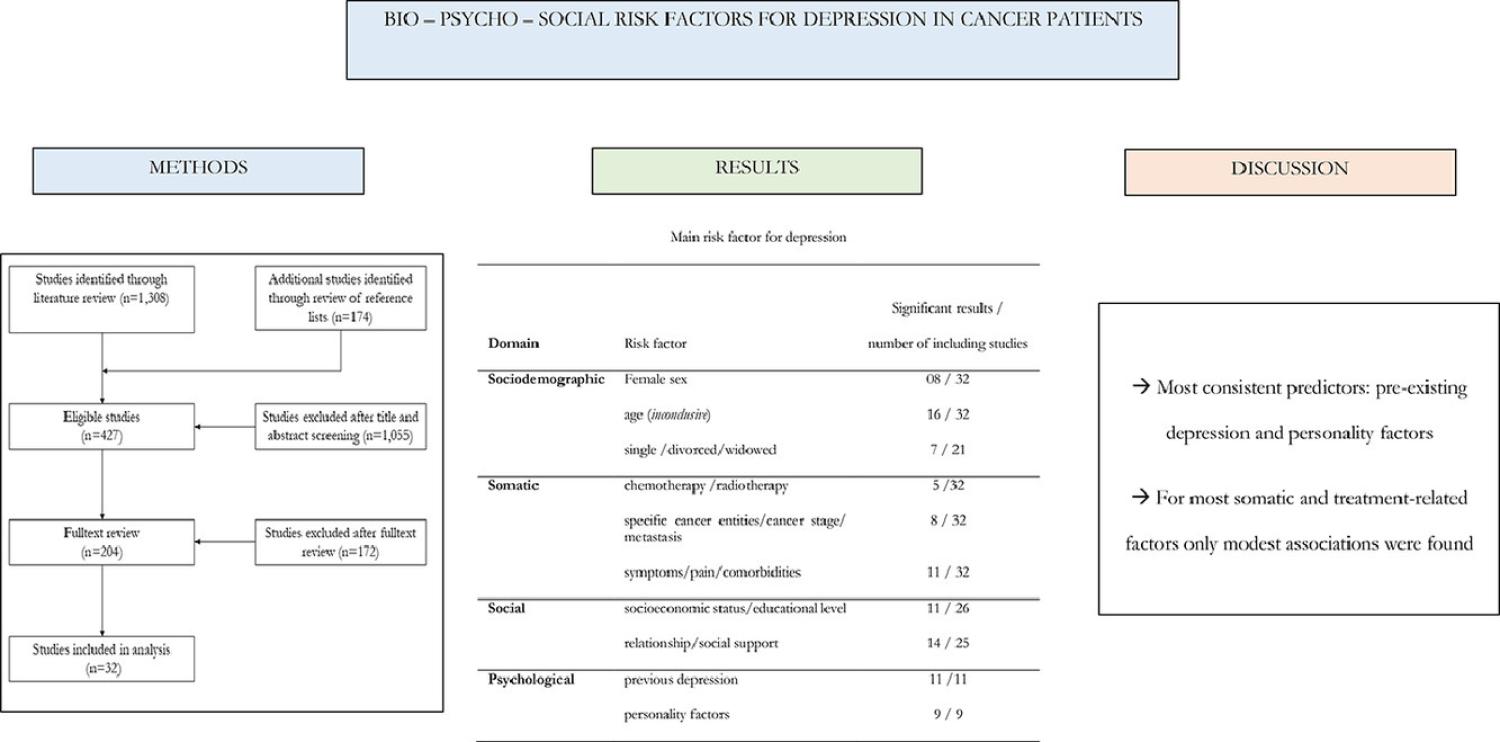
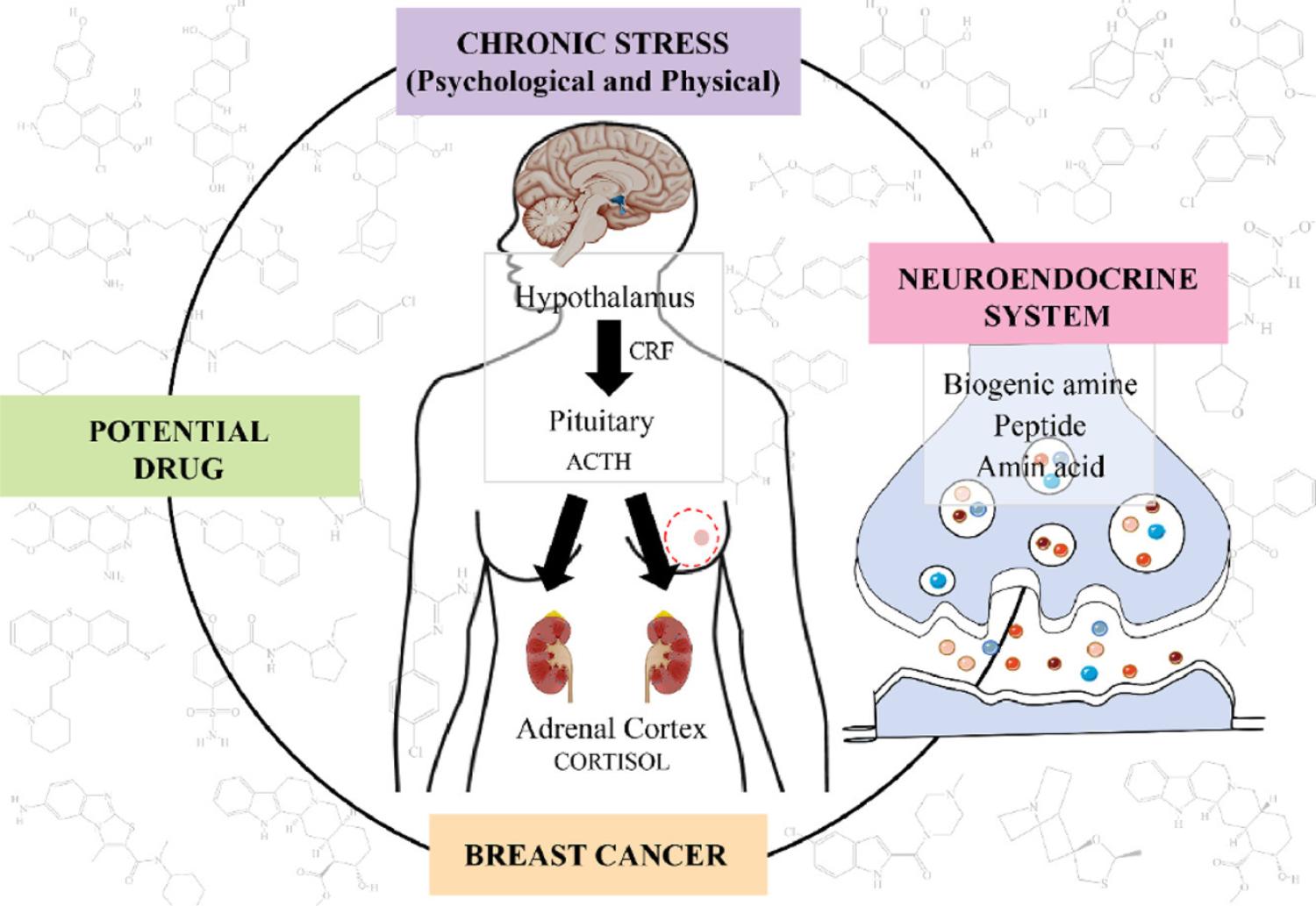
This article analyzes the correlation between the mental stress and severe psychological impacts, specifically chronic stress, that patients with breast cancer experience and reviews the previous research on the correlation between chronic stress and the occurrence and development of breast cancer.
Depression is a serious mental and mood disorder with global health and economic burden. Nutrition through the application of necessary food classes or herbs as well as their phytochemicals, may go a long way to effectively manage depression. This nutritional strategy should be given more attention in research, assessment and treatment for those with depression and other mental illness in low income countries, especially in Africa.
In Nigeria, the disparity between available healthcare services and need for mental health services is palpable. Although, the country has made significant advances on challenging public health problems, health-related policy development and legislation in trying to achieve health for all policy, there have been challenges with regards to mental health services including that of policy development and legislation, financing, research, training and integration of mental health care into primary health care.
Background: The effectivity role of community mental health worker (CMHWs) has several important gaps in the service provision at the community level. This study aimed to explain community mental health workers' effectivity role for the rehabilitation of mental health illness. Methods: A systematic review searched five electronic databases (Scopus, PubMed, ScienceDirect, CINAHL, and ProQuest) for previous studies published between 2015 and 2020. The Centre for Review and Dissemination and the Joanna Briggs Institute Guideline used to assess quality and Prisma checklist guided this review.
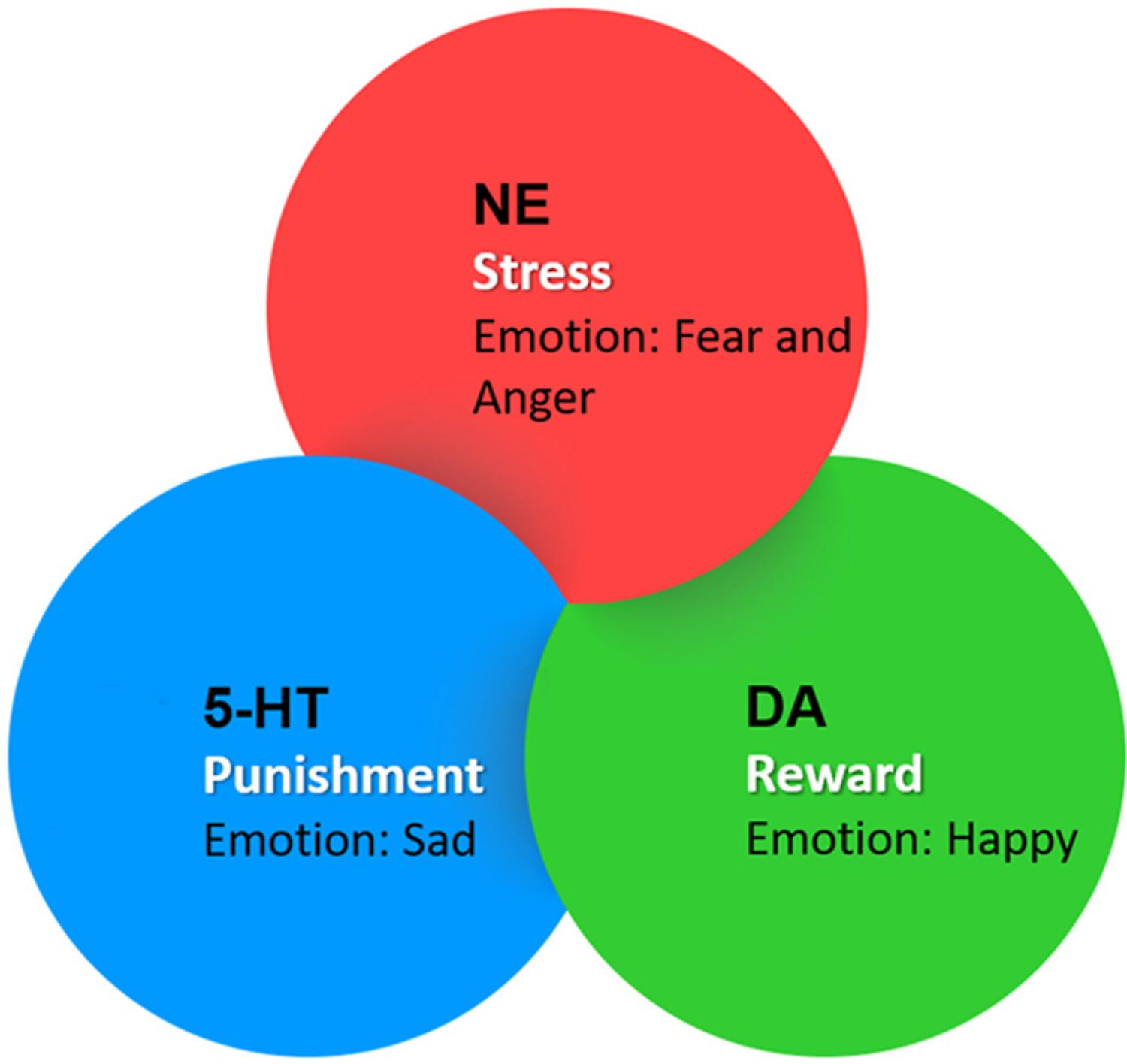
This study aimed to analyze the psychological status in patients with breast cancer (BS) during the COVID-19 outbreak and observed high rates of anxiety, depression, distress, and insomnia. Special attention should be paid to the psychological status of patients with BC, especially those with poor general condition, treatment discontinuation, aggressive molecular subtypes, and metastatic BC.
The present article presents and reviews the model of psychopathology and treatment underlying Acceptance and Commitment Therapy (ACT). ACT is unusual in that it is linked to a comprehensive active basic research program on the nature of human language and cognition (Relational Frame Theory), echoing back to an earlier era of behavior therapy in which clinical treatments were consciously based on basic behavioral principles.
An Article on readmission to depressive symptoms among people who are refugees, in the context of SDGs 3 and 10, focusing specifically on the effectiveness and cost-effectiveness of care practices for this population in Germany.
A Review on the experiences of supporting individuals of young people who self-harm, in the context of SDG 3, calling for health-care services to address these individuals' needs and implement evidence-based interventions to offer a holistic approach to self-harm care.
An Article on suicide risk among individuals from minority ethnic backgrounds, in the context of SDG 3, highlighting the heterogeneity in risk among minority ethnic groups and the need to change the practice of homogenously grouping individuals together in research and the public discourse.
A review in support of SDGs 3 and 13, highlighting the need to link population-based mental health outcome databases to weather data for causal inference, and for greater collaborations between mental health providers and data scientists to guide the formation of clinically relevant research questions on climate change.
An Article in support of SDGs 3 and 13, highlighting widespread climate anxiety and dissatisfaction with government responses to climate change among chidren globally, with government inaction on climate change described as a human rights failure that could have considerable, long-lasting, and incremental negative implications for the mental health of children and young people.
BACKGROUND: People with mental disorders and intellectual disabilities experience excess mortality compared with the general population. The impact of COVID-19 on exacerbating this, and in widening ethnic inequalities, is unclear.
A Review on the mental health of transgender and gender non-conforming people in China, in the context of SDGs 3 and 5, focusing on the specific actions needed to improve mental health in this population by reducing discrimination and fostering social awareness and acceptance.
An Article on the impact of the COVID-19 pandemic on the global prevalence of depressive and anxiety disorders in 2020, in the context of SDG 3, highlighting the need for mitigation strategies to promote mental wellbeing and target determinants of poor mental health.