
In this episode of the “World We Want” podcast series, the editors of the new book Oceans and Human Health: Opportunities and Impacts talk to Márcia Balisciano about about the fascinating connections between the ocean and human health, spanning from wellbeing and mental health, to medicinal resources, plastics, food and nutrition, and the health risks of polluted oceans.

Elsevier, Transportation Research Part D: Transport and Environment, Volume 118, May 2023
Increasing shipping traffic in the Arctic Ocean creates an emerging need to understand the consequences of maritime operations on the Arctic environment and coastal Indigenous and non-Indigenous communities, as well as potential governance responses. To address this need, we examine recent shipping trends and assess their impact on Arctic environments and communities. Our arguments are novel, and are built around contemporary empirical investigations and published scientific studies, reports, and government documents.
Elsevier, Earth-Science Reviews, Volume 240, May 2023
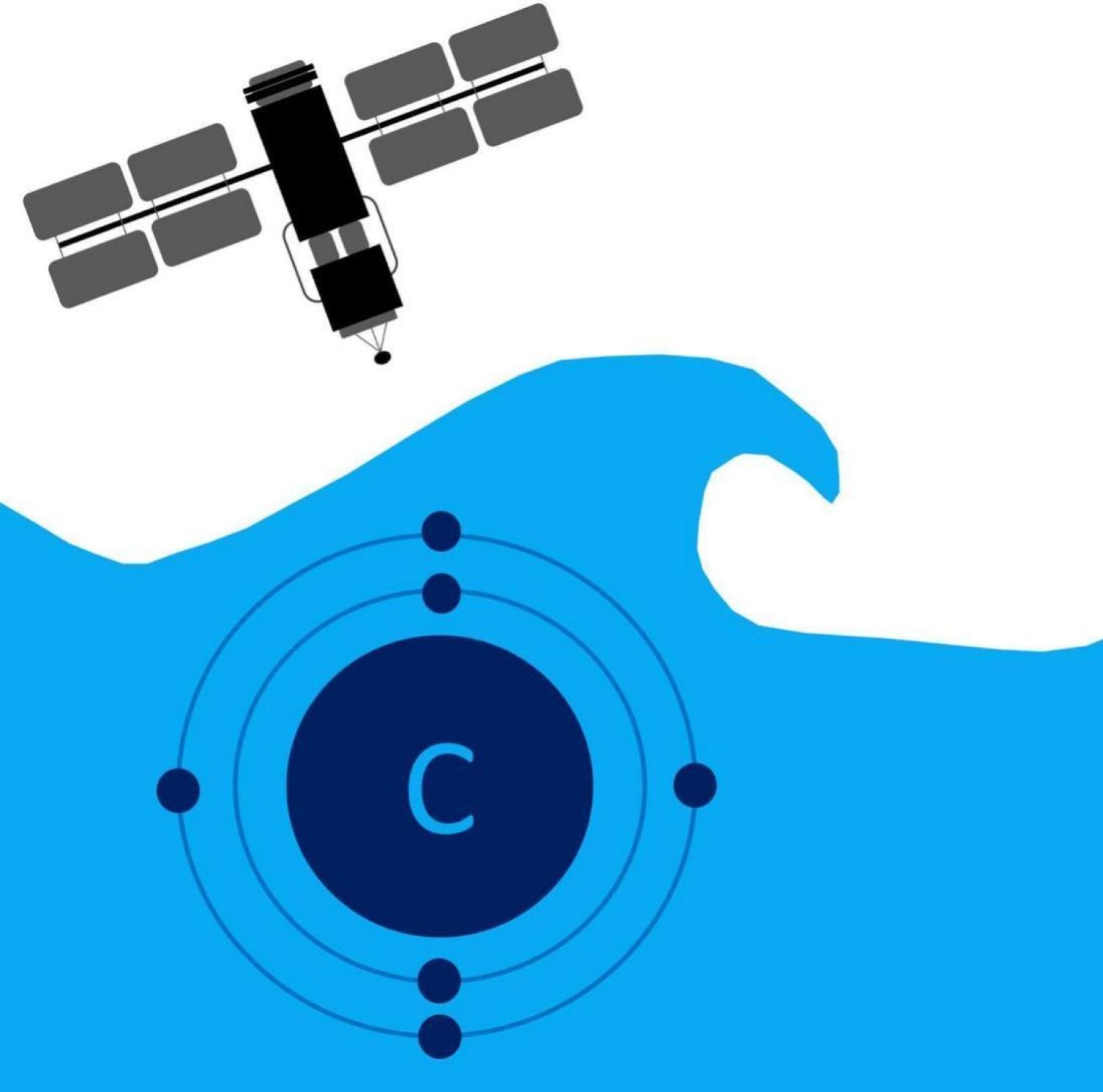
Monitoring the ocean carbon cycle is key to improved understanding. Satellites play a major role in our global carbon monitoring system. To make full use of satellite observations for ocean carbon monitoring the remote-sensing community needs to work closely with in-situ data experts, physical and biogeochemical modellers, Earth system scientists, climate scientists and marine policy experts.
Elsevier, Cell Genomics, Volume 3, 12 April 2023
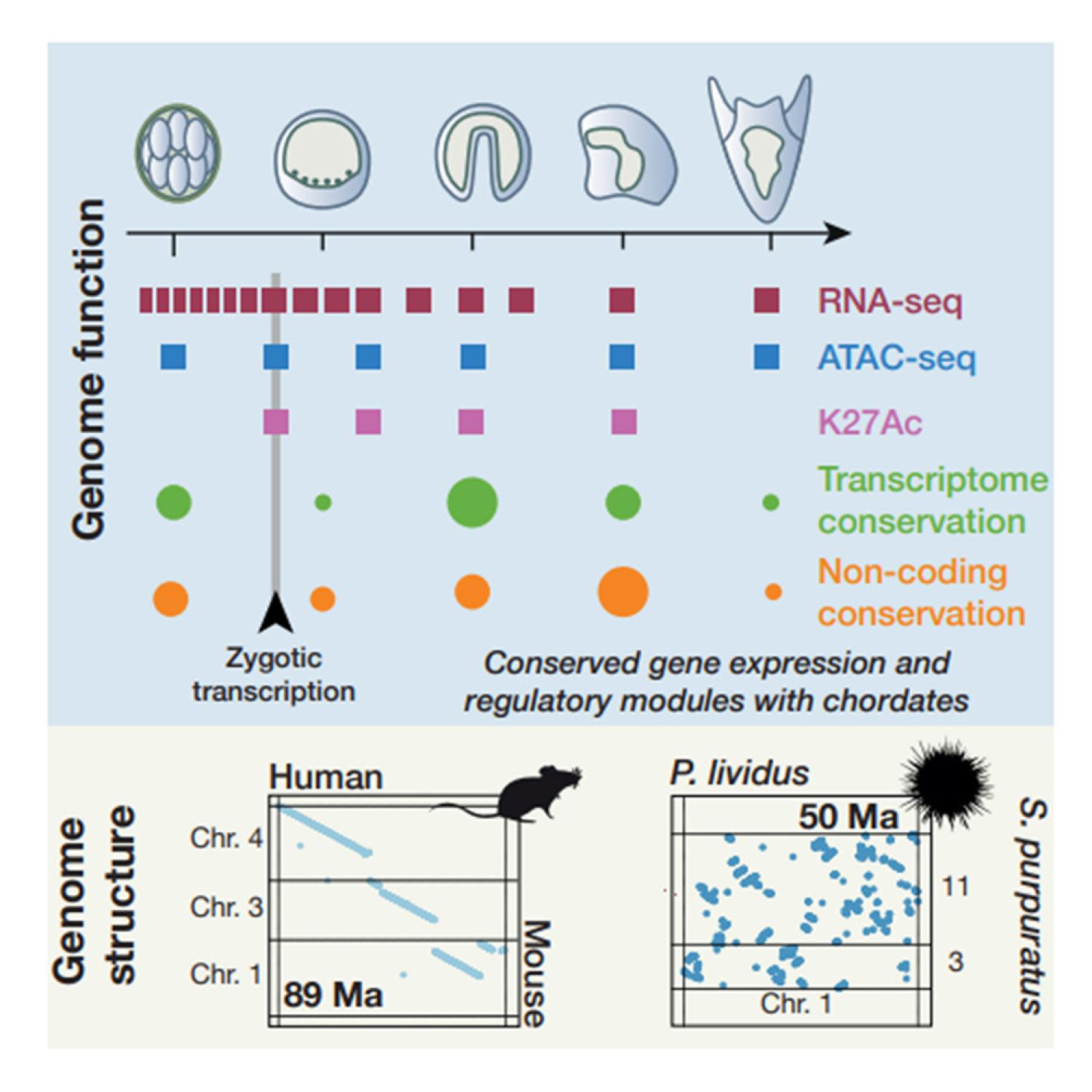
Sea urchins are one of the most amenable model systems in developmental biology and they have enabled major discoveries. In this study, the authors investigated how conserved the genomic and regulatory architecture is between P. lividus, other sea urchins, and chordates. By integrating genomic and regulatory datasets, they demonstrated how regulatory changes could be associated with the origin of the novel body plan of urchins and other echinoderms.
Elsevier, One Earth, Volume 6, 17 February 2023
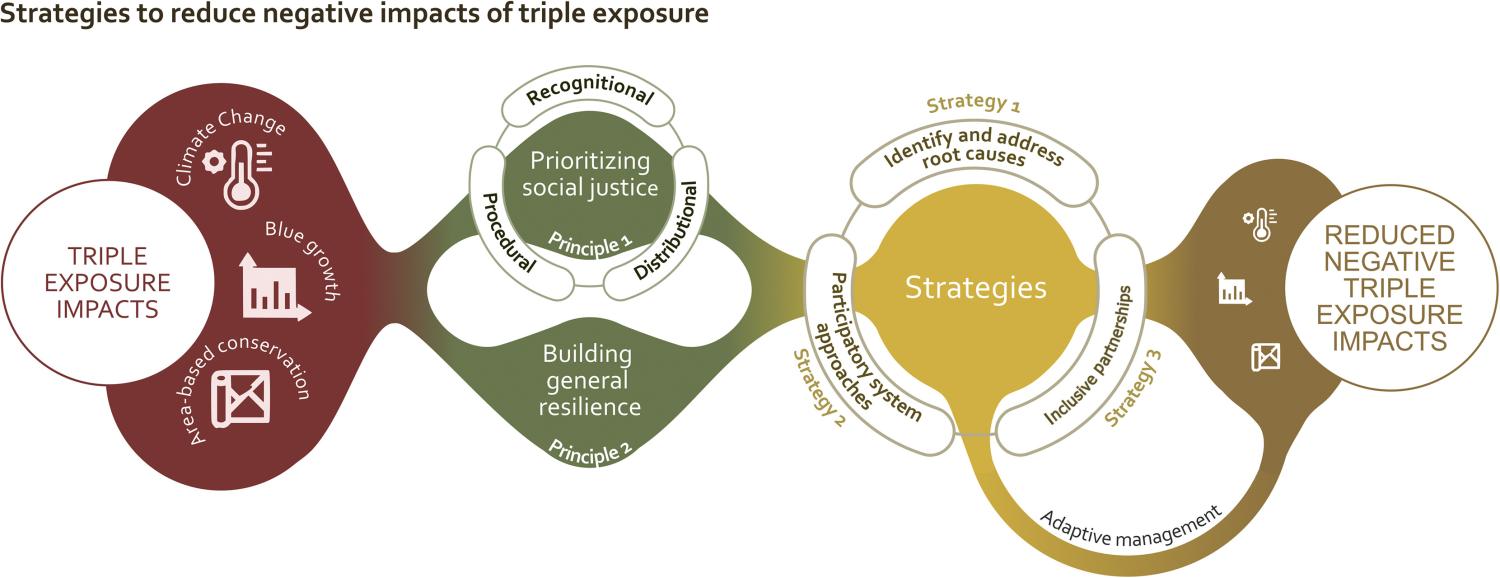
This One Earth Perspective Article explores how coastal communities are increasingly exposed to risks due to trade offs from international conservation efforts and rapid economic and climate change, and argues that policymakers seeking to promote ocean biodiversity (SDG 14) must first prioritize social justice and general resilience to equitably enable sustainable communities (SDG 11).
Elsevier, Environment International, Volume 171, January 2023
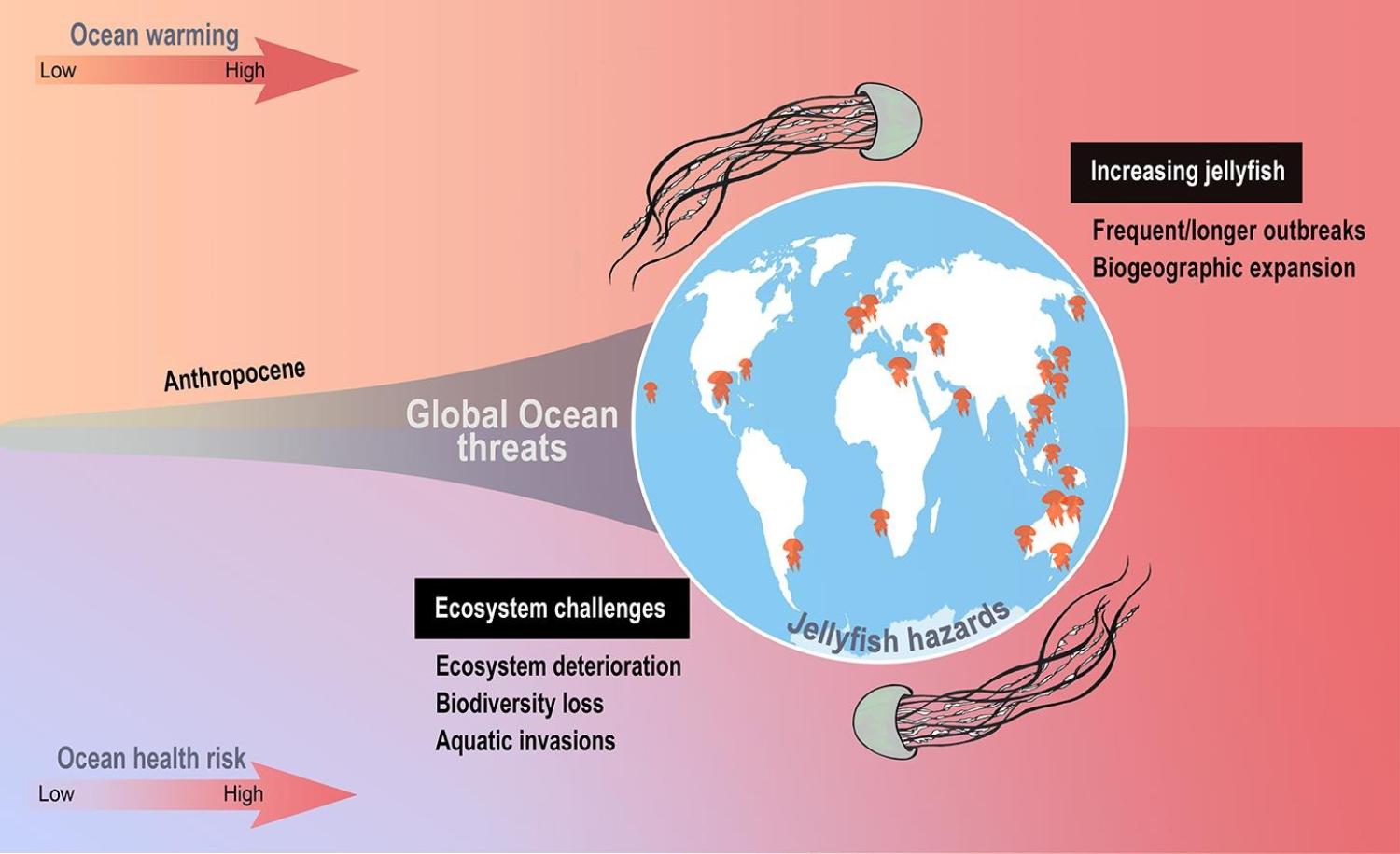
As growing coastal societies and projected high population densities predict a larger demand for marine ecosystem services in the future, jellyfish may affect the fulfillment of such needs, thus becoming prominent players in provisioning, cultural, and supporting services. Hence, our results advocate for their inclusion in multidisciplinary research beyond regional scales and call for investing in this group through systematic surveys.
Elsevier, Genomics, Volume 114, November 2022
Bay of Bengal (BoB) has immense significance with respect to ecological diversity and natural resources. Studies on microbial profiling and their functional significance at sediment level of BoB remain poorly represented. Herein, we describe the microbial diversity and metabolic potentials of BOB deep-sea sediment samples by subjecting the metagenomes to Nanopore sequencing.
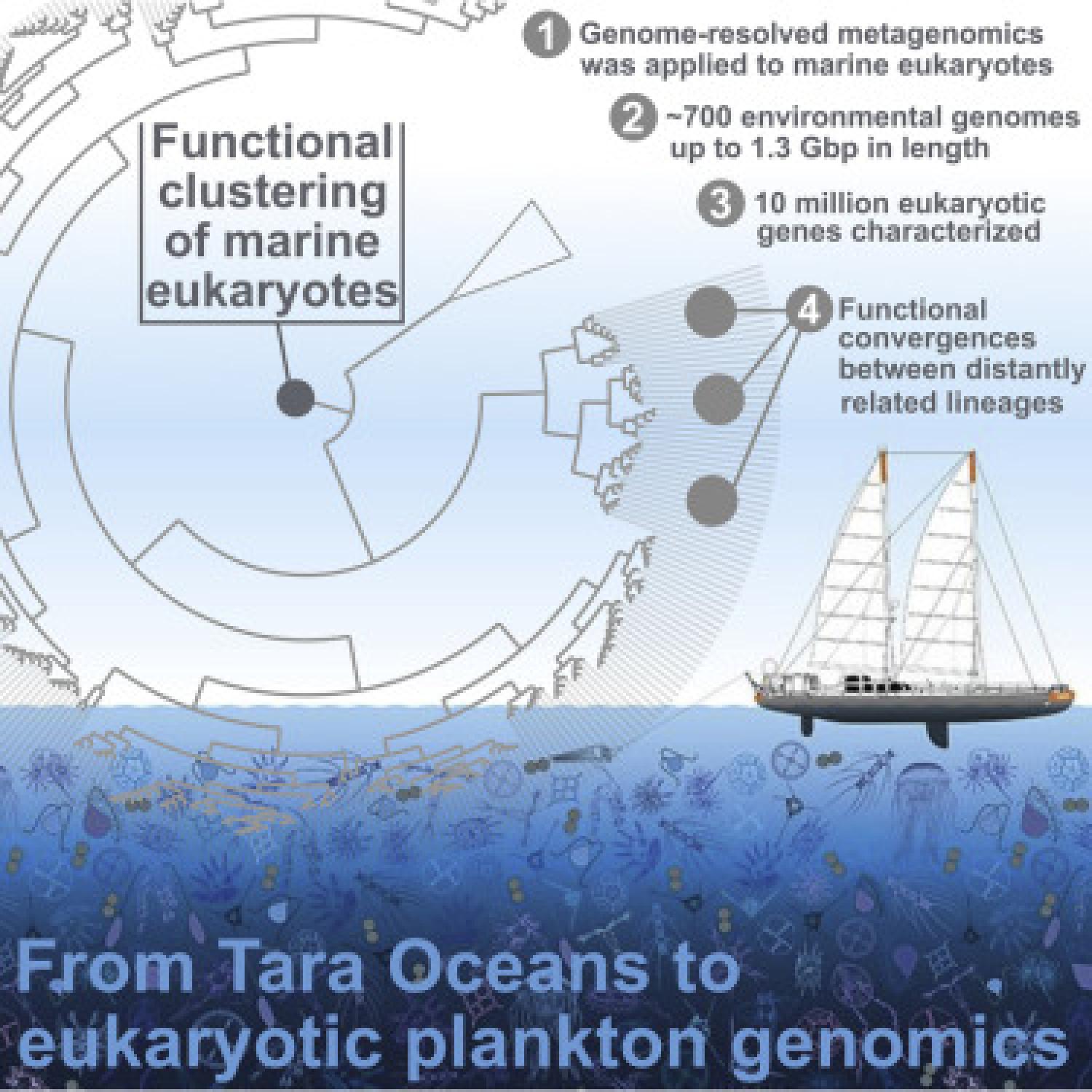
Elsevier, Cell Genomics, Volume 2, 11 May 2022
Marine plankton occur throughout the ocean and are major functional organisms involved in nutrient production and transfer. This paper surveys the global, sunlit ocean and recovers new genomes of species that are still uncultured and uncharacterized. This highlights the magnitude of yet unexplored ecology and diversity that remains to be discovered within the world’s oceans.
Elsevier, Aquaculture, Volume 549, 25 February 2022
Temperature and sea level rise threats to aquaculture were the main focus in science and the news. At least 10 countries linked current impacts on aquaculture to climate change. Global papers cited technology for adaption, while regional papers cited governance.
Ocean Acidification and Marine Wildlife, 2021, pp 247-263
This chapter aligns with Goal 14: Life Below Water and Goal 13: Climate Action by discussing the impacts of ocean acidification on marine biological processes and highlighting future research directions to understand and preserve marine biodiversity.
Elsevier, COVID-19 and the Sustainable Development Goals, 2022, pp 285-303
This chapter aligns with Goal 14: Life below water and Goal 15: Life on land by addressing how the pandemic has halted the progress of the sustainable development goals, including how the improper disposal of COVID-19-associated wastes, such as medical equipment, plastics, masks, and gloves, is a threat to both the lives on land and below water.
Elsevier, Complementarity of Variable Renewable Energy Sources, 2022, pp 527-558
This chapter aligns with Goal 14: Life Below Water and Goal 13: Climate Action by exploring the potential of marine renewables, including wind, wave, and solar, for providing long-term sustainable energy sources.
Elsevier, Field Measurements for Passive Environmental Remote Sensing: Instrumentation, Intensive Campaigns, and Satellite Applications, 2023, pp 79-100
This chapter aligns with Goal 14: Life Below Water and Goal 9: Industry, innovation and infrastructure by describing the advancements in scientific data collection capabilities afforded by the innovation and use of oceanographic buoys.
Elsevier, Advances in Virus Research, Volume 114, 2022, pp 67-146
This chapter aligns with Goal 14: Life Below Water and Goal 13: Climate Action by exploring the role of viruses in the marine carbon cycle and describing how advances in marine virus research can improve marine ecosystem models and predictions of the future of marine carbon cycling.
Elsevier, Functional Foods and Nutraceuticals in Metabolic and Non-communicable Diseases, 2022, pp 707-723
This chapter aligns with Goal 14: Life Below Water and Goal 3: Good Health and Wellbeing by highlighting some of the many beneficial nutritional and pharmaceutical applications of marine nutraceuticals.
Elsevier, Ocean Mixing: Drivers, Mechanisms and Impacts, 2021, pp 5-24
This chapter aligns with Goal 14: Life Below Water and Goal 13: Climate Action by describing the role of ocean mixing shapes the contemporary mean climate and how advances in our understanding of dynamic mixing processes improves predictions change.
Elsevier, Genomics and the Global Bioeconomy, 2022, pp 125-138
This chapter aligns with Goal 14: Life Below Water and Goal 9: Industry, Innovation and Infrastructure by acknowledging increased rates of Arctic transit resulting from declines in sea ice, recognizing the associated risk of increasingly frequent oil spills, and proposing methods to efficiently and effectively respond to such events.
Elsevier, Applied Environmental Metabolomics, 2022, pp 199-209
This chapter aligns with Goal 14: Life Below Water and Goal 13: Climate Action by exploring the application of stable isotope tracing and metabolomics to monitor coral responses to thermal and oxidative stress in order to predict the fitness implications of continued sea warming.
Elsevier, Ocean Modelling, Volume 183, June 2023
This paper develops a coupling between SWAN and Thetis models to account for wave–current interactions occurring by the co-existence of wave and current flows. The different grids and time-steps employed by the model components allow greater flexibility. The two models run consecutively, and communicate internally to exchange the necessary parameters. These are the significant wave height, mean wave direction, mean wavelength and percentage of wave-breaking calculated by SWAN necessary for calculating radiation stress and wave roller effects, while Thetis provides water elevation and current velocity fields.
Elsevier, Ocean Modelling, Volume 183, June 2023
This paper is particularly relevant to investigations into the spread of organisms that remain close to shore over timescales of days-to-weeks, e.g., the spread of marine non-native species and pathogenetic parasites, but is equally relevant to simulations tracking the dispersal of eDNA or coastal pollutants such as oil and plastics.
Elsevier, Progress in Oceanography, Volume 213, 1 April 2023
Selective copepod grazing and water mass origin impacted spring bloom composition. Diatom bloom enhanced zooplankton recruitment and deep carbon export. Spring bloom composition impacted summer plankton community. Mixo- and heterotrophic protists dominated the nutrient-poor summer months. Copepod grazers controlled the summer protist community.
Elsevier, Ocean Modelling, Volume 182, April 2023
This study proposes a deep learning model based on a convolutional neural network, which can effectively fuse atmospheric information (wind field) and station water level information and can effectively forecast the station water level and also have a good response to the anomalous water level increase brought by storm surge.
Elsevier, Progress in Oceanography, Volume 212, March 2023
This paper synthesized current knowledge of mesoscale eddies and their impacts on the marine ecosystem across the North Pacific and its marginal Seas, across the CCS region , the northeastern North Pacific and the Bering Sea, the western boundary of the North Pacific and marginal seas, and the extratropical open North Pacific. How climate change will modify mesoscale processes remains a key open challenge.
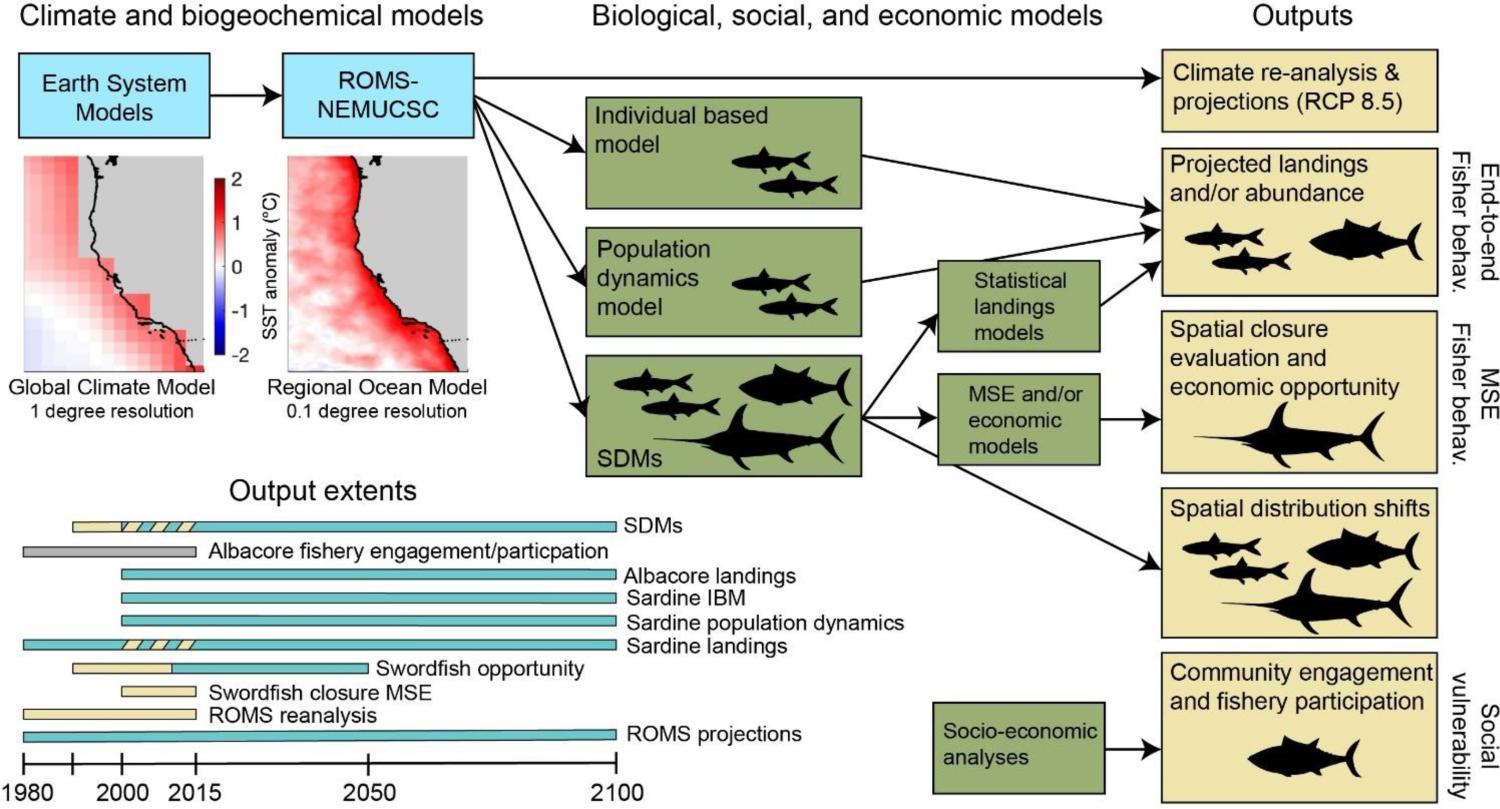
Elsevier, Progress in Oceanography, Volume 211, February 2023
This study shows downscaled climate projections that, without strong curbing of emissions, the California Current System (CCS) will undergo significant change this century, including 2–4 °C warming of sea surface temperature and an almost ubiquitous shift to novel conditions
Elsevier, Ocean Modelling, Volume 181, February 2023
This paper show the mathematical and theoretical background of the machine learning algorithm used in this work, the LSTM. The data used are described and the methodology of framework is presented. It shows the predictions results based on LSTM and comparisons with ERA5 and buoy observations.
Elsevier, Ocean Modelling, Volume 181, February 2023
This paper based on three implemented Regional Climate Models (RCMs), namely CMCC-CCLM, CNRM-ALADIN52, and GUF-CCLM-NEMO, for RCP4.5 and RCP8.5 scenarios of the 21st century. Atmospheric modelling datasets cover the Reference (1971–2000) and Future (2071–2100) Periods of climate projections. The results produced within this study can be used for investigations in specific locations of the Mediterranean basin within integrated hydrologic/hydrodynamic modelling under projected climate change conditions during the 21st century.
Elsevier, Progress in Oceanography, Volume 210, January 2023
This paper provides first assessment of nutrient contents in whale faeces prior to their dissolution in seawater, which has overcome the challenges associated with getting reliable estimations of elemental nutrients from whale faeces. By combining measured faecal nutrient concentrations with the best available prey-consumption and prey-assimilation estimates, we calculated the expected contribution of minke whale faeces to nutrient pools in surface waters during summer.
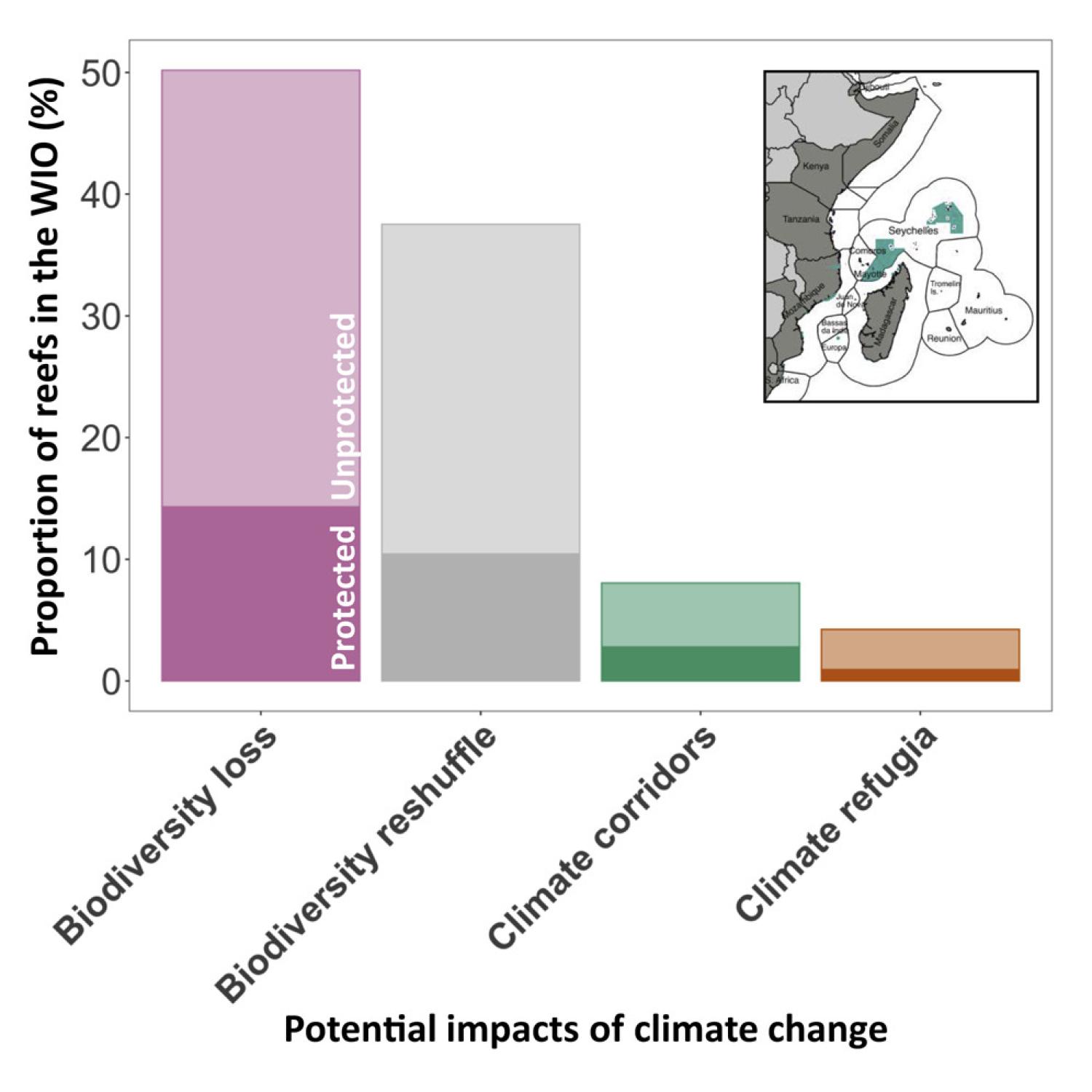
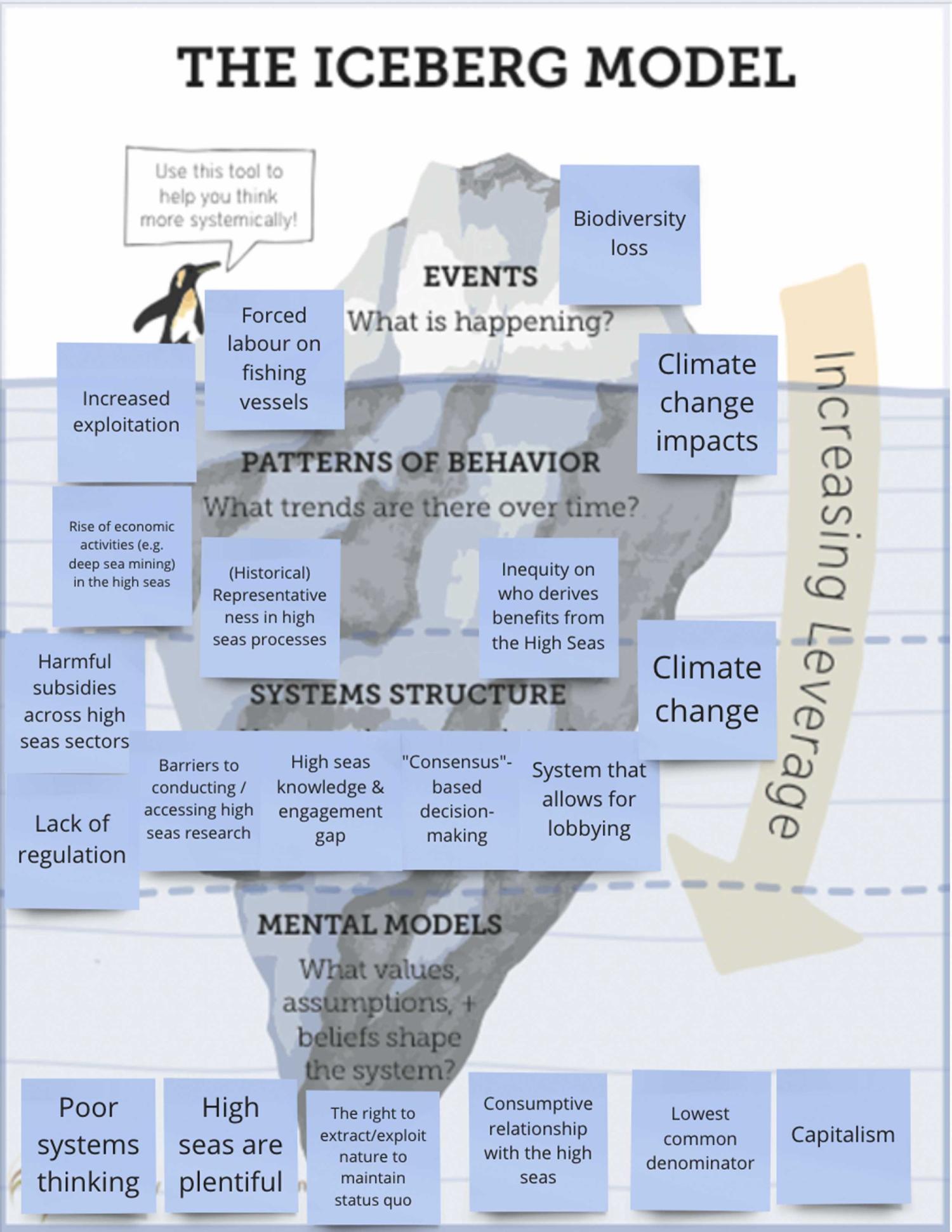
Elsevier, Marine Policy, Volume 153, 2023, 105644, ISSN 0308-597X
We are at a critical crossroads for the future governance of the high seas. We used the Nature Futures Framework to explore desirable futures for the high seas. Creative endeavours of co-production encourage imagination to address challenges. Participatory processes are important tools in the science-policy interface. Stories and art can be powerful ways to overcome barriers.
Fisheries Research, Volume 265, 2023, 106744
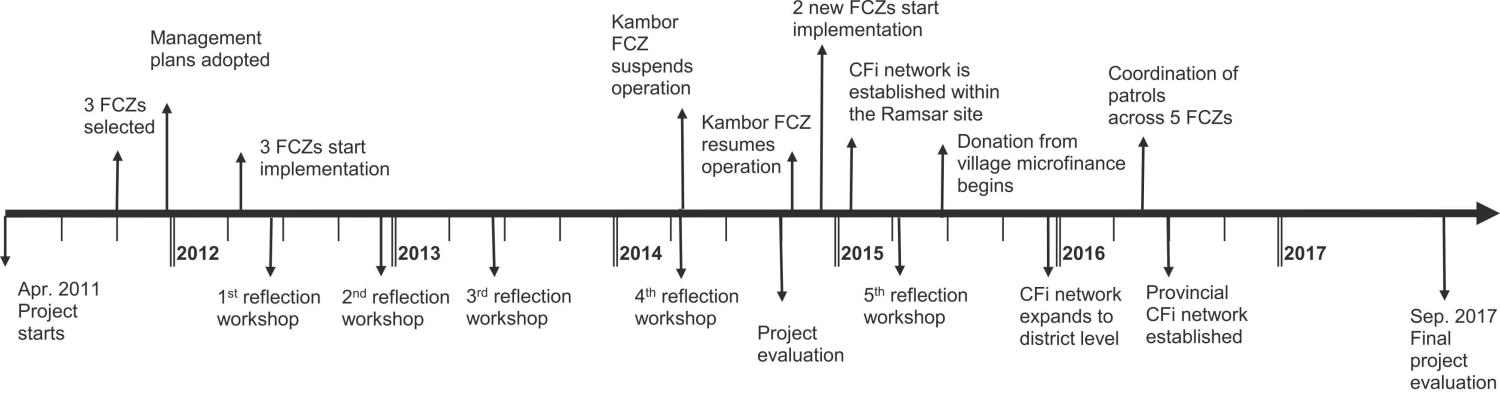
A critical reflection on fisheries conservation in the Mekong River is offered here. Adaptive co-management helped balance conservation and livelihood outcomes. No-take zones facilitated basic fish conservation measures led by local fishermen. Fishermen perceiving livelihood benefits of conservation supported no-take zones. Long-term mechanisms to support community-led conservation initiatives are needed.
Elsevier, Journal of Experimental Marine Biology and Ecology, Volume 565, 2023, 151916
This study provides a better understanding of the burrowing behaviour of the sub-legal size clams discarded on the sediment after being disturbed and contributes important data to improve practices for minimizing mortality of dislodged clams that are discarded on the sediment surface.
In this special issue of Current Biology, the ocean presents a challenging environment for study while also exhibiting some of the most profound and disruptive symptoms of global change.