Elsevier,
Journal of Climate Change and Health, Volume 10, 1 March 2023
This article advances SDG # 3, 6, 10, 11 and 13 by showing the interaction between poverty, climate change, and health consequences in slum communities in Ghana. Understanding the direct perspective of people “on the ground” can provide solutions that decrease the severe consequences of climate change and extreme weather events in poor communities.
Elsevier,
Journal of Climate Change and Health, Volume 10, 1 March 2023
This article supports SDG # 3, 11 and 13 showing how even in wealthy countries, climate change is causing an acceleration of extremely costly disasters, and the authors provide a framework for disaster risk reduction that is applicable to climate change.
Progress in Oceanography, Volume 211, February 2023
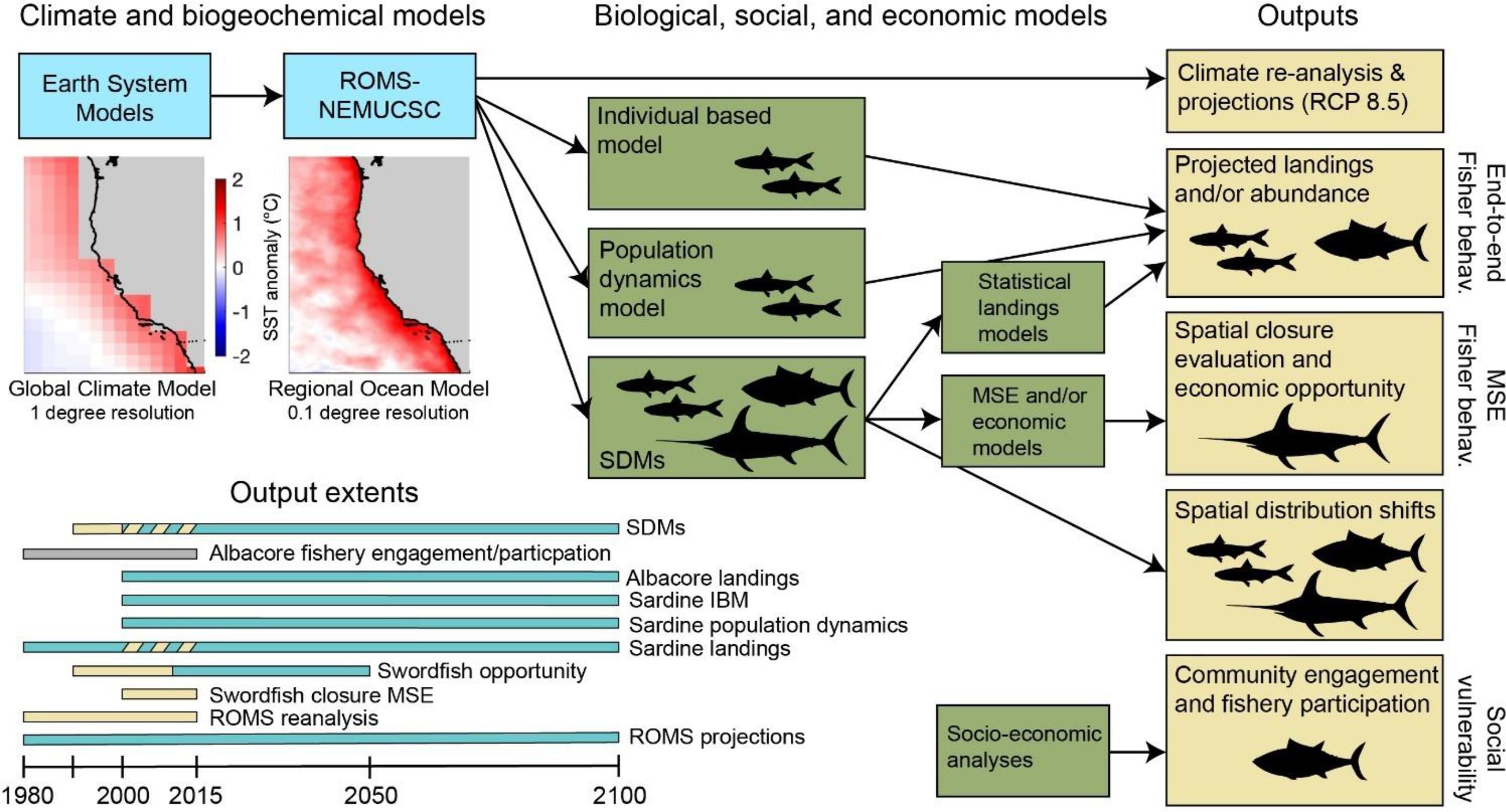
This study shows downscaled climate projections that, without strong curbing of emissions, the California Current System (CCS) will undergo significant change this century, including 2–4 °C warming of sea surface temperature and an almost ubiquitous shift to novel conditions
Elsevier,
Ocean Modelling, Volume 181, February 2023
This paper show the mathematical and theoretical background of the machine learning algorithm used in this work, the LSTM. The data used are described and the methodology of framework is presented. It shows the predictions results based on LSTM and comparisons with ERA5 and buoy observations.
Elsevier,
Ocean Modelling, Volume 181, February 2023
This paper based on three implemented Regional Climate Models (RCMs), namely CMCC-CCLM, CNRM-ALADIN52, and GUF-CCLM-NEMO, for RCP4.5 and RCP8.5 scenarios of the 21st century. Atmospheric modelling datasets cover the Reference (1971–2000) and Future (2071–2100) Periods of climate projections. The results produced within this study can be used for investigations in specific locations of the Mediterranean basin within integrated hydrologic/hydrodynamic modelling under projected climate change conditions during the 21st century.
Elsevier,
The Lancet Planetary Health, Volume 7, February 2023
This Article supports SDGs3 and 13 by asessing the potential impact of net zero greenhouse gas emissions on public health in England and Wales. The authors showed that there are likely to be substantial net benefits for health, with greater benefits associated with faster and more ambitious changes.
One Earth, Volume 6, 17 February 2023
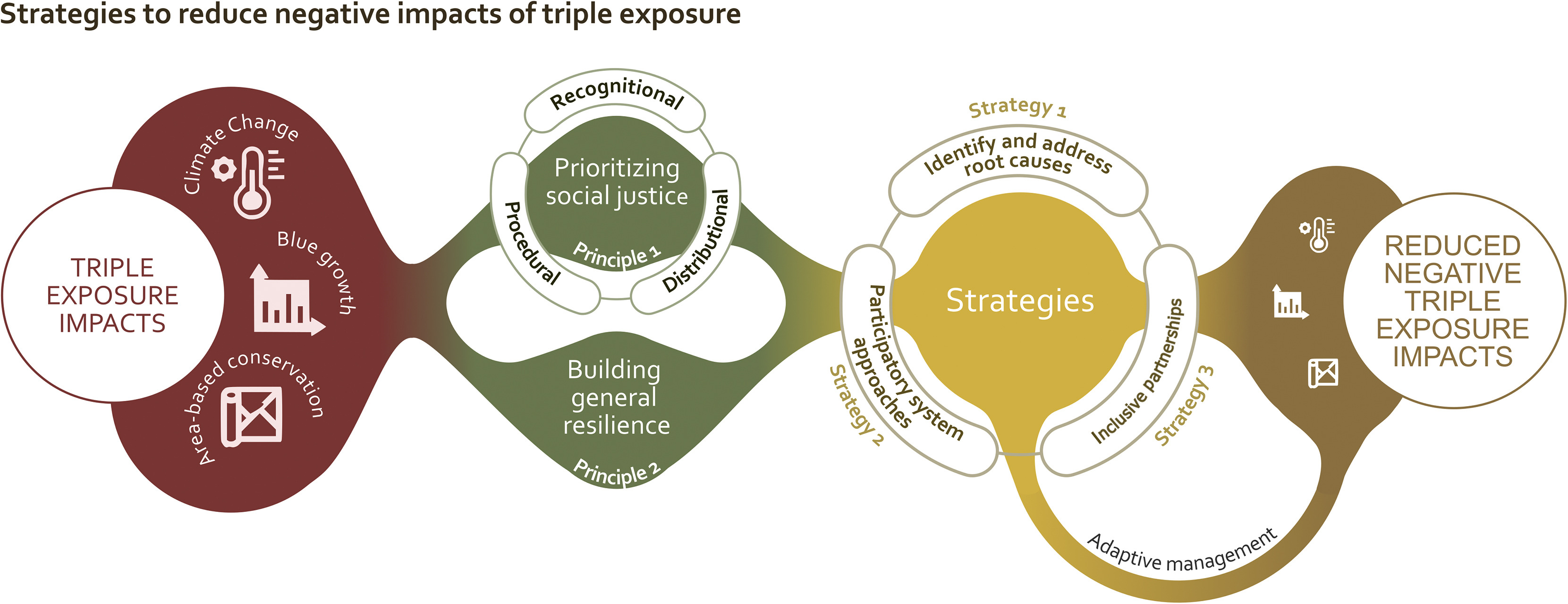
This One Earth Perspective Article explores how coastal communities are increasingly exposed to risks due to trade offs from international conservation efforts and rapid economic and climate change, and argues that policymakers seeking to promote ocean biodiversity (SDG 14) must first prioritize social justice and general resilience to equitably enable sustainable communities (SDG 11).
Elsevier,
The Lancet Public Health, Volume 8, March 2023
This Article supports SDG 3 by finding, through a systematic review and meta-analysis of 135 studies, high prevalence of common mental disorders during the perinatal period (pregnancy and post-partum) among migrant women - eg, a 24.2% prevalence of depressive disorders. The authors note that mental health should be discussed and assessed in this population (ie, migrant women in maternity settings), and other social determinants of mental illness in this population need to be addressed (eg, poor social support).
Elsevier, The Lancet Healthy Longevity, Volume 4, February 2023
Background: Type 2 diabetes is associated with an increased risk of depression, but the extent to which risk factor modification can mitigate this risk is unclear. We aimed to examine the association between the incidence of major depression and clinically relevant depressive symptoms among individuals with type 2 diabetes, according to the number of risk factors within the recommended target range, compared with individuals without diabetes. Methods: We did a prospective analysis of population-based data from the UK Biobank and the Maastricht Study.