
Elsevier,
Materials Today Energy, Volume 32, March 2023
Buildings consume almost one-third of the total global energy and emit nearly 15% of the direct CO2 generated on the planet. This review paper categorizes and explains plausible applications of thermoelectric materials and devices in buildings.
Elsevier,
Geography and Sustainability, Volume 4, Issue 2, June 2023, Pages 112-126
This article supports SDG 2, SDG 3 and SDG 13 by demonstrating the importance of enhancing farmers’ perceptions of of Climate-Smart Agriculture potential to promote environmental stewardship with motivations by demographic, socioeconomic and ecological factors.
Elsevier, Journal of Nutrition, Volume 153, March 2023
Background: A large part of the existential threat associated with climate change is the result of current human feeding patterns. Over the last decade, research evaluating the diet-related environmental impacts of plant-based diets has emerged, and a synthesis of the available data is now due.
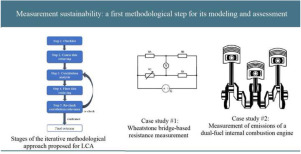
Measurement: Journal of the International Measurement Confederation, Volume 209, 15 March 2023
The research aims to assess the environmental sustainability of measurements, and the investigation is conducted through two case studies within the information and communication technology sector. The authors put forward recommendations for increasing a measurement's environmental sustainability.
Elsevier,
Theriogenology Wild, Volume 2, 2023, 100024
The rescue of wild animals after major environmental disasters is complex and requires an an integrative approach. Conservation scientists describe a successful example that lead to the reproduction of the only pair of Jaguars under reproductive age saved from the devastating Pantanal wildfires that killed over 16.9 million vertebrates in 2018..
Elsevier,
Geoderma Regional, Volume 32, March 2023
Soil organic matter (SOM) can be a helpful indicator of soil health in terms of the impact of land use changes. Kar et al., 2023 examined the soil health after land use conversion in India's North-West Himalayan region by using the stratification ratio (SR) of soil organic carbon and total nitrogen (TN) as indicators. The results indicate that land use change to conventional tillage (CT) significantly reduces SR and SOM, while conservation agriculture (CA) help restore the SR levels closer to those of forest land use. The authors suggest that CA is a suitable alternative to CT for improving soil quality and maintaining sustainable soil management practices.
Elsevier,
American Journal of Clinical Nutrition, Volume 117, February 2023
The article highlights the critical and complex interactions between climate/environmental changes and nutrition, emphasizing that addressing these issues requires an integrated, ecological approach. US government initiatives and research efforts are actively working to understand and mitigate these impacts, with the ADVANTAGE initiative playing a pivotal role in exploring these intersections. The article calls for a comprehensive understanding of "nutrition ecology" to effectively promote health and prevent disease, ultimately aiming to meet global nutrition targets.