Elsevier,
Innovative Exploration Methods for Minerals, Oil, Gas, and Groundwater for Sustainable Development, 2022, Pages 193-211
This chapter advances SDG 6 by presenting an overview of a low-cost technique for investigating groundwater flow and mapping a contaminated zone in the subsurface.
Elsevier,
Emerging Issues in Climate Smart Livestock Production, Biological Tools and Techniques, 2022, Pages 71-90
This chapter covers strategies for greenhouse gas management in livestock production, while maintaining a high-yeild and safe food system.
This article supports SDGs 11, 13, and 15 by revealing the threats and damages caused by the changed hydrological ecosystem in Hoh Xil of Tibetan Plateau.
Elsevier,
Gregory Lazarev, Chapter 8 - Pastoralism as a response to climate change and water security in Mediterranean mountains and forests, Editor(s): Nadia El-Hage Scialabba, Managing Healthy Livestock Production and Consumption, Academic Press, 2022, Pages 123-127,
This content advances SDGs 12 and 13 by promoting responsible water resource consumption in pastoral lands and working with the environment rather than against it to raise livestock. Raising livestock responsibly and sustainably promotes SDG 2 for zero hunger as well.
Climate change is both an important social determinant of health (SDH) and a worsening public health threat. Though a warming climate threatens everyone, pediatric populations are particularly vulnerable.
This content advances UN SDG 10 and 13 goals and seeks to examine implications of the Ramsar Convention’s silence on the procedural right to participation in light of indigenous peoples and local communities’ rights in Africa.

A Viewpoint on Europe's response to climate change, in the context of SDGs 12, 13, and 17, focusing specifically on the use of region-specific indicators to address the main challenges and opportunities of Europe's response in the context of public and planetary health.
Introduction: Air pollution may play an important role in the development of lung cancer in people who have never smoked, especially among East Asian women.
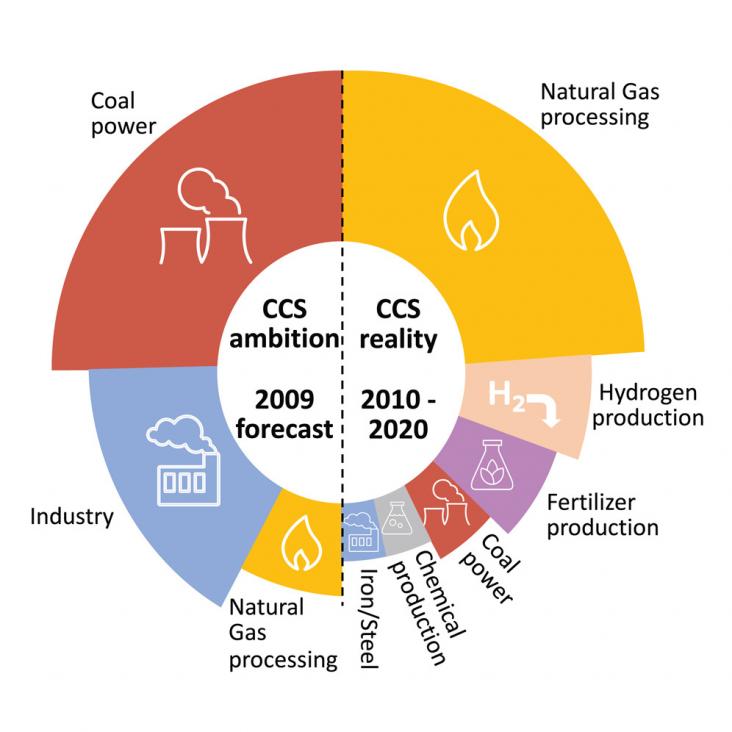
Following the landmark 2015 United Nations Paris Agreement, a growing number of countries are committing to the transition to net-zero emissions.
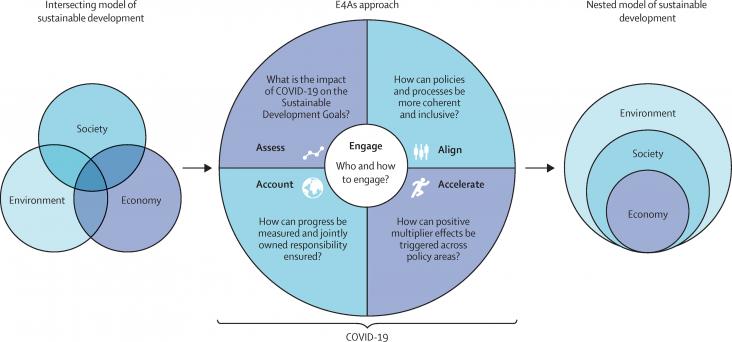
COVID-19 is disrupting and transforming the world. We argue that transformations catalysed by this pandemic should be used to improve human and planetary health and wellbeing.