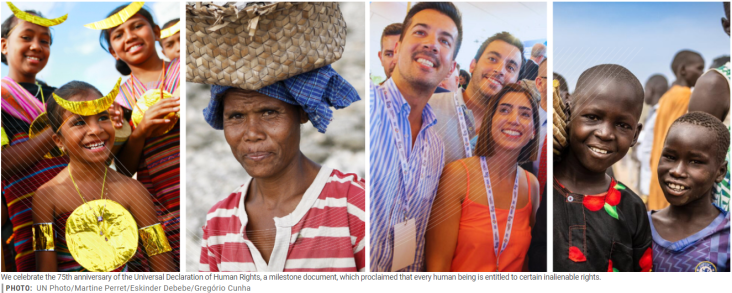
Women interact with cancer in complex ways, as healthy individuals participating in cancer prevention, as patients, as health professionals, researchers, policymakers, and as unpaid caregivers. In all these domains, women often are subject to overlapping forms of discrimination, such as due to age, race, ethnicity and socio-economic status, that render them structurally marginalized. Women, power and cancer: A Lancet Commission recommends that sex and gender be included in all cancer-related policies and guidelines, making these responsive to the needs and aspirations of women in all their diversities. It identifies ten priority actions stakeholder groups can take towards lasting and impactful change.