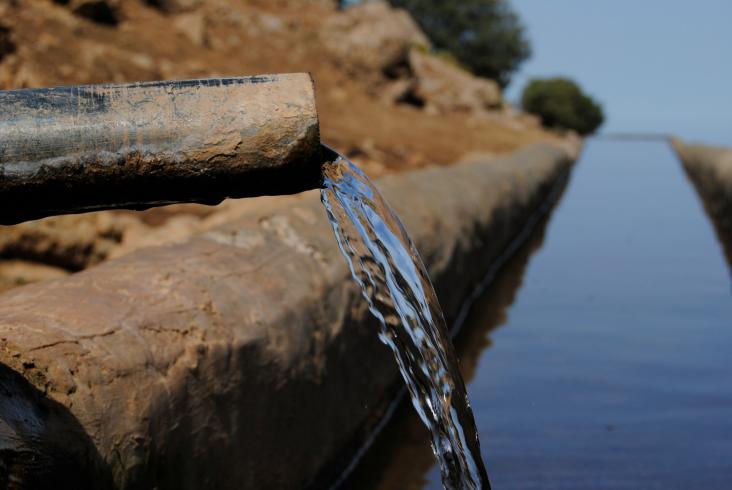
Image of a pipe with water flowing out into a body of water

The RELX Environmental Challenge celebrates 15 years of supporting clean water and sanitation innovation, marking this significant milestone with an increase in the prize fund and the introduction of a new ocean category.

A man working on a laptop that is placed on a brown wooden desk.  On the screen is the COP 30 special issue title.

In this round up of 2025, we share the Special Collections published throughout the year to mark key UN observation days and events.

Elsevier,

Digital Technologies for Sustainable Agriculture and Food Systems: Digital solutions for sustainable water management in MENA  Systems 2026, Pages 129-154.

This chapter aligns with the UN SDG goal 6 as it examines the quality of water in Middle Eastern and African countries. It also discusses technologies and barrier to adopting these technologies aligning with SDG 9 .

Image of a structure with th hashtag symbol and COP30 outside a building illuminated at night

The 30th Conference of the Parties (COP30) to the UN Framework Convention on Climate Change (UNFCCC) took place in Belém, Brazil, bringing together governments and stakeholders for the UN’s annual climate negotiations. This article, provided by LexisNexis UK Practical Guidance, offers a day-by-day overview of the key insights, decisions and developments from the Summit.

Wicked problems, such as water security, require a shift to transdisciplinary research by bringing disciplinary perspectives, conducting participatory research, and developing case-specific solutions.
Understanding the behavioral drivers of technology adoption is critical to promoting public health in rural areas, particularly in the context of safe drinking water.
Image of a front cover of an Elsevier report

Drawing on insights from the United Nations 10-Member Group on Science, Technology, and Innovation for the SDGs, Beyond 2030  reviews the framework’s achievements to date and delivers critical insights into how the SDGs can guide global cooperation and decisive local action well beyond 2030.

This study explores the food and nutrition security practices among artisanal and small-scale mining communities in Nigeria, revealing both strengths, such as access to local foods and purchasing power, and significant challenges, including meal skipping, poor water quality, and limited healthcare access. The findings emphasize the need for comprehensive interventions to improve nutrition, healthcare infrastructure, and social protection, which are essential for the well-being and sustainable development of these mining communities.

Pages