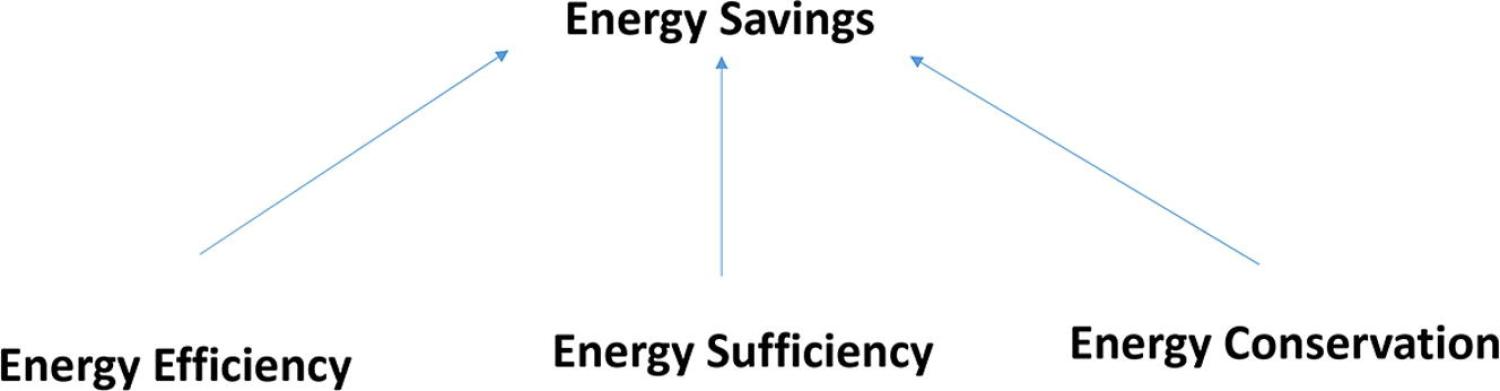
The Paris Agreement goal of stabilizing temperature below 1.5C calls for a reduction of global energy consumption. Energy Efficiency policies are necessary but not sufficient to reduce energy consumption. Energy Conservation and Energy Sufficiency Policies complement Energy Efficiency policies, together they can reduce energy demand. The article presents some existing and new policies which address sufficiency. There is the need for coherent policy package with different types of policy instruments addressing efficiency and sufficiency.
“Open for Climate Justice” is the theme for this year’s International Open Access Week (October 24-30). Open Access Week is an invaluable chance to connect the global momentum toward the open sharing of knowledge with the advancement of policy changes and the importance of social issues affecting people around the world.
As stated on https://www.openaccessweek.org/theme/en "Climate Justice is an explicit acknowledgement that the climate crisis has far-reaching effects, and the impacts are “not be[ing] borne equally or fairly, between rich and poor, women and men, and older and younger generations,” as the UN notes. These power imbalances also affect communities’ abilities to produce, disseminate, and use knowledge around the climate crisis. Openness can create pathways to more equitable knowledge sharing and serve as a means to address the inequities that shape the impacts of climate change and our response to them. This year’s focus on Climate Justice seeks to encourage connection and collaboration among the climate movement and the international open community. Sharing knowledge is a human right, and tackling the climate crisis requires the rapid exchange of knowledge across geographic, economic, and disciplinary boundaries".
Elsevier is proud to share these Open Access journal articles related to this extremely important theme of Climate justice.
Elsevier, Building and Environment, Volume 216, 15 May 2022
Reflects upon emergent challenges and opportunities of developing Positive Energy Districts (PEDs) in Europe. Combines attention to rapid implementation, context-specificity and replicability. Identifies three key themes to enable conditions for upscaling PEDs across contexts. The key themes are: framework conditions, prefiguration and emerging impact of PEDs. Combines expertise of PED-EU-NET core group, spanning PED initiatives across Europe.
Elsevier, Sustainable Cities and Society, Volume 77, February 2022
Urban climate change agenda furthered by aligning adaptation plans with development goals. Near-term benefits delivered by aligning adaptation, mitigation and development. Synergistic adaptation-mitigation planning leads to inclusion of co-benefits and avoidance of trade-offs. Informal networks can enhance coordination required for co-benefit approaches.
Elsevier, Building and Environment, Volume 207, January 2022
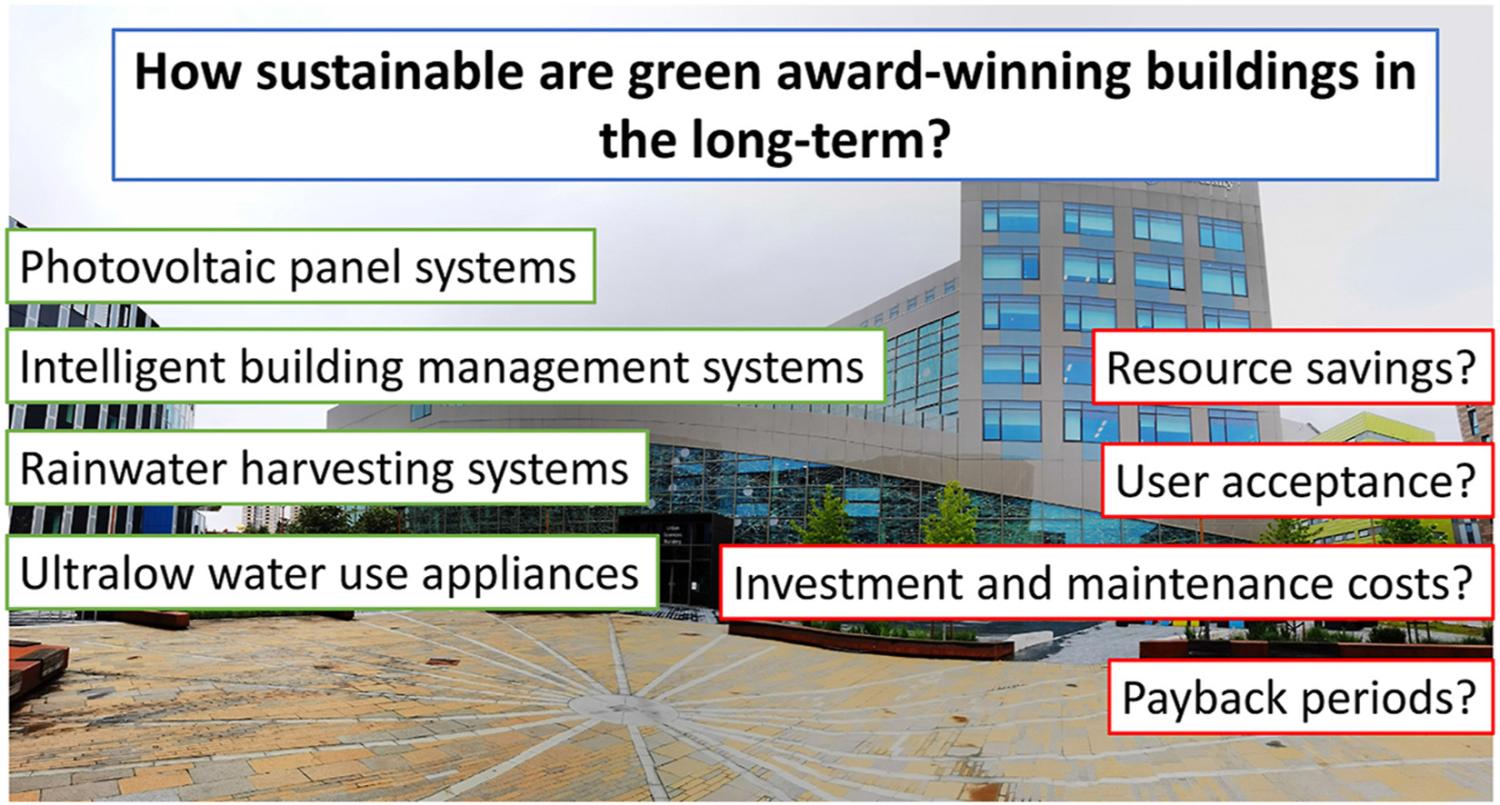
Two green gown award winning buildings, built in 2004 and 2017, were investigated. Features include rainwater harvesting, sensing and photovoltaic panel systems. Sustainability features delivered only 28–71% of their potential resource savings. The performance gaps were due to technical, human, and economic factors.
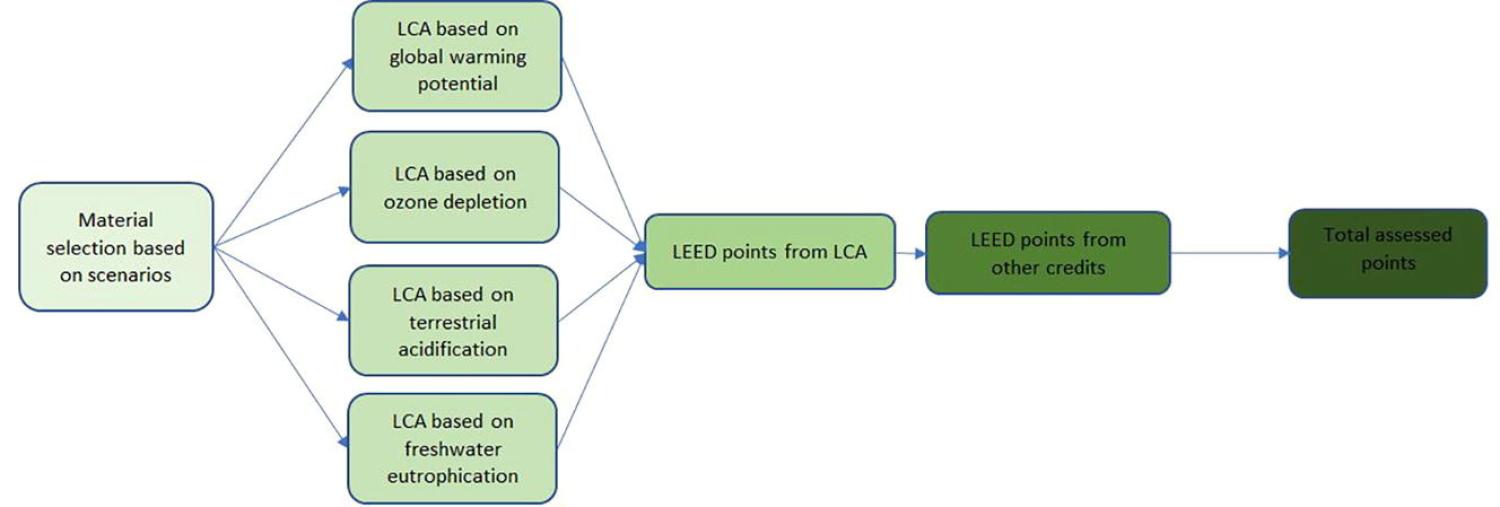
Elsevier, Energy and Buildings, Volume 241, 15 June 2021
The pre-use stage (construction) emissions of buildings occur in a short time. Wooden buildings seem to emit less compared to concrete ones in pre-use stage according to LCA. Green building certificates need to consider embodied emissions more exhaustively.
Elsevier, The Lancet Regional Health - Americas, Volume 11, July 2022
A Viewpoint on the interplay between social, climate, and health challenges in Latin America and the Caribbean, in the context of SDGs 3, 10, and 13, highlighting the need to address these challenges with adaption and mitigation policies that prioritise people's health and wellbeing.
Elsevier, The Lancet Global Health, Volume 10, July 2022
A Viewpoint in support of SDGs 3, 13, and 17, proposing a range of strategies for developing a 'public health playbook', to counter the 'corporate playbook' used by powerful commercial actors to protect their business interests at the expense of population health and wellbeing, including numerous health-harming and planet-harming industries, such as tobacco, alcohol, gambling, pharmaceuticals, ultraprocessed foods and beverages, firearms and weapons, automobiles, social media and technology, oil and gas, and chemicals.
Elsevier, The Lancet Global Health, Volume 10, June 2022
This Series paper supports SDG 3 and 11 by identifying the minimum thresholds for urban design and transport features associated with two physical activity criteria: at least 80% probability of engaging in any walking for transport and WHO's target of at least 15% relative reduction in insufficient physical activity through walking.
Elsevier, The Lancet Global Health, Volume 10, June 2022
This Series paper supports SDG 3 and 11 by presenting an expanded framework of pathways through which city planning affects health, incorporating 11 integrated urban system policies and 11 integrated urban and transport interventions addressing current and emerging issues.
Elsevier, The Lancet Global Health, Volume 10, June 2022
Background: An alarming number of public health-care facilities in low-income and middle-income countries lack basic water, sanitation, hygiene (WASH), and waste management services. This study estimates the costs of achieving full coverage of basic WASH and waste services in existing public health facilities in the 46 UN designated least-developed countries (LDCs). Methods: In this modelling study, in-need facilities were quantified by combining published counts of public facilities with estimated basic WASH and waste service coverage.
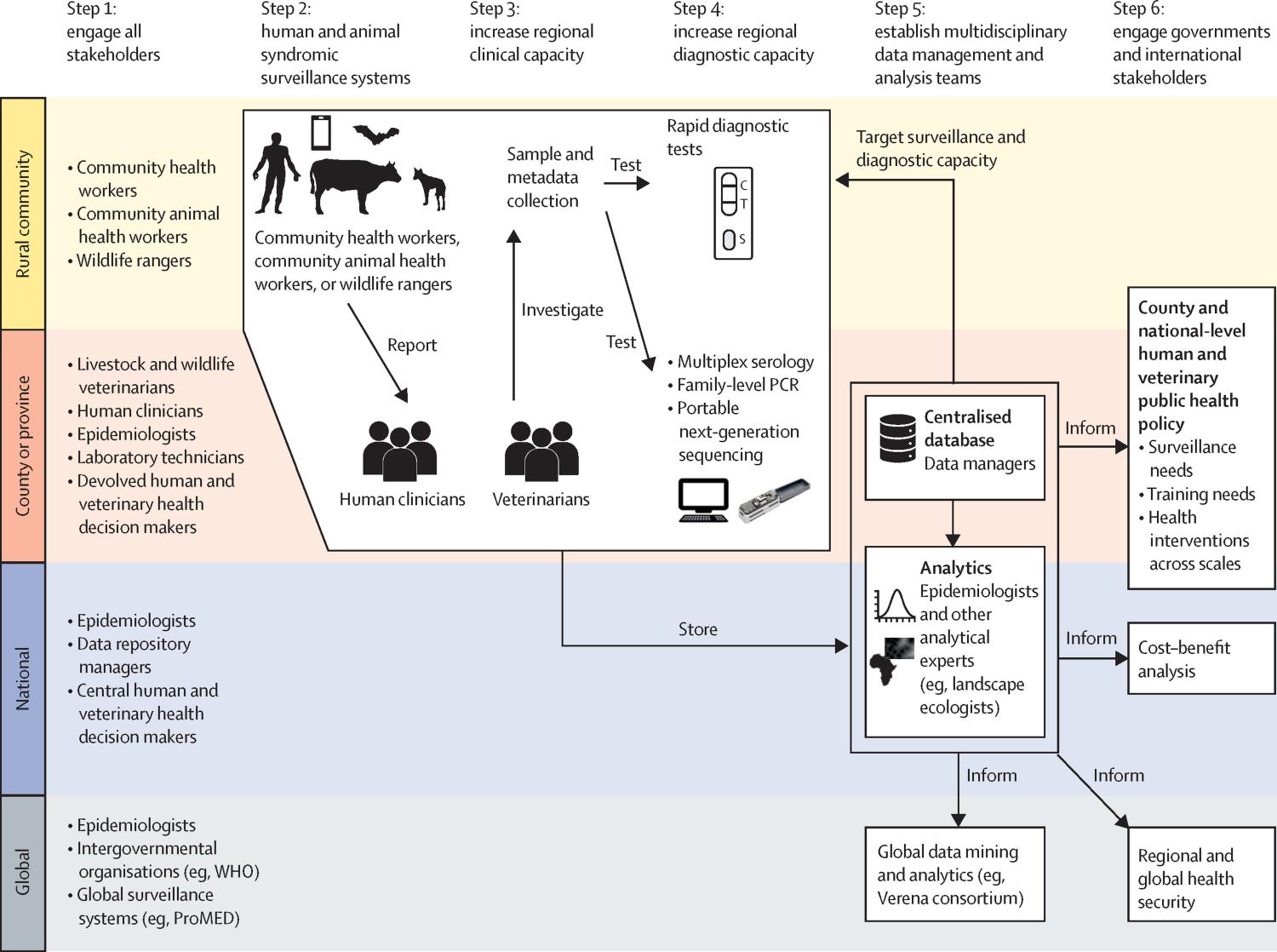
Elsevier, The Lancet Global Health, Volume 10, April 2022
This Viewpoint supports SDG 3 by highlighting why investing in disease surveillance in remote rural areas of LMICs will benefit global communities, and using Kenya as an example, showing how such surveillance can be strengthened and integrated into existing systems while sustaining biodiversity.
Elsevier, The Lancet Planetary Health, Volume 6, March 2022
A review in support of SDGs 3 and 13, highlighting the need to link population-based mental health outcome databases to weather data for causal inference, and for greater collaborations between mental health providers and data scientists to guide the formation of clinically relevant research questions on climate change.
Elsevier, The Lancet Public Health, Volume 7, March 2022
A Correspondence on the contribution of national public health institutes to tackling the climate crisis, in the context of SDGs 9 and 13, highlighting the development of a roadmap serving to strengthen the role of these institutes in mitigation and adaption policies.
Elsevier, The Lancet Planetary Health, Volume 6, February 2022
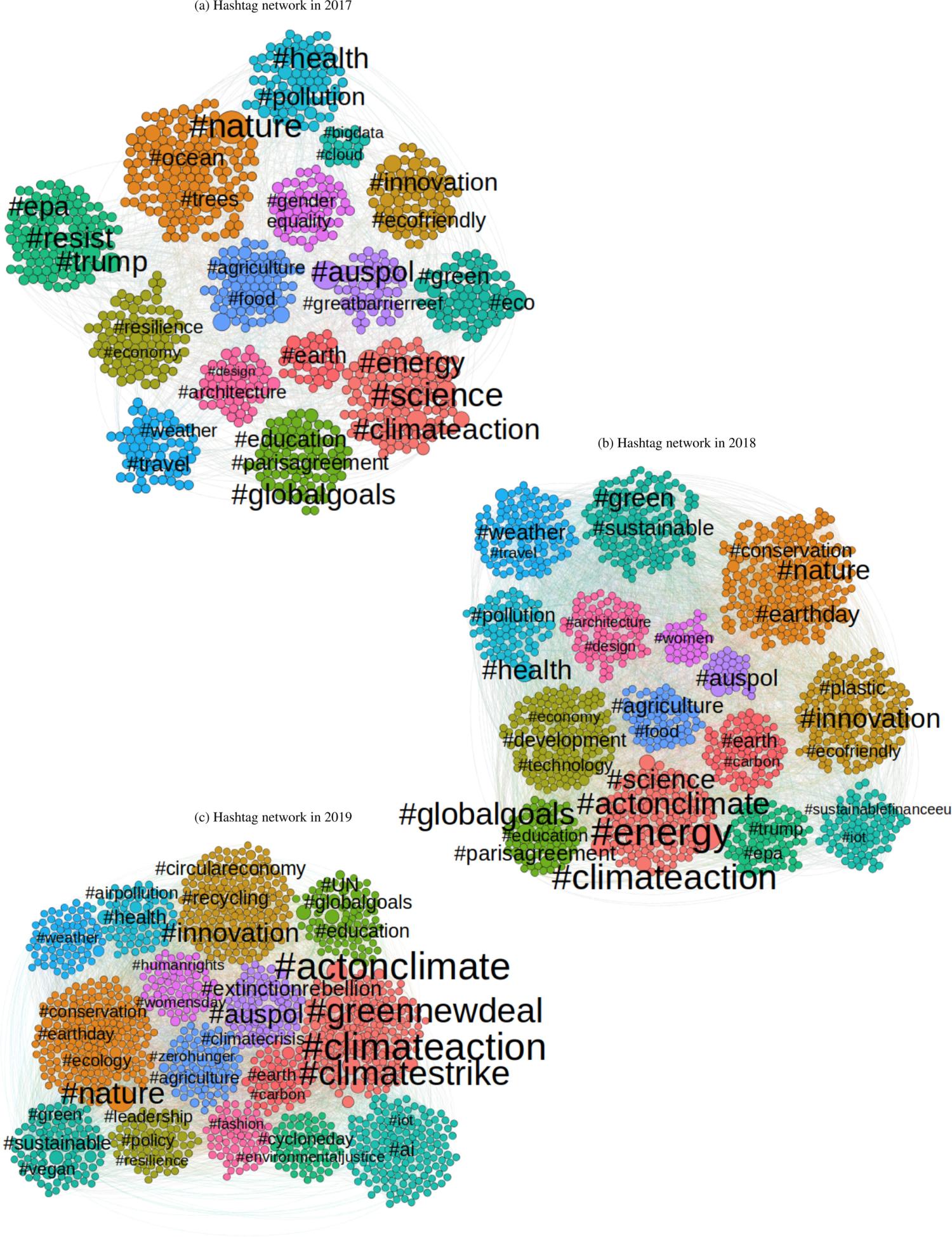
An Article in support of SDGs 3, 7, and 13, showing that adopting strict climate policies (the 1·5°C and 2°C targets) and strengthening clean-air policies could achieve major improvements in air quality and substantially reduce the human health effects from air pollution in China.
Elsevier, The Lancet Global Health, Volume 10, January 2022
This Comment supports SDGs 3 and 10 by explaining how people with disabilities are more likely to suffer adverse health effects from climate change, for a variety of reasons, and emphasising that people with disabilities should be considered, and included in planning of, climate change mitigation and adaptation efforts.
Elsevier, The Lancet Planetary Health, Volume 5, December 2021
An Article in support of SDGs 3, 12, and 15, investigating the adverse effects of deforestation on working conditions and all-cause mortality, highlighting how conservation and restoration projects could help to achieve public health benefits.
Elsevier, The Lancet Planetary Health, Volume 5, December 2021
An Article in support of SDGs 3 and 13, highlighting widespread climate anxiety and dissatisfaction with government responses to climate change among chidren globally, with government inaction on climate change described as a human rights failure that could have considerable, long-lasting, and incremental negative implications for the mental health of children and young people.
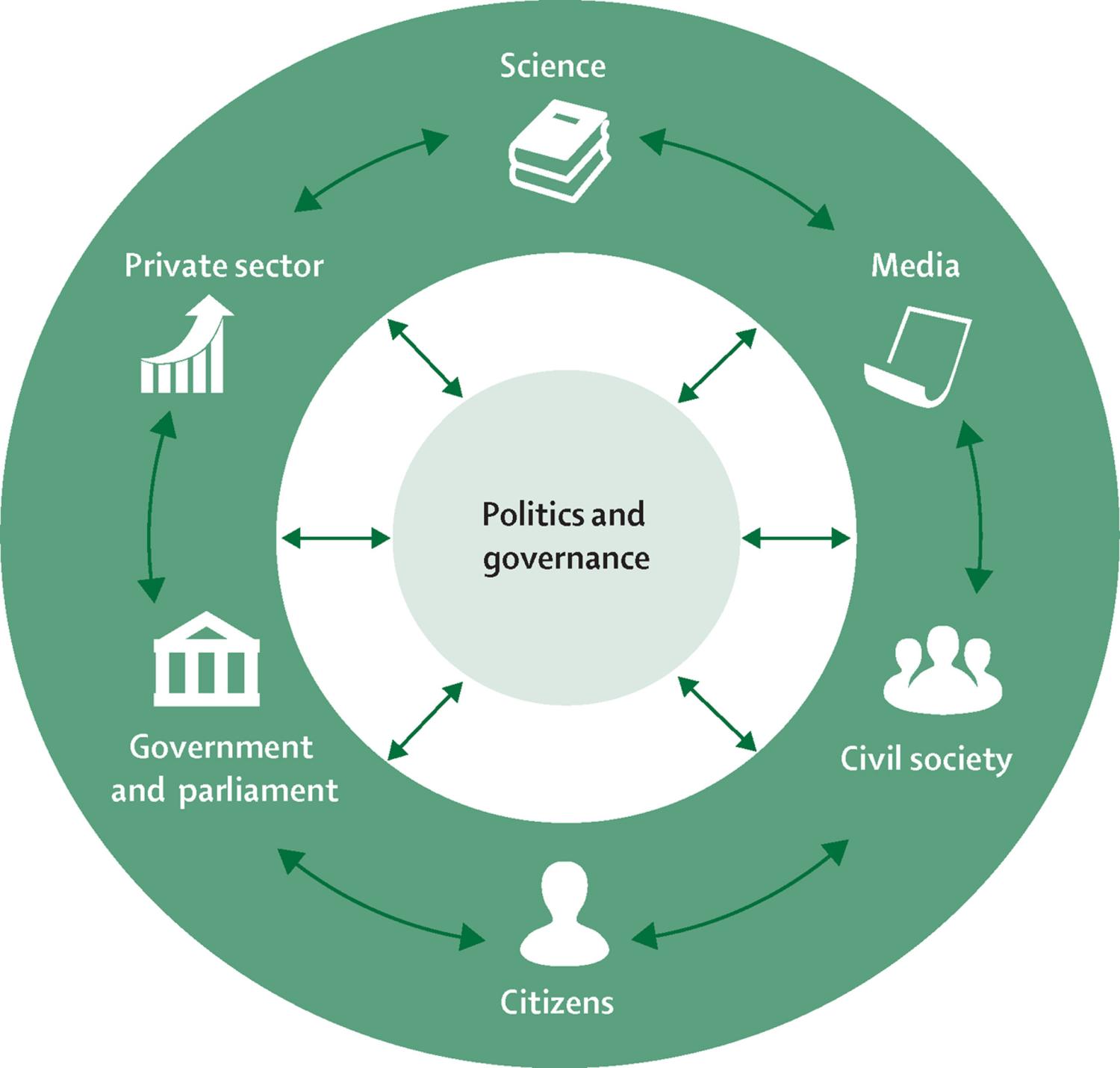
Elsevier, The Lancet Public Health, Volume 6, November 2021
A Viewpoint on Europe's response to climate change, in the context of SDGs 12, 13, and 17, focusing specifically on the use of region-specific indicators to address the main challenges and opportunities of Europe's response in the context of public and planetary health.
Elsevier, The Lancet Public Health, Volume 6, October 2021
A Comment on the collective action required to tackle the environmental crisis, in the context of SDGs 12, 13, and 17, calling for a limit to increases in average global temperatures, a halt in the destruction of nature, and the protection of health to be prioritised.
Elsevier, The Lancet Planetary Health, Volume 5, September 2021
A Personal View in support of SDGs 1, 2, and 13, describing how use of quantitative data can support targeted interventions for nutrition resiliency and suggesting actions that can help to prevent acute malnutrition in the context of worsening climate and conflict conditions.
Elsevier, The Lancet Planetary Health, Volume 5, August 2021
A Personal View in support of SDGs 13 and 16, discussing the promise and limitations of framing climate change as a human health issue to create greater impact on policy makers and to accelerate the shift from evidence to policy action.
Elsevier, Building and Environment, Volume 219, 1 July 2022
Climate vulnerability modelling of Welsh (UK) housing stock. Propensity for summertime overheating and moisture build up in a majority of Welsh housing. Cooling and ventilation strategies will be required to mitigate future discomfort, whilst ensuring occupant health and wellbeing.
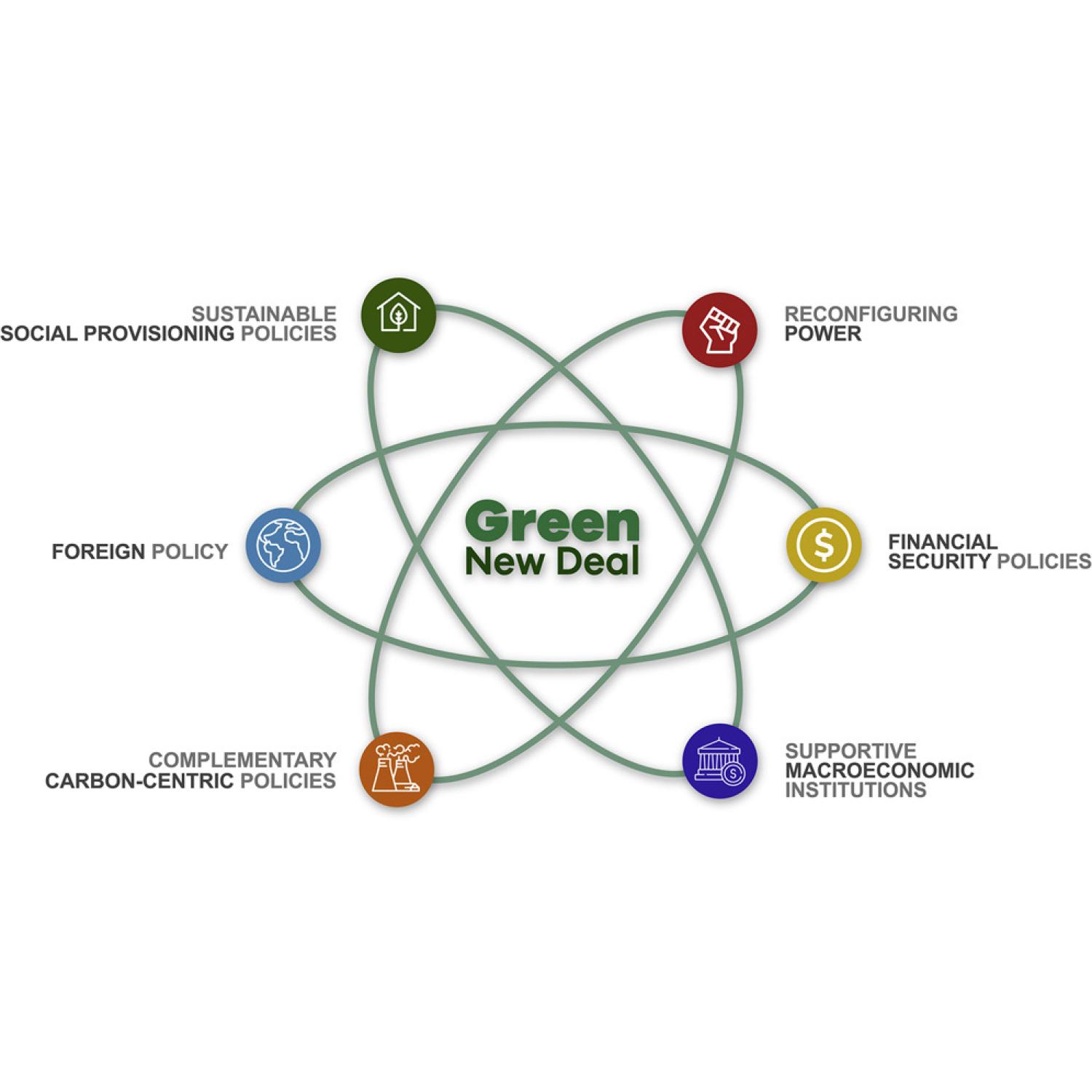
Elsevier, One Earth, Volume 5, 17 June 2022
Recent proposals in the US and elsewhere aim to tackle climate change and socioeconomic inequalities together through a Green New Deal (GND). GND proposals have been criticized by high-profile advocates of carbon-centric climate policies—advocates who do not perceive socioeconomic inequalities to be significant drivers of climate change and who argue that GNDs’ wider agenda will undermine decarbonization efforts.
Elsevier, Applied Geochemistry, Volume 139, April 2022
The predicted future climate change can be expected to have an impact on the biogeochemical conditions in pit lakes that must be considered when modelling pit lake water quality. Climate change might e.g., affect temperature and precipitation patterns, which can influence other factors such as water balance, hydrology, limnology, and biogeochemical prediction
Elsevier, Applied Clay Science, Volume 214, 15 November 2021
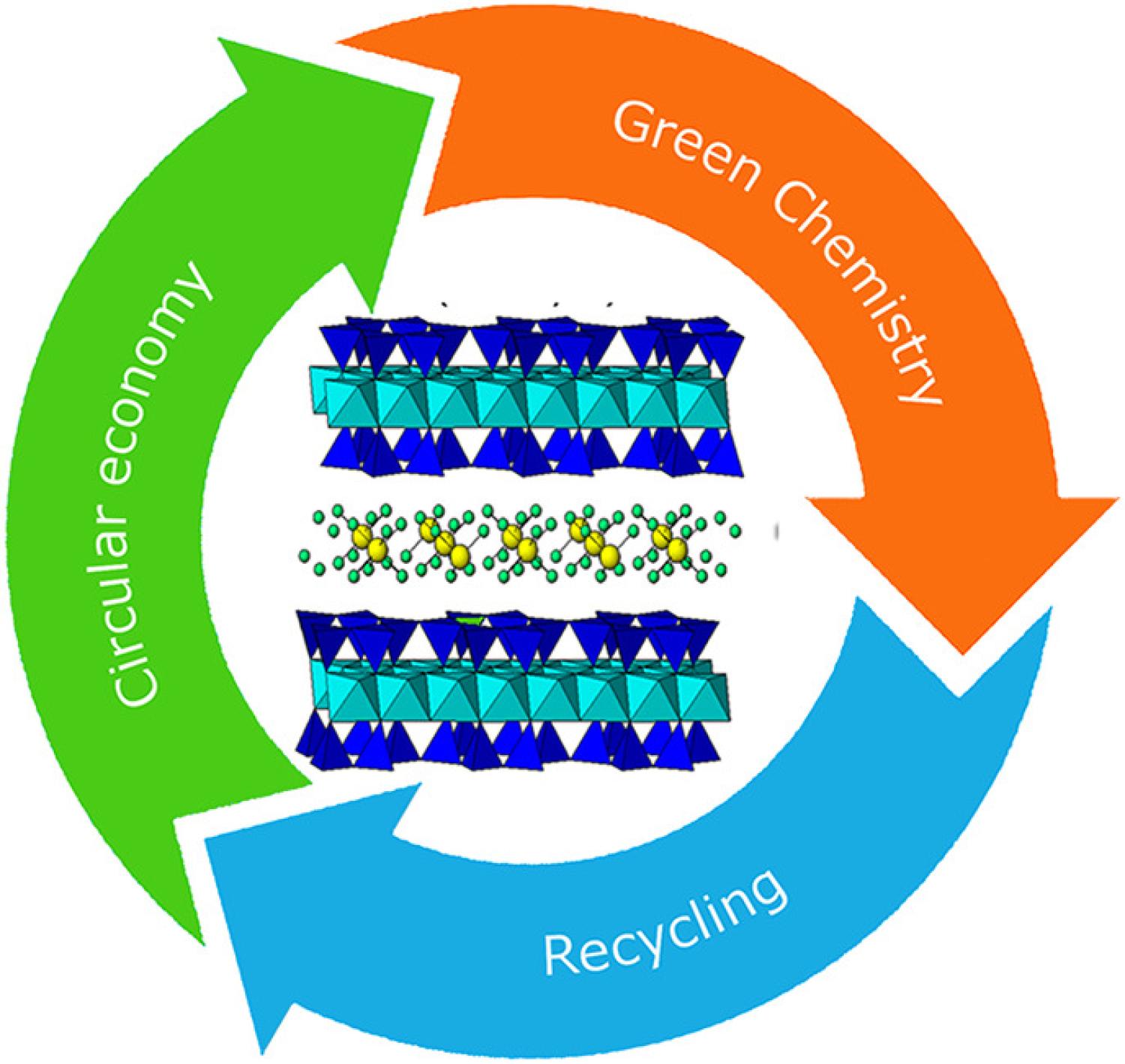
One of the main objectives of a sustainable development and circular economy is the recycling of by-products generated in industrial and agricultural production processes. One of the possible solution is the use of such by-product materials in the synthesis of environmental adsorbents.
Elsevier, Journal of Responsible Technology,
Volume 10,
2022,
100032
Volume 10,
2022,
100032
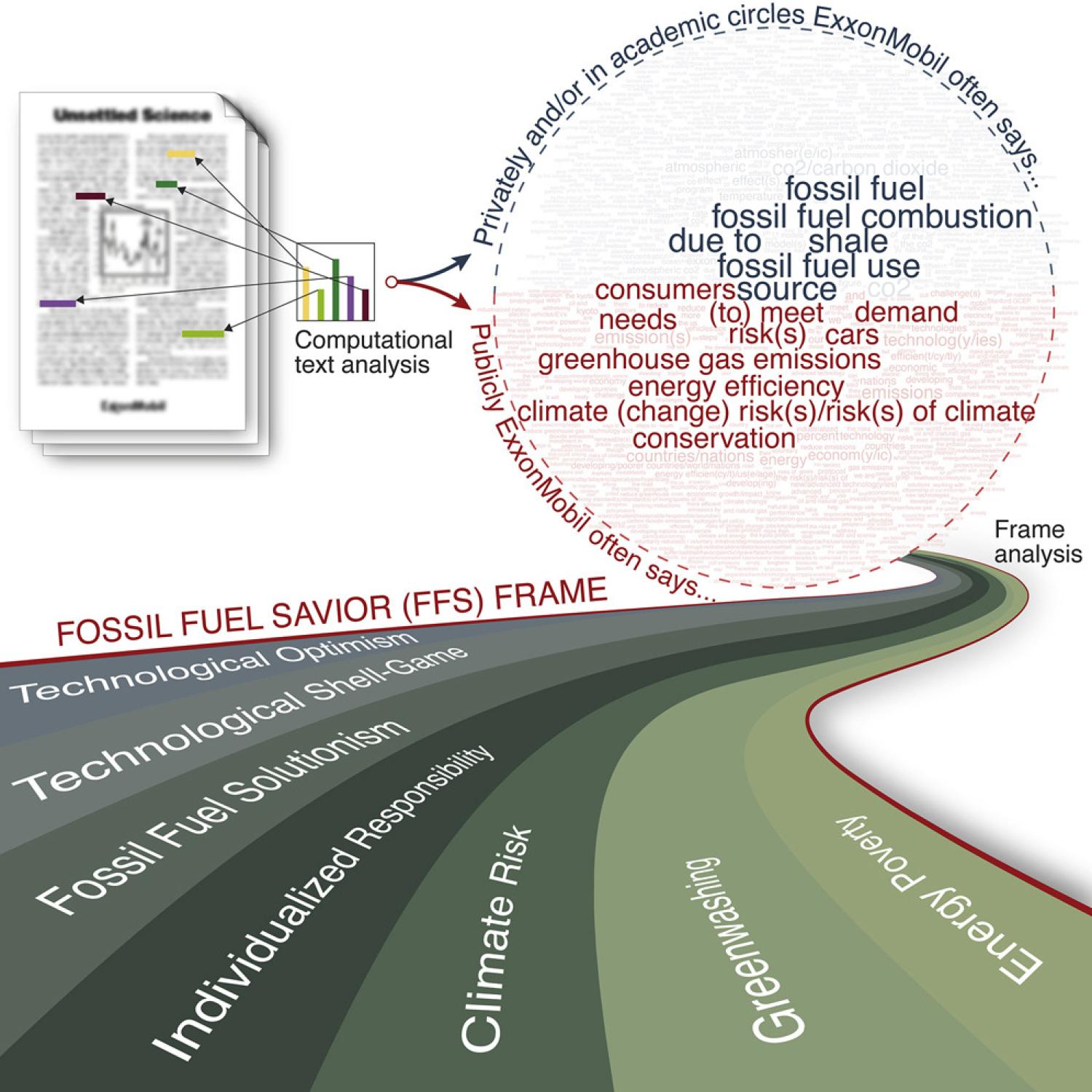
Examination of the life-centred design approach, which provides a more holistic perspective to the production of interactive products by decentring humans. Article puts forward a practical framework for life-centred design, allowing for environmental and ethical concerns to be highlighted.
Elsevier, Building and Environment,
Volume 223,
2022,
109500
Volume 223,
2022,
109500
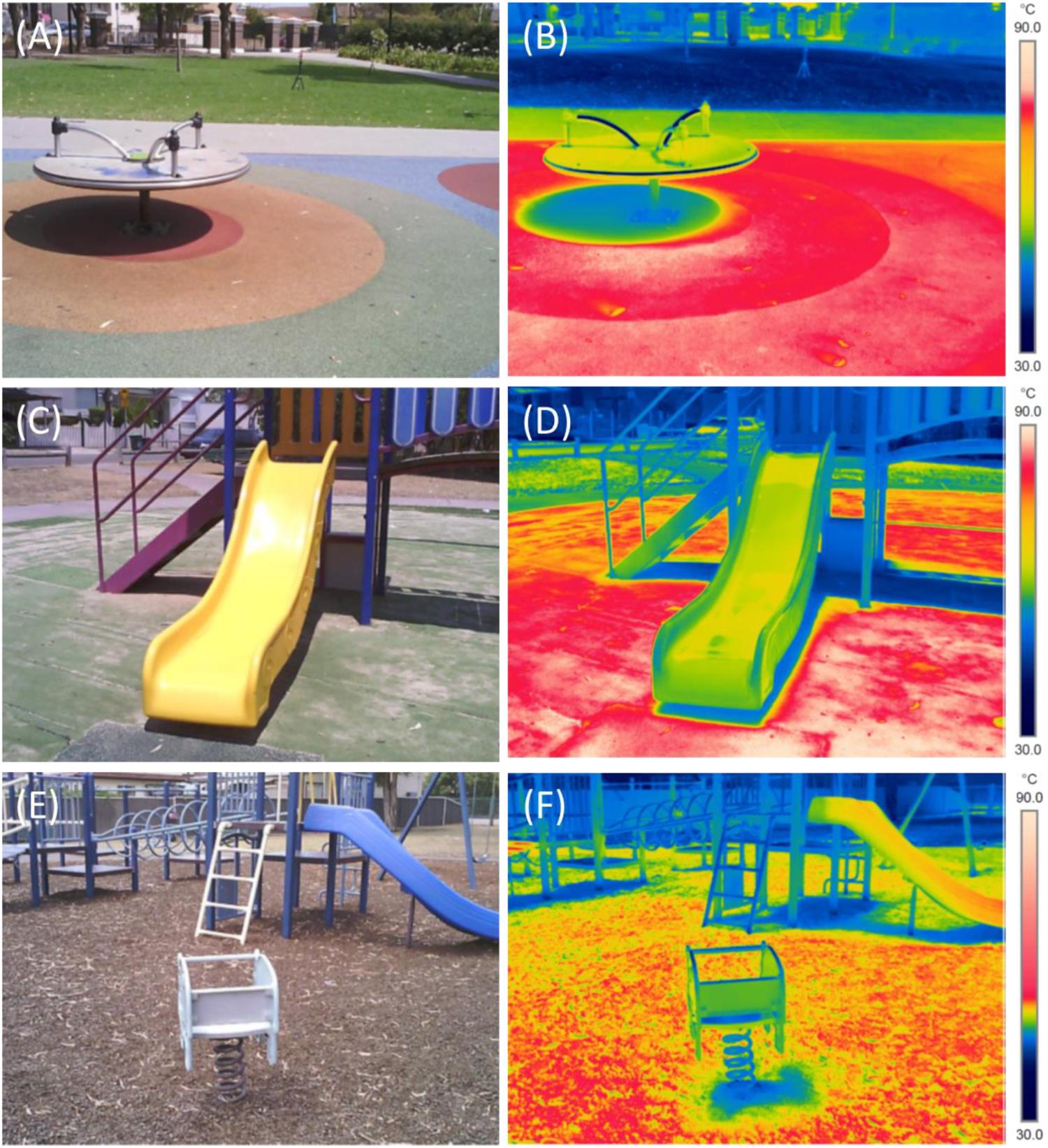
Selection of appropriate material type and colour-tone, together with the provision of shade can remove the hazard risk for contact skin burns from outdoor playgrounds. Results of this work will assist playground designers and managers to provide safer places for our children to play longer in increasingly warmer summers.
Elsevier, Building and Environment, Volume 223, September 2022, 109463
This new façade reduces the carbon footprint by over 34%; thermal conductivity by over 64% and reduces he related cooling energy by over 14%. The new façade can recover the additional cost investment after 3.5 years due to the energy savings.
Elsevier, The Journal of Climate Change and Health,
2022,
100148
2022,
100148
The Authors explore the compounding burden of the COVID-19 pandemic and climate change on Indigenous Peoples’ health, and present several case studies which outline novel Indigenous approaches and perspectives that address climate change, COVID-19 and future health threats.
Elsevier, The Journal of Climate Change and Health, Volume 8, October 2022, 100145
Children with special healthcare needs (CSHCN) are particularly susceptible to extreme weather events. The aim of this study is to contribute to the limited body of literature related to the climate crisis and CSHCN, and to summarize possible ways to improve the disaster preparedness of families of CSHCN.
Elsevier,
The Lancet Planetary Health,
Volume 6, Issue 9,
2022,
Pages e739-e748
An Article in support of SDGs 3, 13, and 15, examining the effects of environmental degradation and climate variation on re-emergence of malaria transmission.
Elsevier,
The Lancet Planetary Health,
Volume 6, Issue 9,
2022,
Pages e726-e738
An Article in support of SDGs 3 and 13, assessing psychological responses among young people to the COVID-19 pandemic and climate change, particularly focusing on mental health conditions and feelings of agency.
Elsevier, The Lancet Regional Health - Americas,
Volume 7,
2022,
100148
Volume 7,
2022,
100148
A Review on the advances in health, science, and technology in Peru over the past two centuries, in the context of SDGs 3, 9, and 10, highlighting how health-related challenges, including climate change, will shape national policy to ensure the future health and wellbeing of the population.
Elsevier, The Journal of Climate Change and Health,
Volume 6,
2022,
100121
Volume 6,
2022,
100121
The present study conducted a systematic literature review on the related effects, mechanisms of vulnerability, and adaptive responses and coping strategies to climate change related mental health impacts specific to global Indigenous Peoples.
Elsevier, The Journal of Climate Change and Health, Volume 3, August 2021, 100028
Sea level rise (SLR) has and will continue to impact coastal communities in the coming decades. Despite the widespread availability of data on SLR projections, little is known about the differential impact of SLR on minority or economically disadvantaged populations. In this study, we aim to identify the geographic areas in which low-income and communities of color along the North and South Carolina coastline in the United States will experience the most severe effects of SLR.
Elsevier, The Journal of Climate Change and Health,
Volume 3,
2021,
100035
Volume 3,
2021,
100035
Both short-term and chronic exposure to fine particulate matter air pollution (PM2.5) are known to cause a host of adverse health outcomes, including premature death. This paper will review sources, health impacts and health inequities associated with PM2.5, and will frame PM2.5 as both a social and structural determinant of health.
Elsevier, The Journal of Climate Change and Health,
Volume 8,
2022,
100166
Volume 8,
2022,
100166
This scoping review assesses the state of peer-reviewed literature on the health risks associated with climate change in the 21 Pacific Island states, analyzing quantitative and qualitative studies focusing explicitly on health outcomes, as well as studies focusing on health determinants or potential mediators along the climate-health pathway.
Elsevier, The Journal of Climate Change and Health,
Volume 8,
2022,
100126
Volume 8,
2022,
100126
The aim of this review was to synthesize evidence around the nexus between climate and health in the Caribbean, thereby presenting a more concise understanding of the current impact on vulnerable low-lying and coastal communities.
Elsevier, The Journal of Climate Change and Health,
Volume 6,
2022,
100107
Volume 6,
2022,
100107
The Philippine government included the health impacts of climate change as a priority area for research funding. An analysis of stakeholders was done to assist the government in engaging research and government stakeholders in producing climate change and health research.