This study contributes to Goal 15 - Life on Land because it shows that tree growth to temperature change is a combination of short-term plastic and long-term adaptive reactions, and it suggests a limited adaptation to climate warming of trees growing at high altitudes. Such studies remind us that Life on Land as we know it currently will only be possible through conservation of natural ecosystems.

World Environment Day 2023 is a reminder that people’s actions on plastic pollution matters. The steps governments and businesses are taking to tackle plastic pollution are the consequence of this action.
It is time to accelerate this action and transition to a circular economy. It is time to #BeatPlasticPollution.
Elsevier, Plant Science, Volume 324, November 2022, 111427
In this study, ornamental tobacco floral nectar was found to be the source of numerous peptides, some showing antifungal or antibacterial activities. The characterization of these peptides could open new roads of research with potential applications in crop protection and pollination, public health and, more generally, biotechnologies.
Elsevier, Mutation Research - Reviews in Mutation Research, Volume 791, 1 January 2023, 108453
There is a growing concern regarding the potential health effects that continuous exposure to environmental micro- and nano-plastics (MNPLs) may cause on humans. Due to their persistent nature, MNPLs may accumulate in different organs and tissues and may induce in the long term the development of cancer. The present study aimed to review the existing literature on the carcinogenic potential of MNPLs.
Elsevier, One Earth, Volume 5, 15 April 2022, Pages 361-376
The plastic sector is hard to decarbonize due to the widespread use of fossil energy as raw materials and the complex value chains rooted across global markets. This Review article takes a synthesis of existing literature and discusses potential and challenges in deep decarbonizing the global plastic sector via the aspects of technology and governance.
Elsevier, Green Analytical Chemistry, Volume 3, December 2022
How to determinemicroplatsctis in samples in a green way? Often sample preparation steps involve environmentally harmful chemicals. This artcile decsibes a robust, efficient and green sample preparation with a high separation quality.
Elsevier, Current Opinion in Green and Sustainable Chemistry, Volume 40, April 2023
This review artcile, with contributionsform allover the world, describes various approaches to convert plastic wastes into new products known as an efficient way to manage them and to enhance the sustainability of the environment.
Elsevier, Sustainable Chemistry and Pharmacy, Volume 29, October 2022
How serious is the pollution in the Mediterranean area by mircoplastics? This review paper analyzes the abundance, the marine contamination, and accumulation of mircoplastics in the Mediterranean basin. Also the impacts on the economic and environmental sector, and effects by country on general health and marine life.

Elsevier, Journal of Minimally Invasive Gynecology, Volume 29, September 2022
Obstetrician gynecologists, have a patient population that is more vulnerable to the negative impacts of climate change, and issues surrounding fertility and reproduction have not only immediate implications but also implications for future generations. It is only fitting that obstetrician gynecologists take the lead in advocating for safer and greener practices in the OR, hospital, and healthcare industry.
Elsevier, Sustainable Production and Consumption, Volume 37, May 2023
This study aims to identify the factors that constrain and enable the sustainability of reusable packaging systems, considering environmental, economic, social and technical dimensions. This research is critical to the effective implementation and scale-up of reusable packaging systems.
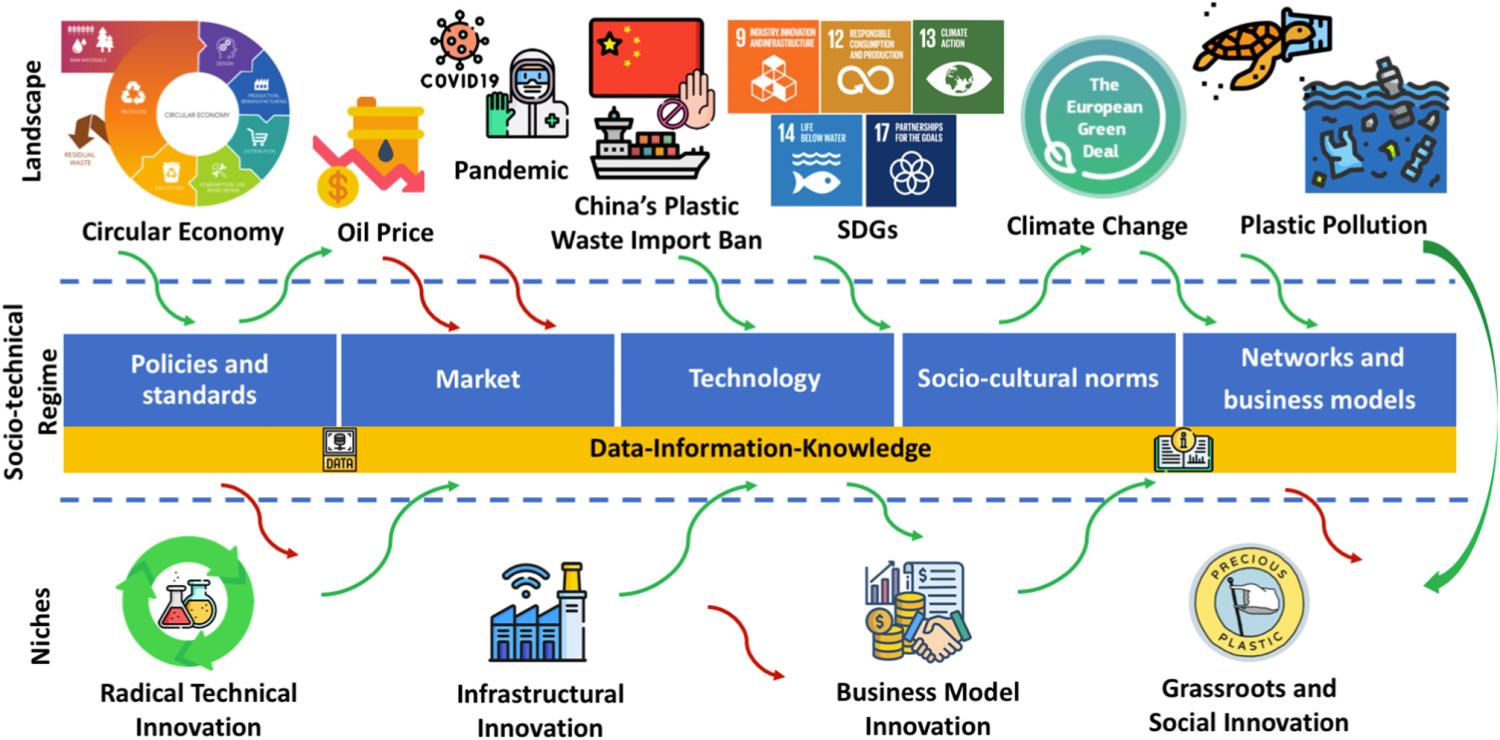
Elsevier, Sustainable Production and Consumption, Volume 33, September 2022
A system transition is required to reach greater circularity in the production and consumption of plastics and the achievement of SDG12. This paper has addressed a key gap in the literature, related to the role that data-information-knowledge play in hindering progress towards that transition.
Elsevier, Sustainable Production and Consumption, Volume 37, May 2023
Results from this study contribute to define a complete set of environmental and social data and information, which can help European decision makers to define new criteria for sustainable management of the waste plastics of interest. A new methodological approach has been proposed: it appears able to be applied in future research projects involving innovative management options.
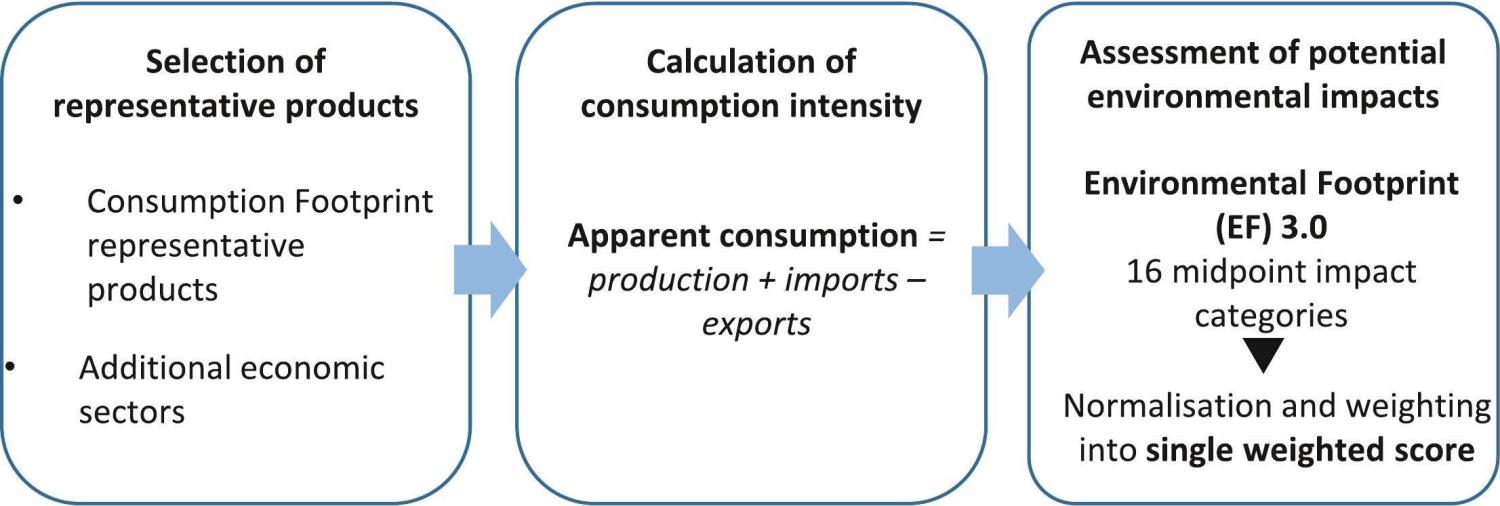
Elsevier, Sustainable Production and Consumption, Volume 37, May 2023
This paper explores the potential implementation of the Consumption Footprint rationale to define a footprint indicator for the EU Bioeconomy, henceforth ‘Bioeconomy Footprint’. This indicator can be a powerful tool for a comprehensive and effective monitoring of the bioeconomy sectors: to capture environmental impacts over time, identifying environmental hotspots, highlighting geographic and sectorial trade-offs, and identifying burden shifts among impact categories and along the supply chain.
Elsevier, Sustainable Production and Consumption, Volume 36, March 2023
This paper sought to explore similarities, variations and determinants of sustainable plastics consumption behavior within a sample of approximately 7600 respondents from eight European countries. We find that most consumers engage in sustainable plastics behavior during the usage phase, by reusing plastic containers and refilling water bottles. The regression analysis suggests that personal responsibility, having high values for nature, being a member of a nature organization and feeling knowledgeable about plastic pollution are important predictors of sustainable plastics consumption.
Elsevier, Sustainable Production and Consumption, Volume 33, September 2022
This article presented a comprehensive life cycle assessment (LCA) study comparing alternative medical-grade and protective-device-grade mask reuse options to the conventional single-use of surgical and FFP3 masks, respectively. The study focuses on the UK, but the results and conclusions are applicable to other healthcare settings.
Elsevier, Sustainable Production and Consumption, Volume 35, January 2023
This research aimed to determine how interested people are in bio-based bottles. We also compared bio-based options to the fossil-based industry standard and determined consumer reactions to both. We measured consumer demand for bio-based plastic bottles as an alternative to a conventional (fossil-based) plastic bottle and investigated what conditions underlie this preference (e.g., bottle appearance).
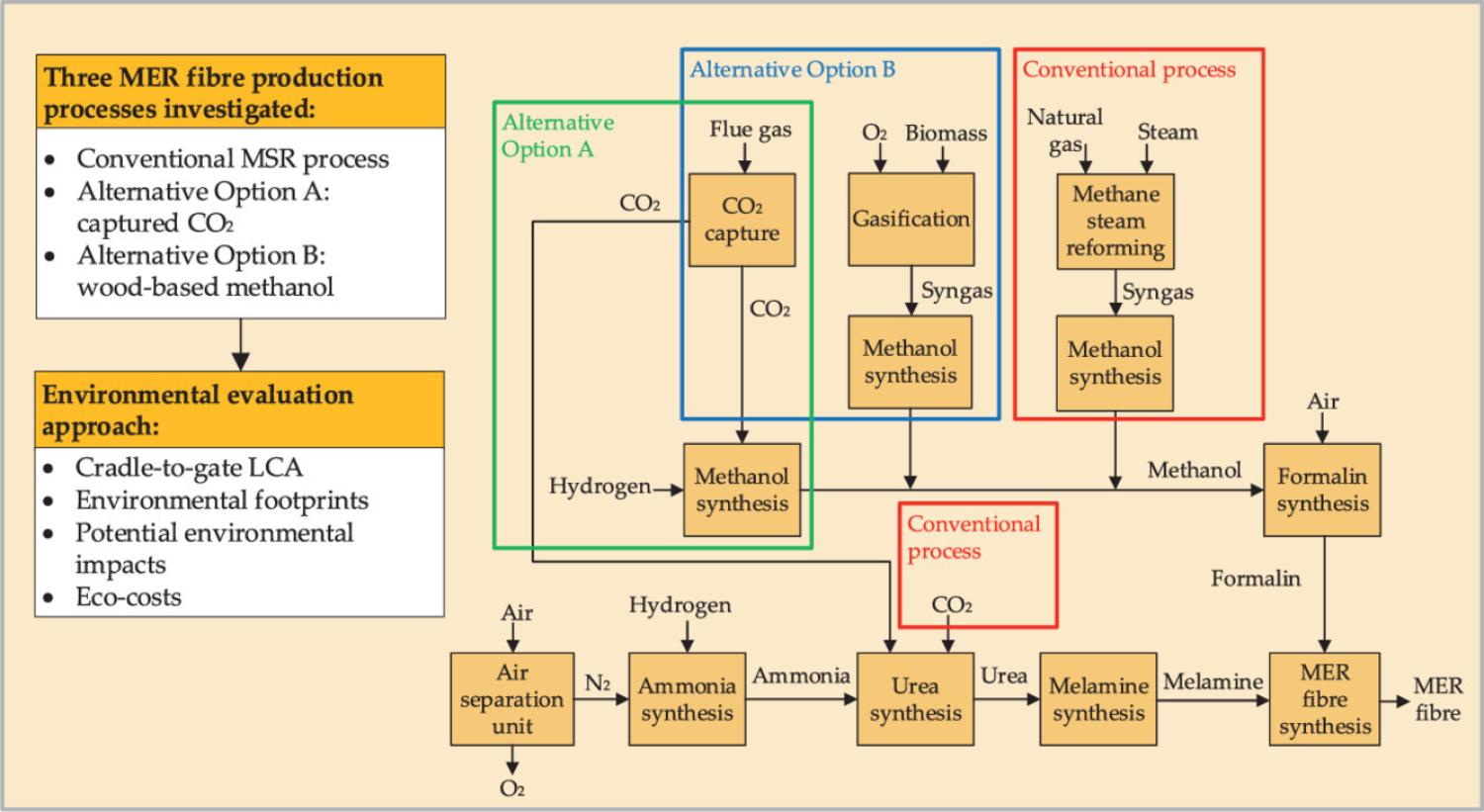
Elsevier, Plant Science, Volume 328, March 2023, 111572
Haloxylon ammodendron is a xerohalophytic shrub from deserts of Asia that can survive at very low soil water content. In this study, the authors provided evidence that the transcription factor HaASR2 plays a critical role in plant adaptation to drought and salt stress and, therefore, could represent a promising gene for the improvement of crop in arid environments.
Elsevier, Environmental and Experimental Botany, Volume 208, April 2023, 105236
This study contributes to Goal 2 - Zero Hunger beacuse it shows that gradual increases in CO2 will decrease the amount of calories supplied by starch in rice-based diets, therefore potentially having an impact causing hunger all over the world if further increases in CO2 in the frame of climate change are not prevented.
Elsevier, South African Journal of Botany, Volume 150, November 2022
Indigenous crops with diverse genotypes facilitate cultivation of crops that are ideally suited to particular sites by small-scale farmers, thus staving off poverty and hunger in local communities while promoting responsible consumption and production. This paper evaluates grain yield and nutritional qualities of a range of genotypes in an African crop plant.
Elsevier, The Lancet Global Health, Volume 1, December 2013
This Article supports SDG 3 by showing plausible outcomes associated with exposure to e-waste (end-of-life electrical and electronic waste), including change in thyroid function, changes in cellular expression and function, adverse neonatal outcomes, changes in temperament and behaviour, and decreased lung function.
Elsevier, The Lancet Respiratory Medicine, Volume 9, 2021
This Article supports SDG 3 by summarising global, regional, and national estimates of the burden of tracheal, bronchus, and lung cancer and larynx cancer and their attributable risks from 1990 to 2019, and highlighting the importance of preventive measures such as smoking control interventions, air quality management programmes focused on major air pollution sources, and widespread access to clean energy.
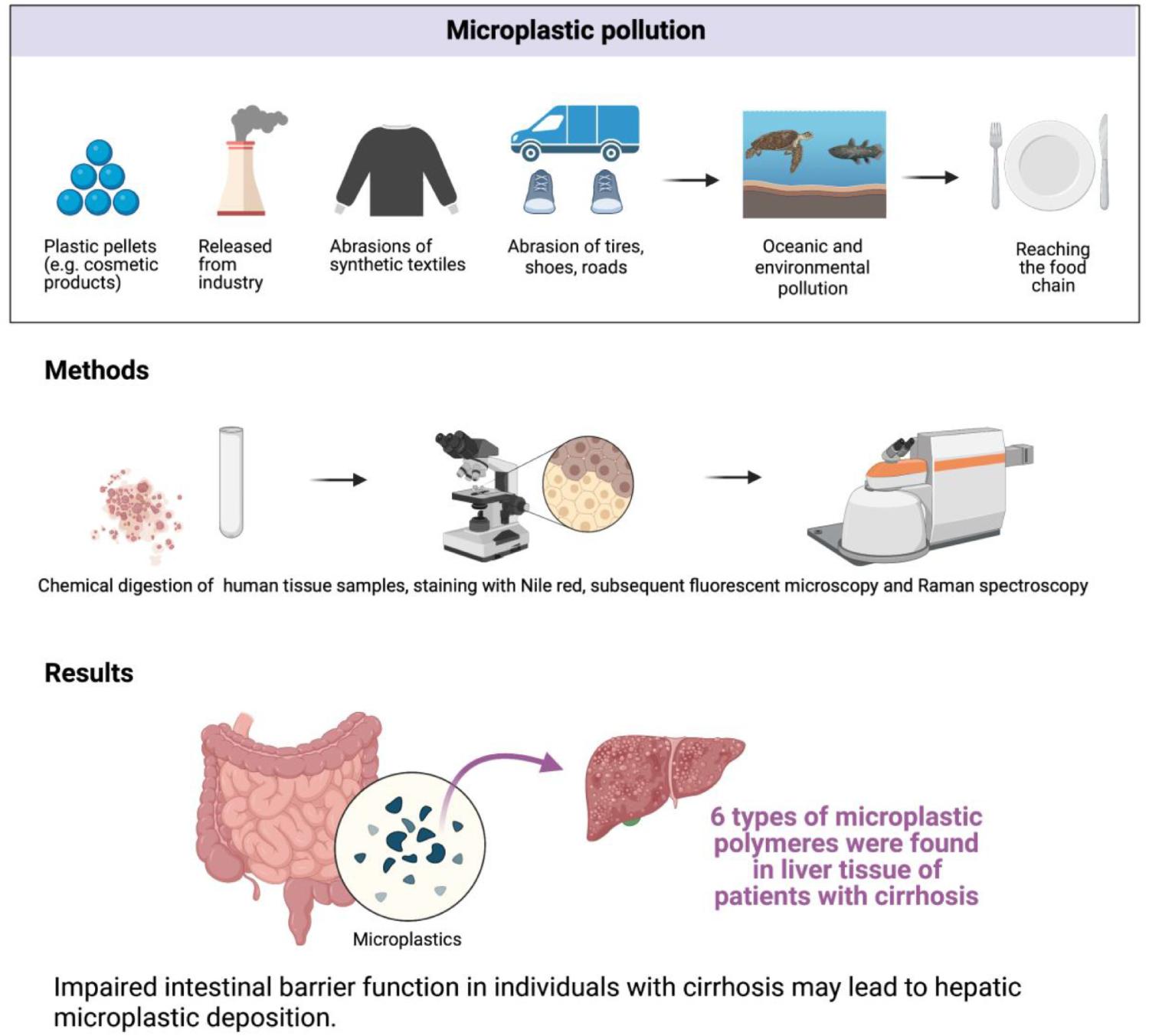
Elsevier, The Lancet Infectious Diseases, Volume , 2022
This Article supports SDG 3 by highlighting the importance of addressing risk factors such as child wasting, smoking, ambient particulate matter pollution, and household air pollution, to reduce the mortality rate and health disparities due to lower respiratory infections.
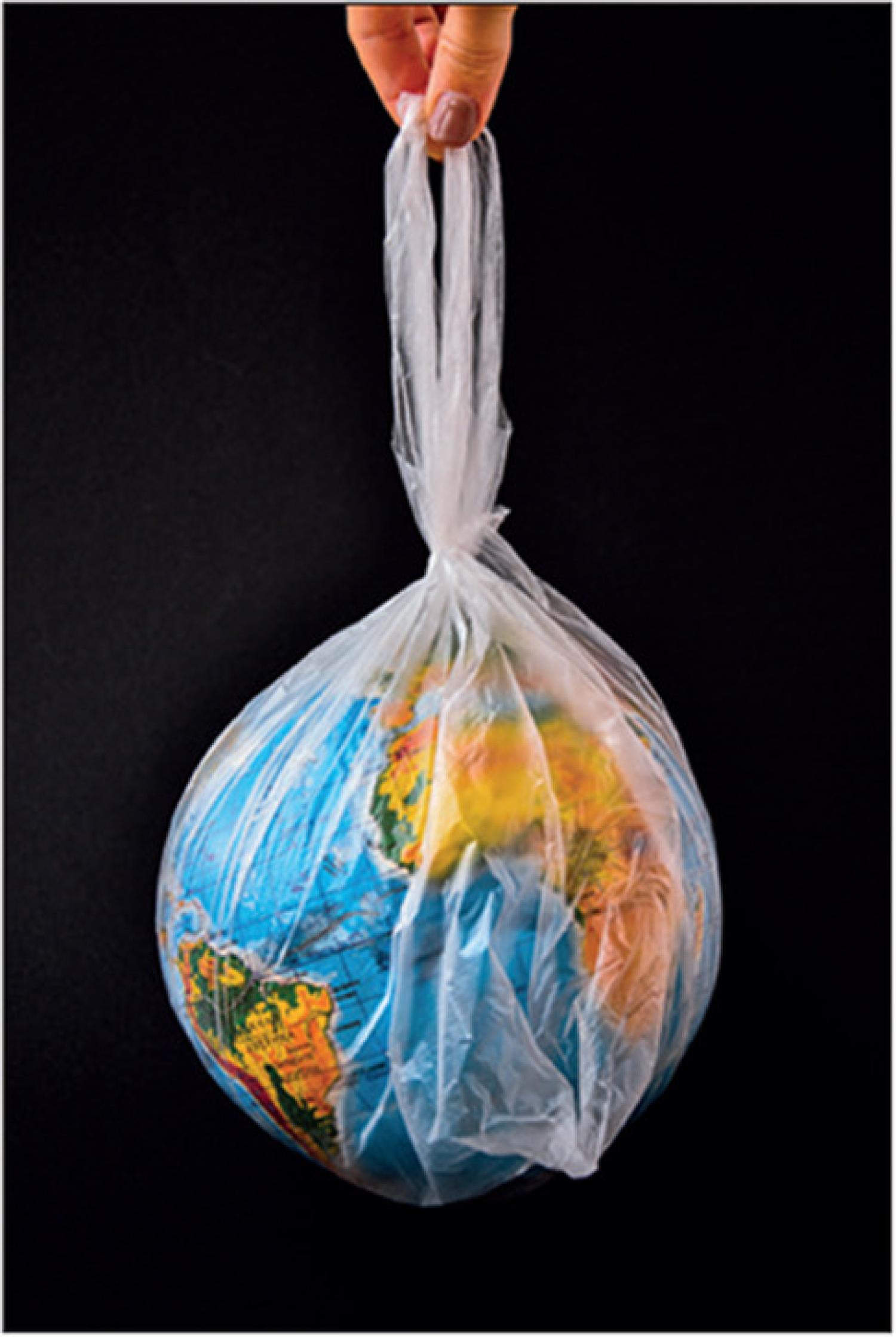
Elsevier, The Lancet Diabetes and Endocrinology, Volume 10, September 2022
This Comment supports SDG 3 by highlighting the environmental and endocrine healths harms from plastics and the need to reduce production and use of plastics. It describes the launch of negotiations to produce a global treaty aimed at achieving this goal.
Elsevier, The Lancet Planetary Health, Volume 7, February 2023
This article supports SDG 3 and 9 by describing a survey of health-care workers in New Zealand on the acceptability of PPE disinfection and reuse to reduce waste and increase availability and sustainability; the survey that this practice was common and had high acceptability, contingent on availability of scientific evidence in support of the disinfection process, and workers' trust in the organisation undertaking the disinfection
Elsevier, The Lancet Planetary Health, Volume 6, October 2022
This Personal View supports SDG 3 by explaining how plastic waste can facilitate the proliferation and propogation of infectious diseases, including arthropod-borne and water-borne diseases, among its other negative effects on the environment
Elsevier, Heliyon, Volume 8, March 2022
Pollution by polymeric materials - in particular plastics - has a negative effect on the health of our planet. Approximately 4.9 billion tons of plastic are estimated to have been improperly disposed of, with the environment as their final destination. This scenario comes from a linear economic system, extraction-production-consumption and finally disposal.
Elsevier, Heliyon, Volume 7, February 2021
Plastic products have played significant roles in protecting people during the COVID-19 pandemic. The widespread use of personal protective gear created a massive disruption in the supply chain and waste disposal system. Millions of discarded single-use plastics (masks, gloves, aprons, and bottles of sanitizers) have been added to the terrestrial environment and could cause a surge in plastics washing up the ocean coastlines and littering the seabed.
Elsevier, Environment International, Volume 174, April 2023
The current review on atmospheric M/NPs is therefore focusing on sampling, sample preparation and identification methods. The approach will enable knowledge gaps to be identified, and recommendations to be made to support standardized and comparable future research
Elsevier, Food Research International, Volume 162, December 2022
Green technologies (e.g., green preservation, processing, extraction, and analysis) and Industry 4.0 (e.g., artificial intelligence, big data, smart sensors, robotics, blockchain, and the Internet of Things) technologies rapidly becoming a valuable part of meeting the Sustainable Development Goals (SDGs)over the past decade. These technologies demonstrate high potential to foster ecological and digital transitions of food systems, delivering societal, economic, and environmental outcomes. While a range of green technologies has already provided innovative solutions for major food system transformations, the application of digital and other Industry 4.0 technological innovations is yet to be adopted to harness their full potential to achieve a healthier, smart, more sustainable, and more resilient food future.
Elsevier, Future Foods, Volume 6, December 2022
Consumer behaviour towards nanopackaging, one of the most promising trends in food packaging, is systematically reviewed. Social norms, social concerns, and social media behavior are the social factors that drive consumer behaviour; while motivation, perception, learning, attitudes and beliefs, personality, and habits are the main psychological factors driving the consumer decision on buying or adopting the new trend in food packaging. Efforts supported by scientific evidence are needed to raise the awareness, knowledge and trust of consumers to improve consumers perception of sustainable packaging solutions.
Elsevier, Applied Food Research, Volume 2, June 2022
Brewer's spent grain (BSG), a protein-rich agro-industrial by-product, was used to develop edible film. The effect of pH and protein concentration on the physical properties of films were studied. While high pH favors the increase in the protein film's solubility, with increased tensile strength, elongation at break, and puncture strength; swelling capacity, water activity, and water vapor permeability (WVP) decreased with increasing pH. Increased concentrations of protein in films resulted in enhanced moisture content, mechanical properties, and water activity. Furthermore, the transparency values of films were increased by increasing pH and decreased by increasing the protein concentration.
Elsevier, Applied Food Research, Volume 2, June 2022
Edible film, with unique biodegradable and renewable characteristics, is considered a potential alternative for petroleum-derived polymer packaging. The review provides an overview on the various aspects of edible film, such as the film formulation, source of materials, film characteristic as well as safety and regulations of edible film applications.
Elsevier, One Earth, Volume 5, 15 April 2022
Phthalates are used in plastic production to make plastic products more durable, but they can reliease toxic pollutants via airborne that cause varios metabolic disorders. This research article evaluates the potential health benefits in terms of reducing metabolic disorders (e.g. diabetes & obesity) via strengthening the standards on the use of phthalates in China, the world's leading markets of phthalates.
Elsevier, One Earth, Volume 5, 17 June 2022
Local actions have been considered as an important path for effective climate actions, but the extent to which community-level plastic waste elimination actions can be effective in coastal regions are unclear. This article leverage a nation-wide case study in Australia to show that community-level plastic pollution reduction actions can result in large benefits, regardless whether the plastic pollution was originated from the community or not.
Elsevier, Circularity of Plastics: Sustainability, Emerging Materials, and Valorization of Waste Plastic, Volume 1, 1 January 2023
This chapter aligns with Goal 7: Affordable and clean energy by explaining that, as plastics are largely derived from fossil fuels, the valorizing of these waste plastics into value-added fuels or chemicals could help tackle the huge plastic waste deposition, contribute to a circular economy, and reduce reliance on the scarce hydrocarbon resource.
Elsevier, Plants and their Interaction to Environmental Pollution: Damage Detection, Adaptation, Tolerance, Physiological and Molecular Responses, Volume 1, 1 January 2022
This chapter aligns with Goal 15: Life on land by reviewing the effect of various types of environmental pollution on plant growth, development, physiological, molecular performance, and some other unexpected response to various types of environmental pollution.
Elsevier, Current Trends and Future Developments on (Bio-) Membranes: Membrane Technologies in Environmental Protection and Public Health: Challenges and Opportunities, Volume 1, 1 January 2022
This chapter aligns with Goal 3: Good health and well-being and Goal 15: Life on land by summarizing the mechanisms through which different forms of pollution impact human health, with particular emphasis on air, water, soil, and noise pollution.
Elsevier, Water and Climate Change: Sustainable Development, Environmental and Policy Issues, Volume 1, 1 January 2022
This chapter aligns with Goal 6: Clean water and sanitation and Goal 14: Life below water by compiling and analyzing available data in the literature on the distribution of plastics/MPs in global oceans/seas and rivers and estimated riverine plastics outflows to global oceans.
Elsevier, Relationship Between Microbes and the Environment for Sustainable Ecosystem Services, Volume 2: Microbial Mitigation of Waste for Sustainable Ecosystem Services, Volume 5, 1 January 2022
This chapter aligns with Goal 14: Life below water by explaining details of the various pollutants of aquatic sediments and their effects on the health of the aquatic ecosystem.
Elsevier, Biodegradability of Conventional Plastics: Opportunities, Challenges, and Misconceptions, Volume 1, 1 January 2022
This chapter aligns with Goal 3: Good health and well-being and Goal 15: Life on land by discussing the issues and consequences of agricultural plastic waste and the product safety associated with aesthetic pollution.
Elsevier, Biodegradability of Conventional Plastics: Opportunities, Challenges, and Misconceptions, Volume 1, 1 January 2022
This chapter aligns with Goal 3: Good health and well-being and Goal 9: Industry, innovation and infrastructure by discussing the applicability of biological processes for the remediation of plastics as sustainable practice and future implications of biodegradable polymers and composites in the automobile industry.
Elsevier, Present Knowledge in Food Safety: A Risk-Based Approach through the Food Chain, Volume 1, 1 January 2022
This chapter aligns with Goal 3: Good health and well-being by providing an overview of the food safety hazards related to microplastic pollution in food and agricultural systems.
Elsevier, Microbial Consortium and Biotransformation for Pollution Decontamination, Volume 1, 1 January 2022
This chapter aligns with Goal 6: Clean water and sanitation and Goal 3: Good health and well-being by arguing that SW resources, aquatic ecosystems, and unsuccessfully treated wastewater on water courses must be effectively treated to prevent hostile health risks that have long-term as well as short-term effects on human health.
Elsevier, Microbial Consortium and Biotransformation for Pollution Decontamination, Volume 1, 1 January 2022
This chapter aligns with Goal 6: Clean water and sanitation, Goal 3: Good health and well-being, and Goal 14: Life below water by summarizing different types of wastewater, its effects on freshwater ecosystem, and remedies to reduce the effect of these effluents on freshwater ecosystem and indirectly on humans.
Elsevier, Plastic Pollution and Marine Conservation: Approaches to Protect Biodiversity and Marine Life, Volume 1, 1 January 2022
This chapter aligns with Goal 14: Life Below Water and Goal 12: Responsible Consumption by providing an overview of marine plastic waste and policy options to promote a circular plastic economy.
Elsevier, Plastic Pollution and Marine Conservation: Approaches to Protect Biodiversity and Marine Life, Volume 1, 1 January 2022
This chapter aligns with Goal 6: Clean water and sanitation and Goal 14: Life below water by arguing that further steps for the optimal management of MPAs should aim to improve the efficiency of the whole plastic waste management cycle, thus preventing and reducing debris entering the marine environment.
Elsevier, Emerging Contaminants in the Environment: Challenges and Sustainable Practices, Volume 1, 1 January 2022
This chapter aligns with Goal 6: Clean water and sanitation and Goal 14: Life below water by prodiving an overview of environmental plastic abundance, sources and mitigation strategies.
Elsevier, Green Blockchain Technology for Sustainable Smart Cities, 2023, Pages 29-63
This chapter aligns with Goal 11: Sustainable cities and communities by adressing methods and regulations for reducing pollution, waste management, traffic, resource utilization, and energy consumption, as well as assuring public safety, a good standard of life, environmental sustainability, and cost management.
Elsevier, Current Developments in Biotechnology and Bioengineering: Microplastics and Nanoplastics: Occurrence, Environmental Impacts and Treatment Processes, 2023, Pages 387-403
This chapter aligns with Goal 6: Clean water and sanitation, Goal 13: Climate action, and Goal 14: Life below water by providing an overview of the state of knowledge of interactions between climate change and MPs/NPs.
Elsevier, Current Directions in Water Scarcity Research, Volume 6, 2022, Pages 21-43
This chapter aligns with Goal 6: Clean water and sanitation and Goal 14: Life below water by aiming to critically review previous research on the presence of heavy metals, microplastics, and organic contaminants in urban waters and to synthesize the current knowledge of various urban water pollution sources.
Elsevier, Plastics and Sustainability: Practical Approaches, 2023, Pages 1-43
This chapter aligns with Goal 3: Good health and well-being and Goal 12: Responsible consumption by providing an overview of types of commodity plastics, plastics and microplastics pollution, and availability of recycling methods.