For World Food Day 2022, RELX's Global Head of Corporate Responsibility, Dr. Márcia Balisciano, speaks to Dr. Rickey Yada.
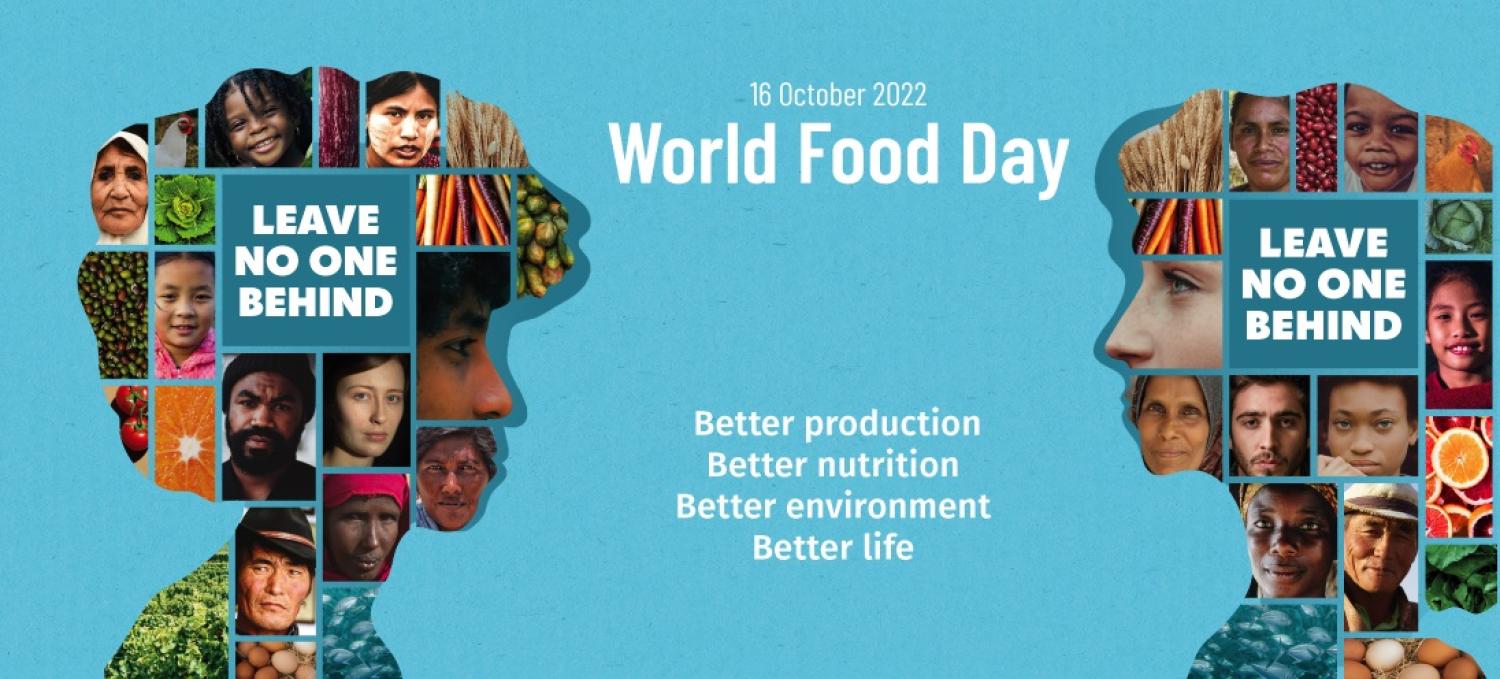
This year, World Food Day calls for global solidarity and collective action to make sure that no one is left behind through the transformation to more efficient, inclusive, sustainable and resilient agrifood systems for better production, better nutrition, a better environment, and a better life for everyone.
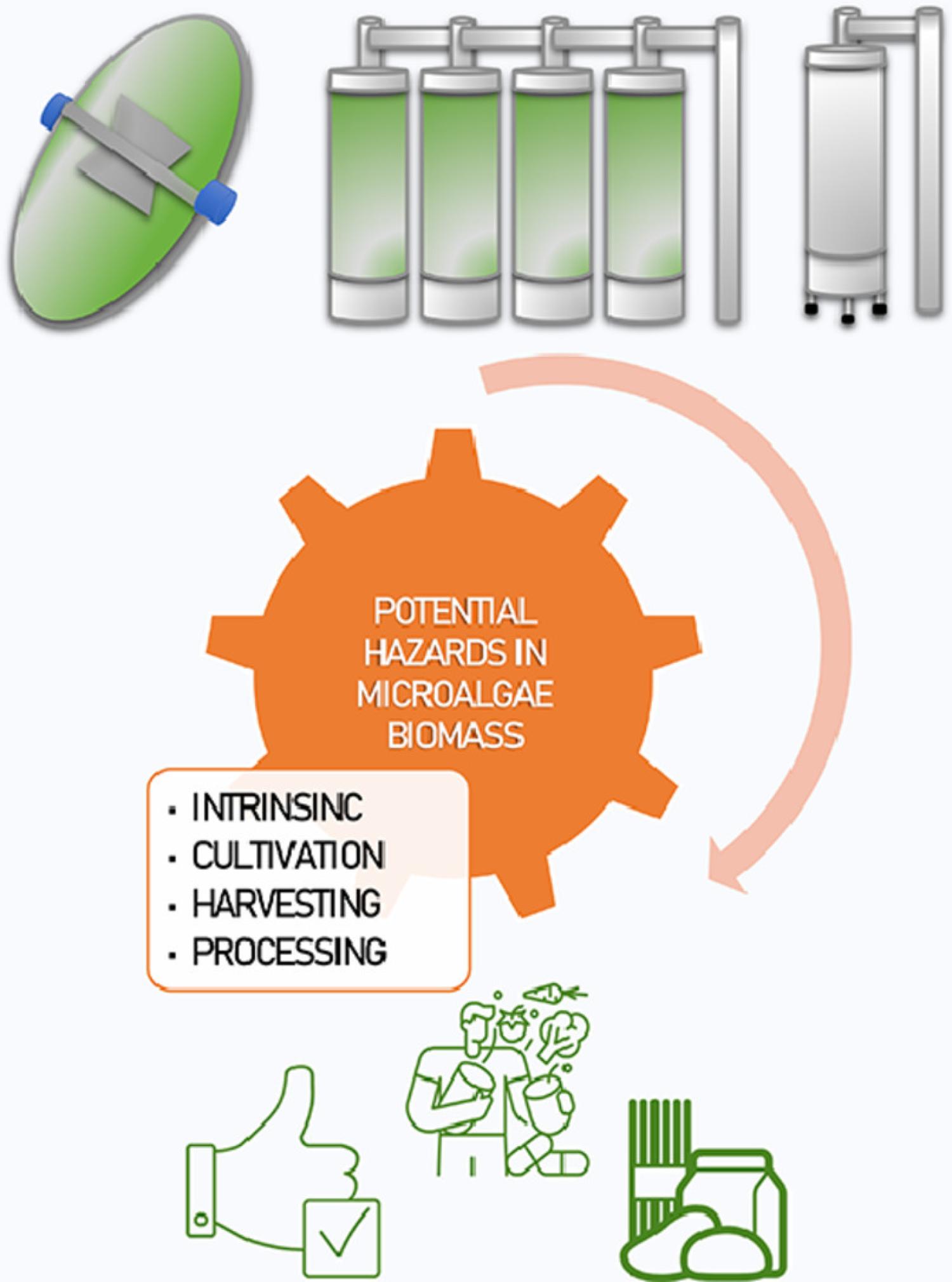
Elsevier, Food Chemistry: Molecular Sciences, Volume 4, 30 July 2022
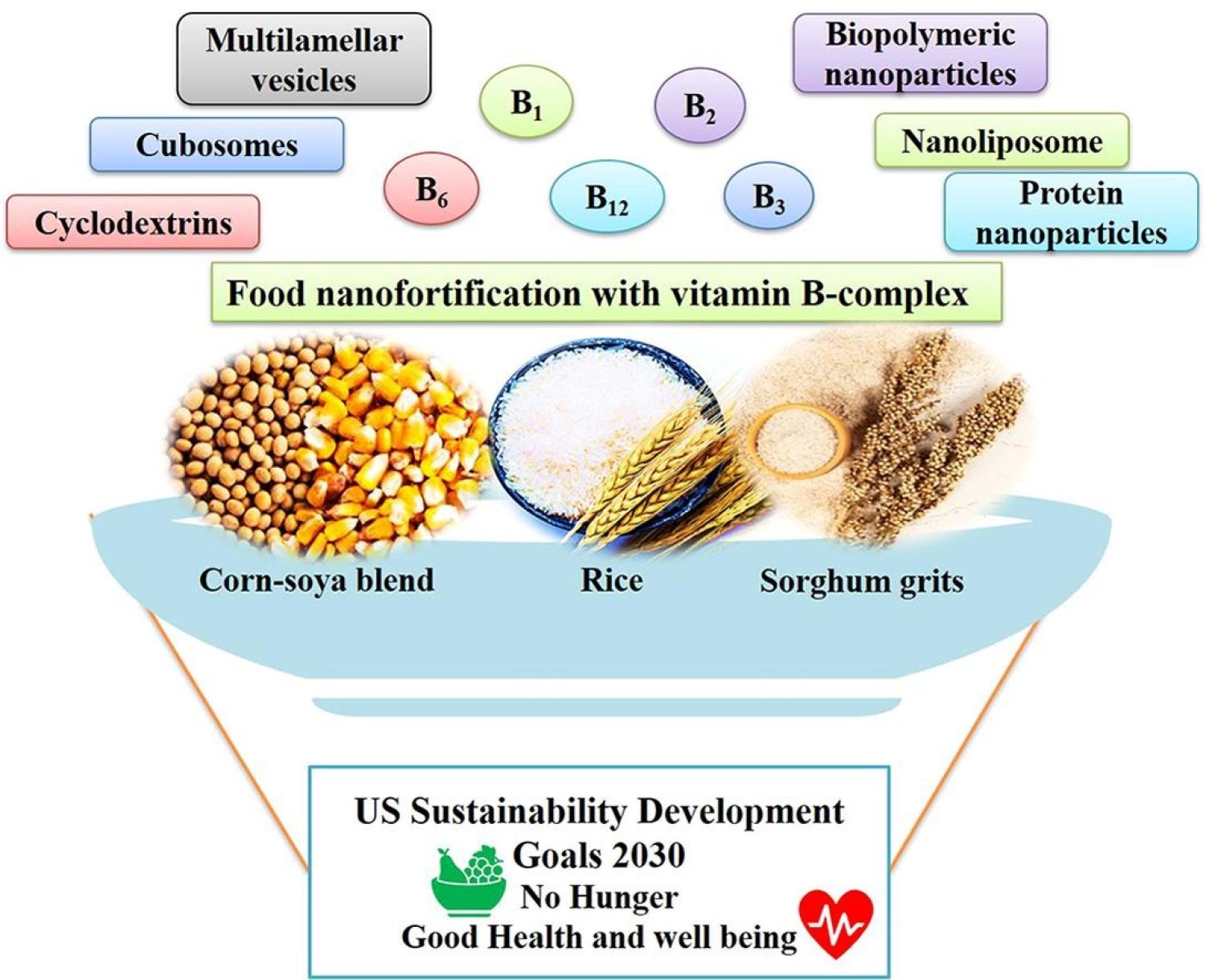
With the introduction of nanotechnology in the food industry, new and innovative techniques have started to develop, which holds a promising future to end malnutrition and help achieve United Nations Sustainable Developmental Goal-2 (UN SDG-2), named as zero hunger. This review highlights the need for nanofortification of vitamin B-complex in food matrix to address challenges faced by conventional fortification methods (bioavailability, controlled release, physicochemical stability, and shelf life).
Elsevier, Trends in Food Science and Technology, Volume 125, July 2022
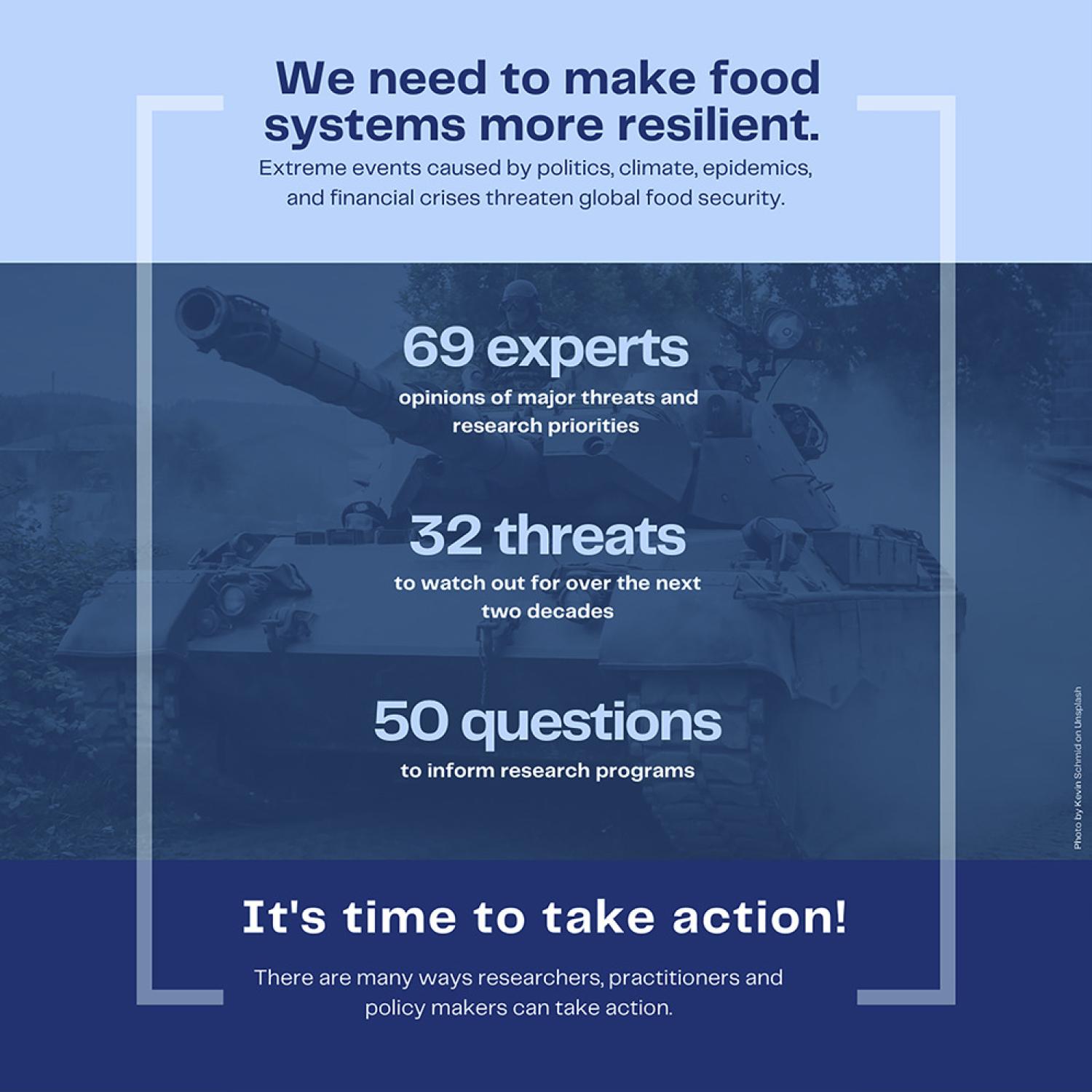
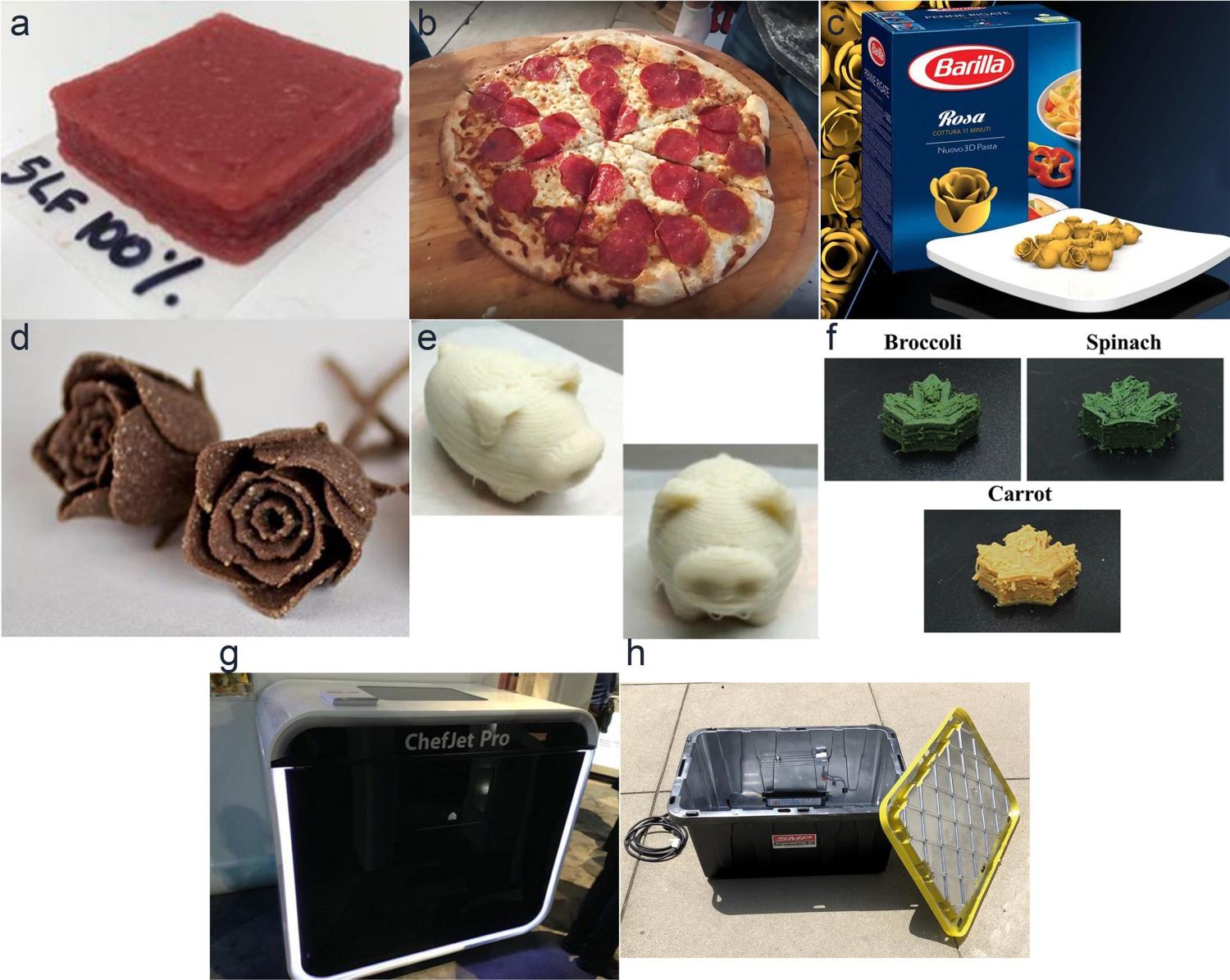
A radical transformation of the world food system is needed to meet the UN sustainable development goals and ensure food security, whilst maintaining the health of the people and the planet. There is an urgent need to accelerate innovation for more sustainable and healthy food systems.
Elsevier, Trends in Food Science and Technology, Volume 120, February 2022
The nexus of agri-food and sustainability in economic development has recently attracted the interest of policymakers, as global challenges like climate change and food security are revisited and reassessed. The critical role of food production in economic development has been emphasized through targeted agricultural quality policies. Many developed countries worldwide, including EU member states, have introduced food quality policies that could support sustainability.
Elsevier, Current Research in Microbial Sciences, Volume 3, January 2022
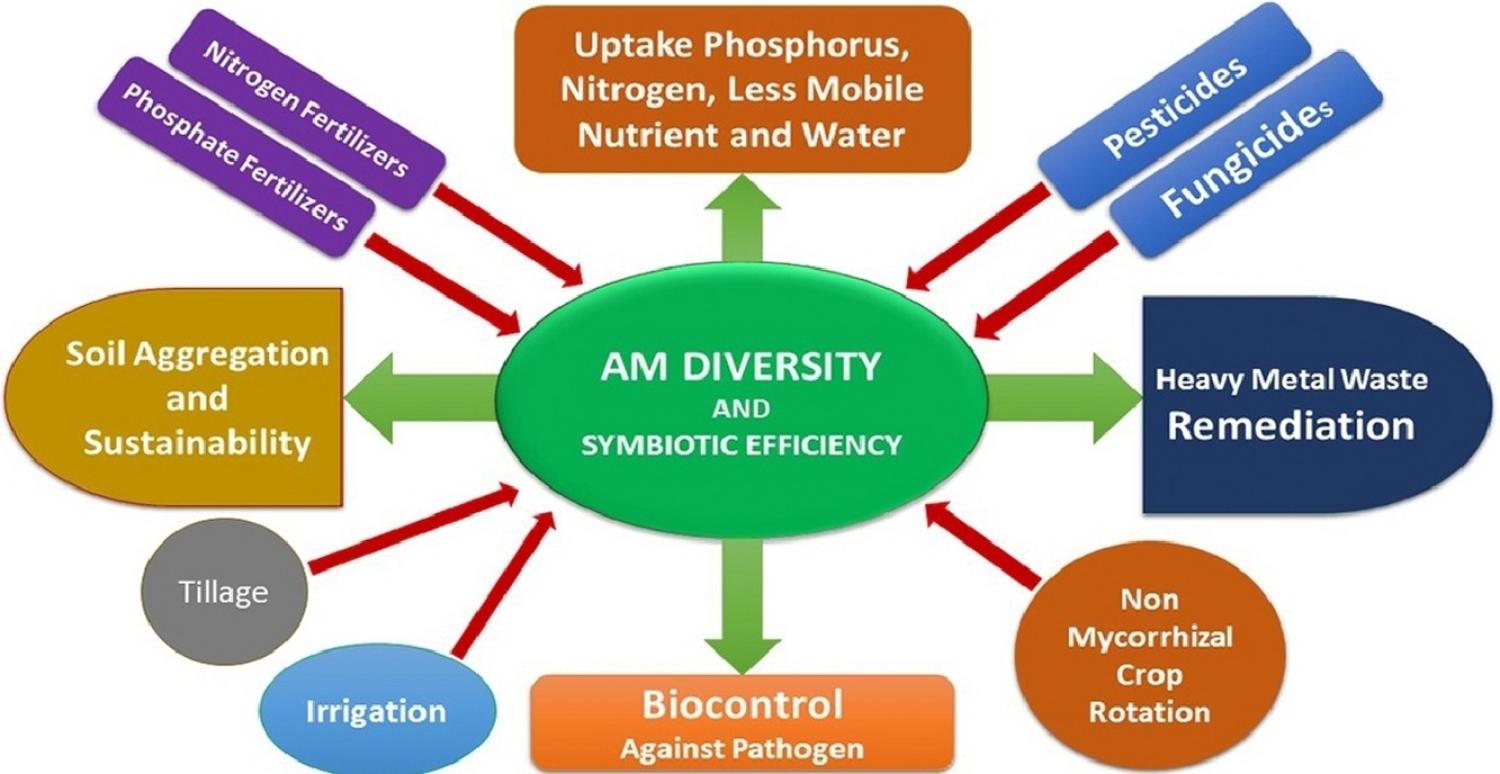
The present review highlights on the issues of hindrances in applicability of Arbuscular Mycorrhizal (AM) to the agricultural fields focusing on the mode of functions, maintaining soil and environmental sustainability; interactions with other biofertilizers and impact of various agrochemicals and agro-practices including tillage and crop rotation.
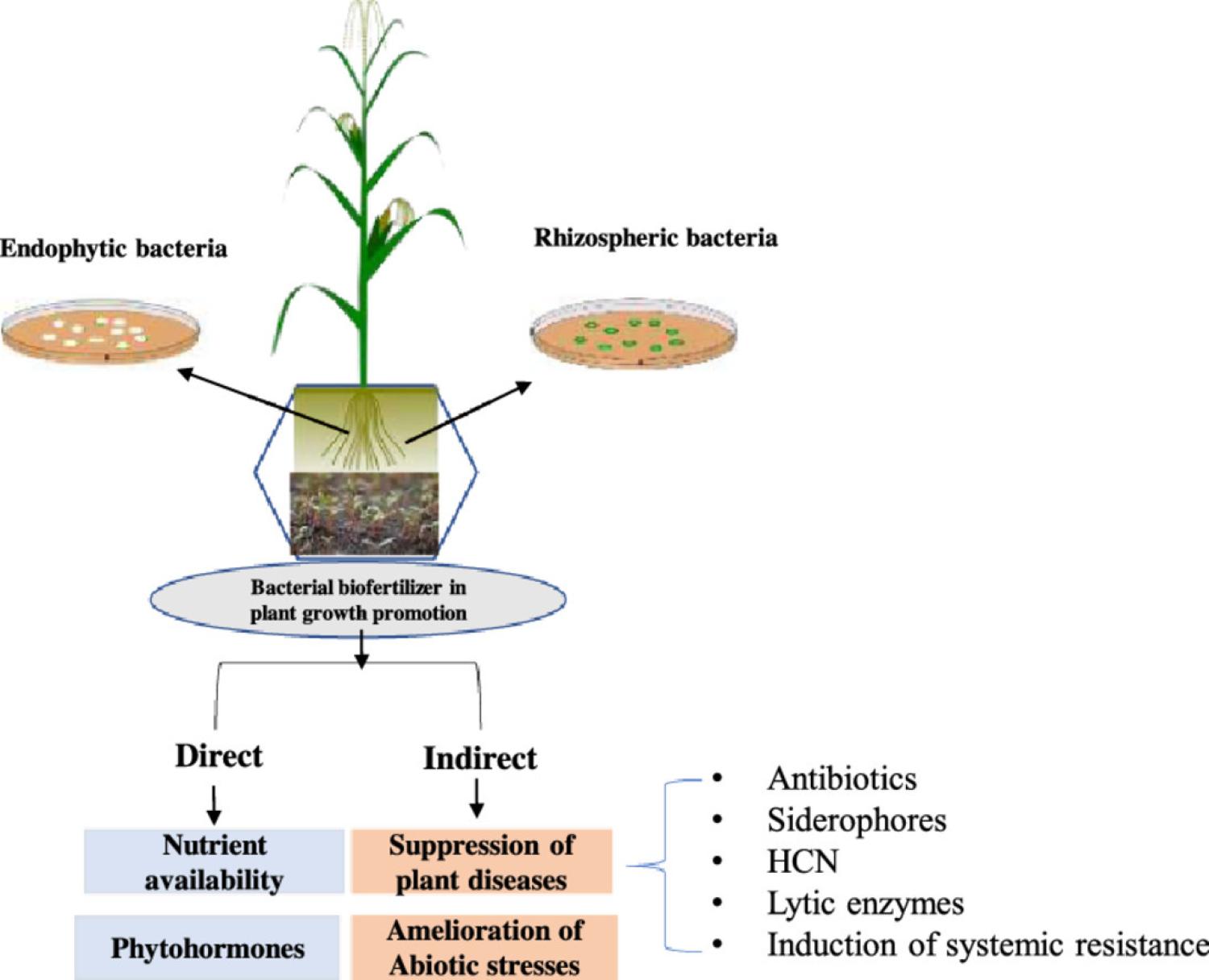
Elsevier, Current Research in Microbial Sciences, Volume 3, January 2022
This review critically examines the current state-of-art on use of microbial strains as biofertilizers and the important roles performed by these beneficial microbes in maintaining soil fertility and enhancing crop productivity.
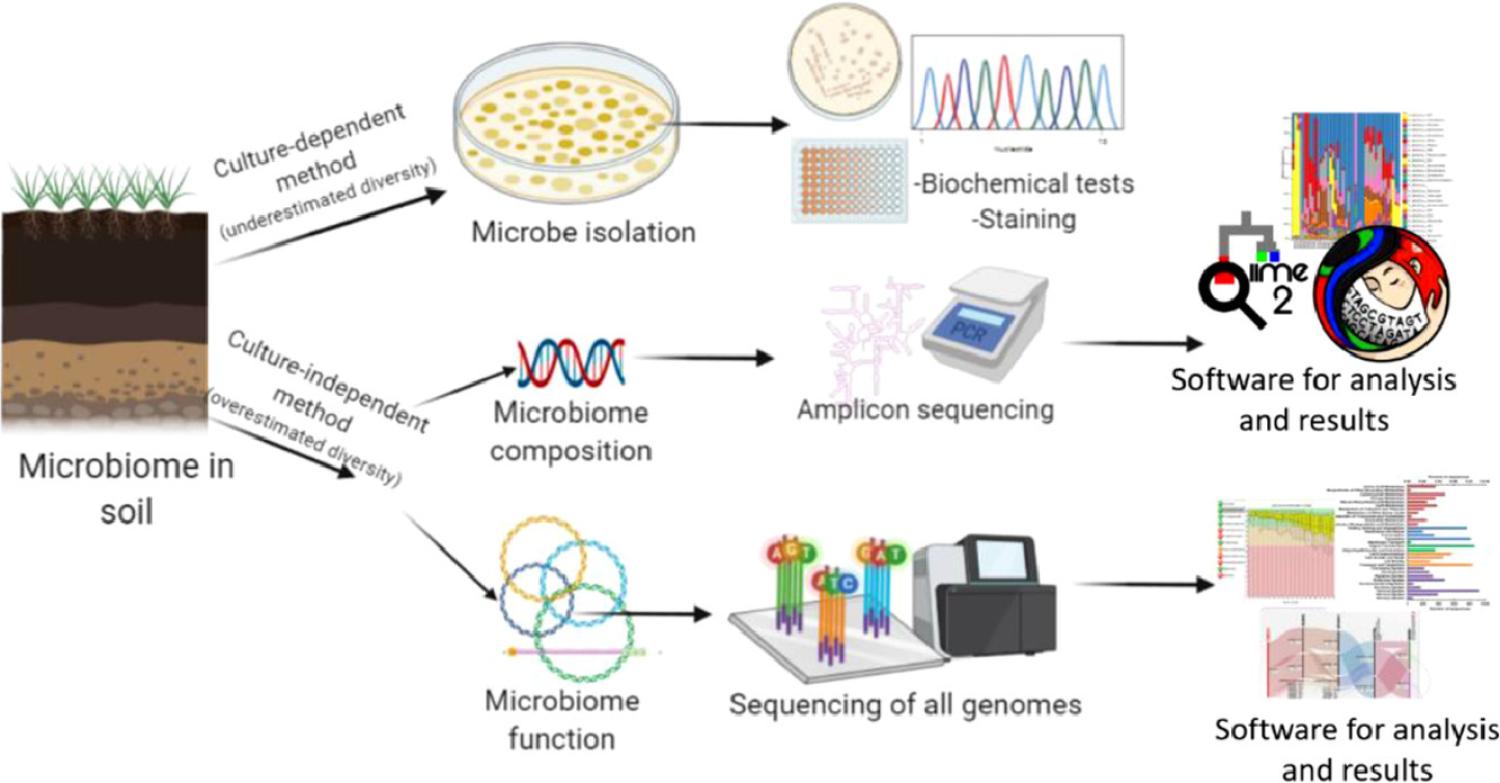
Elsevier, Current Research in Microbial Sciences, Volume 2, December 2021
In this review, we explore how agriculture is implementing the use of microbial inoculants (single species or consortia) to improve crop yields, and discuss current strategies to study plant-associated microorganisms and how their diversity varies under unconventional agriculture.
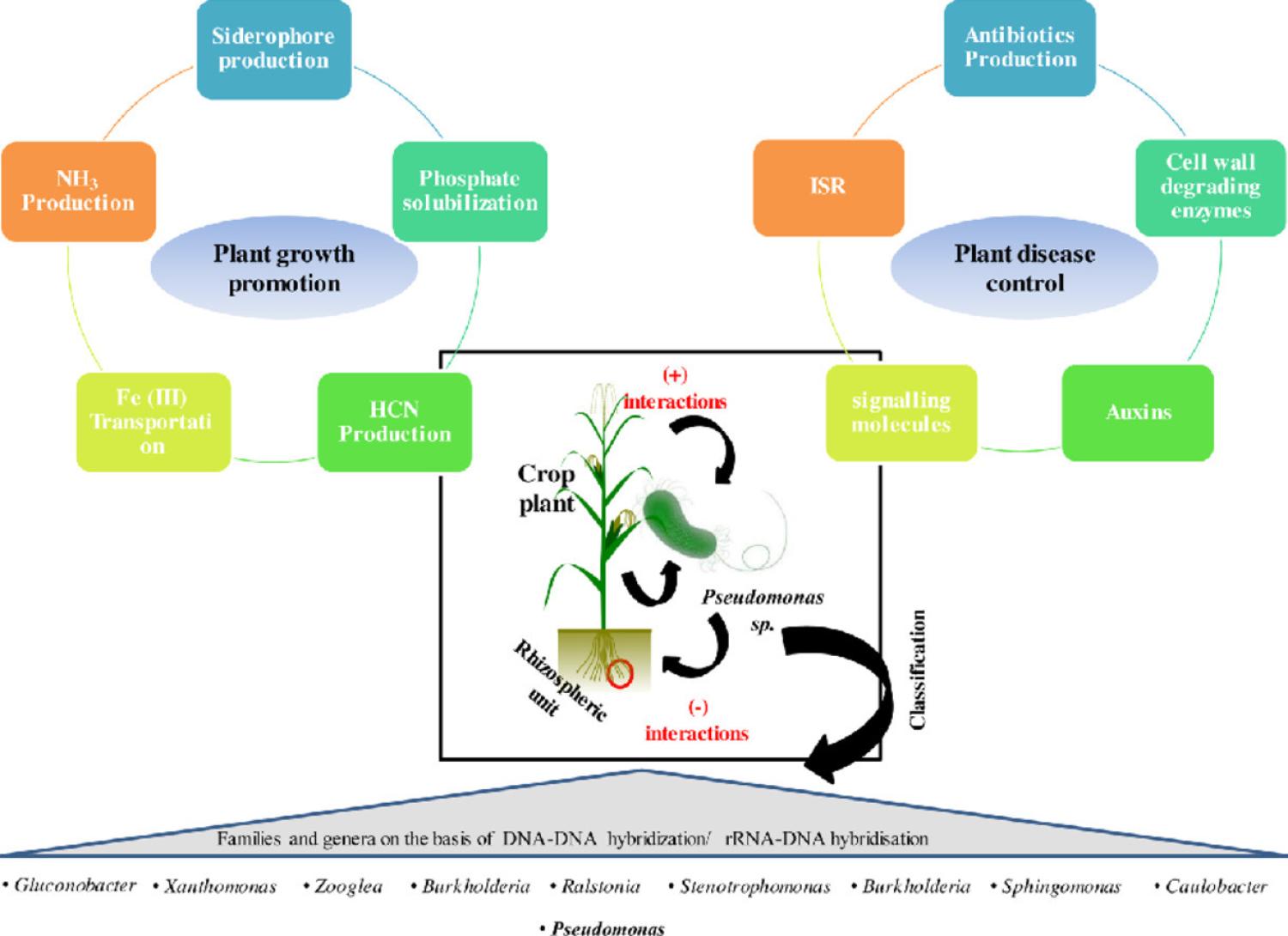
Elsevier, Current Research in Microbial Sciences, Volume 2, December 2021
Fluorescent and non-fluorescent species of Pseudomonas are important for plant growth promotion, phytopathogenic control and plant disease management. Ecologically significant applications of Pseudomonas in biocontrol and bioaugmentation are crucial for maintaining food security.
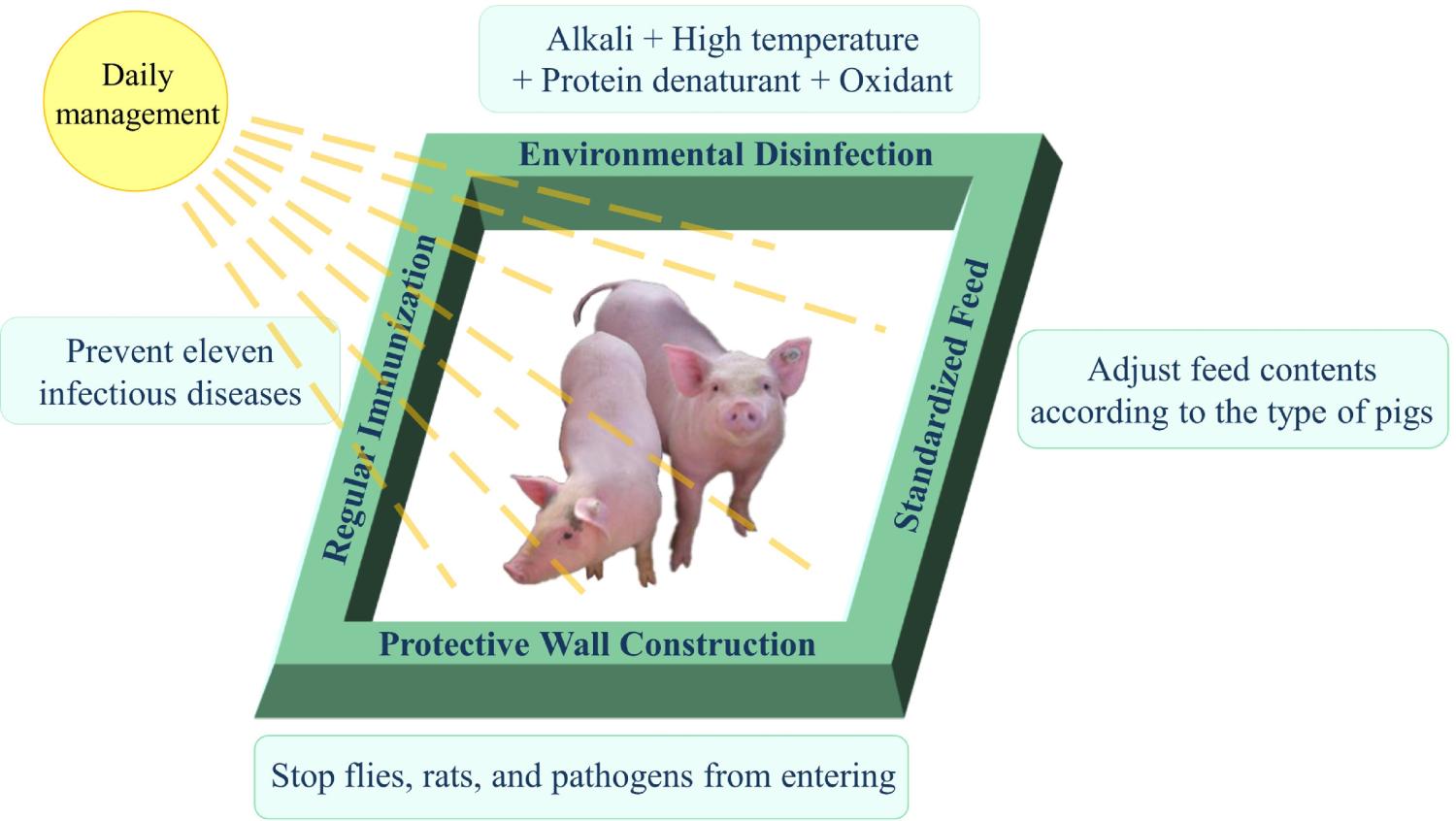
Elsevier, Current Research in Microbial Sciences, Volume 2, December 2021
African swine fever outbreak has caused serious economic losses in China. Consequently, pork supply faces huge demand. An effective biosafety procedure was developed for production of pigs in small-scale farms in China.
Elsevier, Trends in Food Science and Technology, Volume 113, July 2021
The use of grains as an alternative to wheat in breadmaking has rapidly grown in the last few years, driven by the Sustainable Development Goals toward improving food security and promoting sustainable agriculture. Flours from legumes, pseudo-cereals, minor cereals and milling by-products, such as bran, are of particular interest. The production of partially substituted or wheat-free bread is, however, a challenging task in terms of texture and flavour attributes.
Elsevier, Journal of Integrative Agriculture, Volume 20, January 2021
Using China Health and Nutrition Survey data, this study employs a consistent two-step quadratic almost ideal demand system model, with addressed problems of endogeneity of total expenditure and zero shares, to estimate the food demand elasticities among adults in rural areas with regard to the different income strata.
Elsevier, Pedosphere, Volume 31, April 2021
Implementation of the effective mitigation scenarios discussed in the article might help China, as a signatory to the 2015 United Nations Framework Convention on Climate Change (Paris Agreement), to achieve a 30% reduction in crop yield-scaled N2O emissions by 2030.
Elsevier, Journal of Trace Elements and Minerals,
Volume 1,
2022,
100004
Volume 1,
2022,
100004
Contamination of urban-garden vegetables with potentially toxic elements is a great problem in developing countries. This study assessed the level of PTEs (Cu, Pb, Cr and Cd) in market-sold vegetables in southwest Nigeria and evaluated the estimated daily intake (EDI) to understand the health implications.
Elsevier, Journal of Trace Elements in Medicine and Biology,
Volume 74,
2022,
127056
Volume 74,
2022,
127056
Elemental selenium, a new type of selenium supplement, can be biosynthesized via microorganisms. This study is to characterize a patent probiotic bacteria Enterococcus durans A8–1, capable of reducing selenite (Se6+ or Se4+) to elemental selenium (Se0) with the formation of Se nanoparticles (SeNPs).
The paper presents policy responses to the pandemic that illustrate how the crisis has opened opportunities for initiating changes that can lead to a more just food system.
Elsevier, Measurement: Food,
Volume 7,
2022,
100050
Volume 7,
2022,
100050
A literature quantitative research analysis carried out via Scopus, researching publications on food dyes and their related health relationship. Consumers are becoming increasingly interested in the link between additives such as food dyes and overall food quality.
Elsevier, One Earth,
Volume 5, Issue 5,
2022,
Pages 470-472
Volume 5, Issue 5,
2022,
Pages 470-472
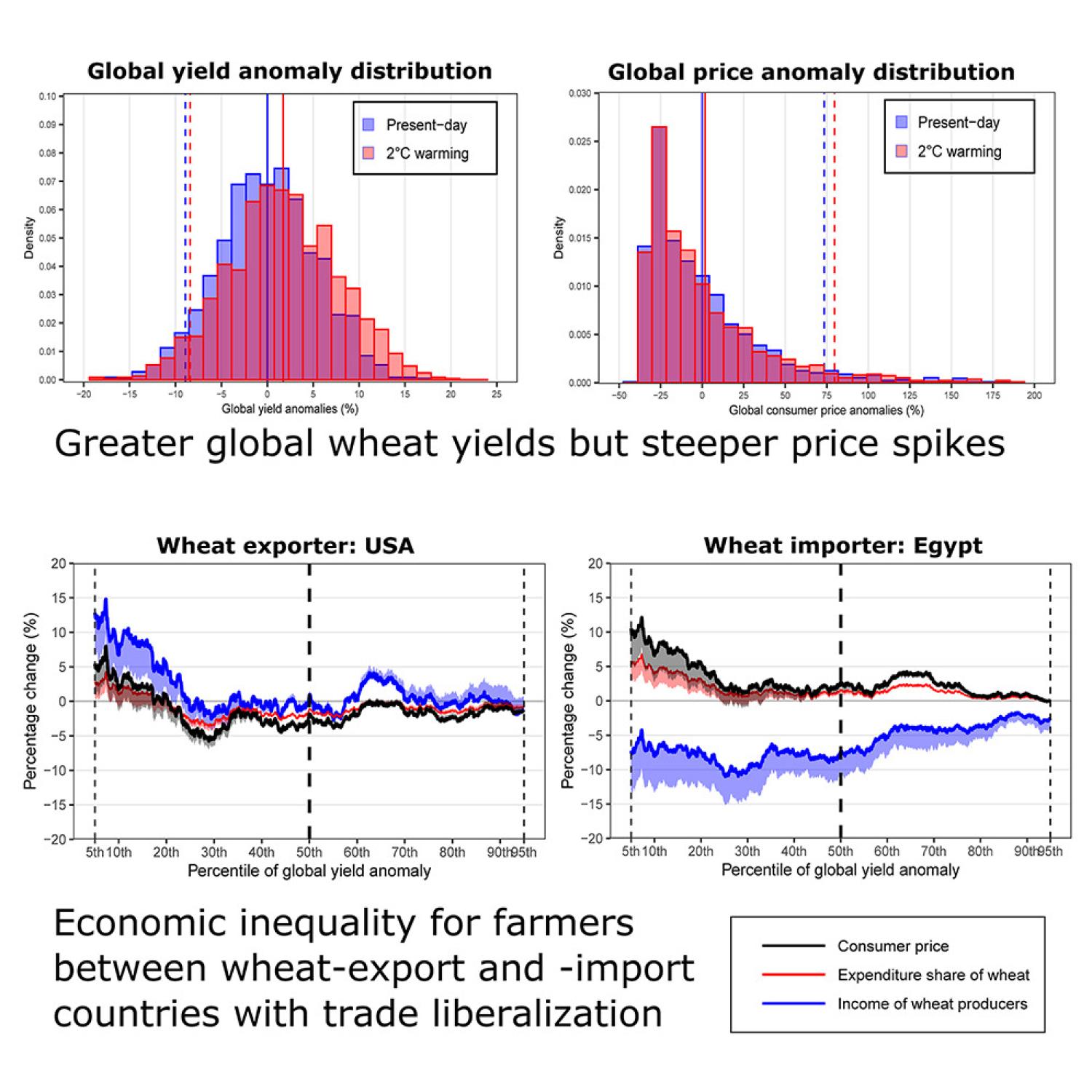
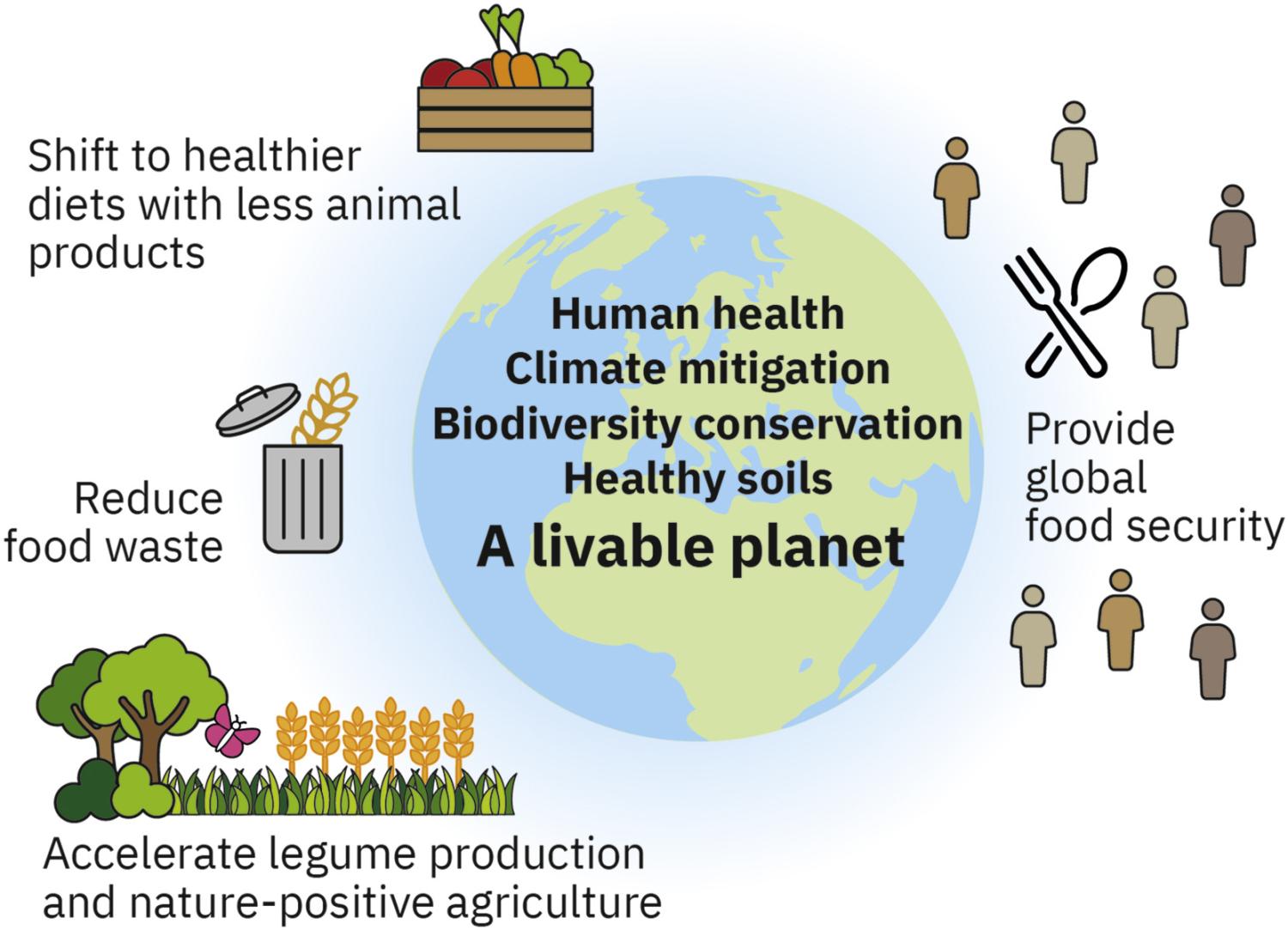
The transformation toward a healthy, just, and environmentally friendly food system needs to be reinforced—and not abandoned—in the face of the Russia-Ukraine war. We need comprehensive solutions that bring short-term relief and also avert the existential threat our food system poses to the health of people and the planet.
Elsevier, Energy Nexus, Volume 6, 100062
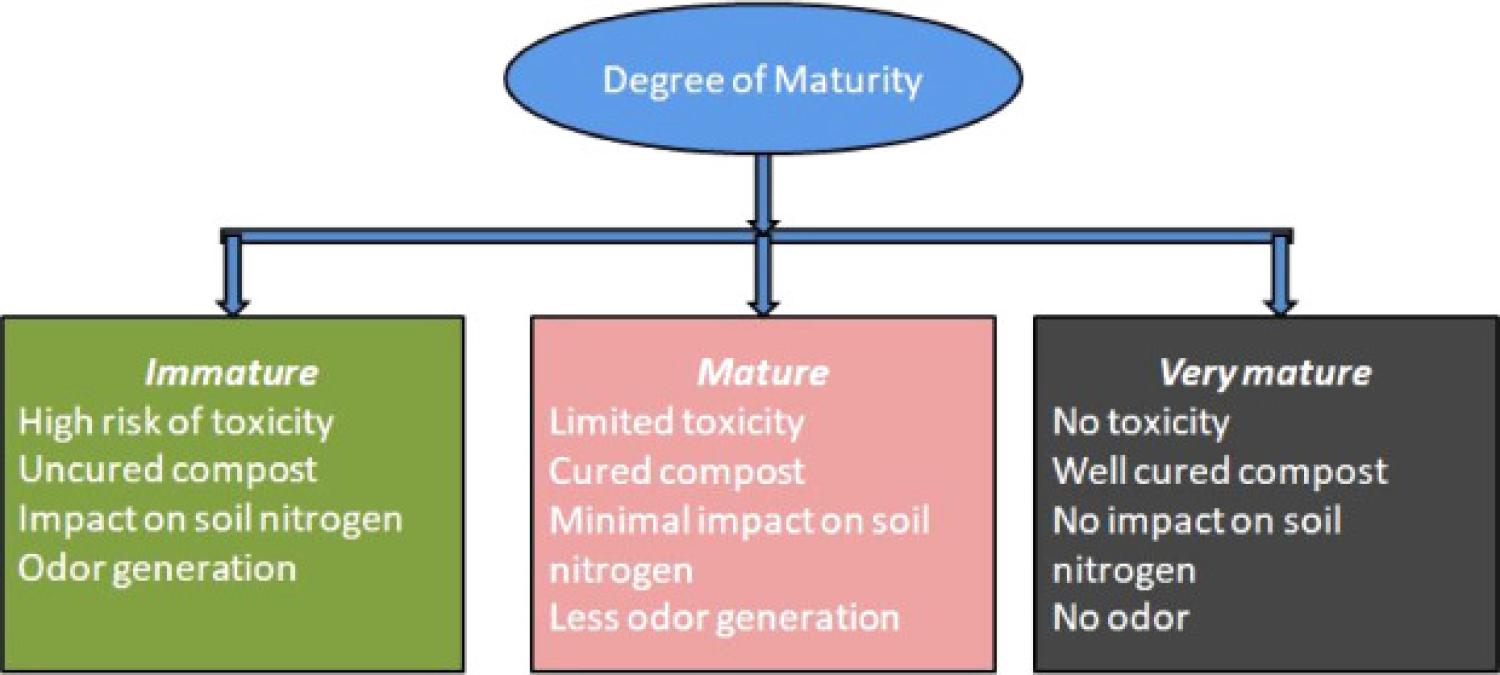
The knowledge about various indices related to the composting process has become an important and wider area of research in the current time. The review therefore focuses on the various stability and maturity indices of composting process and lays emphasis on the advantages and uses of the matured compost.
Elsevier, Policy Issues in Genetically Modified Crops, A Global Perspective, 2021, Pages 143-160
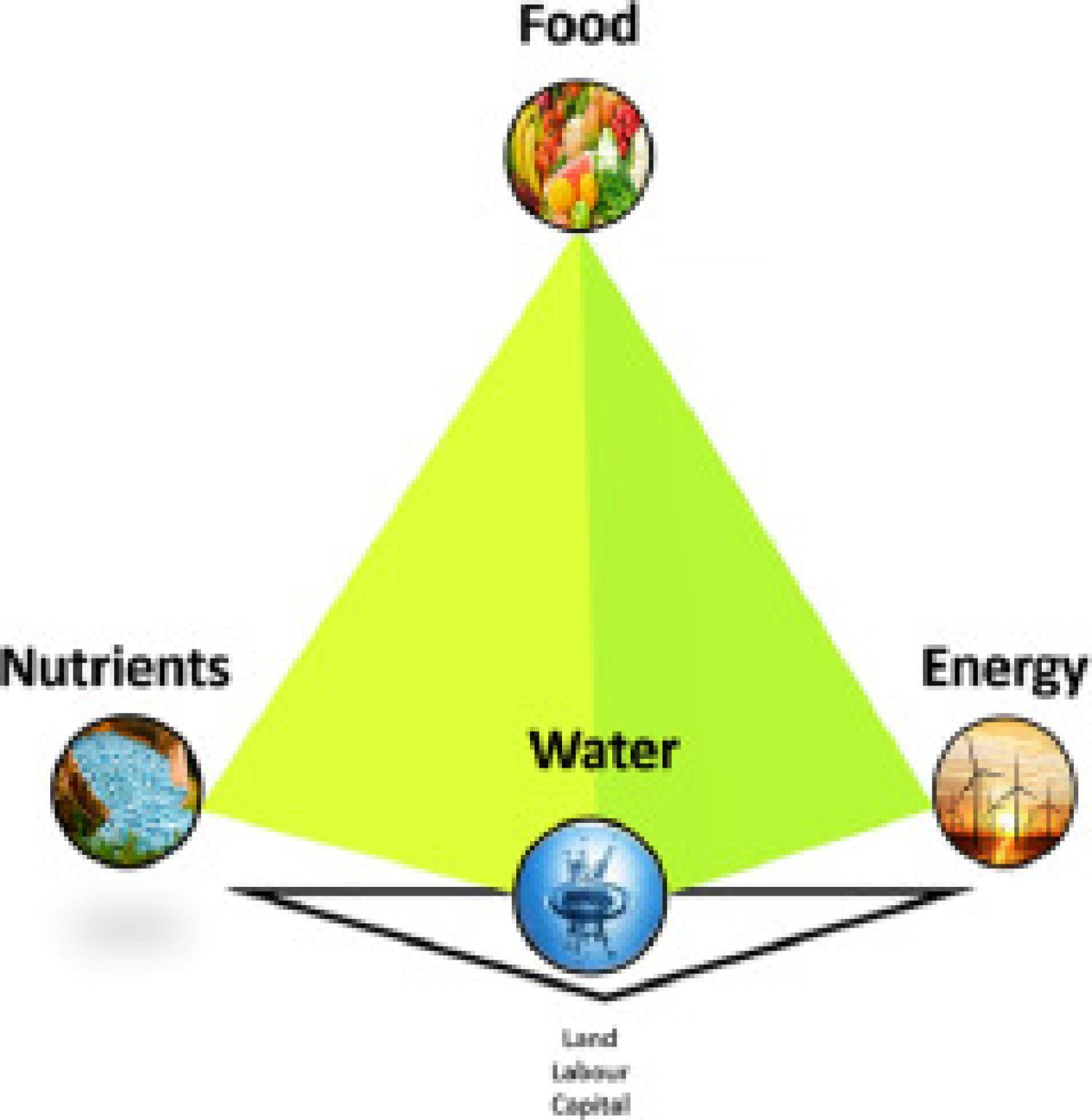
This chapter focuses on genetically modified crops that can aid farmers in increasing crop resilience and productivity. While their safety and ethics have raised concern, these promising technologies offer hope for the improvement of food security for global populations, especially those in under-developed or developing countries.
Elsevier, Food Security, Poverty and Nutrition Policy Analysis (Third Edition): Statistical Methods and Applications, 2022, Pages 575-597
Building effective policy and practices to ensure sustainable supplies of nutritious foods requires understanding the contributing factors and developing appropriate practices in response.
Elsevier, Early Nutrition and Long-Term Health (Second Edition), Mechanisms, Consequences, and Opportunities, 2022, Pages 3-25
This chapter reviews the state of global infant and young child nutrition, its long-term health consequences, the mechanisms involved, and potential approaches to addressing these challenges.
Elsevier, New Aspects of Meat Quality (Second Edition): From Genes to Ethics, Woodhead Publishing Series in Food Science, Technology and Nutrition, 2022, Pages 533-557
Insects are becoming an increasingly attractive option as a sustainable food source, both for humans and animals. This chapter covers this growing area of interest in the research community as well as the challenges of farming and harvesting insects for food.
Elsevier, Environmental Nutrition, Connecting Health and Nutrition with Environmentally Sustainable Diets, 2019, Pages 181-196
This chapter focuses on the effect of population-level dietary choices (type of foods) and habits (food waste) on environmental sustainability, and introduces four food determinants of sustainable diets from the consumer's perspective.
Elsevier, The Lancet Planetary Health, Volume 6, July 2022
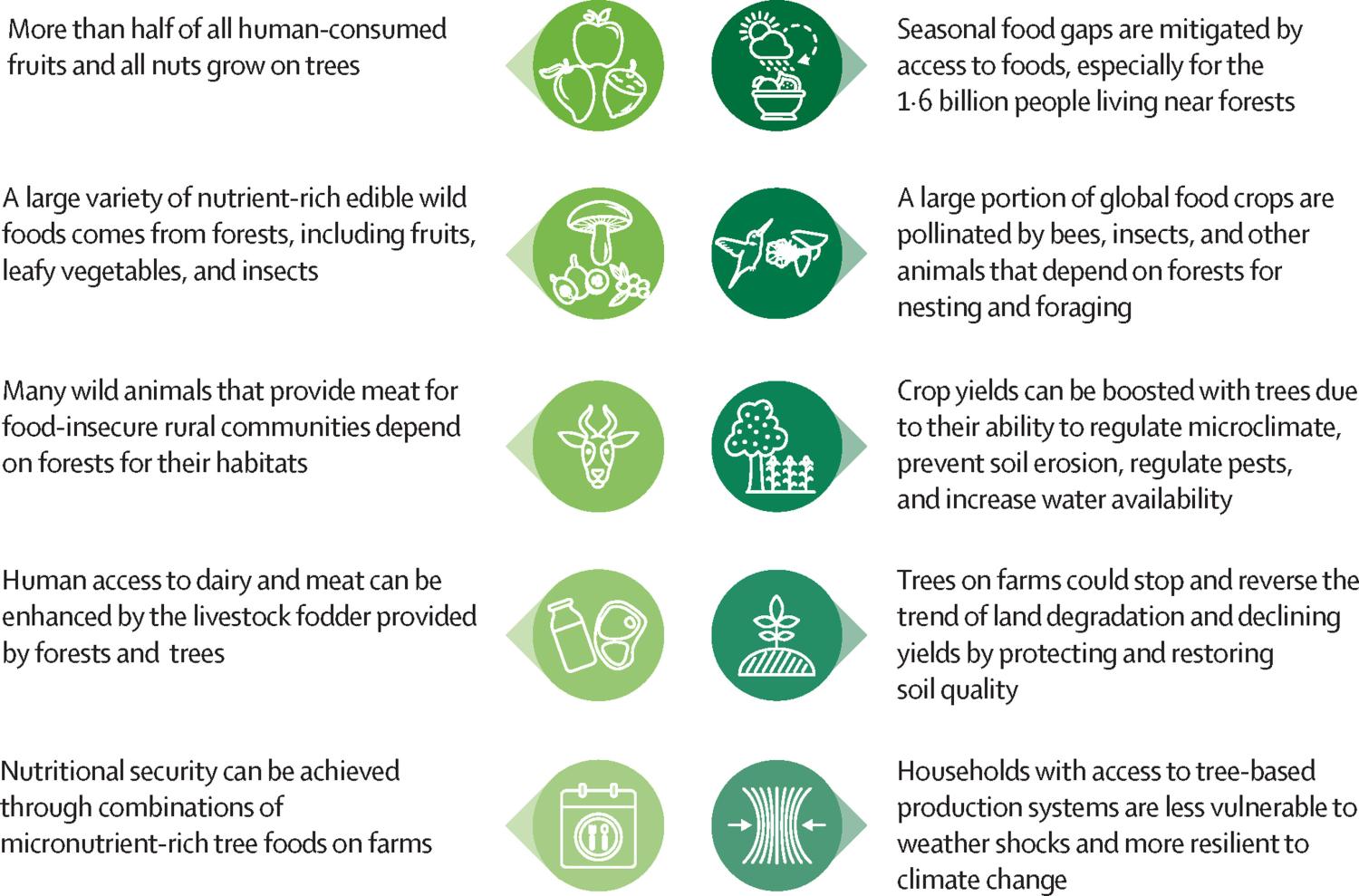
This Viewpoint supports SDGs 2 and 15 by highlighting the importance of trees and forests to food systems, and exploring how the value of trees and forests in this regard can be enhanced to improve nutritional and environmental sustainability.
Elsevier, The Lancet Healthy Longevity, Volume 3, July 2022
A Personal View in support of SDGs 2 and 3, proposing recommendations for improving future trials in the field of nutrition and cognitive health, particularly in relation to dementia, and highlighting the need for testing of both personalised interventions and generalisable public health interventions.
Elsevier, The Lancet Global Health, Volume 10, July 2022
A Health Policy paper in support of SDGs 2 and 3, calling on the World Health Assembly to pass a resolution for universal mandatory folic acid fortification to prevent the development of spina bifida and anencephaly and to help countries reach their 2030 Sustainable Development Goals on child mortality and health equity.
Elsevier, The Lancet Public Health, Volume 7, June 2022
An Editorial on the cost of living crisis, in the context of SDGs 1, 2, and 3, calling for governments to act urgently to address poverty and food insecurity to avoid further compromising the health of populations, especially children.
Elsevier, The Lancet Regional Health - Americas, Volume 10, June 2022
An Article on the increase in hunger brought about by the COVID-19 pandemic, in the context of SDG 3, focusing specifically on the Supplemental NutrAticition Assistance Program on mitigating this indirect effect of the pandemic on a national level across the USA.
Elsevier, The Lancet Planetary Health, Volume 6, May 2022
An Article in support of SDGs 2 and 15, showing that farm-level diversification might contribute to improved nutrition among children and other target groups in some but not all situations, but livestock production seems to be conducive for improving child and adolescent nutrition on average.
Elsevier, eClinicalMedicine, Volume 47, May 2022
A Review on the association between agricultural food production and hunting practices and zoonotic disease outbreaks, in the context of SDGs 3, 12, and 15, highlighting the need to redesign the global food system to reduce the threat of future outbreaks.
Elsevier, The Lancet Global Health, Volume 10, May 2022
An Article in support of SDGs 2 and 3, highlighting that in almost all regions and countries the progress on reducing anaemia in women of reproductive age is insufficient to meet the World Health Assembly's global nutrition target to halve anaemia prevalence by 2030.
Elsevier, The Lancet Global Health, Volume 10, April 2022
An Article in support of SDGs 2 and 10, analysing global inequalities in the double burden of malnutrition and its association with economic and social globalisation, showing that the probability of the double burden of malnutrition at the household level differs across country income and household wealth.
Elsevier, The Lancet Planetary Health, Volume 6, March 2022
An Article in support of SDG 2 and 12, providing a comprehensive picture of consumption of total animal-source foods, unprocessed red meat, processed meat, seafood, egg, milk, cheese, and yoghurt consumption in 185 countries among children and adults.
Elsevier, The Lancet Planetary Health, Volume 6, February 2022
A Review in support of SDGs 3 and 12, focusing on the decrease in traditional food availability and the increase in food import dependence in small islands, discussing the resulting reduction in diet quality and food security and the increase in type 2 diabetes risk.
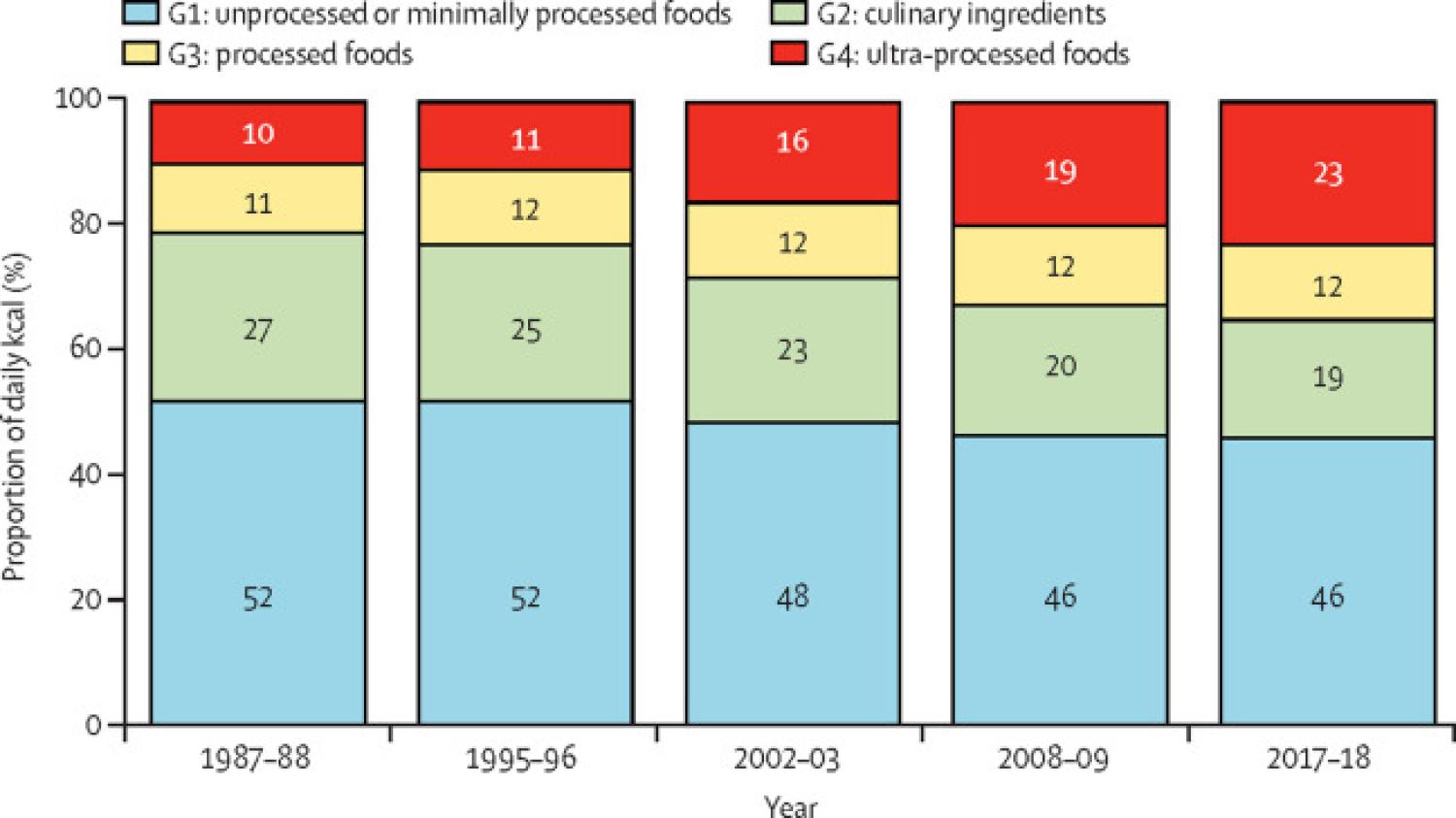
Elsevier, The Lancet Planetary Health, Volume 5, November 2021
A Review in support of SDG 12, summarising the advantages and dsiadvantages of different models used to label foods according to their environmental and nutritional impact. This review highlights the need to develop reference values for the classifiation of sustainable foods
Elsevier, The Lancet Public Health, Volume 6, August 2021
An Editorial on the effects of the COVID-19 pandemic on childhood obesity, in the context of SDGs 3 and 12, highlighting the need for governmental and commercial action advocating for healthier nutrition and intersectional collaboration between health and education sectors.
Elsevier, EClinicalMedicine, Volume 36, June 2021
A Commentary on the role of governments in mitigating the health effects of malnutrition, in the context of SDGs 3 and 12, highlighting the need for the implementation of more comprehensive policies to limit the availability of unhealthy foods and to increase that of healthy foods to communities across Africa.
Elsevier, EClinicalMedicine, Volume 33, March 2021
A Research Paper on food insecurity in the UK, in the context of SDGs 1, 2, and 3, focusing specifically on the association between the implementation of austerity policies in 2010 and the increase in foodbank use and food insecurity over the following decade.
Elsevier, EClinicalMedicine, Volume 32, February 2021
A Research Paper on obesity, in the context of SDGs 3, 9, and 11, focusing specifically on the role of multi-level and multi-component interventions addressing healthy nutrition, physical activity, and education to mitigate the rising epidemic.
Elsevier, The Lancet Global Health, Volume 8, August 2020
An Article in support of SDGs 2 and 3, analysing the effectiveness of multiple micronutrient powders in infants and showing net health benefits of this intervention in most countries, although cost-effectiveness varied in different settings.
Elsevier, The Lancet Child and Adolescent Health, Volume 3, December 2019
An Article in support of SDGs 2 and 3, analysing the burden of child and maternal malnutrition across all states in India, highlighting the progress so far and efforts needed to achieve the national 2022 and global 2030 targets.
Elsevier, The Lancet Global Health, Volume 10, May 2022
An Article in support of SDGs 2 and 3, highlighting that in almost all regions and countries the progress on reducing anaemia in women of reproductive age is insufficient to meet the World Health Assembly's global nutrition target to halve anaemia prevalence by 2030.
Elsevier, The Lancet Global Health, Volume 10, April 2022
An Article in support of SDGs 2 and 10, analysing global inequalities in the double burden of malnutrition and its association with economic and social globalisation, showing that the probability of the double burden of malnutrition at the household level differs across country income and household wealth.
Elsevier, The Lancet Global Health, Volume 8, August 2020
An Article in support of SDGs 2 and 3, analysing the effectiveness of multiple micronutrient powders in infants and showing net health benefits of this intervention in most countries, although cost-effectiveness varied in different settings.
Elsevier, The Lancet Child and Adolescent Health, Volume 3, December 2019
An Article in support of SDGs 2 and 3, analysing the burden of child and maternal malnutrition across all states in India, highlighting the progress so far and efforts needed to achieve the national 2022 and global 2030 targets.
Elsevier, The Lancet Global Health, Volume 10, July 2022
A Health Policy paper in support of SDGs 2 and 3, calling on the World Health Assembly to pass a resolution for universal mandatory folic acid fortification to prevent the development of spina bifida and anencephaly and to help countries reach their 2030 Sustainable Development Goals on child mortality and health equity.
Elsevier, The Lancet Healthy Longevity, Volume 3, July 2022
A Personal View in support of SDGs 2 and 3, proposing recommendations for improving future trials in the field of nutrition and cognitive health, particularly in relation to dementia, and highlighting the need for testing of both personalised interventions and generalisable public health interventions.
Elsevier, The Lancet Planetary Health, Volume 6, July 2022
This Viewpoint supports SDGs 2 and 15 by highlighting the importance of trees and forests to food systems, and exploring how the value of trees and forests in this regard can be enhanced to improve nutritional and environmental sustainability.
Elsevier, The Lancet Planetary Health, Volume 6, May 2022
An Article in support of SDGs 2 and 15, showing that farm-level diversification might contribute to improved nutrition among children and other target groups in some but not all situations, but livestock production seems to be conducive for improving child and adolescent nutrition on average.
Elsevier, The Lancet Planetary Health, Volume 6, March 2022
An Article in support of SDG 2 and 12, providing a comprehensive picture of consumption of total animal-source foods, unprocessed red meat, processed meat, seafood, egg, milk, cheese, and yoghurt consumption in 185 countries among children and adults.
Elsevier, The Lancet Planetary Health, Volume 6, February 2022
A Review in support of SDGs 3 and 12, focusing on the decrease in traditional food availability and the increase in food import dependence in small islands, discussing the resulting reduction in diet quality and food security and the increase in type 2 diabetes risk.
Elsevier, The Lancet Planetary Health, Volume 5, November 2021
A Review in support of SDG 12, summarising the advantages and dsiadvantages of different models used to label foods according to their environmental and nutritional impact. This review highlights the need to develop reference values for the classifiation of sustainable foods
Elsevier, The Lancet Public Health, Volume 7, June 2022
An Editorial on the cost of living crisis, in the context of SDGs 1, 2, and 3, calling for governments to act urgently to address poverty and food insecurity to avoid further compromising the health of populations, especially children.
Elsevier, The Lancet Public Health, Volume 6, August 2021
An Editorial on the effects of the COVID-19 pandemic on childhood obesity, in the context of SDGs 3 and 12, highlighting the need for governmental and commercial action advocating for healthier nutrition and intersectional collaboration between health and education sectors.
Elsevier, eClinicalMedicine, Volume 47, May 2022
A Review on the association between agricultural food production and hunting practices and zoonotic disease outbreaks, in the context of SDGs 3, 12, and 15, highlighting the need to redesign the global food system to reduce the threat of future outbreaks.
Elsevier, EClinicalMedicine, Volume 33, March 2021
A Research Paper on food insecurity in the UK, in the context of SDGs 1, 2, and 3, focusing specifically on the association between the implementation of austerity policies in 2010 and the increase in foodbank use and food insecurity over the following decade.
Elsevier, EClinicalMedicine, Volume 32, February 2021
A Research Paper on obesity, in the context of SDGs 3, 9, and 11, focusing specifically on the role of multi-level and multi-component interventions addressing healthy nutrition, physical activity, and education to mitigate the rising epidemic.
Elsevier, EClinicalMedicine, Volume 36, June 2021
A Commentary on the role of governments in mitigating the health effects of malnutrition, in the context of SDGs 3 and 12, highlighting the need for the implementation of more comprehensive policies to limit the availability of unhealthy foods and to increase that of healthy foods to communities across Africa.
Elsevier, The Lancet Regional Health - Americas, Volume 10, June 2022
An Article on the increase in hunger brought about by the COVID-19 pandemic, in the context of SDG 3, focusing specifically on the Supplemental NutrAticition Assistance Program on mitigating this indirect effect of the pandemic on a national level across the USA.