Plant-based meat substitutes are products used to replace meat in the human diet. These products have developed from traditional whole-grain meat substitutes to products based on an advanced technology called 2nd generation meat substitutes. Increased market visibility of 2nd generation products raised questions about the products´ healthiness once they are classified by NOVA as ultra-processed, are allegedly high in salt and saturated fat, and might not be nutritionally equivalent to meat.
Our planet, our health
Are we able to reimagine a world where clean air, water and food are available to all?
Where economies are focused on health and well-being?
Where cities are liveable and people have control over their health and the health of the planet?
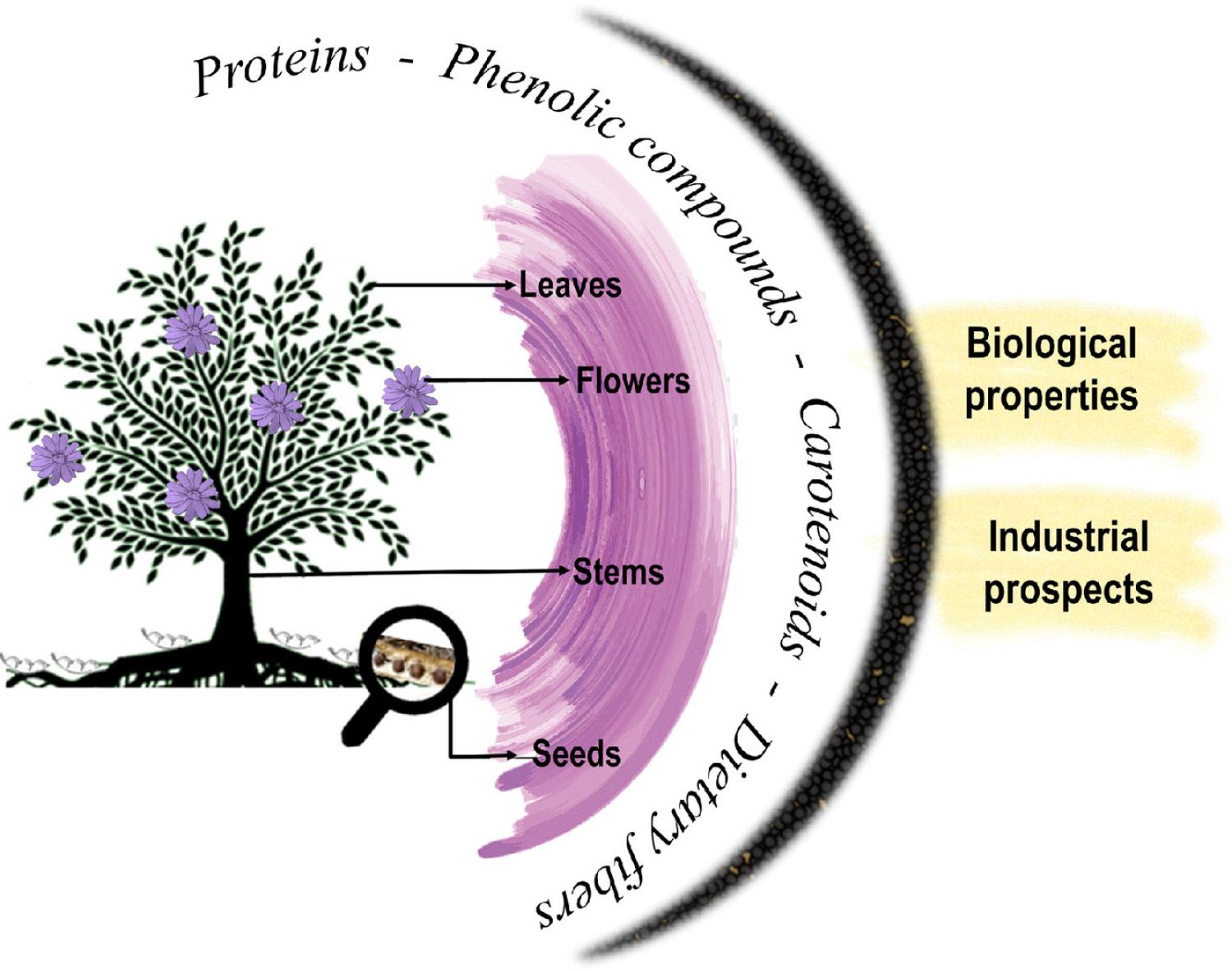
Elsevier, Future Foods, Volume 5, June 2022
Innovative food products containing new ingredients have been designed to meet nutritional needs and new consumption trends. In this way, different vegetable species, named unconventional food plants (UFPs), are being studied in the literature and are emerging as candidates to provide foods containing a better composition, providing greater healthiness. Furthermore, specific vegetable tissues discarded in post-harvest and/or industrial pre-processing operations can be considered UFPs adequate for human consumption.
Elsevier, Journal of Aging Studies, Volume 60, March 2022
It is well recognized that transportation is a barrier to health-care access for rural-dwelling residents, particularly older adults. Health-care restructuring initiatives seldom take into consideration the complexity of transportation, which acts as a barrier to appropriate and timely access to health-care services for older adults in rural communities.
Elsevier, The Lancet Public Health, Volume 7, March 2022
Disasters are an important public health issue; however, there is scarce evidence to date on what happens when communities and populations experience more than one disaster. This scoping review identifies literature on the effects of multiple disasters published until Aug 2, 2021, 1425 articles were identified, of which 150 articles were included. We analysed direct and indirect public health implications of multiple disasters.
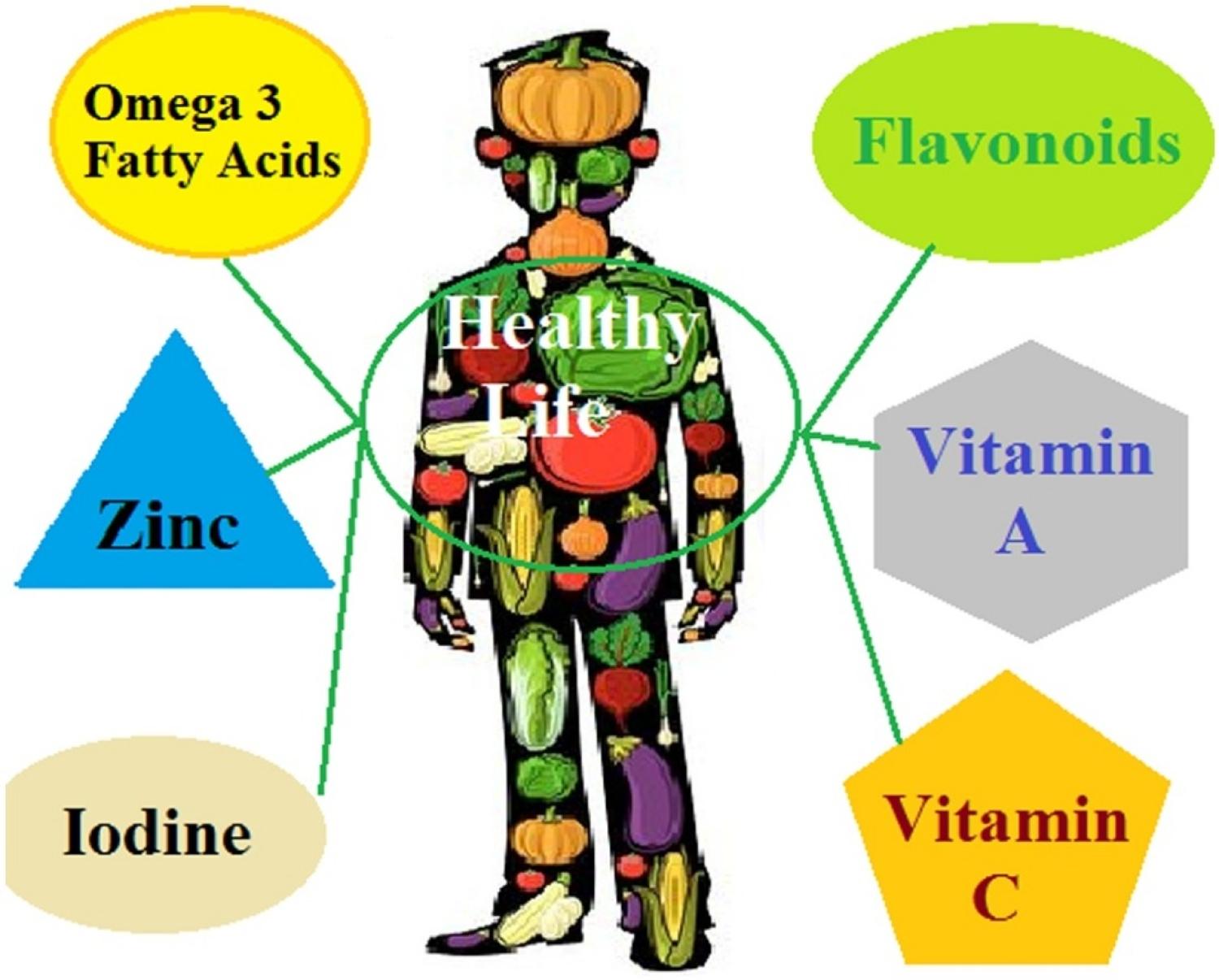
Elsevier, PharmaNutrition, Volume 19, March 2022
Background: Malnutrition is a serious condition that develops when the human body is deprived of or does not obtain the right amount of vital nutrients like vitamins, minerals, proteins, carbohydrates, lipids and some other essential substances that the body needs to function. It can have a significant impact on people's health including stunted growth, low body weight and muscle wasting.
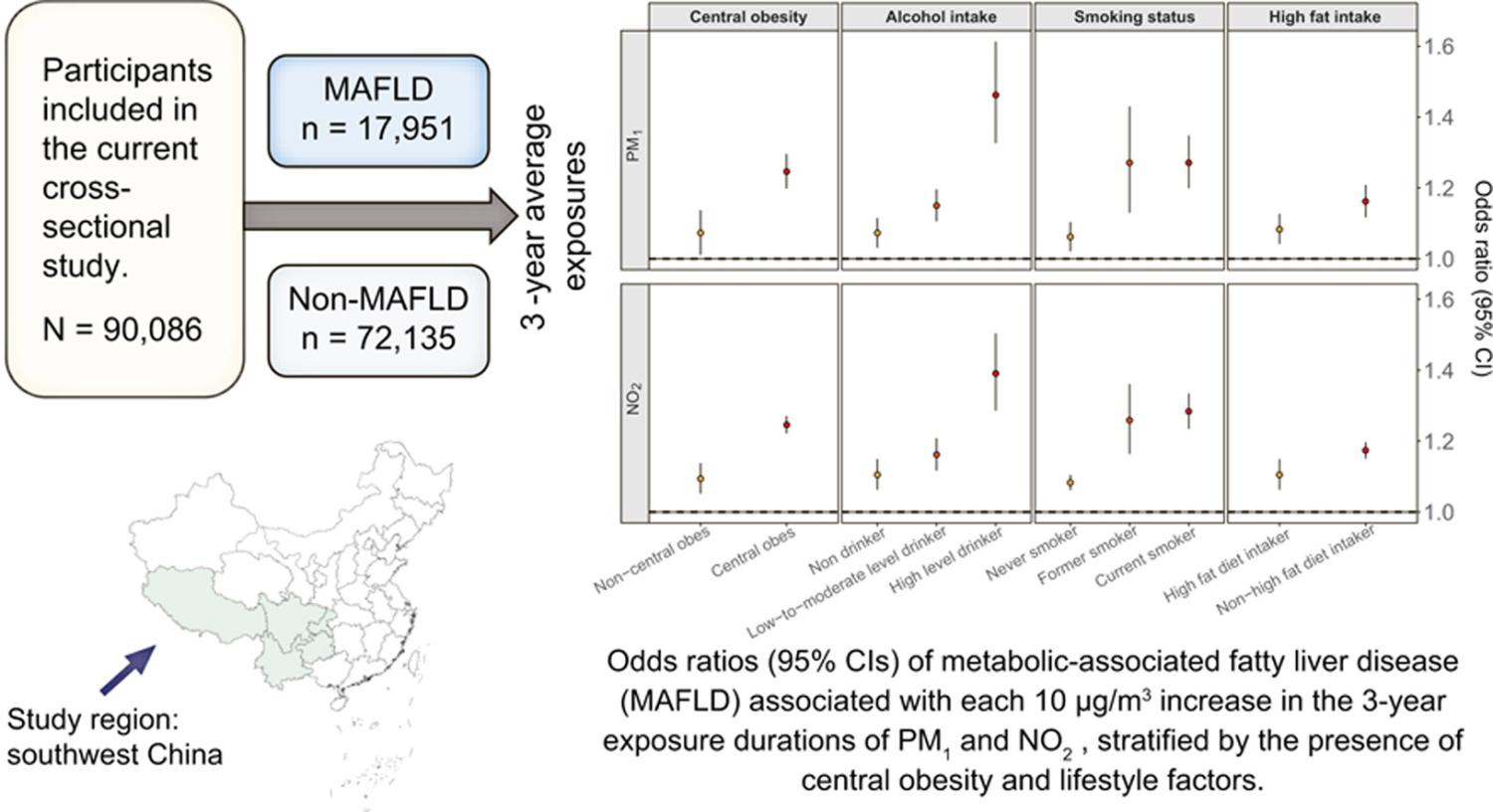
Elsevier, Journal of Hepatology, Volume 76, March 2022
Background & Aims: Accumulating animal studies have demonstrated the harmful contribution of ambient air pollution (AP) to metabolic dysfunction-associated fatty liver disease (MAFLD), but corresponding epidemiological evidence is limited. We examined the associations between long-term AP exposure and MAFLD prevalence in a Chinese population. Methods: We conducted a cross-sectional study of 90,086 participants recruited in China from 2018 to 2019.
Elsevier, Measurement: Journal of the International Measurement Confederation, Volume 190, 28 February 2022
The present paper aims to describe the project and development of an ECG monitoring system which is able to diagnose specific cardiac pathologies by adapting the processing algorithm to the monitored patient. The system can work standalone by providing the final diagnosis to the patient by a LEDs set. In addition, an IoT based architecture allows the system to share data and diagnosis with a remote cardiologist in real-time or to store data in a FTP folder, as an Holter monitor, for post-processing and further analysis.
Elsevier, The Lancet, Volume 399, 12 February 2022
Background: Antimicrobial resistance (AMR) poses a major threat to human health around the world. Previous publications have estimated the effect of AMR on incidence, deaths, hospital length of stay, and health-care costs for specific pathogen–drug combinations in select locations. To our knowledge, this study presents the most comprehensive estimates of AMR burden to date. Methods: We estimated deaths and disability-adjusted life-years (DALYs) attributable to and associated with bacterial AMR for 23 pathogens and 88 pathogen–drug combinations in 204 countries and territories in 2019.
Elsevier, Journal of Hepatology, Volume 76, February 2022
Background & aims: Recent experimental models and epidemiological studies suggest that specific environmental contaminants (ECs) contribute to the initiation and pathology of non-alcoholic fatty liver disease (NAFLD). However, the underlying mechanisms linking EC exposure with NAFLD remain poorly understood and there is no data on their impact on the human liver metabolome. Herein, we hypothesized that exposure to ECs, particularly perfluorinated alkyl substances (PFAS), impacts liver metabolism, specifically bile acid metabolism.
Elsevier, LWT, Volume 154, 15 January 2022
Fruits and vegetables are responsible for about 22% of food losses and wastes along the supply chain (not including the retail level). However, fruit and vegetable by-products (FVB) may be transformed into fibre-rich flours and bioactive compounds, mainly bound to the fibre, thus bringing value to the food industry due to health benefits and technological functionality. Therefore, these by-products have great potential to be applied in several food industries.
Elsevier, LWT, Volume 154, 15 January 2022
Proteins serve as an imperative macronutrient in human nutrition and well-being. Their nutritional quality substantially varies with their digestibility, amino acid profile, bioavailability, processing and purity. From a nutritional viewpoint, the ideal integration of proteins from diverse plant sources can supply an adequate amount of essential amino acids to fulfil human health needs. The use of plant-derived proteins has recently gained momentum due to their multifaceted edible and nonedible applications and their biodegradable nature.
Elsevier, The Lancet Public Health, Volume 7, January 2022
The COVID-19 pandemic is unprecedented. The pandemic not only induced a public health crisis, but has led to severe economic, social, and educational crises. Across economies and societies, the distributional consequences of the pandemic have been uneven. Among groups living in vulnerable conditions, the pandemic substantially magnified the inequality gaps, with possible negative implications for these individuals' long-term physical, socioeconomic, and mental wellbeing.
Elsevier, Transport Policy, Volume 115, January 2022
As evidence of the health impacts of transportation investments has grown, planners have increasingly used health impact assessments (HIAs) to evaluate transportation plans, projects, and policies. Most HIAs to date, however, have been limited in their ability to quantify health impacts due to a lack of validated methods and tools, scarcity of disaggregate and locally-relevant data, and cost. This paper presents the development and application of a quantitative HIA tool designed to address these and other common limitations of existing HIAs.
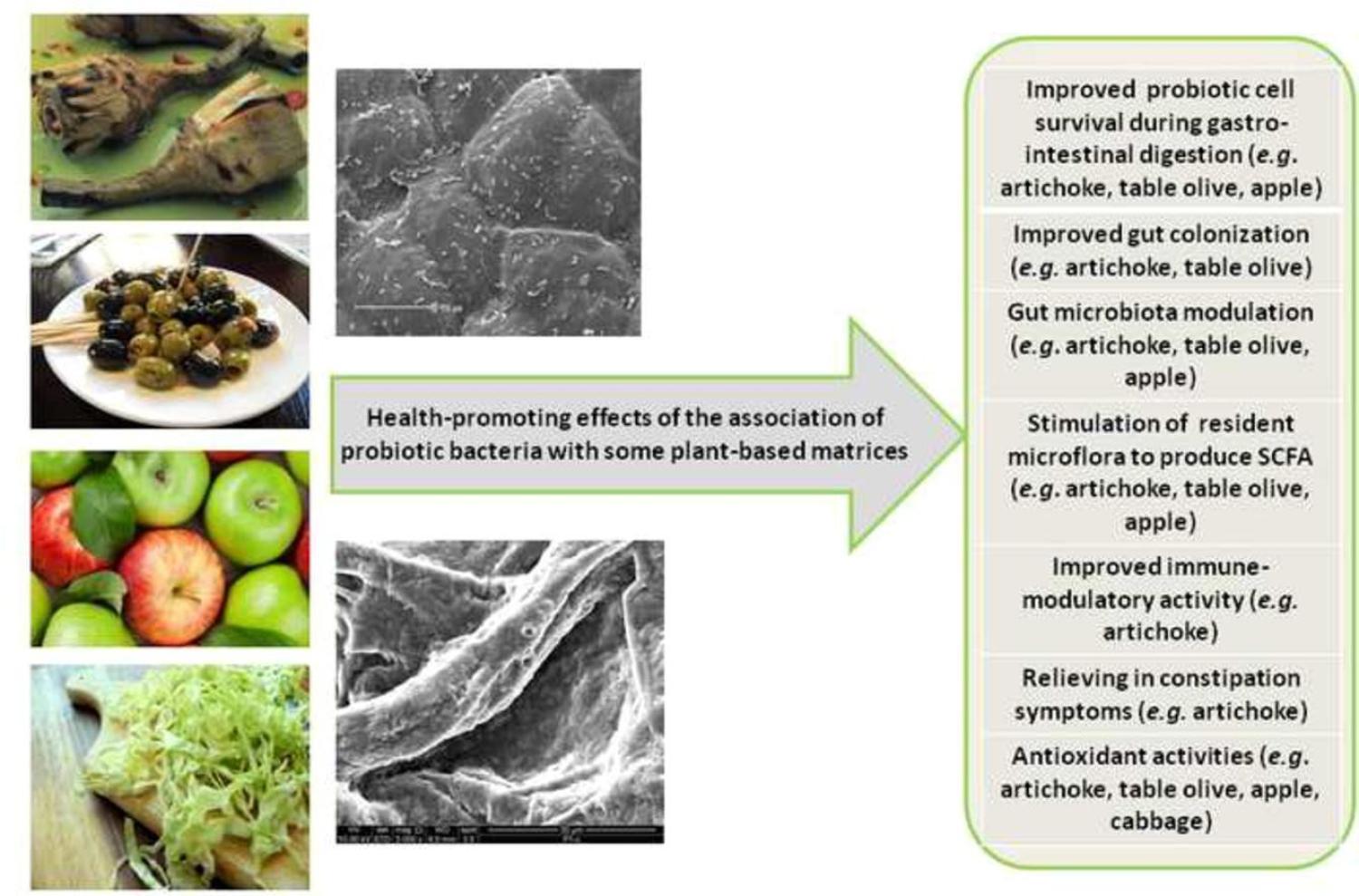
Elsevier, Journal of Functional Foods, Volume 87, December 2021
The performance of probiotic bacterial strains is influenced by the carrier food and its functional components which while buffering the probiotic through the gastro-intestinal tract, contribute to an efficient implantation of bacterial cells and regulate probiotic features. Particularly, plant-based matrices are eligible substrate for hosting and delivering microbial populations because of their richness in nutrients, fibers, vitamins, minerals and dietary bioactive phytochemicals.
Elsevier, Transport Policy, Volume 114, December 2021
This study uses the China Health and Nutrition Survey data to investigate the relationship between infrastructure construction and health inequality, particularly by exploring a quasi-natural experiment, namely, high-speed rail (HSR) projects. We find that HSR accessibility improves the health of local residents with a coefficient of 0.298, which means that HSR operation will lead to a 2.30% increase in health.
Elsevier, Learning, Culture and Social Interaction, Volume 31, December 2021
Self-management of type 1 diabetes (T1D) is a difficult task that involves different actions and decisions and requires various types of knowledge. Nowadays, it can be done partly autonomously, using a mobile digital device that measures the level of blood glucose. The FreeStyle Libre, launched on the Swiss market in 2016, is one such device. Drawing on Science and Technology Studies and adopting a sociocultural approach to learning, the present study investigated how healthcare professionals and young people living with T1D learned to use this new device during a summer camp.
Elsevier, Digital Signal Processing: A Review Journal, Volume 119, December 2021
The field of digital histopathology has seen incredible growth in recent years. Digital pathology is becoming a relevant tool in healthcare, industrial and research sectors to reduce the saturation of pathology departments and improve the productivity of pathologists by increasing diagnostic accuracy and reducing turnaround times. Artificial Intelligence (AI) algorithms may be used for the identification of relevant regions, extraction of features from a histological image and overall classification of images into specific classes.
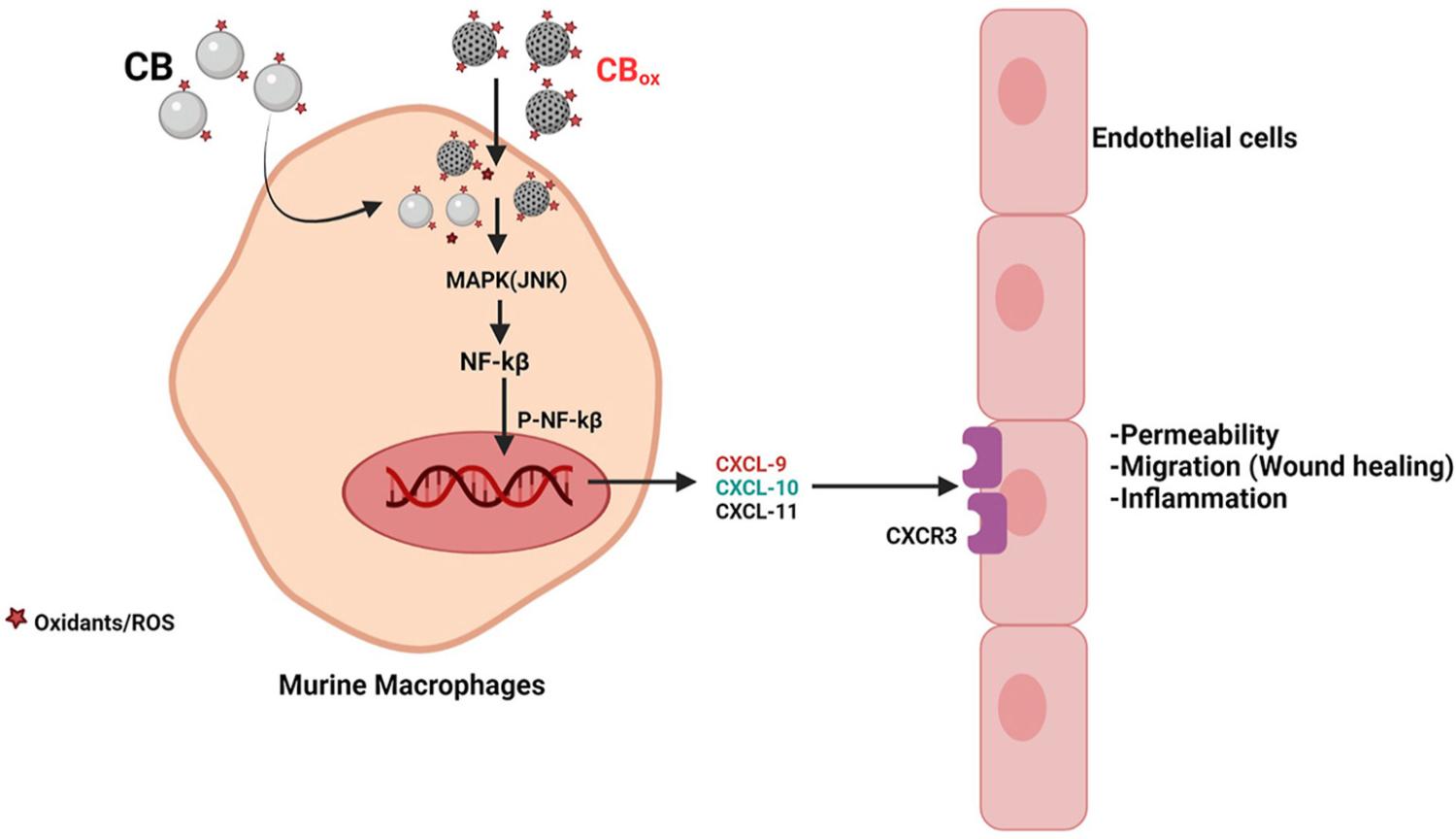
Elsevier, Redox Biology, Volume 47, November 2021
Oxidation of engineered nanomaterials during application in various industrial sectors can alter their toxicity. Oxidized nanomaterials also have widespread industrial and biomedical applications. In this study, we evaluated the cardiopulmonary hazard posed by these nanomaterials using oxidized carbon black (CB) nanoparticles (CBox) as a model particle. Particle surface chemistry was characterized by X-ray photo electron spectroscopy (XPS) and Fourier-transform infrared spectroscopy (FTIR).
Elsevier, LWT, Volume 151, November 2021
Amahewu is a fermented maize-based gruel or beverage consumed mainly in Southern Africa. The nutritional and sensory properties of amahewu may vary with inoculum type, maize type and the prevailing fermentation conditions. Further, these properties may be enhanced through enrichment and fortification. This review seeks to provide up-to-date information on the science and technology of amahewu, focussing on the research findings of its physicochemical properties, as affected by the starter culture used, product formulation and processing conditions.
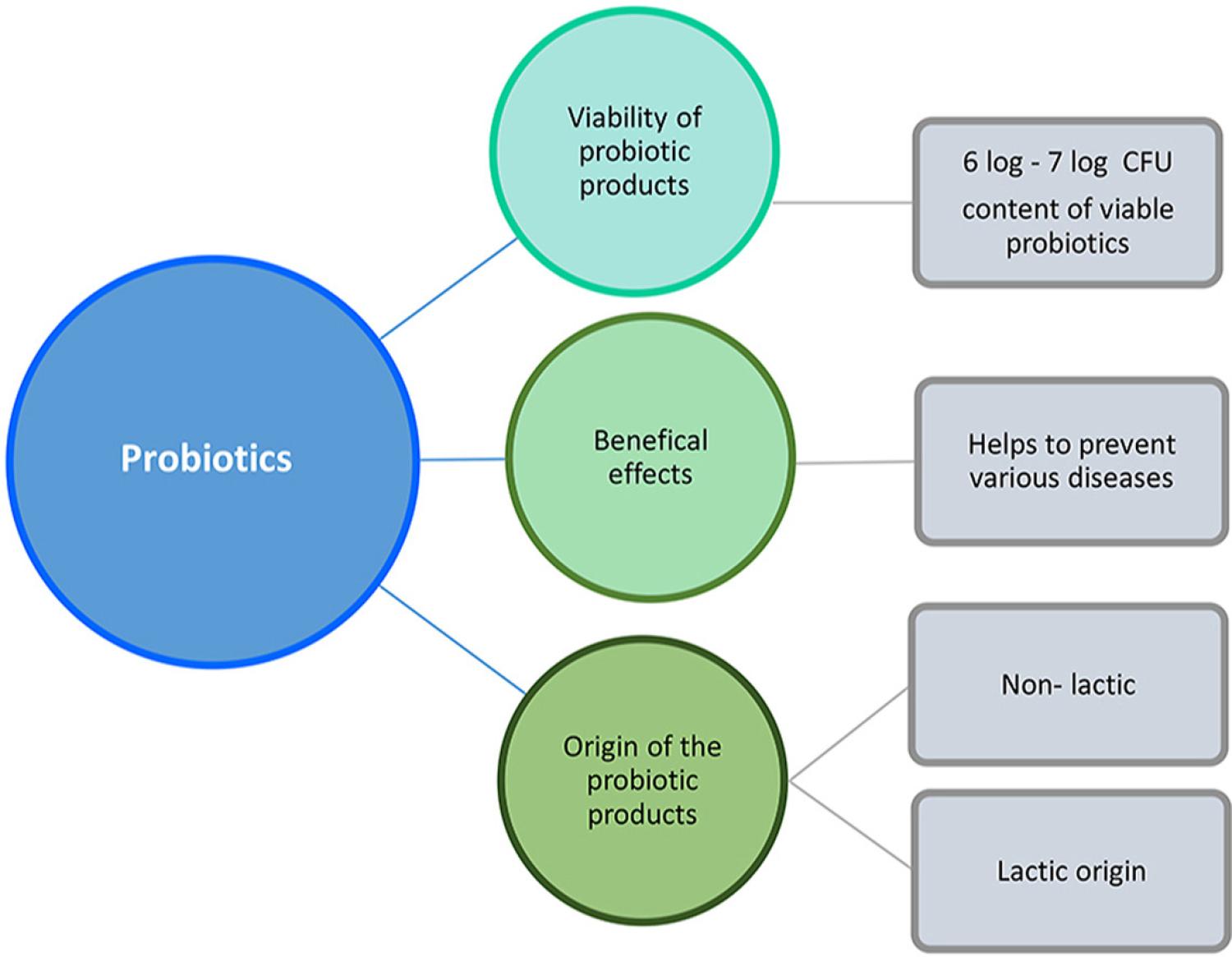
Elsevier, LWT, Volume 151, November 2021
Foods with probiotics are in high demand by consumers given their associated health properties that make them the most popular functional foods. Probiotics have primarily been used in products of lactic acid origin. However, nondairy foods are increasingly being used as carriers of probiotics because the population exhibits high levels of lactose intolerance. In addition, modern lifestyles are increasingly distant from animal food consumption such as dairy products.
Elsevier, Measurement: Sensors, Volume 17, October 2021
Short-term exposures to indoor air contaminants can cause adverse health impacts and warrant a need for real-time measurements. The most common indoor pollutants are carbon dioxide (CO2), carbon monoxide (CO), ozone (O3), nitrogen dioxide (NO2), total volatile organic compounds (TVOCs), and particulate matter with a diameter of less than 2.5 μm (PM2.5). Several low-cost monitors for indoor air quality are commercially available; however, few of them are accurately tested. A stable, easy to use, and reproducible platform was developed in this paper.
Elsevier, LWT, Volume 150, October 2021
Concentrations of nine heavy metal (loid)s (HMs) were determined in fourteen different small indigenous species (SIS) of freshwater fish using atomic absorption spectrophotometer (AAS) technique. Mean concentrations of HMs in the investigated SIS of fish samples ranged from (0.284–1.554), (0.002–0.035), (0.055–0.431), (0.005–0.018), (0.011–0.252), (0.216–23.948), (0.460–34.616), (0.529–3.281), and (4.473–50.560) mg/kg-fw for Pb, Cd, Cr, As, Hg, Mn, Fe, Cu, and Zn, respectively. Statistically significant difference (p 0.001) was observed in the concentrations of HMs among the fish species.
Elsevier, International Journal of Intercultural Relations, Volume 84, September 2021
An important aspect of the transnational lives of Polish migrants in the Netherlands is their frequent use of healthcare services in Poland. Transnational care use may be detrimental for the continuity and the quality of the care migrants receive. The current study aims to shed light on the antecedents of migrants' doctor visits in Poland.
Elsevier, EClinicalMedicine, Volume 39, September 2021
A Lancet Commission for COVID-19 task force is shaping recommendations to achieve vaccine and therapeutics access, justice, and equity. This includes ensuring safety and effectiveness harmonized through robust systems of global pharmacovigilance and surveillance. Global production requires expanding support for development, manufacture, testing, and distribution of vaccines and therapeutics to low- and middle-income countries (LMICs).
Elsevier, Women's Studies International Forum, Volume 87, 1 July 2021
The World Health Organization considers the provision of information about safe, legal abortion essential for good-quality abortion care, but the question remains about who is responsible for providing information to people whose needs are not met in their own countries. Using data from a mixed-method research conducted with women travelling from France, Germany, Italy, and Ireland to seek abortion care in the UK, the Netherland, and Spain, we map the trajectories through which people receive information about accessing abortion abroad.
Elsevier, NFS Journal, Volume 23, June 2021
To exceed in sugar consumption is one of the main causes of overweight and obesity, especially for children and adolescent. However, sugar reduction, especially in baked goods, is challenging due to its effect not only on sensorial properties but also for other quality parameters. Multiple technological strategies to obtain muffins at low sugar content addressed for children were studied.
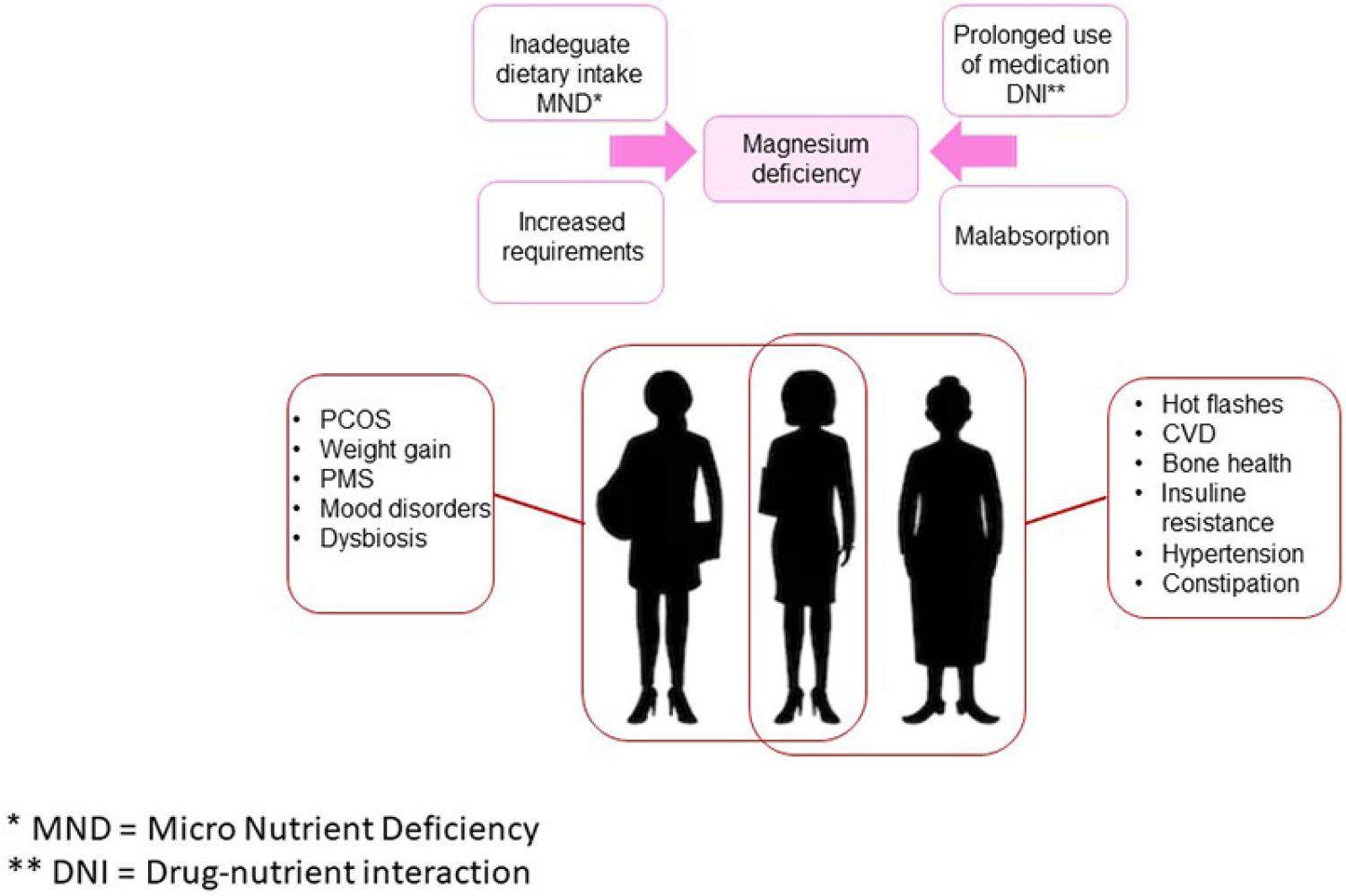
Elsevier, NFS Journal, Volume 23, June 2021
Magnesium is one of the most important micronutrients for the human body, is involved in many physiological pathways and is essential for the maintenance of normal cell and organ function. Magnesium deficiency in healthy individuals on a balanced diet is quite rare, but needs may change over the course of life. In women, in particular, there are various physiopathological conditions that may increase magnesium requirements, useful for both disease prevention and treatment. Indeed magnesium is well recognized in obstetrics and gynecology area.
Elsevier, Journal of Mathematical Behavior, Volume 62, June 2021
We investigate United States and South Korean citizens’ mathematical schemes and how these schemes supported or hindered their attempts to assess the severity of COVID-19. We selected web and media-based COVID-19 data representations that we hypothesized citizens would interpret differently depending on their mathematical schemes. We included items that we conjectured would be easier or more difficult to interpret with schemes that prior research had reported were more or less productive, respectively.
Elsevier, Women's Studies International Forum, Volume 86, 1 May 2021
Global evidence suggests that maternal vaccination rates are partly related to intersectional gender-related disparities. Kenya recently eliminated maternal and neonatal tetanus, but previously had low rates of tetanus vaccination in many districts. Examining both national data and gender-responsive language in policies can potentially illuminate this progress.
Elsevier, International Journal of Intercultural Relations, Volume 82, May 2021
With the passing of Royal Decree-Law 16/2012, Spain's national health system switched from a model defined by universal and free health care principles, to a private insurance system that excluded large population groups. Based on a qualitative research design, this paper examines the media treatment of undocumented immigrants’ prerogatives to public health care in Spain (2012–2018).
Elsevier, Preventive Medicine Reports, Volume 21, March 2021
The current COVID-19 pandemic represents an acute threat to the health of adults and children across the globe. In addition, it has the potential to worsen the health of future generations through intergenerational health effects. Examples from history, including the Dutch famine (Hongerwinter), suggest that in utero and early life environments may have significant implications for health outcomes throughout the lifespan and are important in determining risk of chronic disease in adulthood.
Elsevier, NFS Journal, Volume 22, March 2021
Healthcare professionals are exposed to several stress factors, especially during health emergency situations like Covid-19. Psychological distress in the COVID-19 era adversely affects both healthcare professionals' mental and physical health, decreasing performance and efficiency at work. Nevertheless, no sufficient emphasis has been placed so far on the role of nutrition against stress and anxiety among healthcare professionals.
Elsevier, Respiratory Physiology and Neurobiology, Volume 285, March 2021
The present numerical study investigated the transportation time of the inhaled chemicals in three realistic human airway models by adopting a methodology from the field of the building ventilation. Two indexes including “scale of ventilation efficiency 3 (SVE3)” and “local purging flow rate (L-PFR)” were used to evaluate the respective arrival time and staying time under different inhalation flow rates.
Elsevier, The Lancet, Volume 396, 17 October 2020
Background: Achieving universal health coverage (UHC) involves all people receiving the health services they need, of high quality, without experiencing financial hardship. Making progress towards UHC is a policy priority for both countries and global institutions, as highlighted by the agenda of the UN Sustainable Development Goals (SDGs) and WHO's Thirteenth General Programme of Work (GPW13).

Elsevier, Redox Biology, Volume 37, October 2020
Environmental pollutants like fine particulate matter can cause adverse health effects through oxidative stress and inflammation. Reactive oxygen and nitrogen species (ROS/RNS) such as peroxynitrite can chemically modify proteins, but the effects of such modifications on the immune system and human health are not well understood. In the course of inflammatory processes, the Toll-like receptor 4 (TLR4) can sense damage-associated molecular patterns (DAMPs).
Elsevier, Redox Biology, Volume 37, October 2020
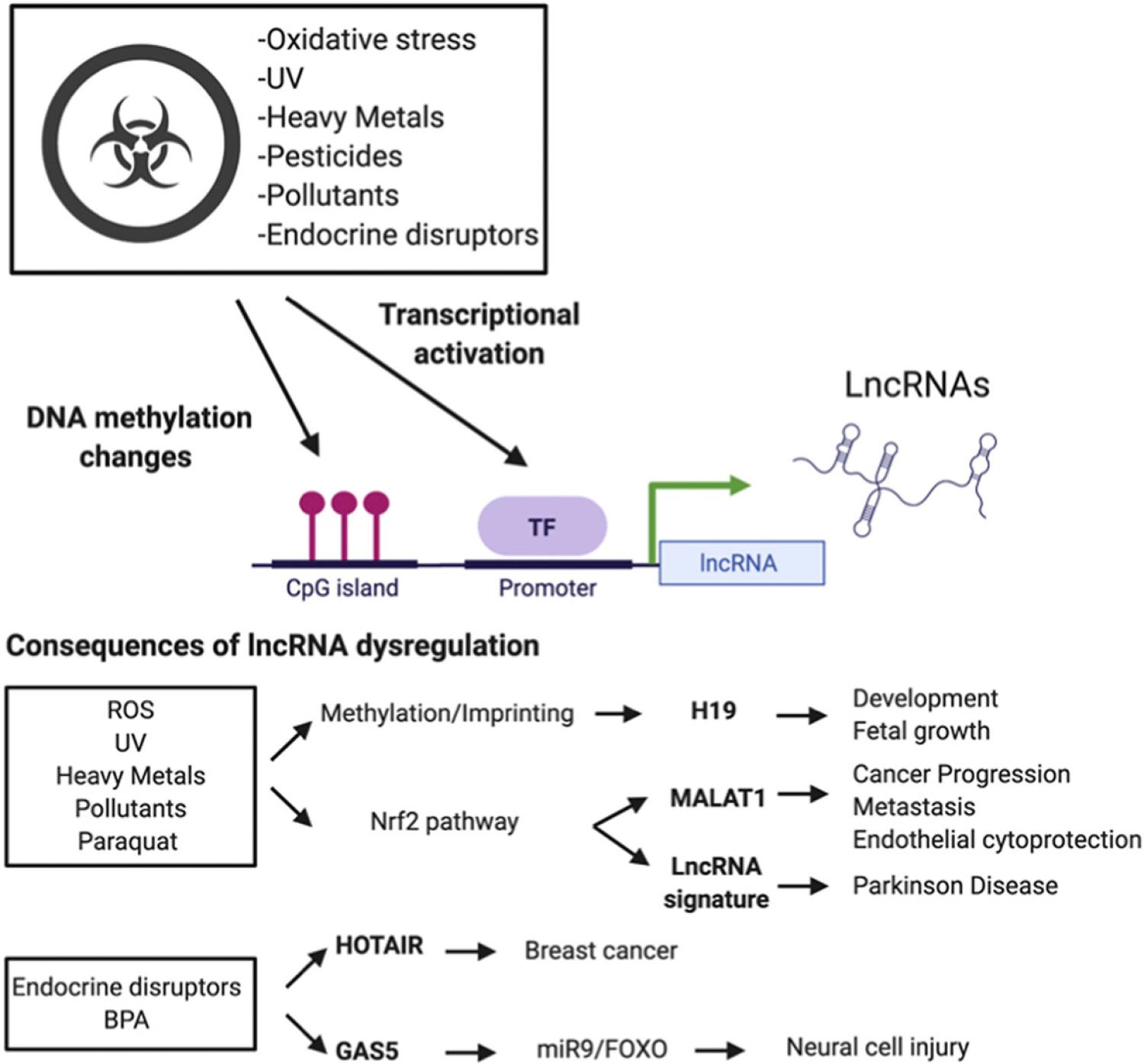
Environmental risk factors, including physicochemical agents, noise and mental stress, have a considerable impact on human health. This environmental exposure may lead to epigenetic reprogramming, including changes in non-coding RNAs (ncRNAs) signatures, which can contribute to the pathophysiology state. Oxidative stress is one of the results of this environmental disturbance by modifying cellular processes such as apoptosis, signal transduction cascades, and DNA repair mechanisms.
Elsevier, Redox Biology, Volume 37, October 2020
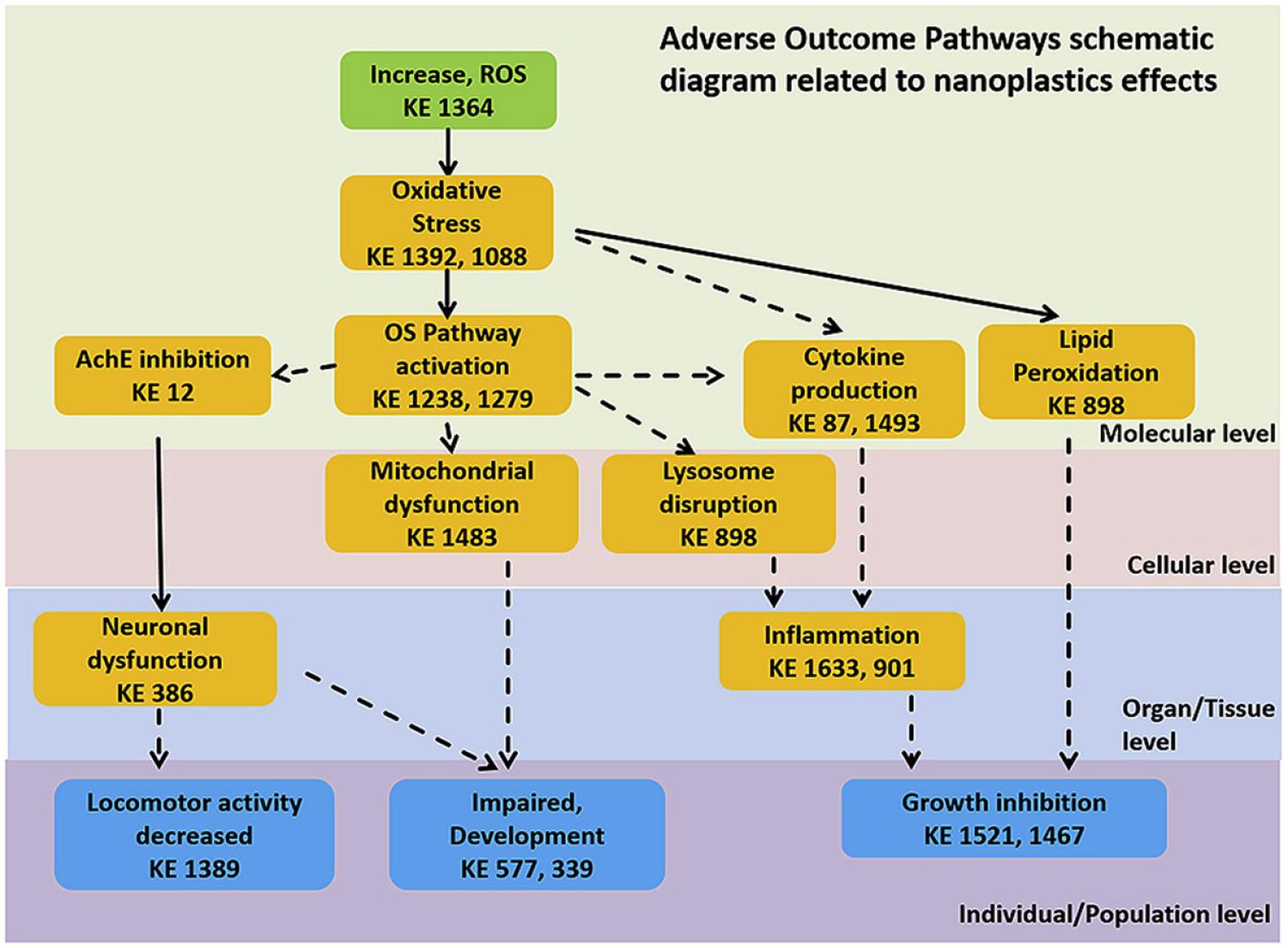
Microplastics (MPs) and nanoplastics (NPs) have attracted considerable attention in the recent years as potential threats to the ecosystem and public health. This review summarizes current knowledge of pathological events triggered by micro- and nano-plastics (MP/NPs) with focus on oxidative damages at different levels of biological complexity (molecular, cellular, tissue, organ, individual and population).
Elsevier, Free Radical Biology and Medicine, Volume 151, 1 May 2020
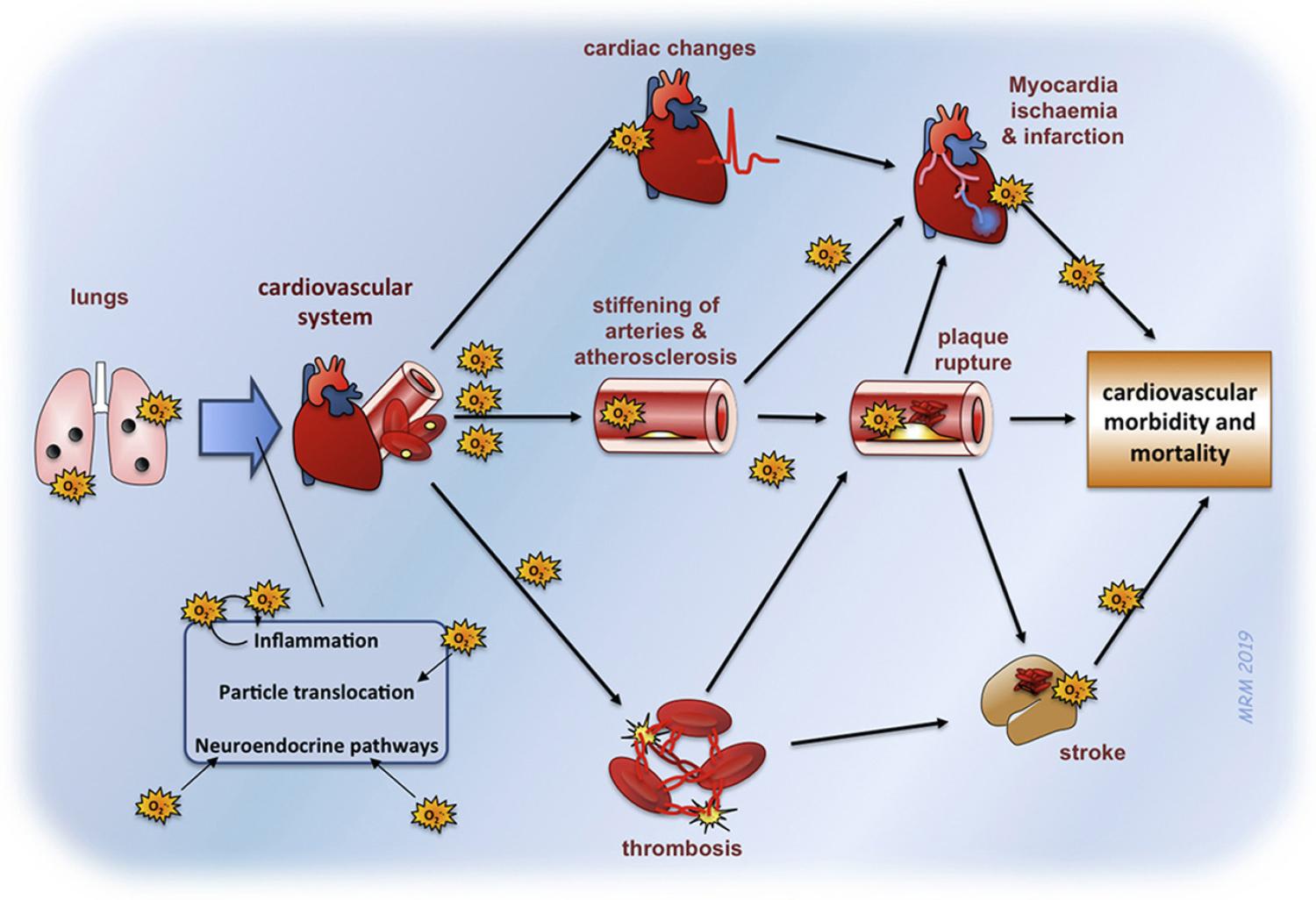
Cardiovascular causes have been estimated to be responsible for more than two thirds of the considerable mortality attributed to air pollution. There is now a substantial body of research demonstrating that exposure to air pollution has many detrimental effects throughout the cardiovascular system. Multiple biological mechanisms are responsible, however, oxidative stress is a prominent observation at many levels of the cardiovascular impairment induced by pollutant exposure.
Elsevier, Mitochondrion, Volume 51, March 2020
Mitochondria regulates the Cell Danger Response (CDR) by monitoring and responding to the physical, chemical, and microbial conditions within and around the cell. In this way, mitochondria connect cellular health to environmental health. This Perspective discusses the links between mitochondria and health in the context of negative human activities and highlights a call for a new constitutional amendment to invest each citizen with a new right: the right to be born and live in an environment that does not cause chronic disease. Readers can learn more at http://naviauxlab.ucsd.edu/the-28th-amendment-project/.
Elsevier, Free Radical Biology and Medicine, Volume 135, 1 May 2019
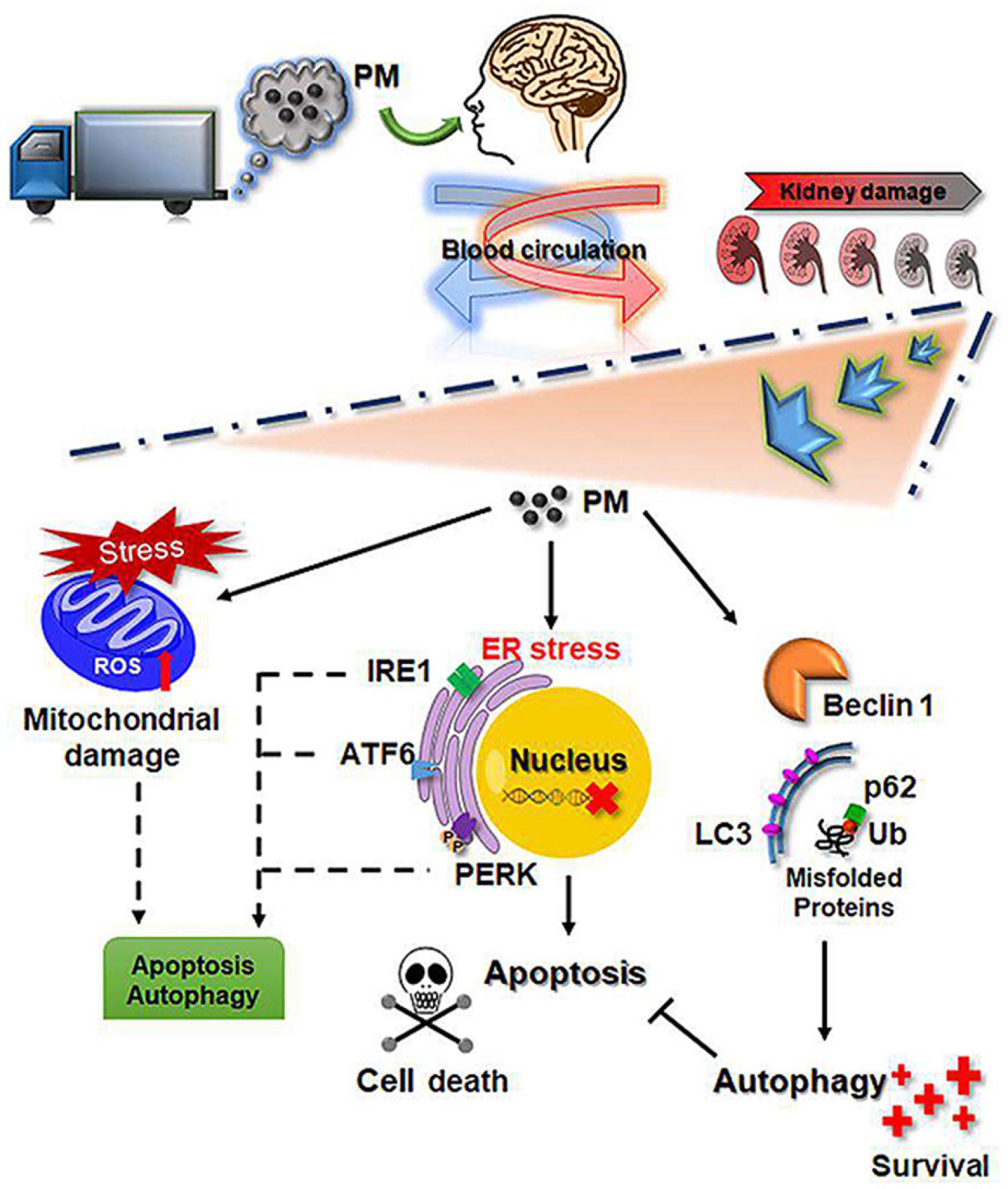
Traffic emission is responsible for most small-sized particulate matter (PM) air pollution in urban areas. Several recent studies have indicated that traffic-related PM may aggravate kidney disease. Furthermore, exposure to particulate air pollution may be related to the risk of chronic kidney disease (CKD). However, the underlying molecular mechanisms have not been adequately addressed. In the present study, we studied the mechanisms of renal damage that might be associated with exposure to PM.
Elsevier, Redox Biology, Volume 37, October 2020
Environmental risk factors, including physicochemical agents, noise and mental stress, have a considerable impact on human health. This environmental exposure may lead to epigenetic reprogramming, including changes in non-coding RNAs (ncRNAs) signatures, which can contribute to the pathophysiology state. Oxidative stress is one of the results of this environmental disturbance by modifying cellular processes such as apoptosis, signal transduction cascades, and DNA repair mechanisms.
Elsevier, The Lancet Regional Health - Americas, Volume 2, 2021, 100042
This study supports SDG 3 and 10 by analysing the association between income inequality and more than 60 outcomes of non-communicable diseases in Brazil. These findings emphasise the importance of addressing wider social determinants of health and the synergistic benefits of tackling inequalities.
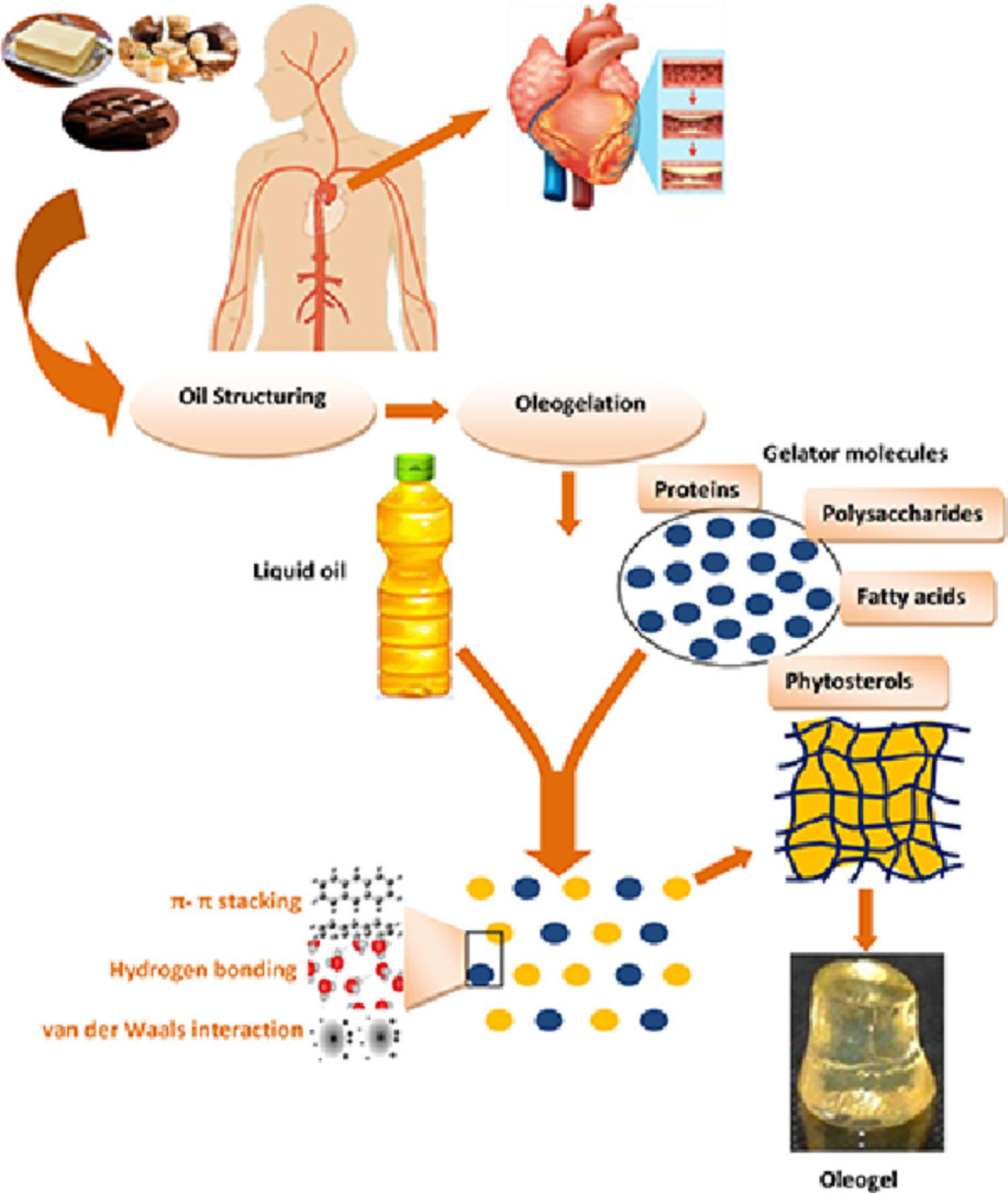
Elsevier, The Lancet Regional Health - Americas, Volume 6, 2022, 100101
This study supports SDG 3 and 13 by quantifying the risk and attributable burden of hospitalisations for renal diseases related to ambient temperature, showing that this risk was positively associated with daily mean temperature and was more prominent in women, children aged 0–4 years, and older people aged ≥80 years. The findings highlight the need for the development of more policies to prevent heat-related hospitalisations and to mitigate climate change.
Elsevier, The Lancet Regional Health - Americas, Volume 10, 2022, 100222
This study supports SDG 3 and 10 by discussing possible determinants of the impact of the COVID-19 pandemic on the Brazilian health system through the lenses of health system resilience and geographical inequalities. The findings show that lack of proper planning to improve resilience resulted in the decrease of a quarter of the amount of health-care procedures, increasing already existing health disparities in the country and highlighting the need to allocate resources in socioeconomically vulnerable regions to reduce avoidable deaths.
Elsevier, The Lancet Regional Health - Americas, Volume 4, 2021, 100034
This study supports SDG 3 by investigating the association between increasing the quality of primary health care in Brazil, with highly-skilled health professionals and integrated community health workers, and reductions in hospitalisations and mortality. These findings suggest that high quality, multidisciplinary primary health care remains essential to strengthening health systems in both high-income countries and in low-income and middle-income countries.
Elsevier, Clinical Epidemiology and Global Health, Volume 13, 1 January 2022
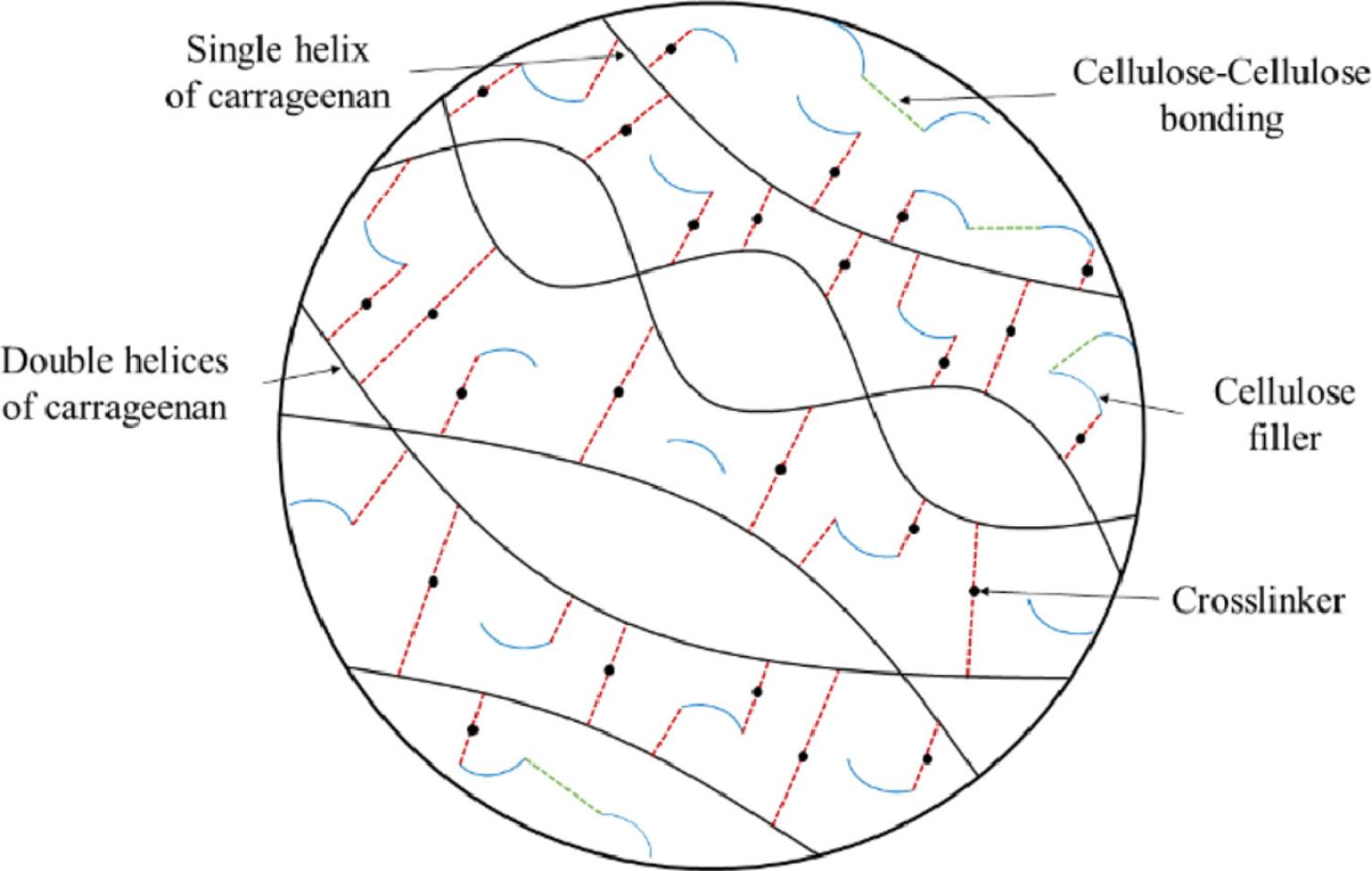
Background: India has a high COVID-19 burden. The Indian government responded to the pandemic by mandating its population to adhere to certain Protective Measures (PMs). Compliance to these PMs depends on their acceptability and adaptability among the general public. Aims: To explore the perceptions and practices of COVID-19 related PMs among the general public of North India. Methods: Qualitative study in four administrative districts (Lucknow, Etawah, Patna and Darbhanga) of North India. Two urban and two rural districts were purposefully selected.
Elsevier, Encyclopedia of Mycology, Volume 1, 2021, Pages 64-93
Reviews and explains the challenges posed by mycotoxins on food safety, which have consequences on the health of consumers and livestock. Also discusses the prospects of mycotoxin outbreaks in a world climate change scenario. Supports SDG 2: Goal 2. End hunger, achieve food security and improved nutrition and promote sustainable agriculture
Elsevier, Health Reform Policy to Practice, Oregon's Path to a Sustainable Health System: A Study in Innovation, 2017, Pages 313-332
Offers valuable lessons to develop new payment and delivery models for affordable care that aim to realign incentives and emphasize accountability for quality and efficiency.
Elsevier, Emerging and Reemerging Viral Pathogens, Volume 1: Fundamental and Basic Virology Aspects of Human, Animal and Plant Pathogens, 2020, Pages 53-68
The current availability of state-of-the-art genomic technologies such as pan-microbial microarrays and NGS provides an unprecedented opportunity to “cast a wide net” and surveys the full breadth of as-yet undiscovered pathogens in nature that pose significant threats to human health.

Elsevier, Women and Health (Second Edition), 2013, Pages 1515-1526
Addresses the impact of long-term care on women, outlining the salient issues affecting women who are receiving care and those who are providing informal caregiving, as well as those who are direct care workers in long-term care facilities. Focus is given to the prevalence of physical and mental health conditions among women in the long-term care system and identification of risk factors associated with women’s health and economic well-being.


Elsevier, The Developing Microbiome, Lessons from Early Life, 2020, Pages 157-181
Examines potential therapeutic or preventative therapies aimed at targeting the neonatal enteric microbiome to improve the host’s nutritional status, and future directions of the role of the neonatal enteric microbiome on the later development of pediatric malnutrition and obesity.


Elsevier, Diabetes Without Needles, Non-invasive Diagnostics and Health Management, 2022, Pages 27-92
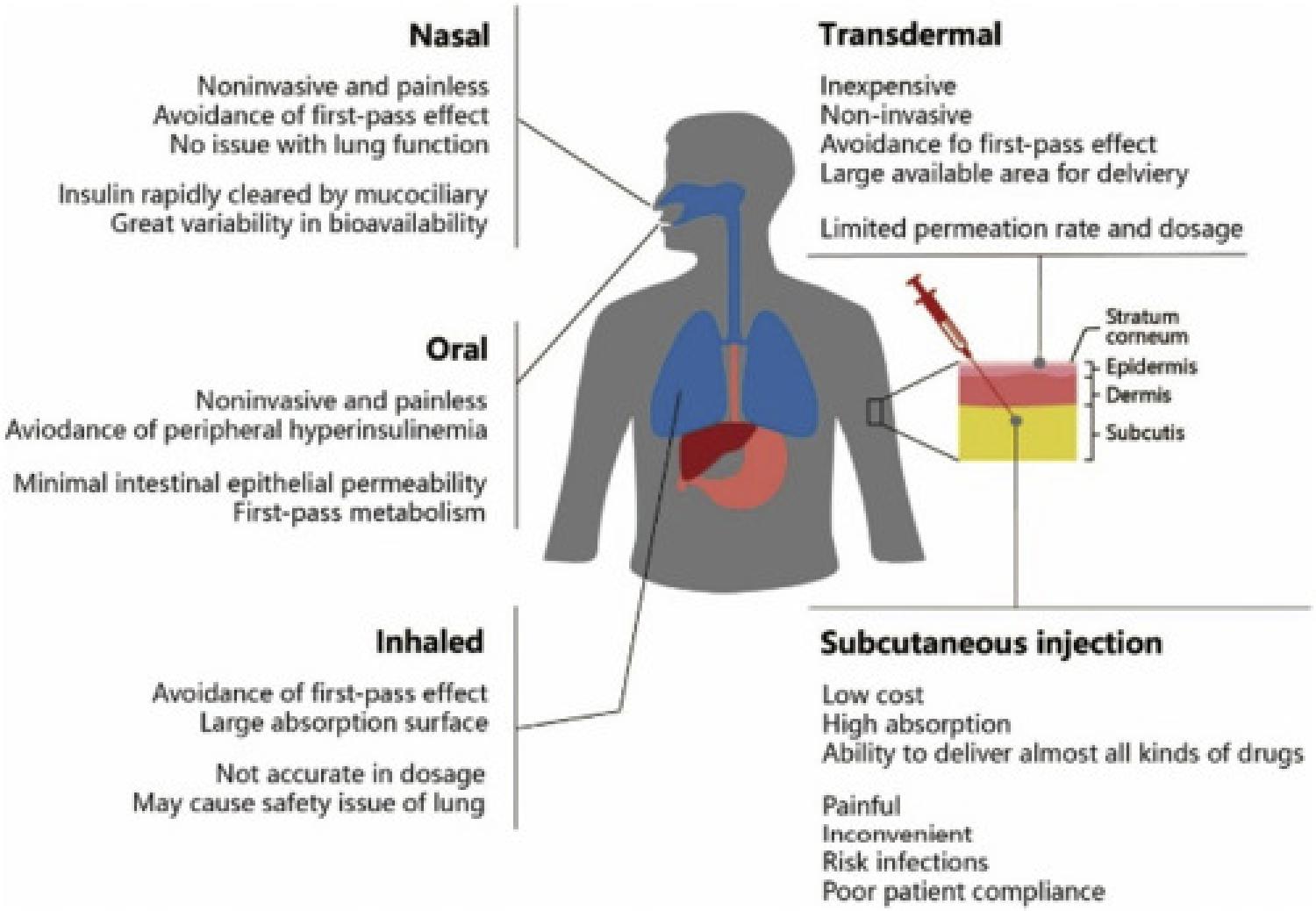
Introduces diabetes including past, present, and future achievements in this field. The goal of SDG target 3.4.1 is to reduce the mortality rate attributed to cardiovascular disease, cancer, diabetes or chronic respiratory disease

Elsevier,
Innovation in Health Informatics: A Smart Healthcare Primer, Next Gen Tech Driven Personalized Med&Smart Healthcare, 2020, Pages 3-38
The adoption of advanced Healthcare Information Systems and Medical Informatics requires an integrated approach sensitive to various social, economic, political, and cultural factors. The challenges that the adoption and use sophisticated information and communication technologies (ICTs) generate need to be considered too. Smart Data and Data Analytics along with cognitive computing are the promising technologies with great value added for the domain of healthcare. The goal of SDG 3.d is to strengthen the capacity of all countries, in particular developing countries, for early warning, risk reduction and management of national and global health risks (by e.g. Healthcare Information Systems).
Elsevier, Encyclopedia of Mycology, Volume 1, 2021, Pages 792-802
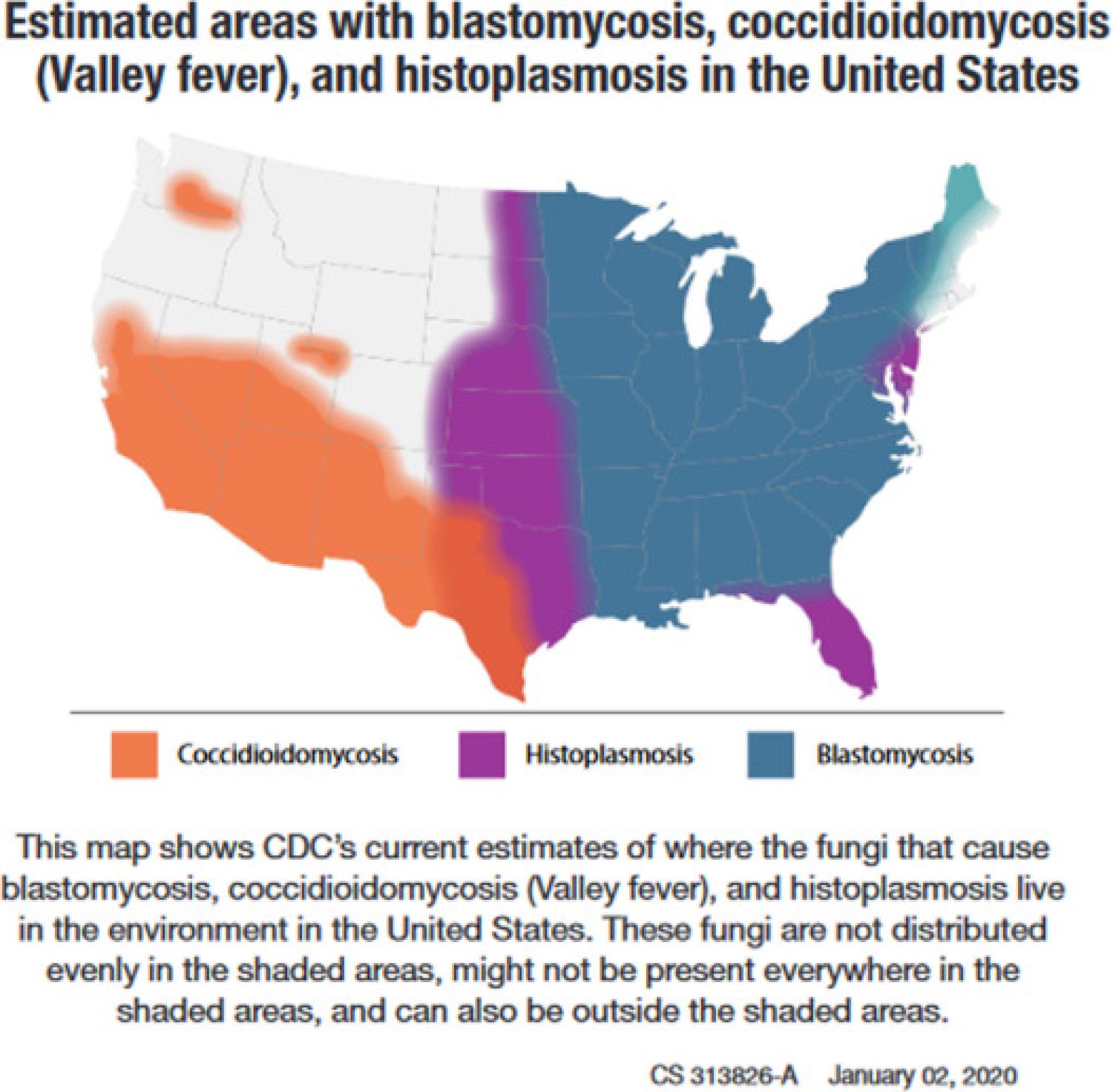
Provides an overview of the diversity of fungal infections and the associated syndromes that afflict cancer patients as they undergo increasingly complex treatments. Invasive fungal infections cause significant morbidity and mortality in oncology patients. Supports SDG 2: Goal 2. End hunger, achieve food security and improved nutrition and promote sustainable agriculture
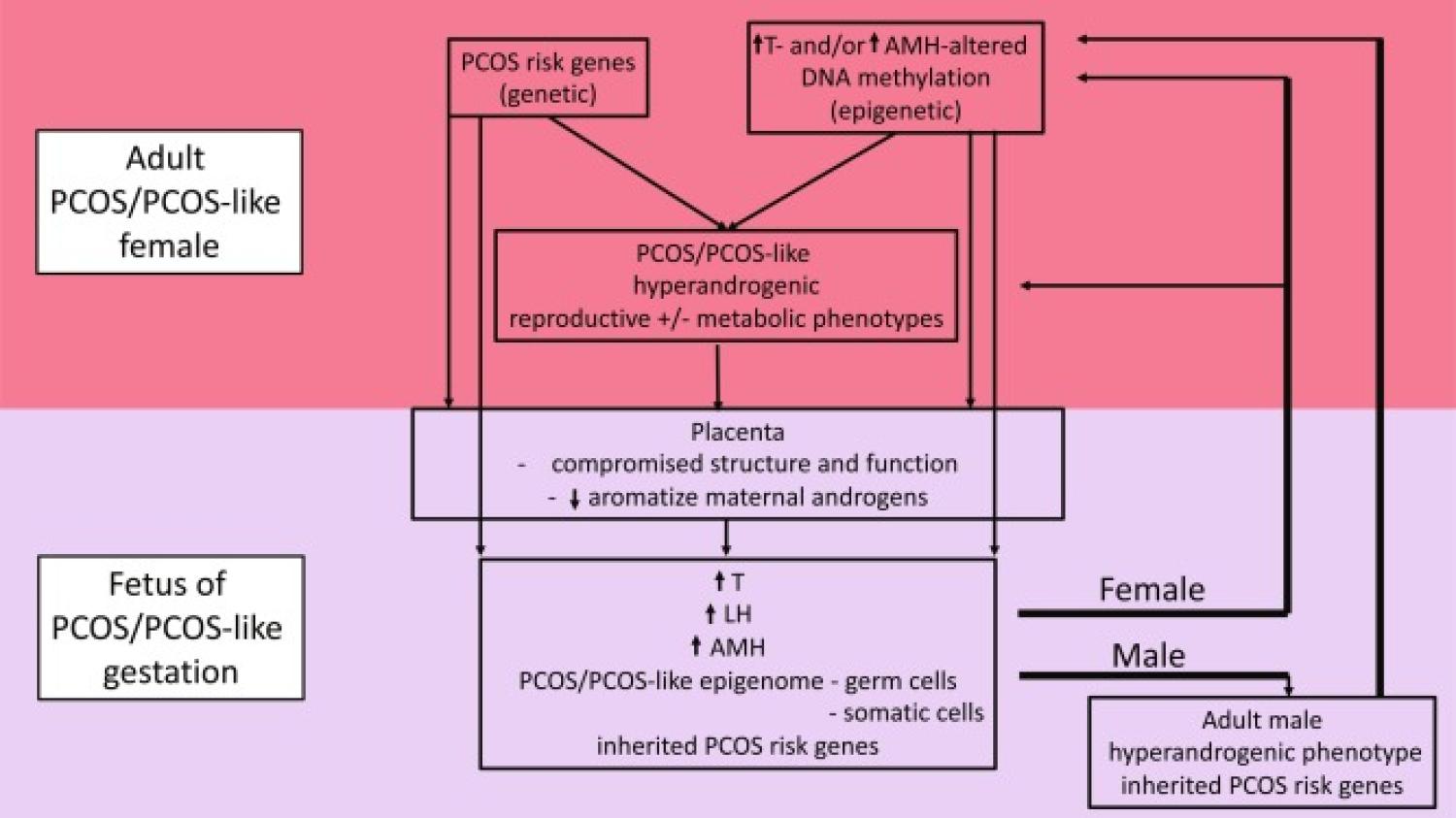
Elsevier, Polycystic Ovary Syndrome, Challenging Issues in the Modern Era of Individualized Medicine, 2022, Pages 23-38
Focuses on the evidence for PCOS pathogenesis in women and underlying molecular gateways enabling its development during hyperandrogenic gestations in animal models. Support the SDG target 3.7.1 Proportion of women of reproductive age (aged 15–49 years) who have their need for family planning satisfied with modern methods.

Elsevier, Traffic-Related Air Pollution 2020, Pages 1-21
The associations between traffic-related air pollution (TRAP) and numerous health effects have been established in epidemiology and emerging health effects are continuously being studied. This book synthesizes the state-of-the-art knowledge on TRAP and human health. The SDG goal 3.9.1 is to reduce the mortality rate attributed to household and ambient air pollution.
Elsevier, The Neurobiology of Aging and Alzheimer Disease in Down Syndrome, 2022, Pages 251-272
The neurological contributions to the consensus diagnosis for the presence of dementia in DS rest on characterization of the nature, magnitude, and the course of cognitive decline. The goal of SDG target 3.8 is to achieve universal health coverage, including financial risk protection, access to quality essential health-care services and access to safe, effective, quality and affordable essential medicines and vaccines for all
Elsevier, Diabetic Neuropathy, 2022, Pages 1-9
Diabetic neuropathy is the most debilitating complication that can cause significant morbidity and mortality in type 1 and type 2 diabetic patients. It is essential to detect symptoms or signs of diabetic neuropathy and determine risk factors as early as possible to implement interventions and to prevent further neuronal damage. The goal of SDG 3.4 is to reduce by one third premature mortality from non-communicable diseases through prevention and treatment and promote mental health and well-being 3.4.1 Mortality rate attributed to cardiovascular disease, cancer, diabetes or chronic respiratory disease
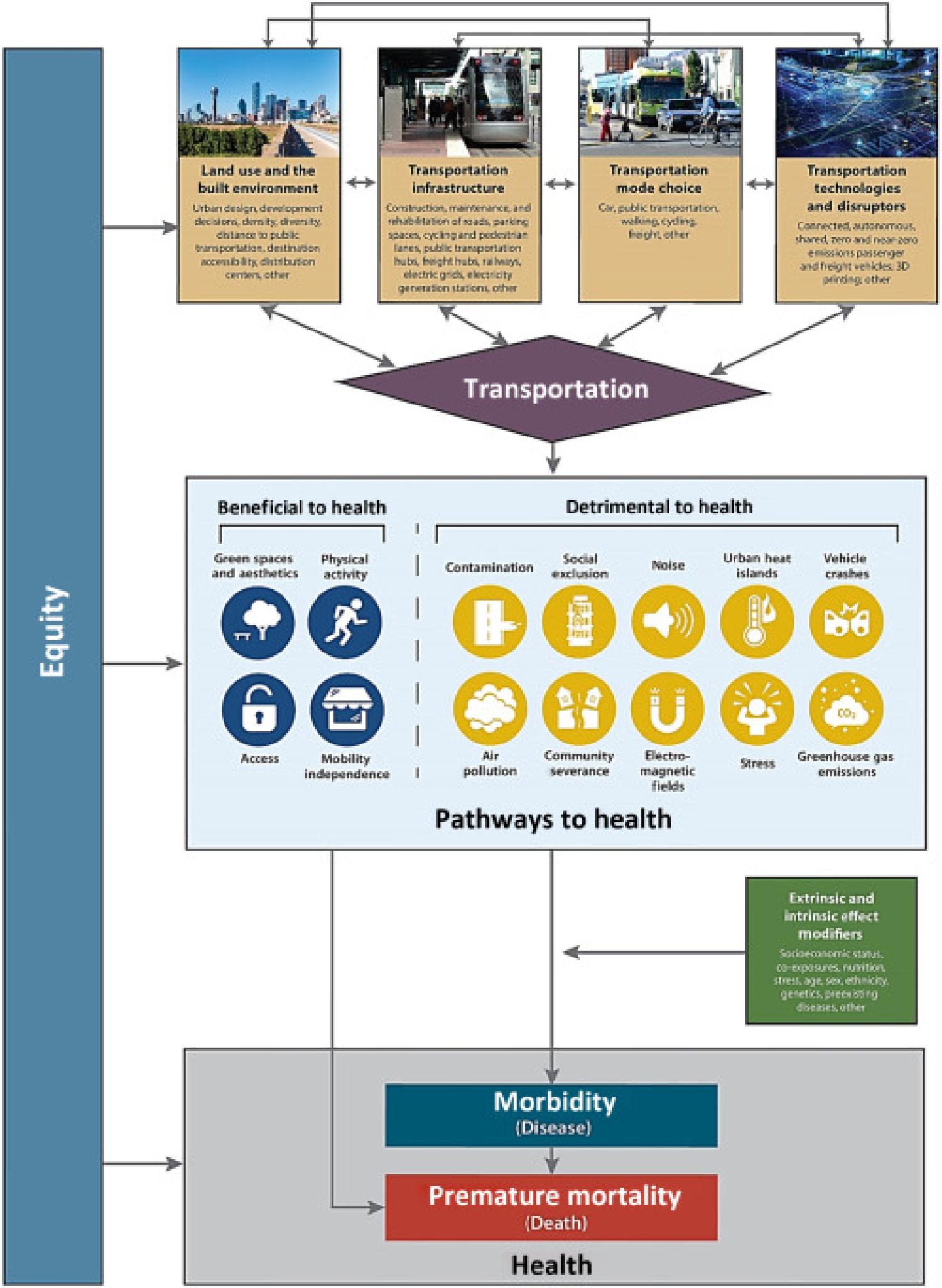
Elsevier, Advances in Transportation and Health, Tools, Technologies, Policies, and Developments, 2020, Pages 3-32
There is a relationship between land use, transport, and health, and to change transport and health, one has to change land use. In this chapter, we provide an introduction to the topic and make some suggestions on how to reduce the negative health impacts. The goal of SDG 11.2 is to provide access to safe, affordable, accessible and sustainable transport systems for all, improving road safety, notably by expanding public transport, with special attention to the needs of those in vulnerable situations, women, children, persons with disabilities and older persons
Elsevier, Fertility, Pregnancy, and Wellness, 2022, Pages 1-19
The relationship between healthy lifestyles and wellbeing, especially focused on women and pregnancy, continues to grow to understand and determine factors connected to chronic disease and to decrease them. Supports SDG target: 3.2 By 2030, end preventable deaths of newborns and children under 5 years of age, with all countries aiming to reduce neonatal mortality to at least as low as 12 per 1,000 live births and under‑5 mortality to at least as low as 25 per 1,000 live births
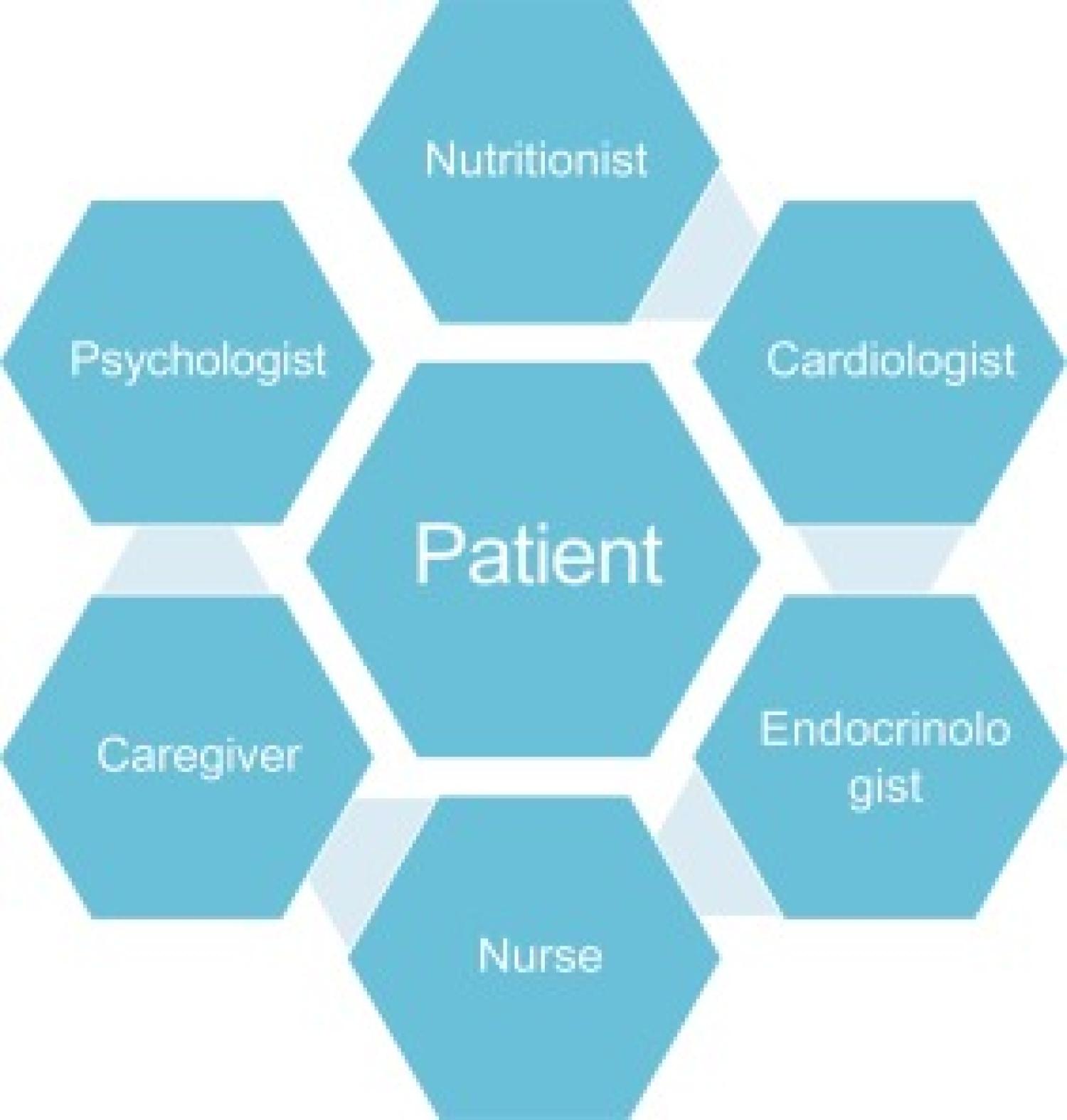
Elsevier, Fundamentals of Telemedicine and Telehealth, 2020, Pages 115-126
Discusses the universe of chronic disease and telehealth, from the patients’ perspective. The goal of SDG target 3.4.1 is to reduce the mortality rate attributed to cardiovascular disease, cancer, diabetes or chronic respiratory disease.
Elsevier, Encyclopedia of Virology (Fourth Edition), Volume 2, 2021, Pages 232-244
Overviews the Ebola virus, endemic in Central Africa and cause of severe hemorrhagic fevers. Although no licensed treatment is available to treat disease, vaccines have recently been licensed in Europe, the USA and elsewhere. The goal of SDG 3.3 is 3.3 the end the epidemics of AIDS, tuberculosis, malaria and neglected tropical diseases and combat hepatitis, water-borne diseases and other communicable diseases.
Elsevier, Encyclopedia of Environmental Health (Second Edition), 2019, Pages 653-660
Explores the links between climate change, human health, and human rights—focusing on the human right to health. Examines the current state of the international debate surrounding the human right to health. The goal of SDG target 13 is to take urgent action to combat climate change and its impacts.
Elsevier, Bone Sarcomas and Bone Metastases - From Bench to Bedside (Third Edition), Bone Sarcomas and Bone Metastases - from Bench to Bedside, 2022, Pages 17-23
Examines the economic impact of bone metastasis for patients with cancer. Supports SDG 3.4.1 to 3.4 , reduce by one thirdmortality rate attributed to cardiovascular disease, cancer, diabetes or chronic respiratory diseases.

Elsevier, Microneedles, 2022, Pages 115-138
The sampling of interstitial fluid for real-time assay requires techniques that are sensitive, rapid, painless, minimally invasive and easy to use by patients. Microneedles can be incorporated into biosensors with subsequent use of these platforms for continuous monitoring or bio-chemical detection of analytes in the dermal interstitial fluid. Supports the goal of SDG 3.8 to achieve universal health coverage, including financial risk protection, access to quality essential health-care services and access to safe, effective, quality and affordable essential medicines and vaccines for all.
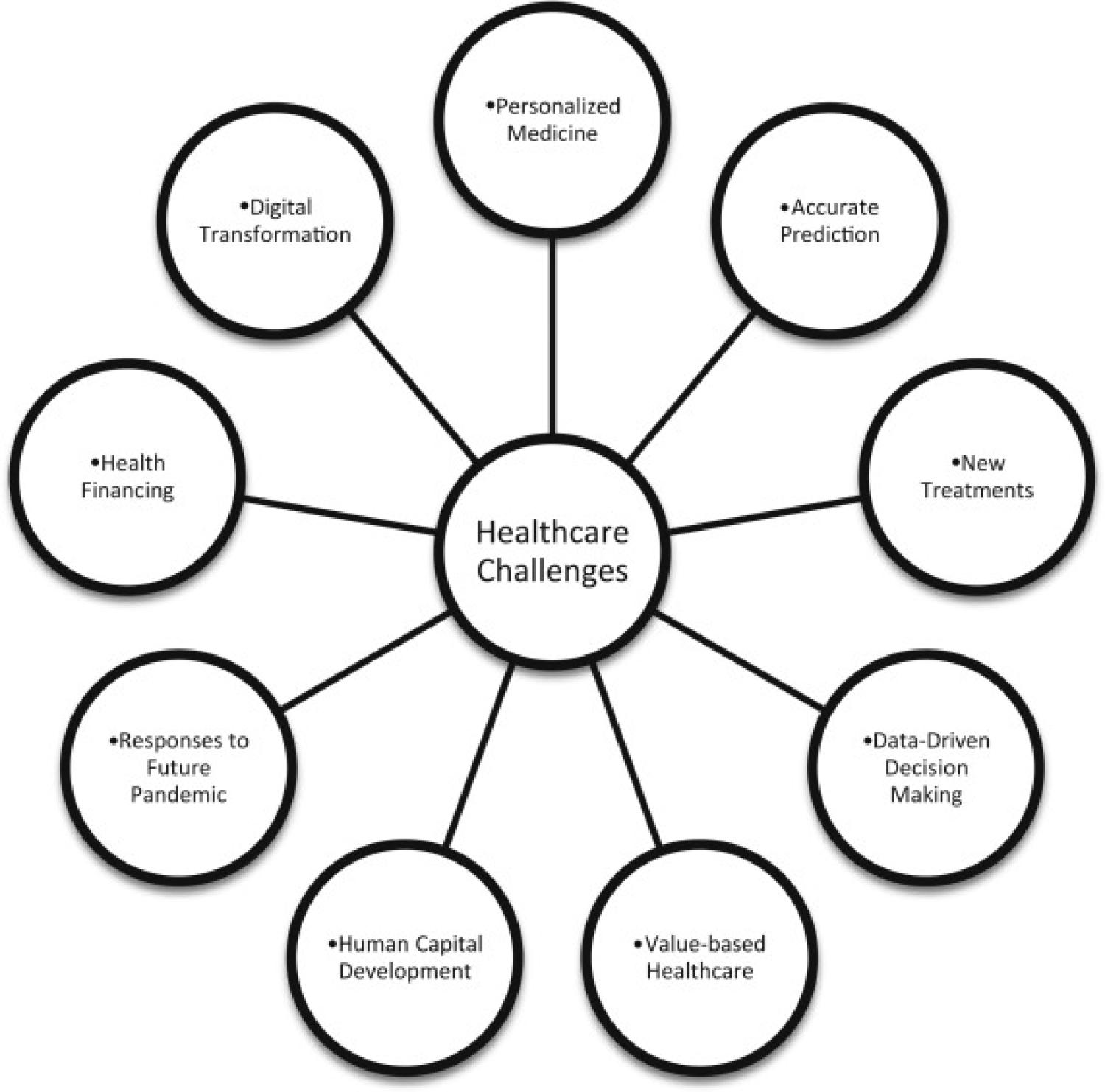
Elsevier, Artificial Intelligence and Big Data Analytics for Smart Healthcare, Next Gen Tech Driven Personalized Med&Smart Healthcare, 2021, Pages 1-9
The value-based health-care strategy imposes significant challenges to the adoption of medical technologies in the health-care domain. The recent pandemic of COVID-19 also proved that the deployment of medical informatics in creative ways toward innovation and bold solution to new problems and cases is a vital priority for the future of healthcare. The goal of SDG target 3d. is to strengthen the capacity of all countries, in particular developing countries, for early warning, risk reduction and management of national and global health risks (by using medical innovative technologies) and SDG target 9b. to support domestic technology development, research and innovation in developing countries, including by ensuring a conducive policy environment for, inter alia, industrial diversification and value addition to commodities
Elsevier, Surveying the Covid-19 Pandemic and its Implications, Urban Health, Data Technology and Political Economy, 2020, Pages 129-139
This chapter explores how data science and technology has been key in fighting COVID-19 through early detection and in the devising of tools for containing the spread. The goal of SDG 3.3 is to end the epidemics of AIDS, tuberculosis, malaria and neglected tropical diseases and combat hepatitis, water-borne diseases and other communicable diseases

Elsevier, Neglected Tropical Diseases and Other Infectious Diseases Affecting the Heart, 2022, Pages 61-71
Discusses the epidemiology, pathophysiology, symptoms, diagnosis and treatment of Lyme carditis. Supports SDG By 2030, end the epidemics of AIDS, tuberculosis, malaria and neglected tropical diseases and combat hepatitis, water-borne diseases and other communicable diseases

Elsevier, The Neurobiology of Aging and Alzheimer Disease in Down Syndrome, 2022, Pages 11-4
Describes features of the Down Symdrone brain suggesting that structurally and biochemically there are important differences pre- and postnatally relative to neurotypically developing brains. The goal of SD target 3.7 is to ensure, ensure universal access to sexual and reproductive health-care services, including for family planning, information and education, and the integration of reproductive health into national strategies and programmes
Elsevier, Air Pollution, Climate, and Health, An Integrated Perspective on Their Interactions, 2021, Pages 3-12
Summarizes the documented health effects of climate change and air pollution, and the underlying linkage and interaction, as well as some issues that need to be addressed in future research and policy-making practice. Supports the SDG Goal 13. Take urgent action to combat climate change and its impacts
Elsevier, An Introduction to Interdisciplinary Toxicology, From Molecules to Man, 2020, Pages 353-361
The water crisis in Flint, Michigan, a human made disaster of dire proportions, resulted in bacterial and lead contamination of predominantly African American and low-income residents. SDG 6 promotes to ensure availability and sustainable management of water and sanitation for all.
Elsevier, Human Sexuality, Function, Dysfunction, Paraphilias, and Relationships, 2021, Pages 63-105
Includes factors contributing to a fulfilling sexual relationship, gender differences in sexual behavior, sexuality and culture, affect, sexual toys and masturbation and their relation to sexual enjoyment, and sexuality in the 21st century. Supports the goal of SDG target 3.7: By 2030, ensure universal access to sexual and reproductive health-care services, including for family planning, information and education, and the integration of reproductive health into national strategies and programmes
Elsevier, Epigenetics of Stress and Stress Disorders, Volume 31 in Translational Epigenetics, 2022, Pages 137-162
Reviews the literature on the epigenetics of PTSD and interpret findings through the lens of understanding the implications for adverse physical health outcomes. The goal of SDG target is to cover treatment interventions (pharmacological, psychosocial and rehabilitation and aftercare services) for substance use disorders.

Elsevier, An Introduction to Interdisciplinary Toxicology, From Molecules to Man, 2020, Pages 341-352
This chapter examines the contaminated community phenomenon by situating it within social science scholarship on hazards and disasters. The goal of SDG target 3.9 is to substantially reduce the number of deaths and illnesses from hazardous chemicals and air, water and soil pollution and contamination.

Elsevier, Introductory Immunology (Second Edition), Basic Concepts for Interdisciplinary Applications, 2019, Pages 123-131
Examines the coordinated effort of cells and blood components to detect and defend against cancers. Supports SDG 3.4.1 By 2030, reduce by one third mortality rate attributed to cardiovascular disease, cancer, diabetes or chronic respiratory disease

Elsevier, Clinical Ophthalmic Genetics and Genomics, 2022, Pages 457-463Gallie
Understanding the genetics of retinoblastoma has enabled clinicians to develop targeted screening guidelines based on genetic risk, minimising unnecessary screening exams, and focusing resources on individuals at greatest risk. The goal of SDG target 3.d is to strengthen the capacity of all countries, in particular developing countries, for early warning, risk reduction and management of national and global health risk.

Elsevier, Electronic Waste, Toxicology and Public Health Issues, 2017, Pages 1-15
Chapter on the public health problem of how to effectively deal with or dispose of the ever-increasing number of old or outdated electronic devices (e-waste) in a safe manner. The goal of SDG target 3.9 is to substantially reduce the number of deaths and illnesses from hazardous chemicals and air, water and soil pollution and contamination
Elsevier, Encyclopedia of Virology (Fourth Edition), Volume 1, 2021, Pages 552-558
Provides state of the art knowledge diversity and dynamics of the human virome in different body compartments of healthy individuals. Discusses the interplay between viruses and their bacterial or human hosts and how these interactions contribute to shape human health and disease. Supports SDG goal 3.2.d: 3.d Strengthen the capacity of all countries, in particular developing countries, for early warning, risk reduction and management of national and global health risks, including the percentage of bloodstream infections due to selected antimicrobial-resistant organisms
Elsevier, Prenatal Genetic Counseling, Practical support for prenatal diagnostics, decision-making, and dealing with uncertainty, 2022, Pages 83-103
Aims to inform how to address cultural, religious, and ethnic diversity in prenatal genetic counseling. The goal of SDG targer 3.2 is to end preventable deaths of newborns and children under 5 years of age, with all countries aiming to reduce neonatal mortality to at least as low as 12 per 1,000 live births and under‑5 mortality to at least as low as 25 per 1,000 live births
Elsevier, Electronic Waste, Toxicology and Public Health Issues, 2017, Pages 55-61
This chapter will attempt brief review on some of the known factors which define populations, particulary developing countries, at special risk for chemical toxicity from e-waste. The goal of SDG target 3.9 is to substantially reduce the number of deaths and illnesses from hazardous chemicals and air, water and soil pollution and contamination
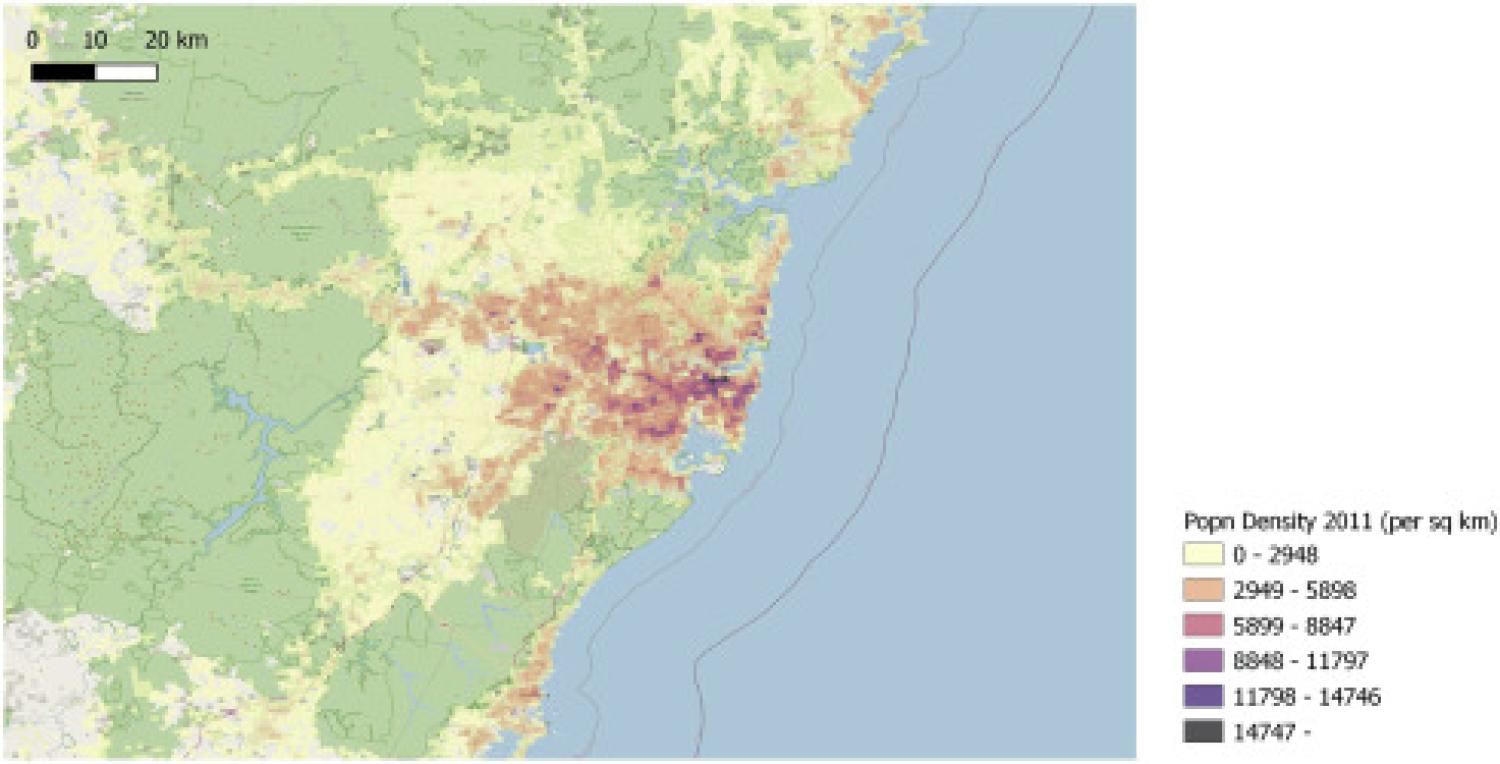
Elsevier, Inoculating Cities, Case Studies of Urban Pandemic Preparedness, 2021, Pages 171-199
An epidemic of any infectious disease with significant social and health impacts is a major challenge for a large city. Smallpox is an exemplar pathogen that has the capacity to cause catastrophic impacts on cities

Elsevier, Global Perspectives on Childhood Obesity (Second Edition), Current Status, Consequences and Prevention, 2019, Pages 105-116
Argues that prevention of obesity in childhood as the most effective way of stemming the “obesity epidemic” over the long term. Supports SDG: 2.2.2 Prevalence of malnutrition (weight for height >+2 or -2 standard deviation from the median of the WHO Child Growth Standards) among children under 5 years of age, by type (wasting and overweight).
Elsevier, Global Perspectives on Childhood Obesity (Second Edition), Current Status, Consequences and Prevention, 2019, Pages 351-361
Describes psychological techniques that may offer an effective approach to preventing severe obesity from developing during puberty. Supports SGD goal: 2.2.2 Prevalence of malnutrition
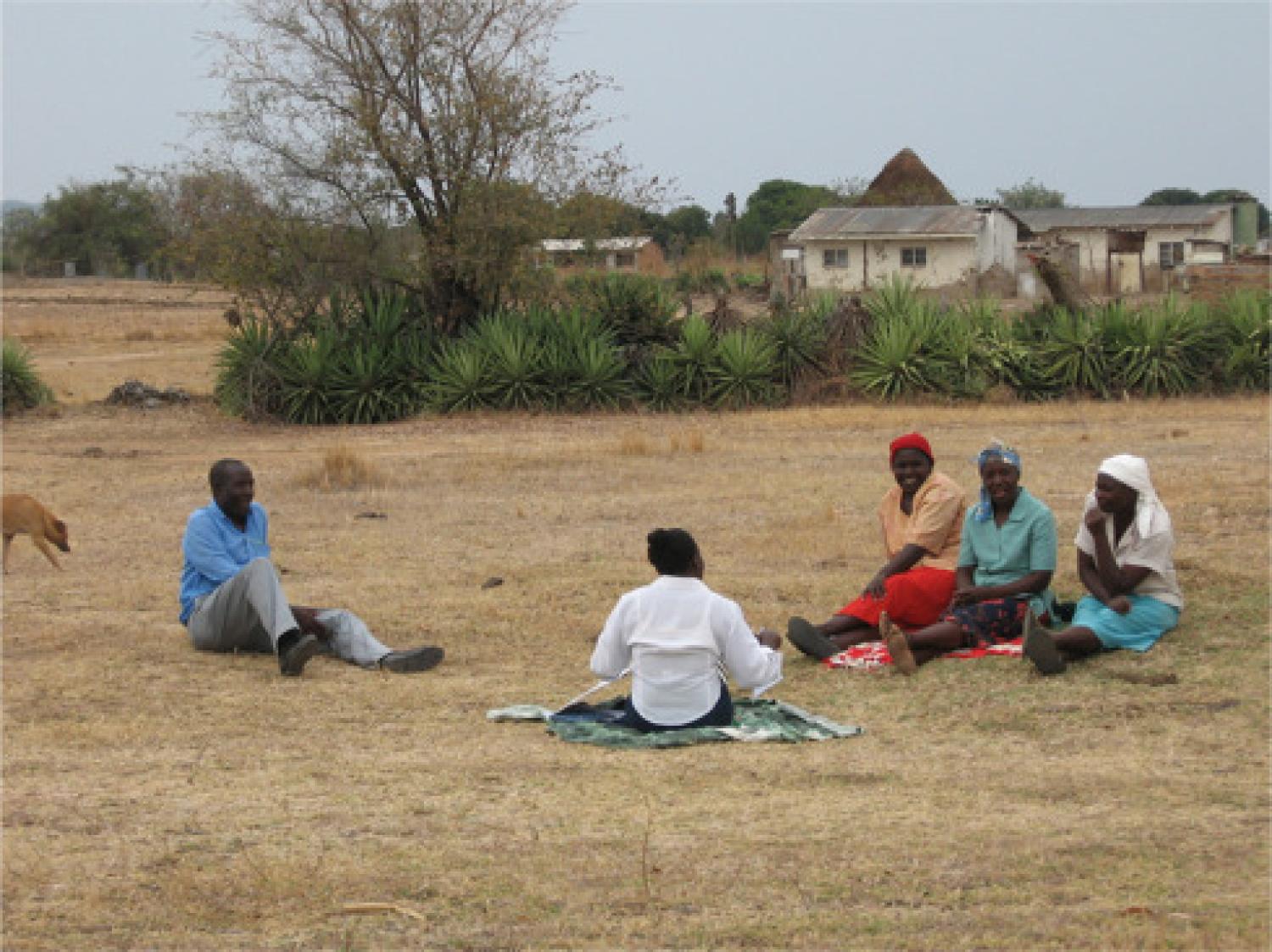
Elsevier, Barefoot Global Health Diplomacy, Field Experiences in International Relations, Security, and Epidemics, 2021, Pages 27-49
Adaptability to politics, economics, and to the wealth and poverty of the world: health programs, in emergencies or over the longer term, need to be aware of local incomes and costs of services—and how they can be paid for. Programs and projects and interventions should thus evolve to make sure the treatment, the testing, the assistance they are promoting is available and affordable—both when the internationals are there, and after they leave
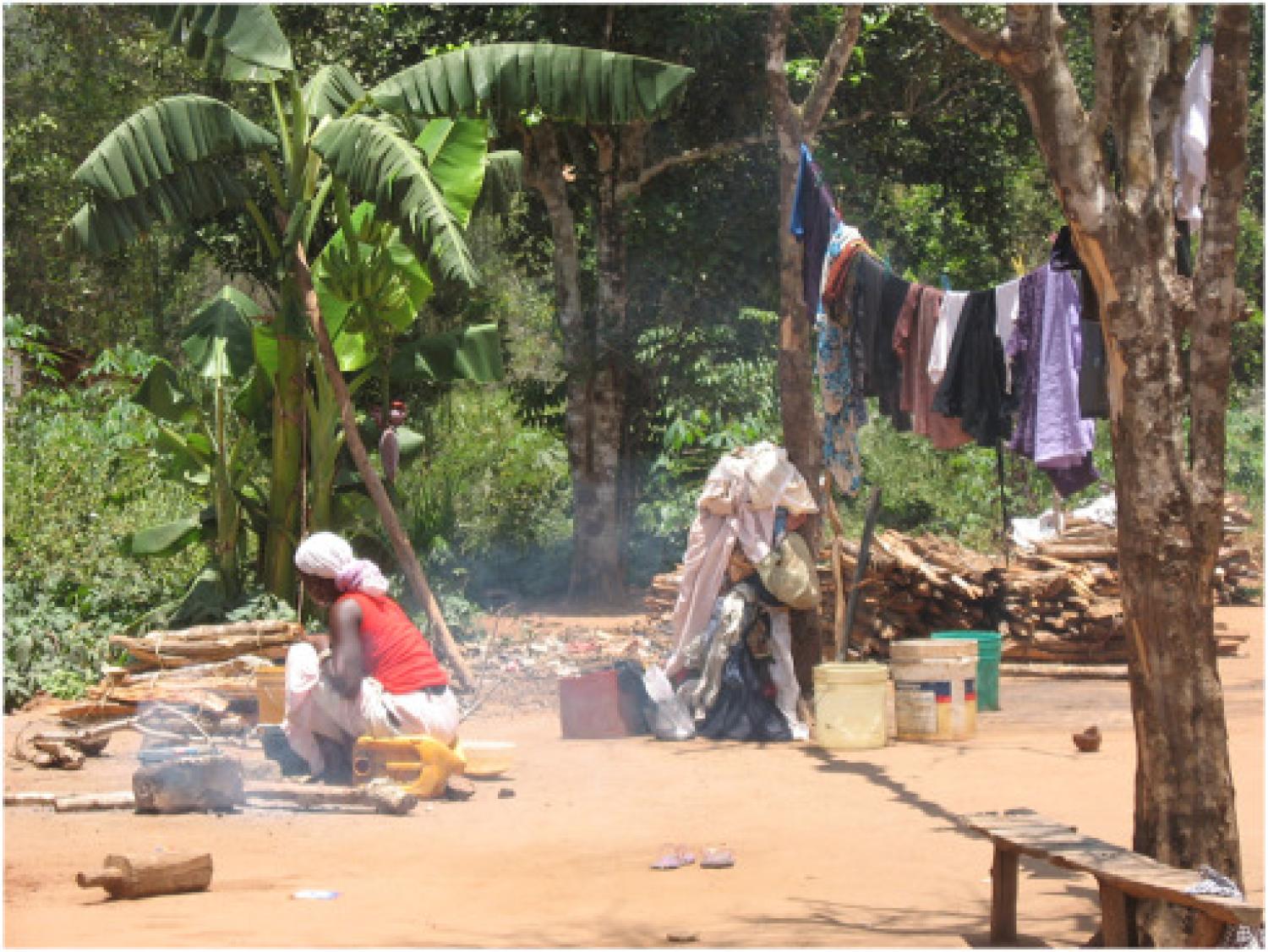
Elsevier, Barefoot Global Health Diplomacy, Field Experiences in International Relations, Security, and Epidemics, 2021, Pages 51-73
Local capacity gives locals the strategic, diplomatic skills they need: capacity and understanding are not necessarily only amongst doctors and politicians, but also amongst community leaders, villagers, and patients. To develop that capacity, that understanding, the locals need new skills, new forms of education
Summarizes the evidence on how education, work, and marriage influence women’s health. In light of dramatic changes in gender-based inequalities in education, occupational opportunities, and marriage, trends in major indicators of women’s health are discussed in relation to the relevance of social changes for recent and future population patterns in women’s health.
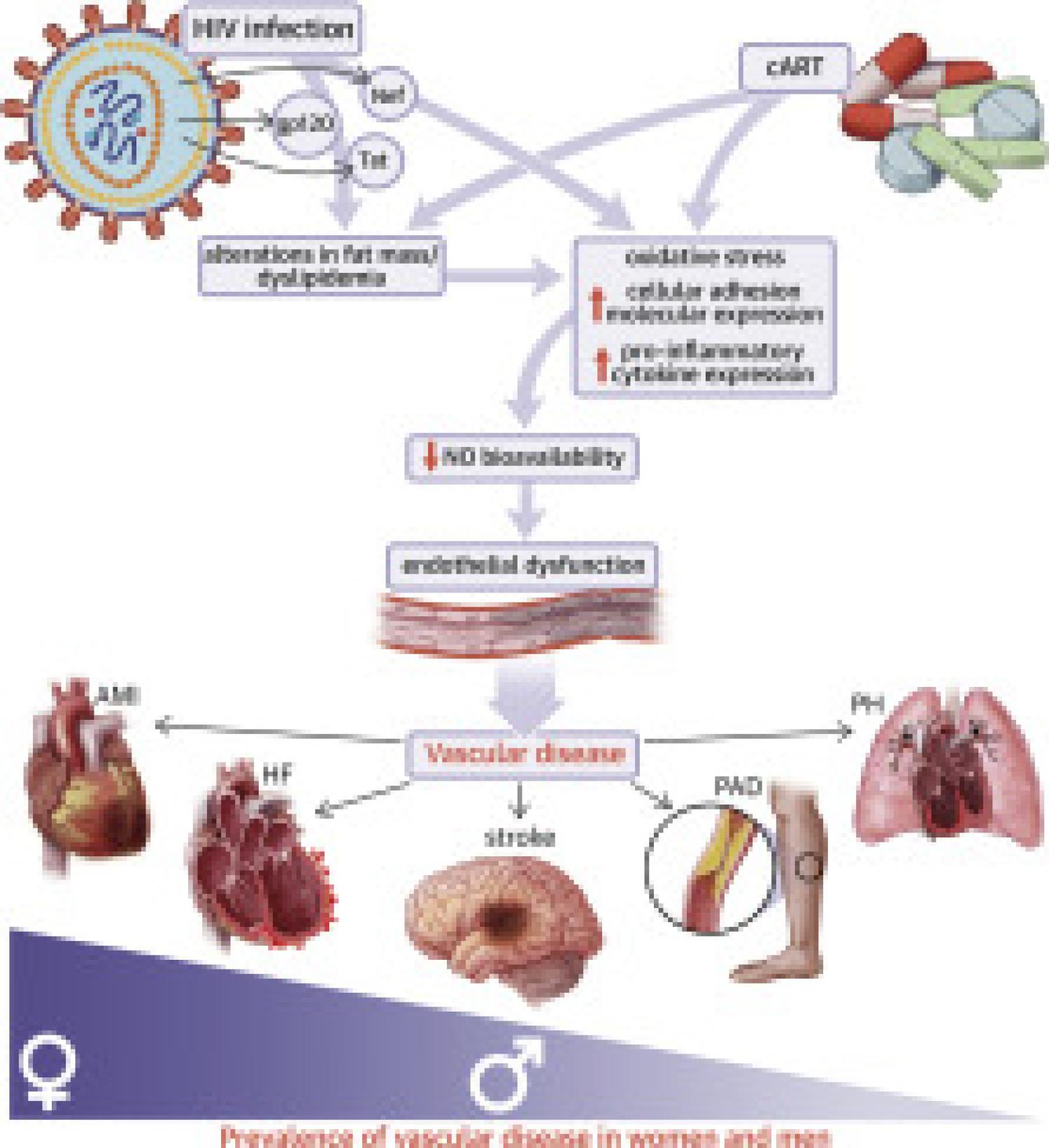
Elsevier, JACC: Basic to Translational Science
Discusses how manifestations of HIV-related CVD differ by sex. The goal of SDG target 3.3 is to end the epidemics of AIDS, tuberculosis, malaria and neglected tropical diseases and combat hepatitis, water-borne diseases and other communicable diseases.
Elsevier, Teenagers, Sexual Health Information and the Digital Age, 2020, Pages 5-23
The term, sexual health, is frequently used in the applied context of sexual education and health promotion; according to the current working definition from the World Health Organization, sexual health is
…a state of physical, emotional, mental and social well-being in relation sexuality; it is not merely the absence of disease, dysfunction or infirmity. Sexual health requires a positive and respectful approach to sexuality and sexual relationships, as well as the possibility of having pleasurable and safe sexual experiences, free of coercion, discrimination and violence. For sexual health to be attained and maintained, the sexual rights of all persons must be respected, protected and fulfilled.
Elsevier, Teenagers, Sexual Health Information and the Digital Age, 2020, Pages 123-133
Teenagers were recruited from five schools in the North East of England; teenagers were approached by their teacher and asked if they would like to take part in the research. Participants were categorized as low SES based on parental educational background and parental income. The goal of SDG Goal 4.6 By 2030, ensure that all youth and a substantial proportion of adults, both men and women, achieve literacy and numeracy
Elsevier, Inoculating Cities, Case Studies of Urban Pandemic Preparedness, 2021, Pages 227-233
Cities around the world are treasures. They are centers of creativity, hubs of intellect, and economic powerhouses. But the COVID-19 pandemic has undeniably reminded us that, in our globalized world, cities can also pose unique challenges and act as incubators of disease – effectively pushing society to its limits.