This content aligns with Goal 3: Good Health by critically evaluating the efficacy of prodrugs in treating attention-deficit hyperactivity disorder (ADHD) and binge-eating disorder (BED), highlighting the importance of optimizing pharmacokinetic and pharmacodynamic properties to ensure effective and safe management of these conditions. By focusing on the therapeutic benefits and potential side effects of medications like lisdexamfetamine and serdexmethylphenidate, the review underscores the need for tailored treatment strategies that can improve health outcomes for individuals affected by these disorders. Additionally, it supports Goal 10: Reduced Inequalities by addressing the importance of accessible and effective medication options for ADHD and BED, ensuring that all patients, regardless of their background, have the opportunity to receive appropriate care and resources to manage their conditions effectively while minimizing the risk of misuse and abuse.
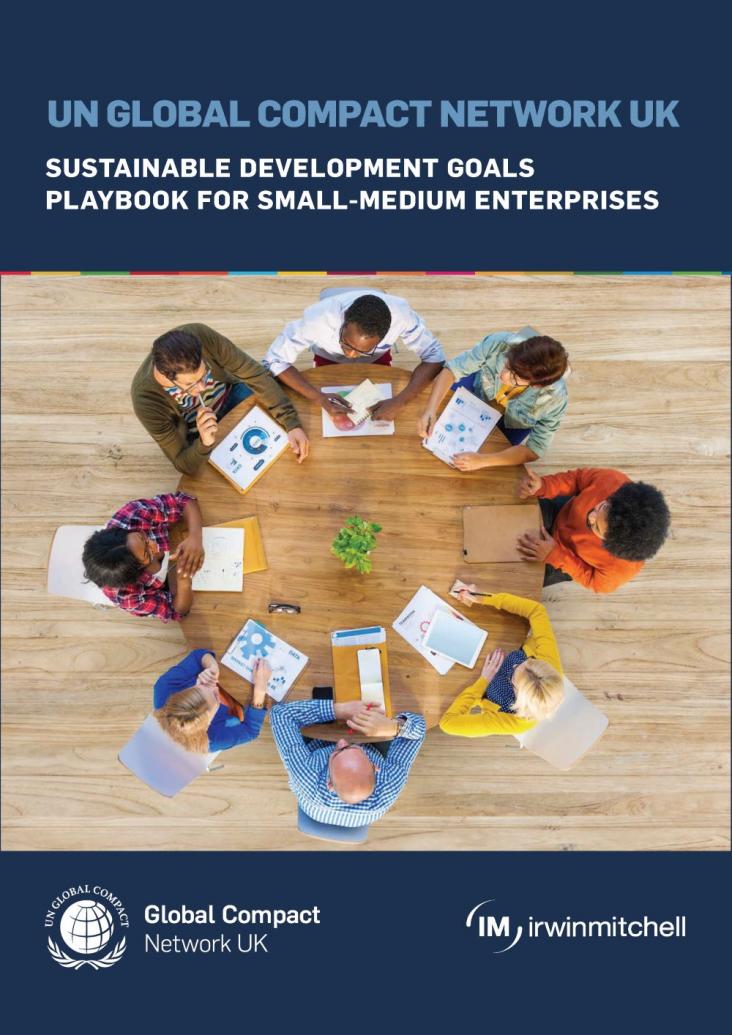
The UN Global Compact Network UK, in partnership with Irwin Mitchell, has developed the SDG Playbook for SMEs: a step-by-step guide to help smaller companies unlock the competitive advantages associated with embracing the Sustainable Development Goals.
This paper supports SDG 3 and 10 by documenting the high suicide rates among Indigenous people, and younger individuals in particular (aged between 10 and 24) in Brazil, reinforcing the need for specific prevention strategies for these populations.
This paper discusses the burden of the high suicide rates in Guiana - the highest in the world; discussing the complexities of the context and the importance of adopting a biopsychosocial perspective to suicide prevention.
This Series paper supports SDGs 3 and 10 by summarising the state of knowledge on inequalities in care delivery and outcomes for patients with cardiovascular disease in the UK
Standard methodology to detect antimicrobiological resistance genes can help in monitroing and hopefully preventing antimicrobial resistance and improving health.

In support of #WorldFoodDay, Elsevier has curated a special collection of free access book and journal content to help raise awareness for water as the foundation for life and food.
Elsevier,
Clinician's Guide to Sexuality and Autism
A Guide to Sex Education for Individuals with Autism Spectrum Disorders
2024, Pages 3-8
This content aligns with Goal 3: Good Health and Wellbeing and Goal 10: Reduced Inequalities by introducing sexuality education curriculum for learners of all ages with autism.
Elsevier,
Clinician's Guide to Sexuality and Autism
A Guide to Sex Education for Individuals with Autism Spectrum Disorders
2024, Pages 9-16
This content aligns with Goal 3: Good Health and Wellbeing and Goal 10: Reduced Inequalities by outlining how to use the book to provide effective teaching in sexuality education with an emphasis on individualization for specific learners.
This content aligns with Goal 3: Good Health and Wellbeing as well as Goal 10: Reduced Inequalities by providing information about access to evidence-based treatment and prevention interventions as well as addressing the underlying social, political and economic issues, such as poverty, lack of access to healthcare, and stigma and discrimination that contribute to the high burden of HIV in the region