


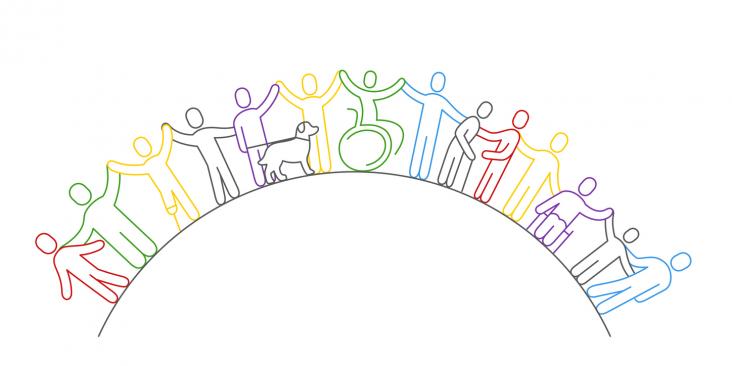
As the upcoming generation occupies a larger portion of the workforce, issues around the topic of diversity will only continue to grow in importance. Not only is Generation Z more racially and ethnically diverse than previous generations, but members of this generation are also more likely to expect employers to actively work toward cultivating diversity in the workplace. The recent DIAL Global Diversity Review, co-sponsored by XpertHR, presents comprehensive data on the practices being used to promote diversity in the workplace today. This report addresses various facets of diversity from gender and ethnicity to socioeconomic status and parenthood, promoting SDGs 5, 8 and 10.
climate change interacts with historical colonialism to shape fisheries in small island developing states. Greater attention to fish as food can improve food sovereignty and reduce historical inequalities

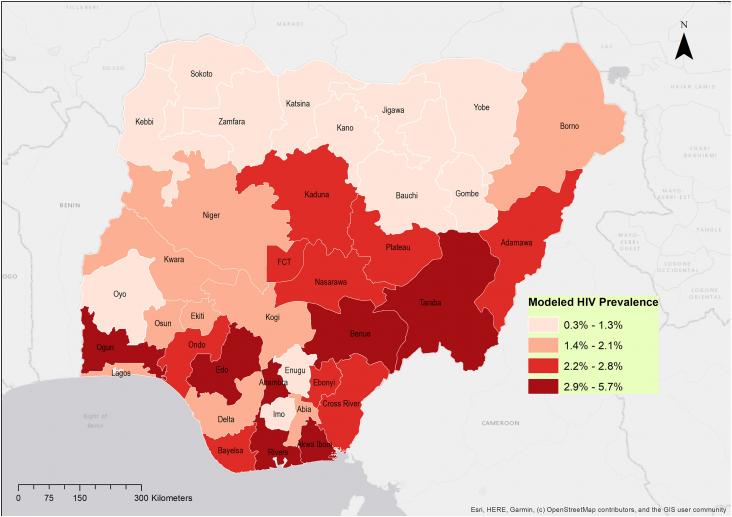
Population-based surveys are expensive and time consuming. By determining state-level seropositivity using national testing service data and a Bayesian linear model, a map of HIV prevalence was generated across the whole of Nigeria. By identifying the areas in which HIV is most prevalent interventions can be targeted. This less resource intense Bayseian method allows for national monitoring of HIV prevalence.
The article discusses two decentralised approaches to prevent the unauthorised forwarding of private, sex-related images.
This research illustrates that an advanced oral hygiene regimen has the potential to reduce the incidence of preterm birth in socially disadvantaged obstetrical patients with higher rates of health disparities.
Not all humans have the same carbon footprint: luxury lifestyles are significantly worse for the planet. This One Earth Research Article explores how a 'luxury tax' with revenue recycled to address climate inequality (SDG 10) could accelerate decarbonization (SDG 13).