This paper explores the assess to antiretroviral therapy and its associated factors among patients accessing treatment at Health centers in Ethiopia.
Food-related illnesses are very common and this study reminds us of the importance of maintaining food hygiene standards to improve human health.
This study analysis four wetland technologies for treating greywater according to regulatory standards.
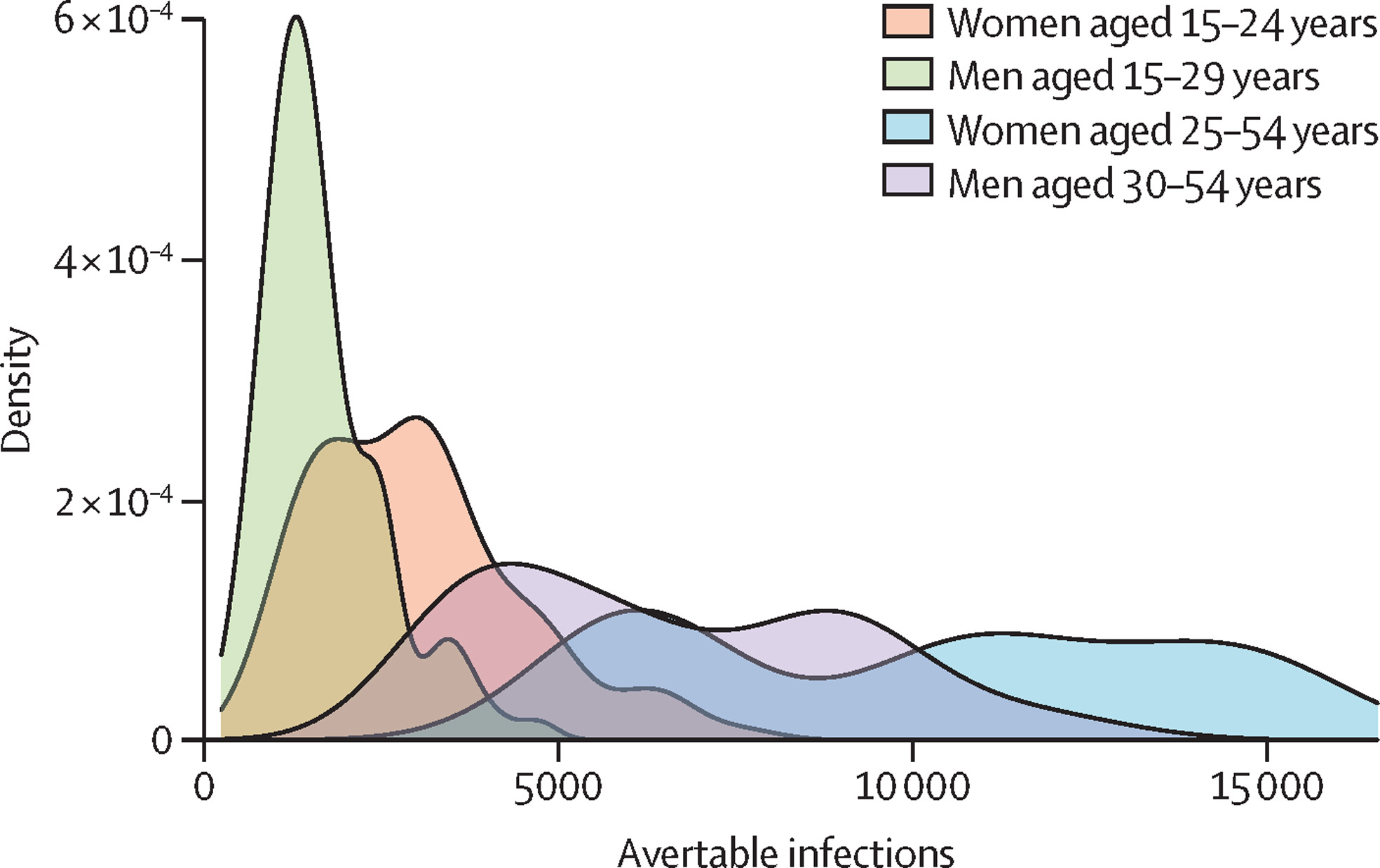
This Article supports SDG 3 by seeking to understand barriers to uptake of HIV-preventive measures, by using a mathematical model simulating the HIV prevention cascade and HIV transmission. The study provides insights into the degree to which these barriers impede effectiveness of these measures and the degree to which they could be mitigated by interventions.
This article advances SDG # 3, 8, 10, 13 and 16. The study from authors in Ghana detail the effects of climate change on workers’ health and productivity, especially those in lower income jobs and without policy or regulatory protections. It demonstrates that climate change affects both health and ability to work, with potentially serious humanitarian and economic consequences.
The article highlights the development schemes implemented by the Malaysian government to eradicate poverty.
The article highlights the Indigenous approaches to conflict resolution vary considerably from society to society.
Elsevier,
Overcoming Obstacles in Drug Discovery and Development, Surmounting the Insurmountable—Case Studies for Critical Thinking 2023
Racial and ethnic disparities among clinical trial participants is a long-standing issue demanding attention in the research community as advances in precision medicine increase. This exclusion from clinical trial enrollment has tangible consequences, preventing traditionally underserved populations from benefitting from health innovation and cutting-edge technologies. Aggregation of populations into a generalized treatment population lends to the evident healthcare inequities we see today and support SDG3
This paper evaluates the validity of the NeuroScreen, a tablet-based neurocognitive assessment tool, in measuring neurocognition among first-episode psychosis patients in Uganda, a low-resource setting. 12
This Article supports SDG 3 by examining whether birth-dose vaccination, compared with vaccination at 6-8 weeks or no vaccination, is effective in preventing horizonal transmission of HBV in children aged 0-5 years of uninfected mothers.