
For International Day for the Elimination of Racial Discrimination 2022, Márcia Balisciano, Global Head of Corporate Responsibility at RELX speaks to Jean Chawapiwa and Sara Bodison about the importance of developing diverse supply chains.

March 21st is acknowledged and celebrated worldwide as the International Day for the Elimination of Racial Discrimination. It aims to encourage society to disown and disregard racial discrimination. The UN resolution (A/RES/2142 (XXI)) that was adopted on 26 October 1966, declares that any kind of racial discrimination is condemnable and the global community is determined to eliminate racial discrimination from its roots wherever it exists in the world. The International Day for the Elimination of Racial Discrimination is observed annually on the day the police in Sharpeville, South Africa, opened fire and killed 69 people at a peaceful demonstration against apartheid "pass laws" in 1960.
Elsevier, Nurse Education Today, Volume 110, March 2022
Objectives: To synthesize literature about teaching social justice to nursing students and identify approaches for effective teaching of social justice issues in nursing education. Design: An integrative review. Data sources: Literature was searched in CINAHL, PubMed, Scopus, Science Direct, and OVID databases. In total, 32 articles were assessed for full-text eligibility, and 18 articles published from January 2011 until August 2021 were critically appraised and reviewed. Review methods: Articles were appraised using Mixed Methods Appraisal Tool.
Elsevier, Nurse Education Today, Volume 110, March 2022
Objectives: Health inequities exist for racial groups as a result of political, societal, historical and economic injustices, such as colonisation and racism. To address this, health professions have applied various health education pedagogies to equip learners to contribute better to cultural safety. The aim of this realist review was to provide an overview of cultural safety programs that evaluate transition of learning to practice to generate program theory as to what strategies best translate cultural safety theory to practice for nurses and midwives.
Elsevier, Preventive Medicine, Volume 155, February 2022
Contested racial identity— self-identified race not matching socially-assigned race—may be an indication of experiences with racism. We aimed to understand the relationship between contested racial identity and women's health behaviors, health outcomes, and infant health outcomes. We used 2012–2015 Massachusetts Pregnancy Risk Assessment Monitoring System data on 5735 women linked with infants' birth certificates.
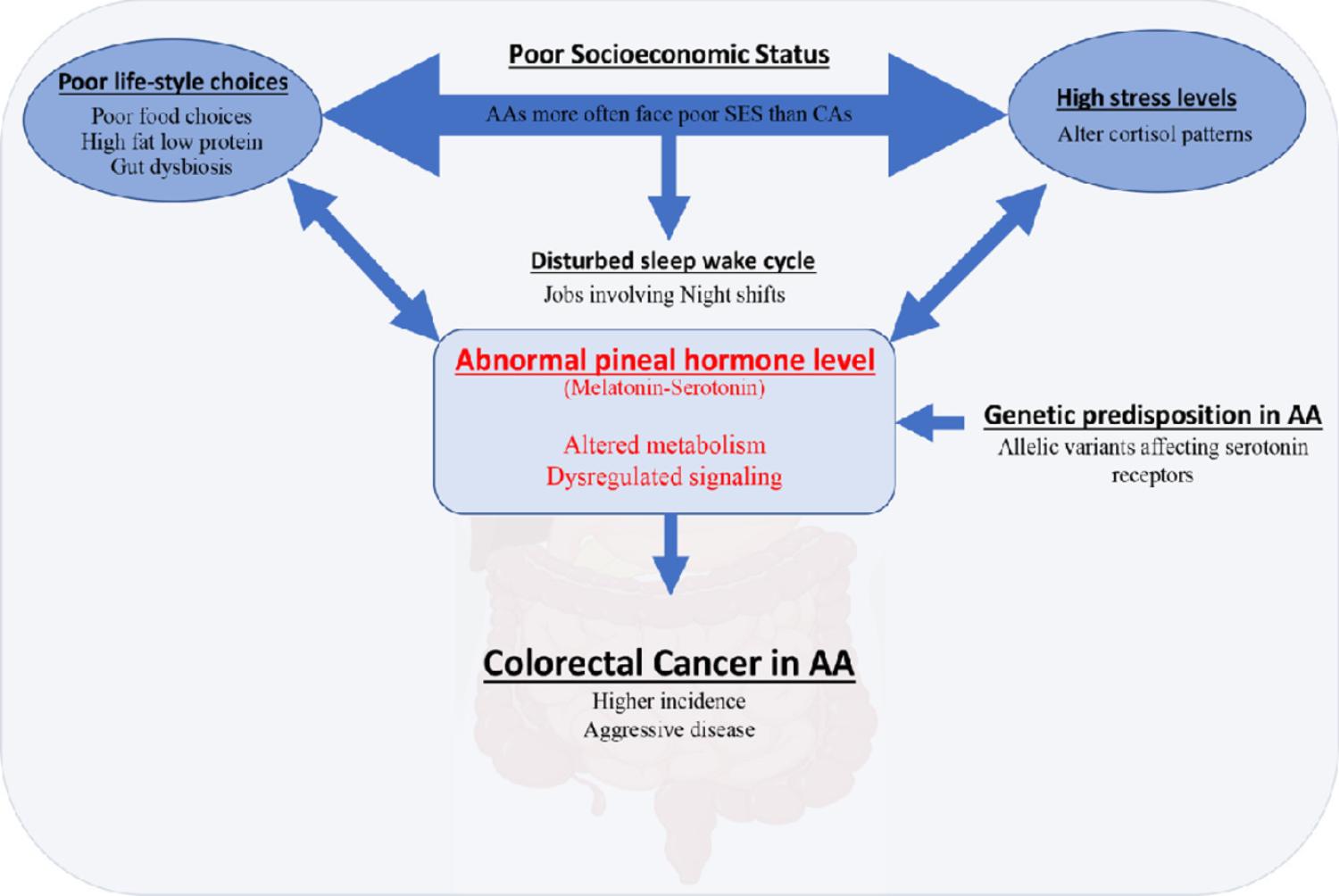
Elsevier, Translational Oncology, Volume 16, February 2022
Colorectal cancer (CRC) is the third leading cause of cancer-related deaths in the United States. Despite increased screening options and state-of-art treatments offered in clinics, racial differences remain in CRC. African Americans (AAs) are disproportionately affected by the disease; the incidence and mortality are higher in AAs than Caucasian Americans (CAs). At the time of diagnosis, AAs more often present with advanced stages and aggressive CRCs, primarily accounting for the racial differences in therapeutic outcomes and mortality.
Elsevier, Annals of Emergency Medicine, Volume 79, February 2022
Study objective: This scoping review was conducted to collate and summarize the published research literature addressing sexual and gender minority care in the emergency department (ED). Methods: Using PRISMA-ScR criteria, an electronic search was conducted of CINAHL, Embase, Ovid Medline, and Web of Science for all studies that were published after 1995 involving sexual and gender minorities, throughout all life stages, presenting to an ED. We excluded non-US and Canadian studies and editorials.
Elsevier, Urology, Volume , 2022
Sexual and gender minority (SGM) communities face stigma and discrimination that impact all aspects of health. To better understand and improve their urologic health outcomes, we must study SGM patients as a distinct population and pursue research on outcomes identified as priorities to SGM communities. Patient-centered outcomes research (PCOR) is a methodology which is increasingly familiar to urologists and is crucial to adequately addressing SGM health in future urological research.

Elsevier, European Economic Review, Volume 141, January 2022
We study whether there is a racial bias in ratings of professional football players in Italian newspapers. We find that there is such a bias. Conditional on objective performance indicators black players receive a lower rating than non-black players. This is not a difference across the board but predominantly present at the lower end of the newspaper rating distribution. The best black players are not subject to a racial bias in ratings. We also find that clubs do not have a racial bias in the wages they pay to players.
Elsevier, Clinical Imaging, Volume 81, January 2022
From the more than 700,000 deaths from COVID-19 in the US and the nearly 5 million worldwide, there emerge even more stories than match the statistics when one considers all of the patients' relations. While the numbers are staggering, when we humanize the stories, we are left with even greater devastation, of course. One of the stories among so many that seemed particularly salient and poignant to us was the death of Dr. Susan Moore.
Elsevier, SSM - Population Health, Volume 16, December 2021
Research suggests that racial/ethnic disparities in COVID-19 in the US are largely driven by higher rates of exposure to SARS-CoV-2 among Hispanic/Latino and Black populations. Occupational exposures play a large role in structuring risk of exposure, and essential workers are at elevated risk of COVID-19 infection. At a national-level, workers categorized as “essential” and “high-risk” are disproportionately Hispanic/Latino, but we lack analysis examining local-level racial/ethnic disparities in potential occupational exposures.
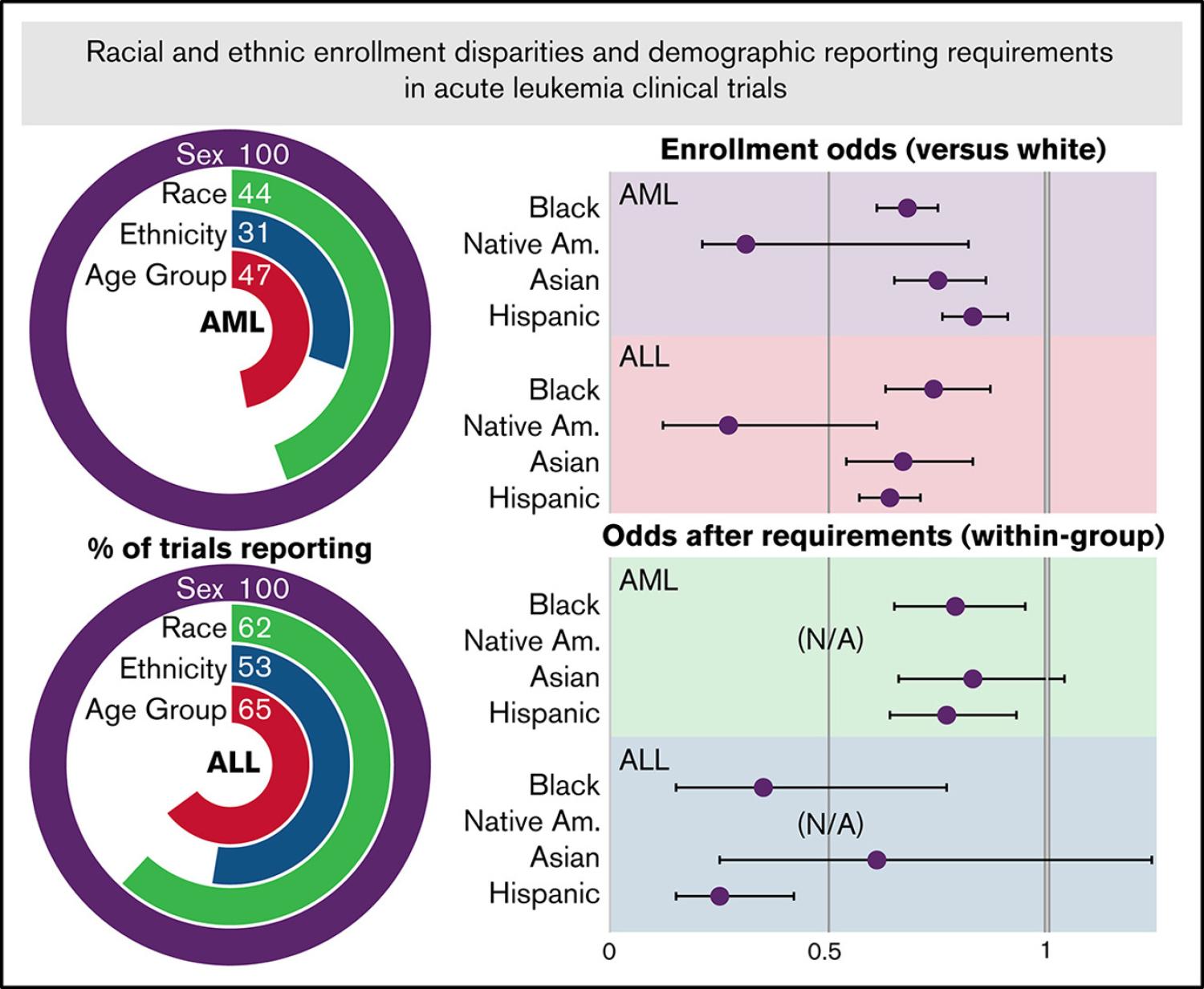
Elsevier, Blood Advances, Volume 5, 9 November 2021
Data regarding racial and ethnic enrollment diversity for acute myeloid leukemia (AML) and acute lymphoid leukemia (ALL) clinical trials in the United States are limited, and little is known about the effect of federal reporting requirements instituted in the late 2000s. We examined demographic data reporting and enrollment diversity for ALL and AML trials in the United States from 2002 to 2017, as well as changes in reporting and diversity after reporting requirements were instituted.
Elsevier, International Journal of Intercultural Relations, Volume 85, November 2021
Ethnic-racial socialization is a mechanism through which immigrant parents instill in their children a sense of pride in their culture while preparing them for negative experiences with racial and cultural out-groups. For Black immigrant parents, this can include promoting a wariness of Black Americans in their children. Through this lens, we investigated an understudied intercultural dynamic via interviews with 12 first- and second-generation African and Caribbean immigrants.
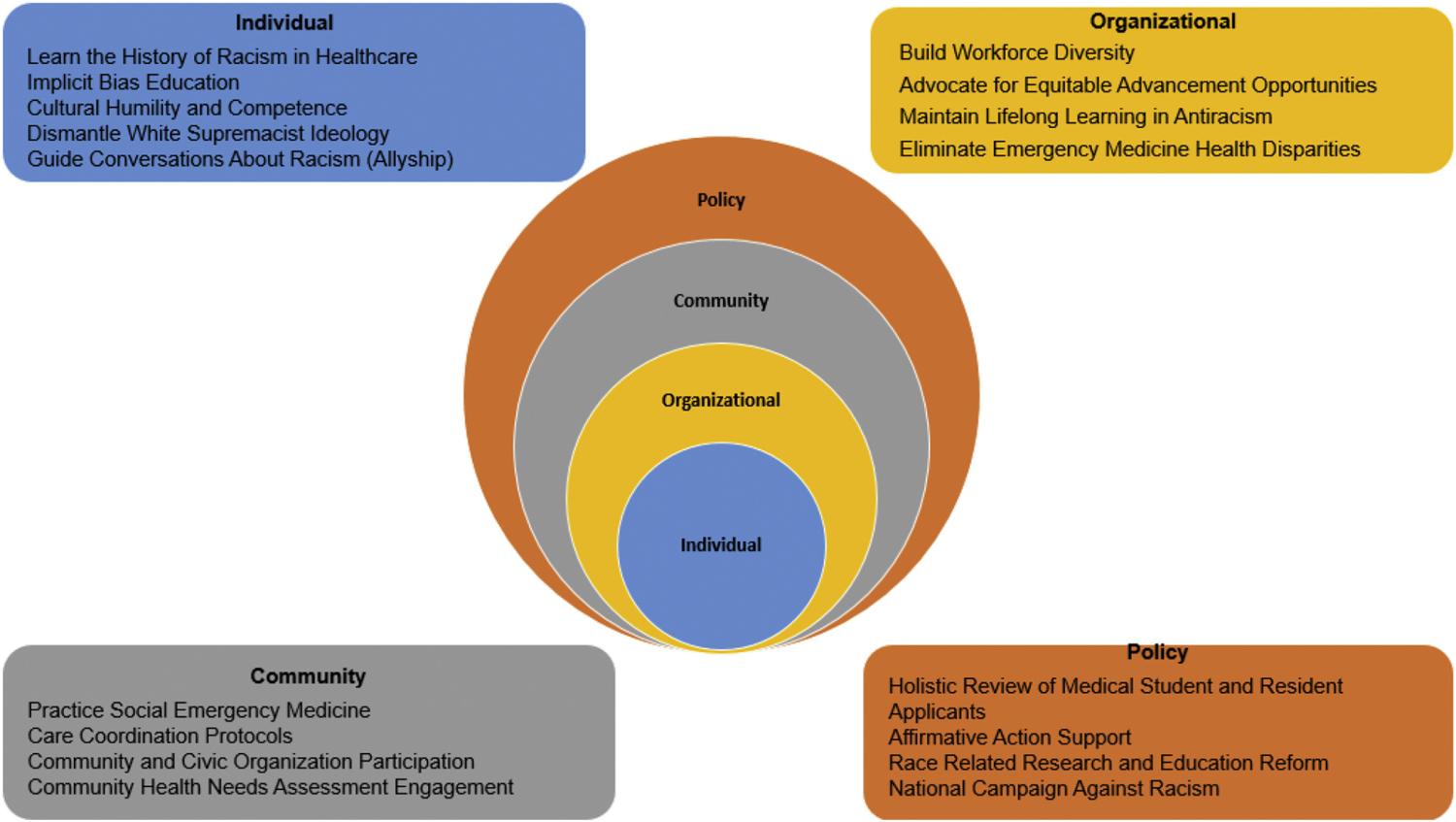
Elsevier, Annals of Emergency Medicine, Volume 78, November 2021
The COVID-19 pandemic has shed light on the ongoing pandemic of racial injustice. In the context of these twin pandemics, emergency medicine organizations are declaring that “Racism is a Public Health Crisis.” Accordingly, we are challenging emergency clinicians to respond to this emergency and commit to being antiracist. This courageous journey begins with naming racism and continues with actions addressing the intersection of racism and social determinants of health that result in health inequities.
Elsevier, Contemporary Educational Psychology, Volume 67, October 2021
As careers in science, technology, engineering, and math (STEM) continue to grow, so has attention to Algebra 1 enrollment timing that serves as a critical predictor of STEM success. The present study adds to the literature by examining if Algebra 1 enrollment timing from 8th to 9th grade is related to sense of belonging in math, and whether this association changes as a function of the students’ perceived school and math race/ethnic context.
Elsevier, Research in Social Stratification and Mobility, Volume 74, August 2021
This study examines whether ethnic minorities in general and Asian minorities in particular have perceived an increase in discrimination during the COVID-19 pandemic, a phenomenon known as COVID-19–associated discrimination (CAD). Drawing on the CILS4COVID data, which were collected among 3,517 individuals in the initial phase of the pandemic (mainly between April and June 2020), we demonstrate that especially Asian minorities (n = 80) report instances of CAD.
Elsevier, Clinical Breast Cancer, Volume 21, June 2021
Background: Genomic medicine has led to significant advancements in the prevention and treatment of cancer. The National Comprehensive Cancer Network (NCCN) guidelines recommend BRCA1/2 screening in high-risk individuals; however, the guidelines have not incorporated differences within ethnic cohorts beyond Ashkenazi Jewish ethnicity. We analyzed the prevalence of BRCA1/2 mutations in various ethnicities and identified high-risk personal characteristics and family history incorporating differences within ethnic cohorts beyond Ashkenazi Jewish ethnicity.
Elsevier, International Journal of Intercultural Relations, Volume 81, March 2021
Minorities and marginalized groups have increasingly become the target of discriminatory actions related to the COVID-19 pandemic. Detailed information about the manifestation of COVID-related discrimination is required to develop preventive actions that are not stigmatizing for such groups. The present study investigates experiences of perceived discrimination related to COVID-19 and its socio-cultural correlates in a culturally diverse sample of adults in Quebec (Canada). An online survey was completed by 3273 Quebec residents (49 % 18−39 years old; 57 % female; 49 % White).
Elsevier, SSM - Population Health, Volume 13, March 2021
Background: The objective of the current study is to investigate whether an area-level measure of racial sentiment derived from Twitter data is associated with state-level hate crimes and existing measures of racial prejudice at the individual-level. Methods: We collected 30,977,757 tweets from June 2015–July 2018 containing at least one keyword pertaining to specific groups (Asians, Arabs, Blacks, Latinos, Whites). We characterized sentiment of each tweet (negative vs all other) and averaged at the state-level.
Elsevier, Urology, Volume , 2021
Disparities in urology are well-documented but less is known about the role of translational research within existing interventional models to address inequalities. In this narrative review, we utilize an accepted framework of the process of translational research in mitigating disparities to investigate current translational and interventional urologic programs that bridge the gap. Three established, disparity-focused urologic interventional programs were identified and are highlighted in depth.
Elsevier, International Journal of Intercultural Relations, Volume , 2021
Perceived discrimination, intergroup contact and acceptance are often encountered during acculturation processes. Based on large-scale survey data collected in the Netherlands among Antillean-Dutch, Moroccan-Dutch, Surinamese-Dutch, and Turkish-Dutch immigrant groups, relations were tested between acculturation antecedents (perceived discrimination, intergroup contact, and perceived acceptance), mediating conditions (cultural maintenance and cultural adoption), and acculturation outcomes (psychological and sociocultural outcomes).
Elsevier, Clinical Colorectal Cancer, Volume 19, June 2020
Metastatic colorectal cancer outcomes continue to improve, but they vary significantly by race and ethnicity. Hypothesizing that these disparities arise from unequal access to care rather than intrinsic biology, we showed that survival of 103 consecutive patients with metastatic colorectal cancer treated at an academic safety-net hospital that treats the underserved, predominantly minority population of Harris County, Texas, was superior to that of subjects enrolled in the CRYSTAL (Cetuximab Combined with Irinotecan in First-Line Therapy for Metastatic Colorectal Cancer) trial.
Elsevier, Annals of Emergency Medicine, Volume 74, November 2019
Study objective: We examine racial and ethnic differences in opioid prescribing and dosing for long bone fractures at emergency department (ED) discharge. Methods: We conducted an electronic health records–based cross-sectional study of adults with long bone fractures who presented to the ED across 22 sites from a health care delivery system (2016 to 2017).
Elsevier, Annals of Emergency Medicine, Volume 73, March 2019
Study objective: We estimate emergency department (ED) use differences across Medicare enrollees of different race/ethnicity who are residing in the same zip codes. Methods: In this retrospective cohort study, we stratified all Medicare fee-for-service beneficiaries aged 66 years and older (2006 to 2012) by residence zip code and identified zip codes with racial/ethnic diversity, defined as containing at least 1 enrollee from each of 3 racial/ethnic groups: Hispanics, (non-Hispanic) blacks, and (non-Hispanic) whites.
Elsevier, The Lancet Regional Health - Europe, Volume 13, February 2022
This Article supports SDGs 3 and 10 by assessing SARS-CoV-2 incidence in six ethnic groups in Amsterdam, and showing that incidence was highest in the largest minority ethnic groups. The findings suggest that prevention measures and vaccination should be especially encouraged in these groups.
Elsevier, Current biology : CB, Volume 32, 10 January 2022
The aim of this profile is to highlight the impact of George Washington Carver’s contributions to modern plant science and to celebrate his achievements as a pioneering interdisciplinary researcher. By discussing his work, in light of recent discoveries in legume symbioses and soil nutrition, the goal is to reveal his foresight and relevance, inspire new generations from diverse backgrounds and contribute to the decolonisation of the curriculum in higher education.
Elsevier, The Lancet Digital Health, Volume 4, January 2022
This research paper shows that a widely used tool might generate substantially divergent cardiovascular disease risk estimates for Black versus White individuals with identical risk profiles, which could introduce race-related variations in clinical recommendations for cardiovascular disease prevention.
Elsevier, EClinicalMedicine, Volume 43, January 2022
This study supports SDG 3 and 10 by identifying multiple structural and normalisation biases in maternity care in the UK that disproportionately affected Black and minority ethnic women who died while receiving maternity care, including lack of nuanced care; microaggressions; and cultural, social, and clinical complexities in the care received.
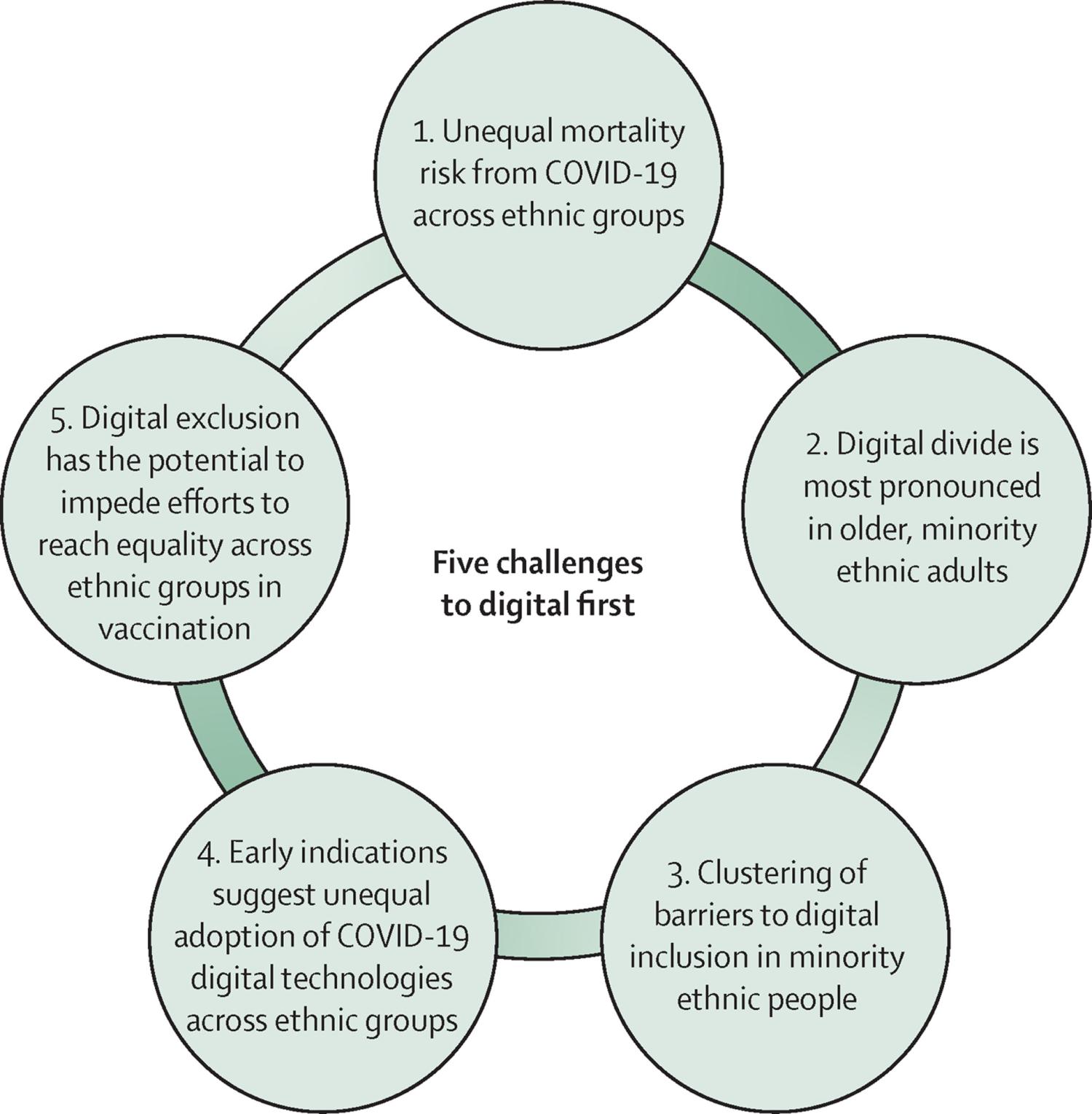
Elsevier, The Lancet Public Health, Volume 6, September 2021
This Comment supports SDGs 3 and 10 by discussing the UK's reliance on digital technologies during the COVID-19 pandemic. Although a digital-first policy aims to reduce health inequalities, challenges such as low usage of the internet and low uptake of digital COVID-19 technologies among older, minority ethnic groups, could mean that the strategy instead reinforces the unequal effects of COVID-19.
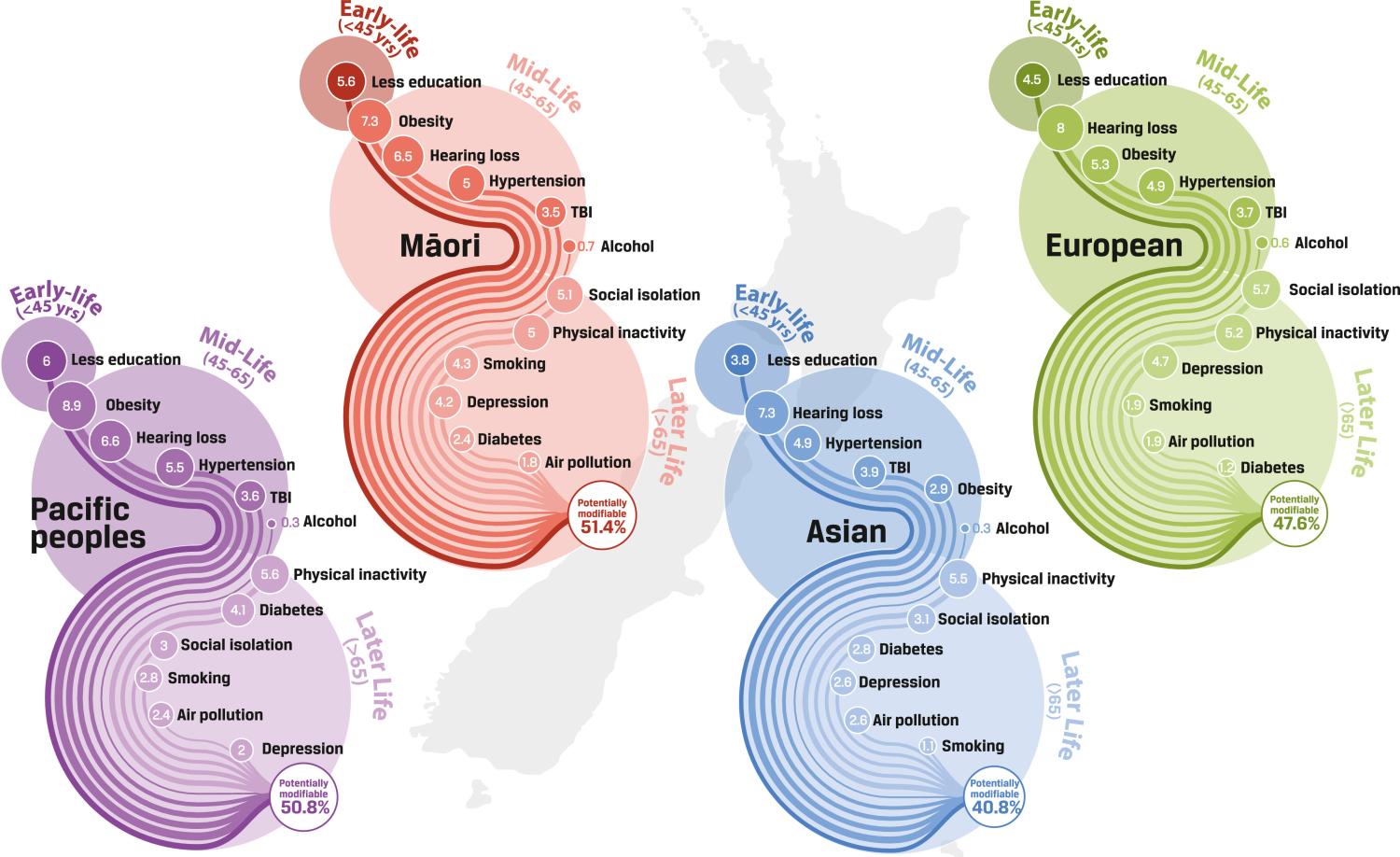
Elsevier, The Lancet Regional Health - Western Pacific, Volume 13, August 2021
This study supports SDG 3 and 10 by showing that the risk of dementia and the modifiable risk factors for dementia vary substantially among the different ethnic groups in New Zealand (European, Māori, Asian, and Pacific people), indicating that dementia prevention efforts should be tailored to each ethnic group, to account for these differences.
Elsevier, The Lancet Global Health, Volume 9, July 2021
This Comment article advances SDG 3 and 10 by making a case for bridging language barriers in global health research and overcoming the colonial legacy of language in global health (from the naming of infectious diseases to the use of global health terms with problematic historical connotations), with the aim of facilitating knowledge co-production and more equal research partnerships.
Elsevier, The Lancet Child and Adolescent Health, Volume 5, July 2021
This study supports SDG 3 and 10 by highlighting an overrepresentation of Black children and adolescents in involuntary psychiatric hospitalisations, which may establish potentially lifelong negative mental health treatment trajectories and contribute to cycles of health inequality that persist in later life.
Elsevier, The Lancet Global Health, Volume 9, July 2021
This Comment article advances SDG 3 and 10 by highlighting the disproportionate imbalance of power in global health research, and calls for reforms in publishing and academia to ensure greater representation of global health researchers from low-income and middle-income countries in prestigious, high-impact journals.
Elsevier, eClinicalMedicine, Volume 37, July 2021
This study supports SDGs 3 and 10 by investigating the role of genetic ancestry in ethnic disparities in type 2 diabetes, and interactions with socioeconomic deprivation. The effects of environmental risk factors were found to differ among ancestry groups, suggesting the need for group-specific interventions.
Elsevier, eClinicalMedicine, Volume 37, July 2021
This Research paper supports SDGs 3 and 10 by characterising racial disparities among pregnant women with SARS-CoV-2. The findings showed that Black women were more likely to have occupational exposure to SARS-CoV-2 than White women and that Black women with SARS-CoV-2 during pregnancy were more likely to have a preterm delivery.
Elsevier, The Lancet Diabetes and Endocrinology, Volume 9, July 2021
This article supports SGDs 3 and 10 by identifying ethnicity-specific body-mass index cutoffs for obesity based on type 2 diabetes risk-equivalence to the cutoff in White populations. The findings suggest ethnicity-specific body-mass index cutoffs are needed to optimise prevention and management of type 2 diabetes.
Elsevier, eClinicalMedicine, Volume 36, June 2021
This Comment article supports SDG 3 and 10 by underscoring the need to address systemic racism in order to achieve health equity, and emphasising the need to develop more nuanced metrics to more broadly document and measure the extent and impact of systemic racism on the health of affected communities.
Elsevier, EClinicalMedicine, Volume 36, June 2021
This Research paper supports SDGs 3 and 10 by providing national US estimates of the association between fatal police violence and pregnancy loss. Fatalities were measured within core-based statistical areas (census-defined urban areas). The findings showed that for each additional police-related fatality during the first 6 months of gestation there was a decrease in the total number of live births within the area. There was a decrease in births among Black women, but not among White women.
Elsevier, EClinicalMedicine, Volume 35, May 2021
This paper supports SDG 3 and 10 by highlighting that stress, anxiety, depression, work overload, and burnout rates were higher among health-care workers of minority ethnic origin (Black and Latinx) in the USA during the COVID-19 pandemic than among their White counterparts. These findings demonstrate an urgent need to address these factors through structural reforms in order to better support overworked and undervalued health-care workers.
Elsevier, EClinicalMedicine, Volume 35, May 2021
This Comment, written by two Black emergency room physicians, supports SDGs 3 and 10 by highlighting low vaccination rates for COVID-19 among Black Americans. The authors explain the historical context that has led to mistrust of the health-care system among many in the Black community and present COVID-19 vaccination as an opportunity to begin to make amends.
Elsevier, EClinicalMedicine, Volume 34, April 2021
This Research paper supports SDGs 3 and 10 by assessing ethnic differences in SARS-CoV-2 seropositivity among hospital workers. The findings showed that Black people had more than double the likelihood of SARS-CoV-2 seropositivity compared with White people, independent of age, sex, socioeconomic factors, and hospital role.
Elsevier, EClinicalMedicine, Volume 34, April 2021
This Comment supports SDGs 3 and 10 by highlighting inequities in palliative care between racial groups, including differences in the use of palliative care services, symptom control, and the documentation and implementation of people's end of life wishes.
Elsevier, EClinicalMedicine, Volume 34, April 2021
"
This Comment article supports SDG 3 and 10 by proposing that future studies exploring the link between racism and health inequalities are designed with more theoretically informed research questions, whose findings can more readily help tackle existing problems. Suggested areas for further research include the impact of neighourhood desegregation, increased racial diversity in labour markets, and reduced mass incarceration in diminishing racial health inequalities.
Elsevier, The Lancet Digital Health, Volume 3, April 2021
This Article supprts SDGs 3 and 10 by assessing the performance of four severity scoring systems used for case-mix determination and benchmarking in intensive care units to identify possible ethnicity-based bias. The study found systemic differences in calibration across ethnicities.
Elsevier, The Lancet Global Health, Volume 9, April 2021
This Comment article supports SDGs 3, 10, and 17 by highlighting the need for full inclusivity and representation, and the involvement of a diverse range of stakeholders and voices, in order to successfully design solutions to global health problems and to reform the systems that are exacerbating global health inequities.
Elsevier, The Lancet Healthy Longevity, Volume 2, March 2021
This article supports SDGs 3 and 10 by assessing racial and ethnic disparities in seasonal influenza vaccine uptake among older US adults. The findings show substantial disparities in uptake and suggest that new strategies are urgently needed to address these inequities.
Elsevier, The Lancet Digital Health, Volume 3, March 2021
This Comment supports SDGs 3 and 10 by highlighting the role of data scientists in challenging racism and discrimination. The Comment highlights how structural inequalities in society are easily encoded in datasets and in the application of data science, which can reinforce existing injustices.
Elsevier, The Lancet Public Health, Volume 6, March 2021
This Article supports SDGs 3 and 10 by evaluating ethnic inequalities in health among older adults (55 years or older) in England. The large, cross-sectional study includes more than a million survey respondents, and identifies wide ethnic inequalities in health-related quality of life, prevalence of long-term conditions, experiences of primary care, support from local services, and confidence in managing one's own health. Outcomes varied widely between minority ethnic groups, both in the direction and magnitude of associations.
Elsevier, The Lancet Global Health, Volume 9, February 2021
This study supports SDG 3 and 10 by reporting that Māori and Pacific people with type 2 diabetes have consistently poorer health outcomes than European patients, indicating the need for specific policies and interventions to better manage type 2 diabetes in these subpopulations.
Elsevier, Med, Volume 2, 15 January 2021
Despite the centrality of skin in the field, dermatology remains among the least racially diverse specialties in American medicine. In fact, even the main textbooks used in educating dermatologists lack adequate representation of clinical images of disease in people with skin of color.
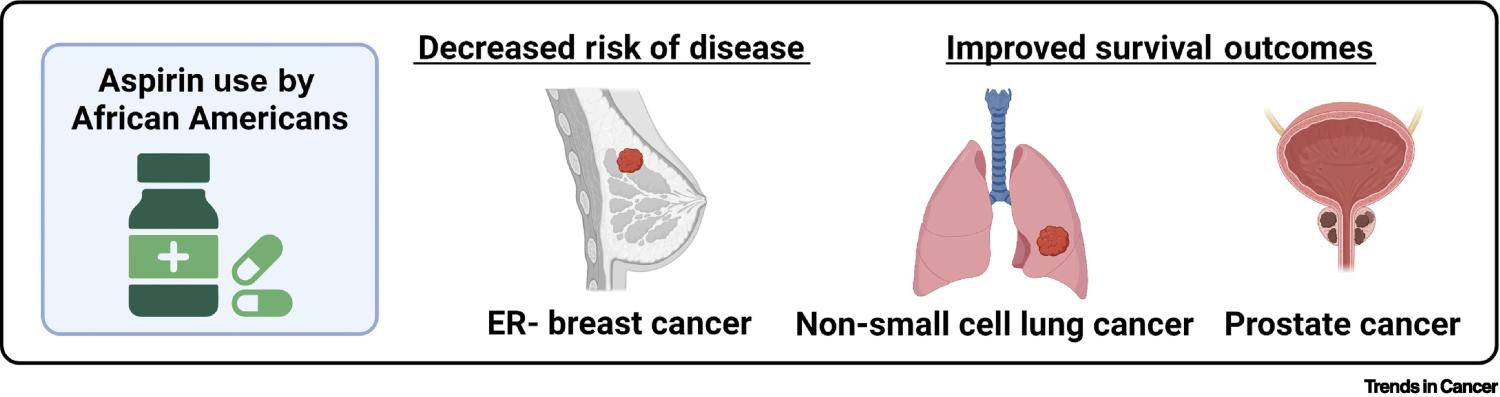
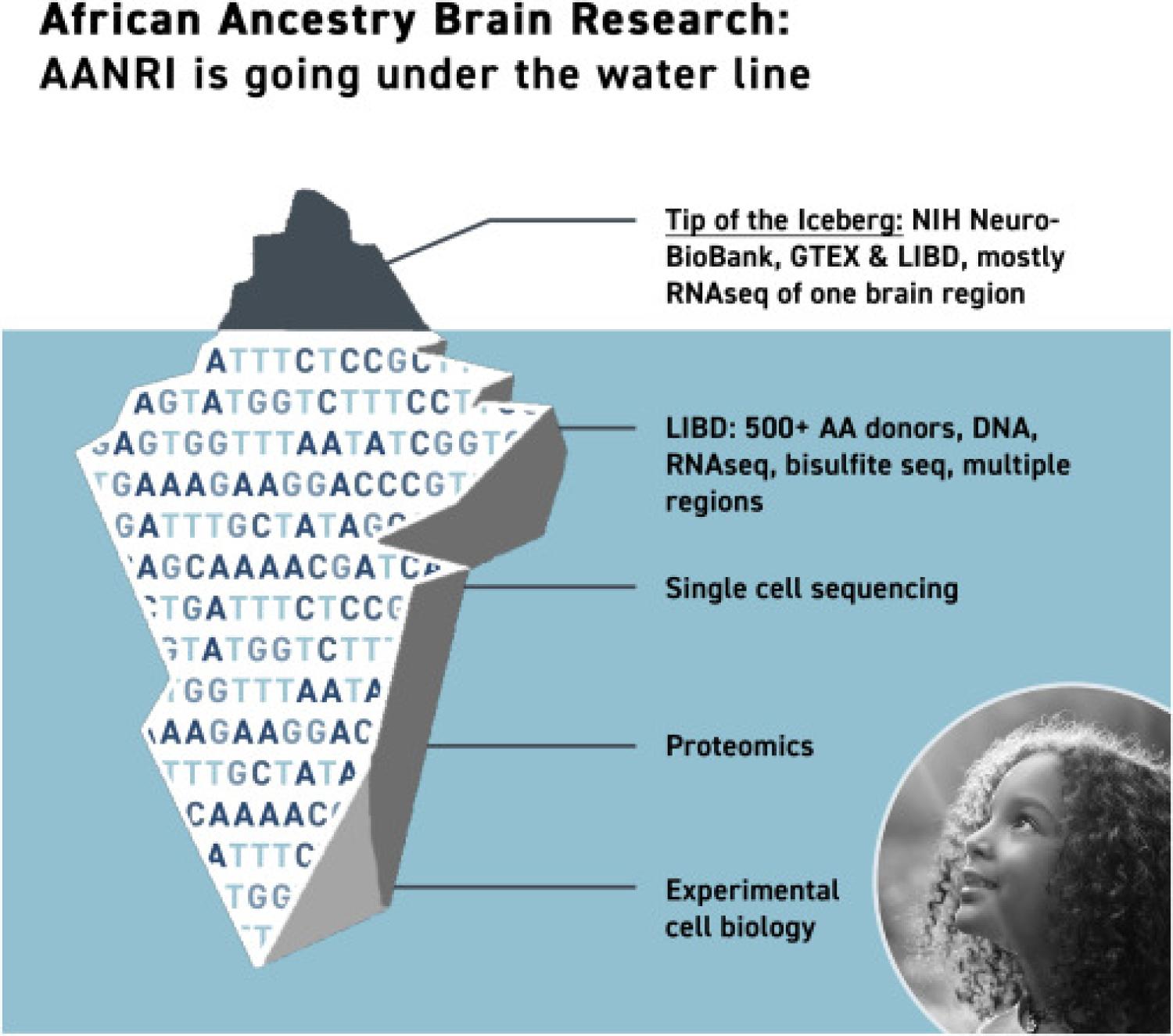
Elsevier, The Lancet Global Health, Volume 8, August 2020
This study supports SDG 3 and 10 by showing increased mortality due to COVID-19 in Brazil’s mixed ethnicity and Black populations and regions with lower levels of socioeconomic development, highlighting the need to better protect these vulnerable groups from the adverse effects of the COVID-19 pandemic.
Elsevier, The Lancet Global Health, Volume 8, May 2020
This study supports SDG 3 and 10 by highlighting the increased prevalence of diabetes and gestational diabetes in Indigenous women compared with non-Indigenous women, across Australia, Canada, New Zealand, and the USA. These findings highlight the need for system-wide and structural interventions to reduce the risk of diabetes and gestational diabetes in Indigenous women before, during, and after pregnancy.
Elsevier, The Lancet Global Health, Volume 8, March 2020
This study supports SDG 3 and 10 by analysing data from 415 ethnic groups in 36 low-income and middle-income countries, and showing substantial ethnic disparities in under-5 mortality across the countries studied. These findings are crucial for monitoring trends and examining the impact of health interventions on child survival across different ethnic groups.
Elsevier, The Lancet Digital Health, Volume 3, April 2021
This Article supprts SDGs 3 and 10 by assessing the performance of four severity scoring systems used for case-mix determination and benchmarking in intensive care units to identify possible ethnicity-based bias. The study found systemic differences in calibration across ethnicities.
Elsevier, The Lancet Digital Health, Volume 3, March 2021
This Comment supports SDGs 3 and 10 by highlighting the role of data scientists in challenging racism and discrimination. The Comment highlights how structural inequalities in society are easily encoded in datasets and in the application of data science, which can reinforce existing injustices.
Elsevier, The Lancet Digital Health, Volume 4, January 2022
This research paper shows that a widely used tool might generate substantially divergent cardiovascular disease risk estimates for Black versus White individuals with identical risk profiles, which could introduce race-related variations in clinical recommendations for cardiovascular disease prevention.
Elsevier, The Lancet Digital Health, Volume 3, April 2021
Data-driven digital health technologies have the power to transform health care. If these tools could be sustainably delivered at scale, they might have the potential to provide everyone, everywhere, with equitable access to expert-level care, narrowing the global health and wellbeing gap. Conversely, it is highly possible that these transformative technologies could exacerbate existing health-care inequalities instead.
Elsevier, Advances in Transport Policy and Planning, Volume 8, 2021, Pages 1-31
The chapter advances SDGs 3 and 10 by exploring the barriers that historically marginalized communities experience as a result of disproportionate policing, safety and security issues, and neighborhood othering and belonging. It concludes by making the case for why transportation planners must consider race and racism explanatory factors in travel and why race-neutral planning processes exacerbate disparities.
Elsevier, Mental and Behavioral Health of Immigrants in the United States, Cultural, Environmental, and Structural Factors, 2020, Pages 157-178
This chapter advances SDGs 3 and 10 by exploring how to achieve a culturally competent practice while continuing efforts are needed across various race and ethnicities as well as age groups to provide a more holistic approach to mental health treatment as well as promote protective factors such as a positive cultural identity of immigrants in the United States and worldwide.
Elsevier, Mental and Behavioral Health of Immigrants in the United States, Cultural, Environmental, and Structural Factors, 2020, Pages 219-252
This chapter advances SDGs 3 and 10 by addressing the prevalence of mental disorders among the ethnic minority groups (African American, Latinx, and Asian American) in the United States according to immigration status.
Elsevier, Confronting Prejudice and Discrimination, The Science of Changing Minds and Behaviors, 2019, Pages 275-297
This chapter advances SDGs 3 and 10 by proposing that patient confrontation of physician bias may serve as a self-advocacy tool that reduces physician bias and improves quality of patient care.
Elsevier, Navigating Academia, A Guide for Women and Minority STEM Faculty, 2015, Pages 155-168
This chapter advances SDG 4, 5, and 10 by exploring the known reasons why African-Americans do not pursue or persist in science, technology, engineering, and mathematics (STEM) disciplines in general and in computing sciences in particular.
Elsevier, Not Just Bad Kids, The Adversity and Disruptive Behavior Link 2022, Pages 569-594
This chapter advances SDGs 3, 4, and 10 by exploring topics with emphasis on the benefits and challenges of talking with youth about race and identity, strategies for coping, and ways that we can help promote racial healing in ourselves and our communities.
Elsevier, The Lancet Regional Health - Americas, Volume 2, October 2021
Background: Many states in the United States (US) have introduced barriers to impede voting among individuals from socio-economically disadvantaged groups. This may reduce representation thereby decreasing access to lifesaving goods, such as health insurance. Methods: We used cross-sectional data from 242,727 adults in the 50 states and District of Columbia participating in the US 2017 Behavioral Risk Factor Surveillance System (BRFSS). To quantify access to voting, the Cost of Voting Index (COVI), a global measure of barriers to voting within a state during a US election was used.
Elsevier, The Lancet Regional Health - Americas, Volume 6, February 2022
Background: Among patients with type 2 diabetes, minority racial/ethnic groups have a higher burden of cardiovascular disease, chronic kidney disease, and hypoglycaemia. These groups may especially benefit from newer diabetes medication classes, but high cost may limit access. We examined the association of race/ethnicity with the initiation of newer diabetes medications (GLP-1 receptor agonists, DPP-4 inhibitors, SGLT-2 inhibitors).
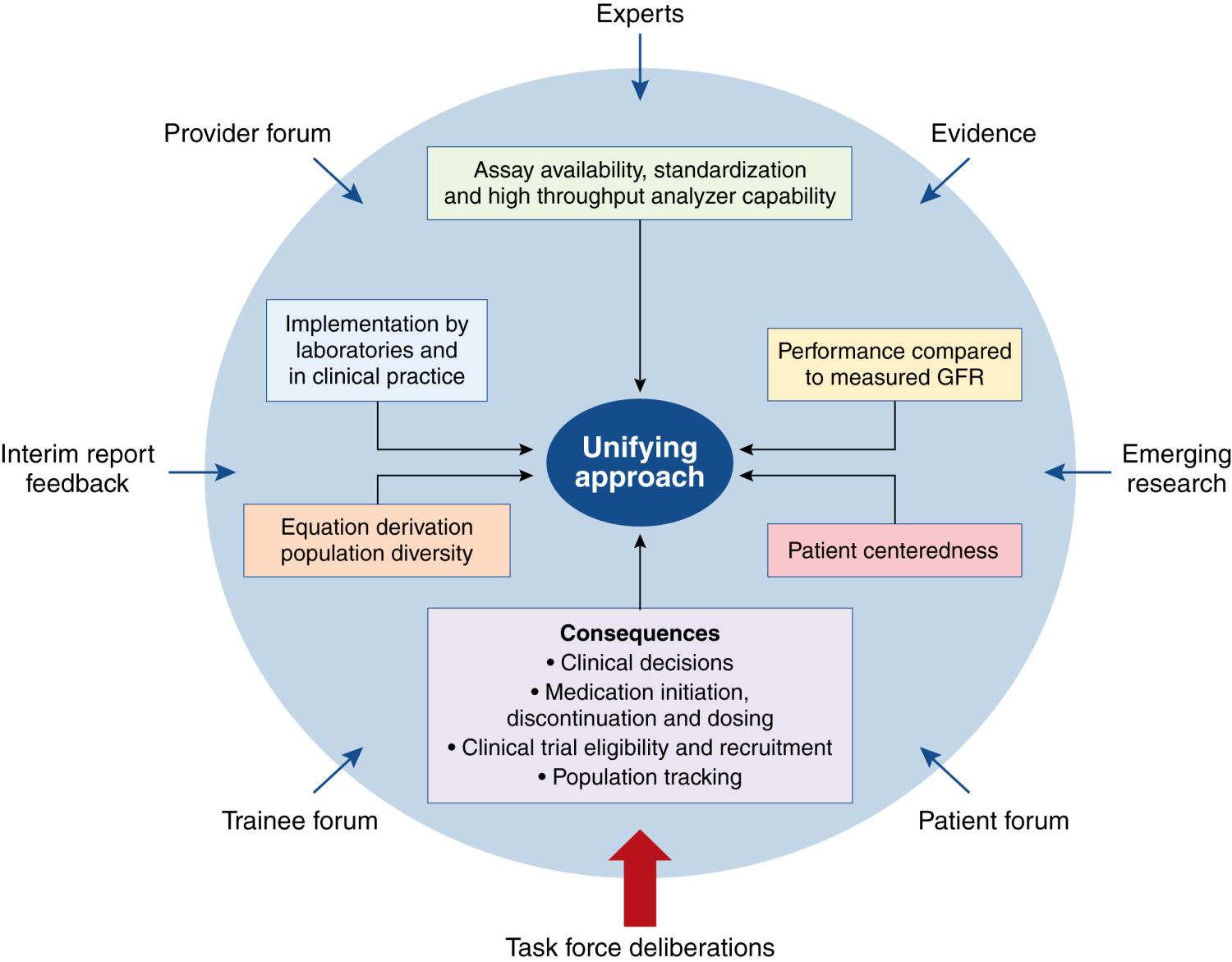
Elsevier, American Journal of Kidney Diseases, Volume 79, February 2022
Background: In response to a national call for re-evaluation of the use of race in clinical algorithms, the National Kidney Foundation (NKF) and the American Society of Nephrology (ASN) established a Task Force to reassess inclusion of race in the estimation of glomerular filtration rate (GFR) in the United States and its implications for diagnosis and management of patients with, or at risk for, kidney diseases.