Energy is a central component of the United Nations' Sustainable Development Goals (SDGs), explicitly reflected in SDG 7: Affordable and Clean Energy. However, the theme of energy cuts across multiple SDGs, demonstrating the interconnectivity of these global goals.
SDG 7's objective is to ensure access to affordable, reliable, sustainable, and modern energy for all. Energy, in its various forms, is a vital driver of economic growth and is pivotal to nearly all aspects of development. Without a steady and reliable supply of energy, societies can hardly progress. However, millions of people around the world still lack access to modern and clean energy services. The emphasis on "affordable and clean" energy within this goal shows the need to transition from traditional energy sources, often characterized by high environmental costs, to more sustainable ones like wind, solar, and hydropower.
Energy's role is also significant in achieving other SDGs. For example, SDG 9: Industry, Innovation, and Infrastructure, emphasizes the need for sustainable and resilient infrastructure with increased resource-use efficiency and greater adoption of clean technologies. It is almost impossible to achieve this without a sustainable energy framework. Similarly, SDG 11: Sustainable Cities and Communities, calls for making cities inclusive, safe, resilient, and sustainable, and one of its targets (11.6) directly refers to the environmental impact of cities, for which energy is a key factor.
Furthermore, energy is a crucial player in SDG 13: Climate Action. The energy sector represents the largest single source of global greenhouse gas emissions. Transitioning to a sustainable energy future, therefore, is critical for tackling climate change. Efforts to reduce emissions and promote clean energy sources are crucial to mitigate climate change and its impacts.
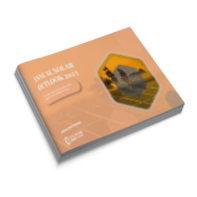
The AFSIA Annual Outlook analyzes the rapid development of solar energy markets across Africa. It examines installed capacity growth, national policy frameworks, investment trends, and the increasing role of solar power in expanding electricity access and supporting energy transition goals across the continent.

This report examines the rapid growth of solar energy across Middle Eastern markets, highlighting capacity expansion, investment trends, regulatory developments, and technological innovation. It evaluates how falling solar costs, government policies, and regional energy diversification strategies are accelerating the adoption of photovoltaic power across the region.
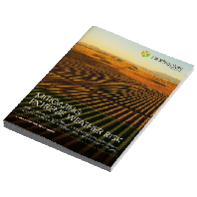
This white paper examines how wind-related forces affect utility-scale solar tracker systems and outlines engineering strategies that improve resilience against extreme weather events. It explores dynamic wind effects, solar tracker architecture, module design risks, and operational controls that can mitigate structural failures and reduce long-term insurance and investment risk
This report examines how modern electricity grids are experiencing declining levels of inertia as renewable energy and decentralized power generation expand. It explores the implications for grid reliability, the operational challenges facing system operators, and the strategies emerging to maintain stable and resilient electricity systems.
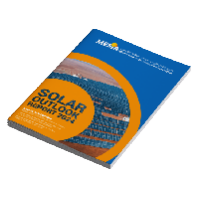
The MESIA Solar Outlook Report analyzes the rapid expansion of solar energy across the Middle East and North Africa (MENA), highlighting installed capacity growth, investment flows, policy frameworks, and emerging market opportunities. The report evaluates how large-scale solar deployment, regulatory reforms, and energy diversification strategies are shaping the region’s renewable energy transition.
This report examines the growing role of hydrogen in global decarbonization strategies, outlining the technological pathways for clean hydrogen production, the policy frameworks accelerating deployment, and the economic challenges associated with scaling the sector. It highlights hydrogen’s potential across heavy industry, transportation, and power systems while assessing infrastructure requirements and market development.
The AFSIA Annual Solar Outlook – Part 1 provides a comprehensive assessment of Africa’s solar sector performance, installed capacity growth, regional distribution patterns, policy environments, investment flows, and market constraints. The report analyzes utility-scale, commercial and industrial (C&I), and off-grid developments while outlining structural bottlenecks that continue to shape Africa’s energy transition.
This report examines the shift from enterprise-level carbon accounting to product level decarbonization strategies in response to evolving global climate policies. It outlines regulatory drivers, strategic implications for Gulf Cooperation Council (GCC) energy companies, competitive advantages tied to lower product carbon intensity, and the operational challenges of implementing product-level carbon accounting frameworks.
This report documents Masdar City’s 15-year progression toward net-zero carbon, outlining its integrated methodology for sustainable urban development. Through detailed case studies, environmental performance metrics, and a structured decarbonization roadmap, it demonstrates how passive design, renewable energy integration, embodied carbon reduction, and lifecycle analysis can deliver commercially viable net-zero outcomes in the built environment.