Consumer behaviour towards nanopackaging, one of the most promising trends in food packaging, is systematically reviewed. Social norms, social concerns, and social media behavior are the social factors that drive consumer behaviour; while motivation, perception, learning, attitudes and beliefs, personality, and habits are the main psychological factors driving the consumer decision on buying or adopting the new trend in food packaging. Efforts supported by scientific evidence are needed to raise the awareness, knowledge and trust of consumers to improve consumers perception of sustainable packaging solutions.
This chapter advances the UN SDG goals 11, 12, and 13 by offering two alternate approaches to Western planning—city making informed by biophilic systems and First Nations values—through Australian case studies that have similar systems of thought, aspirations, and values. The challenge is for use to adapt (or retrofit) our cities to redress climate change and our consumption values toward crafting robust, resilient, respectful and sustainable places.
The paper discusses the complexity of the interactions and effects of climate change on food security.
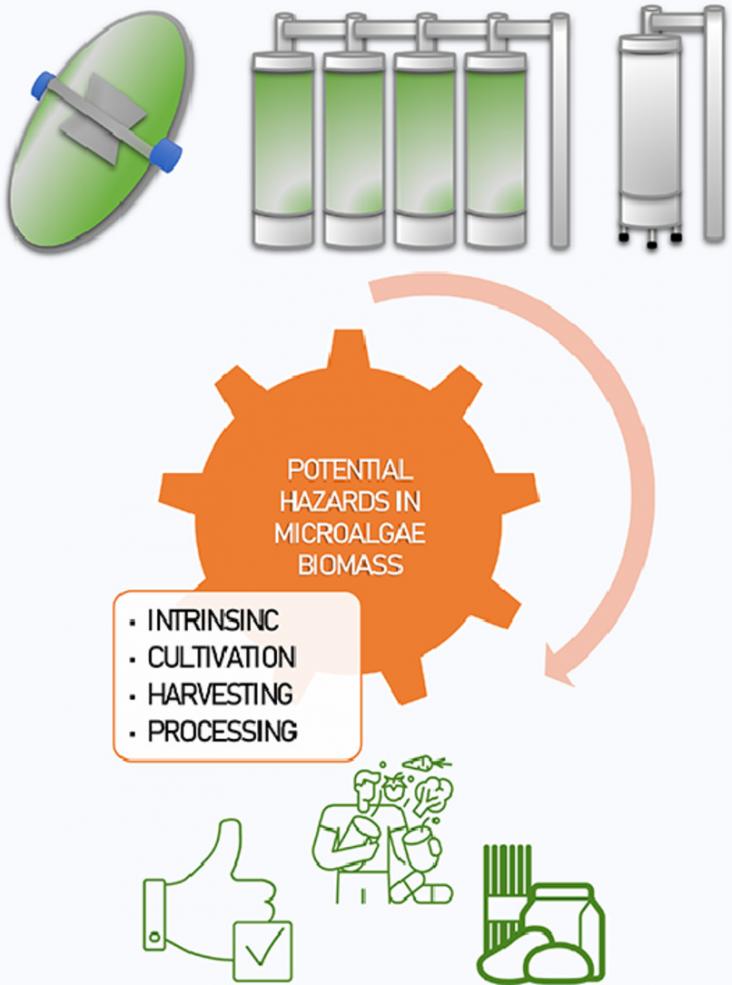
Development of plant based meat analogues for sustainable food systems.
Developing plant-based burgers. Consumer perception of clean label in plant-based meat alternatives was investigated.
Lab grown meat as a sustainable alternative.
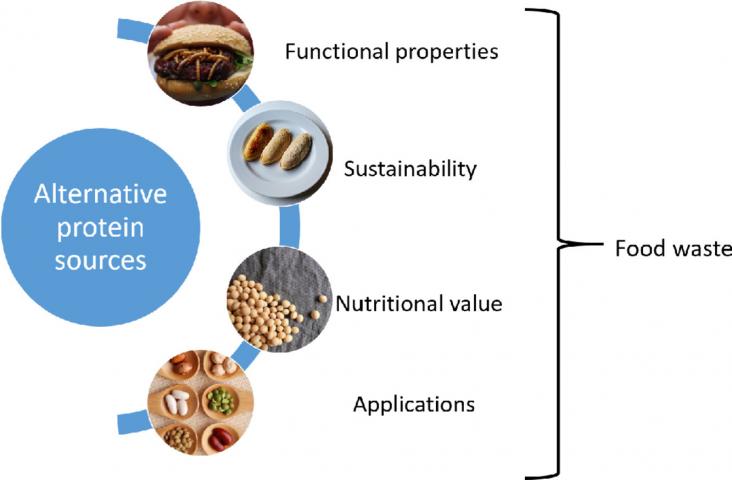
Developing products with insects for sustainable food systems.
Elsevier,
Emma Suali, Latifah Suali, Chapter 8 - Impact assessment of global biofuel regulations and policies on biodiversity, Editor(s): Khalid Rehman Hakeem, Suhaib A. Bandh, Fayaz A. Malla, Mohammad Aneesul Mehmood, Environmental Sustainability of Biofuels, Elsevier, 2023, Pages 137-161, ISBN 9780323911597
This content aligns with Goal 7, Clean and Affordable Energy, and Goal 15, Life on Land, by assessing the impact of biofuel feedstocks on the environment, ecosystem, and biodiversity of the regions where energy crops will be grown and harvested.