Global view on sea turtle conservation
Coral atolls are at risk from rising sea level, what can be done to enhance island buidling processes
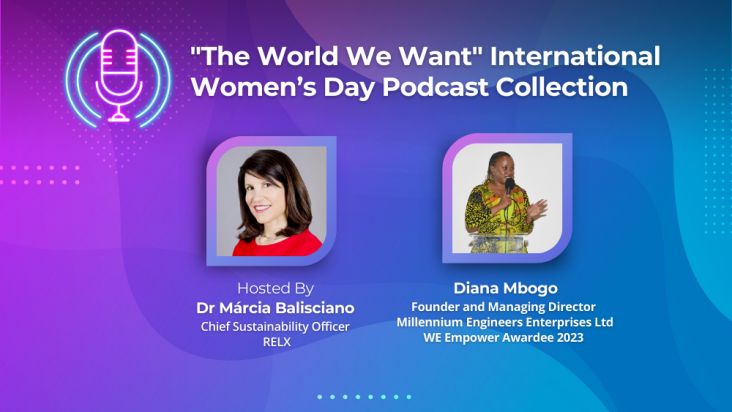
In this special edition of "The World We Want," Márcia Balisciano interviews Diana Mbogo, the Founder and Managing Director of Millennium Engineers in Tanzania. Diana, an award-winning entrepreneur, focuses on renewable energy solutions and is currently implementing the Sardine Fishing Industry Business Project. The project aims to transition the traditional, environmentally harmful methods of the sardine fishing industry toward more sustainable practices using solar drying facilities. Diana emphasises the critical connection between access to energy, particularly for women, and the broader goal of achieving the United Nations Sustainable Development Goals. Throughout the discussion, Diana shares her journey, challenges, and the transformative impact of her work on communities, highlighting the positive changes brought about by her innovative approach to the sardine industry.
Additives may be present in amounts higher than 50% within plastic objects.
The paper demonstrates the importance of a cross-sectoral approach in conservation planning to mitigate the impacts of industrial activities such as fishing, shipping, and deep-sea mining on biodiversity in the open ocean, offering a cost-effective solution for achieving conservation targets and promoting sustainable management in the face of "blue acceleration".
Physical, chemical weathering and volcanic eruptions release heavy metals into soils and surface waters naturally.
This chapter aligns with UN SDG Goals 3 and 14 by addressing the impact of crude oil spills on marine ecosystems and exploring sustainable solutions for mitigating pollution.
TESTING
In recent years the use of plastics has increased exponentially.
As indicated by various scientific organizations—the Intergovernmental Panel on Climate Change, the National Oceanic and Atmospheric Administration, the World Health Organization, and World Wide Fund