This Article supports SDG 3 by assessing the difference in quality of diabetes care between people with and without serious mental illness. The findings suggest that people with serious mental illness were less likely to receive process of care.
The results in this paper imply that long-term policies on improving access to education, livestock ownership, and improved water may shape the food security status of rural households in Northern Kenya.
Elsevier,
Clinical Decision Support and Beyond (Third Edition)
Progress and Opportunities in Knowledge-Enhanced Health and Healthcare
2023, Pages 707-714
Clinical Decision support provides an effective tool to minimize many of the drivers of health disparities in healthcare. There is promising evidence that these tools can serve to promote equity across the healthcare spectrum supporting SDG 3. However, future iterations require a focus on equity from the start and inclusive and sustainable development, implementation, and evaluation practices.
Elsevier,
Emerging Practices in Telehealth
Best Practices in a Rapidly Changing Field
2023, Pages 163-182
The need and opportunities for global health strategies to leverage the power of digital health technology to improve healthcare outcomes are growing. Telehealth and other digital health products and services are becoming increasingly important in this effort, and methodical strategies should be used to evaluate the need, application, integration, maintenance, and scaling of such solutions. With the correct attention upon these areas, digital health can serve as a catalyst to improve healthcare outcomes and reduce disparities across the world, supporting SDG3.
This content aligns with Goal 3: Good Health. Infectious hepatitis during childhood is classified both for clinical and academic purposes as acute or chronic, the latter carrying the highest burden of morbidity and mortality.
This content aligns with Goal 3: Good Health and summarizes and highlights the principles of therapy for AIH of importance to pathologists.
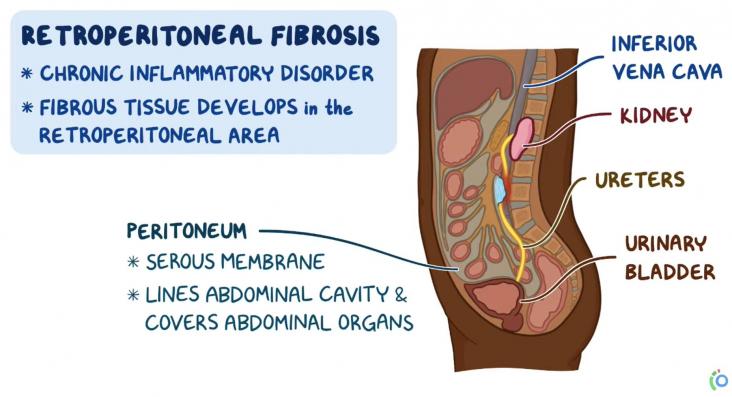
This article relates to SDG 3. This resource, created together by Osmosis and the National Organization for Rare Diseases (NORD), aims to increase the knowledge and awareness about retroperitoneal fibrosis, an inflammatory condition in which fiber-like tissue accumulates behind the peritoneum and causes lower back pain.
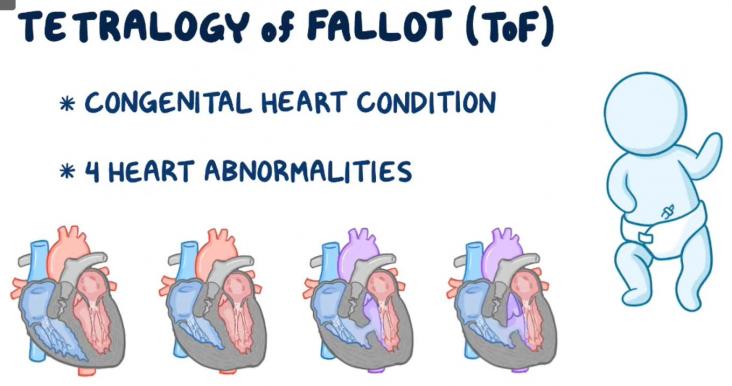
This article related to SDG 3. This resource, created together by Osmosis and the National Organization for Rare Diseases (NORD), aims to increase the knowledge and awareness about Tetralogy of Fallot, the single most common form of congenital heart disease that causes cyanosis (bluish discoloration from lack of oxygen).
This content aligns with Goal 3: Good Health and Wellbeing by highlighting hepatic manifestations of HIV infection.
This Article supports SDG 3 by revealing high levels of household food insecurity among people with disabilities in Brazil. The Continuous Cash Benefit, a social security payment made to people with disabilities, was noted to be an important contributor to food security in this population.