Resilient Health: Leveraging Technology and Social Innovations to Transform Healthcare for COVID-19 Recovery and Beyond, 2024, pp 71-87
Metabolic Steatotic Liver Disease: Current Knowledge, Therapeutic Treatments, and Future Directions, 2024, Pages 261-275
This content aligns with Goal 3: Good Health as this chapter will review the aspects of combined viral hepatitis and FLD, including prevalence, risk factors, natural history, pathogenesis, and management to help inform the reader of the complexity of these liver diseases.
Resilient Health: Leveraging Technology and Social Innovations to Transform Healthcare for COVID-19 Recovery and Beyond, 2024, Pages 713-727
Resilient Health: Leveraging Technology and Social Innovations to Transform Healthcare for COVID-19 Recovery and Beyond, 2024, pp 955-971
Safeguarding Mountain Social-Ecological Systems, Vol 2
Building Transformative Resilience in Mountain Regions Worldwide
2024, Pages 201-206
Tryptamine Microbiota-Deregulated Aminoacyl-tRNA Biosynthesis: A Conceptual Evolution of the Role of Microbiota Tryptamine in Human Diseases, 2024, pp 253-267
This content aligns with Goal 3: Good Health and Wellbeing and Goal 9: Industry, Innovation, and Infrastructure by highlighting the data demonstrating the role tryptamine plays in Alzheimer's Disease.
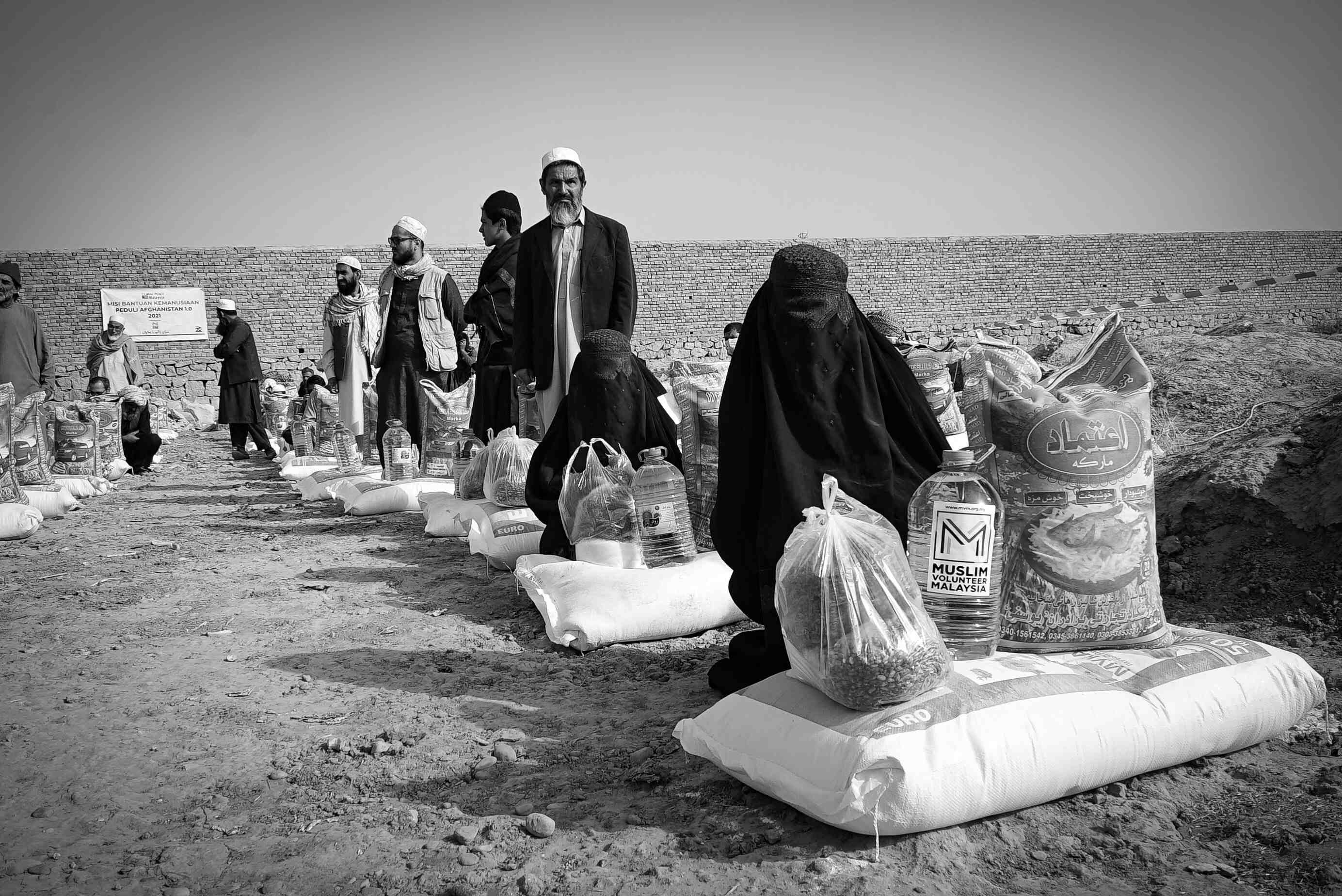
World Humanitarian Day 2025
World Humanitarian Day is an international day dedicated to recognizing humanitarian personnel and those who have died working for humanitarian causes. Designated by the United Nations General Assembly, this day honors the efforts of those who risk their lives in the service of others. Observed on August 19th, it commemorates the tragic loss of Sérgio Vieira de Mello, the then Special Representative of the Secretary-General to Iraq, and 21 of his colleagues in the bombing of the UN Headquarters in Baghdad.
This article presents a comprehensive network and resource dependency model for the Early Neolithic period in western Europe, focusing on the Blicquy/Villeneuve-Saint-Germain (BVSG) cultural complex.
Evolution and Trends of Sustainable Approaches: Latest Development and Innovations in Science and Technology Applications, 2024, Pages 209-226
This chapter ties into Sustainable Development Goal 7, Sustainable Development Goal 9, and Sustainable Development Goal 13 by promoting the adoption of green hydrogen as a clean and sustainable energy source, emphasizing the development of decision support systems for designing hydrogen supply chains which involves innovation and the creation of new infrastructure, and addressing the environmental consequences of conventional energy sources by focusing on green hydrogen as a viable solution to mitigate climate change impacts.
This chapter supports UN SDG3 and discusses how Indigenous communities are grounded in the connections among people and between people and the natural world. Especially important is the wisdom of elders and the knowledge that comes from culturally embedded teachings and how unique technological tools can aid in strengthening self-esteem and well-being and rebuild core cultural relationships.