This content aligns with Goal 3: Good Health and Wellbeing as well as Goal 10: Reduced Inequalities by emphasizing the importance of technology assessment capability in shaping health policy and priorities to improve health outcomes and quality of life. By promoting strong professional education and practice standards, accreditation processes, and educational programs for public health, the content supports efforts to enhance the quality of healthcare services and public health interventions. Additionally, it aligns with Goal 10: Reduced Inequalities by recognizing the need to address disparities and ensure equitable access to evidence-based methods of prevention, diagnosis, and therapy. By advocating for continuous revision of legal frameworks and ethical standards in response to societal changes and emerging health challenges, the content underscores the importance of promoting fairness and equity in public health practices and policies. Moreover, it highlights the ethical imperative of public health interventions to protect populations from illness and premature death, thereby contributing to efforts aimed at reducing inequalities in health outcomes and promoting the well-being of all members of society.
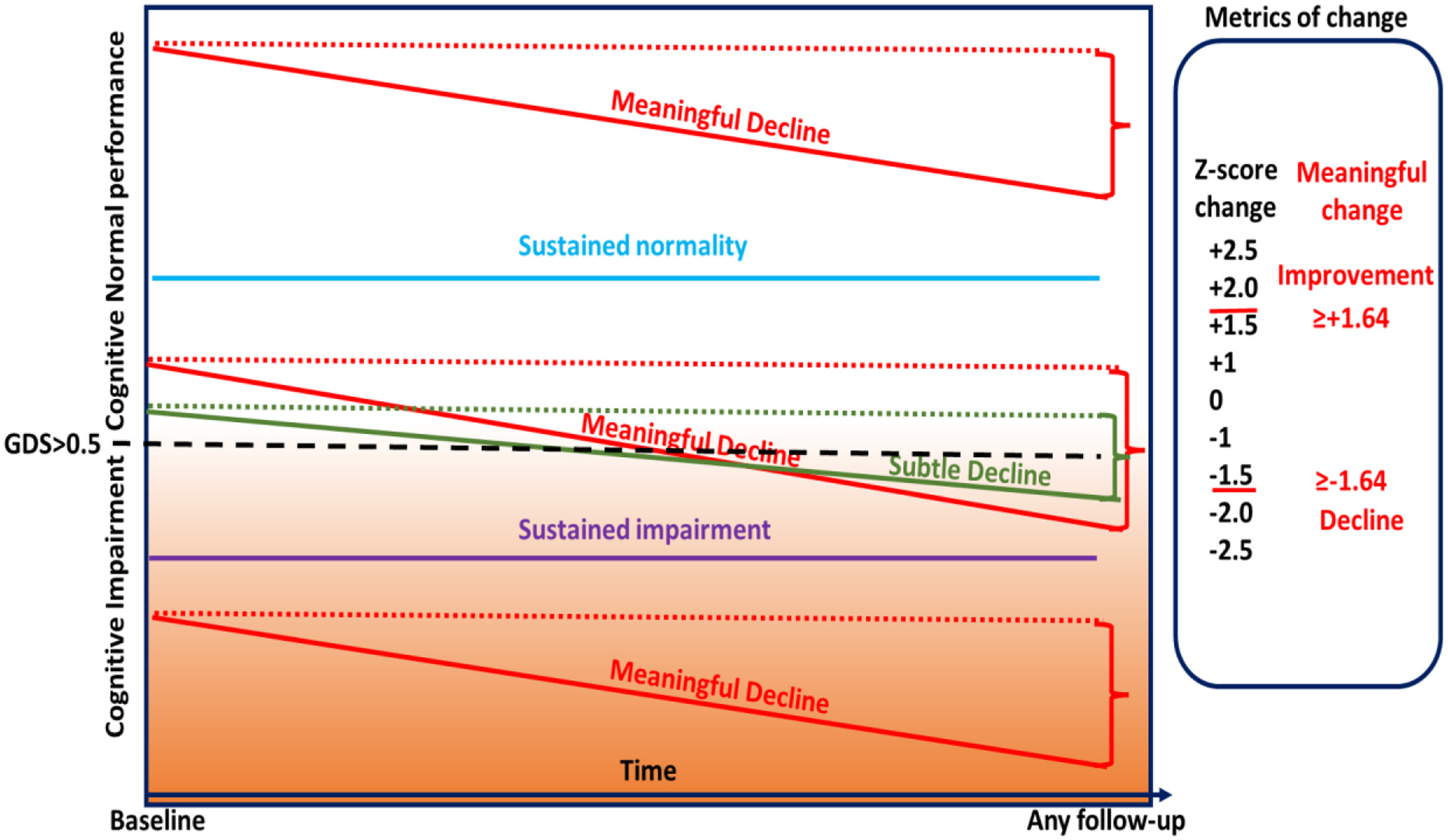
According to the CDC 11% of adults have subjective cognative decline. Given the high coverage of ART in Australia, researchers assessed if there was a link between ART and cognative decline. With 1% of the study population reported to have sustained decline, the authors concluded that meaningful cognative decline was not significantly different compared with what would be expected. Although not a game changing new drug regimen, with the average life expectantcy of people with HIV now 83 year the lack of link between ART and cognative decline means that good health and wellbeing can be promoted into old age.
Background: Eating Disorders (EDs) are among the deadliest of the mental disorders and carry a sizeable public health burden, however their research and treatment is consistently underfunded, contributing to protracted illness and ongoing paucity of treatment innovation. Methods: We compare absolute levels and growth rates of Australian mental health research funding by illness group for the years 2009–2021, with a specific focus on eating disorders analysed at the portfolio level.
Elsevier,
Genomic Data Sharing, Case Studies, Challenges, and Opportunities for Precision Medicine, 2023, Pages 71-90
The Global Alliance for Genomics and Health (GA4GH) is an international standards development organization (SDO) focused on advancing human health and medicine through genomic data sharing and interoperability. Founded in 2013, the organization has evolved over time and has adapted to unexpected challenges in ways that we believe would be of interest to the broad biomedical community. In this chapter, we present our experiences to support others wishing to share data through global, community-driven standards supporting SDG3.
The growth of predictive data analytics and the simultaneous growth in the availability of interoperable AI-enabled devices offer opportunities to mitigate healthcare disparities currently endemic in indigent, underrepresented, and underserved communities supporting SDG3.
This article aims to identify and break barriers in order to implement the best care for First Nations' mothers.
This article highlights the continuity of care where new culturally specific midwife continuity models had been recently implemented.
Located within a community-controlled health service, the Australian Nurse-Family Partnership Program can foster cultural connection, peer support and access to health and social services; all contributing to self-efficacy.
According to this study, multimorbidity was highly prevalent and dying in hospital during a palliative care admission is common for Indigenous Australians. These data can inform end-of-life care and health service planning for Indigenous Australians living with heart failure and cardiomyopathy.
The goal of this article is to offer relevant support to midwives working with First Nations families.