Health and population dynamics are intertwined, embodying an intricate relationship with significant implications on the Sustainable Development Goals (SDGs). Health is fundamentally at the center of these 17 global goals, aimed to transform the world by 2030. Specifically, Goal 3 endeavors to "Ensure healthy lives and promote well-being for all at all ages." It acknowledges that health is pivotal to human life quality, social cohesion, and sustainable development. Inextricably linked to this are the complexities of population dynamics, including growth rates, age structure, fertility and mortality rates, and migration patterns.
With the world's population projected to exceed 9.7 billion by 2050, the pressure on health systems will undoubtedly escalate. The demographic transition, with an aging population and an increasing prevalence of non-communicable diseases, poses new challenges for health systems globally. Additionally, areas with high fertility rates often overlap with extreme poverty, resulting in heightened health risks, including higher maternal and child mortality rates, malnutrition, and infectious diseases.
Moreover, rapid urbanization and migration present both opportunities and threats to health. While urban areas may provide better access to healthcare, they also harbor risks of disease transmission, air and water pollution, and social determinants of health like inadequate housing and social inequality. Simultaneously, migrants often face disproportionate health risks due to unstable living conditions, exploitation, and limited access to healthcare services.
Achieving the SDGs will necessitate comprehensive approaches that consider the intricate interplay of health and population dynamics. It means strengthening health systems, promoting universal health coverage, and addressing social determinants of health. It also implies crafting policies that recognize demographic realities and foster an environment conducive to sustainable development. Only by understanding and harnessing these dynamics can the world meaningfully progress towards realizing the SDGs, ensuring healthy lives and well-being for all.
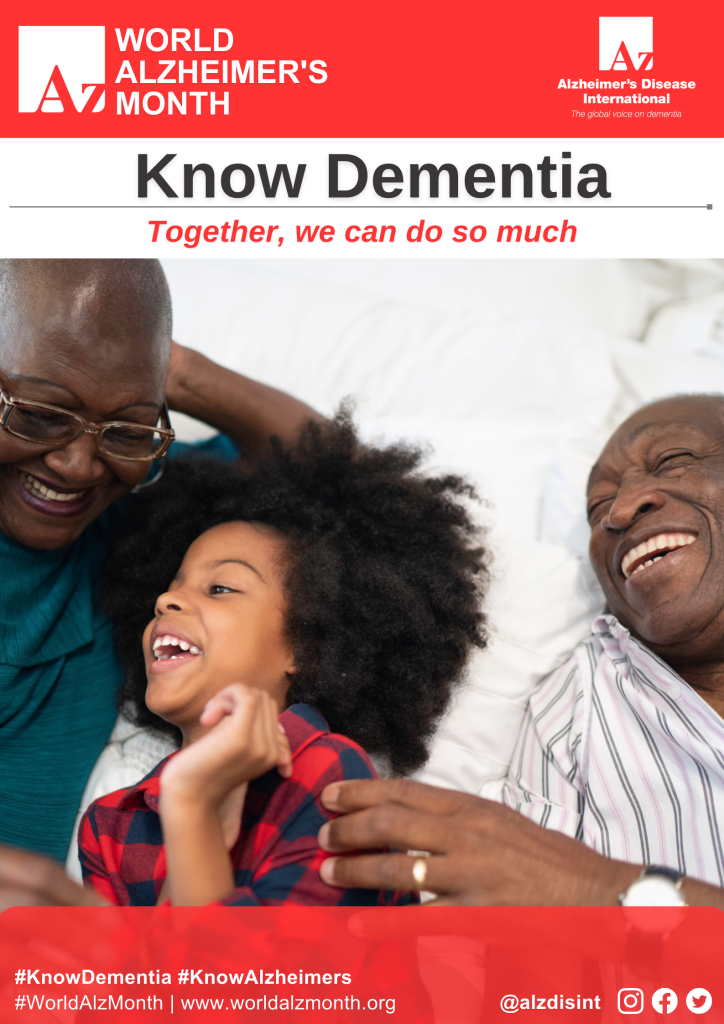
An estimated 50 million people around the world currently live with Alzheimer's disease or other dementias, dementia being a collective term for progressive syndromes that affect various expressions of cognitive function, such as memory and emotional expression. Alzheimer’s disease accounts for the majority of cases (50 to 70%, varying by country, based on Alzheimer’s Disease International and World Health Organization figures).
Perloff's Clinical Recognition of Congenital Heart Disease (Seventh Edition)
2023, Pages 283-311
Perloff's Clinical Recognition of Congenital Heart Disease (Seventh Edition)
2023, Pages 458-471
Perloff's Clinical Recognition of Congenital Heart Disease (Seventh Edition)
2023, Pages 166-182
Hepatocellular carcinoma (HCC) accounts for between 85% and 90% of primary liver cancers. It has several interesting epidemiological characteristics. Differences in distribution have been noted between geographic regions and ethnic groups but also according to sex and the presence of several risk factors linked to the environment. A variety of risk factors for HCC have been reported, including hepatitis B and C viruses, aflatoxin B1, alcohol consumption, nonalcoholic fatty liver disease, and hemochromatosis. Hepatitis B virus (HBV) is a ubiquitous virus with worldwide distribution.