Gender equality and women's empowerment play a vital role in achieving the Sustainable Development Goals (SDGs) outlined by the United Nations. Acknowledging the significance of SDG 5, which explicitly targets gender equality and the empowerment of all women and girls, it's worth noting that these elements are fundamentally tied to all 17 goals. Each goal, whether it pertains to poverty eradication, quality education, or climate action, is directly or indirectly affected by gender dynamics. Gender inequality inhibits economic growth (SDG 8) by depriving economies of the full potential of half its population, thereby exacerbating poverty (SDG 1) and hunger (SDG 2). Additionally, gender-based discrimination can limit access to quality education (SDG 4) and decent work (SDG 8) for women and girls, further perpetuating inequality. In health matters, gender roles and stereotypes often result in disparities in healthcare access and outcomes (SDG 3). With respect to environmental sustainability (SDGs 13, 14, and 15), women, particularly those in rural areas, bear the brunt of climate change impacts, but they also hold unique knowledge and skills crucial for mitigation and adaptation strategies. Likewise, women's underrepresentation in decision-making roles limits their influence on peace and justice (SDG 16) and partnerships for goals (SDG 17). Thus, achieving gender equality isn't only about justice for women and girls, but also about progress on every SDG. Women's empowerment creates a multiplier effect that boosts economic growth and promotes sustainable development, thereby setting a direct path towards achieving the SDGs. Encouragingly, concerted efforts worldwide are recognizing and amplifying women's roles in society, placing gender equality and women's empowerment at the heart of the SDGs. Such advancements signify a positive stride towards a balanced and equitable world.
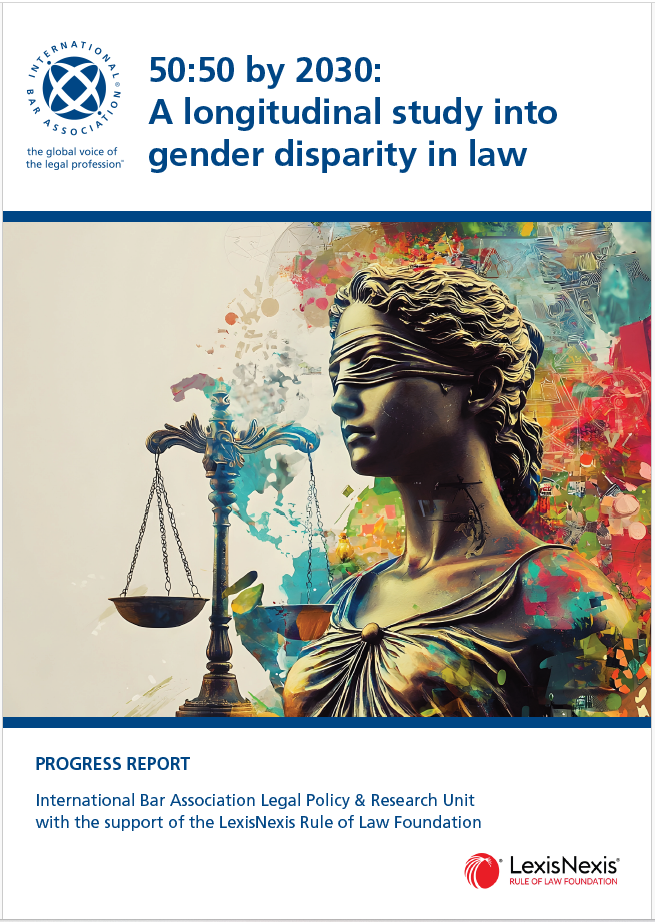
IBA 50:50 by 2030 Progress Report was released by the IBA Legal Policy & Research Unit (LPRU) in collaboration with the LexisNexis Rule of Foundation
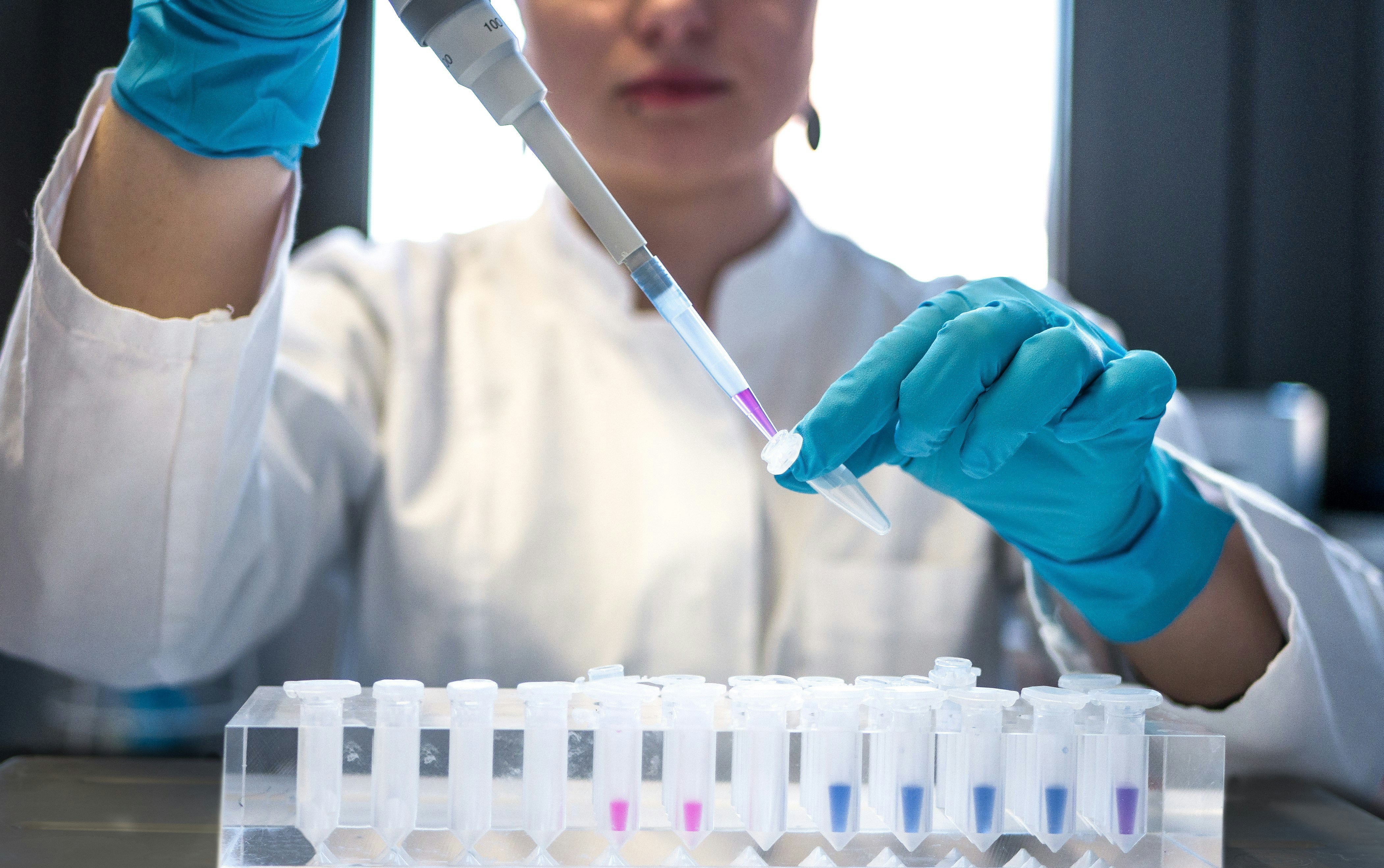
The Elsevier Foundation Chemistry for Climate Action Challenge is a collaboration between the Elsevier Foundation, a non-profit focused on inclusive research and health funded by Elsevier and Elsevier's Chemistry journals. The Challenge represents a commitment from Elsevier to uncover practical, scalable solutions to specific issues caused by climate change in global South communities thereby advancing both Climate Action (SDG13) and Gender Equity (SDG5).
When women who are taking thyroid hormones become pregnant, they are often requested to take double the dosage immediately. Read the study to learn proper dosage and timing for pregnant women taking thyroid hormones.